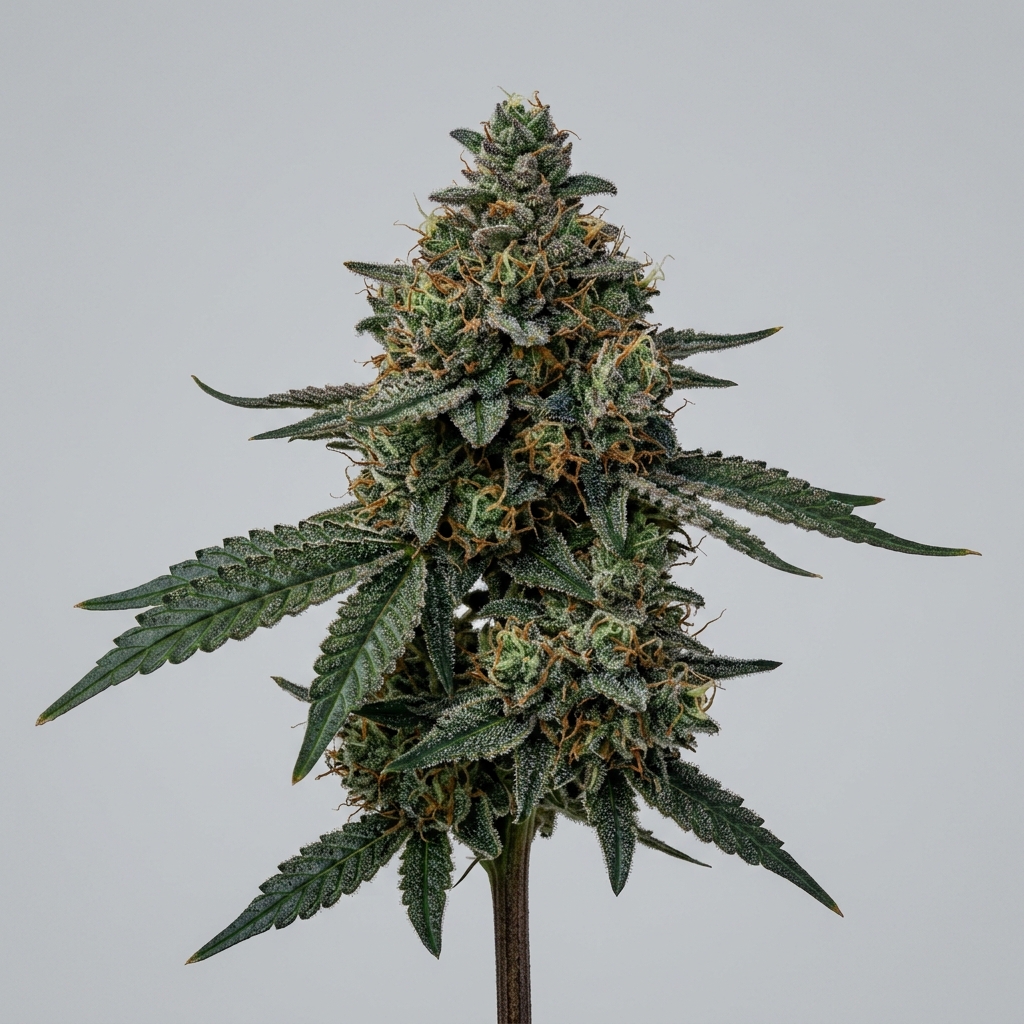
Kushberry (Cannabis Strain)
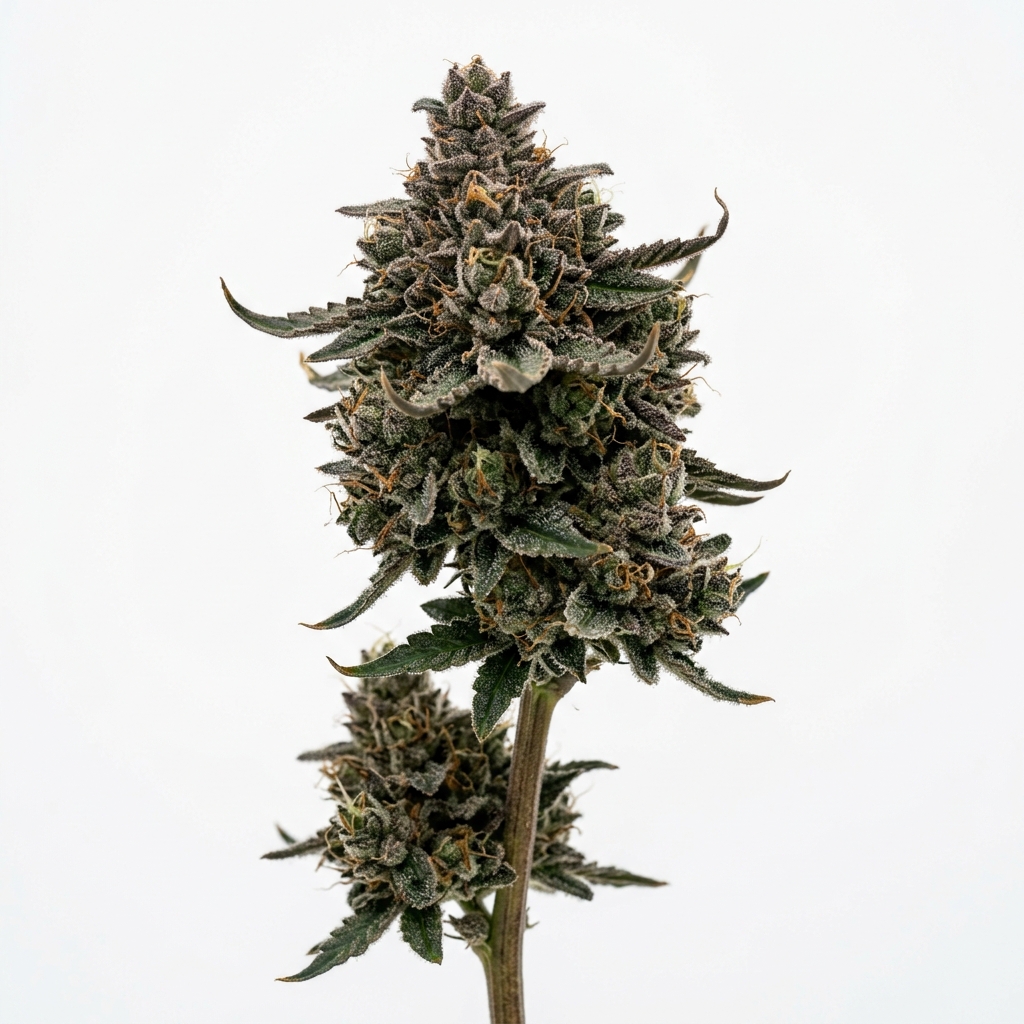
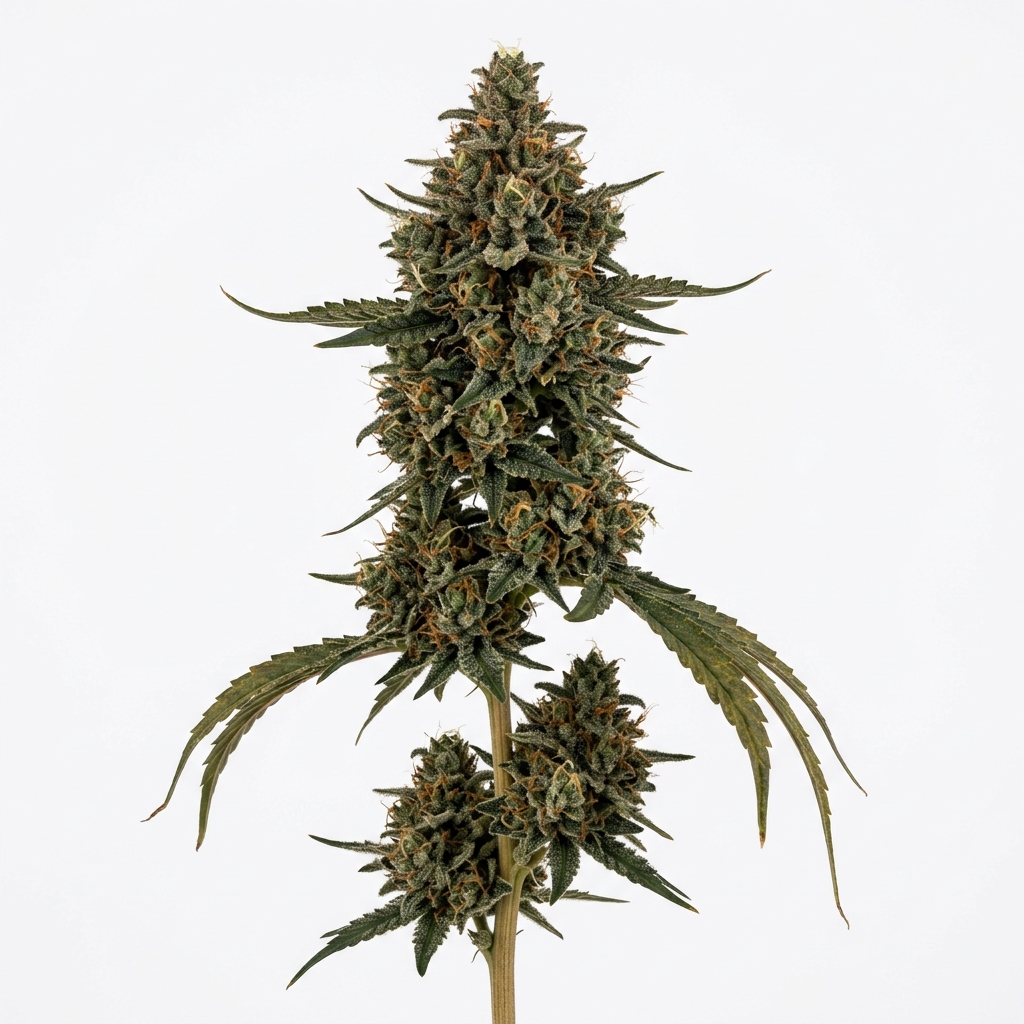
Kushberry, bred by DNA Genetics, is an indica-dominant hybrid created by crossing Blueberry and OG Kush. With a average THC range of 18% to 24%, this cultivar is highly regarded for its dense, cone-shaped buds, greasy resin production, and a distinct terpene profile that balances tart berry gas with an earthy pine base. Its sturdy, compact growth habit makes it a reliable choice for cultivators seeking high-quality indica traits without excessive canopy management.
The strain has earned a solid reputation for combining the sweet, dark berry edge of its Oregon-born maternal line with the heavy, fuel-forward backbone of its paternal Kush heritage. Cultivators appreciate its manageable height and predictable response to training, making it a staple for both boutique indoor setups and traditional outdoor gardens.
Quick Facts
| Fact | Details |
|---|---|
| Genetics | Blueberry × OG Kush |
| Variety | Indica-dominant Hybrid |
| THC Range | 18% – 24% |
| Flowering Time | 8 – 9 weeks |
| Yield Potential | Moderate to High |
| Plant Height | Medium, compact |
| Climate Preference | Mild, low late-flower humidity |
| Difficulty | Easy to Moderate |
Scientific & Botanical Overview
Kushberry shows a classic indica morphology, characterized by broad fan leaves, tight internodal spacing, and a stocky frame. The plants typically produce thick, woody stems that support heavy, resin-rich flowers without requiring extensive support structures. This structural integrity is a direct inheritance from its Kush lineage, which favors lateral stability over vertical stretch.
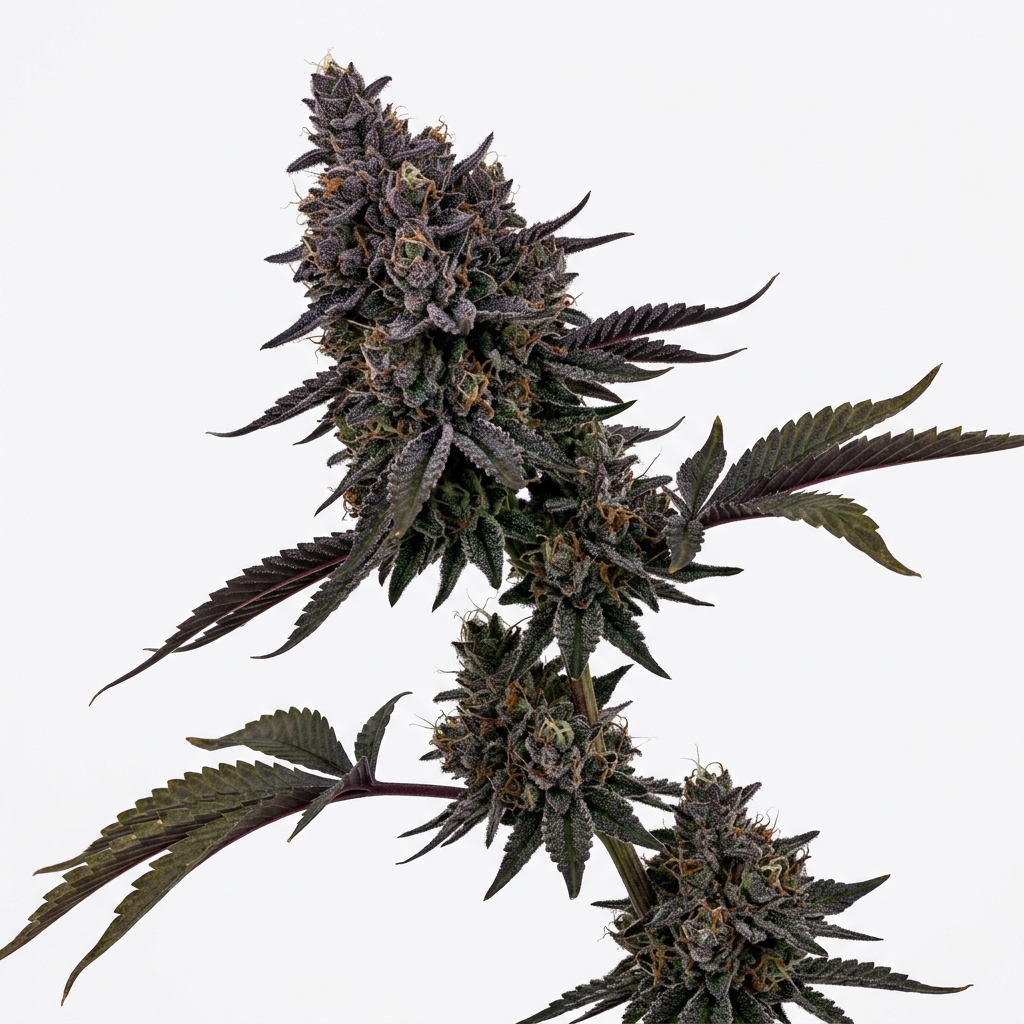
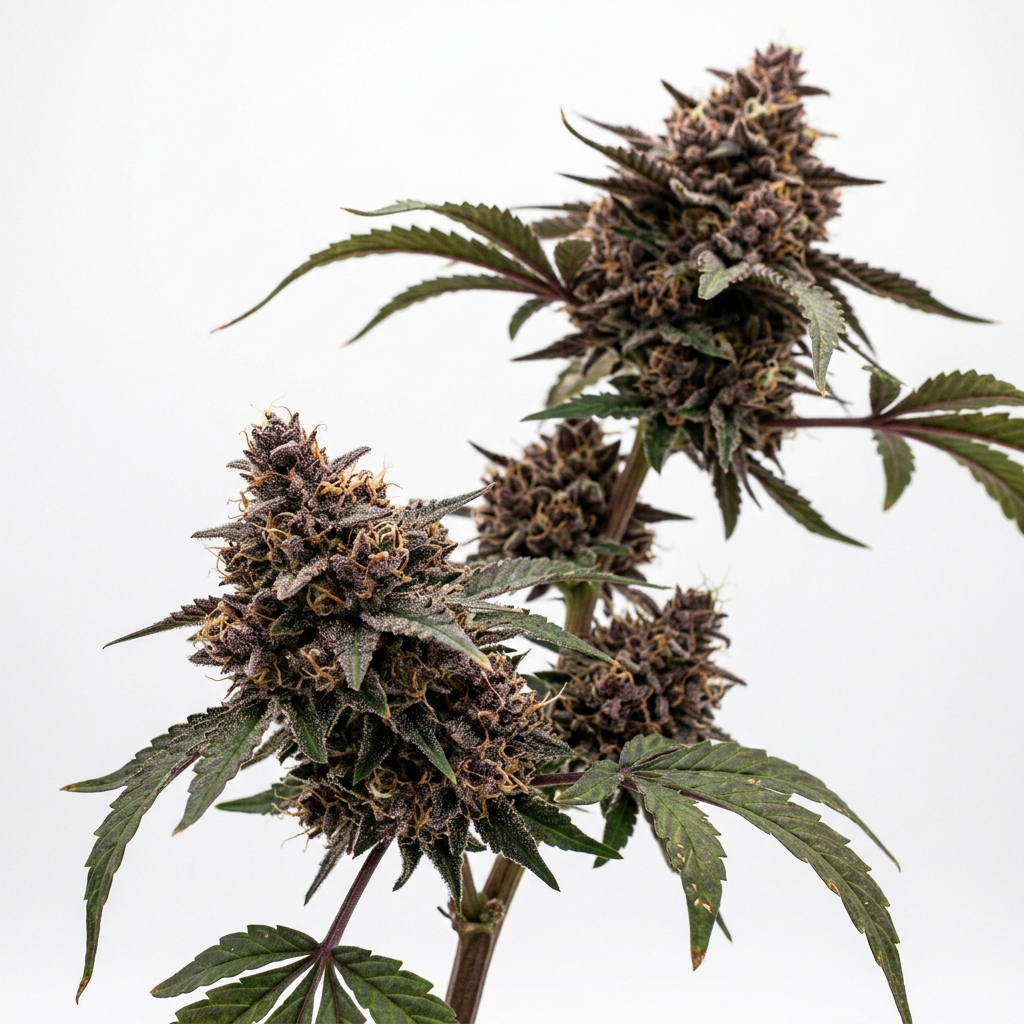
Anthocyanin accumulation is common during the late-flower stage, especially when night temperatures drop, turning the deep green bracts into shades of dark blue and purple. The trichome heads are predominantly capitate-stalked, forming a dense, sticky carpet that feels greasy to the touch rather than dry or glassy. This resin density makes the cultivar particularly attractive for solventless extraction methods.
This cultivar is highly efficient in its nutrient uptake, showing a strong preference for steady nitrogen levels during vegetative growth. As it transitions to flower, the demand shifts rapidly toward phosphorus and potassium to support its dense, compact calyx development. Proper airflow is essential throughout the life cycle, as the dense bract structure can trap moisture easily.
Effects & Use-Cases (Reported)
Commonly reported effects include a heavy physical relaxation, a calm mental state, and a notable reduction in physical tension. Users often describe a slow-rolling onset that begins behind the eyes before settling into a deep, grounding body high. Unlike more soaring sativa varieties, the mental clarity remains relatively clear while the physical body is deeply relaxed.
Use-case context is primarily centered on evening or nighttime applications. Its sedative qualities make it less suitable for active daytime tasks, instead finding its place in wind-down routines, late-night listening, or recovery-focused sessions. It is frequently selected by those looking to ease into a restful night of sleep or release muscle tightness after strenuous activity.
Note: Individual experiences can vary significantly based on tolerance, consumption method, and specific phenotype chemistry. Always approach high-THC cultivars with caution.
Aroma & Flavors
Aroma: The initial nose is dominated by a pungent, overripe blueberry scent, quickly followed by a heavy, sour fuel undertone. Breaking the buds releases a deeper layer of damp earth, spicy pine, and a sharp citrus lift that lingers in the air.
Flavor: On the inhale, it delivers a rich, jammy sweetness that coats the palate, transitioning to a classic woody, fuel-forward Kush finish on the exhale. A subtle mint finish is sometimes noted in cooler-grown phenotypes, adding a crisp layer to the heavy smoke.
Terpene associations: The primary terpenes associated with this profile are myrcene, caryophyllene, and limonene, which collectively drive its herbal, spicy, and citrus-forward aromatic complexity.
Tested Cannabinoid & Terpene Ranges
| Compound | Typical Range |
|---|---|
| Δ9-THC | 18.0% – 24.0% |
| CBD | < 0.5% |
| Myrcene | 0.4% – 0.9% |
| Caryophyllene | 0.2% – 0.6% |
| Limonene | 0.15% – 0.4% |
Note: Analytical values are based on laboratory averages and can fluctuate based on cultivation techniques, environmental conditions, and curing protocols.
Cultivation Notes
- Humidity management: Maintain relative humidity below 45% during the final three weeks of flowering to protect the dense, compact colas from moisture retention and mold issues.
- Nutrition: Responds well to a moderate feeding schedule; avoid over-fertilizing during early vegetative growth to prevent leaf clawing and nutrient lockouts.
- Training: use low-stress training (LST) and early topping to encourage lateral branching and maximize light penetration to lower bud sites.
- Defoliation: Perform a thorough defoliation of the lower third of the canopy just before switching to a 12/12 light cycle to improve airflow and focus energy on upper colas.
- Phenotype variation: Phenotypes may split between a taller, fuel-dominant OG-leaning structure and a shorter, stockier, berry-dominant selection.
Grower Notes (Week-by-Week Snapshot)
- Weeks 1–3 (Vegetative & Transition): Plants show a controlled stretch, usually doubling in size. Ensure early branch training is established before the stem structure becomes too rigid.
- Weeks 4–6 (Mid-Flower): Resin production begins early, with wet frost appearing along the sugar leaves. The aroma transitions from fresh cut grass to a sweet berry base.
- Weeks 7–9 (Late-Flower & Flush): Calyxes swell significantly, and pistils turn a deep amber. Introduce cooler night temperatures to encourage purple coloration and execute a clean flush for at least 10 days.
- Post-Harvest (Dry & Cure): Hang-dry the whole plant at 60°F and 60% relative humidity for 12 to 14 days to preserve the delicate volatile terpenes before a minimum three-week cure in sealed vessels.
Genetic Lineage
The lineage of Kushberry traces back to a deliberate pairing of two legendary West Coast lines. The maternal contributor is the classic Blueberry (specifically an Oregon-derived cut), known for its sweet berry profile and robust, colorful growth habits. This parent brings the essential fruit notes and structural resilience that defines the hybrid.
The paternal influence comes from OG Kush (specifically the L.A. Kush cut), which infuses the offspring with its signature fuel, pine, and high-potency characteristics. This combination successfully balances the sweet, fruity traits of the berry line with the heavy, gas-forward structure of the Kush family, resulting in a reliable and uniform offspring.
Research Insights
Phytochemical analyses of Kushberry consistently highlight a high concentration of sesquiterpenes alongside monoterpenes. The presence of caryophyllene in combination with high myrcene levels suggests a synergistic pathway that accentuates its physical, relaxing properties. This specific chemical makeup is often studied for its potential in targeted physical relaxation applications.
Breeders and researchers note that the genetic stability of this cross makes it a reliable parent strain for further hybridization. Its ability to pass down both distinct berry notes and dense bud structure remains highly valued in contemporary horticultural breeding programs aimed at improving commercial yields and terpene clarity.
Frequently Asked Questions
Is Kushberry an indica or sativa?
It is an indica-dominant hybrid, typically exhibiting a 70% indica to 30% sativa ratio, which is highly reflected in its compact growth habit and relaxing physical effects.
What does Kushberry smell like?
It features a strong aroma of sweet, ripe blueberries blended with a pungent, earthy fuel and spicy pine, creating a rich berry gas profile.
How long does Kushberry take to flower?
Indoor flowering is usually complete within 8 to 9 weeks, while outdoor plants are typically ready for harvest by early October in the Northern Hemisphere.
Is Kushberry easy to grow?
Yes, its compact size, sturdy branches, and predictable growth habits make it an excellent choice for beginner to intermediate growers who can manage late-flower humidity.
Educational Disclaimer
This content is for educational and informational purposes only. It is not intended to provide medical advice or encourage the illegal cultivation or consumption of controlled substances. Always consult with a healthcare professional before using cannabis products, and adhere to your local laws and regulations.
Rate and review this strain
Ratings and reviews are accepted only from signed-in Google accounts.
Sign in with Google to leave a rating and written review.
Latest Reviews
0 reviewsNo reviews yet. Be the first Google user to rate and review this strain.
Follow New Cultivar Records
Get newly documented genetics, breeder history, research highlights, and important Strainpedia discoveries by email.