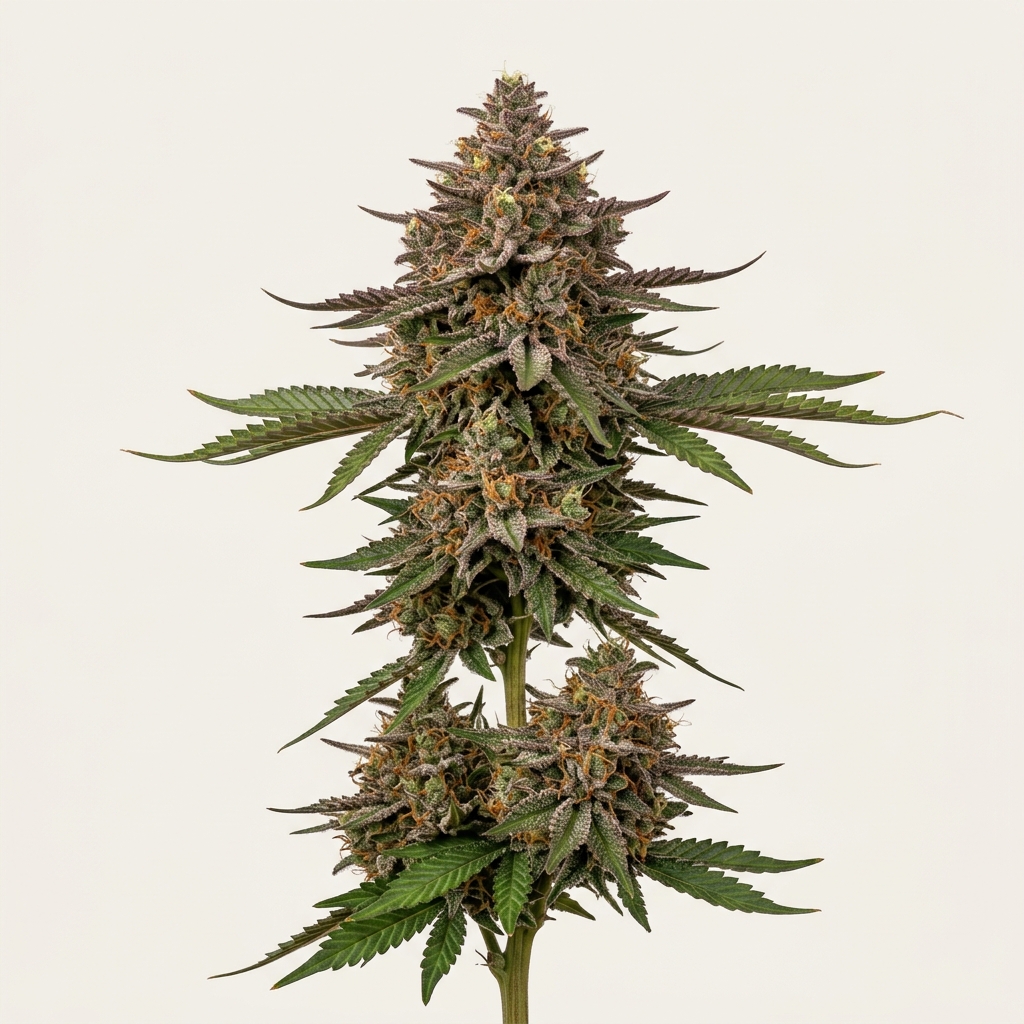
Hollands Hope (Cannabis Strain)
Hollands Hope is a classic, highly resilient indica-dominant hybrid typically testing between 14% and 18% THC, bred specifically to thrive in wet, cooler northern climates where mold usually threatens late-season harvests. Originating from a cross of a hardy Afghan landrace and Skunk #1, this cultivar is celebrated for its earthy, sweet hash aroma with subtle dark berry notes and its ability to produce large, dense spear colas despite adverse autumn weather. Its robust outdoor performance and reliable, relaxing physical effects make it a foundational pillar of old-school European cannabis breeding.
Cultivators in temperate zones rely on this strain for its natural resistance to bud rot and powdery mildew. While it can be grown indoors, its true potential is realized under the open sun, where its deep green, broad fan leaves and sturdy lateral branches support heavy yields without requiring extensive staking.
Quick Facts
| Attribute | Details |
|---|---|
| Genetics | Afghan × Skunk #1 |
| Variety | Indica-dominant Hybrid |
| THC Range | 14% – 18% |
| Flowering Time | 8 weeks (Late September / Early October outdoors) |
| Yield Potential | Moderate to High |
| Plant Height | Medium to Tall (outdoors) |
| Climate Preference | Cool, wet, temperate climates |
| Difficulty | Easy / Beginner-friendly |
Scientific & Botanical Overview
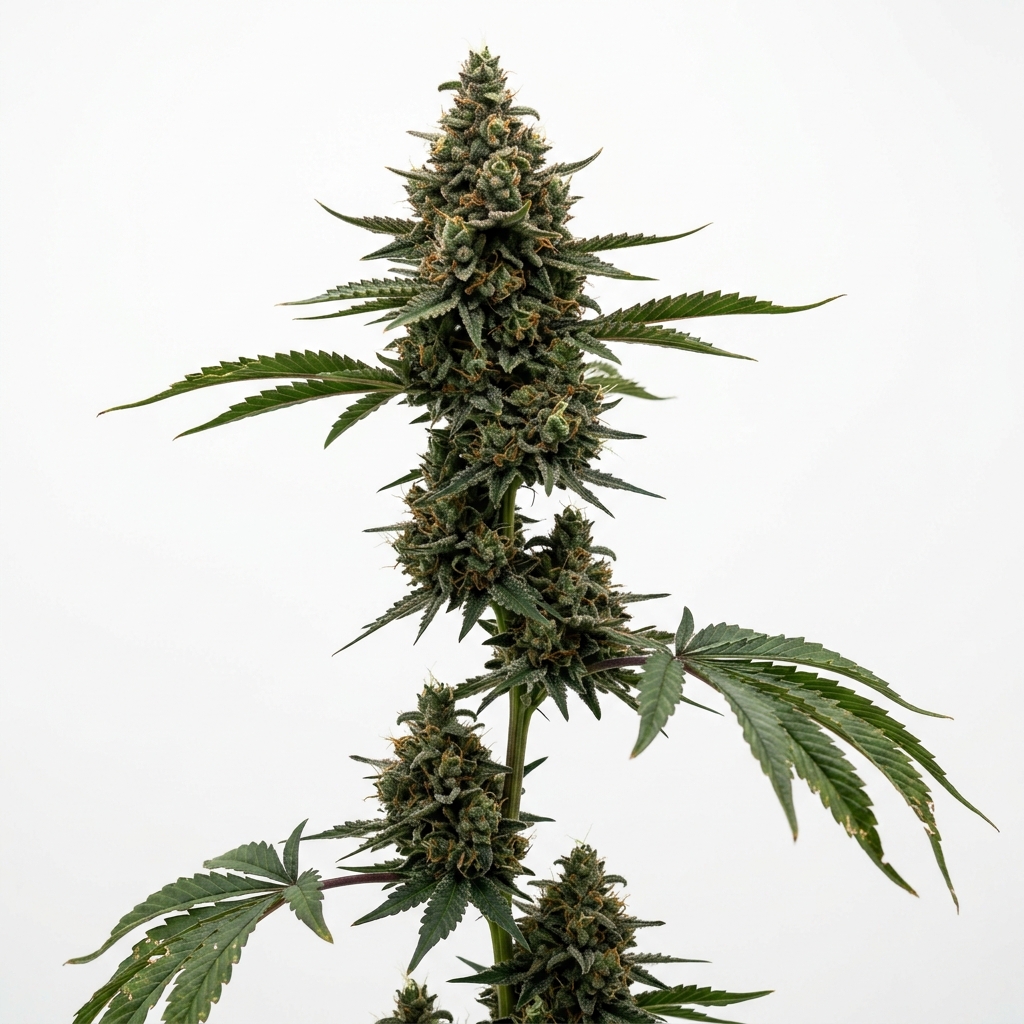
Botanically, Hollands Hope shows classic indica morphology, characterized by broad fan leaves, tight internodal spacing during early vegetative growth, and a sturdy, stocky frame. As the plant transitions to flower, it displays a controlled stretch that allows air to circulate through its dense canopy, a crucial evolutionary trait for damp environments.
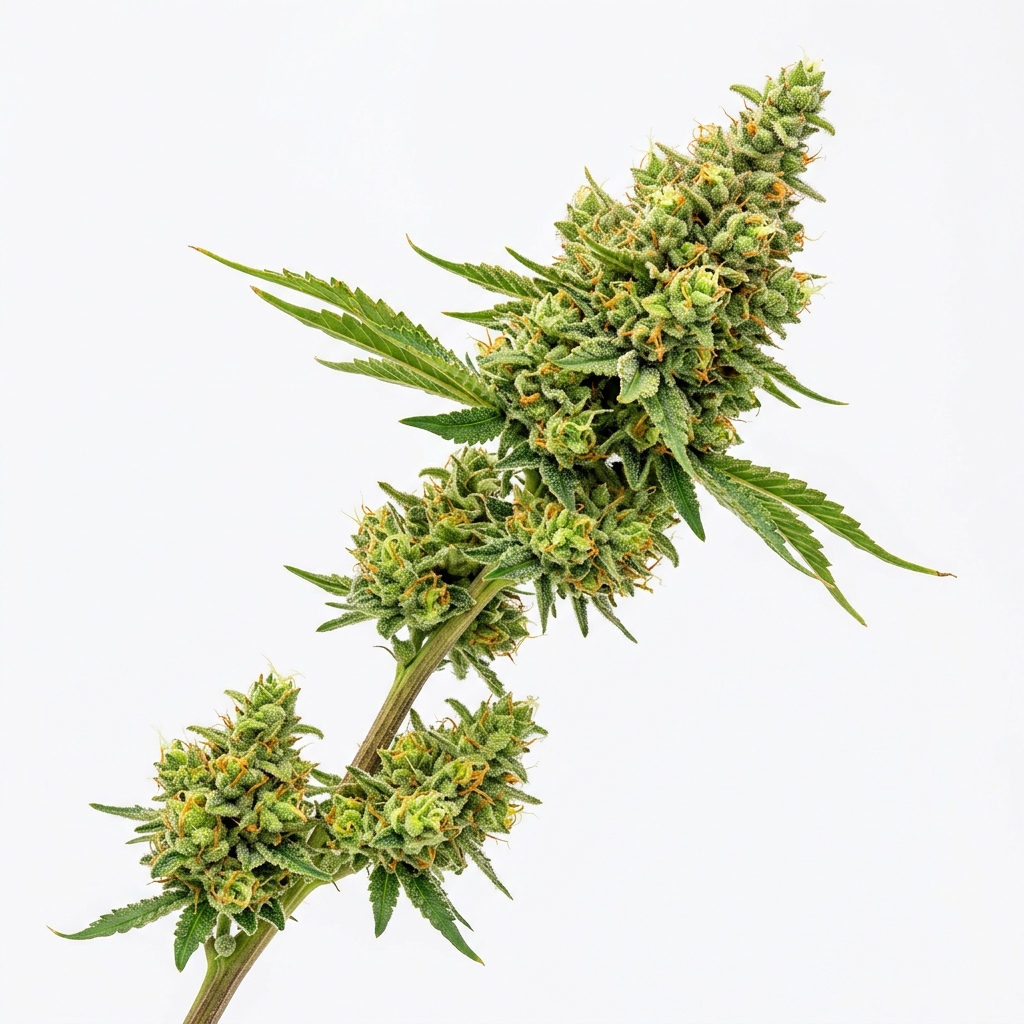
The bracts are tightly clustered, forming long, heavy spear colas that accumulate a dense layer of greasy resin. Unlike modern indoor exotics with delicate, glassy trichomes, this cultivar produces a thicker, more durable resin layer that helps protect the floral clusters from moisture-induced pathogens.
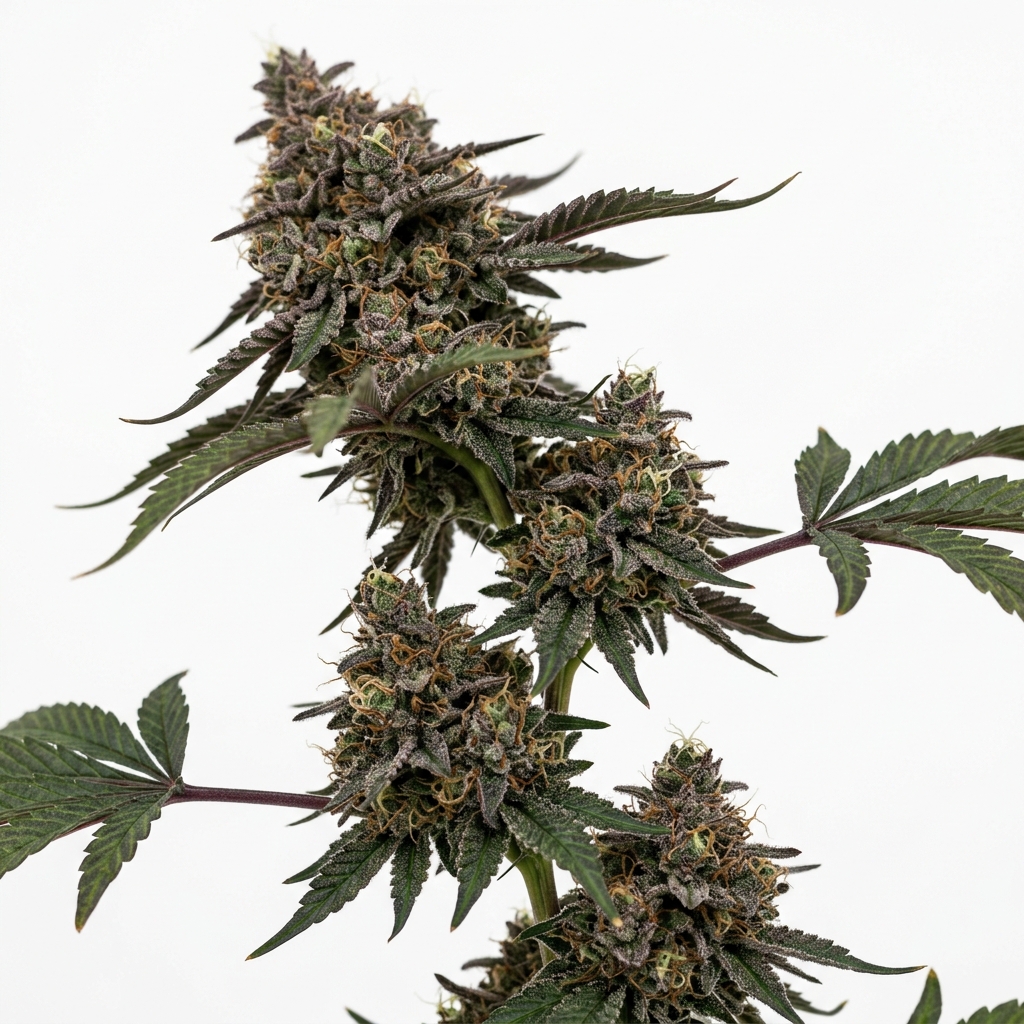
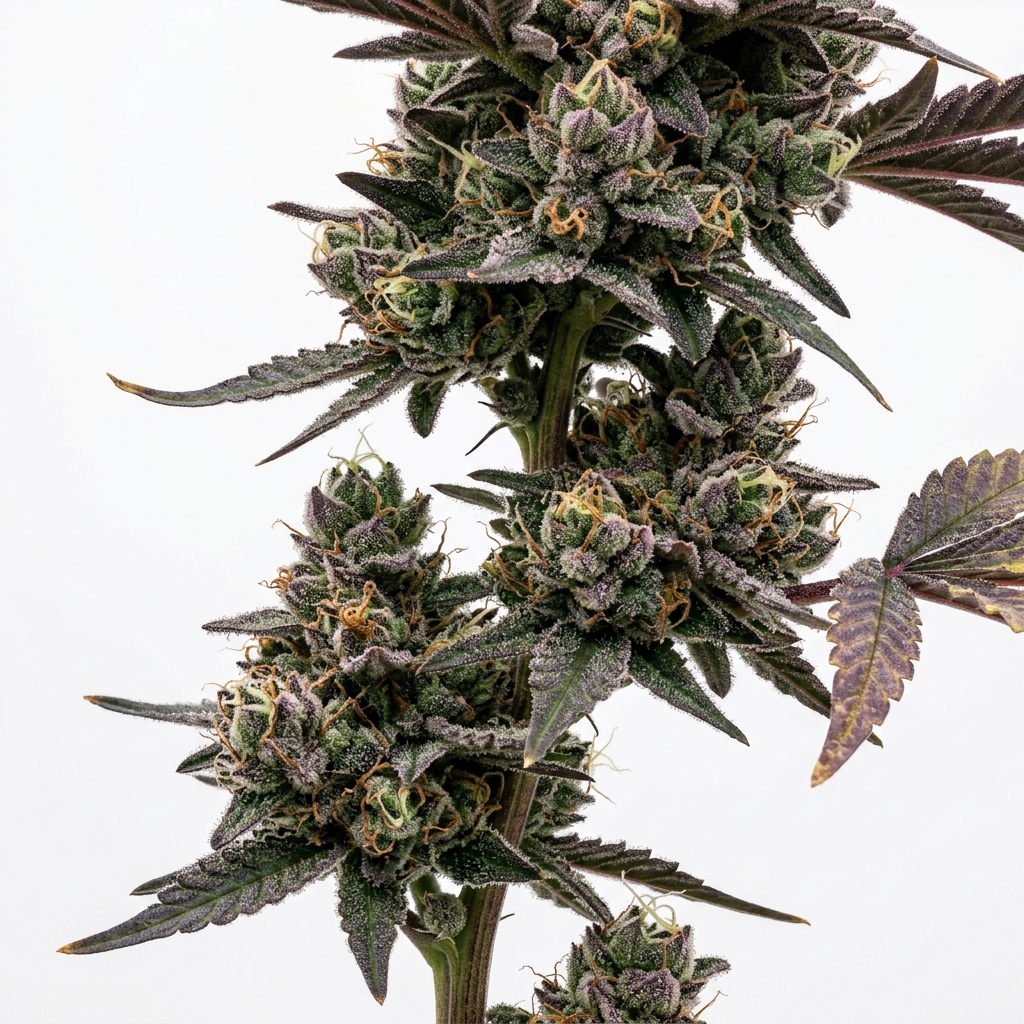
Anthocyanin expression is common in late flower, especially when night temperatures drop, causing the outer leaves and bracts to develop deep purple hues. The stomatal density and cuticle thickness of this strain are highly adapted to withstand fluctuating humidity levels without stalling transpiration.
Effects & Use-Cases (Reported)
Commonly reported effects: A heavy, physical sedation accompanied by a calm, grounded mental state. Users frequently describe a creeping body high that eases muscle tension and induces a deep sense of physical relaxation without immediate couch-lock.
Use-case context: Best suited for late afternoon or evening use, particularly for unwinding after physical exertion. Its steady, non-racy onset makes it an excellent choice for quiet evenings or preparing for restful sleep.
Note: Individual tolerance and chemistry will dictate the intensity of physical sedation; novices should approach this classic indica with moderate pacing.
Aroma & Flavors
Aroma: Deeply earthy with a prominent hashish base, complemented by sharp pine, damp forest floor, and a subtle dark berry edge.
Flavor: A rich, old-school skunk profile on the inhale, transitioning to a sweet, herbal, and slightly spicy mint finish on the exhale.
Terpene associations: Rich in myrcene, pinene, and caryophyllene, which drive its woody, herbal, and peppery aromatic signature.
Tested Cannabinoid & Terpene Ranges
| Compound | Tested Range |
|---|---|
| Δ9-THC | 14.0% – 18.0% |
| CBD | < 1.0% |
| Myrcene | 0.5% – 1.2% |
| Pinene | 0.2% – 0.6% |
| Caryophyllene | 0.15% – 0.4% |
Note: Cannabinoid and terpene profiles are highly variable and depend on specific phenotypes, soil composition, and UV exposure during the outdoor flowering cycle.
Cultivation Notes
- Humidity: Keep indoor relative humidity (RH) around 50% during veg, dropping to 40% in late flower, though outdoor plants can comfortably tolerate much higher moisture levels.
- Nutrition: Responds well to a moderate organic nutrient regimen; avoid over-feeding nitrogen during early bloom to prevent excessive leaf growth within the colas.
- Training: use basic topping and low-stress training (LST) to promote lateral branching and maximize sunlight penetration across the canopy.
- Harvest: Outdoors, plan for a late September to early October harvest before heavy frost sets in, monitoring trichome amber levels for peak physical potency.
- Phenotype management: Look for phenotypes that exhibit early flower onset and purple leaf margins, as these typically carry the strongest mold-resistance traits.
Grower Notes (Week-by-Week Snapshot)
- Weeks 1–3 (Vegetative & Early Stretch): Focus on building a strong root system and a sturdy main stem. The plant shows a controlled stretch but remains relatively compact with broad fan leaves.
- Weeks 4–6 (Mid-Flower & Bud Formation): White pistils cluster rapidly into dense, elongated spear colas. Ensure lower fan leaves are selectively pruned to maintain optimal airflow through the center of the plant.
- Weeks 7–9 (Late Flower & Senescence): Resin production intensifies, covering the buds in a greasy, weather-resistant layer. Nighttime temperature drops will coax out deep purple and dark green hues across the foliage.
- Post-Harvest (Slow Dry & Cure): Execute a slow dry at 60°F (15°C) and 60% RH for 10 to 14 days to preserve the delicate pinene and myrcene terpenes, followed by a minimum four-week cure.
Genetic Lineage
Hollands Hope was developed in the Netherlands during the 1980s, bred to solve the challenge of short, wet Northern European summers. Breeders crossed a highly resilient, landrace-derived Afghan indica with the robust, high-yielding Skunk #1 to combine outdoor durability with enhanced potency and structure.
This hybridization resulted in a highly stable, uniform cultivar that has served as a genetic cornerstone for outdoor breeding projects across Europe. Its lineage preserves the physical resilience and heavy resin production of its mountain-born ancestors while incorporating the sweet, pungent qualities of classic Dutch skunk.
Research Insights
Analytical testing of Hollands Hope highlights a terpene profile dominated by myrcene and pinene, a combination frequently associated with physical relaxation and clear-headed focus. The presence of pinene is particularly notable, as it is believed to modulate some of the sedative qualities of myrcene, offering a more balanced physical experience.
Horticultural research into this cultivar emphasizes its exceptional natural resistance to fungal pathogens, attributed to its unique cuticular wax composition and loose bract structure. This makes it a valuable subject for breeders aiming to introduce outdoor hardiness and mold resistance into modern, delicate polyhybrids.
Frequently Asked Questions
Is Hollands Hope suitable for indoor growing?
Yes, while bred specifically for outdoor environments, Hollands Hope can be grown successfully indoors. Growers should maintain moderate humidity and use training techniques to manage its lateral spread.
What makes this strain so mold-resistant?
Its genetic lineage includes landrace Afghan genetics adapted to harsh mountain climates, resulting in thick-skinned bracts and a resin structure that naturally repels water and prevents fungal spores from taking root.
When is the best time to harvest Hollands Hope outdoors?
In the Northern Hemisphere, it is typically ready for harvest between late September and early October, making it one of the earliest finishing outdoor indicas available.
What does Hollands Hope taste like?
It features an old-school, rustic flavor profile dominated by rich earth, sweet hash, and spicy herbal notes, with a clean pine and mint finish on the exhale.
Educational Disclaimer
This content is for educational and informational purposes only. Cultivation of cannabis is subject to varying local laws and regulations. Always consult local guidelines before initiating a cultivation project.
Rate and review this strain
Ratings and reviews are accepted only from signed-in Google accounts.
Sign in with Google to leave a rating and written review.
Latest Reviews
0 reviewsNo reviews yet. Be the first Google user to rate and review this strain.
Follow New Cultivar Records
Get newly documented genetics, breeder history, research highlights, and important Strainpedia discoveries by email.