Creamy Oreoz Punch (Cannabis Strain)
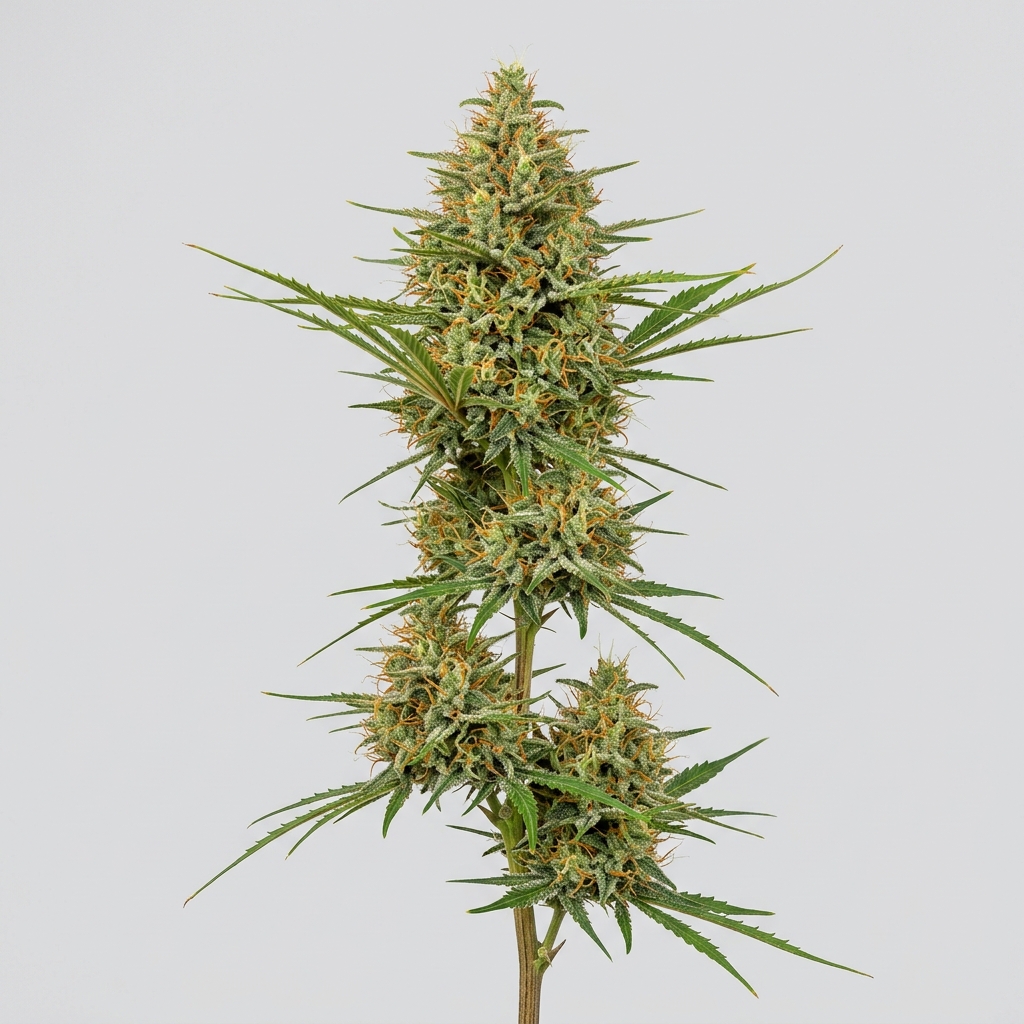
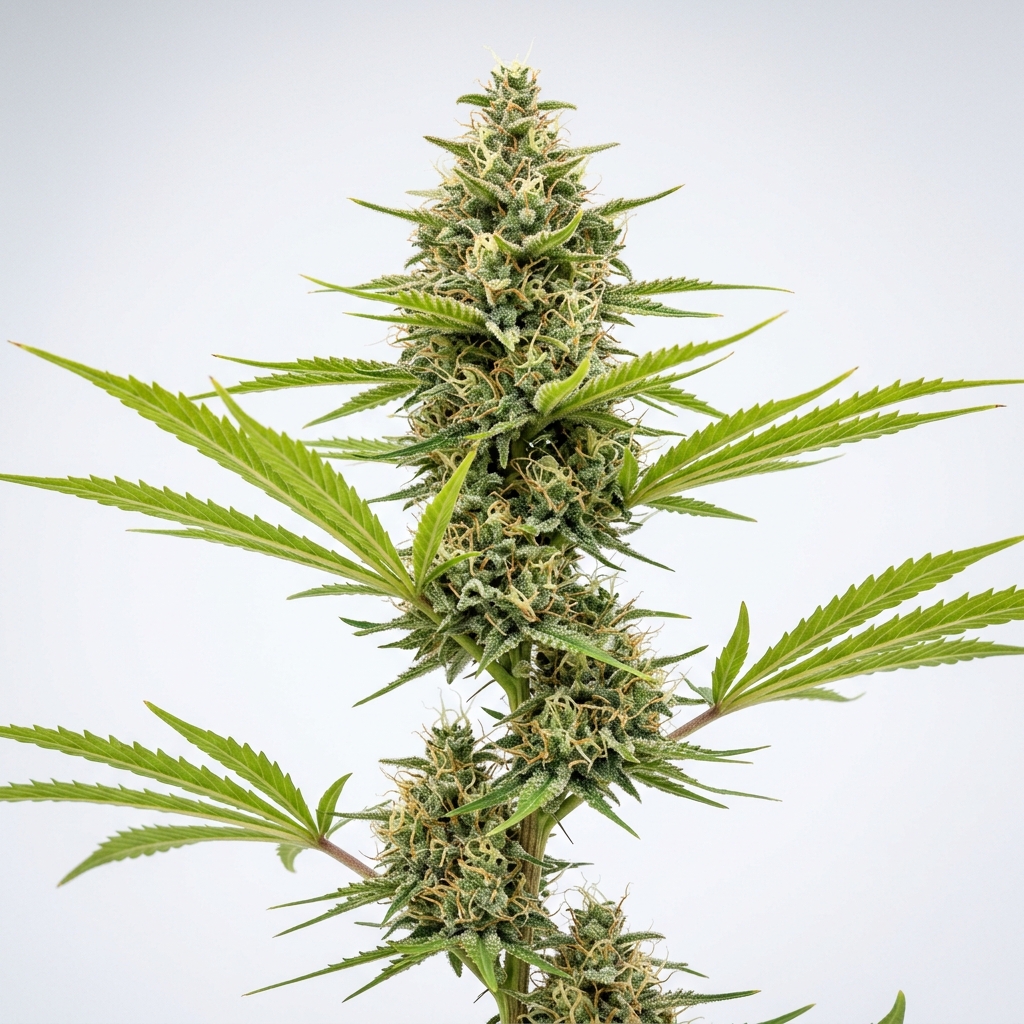
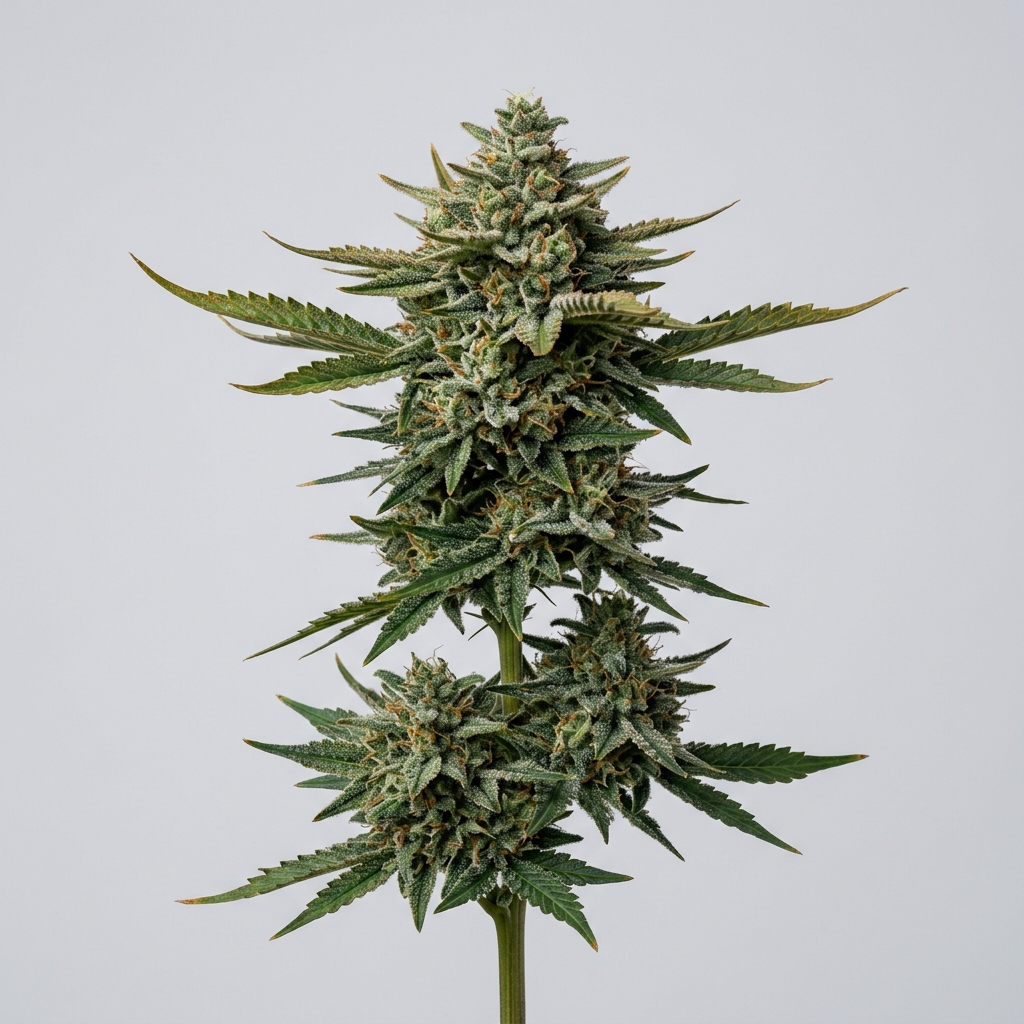
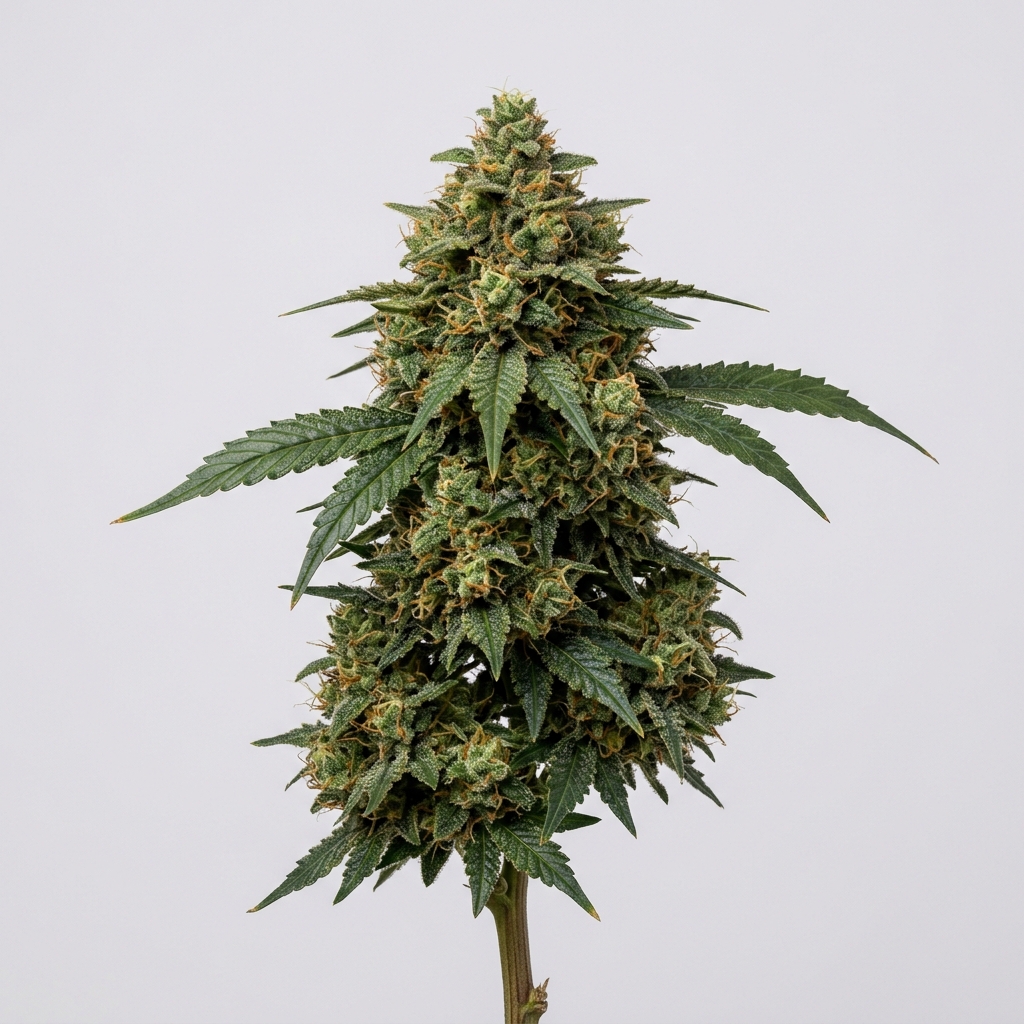
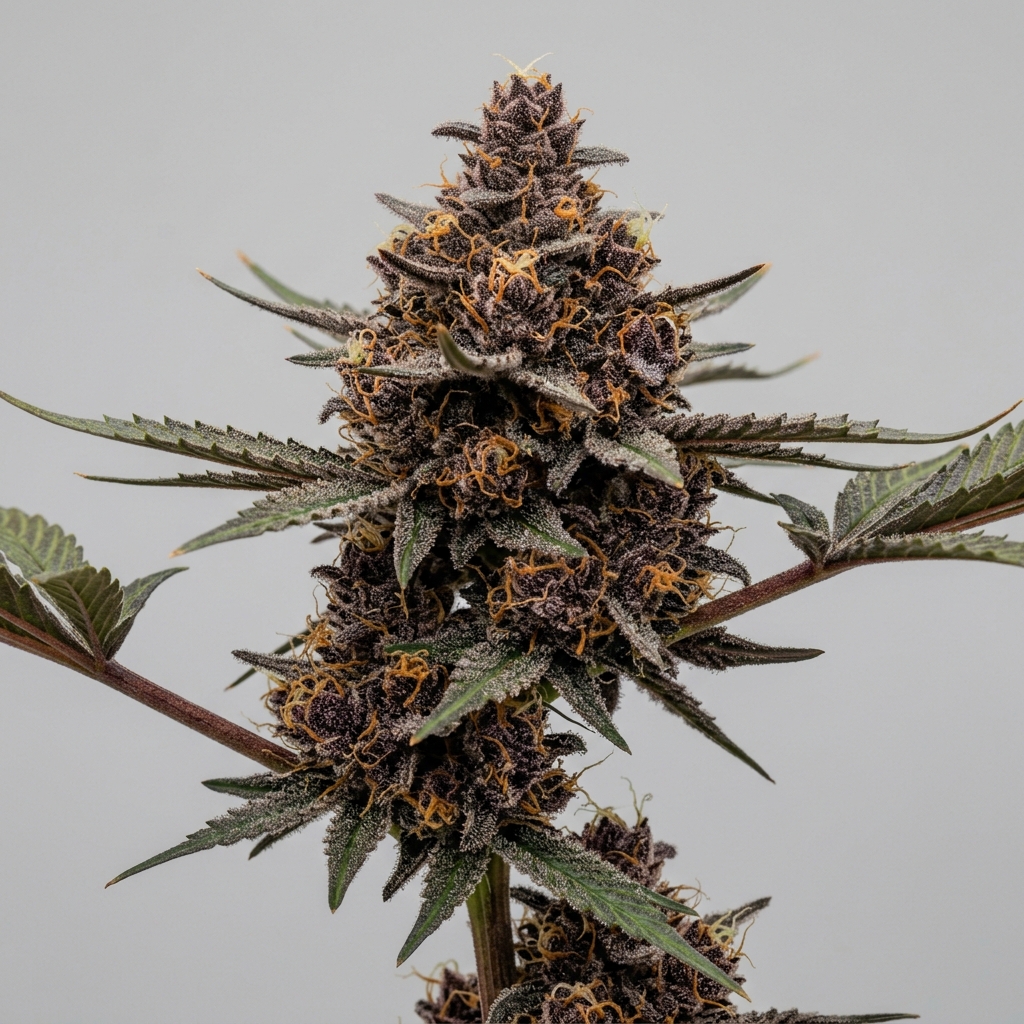
Creamy Oreoz Punch is an indica-dominant hybrid typically testing between 22% and 28% THC, bred by crossing the resin-heavy Oreoz with the fruit-forward Purple Punch. This cultivar is highly regarded for its dense, dark purple buds caked in a thick layer of greasy resin, displaying a striking visual contrast against its bright orange pistils. It delivers a rich terpene profile dominated by sweet vanilla cream, dark cocoa, and a deep berry undertone, making it a favorite among modern extraction artists and dessert-strain enthusiasts. The plants maintain a stocky, manageable growth habit with tight internodes, thriving in controlled indoor environments where late-flower humidity can be carefully managed.
Cultivators appreciate this variety for its heavy resin production and reliable color transition during the flush phase. While its growth cycle requires attentive pruning to ensure light penetration through the broad fan leaves, the resulting yield of glassy, rock-hard buds justifies the extra canopy management. It serves as a modern benchmark for visual appeal and resin density in contemporary cannabis breeding.
Quick Facts
| Attribute | Details |
|---|---|
| Genetics | Oreoz × Purple Punch |
| Variety | Indica-dominant hybrid |
| THC Range | 22% – 28% |
| Flowering Time | 8 – 9 Weeks |
| Yield Potential | Moderate to High |
| Plant Height | Medium (3–4 feet indoor) |
| Climate Preference | Temperate, low humidity late flower |
| Difficulty | Moderate |
Scientific & Botanical Overview
Botanically, this cultivar shows classic indica morphology, characterized by broad fan leaves, thick woody stems, and a compact lateral branching habit. The nodal spacing is relatively short, meaning the plant concentrates its energy into dense, stacked flower clusters rather than vertical stretch. During the vegetative stage, the foliage displays a deep forest green that darkens significantly as the plant matures.
As flowering progresses, the bracts swell tightly along the branches, forming heavy, spear-shaped colas. Anthocyanin accumulation is highly pronounced in this strain, triggered by cooler nighttime temperatures during the final weeks of bloom, which coaxes out deep violet and near-black hues. The trichome heads are notably large and capitate-stalked, creating a wet, glistening layer that covers both the calyxes and surrounding sugar leaves.
Airflow management is critical during the mid-to-late flowering stages due to the sheer density of the buds. The tight flower structure can easily trap moisture, making a consistent dehumidification strategy essential to prevent mold or mildew. Growers must maintain a steady vapor pressure deficit (VPD) to support nutrient uptake and resin synthesis without stressing the plant.
Effects & Use-Cases (Reported)
Commonly reported effects: Users frequently report a heavy, deeply relaxing physical sensation coupled with a calm, slow-paced mental ease. The onset is typically physical, settling behind the eyes before radiating outward through the limbs to ease muscle tension.
Use-case context: Given its heavy physical profile, this strain is best suited for evening use, wind-down routines, or quiet, sedentary activities. It is commonly selected by those looking to support deep rest or seeking physical comfort after demanding physical exertion.
Note: Individual experiences may vary depending on dosage, tolerance, and specific phenotype chemistry. High-THC cultivars can sometimes induce mild anxiety or dry mouth in sensitive individuals.
Aroma & Flavors
Aroma: A dominant scent of sweet vanilla icing and roasted cocoa, backed by a sharp, musky undertone and a hint of damp earth.
Flavor: The smoke carries a rich, creamy cake-dough flavor on the inhale, transitioning to a tart grape and dark berry finish with a subtle spicy kick on the exhale.
Terpene associations:
Caryophyllene provides the warm, spicy undertone, while limonene adds a clean lift, and myrcene anchors the strain with its deep, herbal earthiness.
Tested Cannabinoid & Terpene Ranges
| Compound | Typical Range |
|---|---|
| Δ9-THC | 22.0% – 28.0% |
| CBD | 0.1% – 0.5% |
| CBG | 0.5% – 1.2% |
| beta-Caryophyllene | 0.4% – 0.9% |
| Limonene | 0.3% – 0.7% |
| Myrcene | 0.2% – 0.5% |
Note: Cannabinoid and terpene levels are highly variable and depend heavily on cultivation practices, curing methods, and the specific phenotype grown.
Cultivation Notes
- Keep late-flower relative humidity below 45% to protect the dense, heavy colas from moisture-related issues.
- Responds well to early topping and low-stress training (LST) to open up the canopy and improve light penetration to lower bud sites.
- Requires moderate feeding; avoid heavy nitrogen inputs during mid-to-late bloom to prevent leaf curl and preserve terpene clarity.
- A slow, controlled 10-to-14-day dry at 60°F and 60% relative humidity is essential to lock in the delicate creamy and berry volatile compounds.
- Watch for color-changing phenotypes that show purple hues early in week 6, requiring a gradual temperature drop to maximize expression.
Grower Notes (Week-by-Week Snapshot)
- Weeks 1–3 (Vegetative & Transition): The plant establishes a stocky profile with broad fan leaves. Light defoliation of the lower third of the canopy is recommended just before flipping to a 12/12 light cycle to encourage upward energy flow.
- Weeks 4–6 (Mid-Bloom): The stretch is minimal to moderate, usually settling around 50% to 80% of vegetative height. Calyxes begin to swell rapidly, and the first visible layers of wet frost appear on the developing bracts.
- Weeks 7–9 (Late Bloom & Flush): Buds become exceptionally heavy and dense, requiring structural support such as trellis netting. Introduce cooler night temperatures (around 62-65°F) and a clean water flush to encourage the deep purple and black color fade.
Genetic Lineage
The lineage of this cultivar unites two highly celebrated branches of modern cannabis breeding. The maternal parent, Oreoz (a cross of Cookies and Cream and Secret Weapon), contributes its signature dark, near-black coloration, chocolate-forward terpene profile, and staggering trichome density. This parent is famous for producing highly resinous flowers that look as though they have been dipped in sugar.
The paternal influence comes from Purple Punch (Larry OG × Granddaddy Purple), a legendary sweet-profile strain known for its grape-candy aroma and robust, bushy growth structure. By crossing these two parents, breeders successfully softened the heavy, earthy gas of the Oreoz with the bright, fruity sweetness of the Purple Punch, while retaining the exceptional resin output of both lines.
Research Insights
Analytical testing of this cultivar reveals a complex chemical profile dominated by sesquiterpenes, particularly caryophyllene. This compound, which acts directly on peripheral cannabinoid receptors, works alongside monoterpenes like limonene to shape both the physical effects and the creamy, dough-like flavor profile. The presence of minor cannabinoids, including CBG, suggests a more nuanced interaction with the endocannabinoid system than simple isolated THC models describe.
From a breeding perspective, the genetic stability of this hybrid makes it an attractive subject for further selection. The high concentration of capitate-stalked trichomes makes the flower highly suitable for solventless extraction methods, such as ice water hash and live rosin. Researchers and extractors note that the structural integrity of the trichome heads remains intact during harvest, preserving the volatile terpenes for a cleaner, more aromatic final concentrate.
Frequently Asked Questions
Is Creamy Oreoz Punch hard to grow?
This strain is moderately easy to grow but requires diligent humidity control. Because the buds are exceptionally dense, keeping the air moving with oscillating fans and maintaining low humidity in late flower is critical to success.
What does Creamy Oreoz Punch smell like?
It features a rich, sweet aroma dominated by vanilla cream, dark cocoa, and fresh grape. Underneath the sweet dessert notes, there is a subtle layer of damp earth and herbal spice.
How long does it take to flower?
Indoors, the flowering cycle typically wraps up in 8 to 9 weeks. Outdoor crops are generally ready for harvest by early to mid-October in the Northern Hemisphere.
Is this strain good for making concentrates?
Yes, it is highly favored by extraction artists. The heavy coating of glassy, resin-rich trichomes yields high returns when washing for ice water hash or pressing live rosin.
Educational Disclaimer
This guide is for educational and informational purposes only. Cannabis laws and regulations vary by region; always comply with local cultivation and possession laws.
Rate and review this strain
Ratings and reviews are accepted only from signed-in Google accounts.
Sign in with Google to leave a rating and written review.
Latest Reviews
0 reviewsNo reviews yet. Be the first Google user to rate and review this strain.