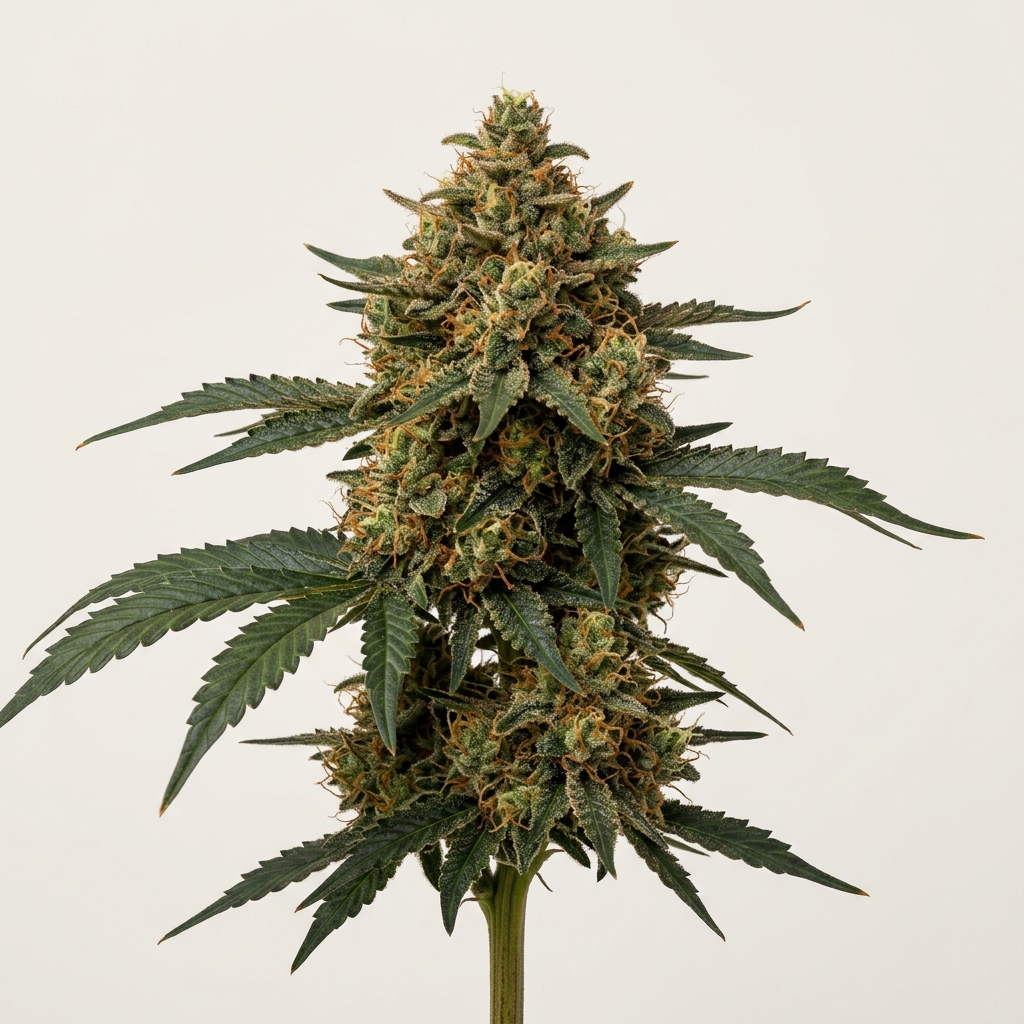
Nordle (Cannabis Strain)
Nordle is a classic, indica-dominant cultivar bred by Mr. Nice Seedbank, crossing legendary Afghani and Skunk #1
genetics to produce a balanced, moderate-potency profile. Typically testing between 5% to 10% THC and a matching 5% to 10% CBD, this cultivar is highly regarded for its steady 1:1 ratio, greasy resin production, and compact, bushy growth habit. Its sensory profile is defined by an old-school blend of sweet herbal spice, damp earth, and a distinct hashish undertone, yielding dense, resin-rich flowers that appeal to growers seeking therapeutic balance over sheer psychoactive intensity.
Unlike modern high-THC selections, this strain focuses on functional physical relaxation and mental clarity. Its short, sturdy structure and predictable stretch make it an excellent choice for indoor environments where space and humidity control are paramount.
Quick Facts
| Trait | Details |
|---|---|
| Genetics | Afghani × Skunk #1 |
| Variety | Indica-dominant hybrid (approx. 80/20) |
| THC Range | 5% – 10% (balanced 1:1 ratio) |
| CBD Range | 5% – 10% |
| Flowering Time | 8 – 9 weeks (55 – 63 days) |
| Yield Potential | Moderate to high |
| Plant Height | Short to medium (compact) |
| Climate Preference | Temperate, warm, low humidity |
| Difficulty | Moderate (requires airflow management) |
Scientific & Botanical Overview
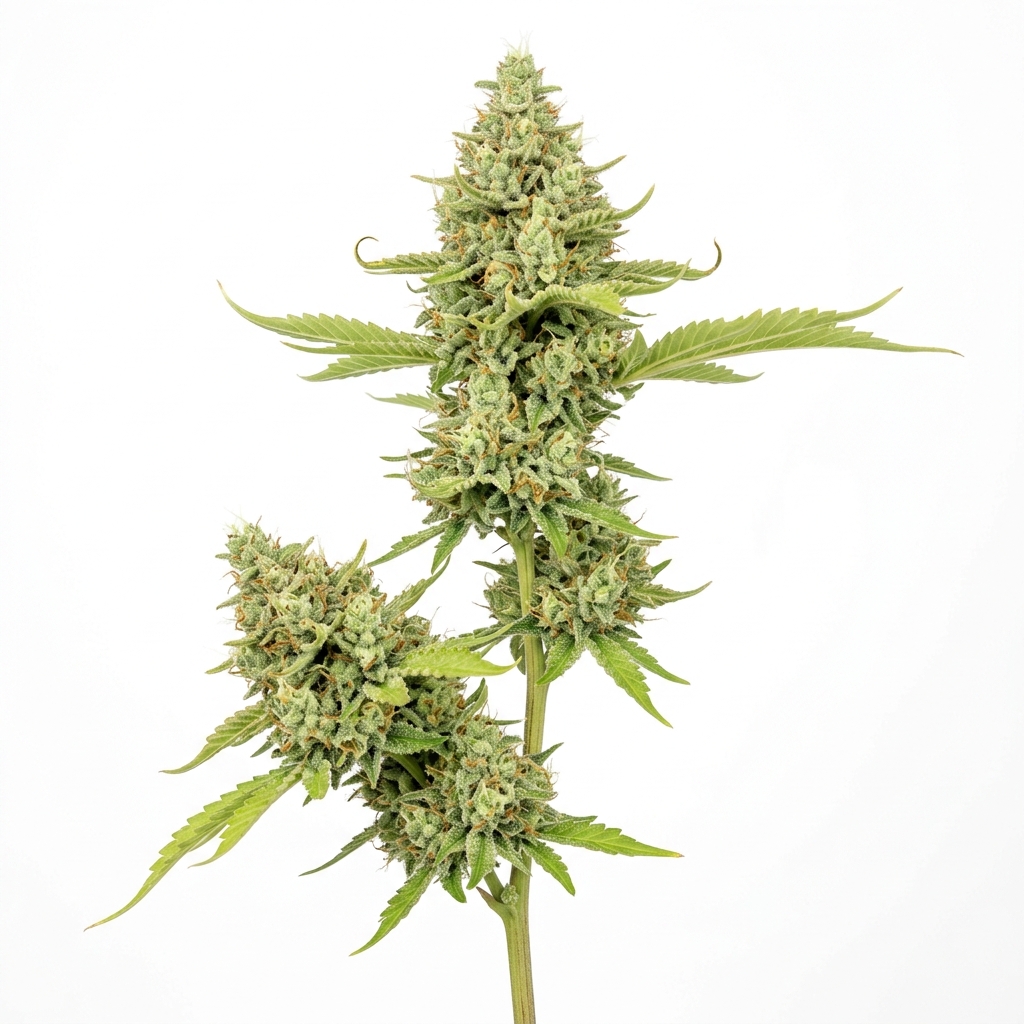
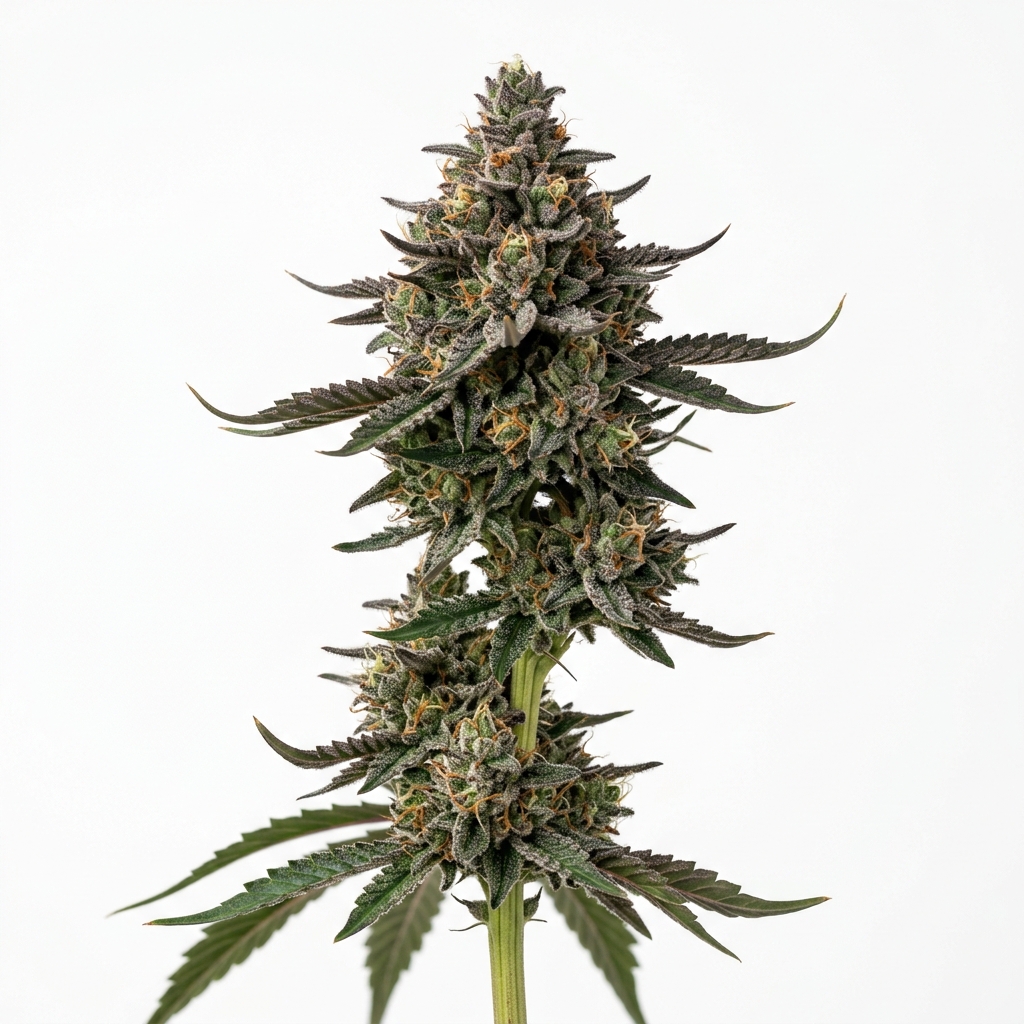
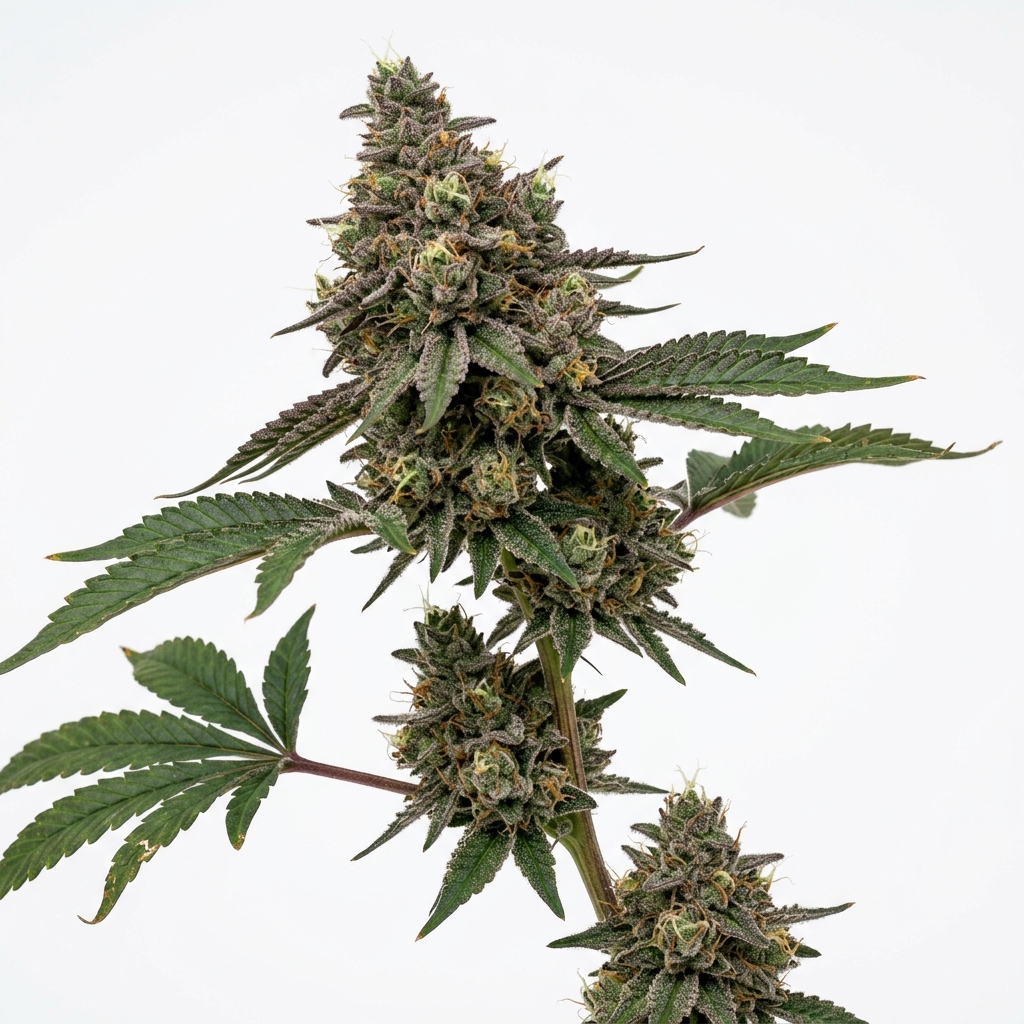
Botanically, Nordle shows classic Afghanica morphology, characterized by broad fan leaves, thick woody stems, and short internodal spacing. The vegetative stage is marked by dense, lateral branching that forms a sturdy canopy capable of supporting heavy, compact flower clusters without supplemental trellising.
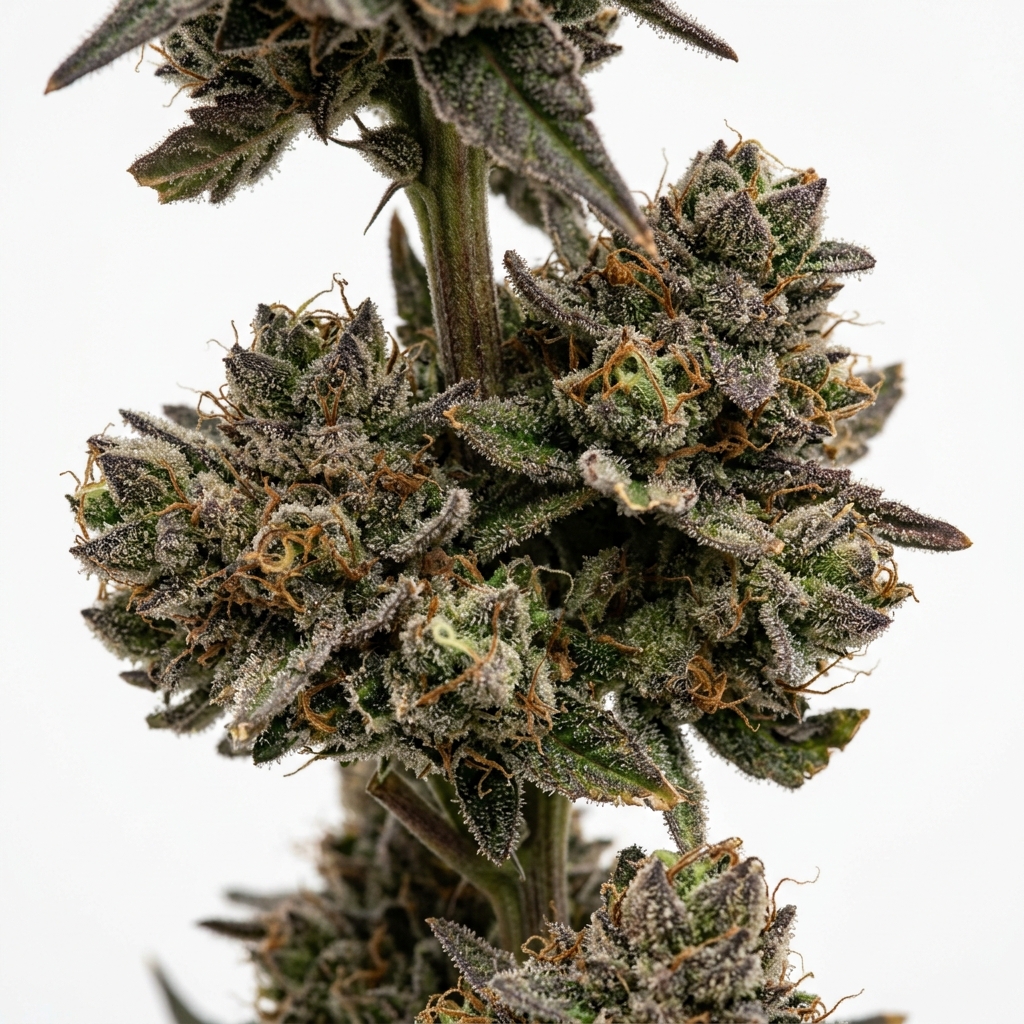
During the transition to flower, the cultivar undergoes a highly controlled stretch, rarely doubling in height. The inflorescences develop as thick, rounded spear colas with swollen calyxes and a dense arrangement of bracts that harbor a thick layer of greasy, old-school resin.
The resin glands are predominantly short-stalked capitate-sessile and capitate-stalked trichomes, which yield a sticky, oily texture rather than a dry, glassy frost. This high concentration of non-psychoactive cannabinoids alongside traditional terpenes influences both the physical viscosity of the resin and the flower's slow-drying characteristics.
Effects & Use-Cases (Reported)
Commonly reported effects: Users frequently describe a gentle, warming physical relaxation accompanied by a clear, functional headspace. The balanced cannabinoid profile mitigates the heavy cerebral rush and potential anxiety associated with high-THC varieties, offering a steady, grounding experience.
Use-case context: This mild, functional nature makes the cultivar ideal for daytime physical comfort, post-workout recovery, or evening wind-down without immediate sedation. It is often selected by those seeking a manageable, low-potency option for daily tasks.
Note: Individual responses to balanced cannabinoid ratios vary; start with low amounts to gauge personal tolerance.
Aroma & Flavors
Aroma: The primary aroma is a pungent mix of damp forest soil, cured hashish, and sweet herbal spice. A subtle, sour skunk undertone emerges when the dense buds are broken apart, reminding growers of its classic genetic heritage.
Flavor: On the palate, it delivers a smooth, earthy taste dominated by toasted spices, cedar, and a mild, sweet onion finish. The smoke is heavy but clean, leaving a lingering herbal coating.
Terpene associations: Lab analyses frequently associate this profile with high concentrations of myrcene, caryophyllene, and pinene, which drive the earthy, spicy, and grounding qualities of the flower.
Tested Cannabinoid & Terpene Ranges
| Compound | Tested Range |
|---|---|
| Δ9-THC | 5.0% – 10.0% |
| CBD | 5.0% – 10.0% |
| β-Myrcene | 0.4% – 1.1% |
| β-Caryophyllene | 0.2% – 0.6% |
| α-Pinene | 0.1% – 0.3% |
Cannabinoid and terpene levels are highly variable and depend heavily on environmental factors, cultivation techniques, and specific phenotype selections.
Cultivation Notes
- Humidity: Maintain relative humidity below 45% during late flower to protect the exceptionally dense, compact colas from moisture retention.
- Nutrition: Responds well to a moderate, steady nutrient regimen; avoid over-feeding nitrogen during the transition phase.
- Training: use light defoliation of the broad fan leaves to improve light penetration and airflow through the lower canopy.
- Harvest: Look for a transition of the thick pistils to a deep amber color, accompanied by cloudy, amber-flecked trichome heads.
- Phenotype management: Select for phenotypes that show a true 1:1 ratio and robust lateral branching to maximize canopy efficiency.
Grower Notes (Week-by-Week Snapshot)
- Weeks 1–3 (Vegetative & Transition): Focus on establishing a strong root system and encourage lateral branching through low-stress training. The plant maintains a compact, bushy habit with minimal initial stretch.
- Weeks 4–6 (Mid-Flower): Dense flower clusters begin to form along the tight internodes. Ensure adequate airflow as the canopy thickens, and prune lower, non-productive bud sites to direct energy upward.
- Weeks 7–9 (Late Flower & Ripening): The buds swell into heavy, grease-coated spear colas. Reduce humidity, monitor water input closely, and perform a thorough flush to preserve the clean, herbal terpene profile.
- Post-Harvest (Dry & Cure): Execute a slow dry at 60°F (15°C) and 60% relative humidity for 10 to 14 days to preserve volatile terpenes, followed by a minimum four-week cure in sealed containers.
Genetic Lineage
Nordle traces its roots directly to the old-school breeding projects of Mr. Nice Seedbank. The maternal parent is a selected Afghani landrace strain known for its heavy resin production, structural rigidity, and robust physical traits. This was crossed with a classic Skunk #1 male, which introduced a sweet, pungent aroma and enhanced the overall yield potential of the offspring.
This specific pairing was intentionally selected to preserve the therapeutic, balanced qualities of old-world hash plants. The resulting hybrid has remained a staple for growers seeking authentic, unhybridized 1980s genetics with a reliable, functional cannabinoid ratio.
Research Insights
Scientific interest in cultivars like Nordle centers primarily on the therapeutic potential of balanced 1:1 THC-to-CBD ratios. Research suggests that the co-presence of these cannabinoids can modulate individual receptor binding in the endocannabinoid system, potentially reducing the psychoactive side effects of THC while enhancing physical comfort.
Additionally, the high concentration of sesquiterpenes like caryophyllene combined with monoterpenes like myrcene provides a valuable reference point for studying old-school landrace-derived terpene profiles. These chemical signatures are increasingly rare in modern, high-THC market selections, making this cultivar an important genetic reservoir.
Frequently Asked Questions
Is Nordle a high-THC strain?
No, it is a balanced, moderate-potency cultivar, typically featuring a 1:1 ratio of THC and CBD, with both cannabinoids testing between 5% and 10%.
What does Nordle smell like?
It has a rich, old-school aroma of damp earth, cured hashish, and sweet herbal spice, with a subtle skunk undertone.
Is this strain difficult to grow?
It is moderately easy to grow due to its sturdy structure, but its exceptionally dense buds require strict humidity control during late flower to prevent mold.
What are the primary genetics of Nordle?
It is a direct cross of a selected Afghani landrace and a classic Skunk #1, originally bred by Mr. Nice Seedbank.
Educational Disclaimer
This content is for educational and informational purposes only. Cannabis laws and regulations vary by jurisdiction. Always consult with a qualified professional before beginning any cultivation or consumption regimen.
Rate and review this strain
Ratings and reviews are accepted only from signed-in Google accounts.
Sign in with Google to leave a rating and written review.
Latest Reviews
0 reviewsNo reviews yet. Be the first Google user to rate and review this strain.
Follow New Cultivar Records
Get newly documented genetics, breeder history, research highlights, and important Strainpedia discoveries by email.