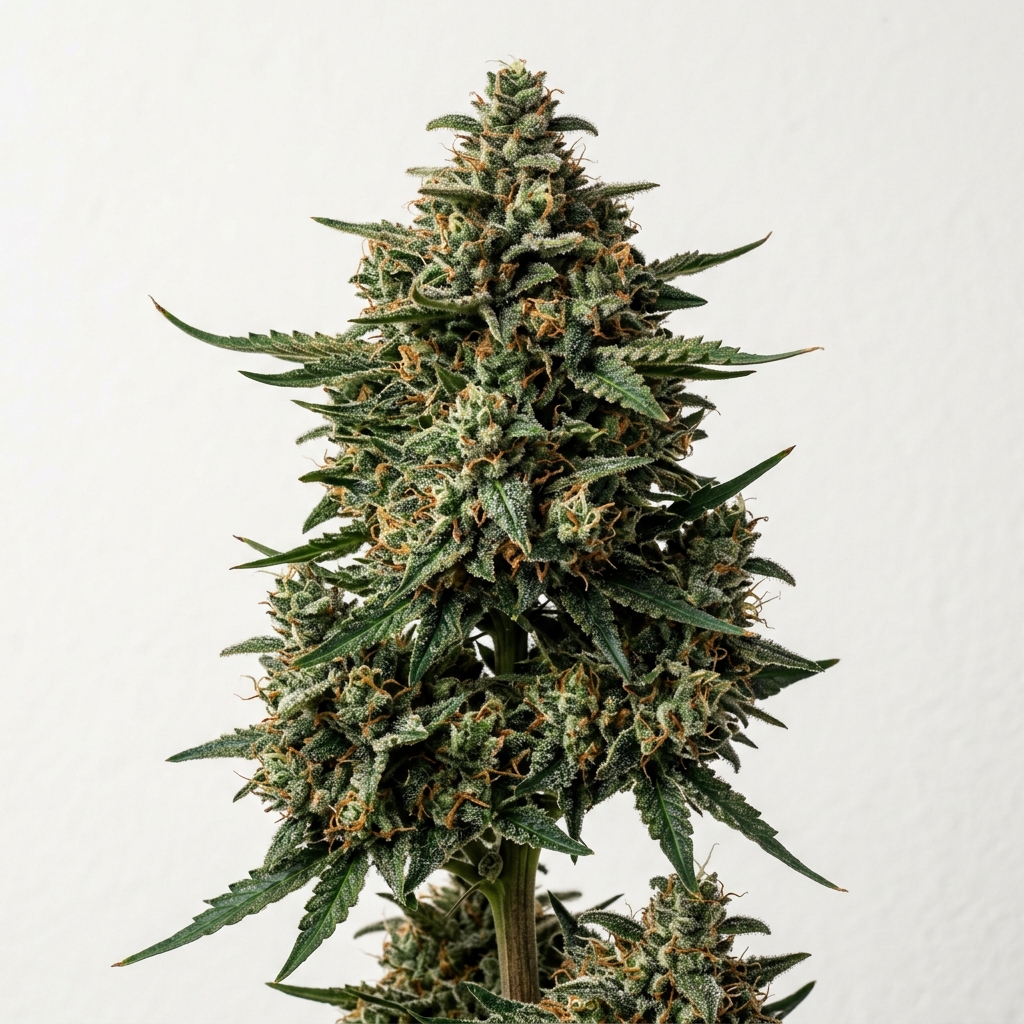
Shark Shock (Cannabis Strain)
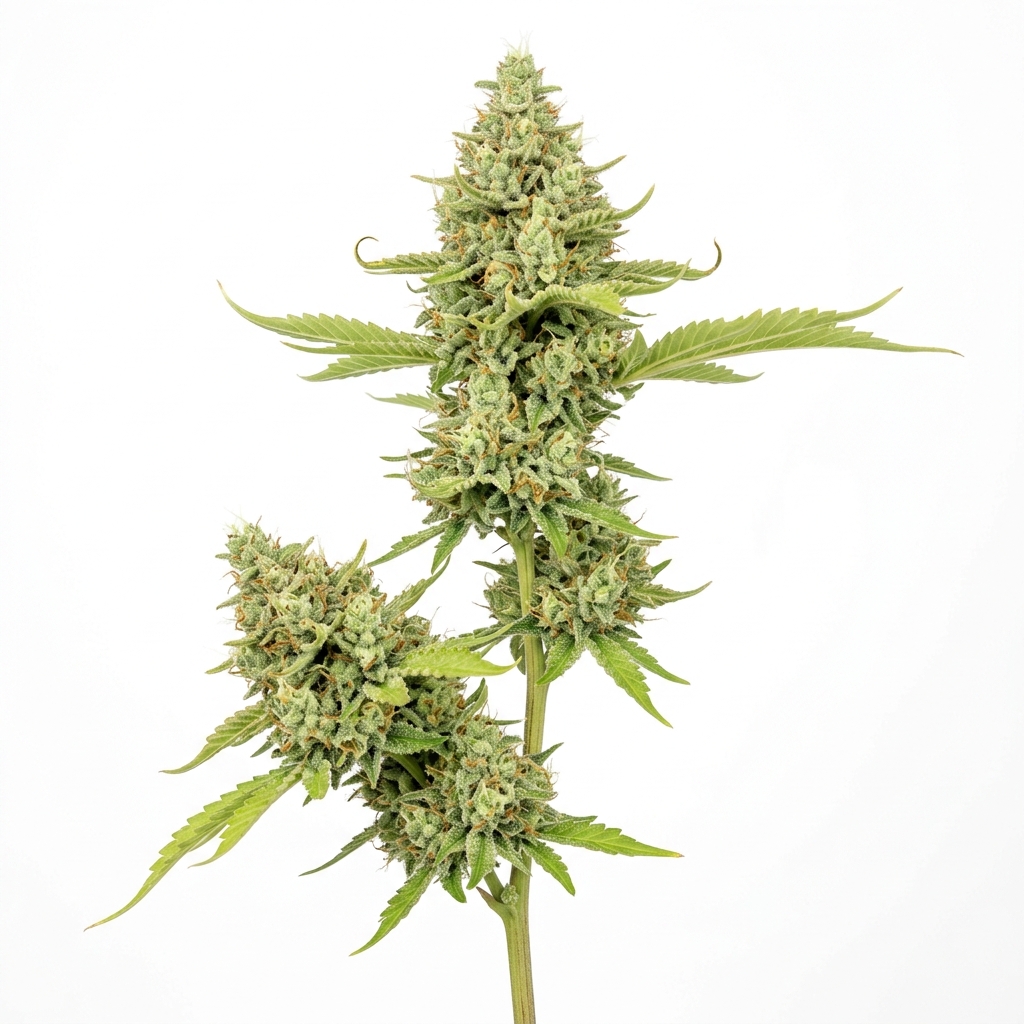
The Shark Shock cannabis strain is an indica-dominant hybrid testing between 15% and 20% THC, originally created by crossing the resin-heavy White Widow with the robust Skunk #1. Known for its old-school sweet skunk, damp earth, and garlic-pine aroma, this cultivar is a classic representative of the 1990s “White” family. It shows a bushy growth habit with tight internodes, heavy lateral branching, and a remarkable density of glassy, wet-frost trichomes. For decades, it has remained a staple for extraction artists and commercial growers seeking reliable, high-yielding resin production and deep physical relaxation.
Bred by Shantibaba under the Mr. Nice Seedbank banner, this cultivar represents a classic era of Dutch genetic stabilization. Its flowers mature into dense, rounded golf-ball structures that feel incredibly sticky to the touch even early in the curing process. The plant’s hardy nature and predictable growth patterns make it highly approachable for both indoor and outdoor setups.
Quick Facts
| Field | Details |
|---|---|
| Genetics | White Widow × Skunk #1 |
| Variety | Indica-dominant hybrid (80% Indica / 20% Sativa) |
| THC Range | 15% – 20% |
| Flowering Time | 7 – 9 weeks (approx. 50-60 days) |
| Yield Potential | High (heavy commercial yield) |
| Plant Height | Medium, bushy |
| Climate Preference | Temperate to warm, dry late-summer |
| Difficulty | Moderate to easy |
Scientific & Botanical Overview
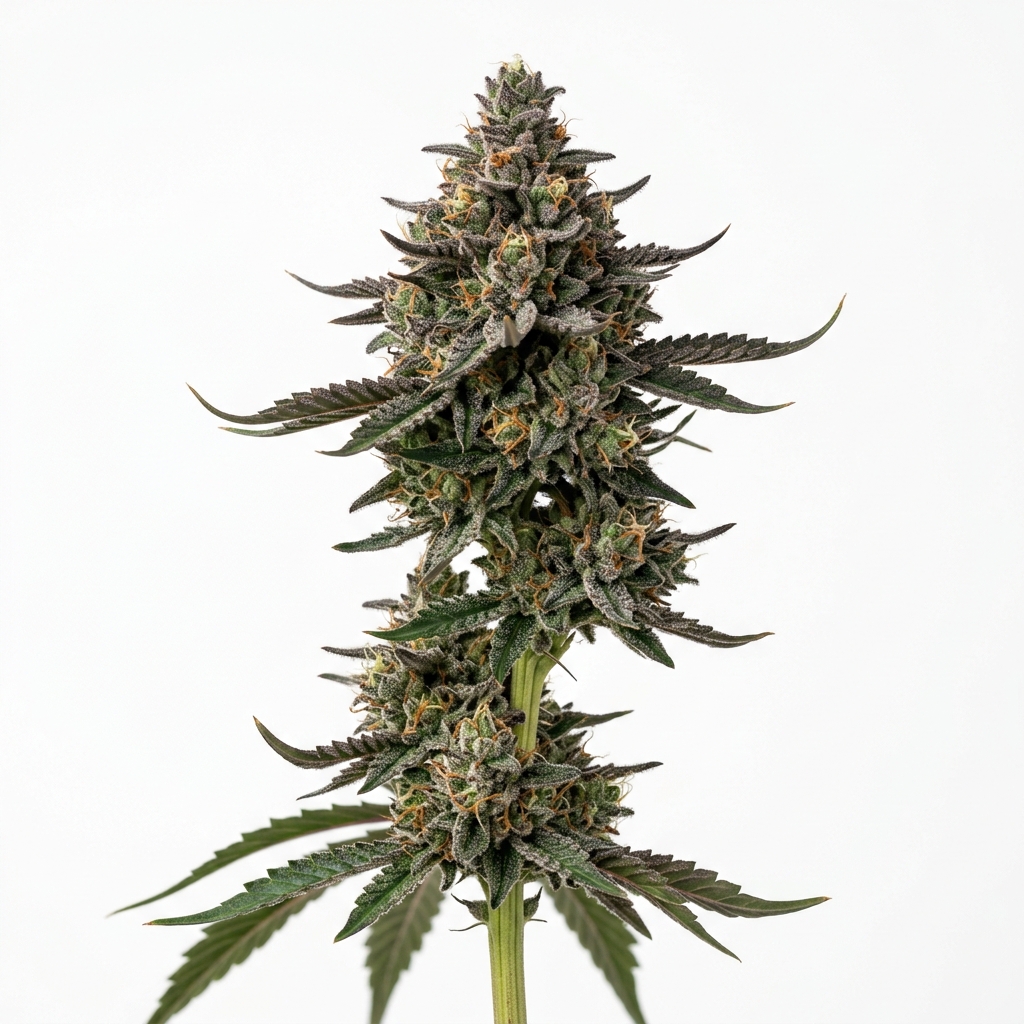
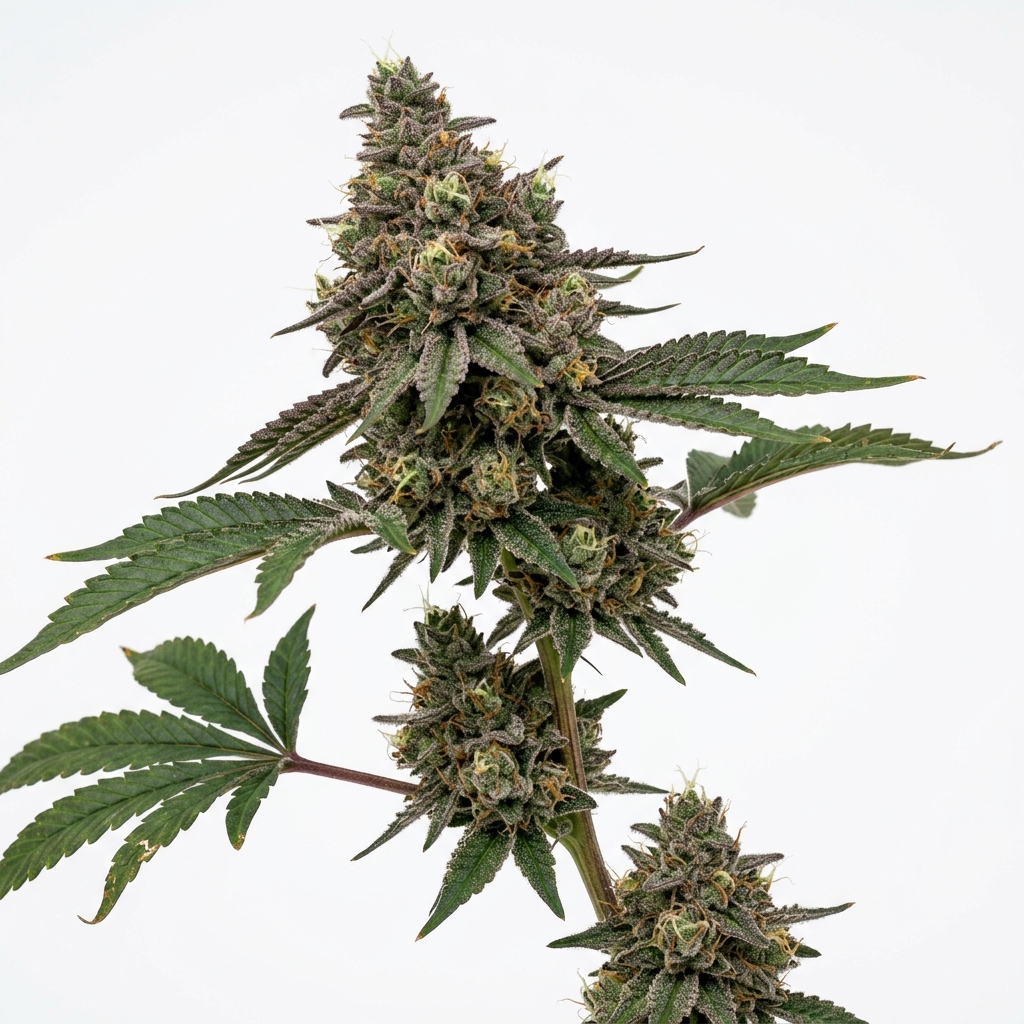
Shark Shock displays classic indica growth habits, characterized by broad fan leaves, thick woody stems, and a short, stout stature. The internodal spacing remains tight throughout vegetative growth, requiring strategic defoliation to maintain optimal airflow through the dense inner canopy. The root system develops aggressively, supporting the plant’s heavy nutrient uptake and rapid vegetative development.
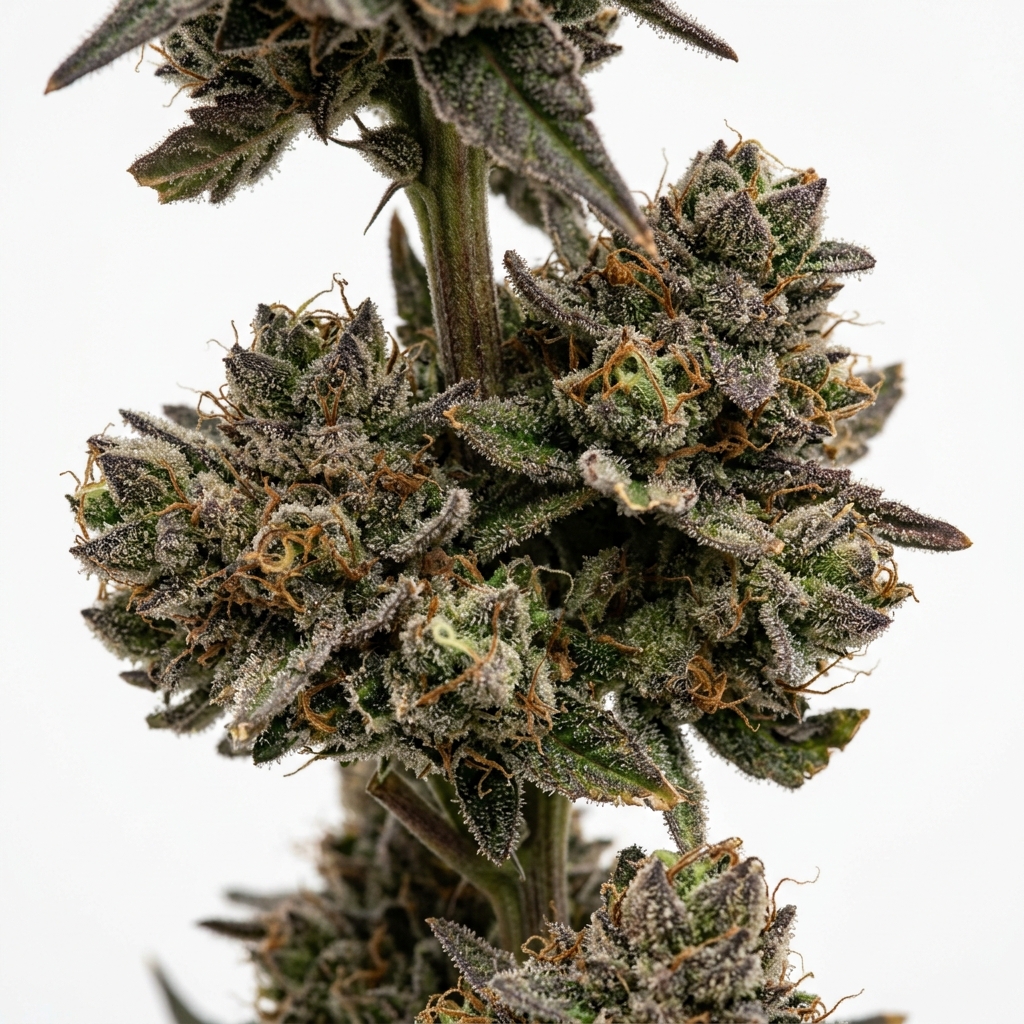
During mid-to-late flower, the nodal clusters swell rapidly, forming heavy, resin-drenched spear colas. The calyxes are tightly packed and exhibit deep green hues, occasionally showing pale purple flecks when exposed to cooler night temperatures during the final flush. The pistils are short and transition from a pale straw yellow to a deep, burnt orange as maturity nears.
The trichome development is exceptionally dense, producing large capitate-stalked glands that secrete a greasy, high-viscosity resin. This high concentration of resin glands makes the dried flowers highly adhesive and historically favored for traditional solventless extraction. Late-flower humidity must be kept low to protect these compact, resin-choked flower structures from trapping moisture.
Effects & Use-Cases (Reported)
Commonly reported effects: Users typically report a heavy, warming physical sensation that spreads quickly from the limbs, accompanied by a calm, tranquilizing mental state. The onset is slow but long-lasting, settling into a deep physical relaxation that avoids extreme mental fog. It is highly regarded for its ability to soothe physical tension without immediate couch-lock when consumed in moderation.
Use-case context: This cultivar is best reserved for late afternoon or evening sessions, making it a popular choice for unwinding after physical labor or preparing for sleep. Its soothing physical profile makes it a frequent selection among medical users seeking relief from chronic tension, restlessness, and physical discomfort.
Note: Due to its heavy physical sedation, novice consumers should approach this cultivar with caution to avoid unexpected lethargy or early sleep.
Aroma & Flavors
Aroma: A pungent mix of sweet skunk, damp earth, and sharp garlic, highlighted by a subtle, sour fruit undertone that intensifies when the glassy buds are broken apart.
Flavor: The smoke carries a rich, savory profile dominated by spicy garlic-skunk and sweet herbal notes, leaving a lingering earth and pine finish on the palate.
Terpene associations: Lab analyses frequently show high concentrations of myrcene, caryophyllene, and limonene, which drive its classic skunk-forward complexity and herbal depth.
Tested Cannabinoid & Terpene Ranges
| Compound | Typical Range |
|---|---|
| Δ9-THC | 15.0% – 20.0% |
| CBD | 0.5% – 1.5% |
| Myrcene | 0.6% – 1.2% |
| Caryophyllene | 0.3% – 0.7% |
| Limonene | 0.2% – 0.5% |
Note: Cannabinoid and terpene levels are highly variable and depend on specific cultivation practices, environmental conditions, and curing techniques.
Cultivation Notes
- Humidity management: Maintain vegetative relative humidity at 55-60%, dropping strictly to 40-45% during late-flower to protect the dense, heavy colas from moisture-related issues.
- Nutrient requirements: Responds well to a moderate-to-heavy feeding schedule; ensure adequate nitrogen during veg to support the thick fan leaves, transitioning to high phosphorus and potassium during early flower.
- Canopy training: use low-stress training (LST) or topping early in vegetative growth to promote lateral branching and create an even canopy of uniform spear colas.
- Airflow: Ensure robust lower canopy airflow by stripping lower growth (lollipoping) before the second week of flower to minimize stagnant air pockets.
- Phenotype variations: Watch for two main phenotypes: a shorter, highly resinous White-leaning selection, and a slightly taller, more pungent Skunk-leaning variant with faster lateral stretch.
Grower Notes (Week-by-Week Snapshot)
- Weeks 1–3 (Transition and Stretch): The plant shows a controlled, manageable stretch, typically doubling in size. Prune lower fan leaves to improve light penetration to emerging bud sites and increase under-canopy airflow.
- Weeks 4–6 (Flower Development): Calyxes begin to swell rapidly and a thick layer of wet frost appears on the sugar leaves. Odor control becomes essential during this phase as the skunky, pungent aroma intensifies.
- Weeks 7–9 (Maturation and Flush): The colas pack on significant weight and the pistils turn a deep amber-orange. Implement a clean water flush for the final 10-14 days to enhance terpene clarity and ensure a smooth burn.
- Post-Harvest (Cure): Hang-dry the whole plant at 60°F (15°C) and 60% relative humidity for 12 to 14 days, followed by a slow glass jar cure to preserve the delicate, volatile skunk terpenes.
Genetic Lineage
Shark Shock’s lineage is rooted in the golden era of Dutch breeding, combining the legendary resin-producing powerhouse White Widow with the robust, high-yielding Skunk #1. This pairing was designed to stabilize the extreme frost production of the White family while introducing the vigor, yield, and pungent profile of classic Skunk genetics. The resulting offspring is highly stable, showing minimal phenotypic drift across seed runs.
Originally developed by Shantibaba during his time with the Green House Seed Company, the strain was later preserved and refined under the Mr. Nice Seedbank banner. The resulting offspring remains a foundational building block for modern breeders seeking to introduce reliable structure and heavy resin coverage into contemporary hybrids.
Research Insights
Analytical data indicates that Shark Shock’s unique therapeutic and physical profile is heavily influenced by its elevated myrcene and caryophyllene content. These terpenes work in conjunction with moderate THC levels to deliver a highly bioavailable physical experience, making it a subject of interest in studies focusing on physical comfort and sleep quality.
Furthermore, the cultivar’s high density of capitate-stalked trichomes has made it a valuable subject for research into resin gland morphology. The physical resilience of its trichome membranes allows for efficient mechanical separation, explaining its long-standing popularity in traditional dry-sift and ice-water extraction methodologies.
Frequently Asked Questions
Is Shark Shock suitable for beginner growers?
Yes, Shark Shock is considered highly resilient and forgiving of minor cultivation mistakes, making it an excellent choice for novice growers. Its sturdy structure and predictable growth patterns simplify canopy management.
How does Shark Shock compare to Great White Shark?
They are essentially the same genetic cross (White Widow × Skunk #1). The name Shark Shock was adopted by Mr. Nice Seedbank to distinguish their selection and preservation of the original Shantibaba breeding stock from other versions on the market.
What does Shark Shock smell like?
The strain has a highly pungent, old-school aroma dominated by sweet skunk, wet earth, and garlic, with subtle undertones of sour fruit and pine that emerge during the cure.
What is the typical flowering time for this strain?
When grown indoors, Shark Shock typically finishes flowering in 7 to 9 weeks (approximately 50 to 60 days), with some phenotypes ready for harvest slightly earlier if optimized under ideal conditions.
Educational Disclaimer
This article is for educational and informational purposes only. Cannabis cultivation and consumption are subject to local laws and regulations. Consult with a qualified professional before beginning any cultivation project or consuming cannabis products.
Rate and review this strain
Ratings and reviews are accepted only from signed-in Google accounts.
Sign in with Google to leave a rating and written review.
Latest Reviews
0 reviewsNo reviews yet. Be the first Google user to rate and review this strain.
Follow New Cultivar Records
Get newly documented genetics, breeder history, research highlights, and important Strainpedia discoveries by email.