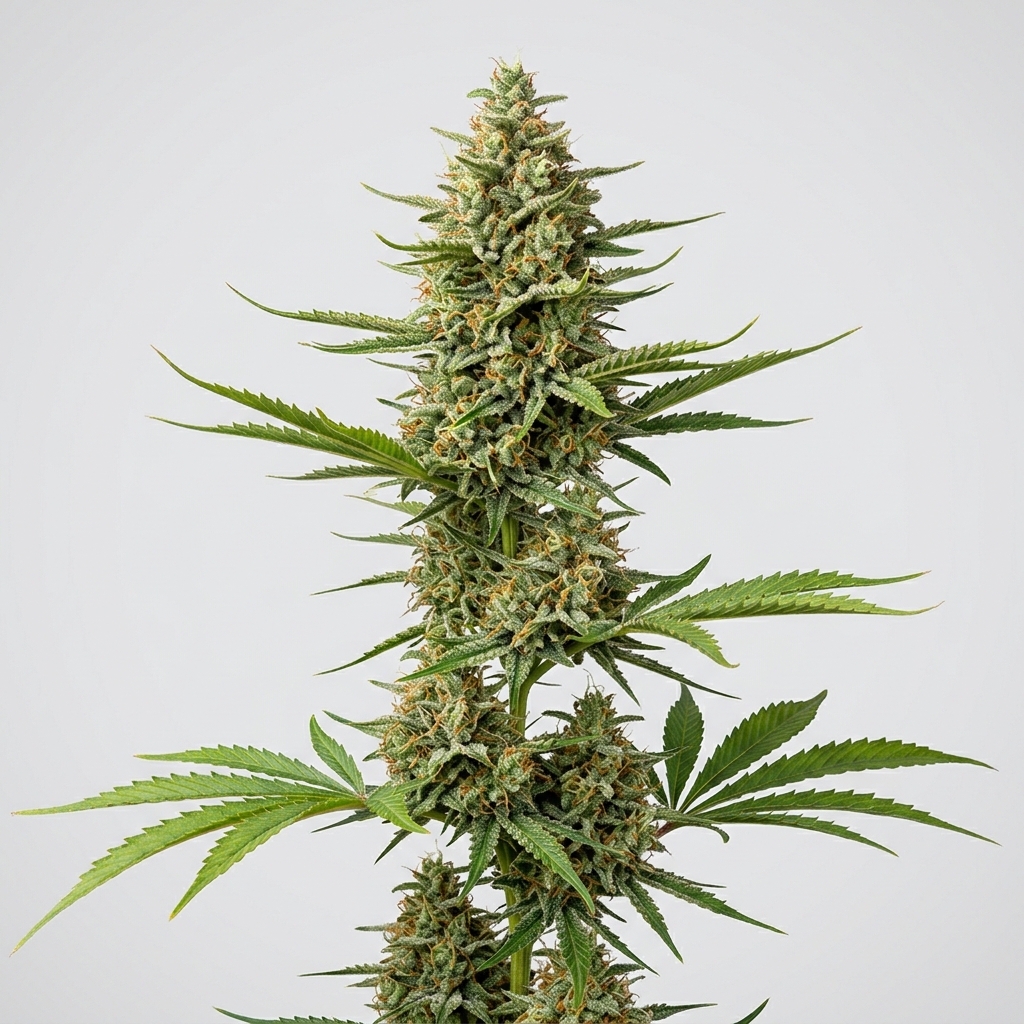
Skunk #11 (Cannabis Strain)
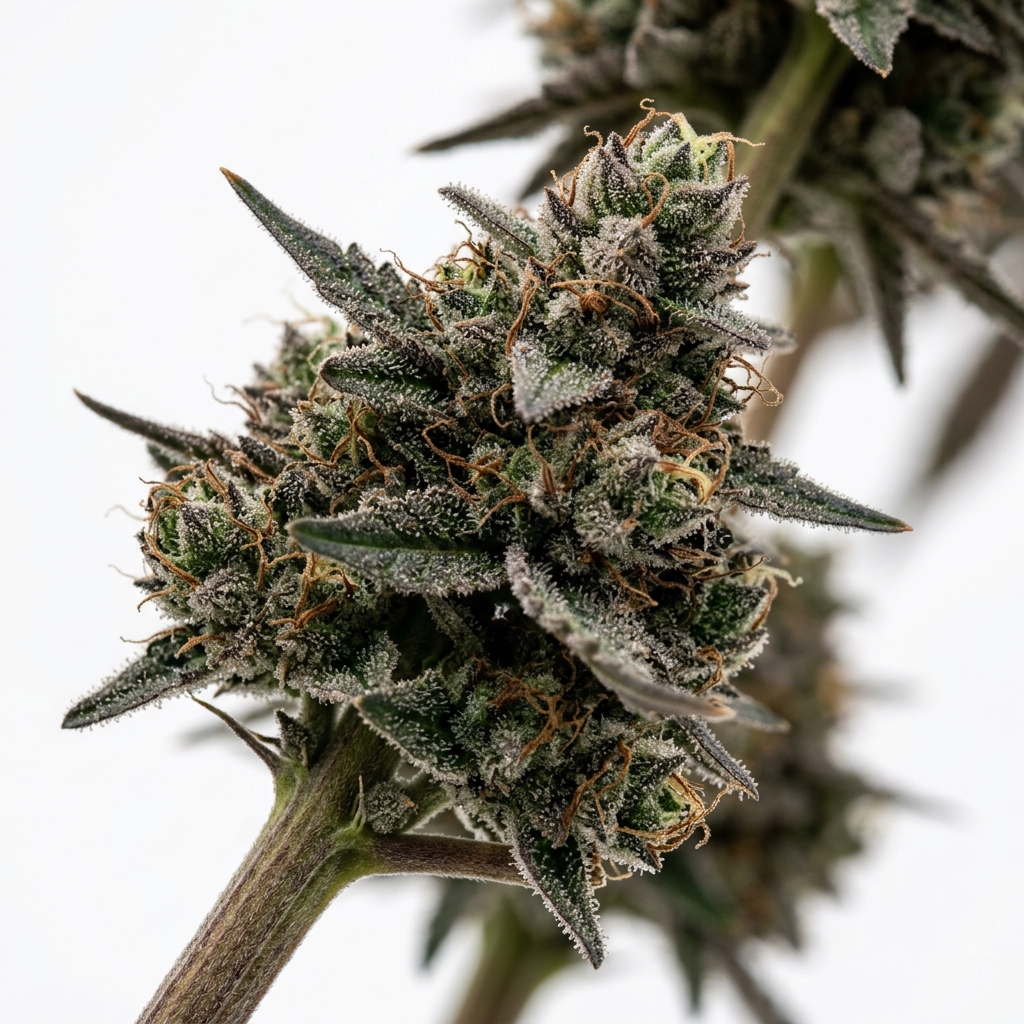
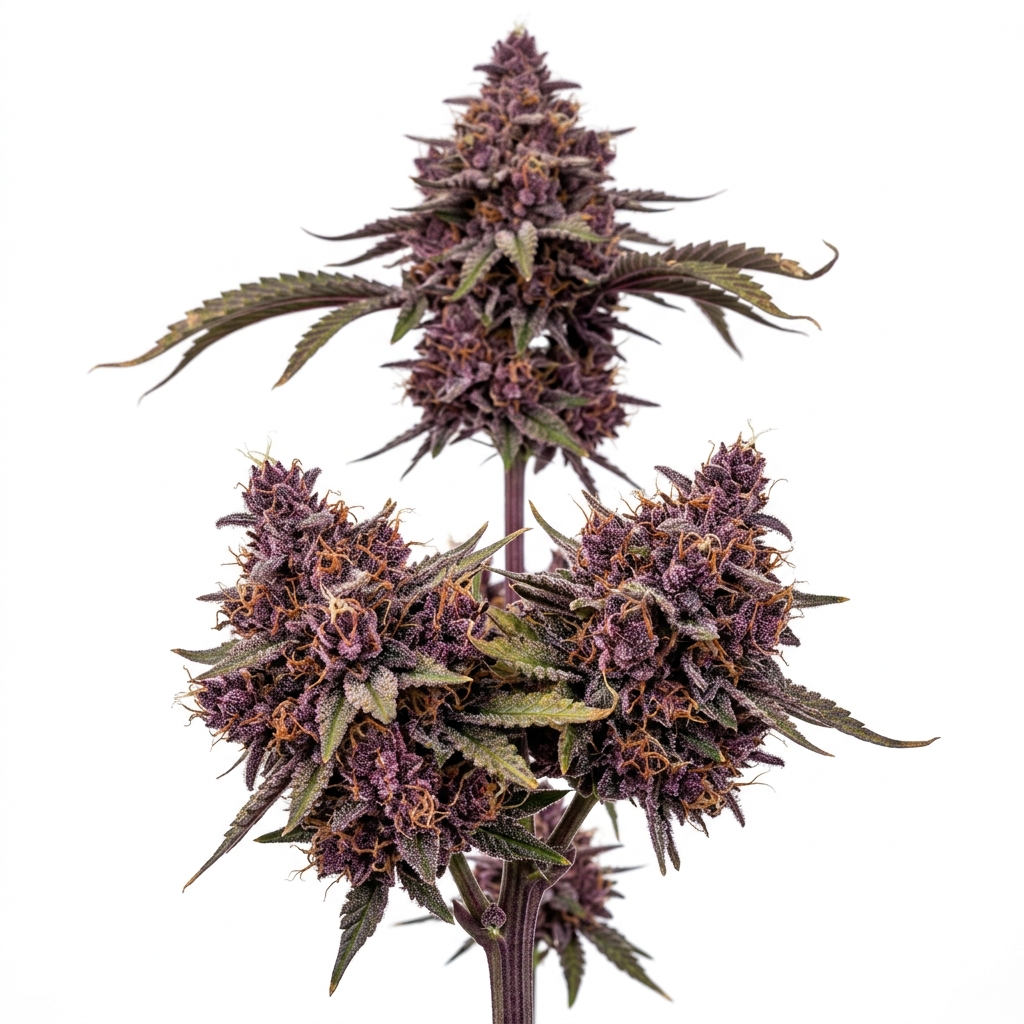
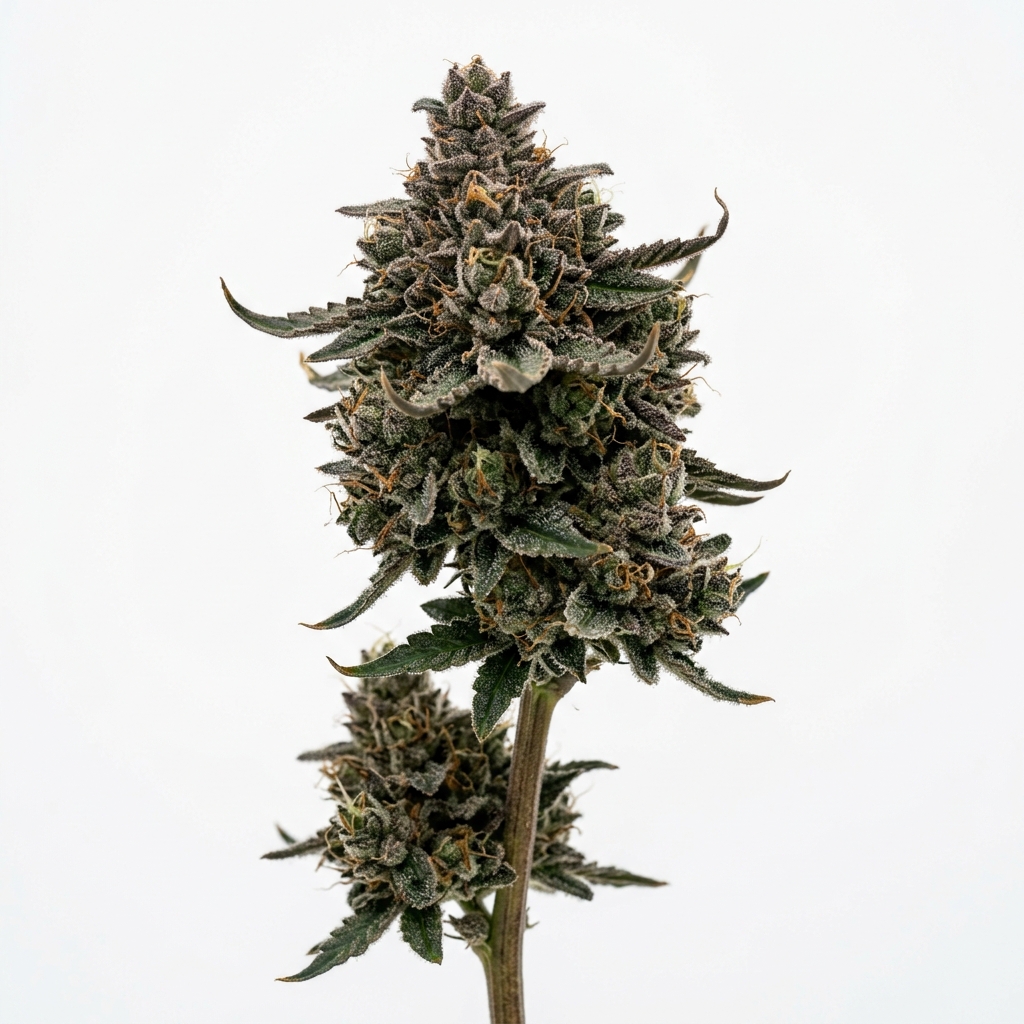
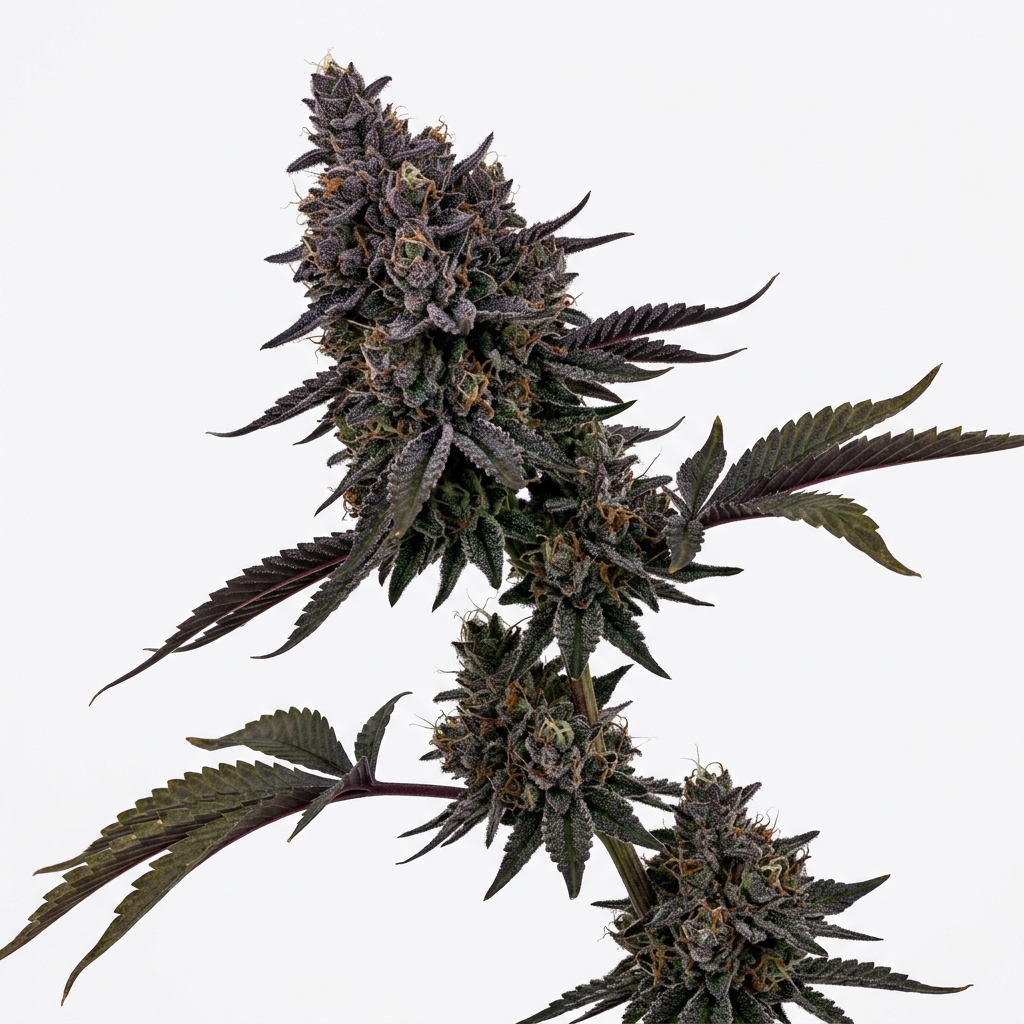
Skunk #11 is a highly stabilized, sativa-dominant hybrid (typically testing between 15% and 20% THC) selected from the legendary Skunk #1 gene pool by Dutch Passion. Known for its old-school, sharp herbal aroma with undertones of sour citrus and pine, this cultivar produces resin-rich, spear-shaped colas that exhibit robust resistance to pests and mold. Its reliable growth behavior, moderate stretch, and high-yielding commercial viability have made it a staple among both novice cultivators and experienced growers seeking a classic, functional daytime hybrid.
Unlike modern dessert strains that rely on heavy, doughy terpene profiles, this cultivar preserves the raw, pungent chemical-and-earth foundation of late-20th-century cannabis. It remains highly regarded for its forgiving nature in the grow room and its consistent, clear-headed effects.
Quick Facts
| Parameter | Details |
|---|---|
| Genetics | Skunk #1 Selection |
| Variety | Sativa-dominant Hybrid (approx. 75% Sativa / 25% Indica) |
| THC Range | 15% – 20% |
| Flowering Time | 9 weeks (approx. 60-65 days) |
| Yield Potential | High |
| Plant Height | Medium to Tall |
| Climate Preference | Temperate / Mediterranean (highly adaptable) |
| Difficulty | Easy / Beginner-friendly |
Scientific & Botanical Overview
Botanically, Skunk #11 shows a classic sativa-leaning morphology, characterized by slender fan leaves and elongated nodal spacing that facilitates excellent airflow through the canopy. The nodal junctions are structurally sound, easily supporting the weight of its long, spear-shaped colas without requiring excessive external support. This structural efficiency makes it particularly well-suited for indoor setups where vertical space is managed.
The buds develop with swollen calyxes and a moderate leaf-to-bud ratio, making the post-harvest trim straightforward. Resin production is consistent, coating the dense bracts in a layer of glassy trichomes that turn milky-white relatively early in the flowering cycle. The pistils typically transition from a bright white to a deep, burnt orange as ripening concludes.
Its resilience is a key botanical trait, showing notable tolerance to minor fluctuations in humidity and temperature. This makes it a highly forgiving cultivar for testing new environmental parameters or cultivation setups. It maintains its structural integrity even when subjected to moderate training techniques.
Effects & Use-Cases (Reported)
Commonly reported effects include a clear-headed, uplifting cerebral buzz accompanied by a gentle, functional physical relaxation. Users frequently note an immediate sense of mental clarity and sustained energy without the racing thoughts often associated with unhybridized sativas. The physical baseline remains light, preventing early-onset fatigue or heavy physical sedation.
Use-case context favors daytime activities, creative projects, and social settings where focus and conversational flow are desired. Because it does not heavily induce physical lethargy, it is often chosen by those looking to remain active throughout the afternoon. It serves well as a functional hybrid for daily tasks.
Note: Individual experiences may vary depending on dosage, tolerance, and individual endocannabinoid chemistry.
Aroma & Flavors
Aroma: A pungent, classic skunk base layered with damp earth, sharp sour citrus, and a distinct herbal spice that intensifies upon grinding.
Flavor: The smoke carries a traditional herbal taste with notes of tart gas, pine, and a lingering spicy, cheese-like finish on the exhale.
Terpene associations: Terpene associations typically center on myrcene, caryophyllene, and limonene, which drive its earthy, spicy, and citrus-forward aromatic profile.
Tested Cannabinoid & Terpene Ranges
| Compound | Typical Range |
|---|---|
| Δ9-THC | 15.0% – 20.0% |
| CBD | < 1.0% |
| Myrcene | 0.4% – 0.8% |
| Caryophyllene | 0.2% – 0.5% |
| Limonene | 0.1% – 0.4% |
Note: These ranges are literature-informed references. Actual chemical expression depends heavily on environmental factors, lighting, and curing protocols.
Cultivation Notes
- Humidity: Keep relative humidity (RH) around 55-60% during early veg, tapering down to 40-45% in late flower to preserve terpene clarity and prevent any deep-canopy moisture buildup.
- Nutrition: Responds well to a moderate, steady nutrient regimen; avoid over-feeding nitrogen during early bloom as it can cause unnecessary foliage stretch.
- Training: Responds very well to topping and Low-Stress Training (LST), which encourages multiple uniform spear colas.
- Harvest: Harvest when trichomes are mostly milky with about 10-15% amber to balance the uplifting cerebral onset with a grounded physical finish.
- Phenotype management: Look for phenotypes that exhibit tight internodes and a strong citrus-skunk aroma early in week 4 of bloom.
Grower Notes (Week-by-Week Snapshot)
- Weeks 1–3 (Vegetative & Early Stretch): The plant establishes a vigorous root system and begins a controlled stretch. Apply light canopy training early to manage height and encourage lateral branching.
- Weeks 4–6 (Mid-Bloom): Flower clusters begin to stack rapidly, forming long, resinous structures. The classic skunky aroma begins to manifest; ensure carbon filters are fully functional.
- Weeks 7–9 (Late Bloom & Ripening): Calyxes swell significantly, and trichome coverage becomes dense and glassy. Reduce watering slightly and maintain low humidity to encourage final resin development.
- Post-Harvest (Dry & Cure): A slow dry at 60°F (15°C) and 60% RH for 10-14 days preserves the volatile skunk and citrus terpenes, followed by a minimum three-week cure in sealed vessels.
Genetic Lineage
Skunk #11 is a direct phenotypic selection from the historic Skunk #1 lineage, a foundational three-way cross of Afghani, Acapulco Gold, and Colombian Gold. This specific selection was stabilized over multiple generations to lock in its high yields, rapid flowering time, and robust pest resistance. It represents a refined branch of one of the most influential gene pools in modern cannabis history.
By preserving the core characteristics of its parentage, this cultivar serves as a living link to the early days of modern hybrid breeding. Its genetic stability makes it a reliable choice for breeders looking to introduce vigor and classic skunk traits into new crosses without unpredictable phenotypic variation.
Research Insights
Phytochemical analyses of Skunk #11 consistently highlight a balanced terpene profile dominated by myrcene and caryophyllene, which work alongside moderate THC levels to deliver its signature functional effects. The presence of trace secondary cannabinoids like CBG further contributes to its well-rounded, non-fatiguing profile. This synergy makes it a subject of interest for researchers studying the classic “entourage effect” in stabilized landrace-derived hybrids.
Horticultural studies frequently cite this lineage for its hybrid vigor and notable adaptability to varied growing media, including soil, coco coir, and hydroponics. Its stable genetic markers make it a frequent reference point in research examining cannabis resilience and pest resistance under controlled agricultural conditions.
Frequently Asked Questions
Is Skunk #11 easy for beginners to grow?
Yes, its natural resistance to mold, pests, and minor environmental fluctuations makes it one of the most forgiving sativa-dominant hybrids for novice cultivators.
What does Skunk #11 smell like?
It features an old-school, pungent skunk aroma blended with damp earth, sharp sour citrus, and a spicy, herbal finish.
How long does Skunk #11 take to flower?
This cultivar has a relatively fast flowering cycle for a sativa-dominant strain, typically finishing in about 9 weeks (60 to 65 days).
What are the typical effects of Skunk #11?
It is commonly reported to deliver a clear-headed, uplifting cerebral buzz paired with a gentle physical relaxation, making it ideal for daytime use.
Educational Disclaimer
This content is for educational and informational purposes only. Cultivation and consumption of cannabis are subject to local laws and regulations. Consult with a professional before starting any cultivation project.
Rate and review this strain
Ratings and reviews are accepted only from signed-in Google accounts.
Sign in with Google to leave a rating and written review.
Latest Reviews
0 reviewsNo reviews yet. Be the first Google user to rate and review this strain.
Follow New Cultivar Records
Get newly documented genetics, breeder history, research highlights, and important Strainpedia discoveries by email.