White Siberian (Cannabis Strain)
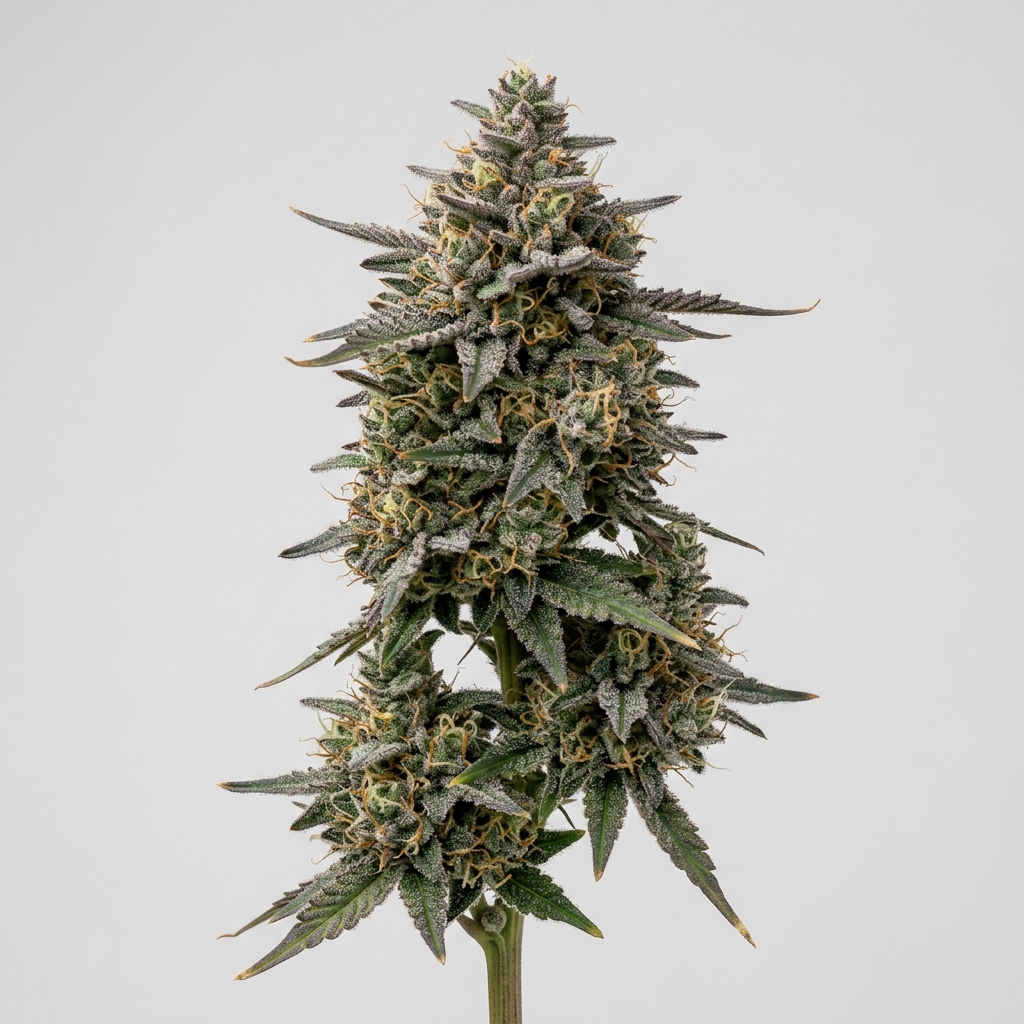
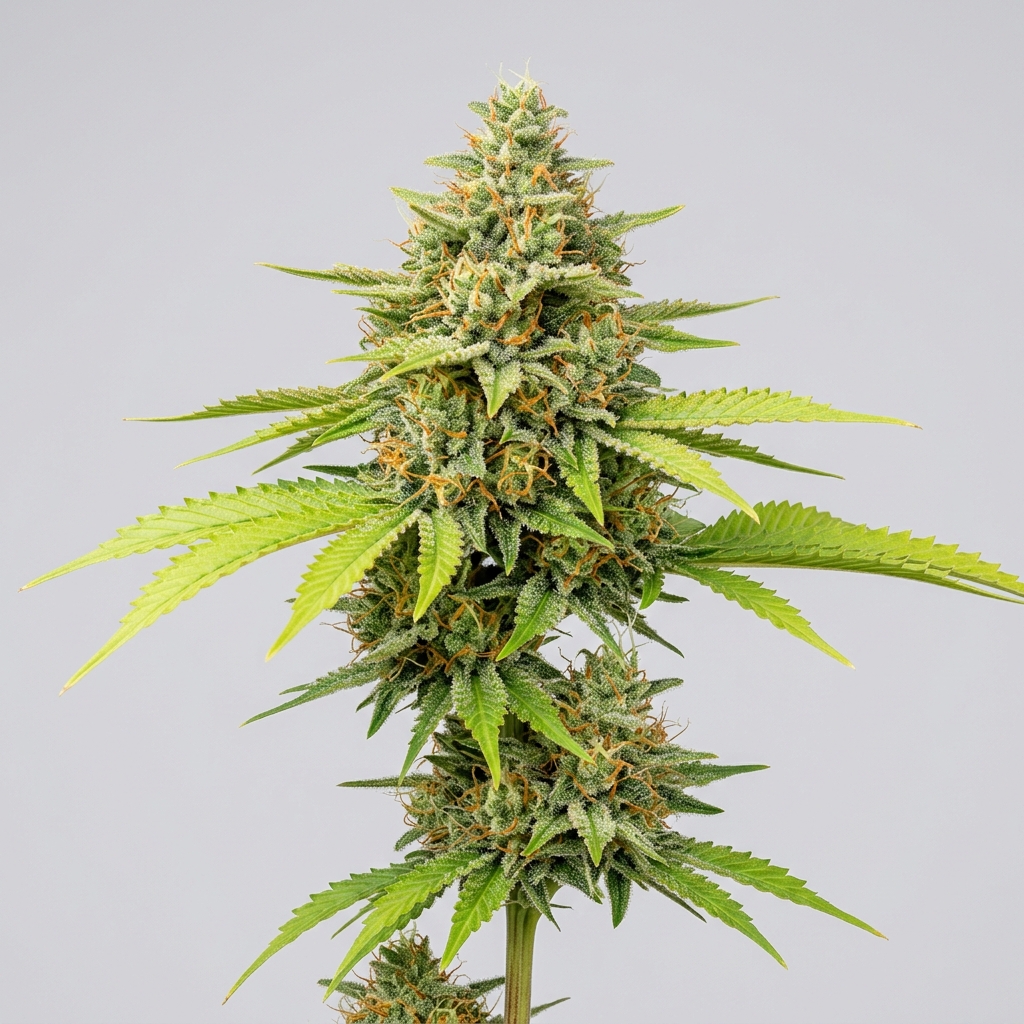
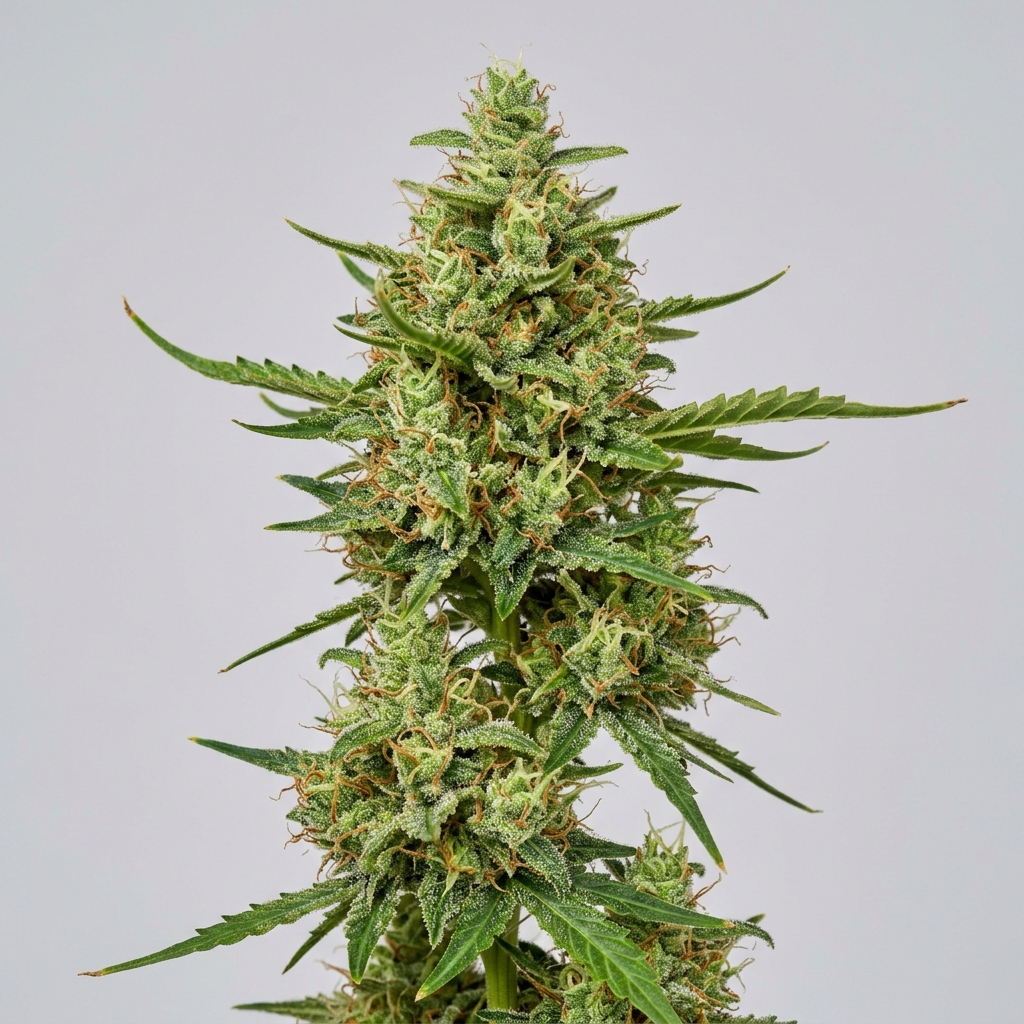
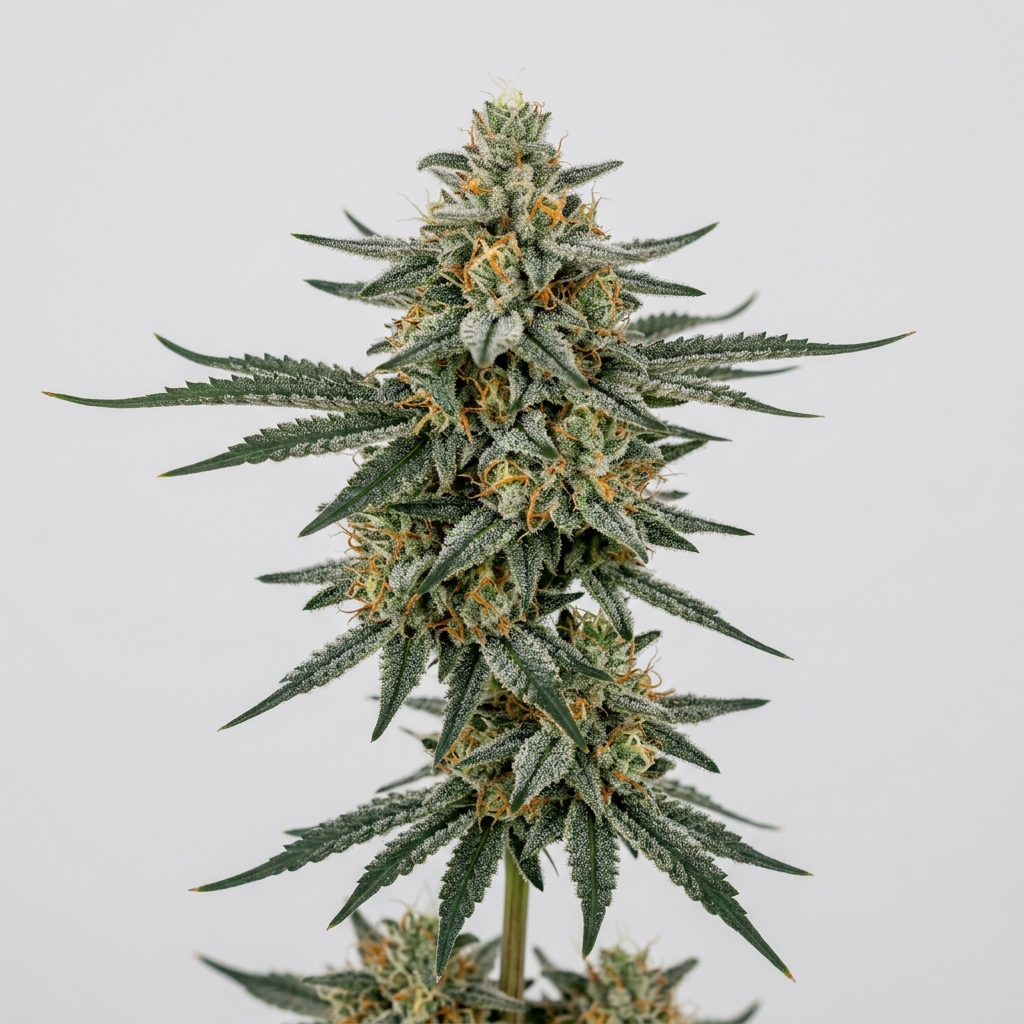
White Siberian is an indica-dominant hybrid with a typical THC range of 12% to 22%, created by crossing the legendary White Widow and AK-47 lineages. This cultivar is recognized for its heavy resin production, carrying a distinct profile of sweet earth, ripe berries, and sharp pine. It shows a moderate stretch during early flower, developing dense, frosted spear colas that make it highly suitable for solventless extraction.
Originally developed to combine the resin density of the White family with the robust structure of classic landrace-derived hybrids, it has become a staple for growers seeking reliable performance. The finished flowers are notably heavy, requiring physical support in the final weeks of bloom.
Quick Facts
| Metric | Detail |
|---|---|
| Genetics | White Widow × AK-47 |
| Variety | Indica-dominant (approx. 75/25) |
| THC Range | 12% – 22% |
| Flowering Time | 50 – 65 Days (7 to 9 Weeks) |
| Yield Potential | Moderate to High |
| Plant Height | Medium to Tall |
| Climate Preference | Temperate, Dry |
| Difficulty | Moderate |
Scientific & Botanical Overview
White Siberian displays classic indica morphology with broad fan leaves and tight internodal spacing during vegetative growth. Once flipped to flower, the influence of its sativa heritage emerges, causing a noticeable stretch that requires early canopy management.
The bracts are tightly packed, forming dense, heavy clusters that are highly prone to moisture retention. Cultivators must maintain strict humidity control to prevent microclimate issues within the canopy.
Glandular trichome development is exceptionally dense, coating the calyxes and surrounding sugar leaves in a thick layer of glassy resin early in the flowering cycle. This heavy resin coverage is a direct inheritance from its White Widow parentage.
Effects & Use-Cases (Reported)
Commonly reported effects center on a deep physical relaxation paired with a clear, calm mental state. Users frequently describe a heavy body sensation that settles in slowly, making it well-suited for late-afternoon or evening sessions.
Use-case context often includes winding down after physical exertion or managing evening routines where mental deceleration is desired. The physical weight of the cultivar makes it less ideal for highly active daytime use.
Note: Individual tolerance and environmental factors can significantly alter the perceived potency and duration of these physical effects.
Aroma & Flavors
Aroma: The initial nose is dominated by sweet, damp earth and pine, followed closely by a sharp, sour berry undertone.
Flavor: On the exhale, the smoke carries a distinct woody kush base with a lingering tart fruit and spice finish.
Terpene associations: Analytical testing typically highlights high concentrations of myrcene, caryophyllene, and limonene, which drive its earthy-sweet and slightly spicy profile.
Tested Cannabinoid & Terpene Ranges
| Compound | Typical Range |
|---|---|
| Δ9-THC | 12.0% – 22.0% |
| CBD | < 1.0% |
| CBG | 0.1% – 1.2% |
| Myrcene | 0.4% – 1.1% |
| Caryophyllene | 0.2% – 0.7% |
| Limonene | 0.1% – 0.5% |
Range Note: Values are based on aggregated laboratory data and may vary depending on cultivation methods, curing processes, and specific phenotypes.
Cultivation Notes
- Humidity: Maintain relative humidity (RH) below 45% during the final three weeks of flowering to protect the dense colas from bud rot.
- Nutrition: Responds well to a moderate feeding schedule; avoid over-fertilizing with nitrogen during mid-to-late flower to preserve terpene clarity.
- Training: Low-stress training (LST) and early topping help distribute growth evenly across the canopy, maximizing light penetration to lower bud sites.
- Harvest indicators: Look for at least 70% milky trichomes with amber heads starting to appear on the calyxes rather than the sugar leaves.
- Phenotype management: Keep an eye out for taller phenotypes that exhibit more AK-47 stretch, as these will require early trellising.
Grower Notes (Week-by-Week Snapshot)
- Weeks 1-3 (Transition & Stretch): Expect a moderate stretch of up to 50-80% of vegetative height. Prune lower fan leaves to improve airflow before the canopy closes.
- Weeks 4-6 (Bud Set & Resin Onset): Dense white pistils form rapidly, and glassy resin begins to coat the surrounding sugar leaves. Ensure trellis support is in place to handle the upcoming weight.
- Weeks 7-9 (Ripening & Flush): Calyxes swell significantly, and the sweet, earthy aroma intensifies. Reduce water intake slightly and run a clean flush during the final 10 days to enhance flavor clarity.
- Post-Harvest (Slow Dry & Cure): Dry at 60°F (15°C) and 60% RH for 10 to 14 days to preserve volatile terpenes, followed by a minimum of three weeks in airtight curing vessels.
Genetic Lineage
White Siberian is a direct cross of White Widow and AK-47, two of the most influential cultivars of the 1990s. The White Widow parent contributes its legendary resin production, structural stability, and earthy-sweet terpene foundation.
The AK-47 parent brings a sharper, spiced fruit aroma and increases the overall yield potential of the offspring. This combination results in a robust hybrid that balances the heavy physical traits of South American and Indian indicas with the energetic, resinous qualities of Thai and Colombian sativas.
Research Insights
Analytical profiles of White Siberian demonstrate a prominent concentration of myrcene, which is frequently associated with the physical sedation reported by consumers. The presence of caryophyllene provides a spicy undertone while interacting directly with peripheral cannabinoid receptors.
Phytochemical research suggests that the heavy resin yield of this cultivar is linked to a high density of capitate-stalked trichomes inherited from its maternal lineage. This makes the strain a valuable subject for studies focusing on secondary metabolite extraction and terpene preservation.
Frequently Asked Questions
Is White Siberian difficult to grow?
It is considered a moderate-difficulty cultivar. While it possesses strong resistance to common pests and pathogens, its dense flower structure requires strict humidity management during late bloom to prevent mold.
What does White Siberian smell like?
The aroma is a mix of sweet earth, damp forest pine, and a sharp, sour berry undertone that becomes more pronounced when the buds are broken apart.
How long does it take to flower?
Indoors, White Siberian typically finishes flowering in 50 to 65 days (7 to 9 weeks), depending on the specific phenotype and environmental conditions.
Is White Siberian suitable for making concentrates?
Yes, its heavy trichome production and greasy resin texture make it highly productive for dry sift, ice water hash, and solventless extraction methods.
Educational Disclaimer
This content is for educational and informational purposes only. Local laws regarding cannabis cultivation and consumption vary widely, and readers should consult their local regulations before engaging in any cultivation activities.
Rate and review this strain
Ratings and reviews are accepted only from signed-in Google accounts.
Sign in with Google to leave a rating and written review.
Latest Reviews
0 reviewsNo reviews yet. Be the first Google user to rate and review this strain.