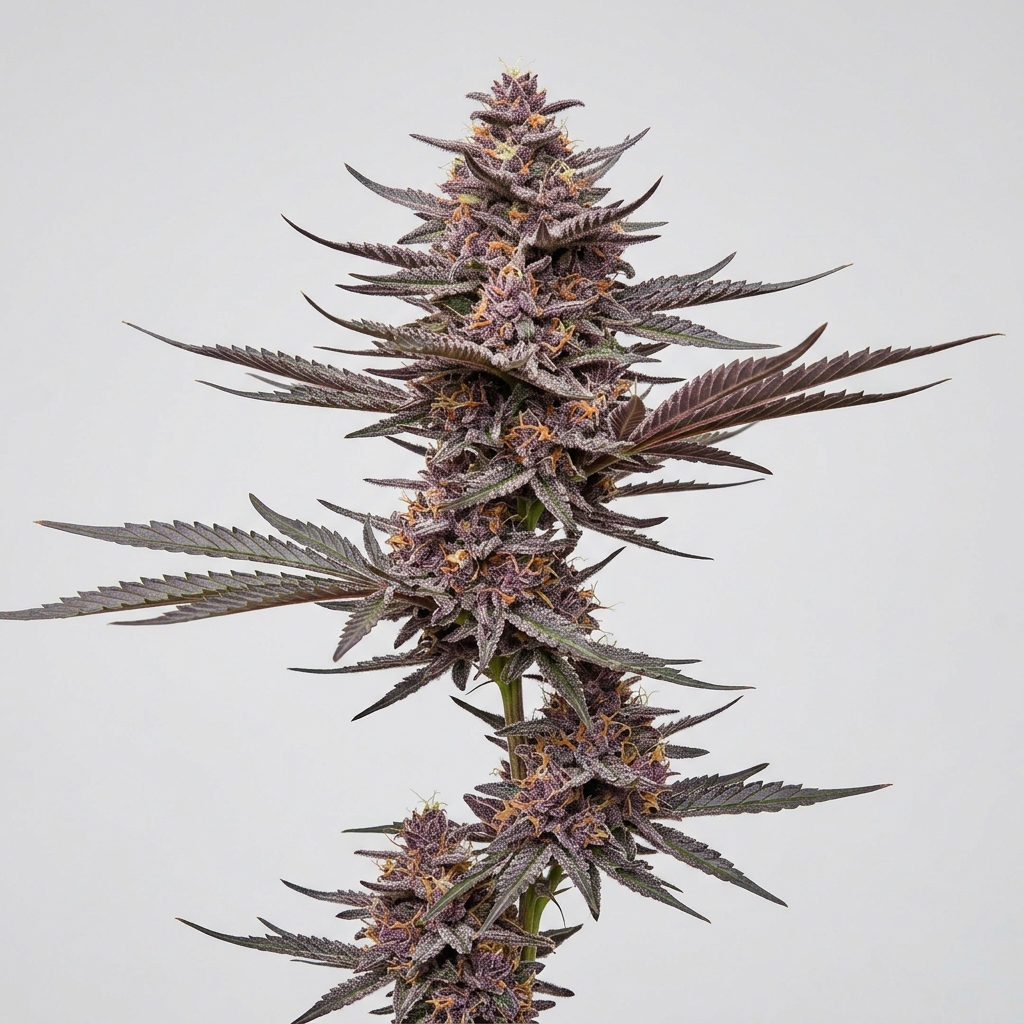
Purple #1 (Cannabis Strain)
Purple #1 is a classic Dutch outdoor cultivar crossing a select Purple Afghani with acclimatized Dutch sativa strains, delivering a moderate THC range of 11% to 15% alongside a spicy, dark berry aroma profile. Renowned for its rapid purple transition early in flower, this sativa-dominant hybrid develops resin-rich, spear-shaped colas that exhibit exceptional resilience against mold and cold temperatures. It stands as a foundational old-school cultivar prized by northern-latitude growers for its reliable outdoor performance and earthy, herbal finish.
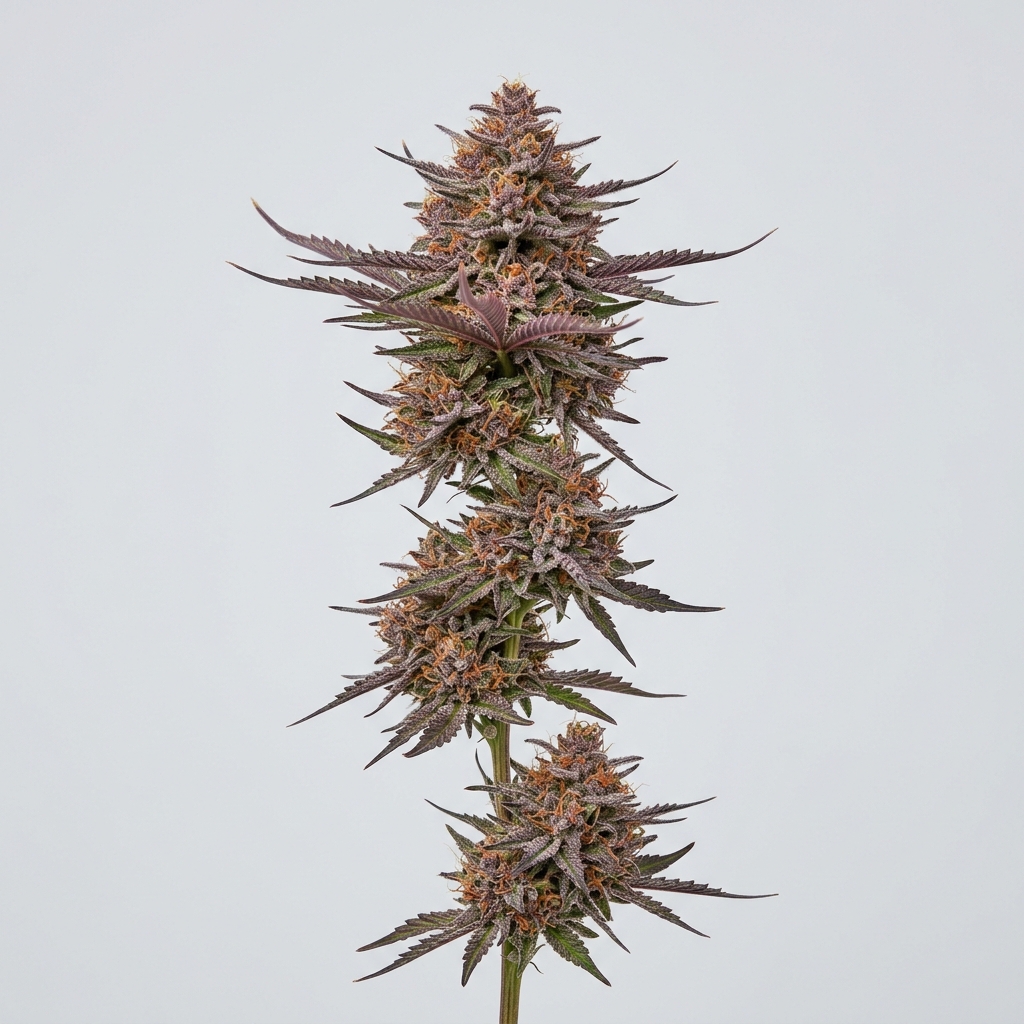
Developed in the 1980s to withstand damp, short European summers, the strain has maintained a dedicated following among cultivators who value hardiness over modern hyper-potency. Its visual appeal is striking, with fan leaves and calyxes often turning deep purple before nighttime temperatures even begin to drop.
Quick Facts
| Metric | Details |
|---|---|
| Genetics | Purple Afghani × Dutch Sativa |
| Variety | Sativa-dominant Hybrid |
| THC Range | 11% – 15% |
| Flowering Time | 8 weeks (Early October outdoors) |
| Yield Potential | Moderate to High (especially outdoors) |
| Plant Height | Tall (1.5m – 2.5m outdoors) |
| Climate Preference | Cool, temperate, wet-resistant |
| Difficulty | Easy |
Scientific & Botanical Overview
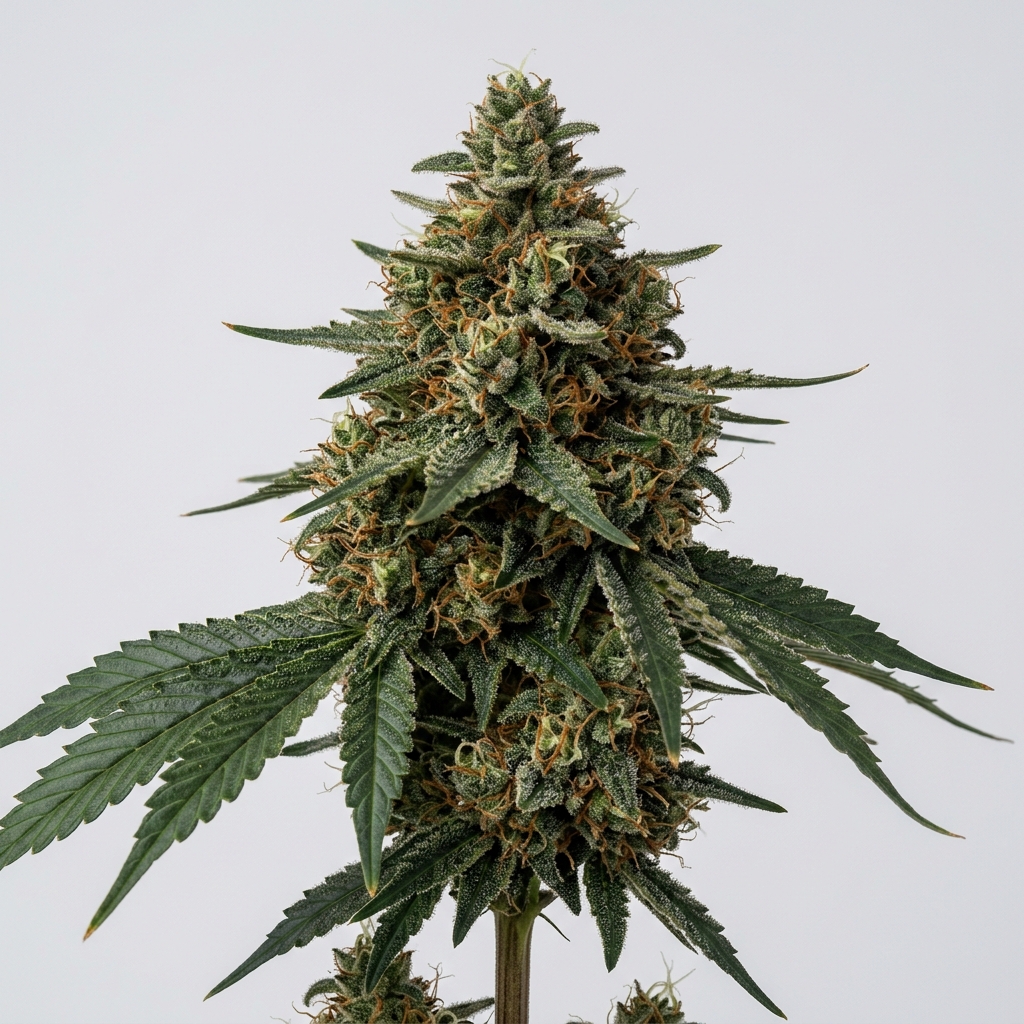
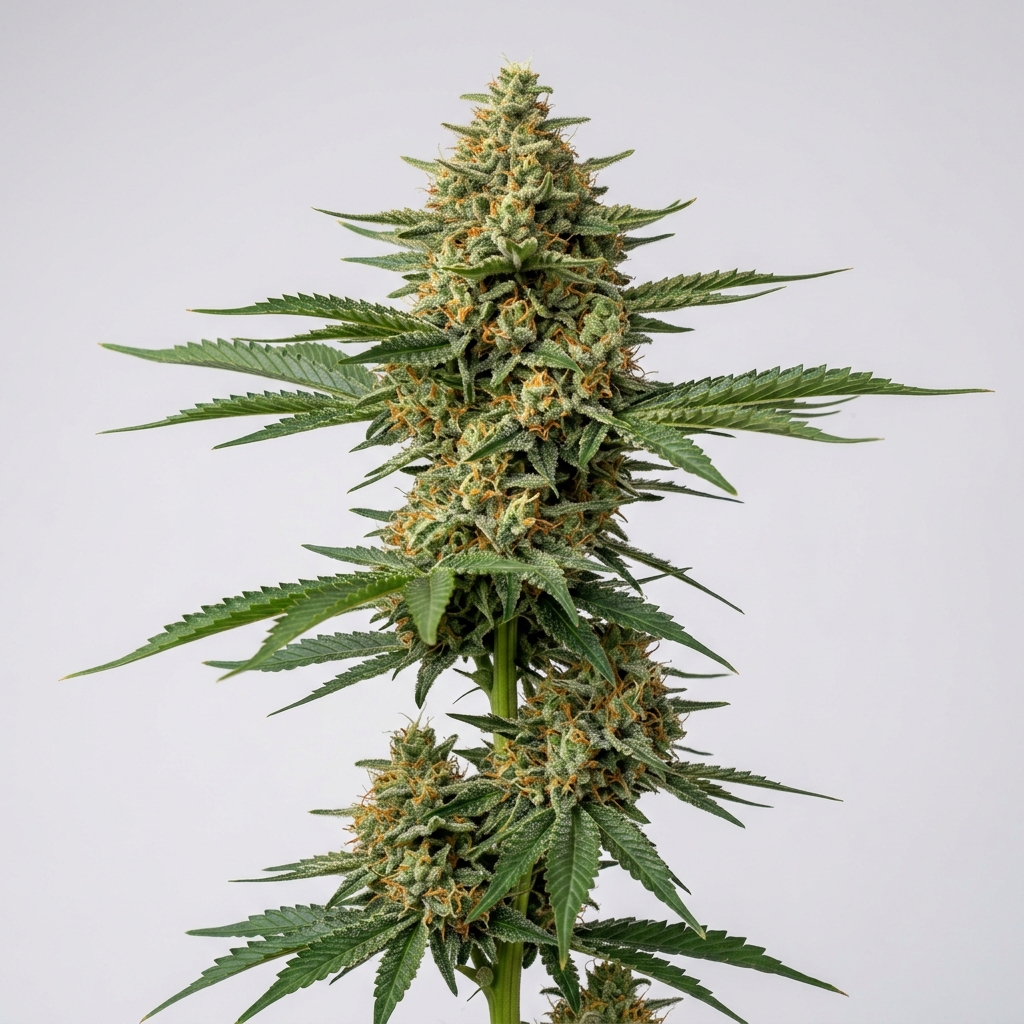
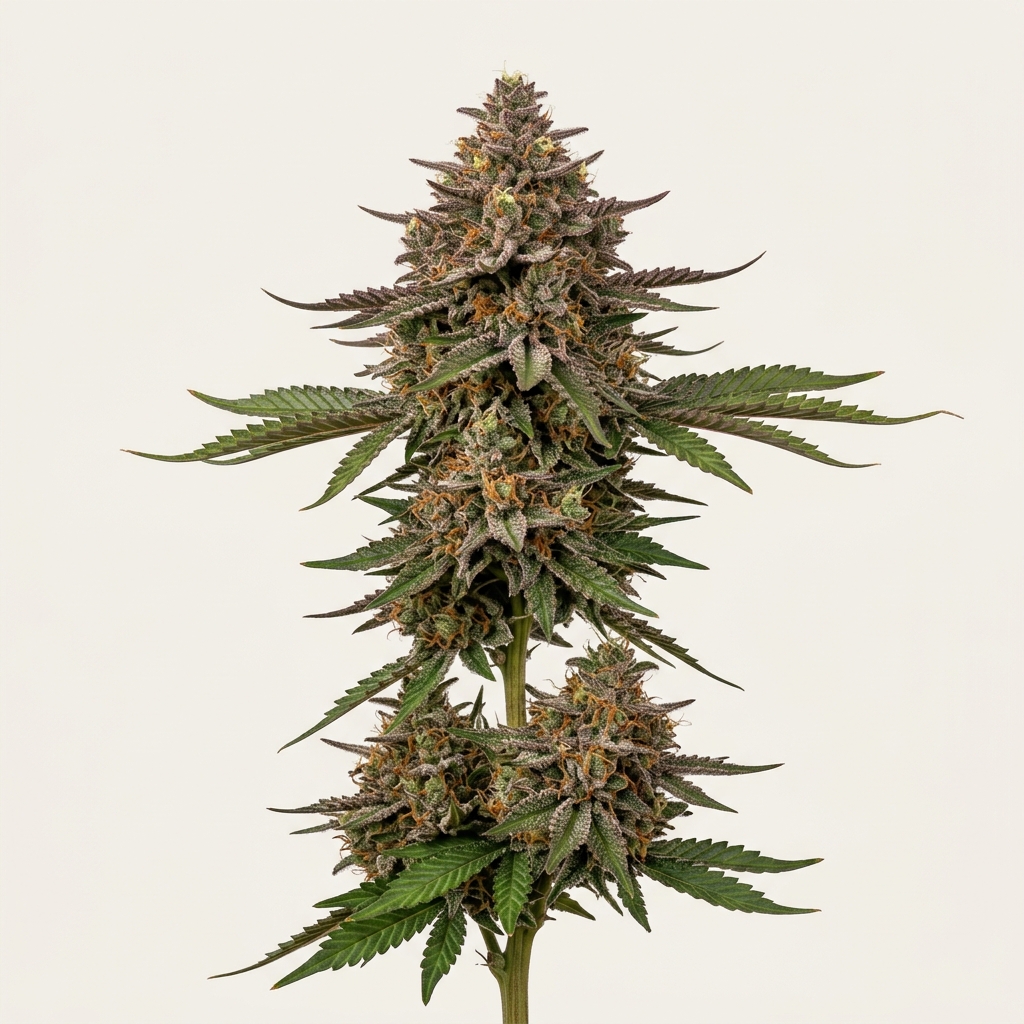
Botanically, Purple #1 shows a classic hybrid morphology with a strong sativa influence in its growth pattern and leaf structure. The plants develop long, slender fan leaves and thin stems that stretch considerably once the flowering cycle is initiated. Unlike many modern purple hybrids that require cold shocks to trigger anthocyanin production, this cultivar is genetically predisposed to turn purple regardless of ambient temperatures.
The floral architecture consists of long, airy spear colas rather than tight, round golf-ball buds. This semi-open bud structure is an evolutionary advantage, allowing high airflow through the dense bracts to minimize the risk of botrytis in humid climates. The calyx-to-leaf ratio is moderate, making the manicuring process straightforward once the plants are dry.
Glandular trichome density is moderate, focusing largely on the calyxes and surrounding sugar leaves. The resin is thin and sticky rather than greasy, presenting a glassy appearance that contrasts sharply with the deep violet and lavender hues of the mature flowers.
Effects & Use-Cases (Reported)
Commonly reported effects include a gentle, uplifting mental clarity paired with a mild, functional physical relaxation. Because of its moderate cannabinoid profile, users typically report a clear-headed experience free from heavy sedation or intense cerebral rushing.
Use-case context suggests this cultivar is highly suited for daytime activities, outdoor walks, or social settings where mental focus and conversation are desired. It serves well as an approachable option for those sensitive to high-THC modern exotics.
Note that individual tolerance and phenotype variation can influence the onset and duration of these effects.
Aroma & Flavors
Aroma: A rustic blend of damp earth, spicy pine, and a distinct dark berry edge that intensifies during the slow dry and cure process.
Flavor: The smoke carries a sweet, herbal entry with a sharp, peppery hash finish on the exhale, reminiscent of its Afghani heritage.
Terpene associations:
Myrcene, caryophyllene, and pinene dominate the sensory profile, grounding the sweet fruit notes in a woody, spicy base.
Tested Cannabinoid & Terpene Ranges
| Compound | Estimated Range |
|---|---|
| Δ9-THC | 11.0% – 15.0% |
| CBD | < 1.0% |
| Myrcene | 0.3% – 0.7% |
| Caryophyllene | 0.2% – 0.5% |
| Pinene | 0.1% – 0.3% |
Note: Cannabinoid and terpene profiles are variable and highly dependent on cultivation practices, soil biology, and curing methods.
Cultivation Notes
- Humidity management: Keep late-flower humidity under 50% if grown indoors, though the strain naturally handles high outdoor humidity well due to its airy bud structure.
- Nutrition: Prefers a light to moderate nutrient regimen; excessive nitrogen can delay the onset of flowering and mask the purple coloration.
- Training: Responds well to topping and low-stress training (LST) to manage the outdoor stretch, which can easily double the plant’s height.
- Harvest timing: Outdoors, the strain is typically ready by early October in the Northern Hemisphere, making it ideal for avoiding late-autumn frosts.
- Phenotype management: Most phenotypes turn purple automatically by week three of flower, but select for the earliest coloring clones if breeding or keeping mothers.
Grower Notes (Week-by-Week Snapshot)
- Weeks 1–3 (Transition & Stretch): Plants exhibit rapid vertical growth. Slender fan leaves emerge, and early purple pistils and calyxes begin to show at the nodes by the end of week three.
- Weeks 4–6 (Color & Structure): The stretch slows as long spear colas begin to form. The purple hue deepens across the entire flower structure, regardless of warm daytime temperatures.
- Weeks 7–8 (Ripening & Harvest): Calyxes swell and resin production peaks. Pistils turn a deep orange-red against the purple background; harvest when trichomes transition from clear to mostly milky.
Genetic Lineage
The lineage of Purple #1 traces back to the early days of Dutch seed breeding, where imports of robust Purple Afghani landrace genetics were crossed with local, acclimatized sativa strains. This hybridization was specifically designed to adapt the heavy-yielding, fast-flowering indica to the wet, cold, and unpredictable climate of the Netherlands.
The resulting progeny stabilized into a reliable outdoor performer that passed down its signature purple coloration and mold resistance. Unlike modern purple strains that rely heavily on contemporary American genetics, Purple #1 represents a distinct, old-school European genetic branch.
Research Insights
Scientific interest in Purple #1 often highlights its high concentration of anthocyanins, the water-soluble pigments responsible for the striking violet coloration. These pigments serve as natural protectants for the plant against ultraviolet radiation and cold stress, which explains the strain’s robust outdoor survival rate.
Analytical testing reveals a balanced terpene profile where myrcene and pinene work in tandem with moderate THC levels. This specific chemical synergy supports a functional, non-sedating experience, making it a valuable subject for studying the entourage effect in low-to-moderate potency cultivars.
Frequently Asked Questions
Can Purple #1 be grown indoors?
Yes, though it is genetically optimized for outdoor cultivation. Indoors, it requires sufficient vertical space to accommodate its significant stretch and a strict light cycle to mimic its natural early-flowering tendencies.
How early does Purple #1 turn purple?
The purple coloration is highly stable and typically appears within the first three weeks of flowering. Unlike other strains, cold temperatures are not required to trigger this color change.
Is Purple #1 mold resistant?
Yes, the strain was specifically bred for the damp Dutch climate. Its semi-open, airy bud structure allows for high airflow, making it highly resistant to bud rot and powdery mildew.
What does Purple #1 taste like?
It features a classic old-school flavor profile dominated by earthy, spicy pine notes with a subtle, sweet dark berry finish on the exhale.
Educational Disclaimer
This article is for educational and informational purposes only. Local laws regarding cannabis cultivation and consumption vary widely; always consult your regional regulations before growing or using cannabis.
Rate and review this strain
Ratings and reviews are accepted only from signed-in Google accounts.
Sign in with Google to leave a rating and written review.
Latest Reviews
0 reviewsNo reviews yet. Be the first Google user to rate and review this strain.