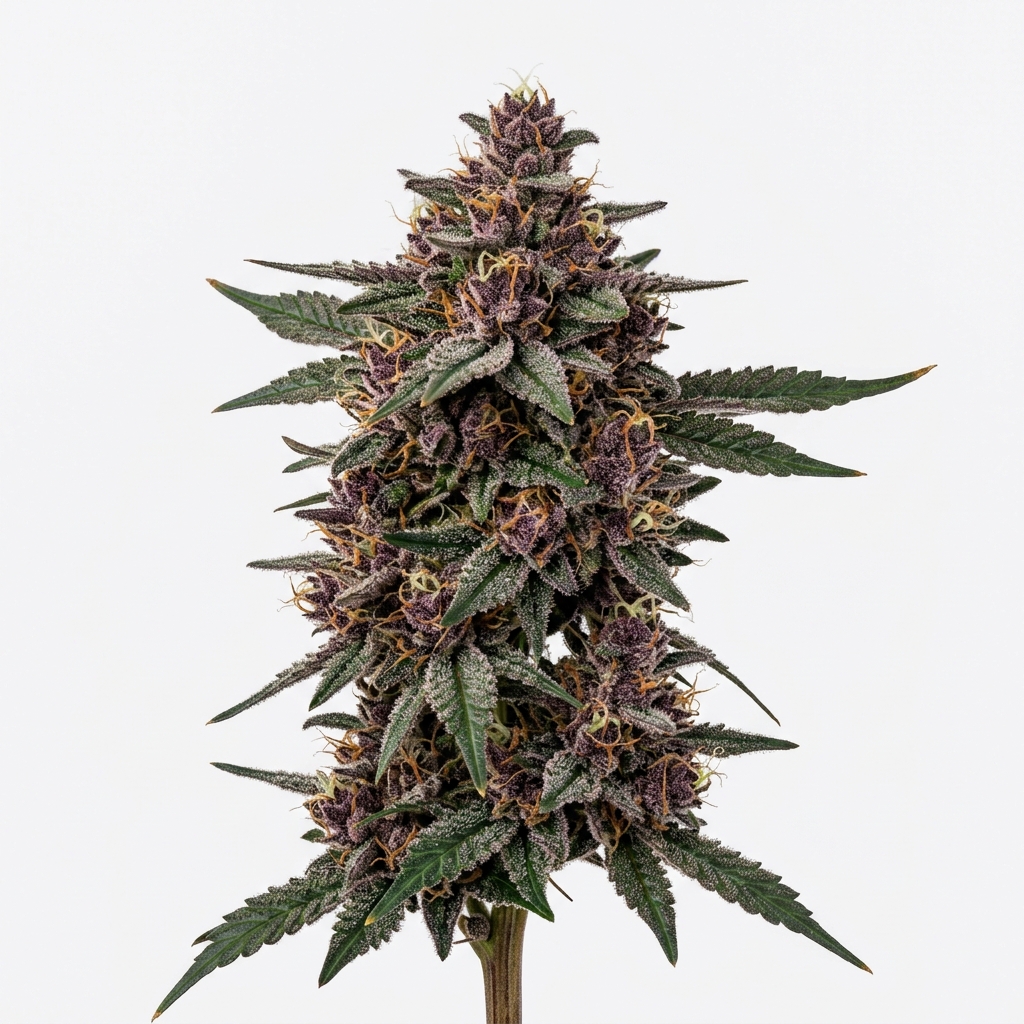
Candy Gas #21 (Cannabis Strain)
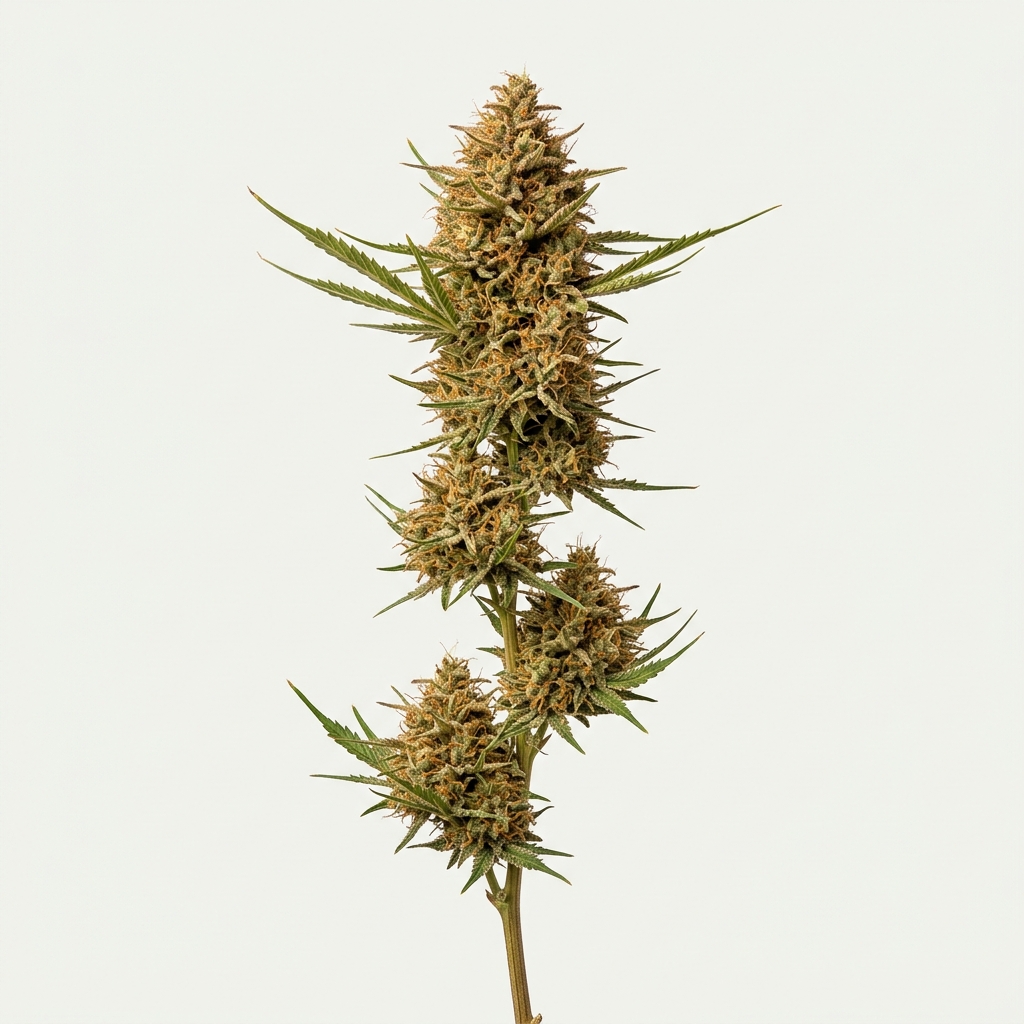
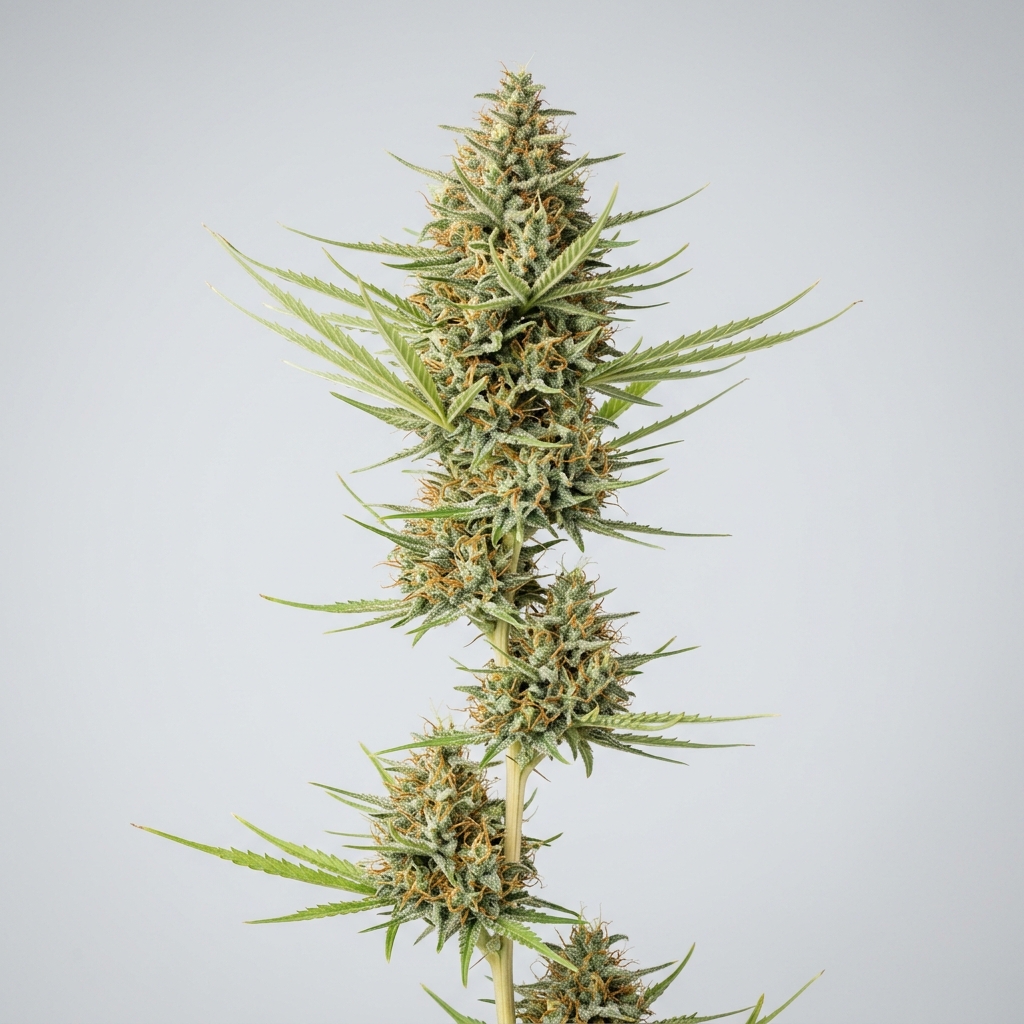
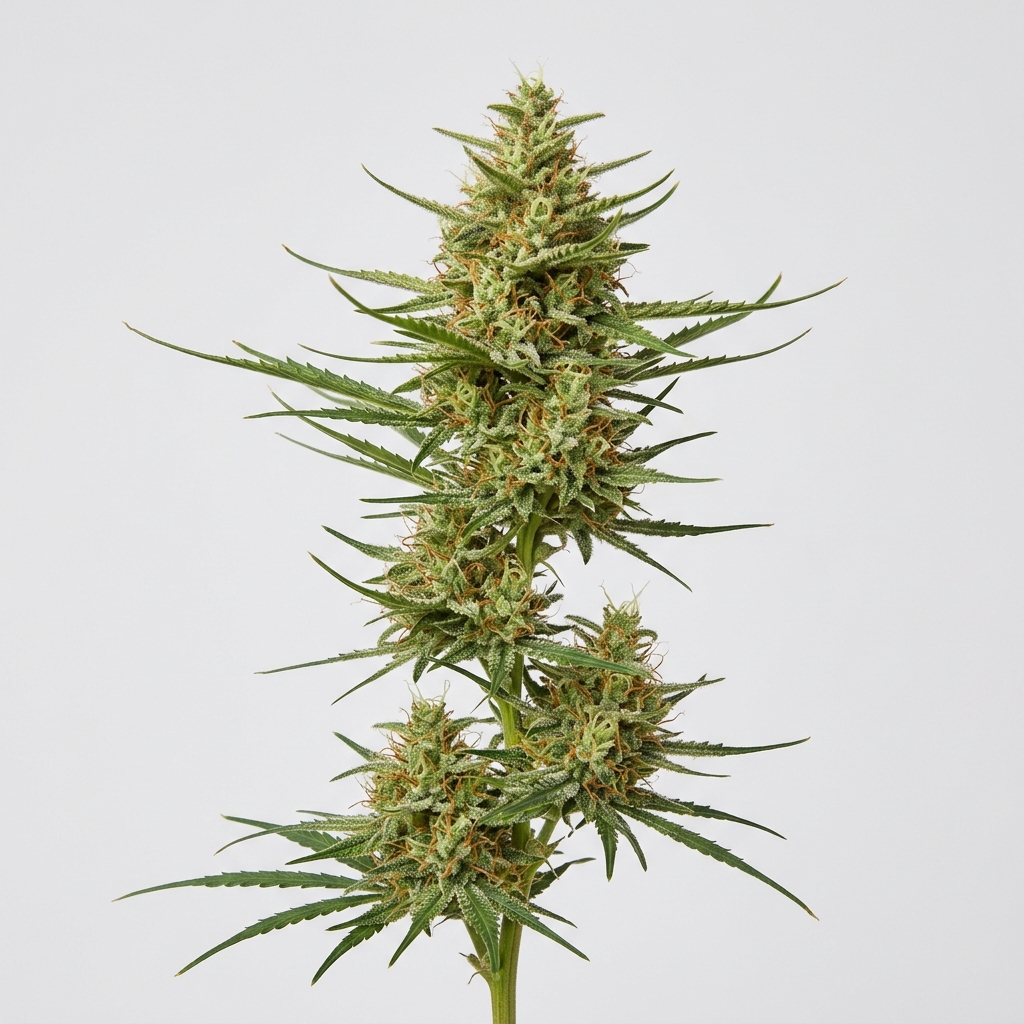
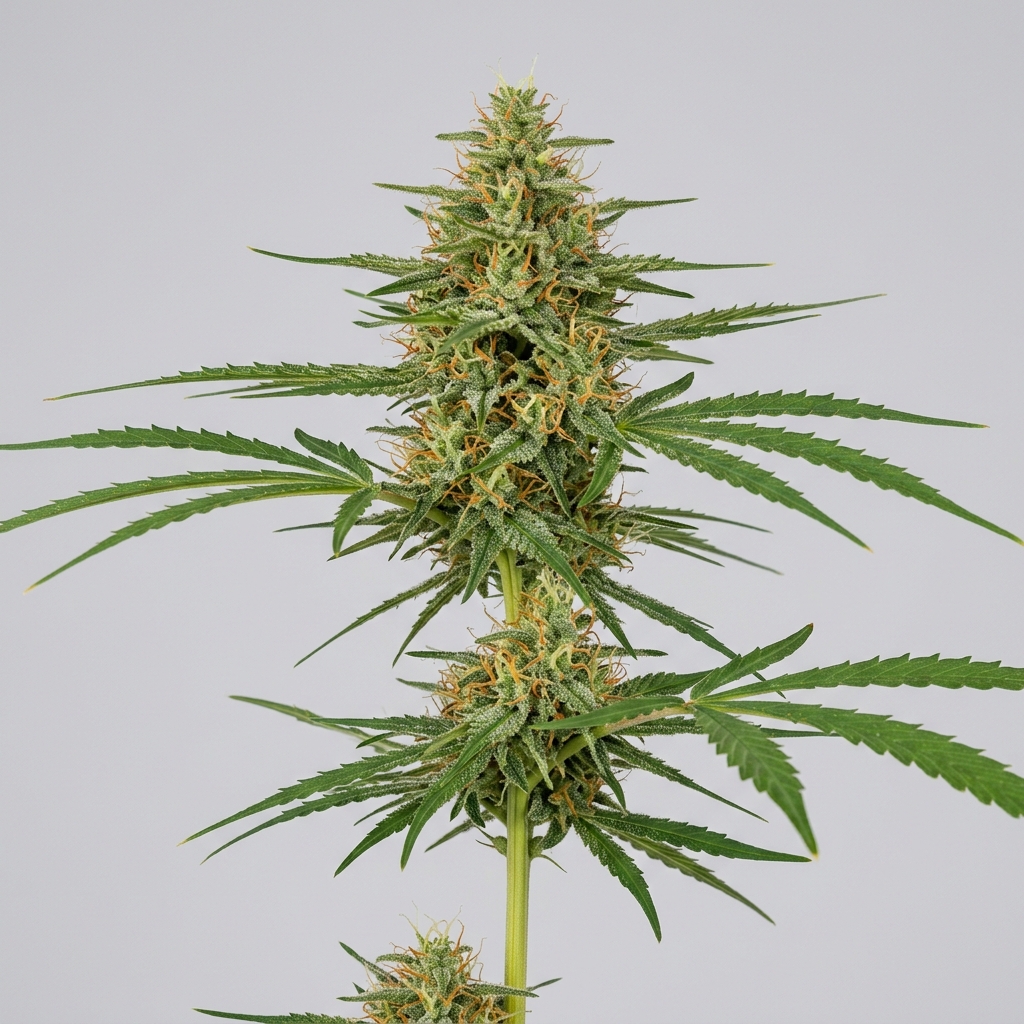
Candy Gas #21 is an indica-dominant hybrid typically testing between 24% and 28% THC, created by crossing Candy Rain with a gas-forward selection of GastroPop. Known for its greasy resin production and dense, dark purple bracts, this cultivar delivers a sharp contrast of sugary sweetness and heavy, industrial fuel. Growers favor this selection for its manageable stretch and highly resinous spear colas that perform exceptionally well in solventless extraction.
The strain appeals to cultivators and extractors seeking terpene clarity and high-yield trichome coverage. Its physical profile features tight internodes and thick, waxy fan leaves that require careful defoliation during early flower to optimize light penetration.
Quick Facts
| Trait | Details |
|---|---|
| Genetics | Candy Rain × GastroPop |
| Variety | Indica-dominant hybrid |
| THC Range | 24% – 28% |
| Flowering Time | 8 – 9 weeks |
| Yield Potential | Moderate to high |
| Plant Height | Medium, compact |
| Climate Preference | Controlled indoor / Warm, dry outdoor |
| Difficulty | Moderate |
Scientific & Botanical Overview
Candy Gas #21 shows classic indica-dominant structural traits, characterized by broad fan leaves and a sturdy, stocky frame. The internodal spacing is relatively tight, which helps support the heavy weight of its developing floral clusters in late bloom. This compact morphology makes it highly suitable for indoor multi-tier setups.
As the plant matures, the bracts swell significantly, turning shades of deep violet and forest green under cooler night temperatures. The trichome heads are large and capitate-stalked, creating a wet frost appearance that covers the entire surface of the buds and surrounding sugar leaves. This dense gland coverage is highly sought after by hash makers.
Because of the dense canopy and compact bud structure, maintaining proper airflow is critical to prevent moisture retention. Successful cultivation relies on strategic leaf stripping to improve light penetration and ensure uniform development across lower branch sites. Late-flower humidity must be strictly managed to protect the dense colas.
Effects & Use-Cases (Reported)
Commonly reported effects: Users frequently describe a heavy, grounding physical sensation accompanied by a calm, clear mental state. The onset is typically physical, settling into the limbs and promoting deep relaxation without immediate, heavy sedation.
Use-case context: This cultivar is well-suited for late afternoon or evening sessions, aiding relaxation after physical activity. The balanced mental clarity also makes it a popular choice for quiet creative projects or unwinding at the end of the day.
Note: Individual experiences vary, and high-potency cultivars should be approached with moderation by those sensitive to strong physical effects.
Aroma & Flavors
Aroma: A pungent mix of sweet artificial grape, sour fuel, and a sharp, chemically tart gas undertone. The scent is loud and fills the room quickly upon opening a jar.
Flavor: The smoke delivers a smooth blend of sugary candy on the inhale, followed by an earthy, diesel-dominated finish. The contrast between sweet and chemical notes remains distinct through the entire burn.
Terpene associations: High concentrations of caryophyllene, limonene, and myrcene drive its complex profile.
Tested Cannabinoid & Terpene Ranges
| Compound | Typical Range |
|---|---|
| Δ9-THC | 24.0% – 28.0% |
| CBG | 0.5% – 1.5% |
| β-Caryophyllene | 0.6% – 1.2% |
| d-Limonene | 0.4% – 0.9% |
| β-Myrcene | 0.3% – 0.7% |
Note: Terpene and cannabinoid levels are highly variable and depend heavily on cultivation methods, curing environments, and specific phenotypes.
Cultivation Notes
- Humidity: Keep relative humidity below 45% during the final three weeks of flowering to prevent moisture issues within the dense colas.
- Nutrition: Responds well to moderate feeding schedules; avoid excessive nitrogen in early flower to prevent leaf curl.
- Training: Implement low-stress training (LST) and topping early in vegetative growth to establish a multi-topped, even canopy.
- Harvest timing: Harvest when trichomes are mostly milky with a small percentage of amber for optimal terpene clarity and resin quality.
- Phenotype management: Watch for color variation; cooler night temperatures during the flush period bring out deep purple and blue hues.
Grower Notes (Week-by-Week Snapshot)
- Weeks 1–3 (Transition & Early Flower): The plant undergoes a moderate stretch, usually doubling in height. Focus on selective pruning of lower fan leaves to improve air circulation and direct energy to the upper nodes.
- Weeks 4–6 (Mid-Flower & Resin Onset): Bud sites begin to stack rapidly, and early resin glands appear on the calyxes. The distinct sweet-gas aroma starts to develop, requiring active carbon filtration.
- Weeks 7–9 (Late Flower & Ripening): Calyxes swell and the buds harden into dense, greasy spears. Reduce night temperatures by 5 to 10 degrees Fahrenheit to encourage anthocyanin production and purple coloration.
- Post-Harvest (Dry & Cure): A slow, 14-day dry at 60°F and 60% relative humidity preserves the delicate volatile terpenes before a minimum three-week glass jar cure.
Genetic Lineage
The maternal parent, Candy Rain (Gelato × London Pound Cake), contributes a rich, dessert-like sweetness and a heavy coat of resin. This lineage is famous for its smooth smoke and complex candy-like flavor profile, passing down its dense bract structure to the offspring.
The paternal influence comes from a gas-leaning selection of GastroPop (Apples & Bananas × Grape Gas). This parent injects an intense, chemical fuel note and improves the overall bud structure, resulting in the greasy, high-yield resin characteristic of the #21 phenotype.
Research Insights
Analytical testing of Candy Gas #21 shows a high concentration of sesquiterpenes, particularly caryophyllene, which interacts directly with peripheral receptors. This profile is frequently studied for its potential to deliver a deep physical sensation without inducing heavy cerebral fog, making it an interesting subject for targeted terpene research.
The presence of limonene alongside heavy fuel terpenes suggests a complex interaction that modulates the overall experience. This terpene ratio is of significant interest to breeders aiming to balance sweet dessert flavors with industrial, fuel-forward characteristics in modern hybrids.
Frequently Asked Questions
What is the genetic background of Candy Gas #21?
Candy Gas #21 is a hybrid cross of Candy Rain and GastroPop, combining sweet dessert genetics with a heavy, fuel-forward profile.
What does Candy Gas #21 smell like?
It features a loud, pungent aroma of sweet artificial grape and sour fuel, backed by a sharp, chemically tart gas finish.
Is Candy Gas #21 difficult to grow?
It is moderately difficult to grow. Its dense bud structure and compact canopy require active humidity control and strategic defoliation to prevent mold.
What is the typical flowering time for Candy Gas #21?
This cultivar typically finishes flowering in 8 to 9 weeks when grown indoors under standard light cycles.
Educational Disclaimer
This guide is for educational and informational purposes only. Cultivation of cannabis is subject to varying local laws and regulations, and readers must ensure compliance with their local jurisdictions.
Rate and review this strain
Ratings and reviews are accepted only from signed-in Google accounts.
Sign in with Google to leave a rating and written review.
Latest Reviews
0 reviewsNo reviews yet. Be the first Google user to rate and review this strain.