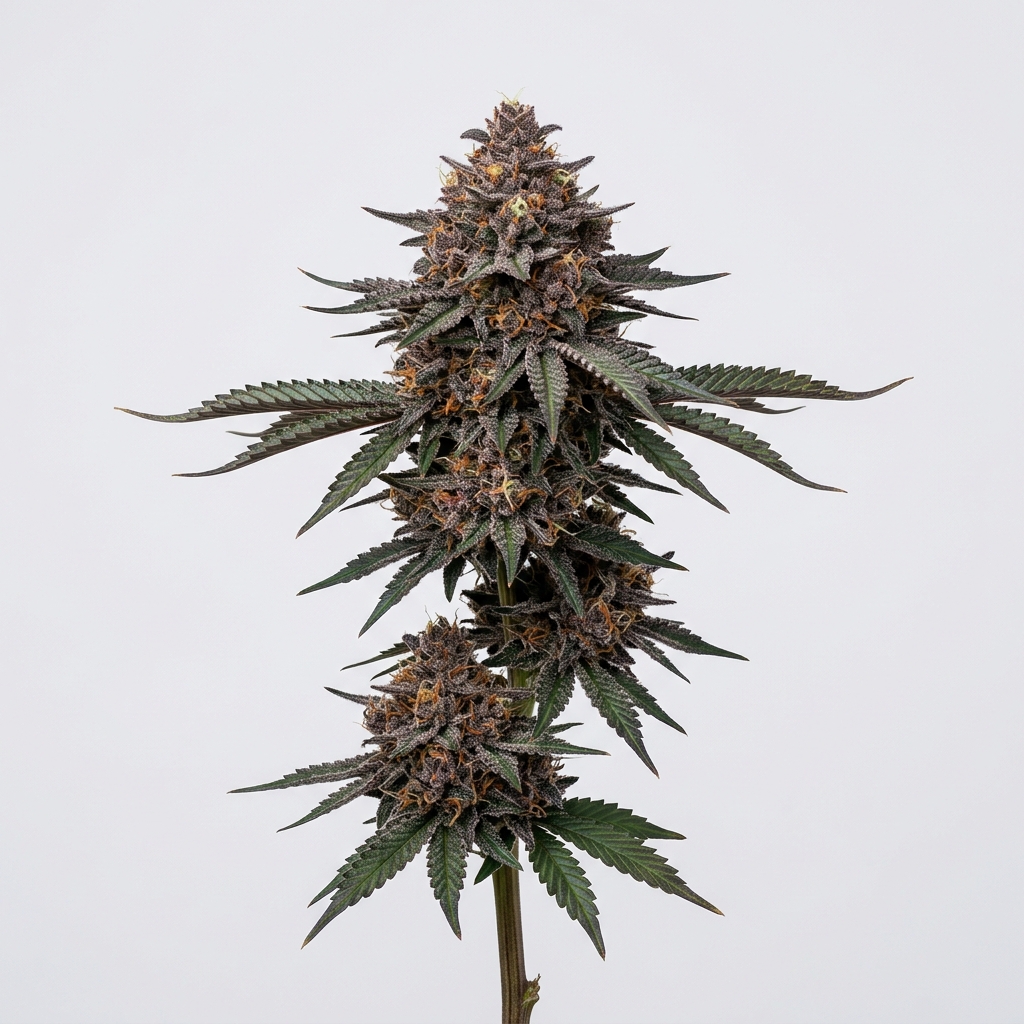
Super Grape Diesel (Cannabis Strain)
Super Grape Diesel is a potent hybrid cultivar crossing the legendary Super Sour Diesel with the berry-forward Grape Ape. Known for its greasy resin and dense spear colas, this strain typically tests between 18% and 24% THC. It delivers a sharp contrast of tart gas and a deep, dark berry edge, making it highly valued by extraction artists and growers seeking terpene clarity. The plants exhibit a manageable, controlled stretch during early flower, developing swollen calyxes coated in a wet frost.
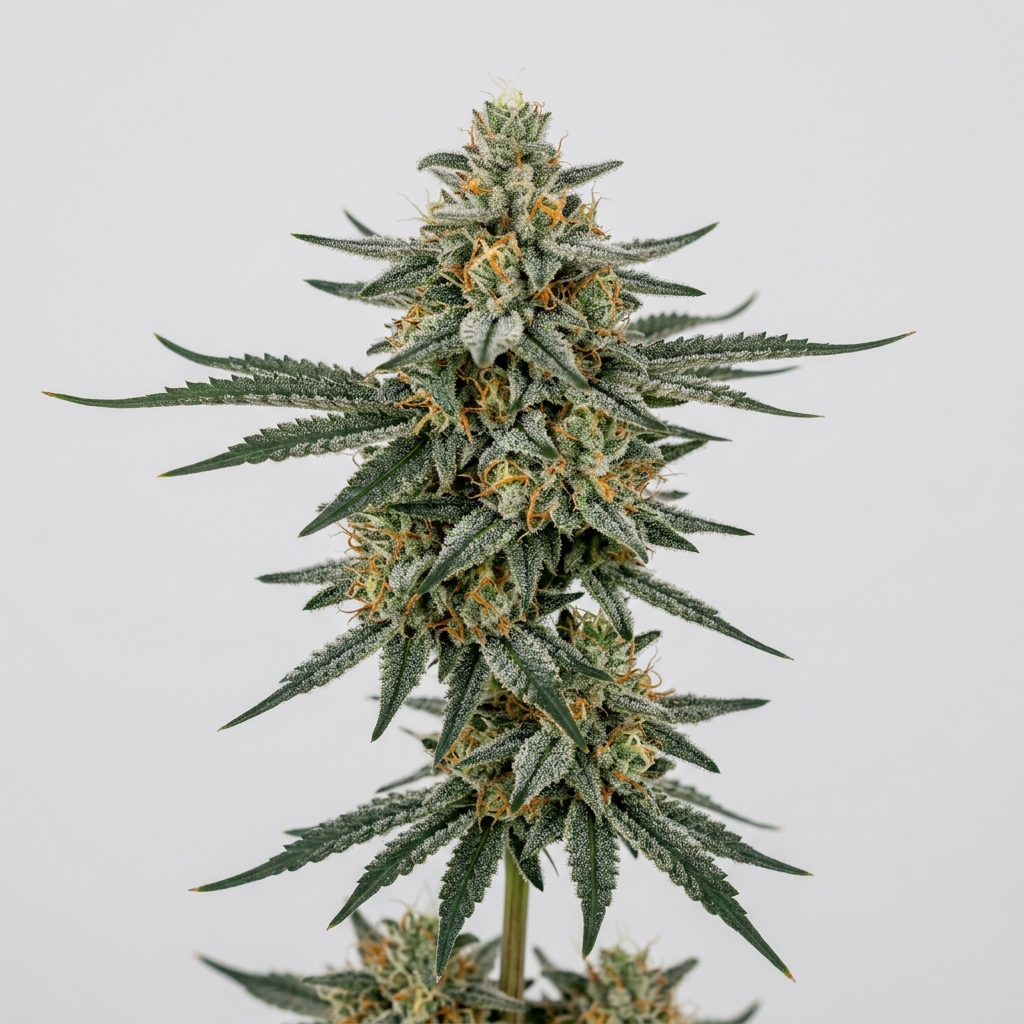
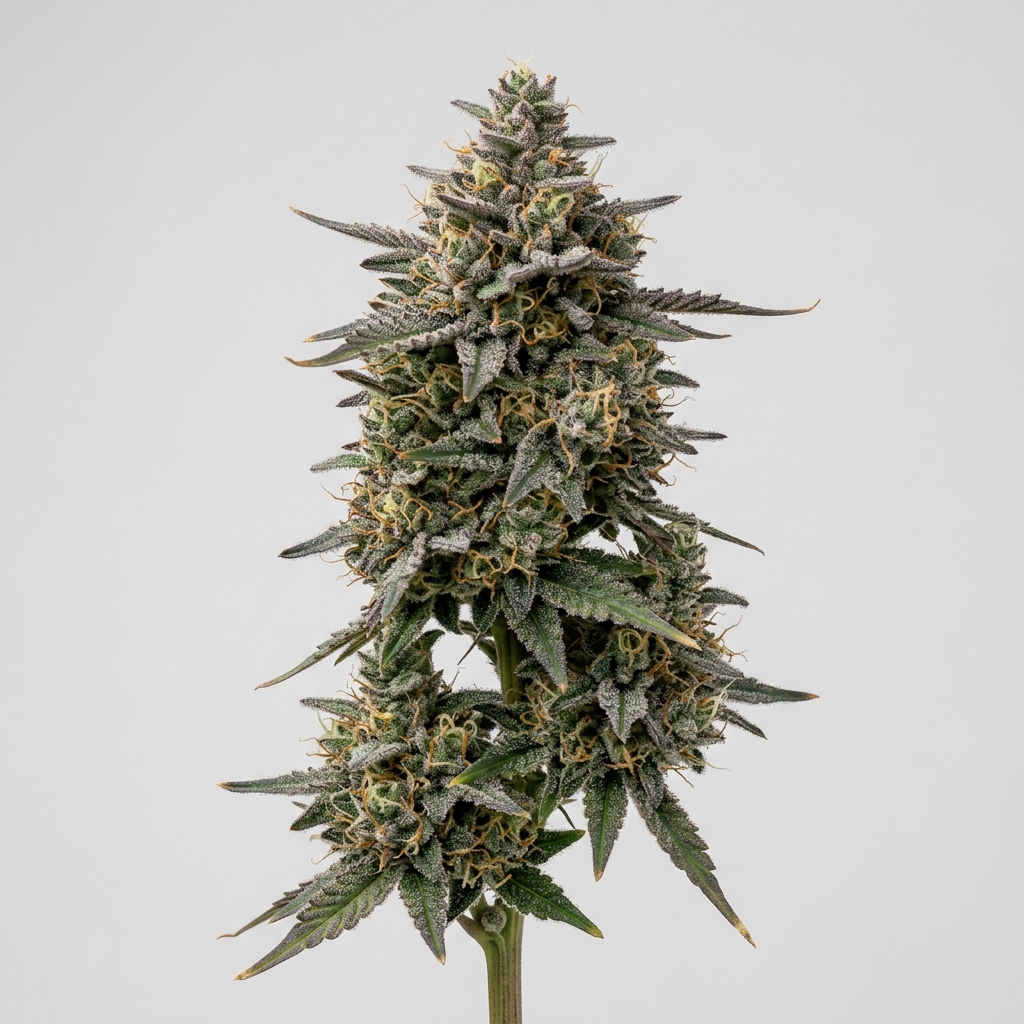
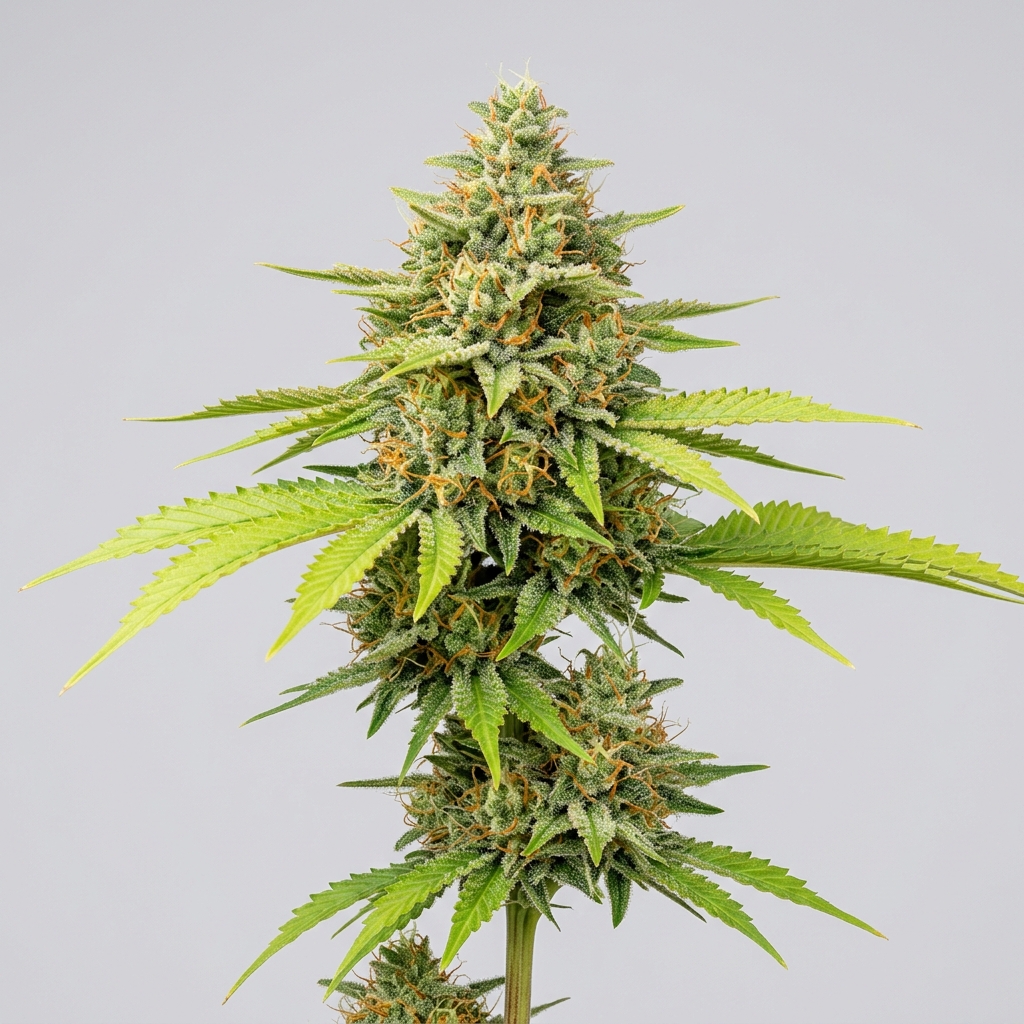
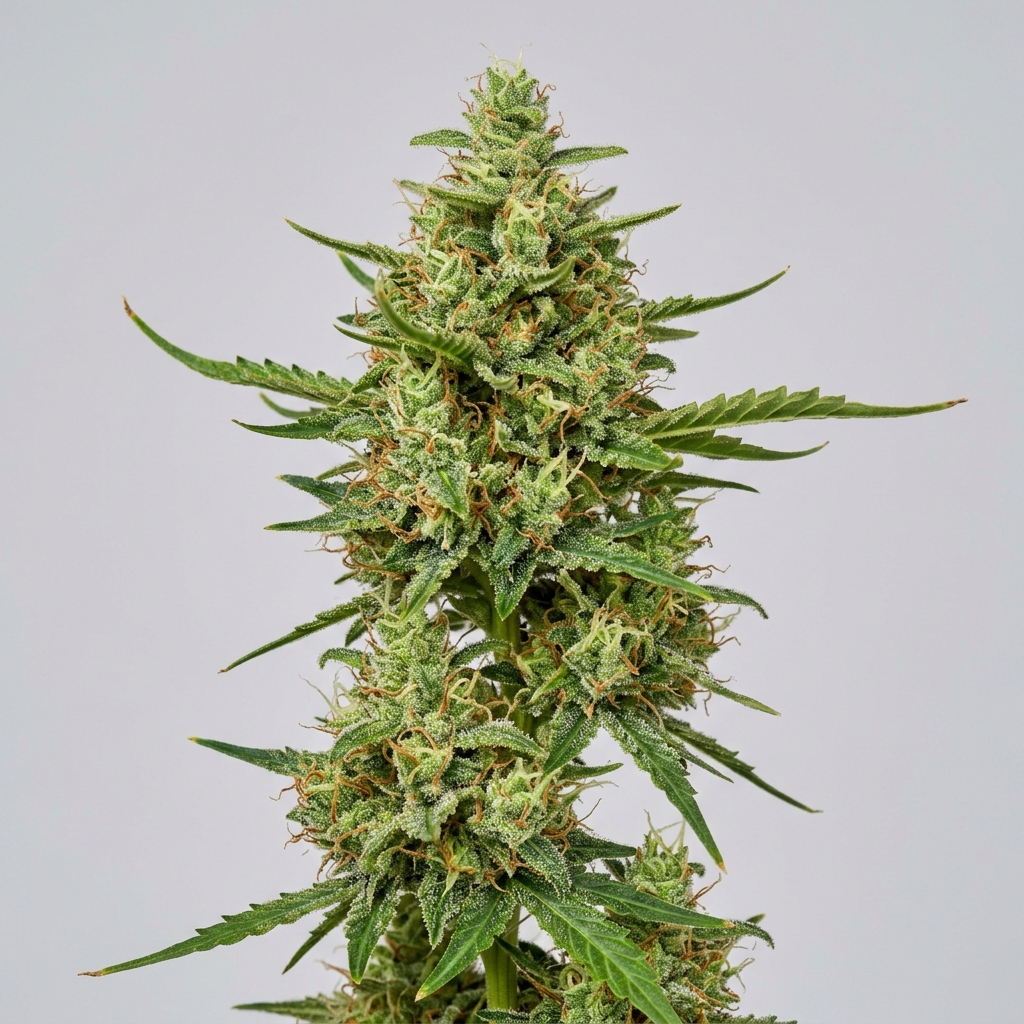
The visual appeal of this cultivar is defined by its deep purple hues and contrasting bright green bracts. As flowers mature, the heavy resin production creates a glassy sheen that masks the underlying dark foliage. It has earned a dedicated following among those who appreciate old-school diesel fuel tempered by heavy, sweet fruit.
Quick Facts
| Attribute | Details |
|---|---|
| Genetics | Super Sour Diesel × Grape Ape |
| Variety | Indica-dominant Hybrid |
| THC Range | 18% – 24% |
| Flowering Time | 8 – 9 Weeks |
| Yield Potential | Moderate to High |
| Plant Height | Medium |
| Climate Preference | Temperate, Low Humidity |
| Difficulty | Moderate |
Scientific & Botanical Overview
Botanically, Super Grape Diesel displays classic hybrid morphology with broad fan leaves and tight internodal spacing inherited from its indica parentage. The plant develops sturdy lateral branches that support heavy, resin-rich flowers without requiring excessive support. During the transition to flower, the nodes stack closely, forming long, continuous spear colas rather than isolated golf-ball buds.
Anthocyanin expression is highly pronounced in this cultivar, turning the foliage and bracts deep shades of violet and plum when night temperatures drop. The trichomes are primarily capitate-stalked, producing a greasy resin layer that remains sticky rather than dry or sandy. This concentration of volatile terpenes and cannabinoids is concentrated within dense, swollen calyxes.
The cultivar responds well to controlled indoor environments where humidity can be strictly monitored during late bloom. Because of the density of its bracts, maintaining proper airflow is critical to preventing moisture retention within the inner canopy. It is a moderate feeder, showing a preference for steady nitrogen levels during vegetative growth and a clean flush in the final two weeks.
Effects & Use-Cases (Reported)
Commonly reported effects include a heavy, grounding physical relaxation paired with a clear, calm mental state. Users frequently note an initial uplifting wave that quickly transitions into a deep, soothing sensation throughout the limbs.
Use-case context suggests this cultivar is best suited for late afternoon or evening use. Its relaxing nature makes it a popular choice for unwinding after physical exertion or for quiet, creative sessions.
Note: Individual experiences may vary depending on dosage, tolerance, and the specific phenotype's cannabinoid profile.
Aroma & Flavors
Aroma: The olfactory profile is dominated by a sharp, chemical fuel note immediately followed by a sweet, fermented grape undertone. Breaking the buds releases an earthy, musky base that balances the sweeter, berry-like top notes.
Flavor: On the palate, the smoke or vapor delivers a distinct tart gas flavor with a pronounced dark berry edge. The finish is clean, leaving a lingering taste of sweet grape and a subtle, spicy diesel kick.
Terpene associations: Lab analyses frequently associate this profile with high levels of caryophyllene, myrcene, and limonene, which drive the spicy, musky, and citrus-gas elements respectively.
Tested Cannabinoid & Terpene Ranges
| Compound | Tested Range |
|---|---|
| Δ9-THC | 18.0% – 24.0% |
| CBD | 0.1% – 0.5% |
| CBG | 0.5% – 1.2% |
| β-Caryophyllene | 0.4% – 0.8% |
| β-Myrcene | 0.3% – 0.6% |
| d-Limonene | 0.2% – 0.5% |
Note: Cannabinoid and terpene levels are highly variable and depend on cultivation practices, curing methods, and specific phenotype selections.
Cultivation Notes
- Humidity: Maintain relative humidity (RH) below 45% during the final three weeks of flowering to protect the dense colas from moisture issues.
- Nutrition: Prefers a moderate nutrient regimen; avoid over-fertilizing with nitrogen during mid-to-late flower to prevent leafy bud structures.
- Training: Responds well to topping and low-stress training (LST) to promote an even canopy and maximize light penetration to lower nodes.
- Harvest: Harvest when trichomes are mostly milky with about 10% to 15% amber for the optimal balance of flavor and potency.
- Phenotype management: Watch for variations in stretch; some phenotypes lean toward the taller, more vigorous diesel lineage, requiring early canopy management.
Grower Notes (Week-by-Week Snapshot)
- Weeks 1–3 (Vegetative & Early Bloom transition): Expect a moderate stretch of about 50% to 80% after flipping to a 12/12 light cycle. Focus on defoliating the lower third of the canopy to improve airflow.
- Weeks 4–6 (Mid-Flower development): Trichome production begins early, with greasy resin forming on the sugar leaves. The aroma transitions from a generic green scent to a distinct sour grape.
- Weeks 7–9 (Late-Flower & Ripening): Calyxes swell significantly, and purple coloration intensifies if night temperatures are lowered. Reduce watering slightly and initiate a thorough two-week flush with plain, pH-balanced water.
- Post-Harvest (Drying & Curing): Hang dry the whole plant at 60°F (15°C) and 60% RH for 11 to 14 days. A slow cure in glass jars for at least three weeks is essential to unlock the complex diesel-grape terpene profile.
Genetic Lineage
The lineage of Super Grape Diesel is a deliberate pairing of old-school fuel genetics and modern sweet fruit profiles. Its maternal parent, Super Sour Diesel, contributes the sharp, chemical gas aroma, tall growth potential, and soaring initial effects. This classic sativa-dominant line has been a cornerstone of diesel breeding for decades, prized for its raw vigor and unmistakable sensory impact.
To temper the sharp edges of the diesel, breeders introduced Grape Ape, a legendary indica-dominant cultivar known for its dense structure, deep violet coloration, and sweet, grape-juice aroma. This cross successfully condenses the internodal spacing of the diesel parent, resulting in a hybrid that retains the fuel-forward punch but delivers it in a more compact, resin-rich, and visually stunning package.
Research Insights
Scientific interest in cultivars like Super Grape Diesel centers on the interaction between volatile monoterpenes and sesquiterpenes. The combination of caryophyllene and myrcene alongside significant THC levels suggests a synergistic modulation of CB1 receptors in the endocannabinoid system. This specific terpene profile is thought to prolong the physical relaxation associated with the cultivar while mitigating some of the anxiety sometimes triggered by pure diesel varieties.
Furthermore, the heavy accumulation of anthocyanins during late-stage flowering serves as a natural defense mechanism against cold temperatures and UV radiation. In commercial breeding, these water-soluble pigments are highly sought after, as they directly correlate with market demand for colorful, high-contrast flowers that maintain their visual appeal through the drying and curing processes.
Frequently Asked Questions
Is Super Grape Diesel indica or sativa?
It is an indica-dominant hybrid, combining the physical relaxation of Grape Ape with the uplifting initial effects of Super Sour Diesel.
What does Super Grape Diesel smell like?
It features a complex aroma of sharp chemical fuel, sour diesel, and a sweet, fermented dark grape undertone.
How long does it take to flower?
Under optimal indoor conditions, the flowering cycle is typically completed within 8 to 9 weeks.
Is this strain suitable for beginners to grow?
It is moderately easy to grow, though beginners should monitor humidity closely during late flower due to the high density of the colas.
Educational Disclaimer
This information is intended solely for educational and informational purposes. Cultivation of cannabis is subject to local laws and regulations. Always consult with a professional before initiating any horticultural or consumption practices.
Rate and review this strain
Ratings and reviews are accepted only from signed-in Google accounts.
Sign in with Google to leave a rating and written review.
Latest Reviews
0 reviewsNo reviews yet. Be the first Google user to rate and review this strain.