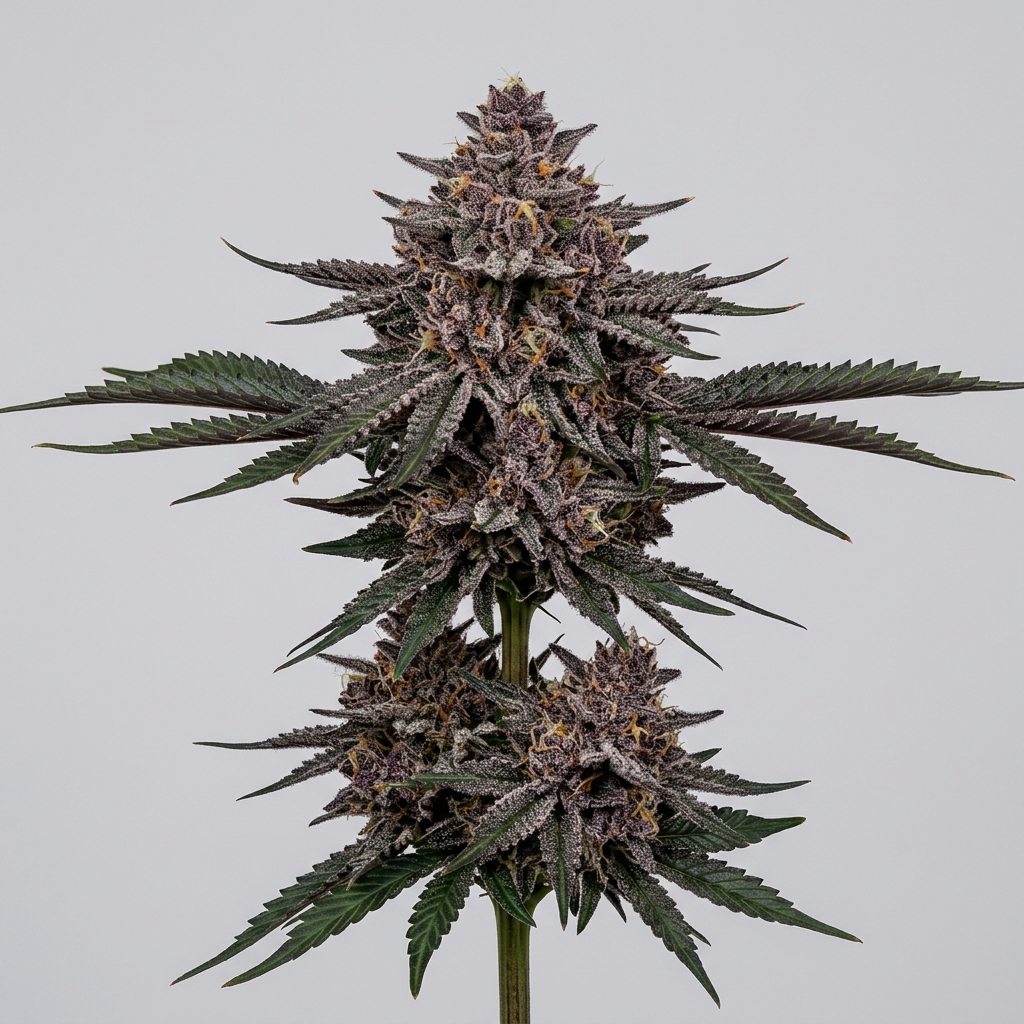
Burnt Toast Gas Cut (Cannabis Strain)
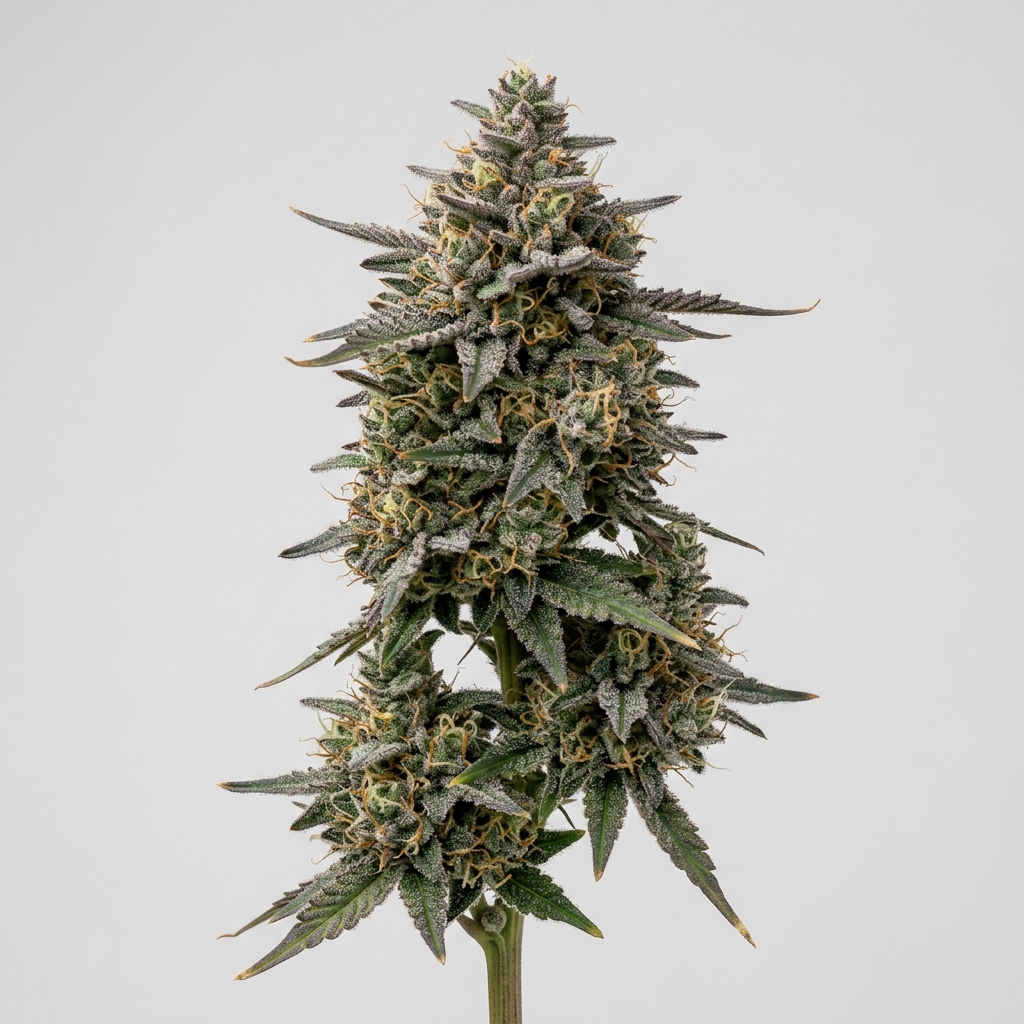
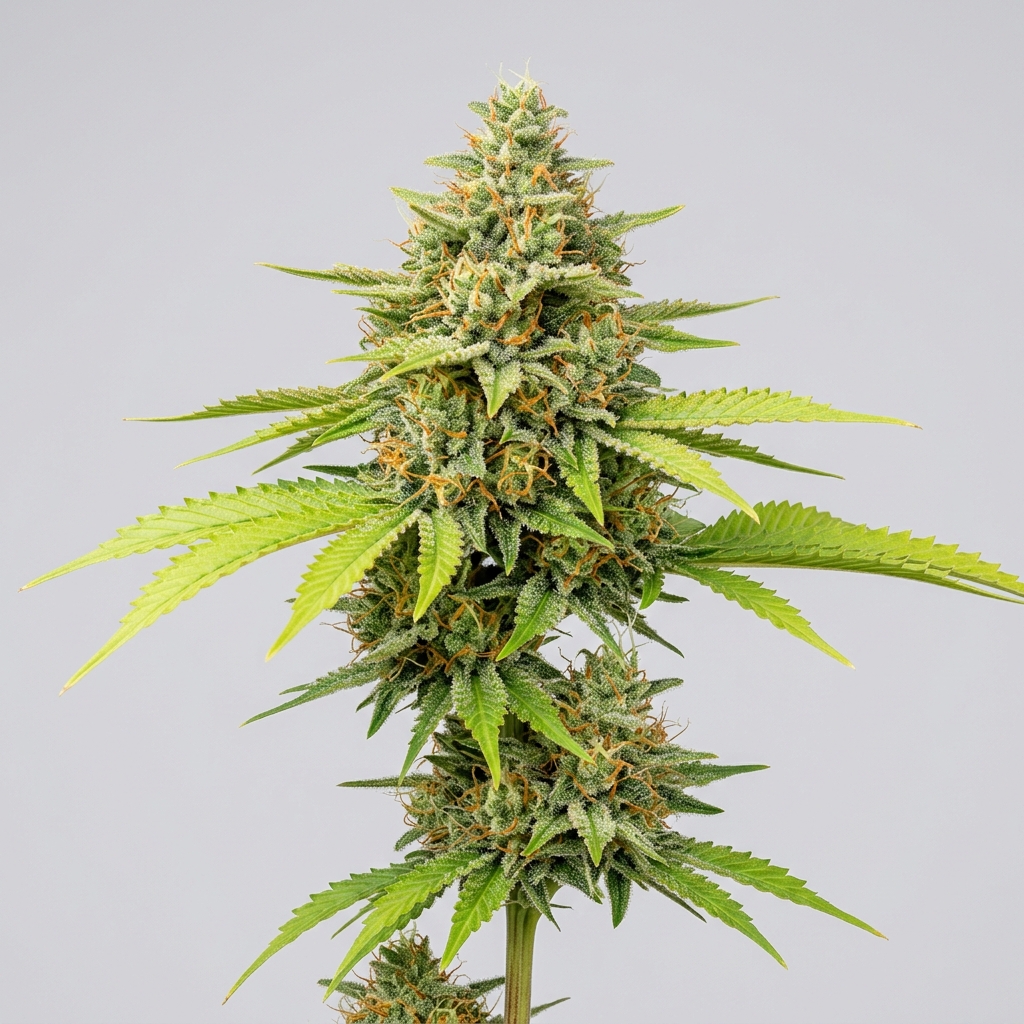
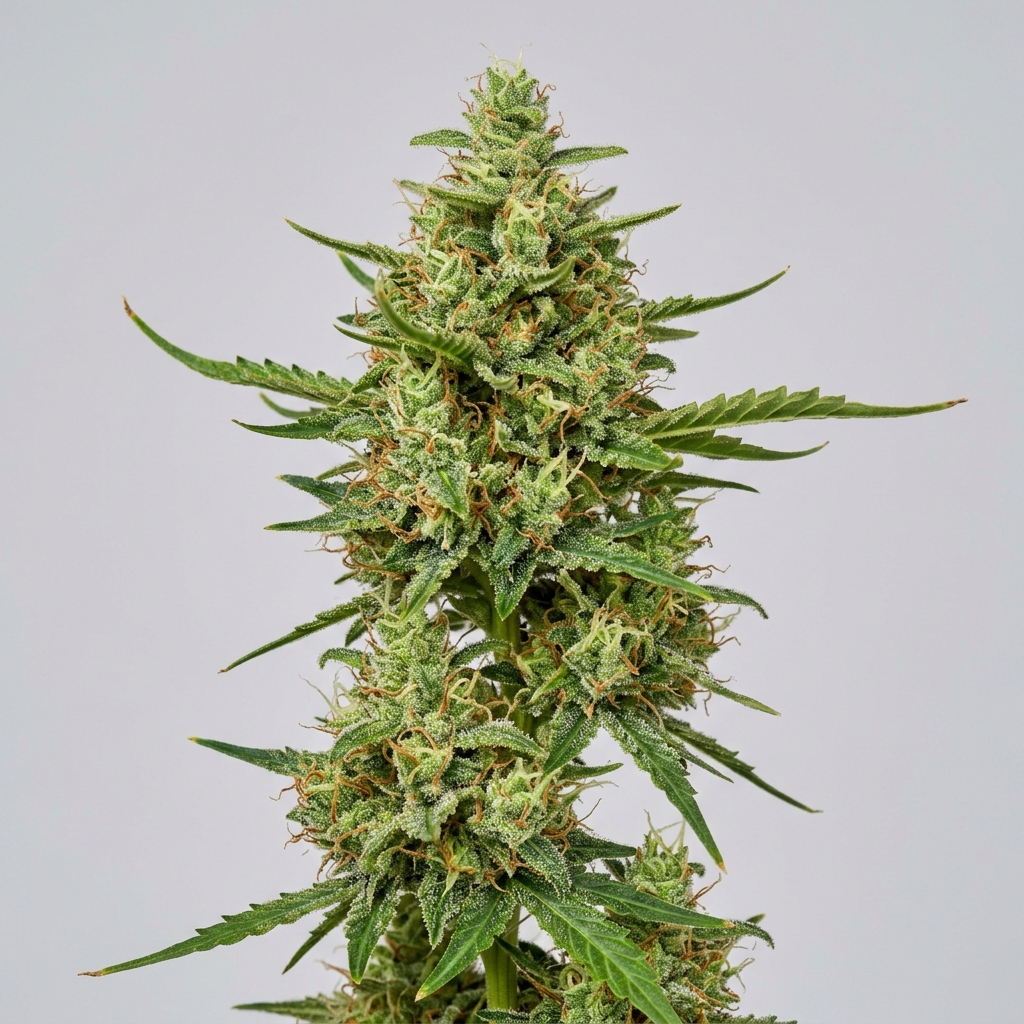
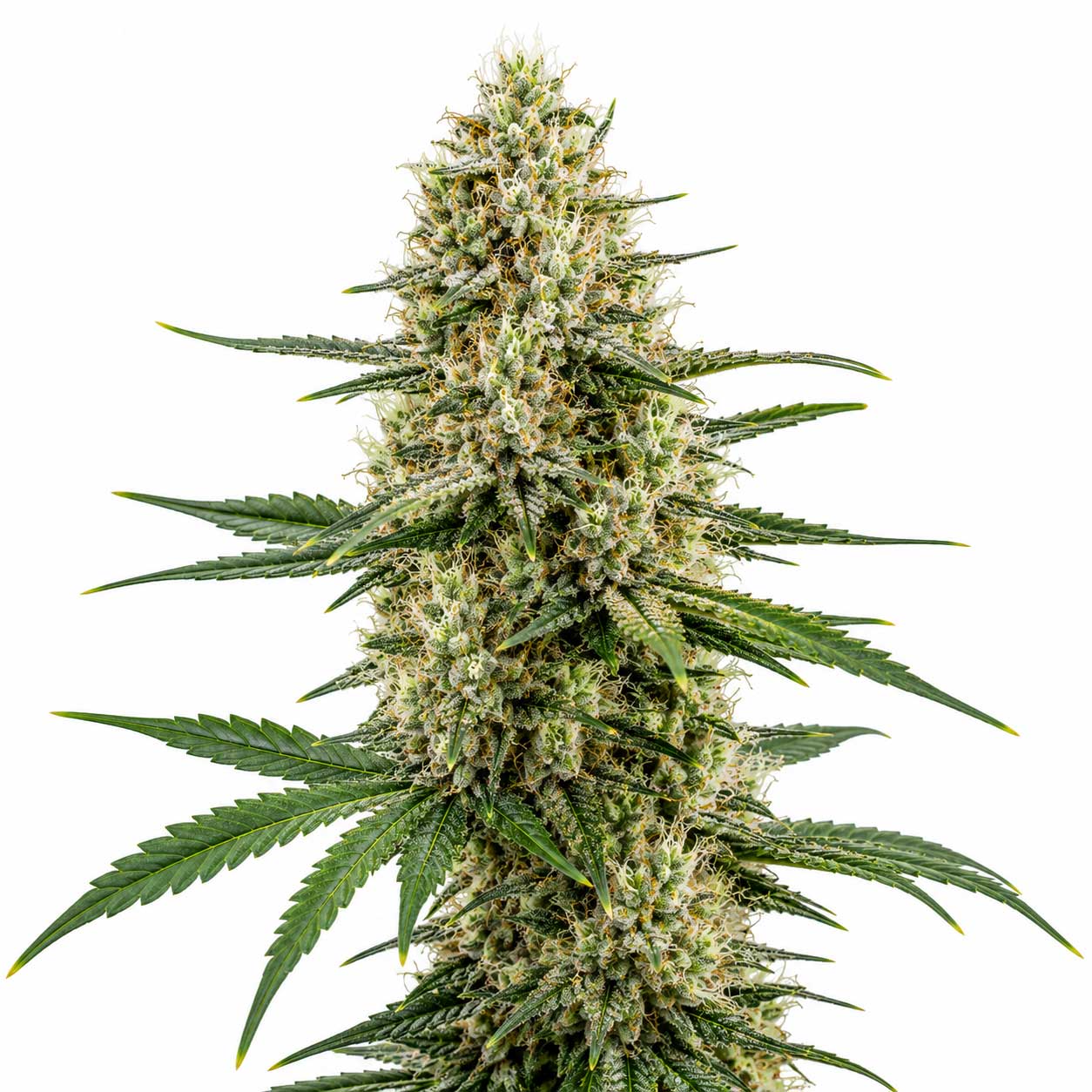
Burnt Toast Gas Cut is an indica-dominant evening hybrid crossing Bernscotti and Jealousy, selected specifically for its heavy, petrol-forward terpene profile and greasy resin production. Typically testing between 24% and 28% THC, this cultivar is highly regarded for its dense, dark-purple bracts covered in a thick layer of wet frost. It shows a controlled, compact growth habit with tight internodes, making it an excellent choice for indoor growers focused on high-end canopy management. The flavor profile leads with a sharp, carbonaceous fuel note, quickly followed by a rich, caramelized cookie dough finish that lingers on the palate.
This particular selection stands apart from standard phenotypes due to its pronounced chemical sharpness and exceptionally sticky texture. Cultivators prize the Gas Cut for its stable lateral branching and its ability to hold heavy, crown-shaped colas without excessive stretching. While it demands careful humidity management during late flower, the reward is a boutique-quality harvest with outstanding bag appeal and high extraction potential.
Quick Facts
| Field | Details |
|---|---|
| Genetics | Bernscotti × Jealousy |
| Variety | Indica-dominant Hybrid |
| THC Range | 24% – 28% |
| Flowering Time | 8 – 9 Weeks |
| Yield Potential | Moderate to High |
| Plant Height | Medium (Compact) |
| Climate Preference | Controlled Indoor / Warm, Dry Outdoor |
| Difficulty | Moderate |
Scientific & Botanical Overview
Botanically, the Burnt Toast Gas Cut shows classic indica-leaning morphology with broad fan leaves and a stout, sturdy main stem. The internodal spacing remains tight throughout vegetative growth, requiring strategic pruning to ensure adequate airflow through the lower canopy. This compact structure helps support the heavy weight of the flowers during late development.
During the transition to flower, the plant undergoes a moderate stretch of about 50% to 80%, focusing its energy on developing dense, rounded calyx clusters. Anthocyanin accumulation is highly active in this phenotype, turning the foliage and bracts deep shades of violet and near-black when night temperatures drop slightly. The resulting visual contrast against the white resin is striking.
The resin glands are predominantly capitate-stalked trichomes with large, oily heads that mature to a milky white with amber hints by week nine. This heavy resin coverage protects the dense flowers and contributes to the greasy, wet look characteristic of the Gas Cut selection. The plant pushes its strong aroma early in flower, making carbon filtration essential.
Effects & Use-Cases (Reported)
Commonly reported effects: Users frequently describe a heavy, physically grounding sensation coupled with a calm, slow-paced mental ease. The initial onset is relaxing, gradually settling into a deep, comforting body melt that makes it highly suitable for evening use.
Use-case context: This cultivar is best reserved for late-night sessions, wind-down routines, or quiet domestic activities. Its heavy physical footprint makes it less ideal for active daytime tasks or focused creative projects.
Note: Due to its elevated potency and rapid onset, less experienced consumers should approach this strain with moderation to avoid over-sedation.
Aroma & Flavors
Aroma: The primary nose is a pungent mix of industrial fuel, burnt rubber, and damp earth, balanced by a subtle, sweet pastry undertone.
Flavor: On the exhale, the smoke delivers a sharp, tongue-coating diesel fuel flavor integrated with toasted sugar, vanilla, and a hint of dark berry.
Terpene associations: The dominant terpene profile is typically led by caryophyllene, limonene, and myrcene, which together drive the spicy gas and sweet dough elements.
Tested Cannabinoid & Terpene Ranges
| Compound | Typical Range |
|---|---|
| Δ9-THC | 24.0% – 28.0% |
| CBD | < 1.0% |
| CBG | 0.5% – 1.2% |
| β-Caryophyllene | 0.6% – 1.1% |
| Limonene | 0.4% – 0.8% |
| Myrcene | 0.3% – 0.6% |
Cannabinoid and terpene levels are highly variable and depend on specific cultivation practices, environmental controls, and curing methods.
Cultivation Notes
- Keep vegetative humidity around 60-65%, but drop it steadily to 40-45% during the final three weeks of flower to protect the dense, compact colas from moisture retention.
- Respond well to early topping and low-stress training (LST) to create an even, multi-topped canopy that maximizes light penetration.
- Maintain a moderate nutrient regimen, as this cultivar can be sensitive to nitrogen toxicity in early flower; taper off nutrients gradually starting in week seven.
- Ensure high-velocity airflow both above and below the canopy to prevent microclimates of stagnant air within the dense foliage.
- Harvest when trichome heads are roughly 80% milky and 20% amber to capture the peak balance of gas and sweet dough terpenes.
Grower Notes (Week-by-Week Snapshot)
- Weeks 1–3 (Transition & Early Stretch): The plants show a manageable, controlled stretch. Focus on tucking large fan leaves and performing a light defoliation just before flipping to encourage light penetration to lower nodes.
- Weeks 4–6 (Bud Development & Resin Onset): Round, button-like flower clusters form quickly. Trichome production begins early on the sugar leaves, accompanied by a sharp, sour-gas aroma that requires carbon filtration.
- Weeks 7–9 (Ripening & Color Transition): Bud density increases rapidly as calyxes swell. Introduce cooler night temperatures (around 62-65°F) to stimulate the expression of deep purple and dark violet hues across the bracts.
- Post-Harvest (Slow Dry & Cure): Dry the harvested colas at 60°F and 60% relative humidity for 10 to 14 days. A slow, controlled cure of at least three weeks is essential to preserve the delicate volatile compounds that define the gas profile.
Genetic Lineage
The genetic foundation of Burnt Toast Gas Cut lies in the crossing of Bernscotti and Jealousy, two highly influential modern cultivars. Bernscotti, itself a hybrid of Biscotti and Jealousy, contributes a deeply sweet, doughy pastry backbone and dense bud structure. This provides the physical framework and the sweet, caramelized undertone of the cross.
The second parent, Jealousy (Gelato 41 × Sherb Bx1), infuses the cross with its signature deep purple coloration, creamy fuel notes, and exceptional resin coverage. The specific “Gas Cut” selection was isolated by growers searching for the phenotype that leaned most heavily into the sharp, chemically gassy traits of its ancestral Gelato lineage, resulting in a more pungent profile than standard sibling cuts.
Research Insights
Scientific interest in phenotypes like the Burnt Toast Gas Cut focuses on the specific distribution of volatile sulfur compounds (VSCs) that work alongside sesquiterpenes like caryophyllene. These sulfur compounds are responsible for the intense, fuel-like “gas” aroma that distinguishes this cut from sweeter, dessert-leaning phenotypes of the same lineage. Understanding how environmental stress affects VSC expression remains an active area of study.
Additionally, research into the resin-to-foliage ratio of this cultivar indicates high suitability for solventless extraction methods. The physical structure of the trichomes, featuring brittle stalks and large, oil-dense heads, allows for clean separation during ice water agitation, making it a popular choice for hash makers.
Frequently Asked Questions
What is the genetic lineage of Burnt Toast Gas Cut?
Burnt Toast Gas Cut is a selected phenotype of the cross between Bernscotti and Jealousy, bred to emphasize a sharp, fuel-forward aroma profile.
How does the Gas Cut differ from standard Burnt Toast?
While standard phenotypes often lean into sweet, doughy dessert notes, the Gas Cut selection is prized for its intense petrol, burnt rubber, and chemical-forward nose, along with heavier resin production.
What is the typical flowering time for this strain?
When grown indoors under optimal conditions, Burnt Toast Gas Cut typically finishes flowering in 8 to 9 weeks.
Does this strain turn purple during flower?
Yes. This cultivar naturally produces deep violet and near-black hues in late flower, a trait that can be enhanced by dropping night temperatures during the final two weeks.
Educational Disclaimer
This content is for educational and informational purposes only. Cannabis laws and regulations vary by jurisdiction. Consult a qualified professional or local guidelines before undertaking cultivation or consumption.
Rate and review this strain
Ratings and reviews are accepted only from signed-in Google accounts.
Sign in with Google to leave a rating and written review.
Latest Reviews
0 reviewsNo reviews yet. Be the first Google user to rate and review this strain.