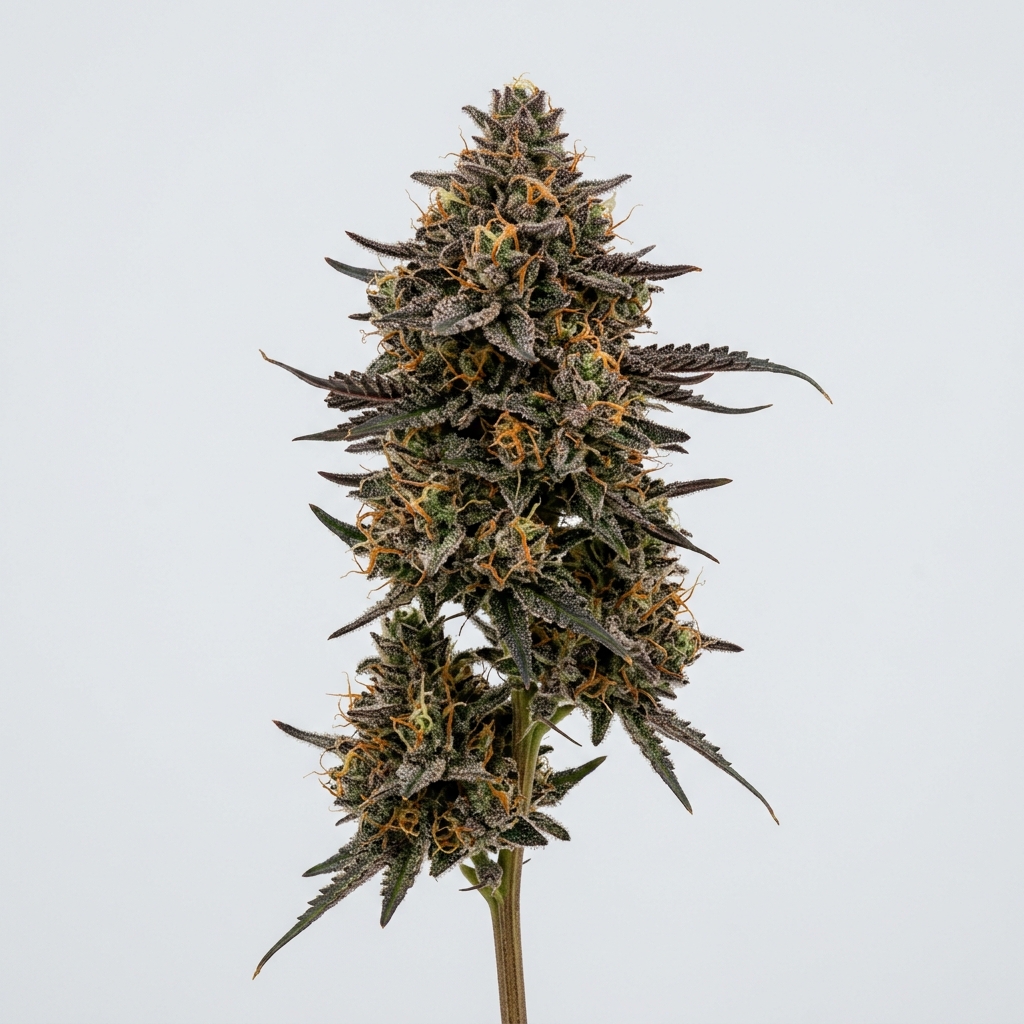
GMO Boof (Cannabis Strain)
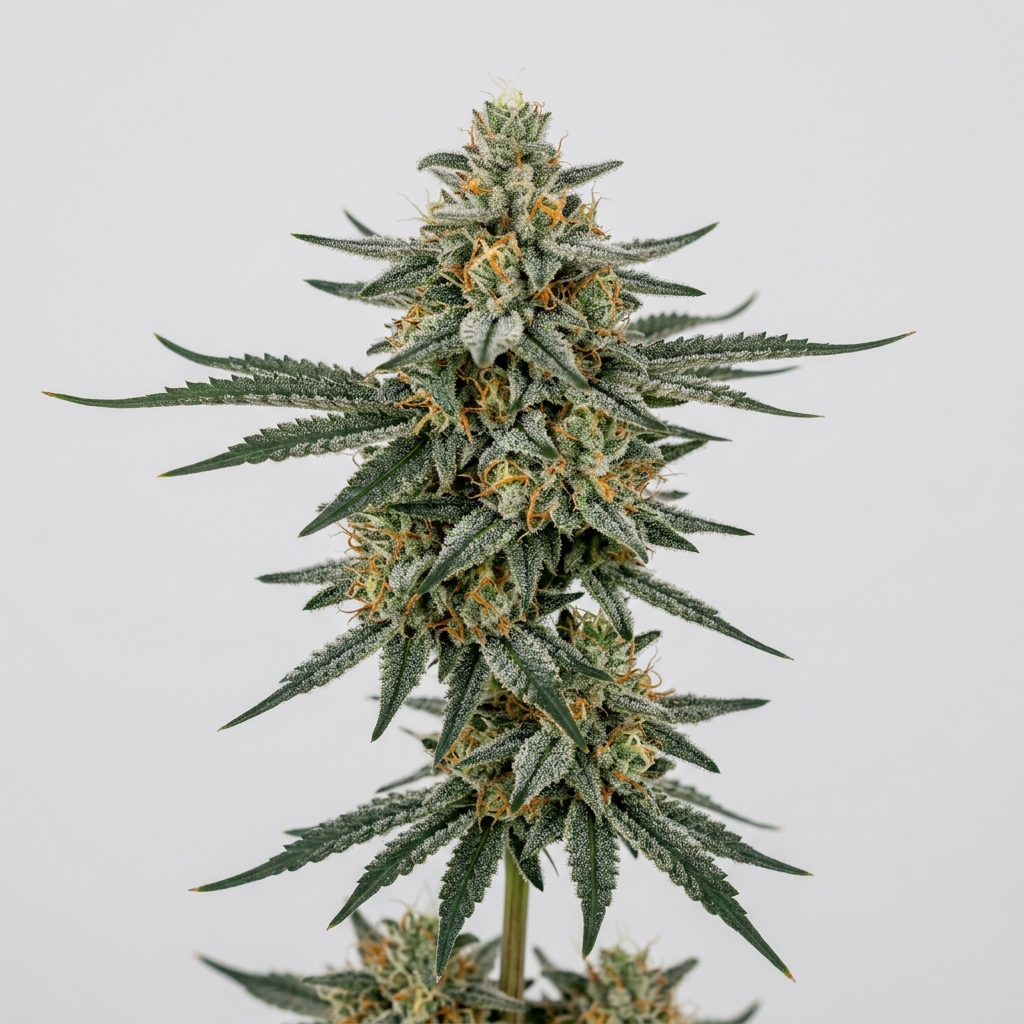
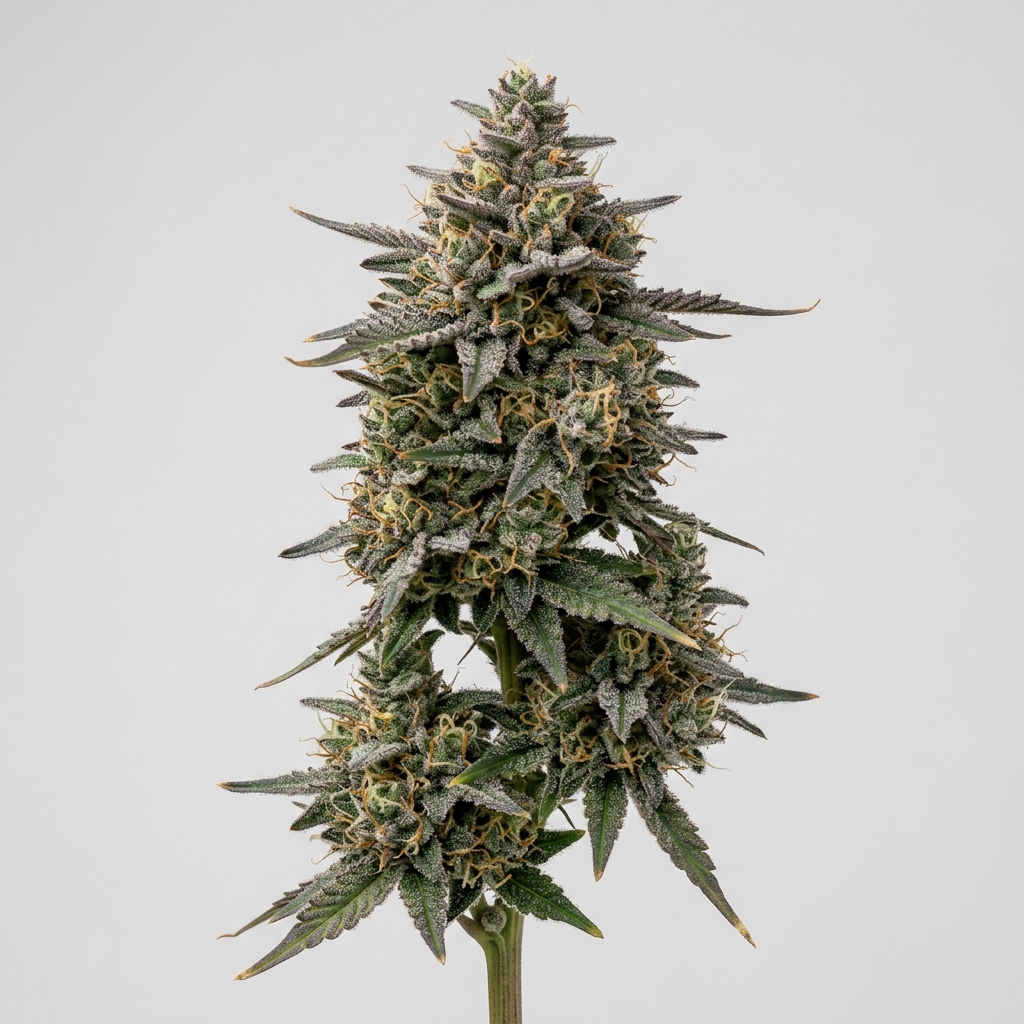
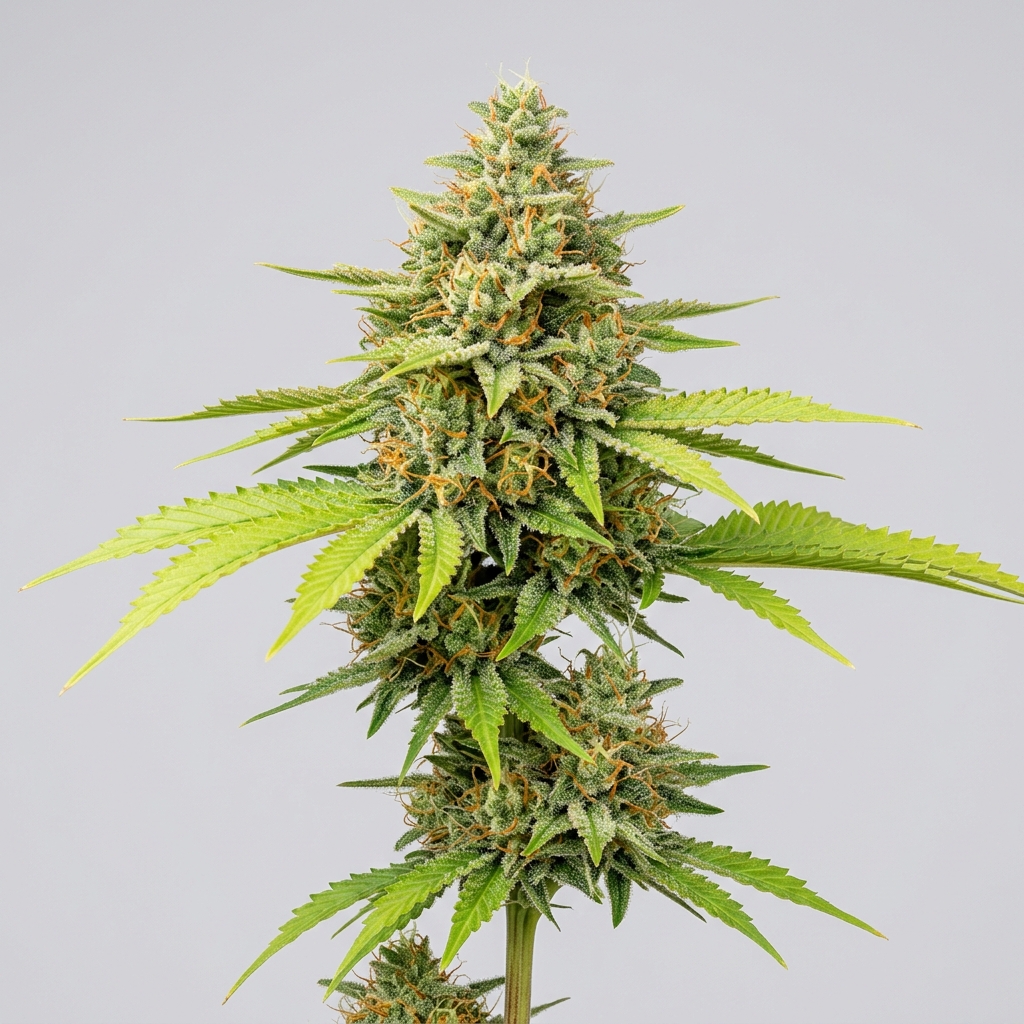
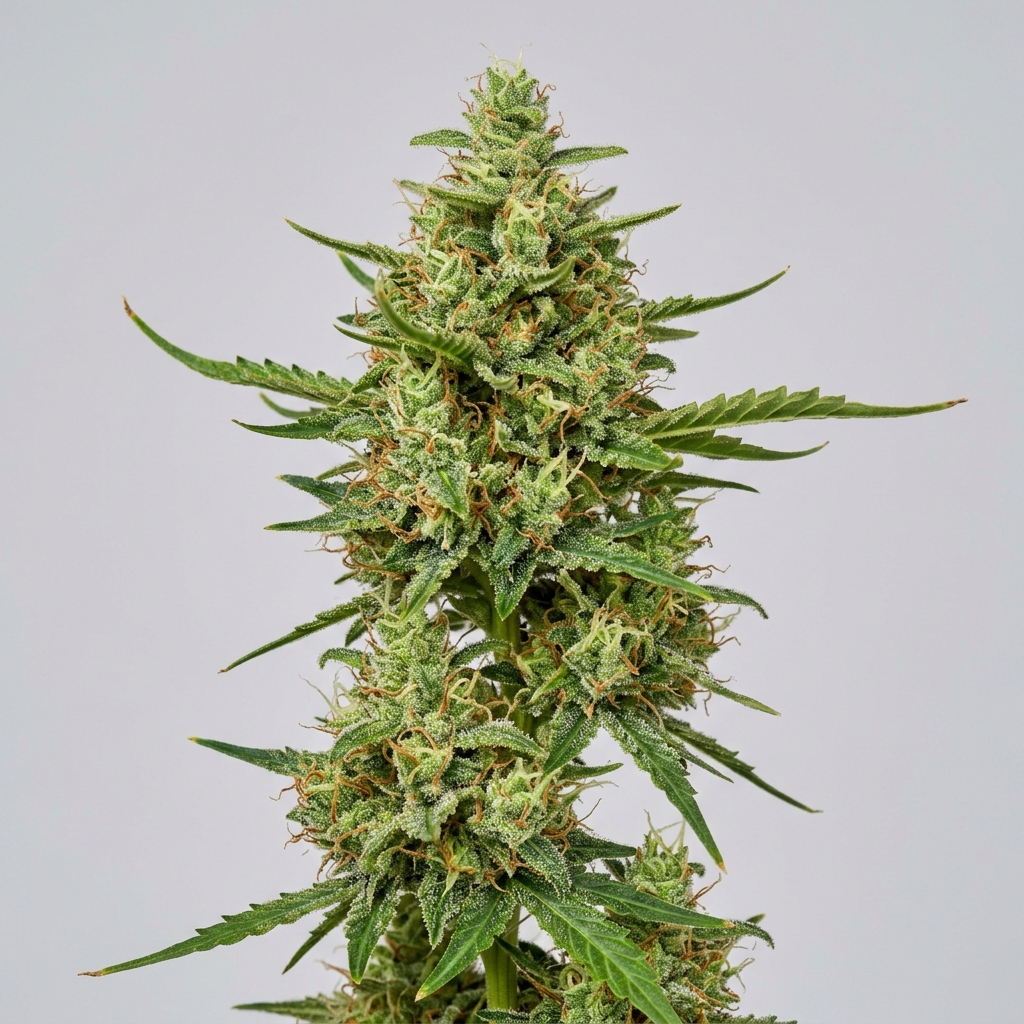
GMO Boof is an elite, resin-heavy hybrid crossing the legendary GMO Cookies with the citrus-forward Super Boof. Typically testing between 26% and 32% THC, this cultivar is highly sought after by extraction artists for its exceptional wash yields and greasy resin quality. The aroma is a complex clash of savory garlic-onion gas and sharp, sweet cherry-citrus, delivering a deeply relaxing physical effect. In the grow room, it shows a controlled stretch with sturdy lateral branching, producing dense, purple-hued spear colas blanketed in wet frost.
This cultivar represents a modern evolution in breeding, combining the raw potency and savory funk of the GMO lineage with the bag appeal and sharp fruit profile of Super Boof. Growers appreciate its predictable growth patterns and high calyx-to-leaf ratio, which simplifies the trimming process. For consumers, it offers an intense, multi-layered sensory experience that bridges the gap between heavy gas and exotic fruit.
Quick Facts
| Attribute | Details |
|---|---|
| Genetics | GMO Cookies × Super Boof |
| Variety | Indica-dominant Hybrid |
| THC Range | 26% – 32% |
| Flowering Time | 8 – 9 Weeks |
| Yield Potential | Moderate to High |
| Plant Height | Medium to Tall |
| Climate Preference | Temperate, low late-flower humidity |
| Difficulty | Moderate |
Scientific & Botanical Overview
Botanically, GMO Boof inherits the robust, node-stacking structure of its Super Boof parent alongside the elongated, spear-like cola development of GMO. The vegetative stage requires consistent topping to manage apical dominance and encourage an even canopy. Its broad fan leaves display deep green hues, often transitioning to rich purples and near-black shades during the late flowering stage as temperatures drop.
The trichome morphology of this cultivar is particularly notable, showcasing long stalks and large, bulbous heads that remain highly stable during handling. This makes the flowers exceptionally suited for solventless extraction, as the greasy resin glands easily separate during the wash process. The dense bracts are tightly packed, minimizing air pockets and contributing to a highly dense finished flower structure.
Nutrient requirements are moderate to heavy, with the plant showing a high tolerance for calcium and magnesium during the transition to flower. Proper airflow is essential throughout the flowering cycle, as the dense bud structure can trap moisture in humid environments. Maintaining a strict vapor pressure deficit (VPD) schedule ensures optimal resin development and terpene clarity.
Effects & Use-Cases (Reported)
Commonly reported effects: Deep physical relaxation, heavy sedation, and a calm, cerebral lift that gradually settles into a tranquil state.
Use-case context: Well-suited for late evening use, wind-down sessions, or as a physical recovery aid after demanding activities.
Cautious note: Due to its high cannabinoid concentration, novice consumers should approach this cultivar with caution to avoid over-sedation.
Aroma & Flavors
Aroma: A pungent blend of savory garlic, chemical gas, and damp earth, cut sharply by a sweet, rotten-cherry and citrus undertone.
Flavor: Heavy garlic-gas on the inhale, followed by a sweet, tart berry and orange-citrus finish on the exhale.
Terpene associations: Caryophyllene, Limonene, and Myrcene.
Tested Cannabinoid & Terpene Ranges
| Compound | Estimated Range |
|---|---|
| Δ9-THC | 25.0% – 31.0% |
| CBG | 0.5% – 1.5% |
| Beta-Caryophyllene | 0.8% – 1.4% |
| Limonene | 0.5% – 0.9% |
| Myrcene | 0.4% – 0.8% |
| Humulene | 0.2% – 0.5% |
Range note: Cannabinoid and terpene expressions are highly dependent on phenotype, cultivation methods, and curing environments.
Cultivation Notes
- Humidity management: Keep relative humidity below 45% during the final three weeks of flowering to prevent moisture retention in the dense colas.
- Canopy training: use low-stress training (LST) and a double trellis system to support the heavy lateral branches as they stack weight.
- Defoliation: Perform a heavy defoliation at day 21 of flower to improve light penetration and airflow through the lower canopy.
- Nutrient feeding: Taper nitrogen early in the flowering cycle and increase potassium and phosphorus to support dense bract development.
- Phenotype variation: Look for phenotypes that exhibit the dark purple coloration of the Super Boof parent combined with the savory, greasy resin of the GMO line.
Grower Notes (Week-by-Week Snapshot)
- Weeks 1–3 (Transition & Stretch): Expect a moderate stretch of about 100% to 150%. Apply light training to spread the canopy and ensure even light distribution to lower bud sites.
- Weeks 4–6 (Mid-Flower & Resin Initiation): Wet frost begins to cover the calyxes early. Buds start to swell, and the savory, gassy aroma becomes increasingly prominent.
- Weeks 7–9 (Late-Flower & Ripening): Introduce cooler night temperatures to coax out deep purple and violet hues. Keep humidity low and monitor trichome amber levels for harvest window precision.
- Post-Harvest (Slow Dry & Cure): Hang whole plants at 60°F and 60% relative humidity for 12 to 14 days to preserve volatile monoterpenes before dry trimming.
Genetic Lineage
The maternal parent, GMO Cookies (also known as Garlic Cookies), is a legendary cross of Chemdawg and GSC bred by Mamiko Seeds. Known for its offensive garlic-gas profile and legendary physical potency, GMO contributes the structural stretch and heavy resin output that defines this hybrid’s extraction potential.
The paternal contributor, Super Boof, is a selected cut of Blockberry (Black Cherry Punch × Tropicanna Cookies) bred by Mobile Jay. Super Boof injects vibrant purple coloration, a fast flowering time, and a sharp, sweet citrus-berry aroma that tempers the heavy, savory funk of the GMO parent.
Research Insights
From a phytochemical perspective, the high concentration of caryophyllene and limonene in GMO Boof suggests a strong interaction with peripheral CB2 receptors and central CB1 receptors. This specific terpene ratio is often associated with significant physical relaxation without the immediate, heavy mental fog typically found in pure myrcene-dominant cultivars.
Breeding research highlights the utility of combining high-yielding extraction lines with fast-flowering, color-rich cultivars. The offspring demonstrate a stabilized resin profile that retains the greasy, solventless-friendly characteristics of the GMO lineage while significantly reducing the overall flowering time inherited from the longer-blooming parental lines.
Frequently Asked Questions
Is GMO Boof suitable for outdoor cultivation?
Yes, but it requires a dry, warm climate with low late-season humidity. Due to the density of the colas, outdoor growers must protect the plants from late-fall rains to avoid mold issues.
How long is the flowering time for GMO Boof?
Typically, this cultivar reaches peak maturity within 8 to 9 weeks of flowering. Phenotypes leaning heavily toward the GMO parent may benefit from an extra week to maximize resin density.
Does GMO Boof wash well for solventless extraction?
Absolutely. This strain is highly prized by extractors because its trichomes have weak necks and large heads, making it an useful selection for ice water hash and live rosin production.
What are the dominant aromas of GMO Boof?
The aroma is a unique clash of savory garlic, onion, and chemical gas from the GMO side, balanced by a sweet, tart cherry and citrus finish from the Super Boof lineage.
Educational Disclaimer
This profile is for educational and informational purposes only. Cultivation and consumption of cannabis are subject to local laws and regulations. Always consult a healthcare professional before using cannabis for wellness purposes.
Rate and review this strain
Ratings and reviews are accepted only from signed-in Google accounts.
Sign in with Google to leave a rating and written review.
Latest Reviews
0 reviewsNo reviews yet. Be the first Google user to rate and review this strain.