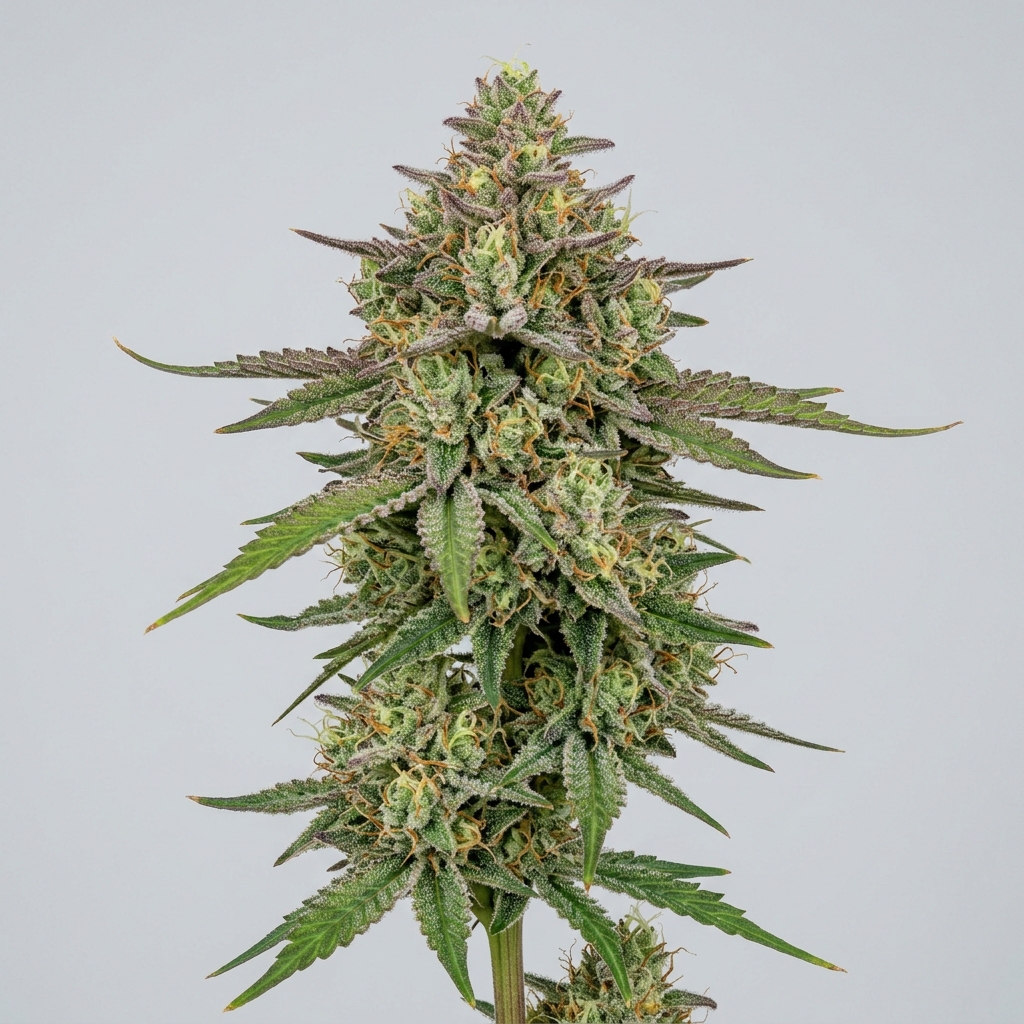
Cherry Diesel (Cannabis Strain)
Cherry Diesel is an evenly balanced hybrid cultivar, typically testing between 15% and 24% THC, created by crossing Cherry OG and Turbo Diesel. Known for its distinct profile of tart gas and sweet dark cherry, this strain produces dense, resin-rich flowers with exceptional terpene clarity. The plants exhibit a controlled stretch and steady growth pattern, making them a favored choice for both boutique cultivators and extraction-focused growers seeking a reliable terpene profile.
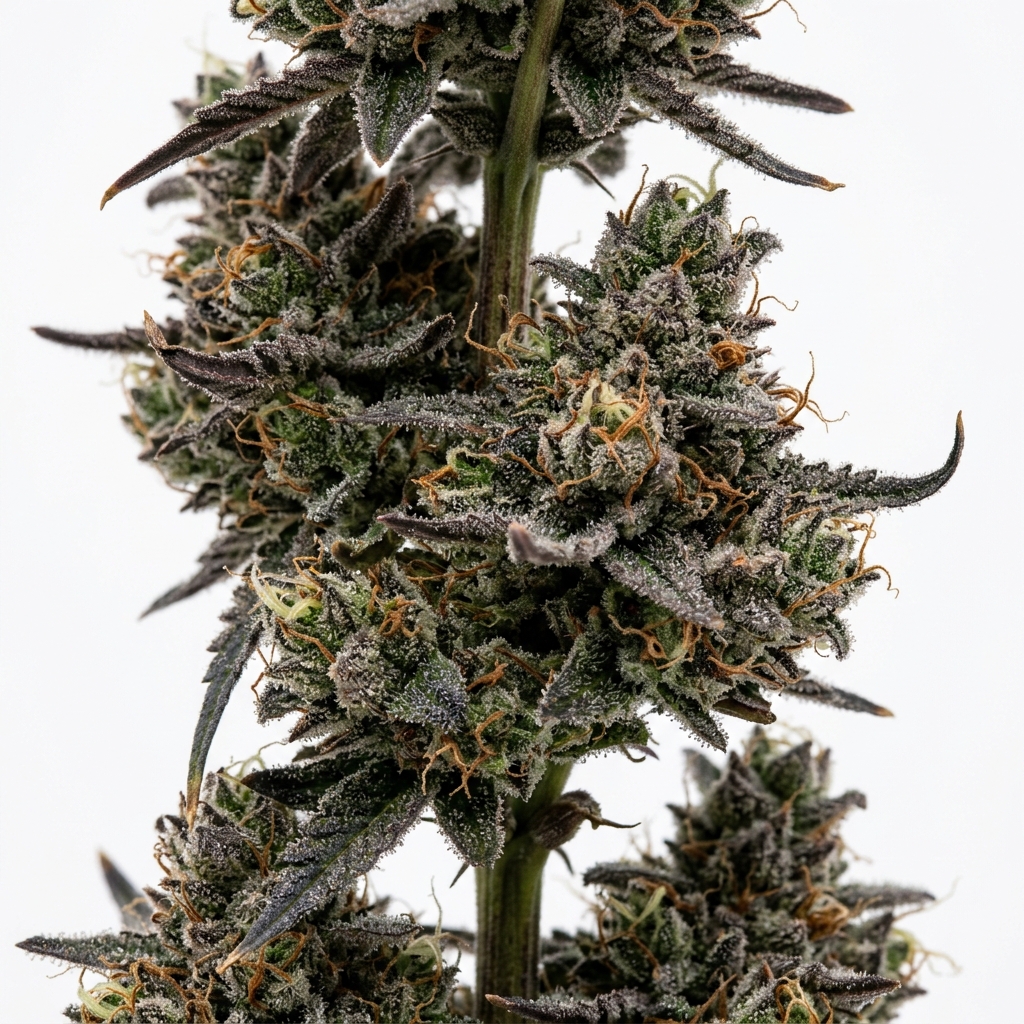
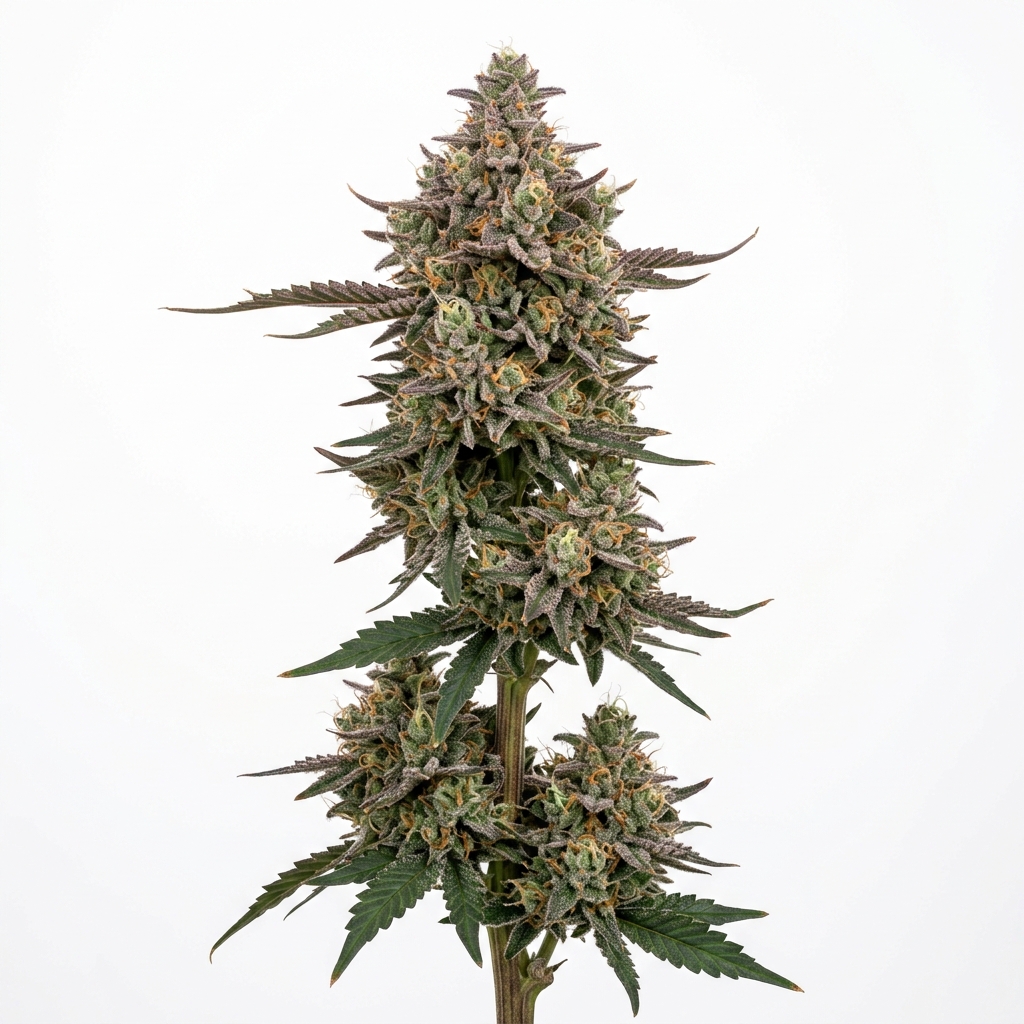
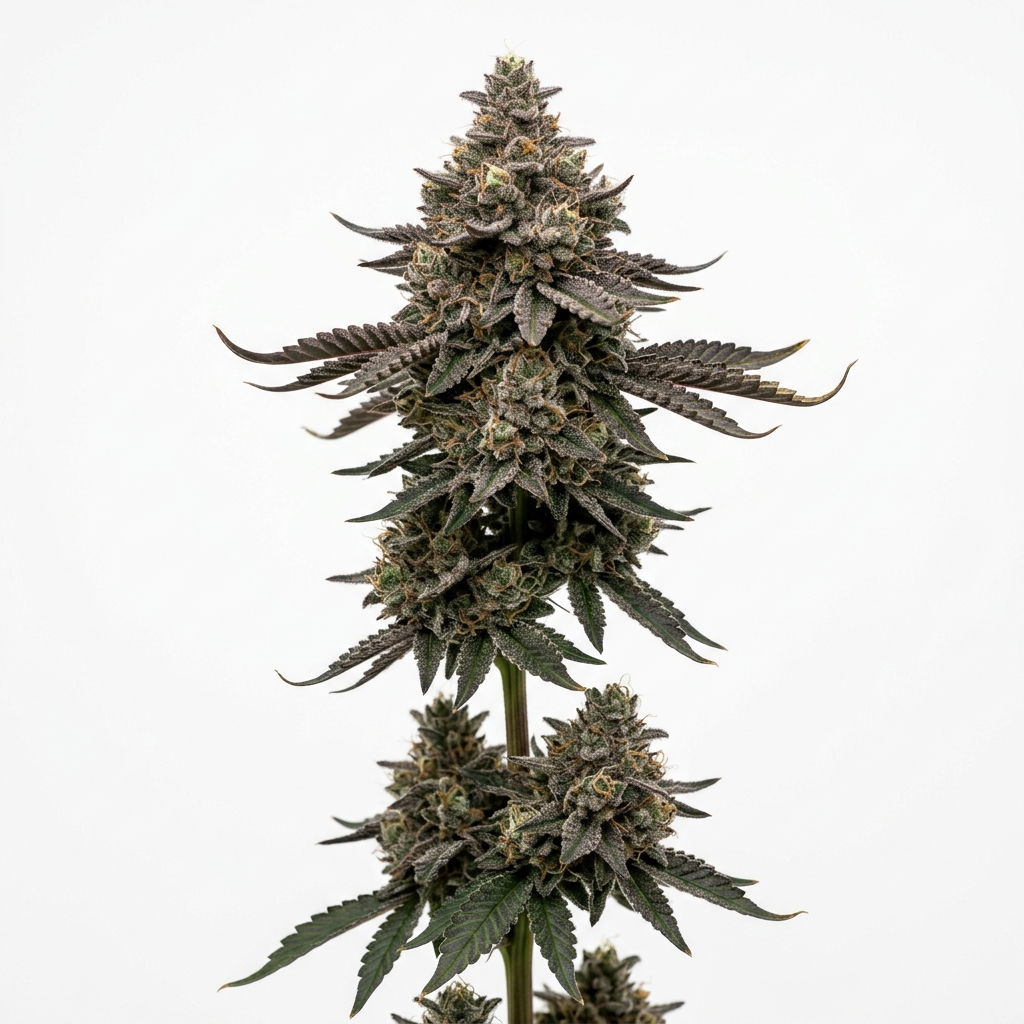
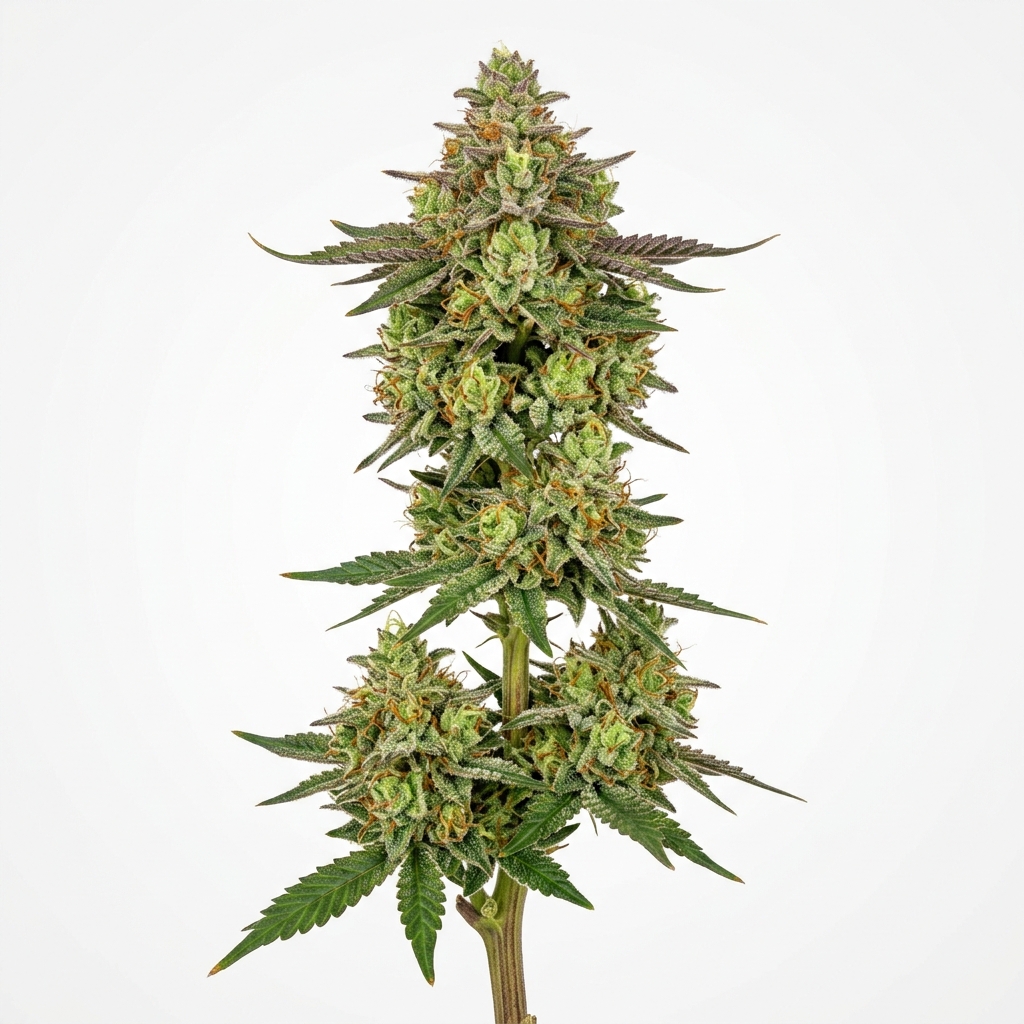
The mature buds showcase swollen calyxes coated in greasy resin, often flashing deep purple hues when exposed to cooler night temperatures during late flower. It delivers a functional, daytime-friendly experience that balances mental clarity with a soft physical release, avoiding the heavy sedation of classic diesel varieties.
Quick Facts
| Attribute | Details |
|---|---|
| Genetics | Cherry OG × Turbo Diesel |
| Variety | Balanced Hybrid |
| THC Range | 15% – 24% |
| Flowering Time | 8 – 9 Weeks |
| Yield Potential | Moderate to High |
| Plant Height | Medium |
| Climate Preference | Temperate, low late-flower humidity |
| Difficulty | Moderate |
Scientific & Botanical Overview
Botanically, Cherry Diesel shows a robust hybrid structure, characterized by tight internodes and broad fan leaves that require strategic defoliation. The cultivar develops sturdy lateral branches that support dense spear colas, reducing the need for heavy external support systems.
The bracts are tightly packed and heavily adorned with capitate-stalked trichomes, which yield a highly sticky, greasy resin. Phenotypic variation is relatively low, though some selections lean toward the taller, more stretch-prone structure of its diesel parentage.
During the final weeks of flowering, the plant shifts its energy toward resin production, requiring careful monitoring of humidity levels to protect the dense flower clusters from moisture retention.
Effects & Use-Cases (Reported)
Commonly reported effects: Users frequently report a quick-onset mental lift characterized by focused energy and enhanced sensory clarity. This initial stimulation gradually settles into a calm, grounding physical relaxation that does not induce heavy couch-lock.
Use-case context: Well-suited for daytime activities, creative projects, or social settings where mental alertness is desired alongside physical comfort. It is often integrated into afternoon routines to help ease transitions from work to leisure.
Note: Individual tolerance and specific phenotype variations can influence the intensity of these effects, especially for those sensitive to stimulating hybrid varieties.
Aroma & Flavors
Aroma: The initial nose is dominated by a sharp, tart gas reminiscent of industrial fuel, which quickly gives way to a sweet, dark berry edge and rich earthy undertones.
Flavor: On the palate, the smoke delivers a pronounced cherry sweetness on the inhale, followed by a pungent, chemical diesel finish that lingers on the exhale.
Terpene associations: The aromatic profile is largely driven by myrcene, caryophyllene, and limonene, which together establish the complex sweet-and-sour contrast.
Tested Cannabinoid & Terpene Ranges
| Compound | Typical Range |
|---|---|
| Δ9-THC | 15.0% – 24.0% |
| CBD | < 1.0% |
| Myrcene | 0.4% – 0.9% |
| Caryophyllene | 0.3% – 0.7% |
| Limonene | 0.2% – 0.5% |
These values represent typical laboratory analyses across multiple phenotypes. Individual cultivation practices, light spectrums, and curing methods will directly impact final cannabinoid and terpene concentrations.
Cultivation Notes
- Humidity Management: Keep relative humidity (RH) below 45% during the final three weeks of flowering to prevent moisture build-up within the dense spear colas.
- Nutrient Regimen: Responds well to a moderate feeding schedule, showing a preference for steady nitrogen levels during vegetative growth and a clean flush in the final ten days.
- Canopy Control: use topping and low-stress training (LST) early in the vegetative cycle to encourage even lateral branching and maximize light penetration.
- Temperature Control: Dropping night temperatures by 10-15°F during mid-to-late flower can stimulate the expression of rich purple anthocyanins in the bracts.
- Harvest Timing: Look for a mix of cloudy and amber trichome heads, typically peaking around day 60 of flowering for optimal terpene clarity.
Grower Notes (Week-by-Week Snapshot)
- Weeks 1–3 (Vegetative & Early Stretch): Steady vegetative growth with a manageable stretch once flipped to a 12/12 light cycle. Prune lower fan leaves early to improve airflow beneath the canopy.
- Weeks 4–6 (Mid-Flower): Flower clusters begin to stack rapidly, developing tight, resin-rich structures. Ensure air circulation is consistent across the upper canopy.
- Weeks 7–9 (Late Flower & Ripening): Trichome production intensifies, giving the buds a wet frost appearance. Reduce humidity levels and prepare for a thorough flush to preserve the clean cherry and fuel flavors.
- Post-Harvest (Curing): A slow dry at 60°F and 60% relative humidity for 10 to 14 days is critical to preserving the volatile diesel monoterpenes before a minimum three-week jar cure.
Genetic Lineage
The genetic foundation of Cherry Diesel is a deliberate pairing of Cherry OG and Turbo Diesel. This combination brings together the sweet, stone-fruit characteristics of the Cherry lineage with the sharp, fuel-forward structure of classic diesel genetics.
The resulting hybrid maintains the structural integrity and reliable resin production of its ancestors. Cultivators appreciate this lineage for its stability, yielding uniform phenotypes that consistently deliver the signature sweet-and-sour profile.
Research Insights
Analytical testing indicates that Cherry Diesel relies heavily on the synergy between its dominant terpenes and moderate-to-high THC levels. The presence of caryophyllene provides a spicy, grounding base, while limonene assists in elevating the overall sensory experience.
Horticultural research suggests that the strain’s terpene preservation is highly dependent on post-harvest temperature control. Implementing a cold cure helps retain the delicate cherry top notes, preventing them from being overwhelmed by the heavier, more stable diesel compounds.
Frequently Asked Questions
Is Cherry Diesel an indica or sativa?
Cherry Diesel is an evenly balanced hybrid cultivar, displaying structural and experiential characteristics of both indica and sativa lineages.
What does Cherry Diesel smell like?
The strain features a complex aroma of tart, chemical diesel blended with a distinct sweet cherry and dark berry undertone.
How long does Cherry Diesel take to flower?
Cherry Diesel typically finishes its flowering cycle in 8 to 9 weeks when grown indoors under standard conditions.
Is Cherry Diesel difficult to grow?
It is considered a moderate-difficulty strain, requiring basic canopy management and strict humidity control during the late flowering stage to prevent mold in its dense buds.
Educational Disclaimer
This profile is for educational and informational purposes only. Cultivation and consumption laws vary by jurisdiction, and users should consult local regulations before handling.
Rate and review this strain
Ratings and reviews are accepted only from signed-in Google accounts.
Sign in with Google to leave a rating and written review.
Latest Reviews
0 reviewsNo reviews yet. Be the first Google user to rate and review this strain.
Follow New Cultivar Records
Get newly documented genetics, breeder history, research highlights, and important Strainpedia discoveries by email.