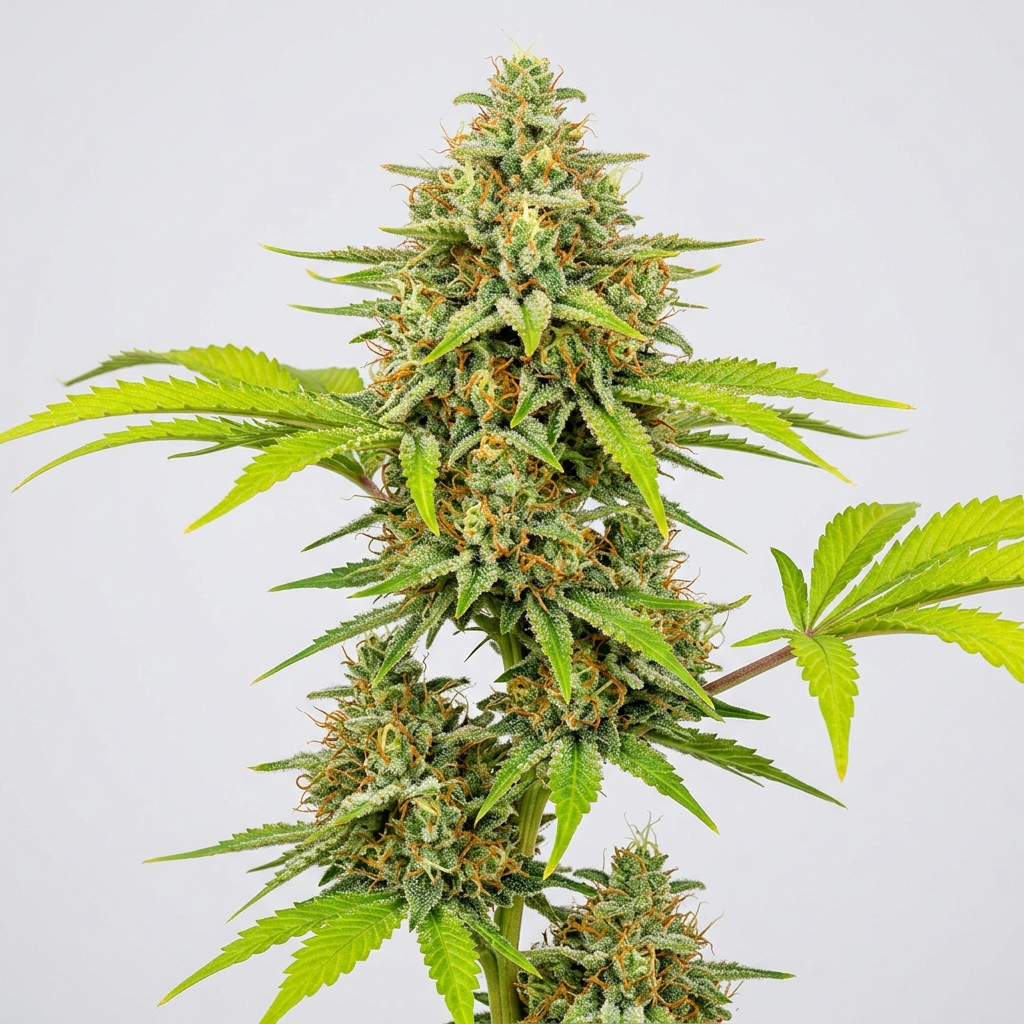
Melonade (Cannabis Strain)
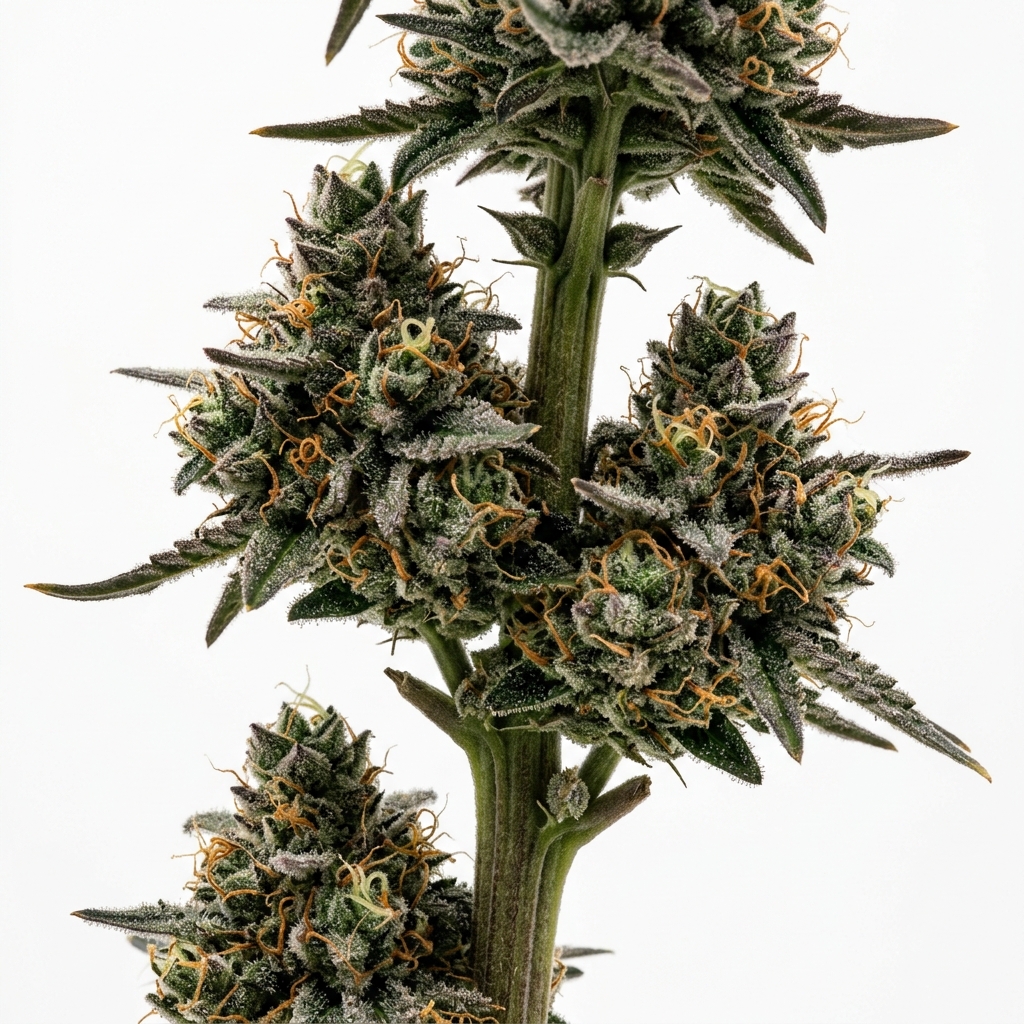
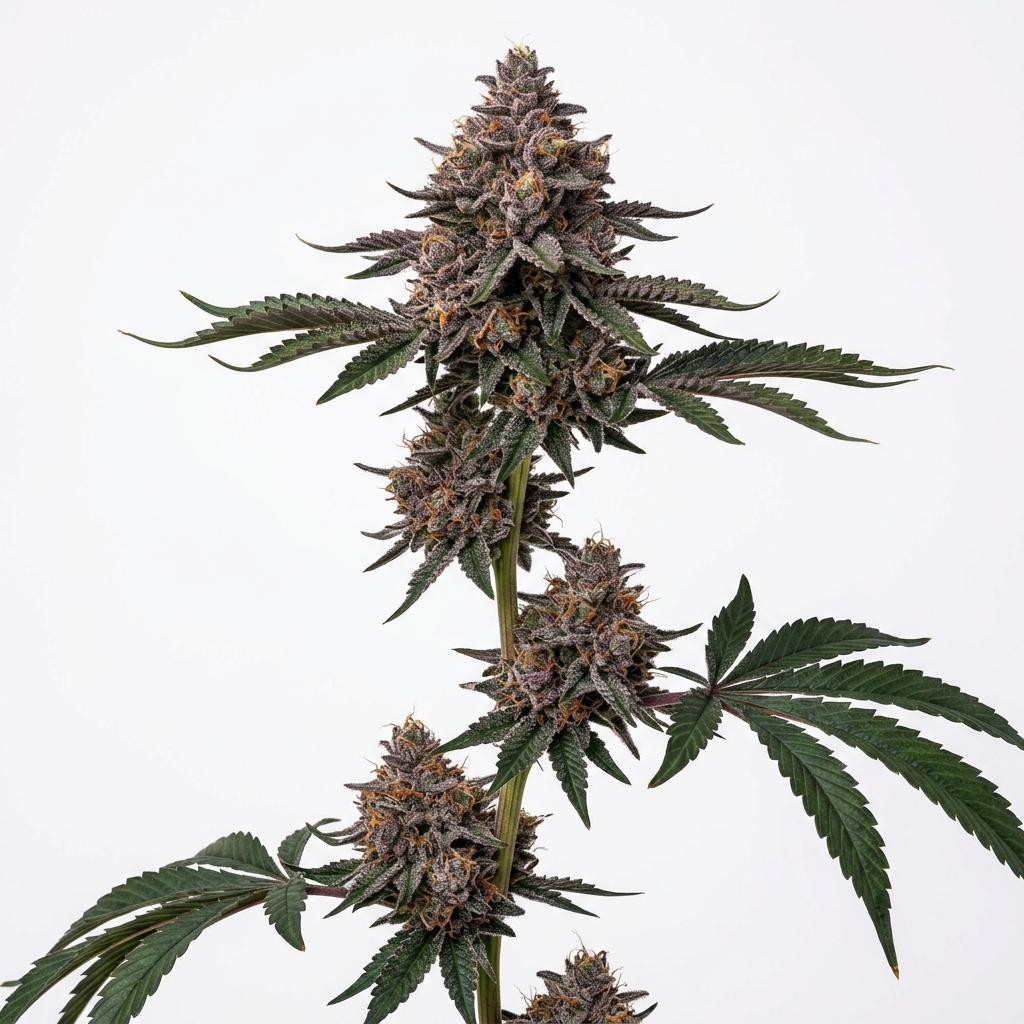
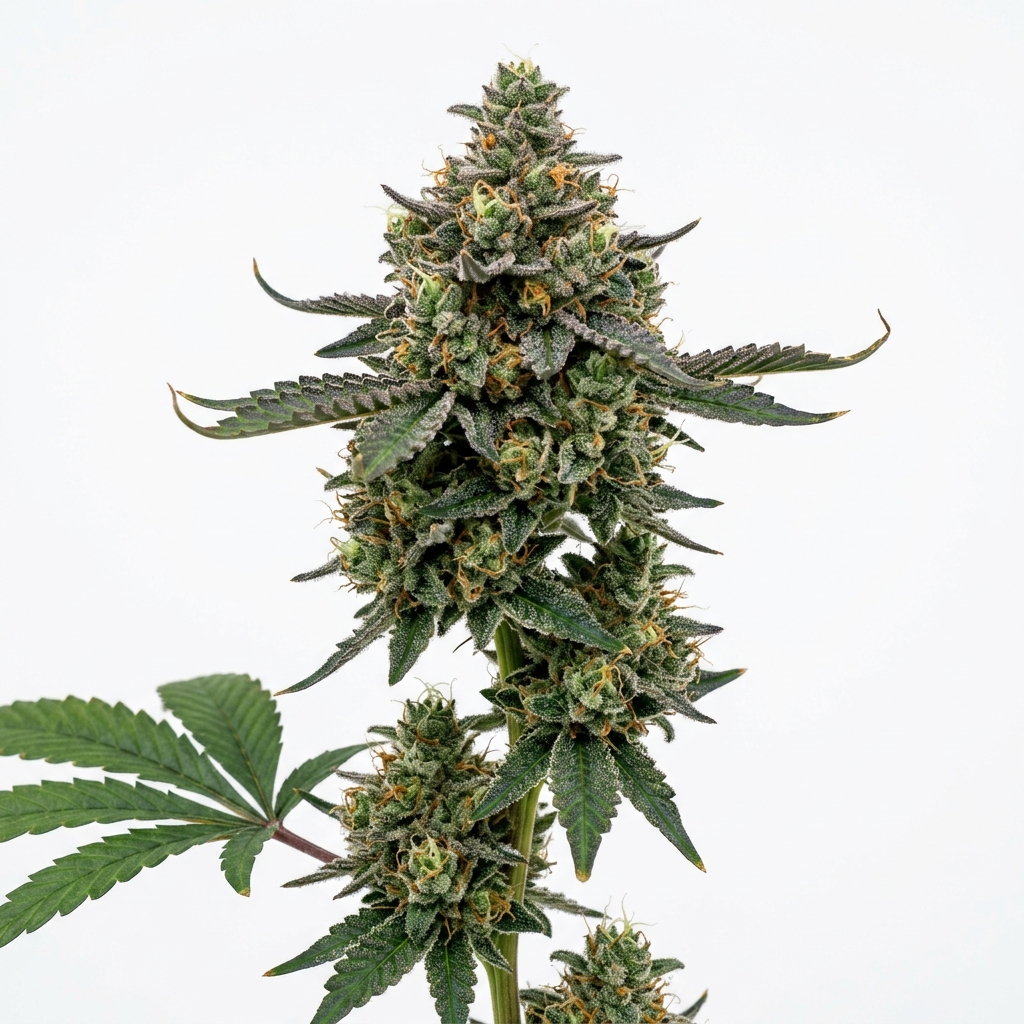
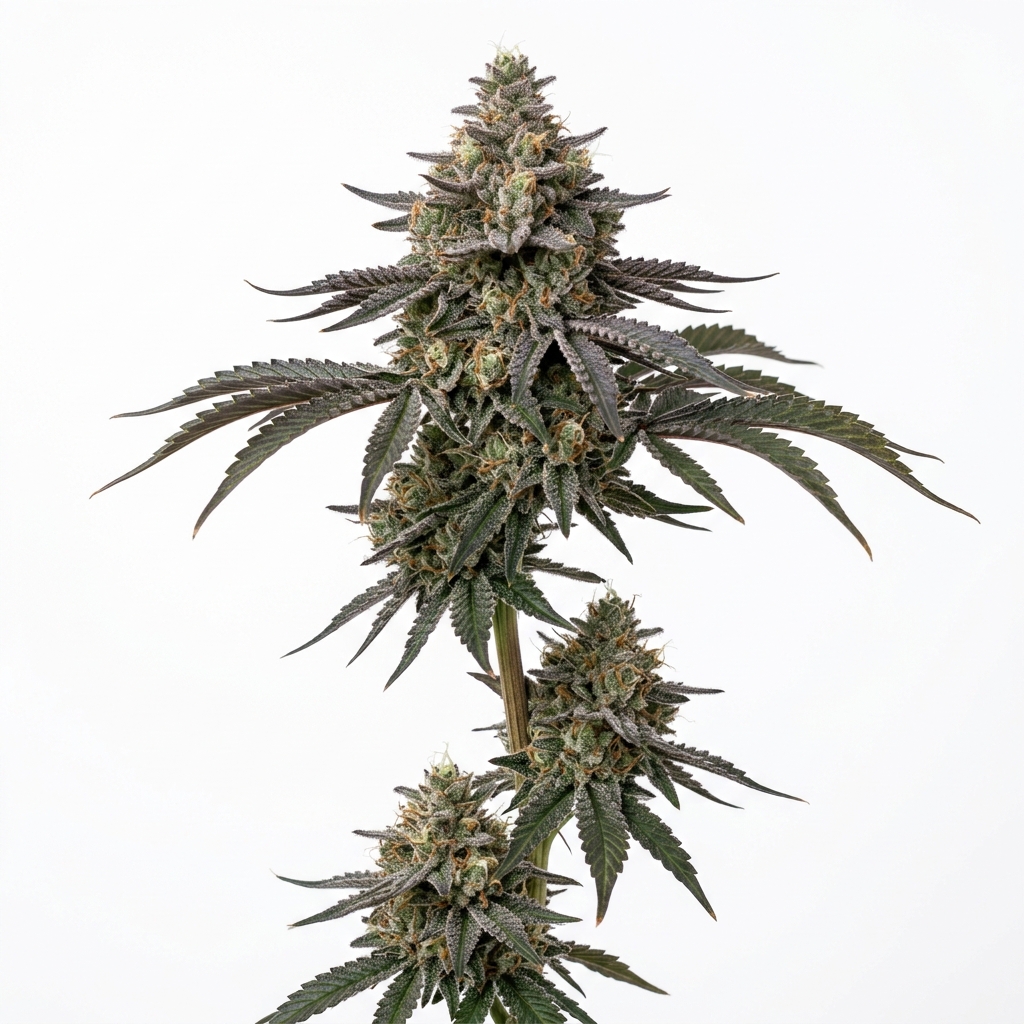
Melonade is a premium sativa-dominant hybrid, typically testing between 22% and 27% THC, bred by crossing the award-winning Lemon Tree and Watermelon Zkittlez. This cultivar is highly regarded for its wet frost resin coverage, sharp citrus lift, and sugary melon undertones that reflect its elite California heritage. In the garden, it displays a manageable, controlled stretch and produces dense, spade-shaped buds with swollen calyxes. Its daytime sensory profile and exceptional terpene clarity make it a staple for clean extraction and boutique flower markets.
Cultivators appreciate this variety for its predictable vegetative growth and highly aromatic late-flower phase. While it requires attentive humidity management to protect its resin-rich flowers, the reward is a highly marketable harvest of glassy buds.
Quick Facts
| Field | Details |
|---|---|
| Genetics | Lemon Tree × Watermelon Zkittlez |
| Variety | Sativa-dominant Hybrid |
| THC Range | 22% – 27% |
| Flowering Time | 9 – 10 Weeks |
| Yield Potential | Moderate to High |
| Plant Height | Medium to Tall |
| Climate Preference | Warm, Mediterranean, controlled indoor |
| Difficulty | Moderate |
Scientific & Botanical Overview
Melonade shows classic hybrid morphology with a leaning toward its sativa lineage, characterized by medium-to-long internodal spacing and broad, light-green fan leaves. The plant develops a strong lateral branching structure that responds exceptionally well to early canopy training. Its flowering phase is defined by the rapid formation of spade-shaped colas that stack densely along the main stems.
The bract-to-leaf ratio is highly favorable, allowing for efficient airflow and easier post-harvest processing. Under optimal conditions, the calyxes swell significantly during the final weeks, producing a dense layer of capitate-stalked trichomes. The resin gland development is particularly grease-like, carrying volatile monoterpenes that emit a sharp citrus aroma early in the bloom cycle.
Nitrogen levels should be carefully moderated as the plant transitions to flower to avoid excessive vegetative stretch. The cultivar thrives in environments where root zone moisture is consistently maintained without saturation. Proper climate control during the final weeks is essential to preserve the delicate terpene profile from heat degradation.
Effects & Use-Cases (Reported)
Commonly reported effects include a clear, uplifting mental clarity paired with a subtle, relaxing physical undertone. Users frequently describe an immediate wave of creative focus and energy that does not induce physical heaviness or lethargy.
Use-case context: This profile makes the cultivar highly suited for daytime activities, artistic projects, and social settings. The steady release of physical tension provides a balanced experience that supports active productivity throughout the afternoon.
Note: Individual tolerance and dosage significantly influence the onset and duration of these effects.
Aroma & Flavors
Aroma: The primary scent profile is dominated by a sharp citrus lift of fresh lemon peel, followed closely by a sweet, ripened melon undertone. A subtle earthy gas and light floral notes emerge when the cured buds are broken open.
Flavor: On the palate, it delivers a smooth, sugary melon sweetness balanced by a tart citrus finish. The smoke is clean, leaving a lingering mint and lemon zest aftertaste.
Terpene associations: Analytical testing frequently shows a high concentration of limonene, supported by secondary levels of caryophyllene and myrcene.
Tested Cannabinoid & Terpene Ranges
| Compound | Typical Range |
|---|---|
| Δ9-THC | 22.0% – 27.0% |
| CBD | < 0.5% |
| Limonene | 0.6% – 1.2% |
| Caryophyllene | 0.3% – 0.7% |
| Myrcene | 0.2% – 0.5% |
Note: Cannabinoid and terpene levels are highly variable and depend on specific phenotype selection, cultivation methods, and curing practices.
Cultivation Notes
- Humidity Control: Maintain relative humidity below 45% during the final three weeks of flowering to protect the dense colas from moisture retention.
- Nutrient Regimen: Feed moderately; the cultivar is sensitive to excessive nitrogen during mid-to-late flower, which can delay ripening.
- Training Techniques: use topping and low-stress training (LST) early in veg to encourage a flat, even canopy and maximize light penetration.
- Airflow Management: Ensure robust under-canopy airflow to prevent microclimates from forming around the lower bud sites.
- Harvest Window: Look for a shift from clear to milky white trichomes, typically occurring around day 63 to 70 of bloom.
Grower Notes (Week-by-Week Snapshot)
- Weeks 1–3 (Transition & Stretch): Expect a moderate vertical stretch of up to 50%. Early training and trellis placement should begin now to support the lateral branches.
- Weeks 4–6 (Mid-Flower & Trichome Onset): Bud sites begin to stack rapidly, and the first visible layers of wet frost appear on the sugar leaves. Keep daytime temperatures around 75°F (24°C) to preserve early terpene development.
- Weeks 7–9+ (Late Flower & Ripening): Calyxes swell and pistils darken. Reduce night-time temperatures slightly to encourage resin density and bring out subtle purple hues in some phenotypes.
- Post-Harvest (Slow Dry & Cure): Dry at 60°F (15°C) and 60% relative humidity for 11 to 14 days to preserve the volatile citrus and melon monoterpenes before a minimum three-week cure.
Genetic Lineage
Melonade is descended from two highly celebrated modern hybrids. The maternal parent, Lemon Tree, contributes a sharp, sour citrus profile and a robust, open-branching growth habit. The pollen donor, Watermelon Zkittlez, infuses the lineage with its signature candy-sweet melon notes and a heavy layer of greasy resin.
This combination successfully blends the high-energy, uplifting growth traits of classic sativas with the dense bud structure and rich resin production of contemporary candy strains. The resulting offspring consistently shows the best traits of both parents, making it a highly reliable choice for extraction artists and flower connoisseurs alike.
Research Insights
Laboratory analysis of this cultivar reveals a notable synergy between its primary monoterpenes and its high cannabinoid content. The dominance of limonene combined with trace levels of linalool is believed to play a role in the clean, uplifting cognitive effects commonly reported by consumers.
From a breeding perspective, the genetic stability of its parental lines makes it an excellent candidate for further hybridization. Breeders frequently target this variety to introduce sweet, fruit-forward profiles and high-density trichome coverage into new seed lines.
Frequently Asked Questions
Is Melonade easy to grow for beginners?
Melonade is moderately difficult to cultivate, as it requires careful humidity monitoring and precise nutrient management during the flowering stage to prevent bud rot and ensure optimal terpene production.
What are the primary aromas of this strain?
The strain is characterized by a dominant sweet melon aroma, heavily accented by a sharp, tart lemon peel scent and a subtle earthy, gaseous finish.
How long does Melonade take to flower?
This cultivar typically completes its flowering cycle in 9 to 10 weeks when grown indoors, or by mid-to-late October in outdoor environments.
Is Melonade better suited for daytime or nighttime use?
Due to its clear, uplifting mental clarity and lack of physical heaviness, Melonade is highly recommended as a daytime sensory hybrid.
Educational Disclaimer
This guide is for educational and informational purposes only. Cultivation of cannabis is subject to varying local laws and regulations. Always consult with local legal guidelines before germinating seeds or cultivating any cannabis varieties.
Rate and review this strain
Ratings and reviews are accepted only from signed-in Google accounts.
Sign in with Google to leave a rating and written review.
Latest Reviews
0 reviewsNo reviews yet. Be the first Google user to rate and review this strain.
Follow New Cultivar Records
Get newly documented genetics, breeder history, research highlights, and important Strainpedia discoveries by email.