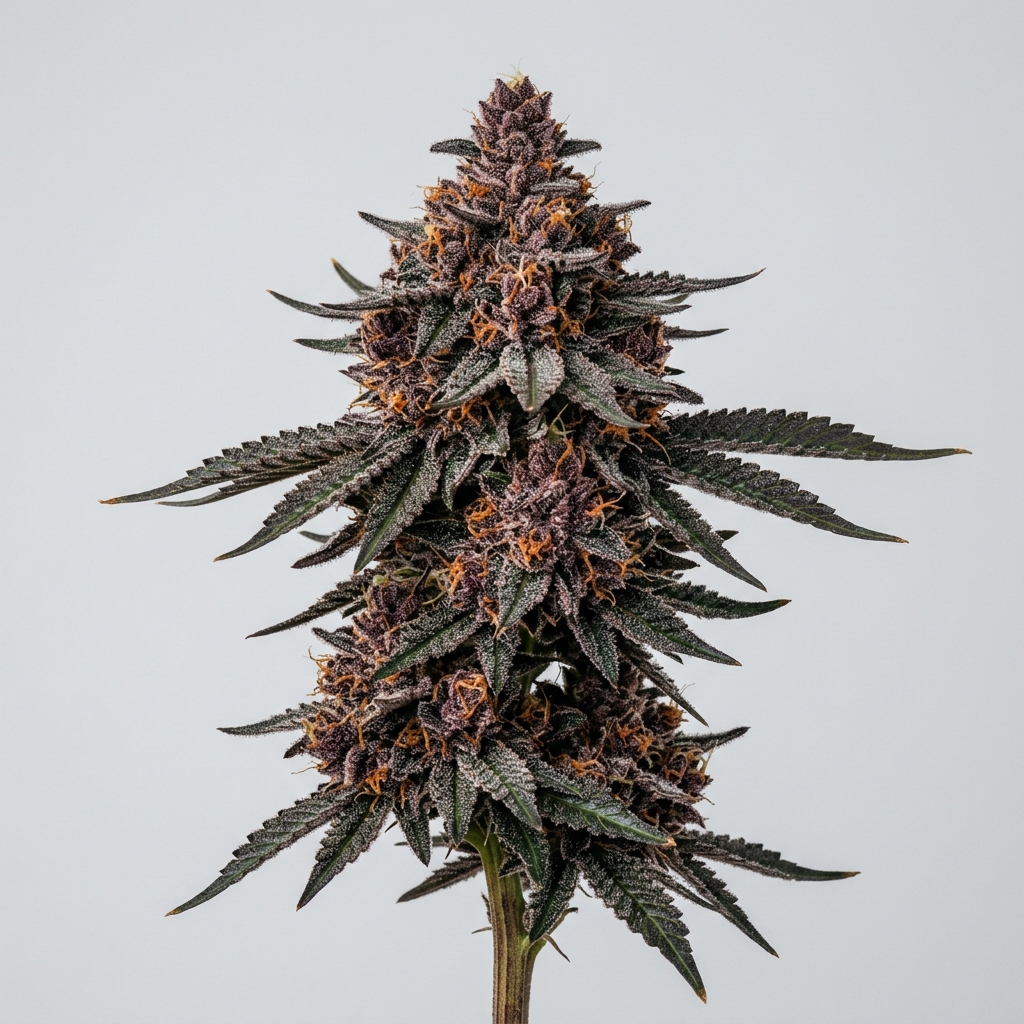
Truffle Fuel (Cannabis Strain)
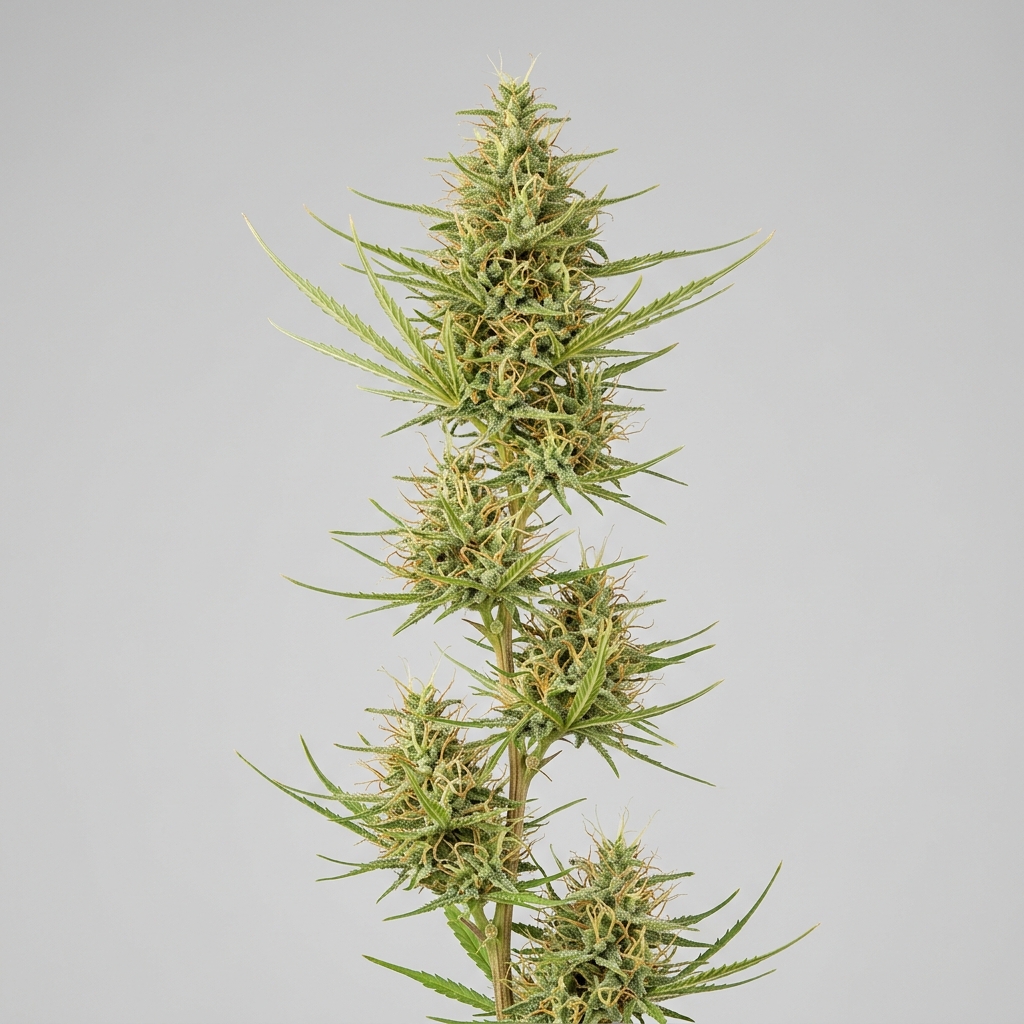
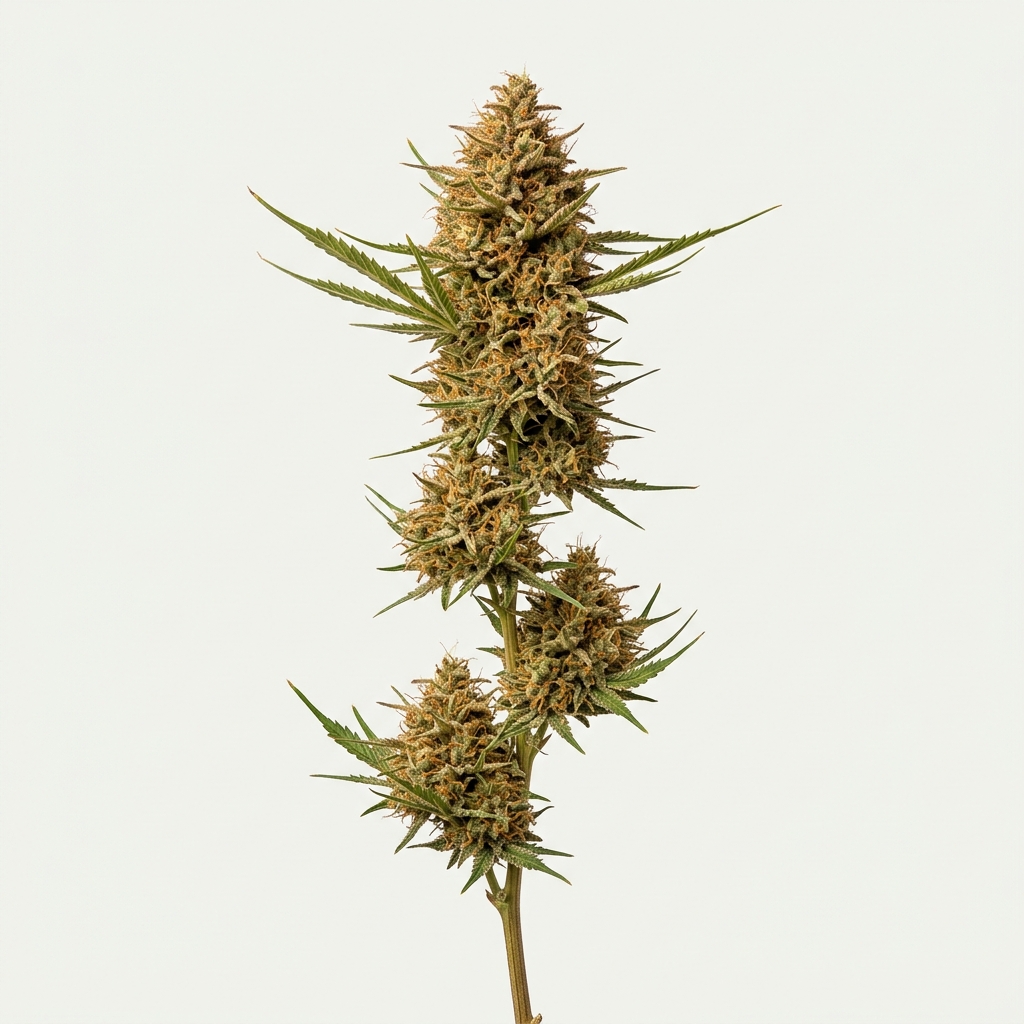
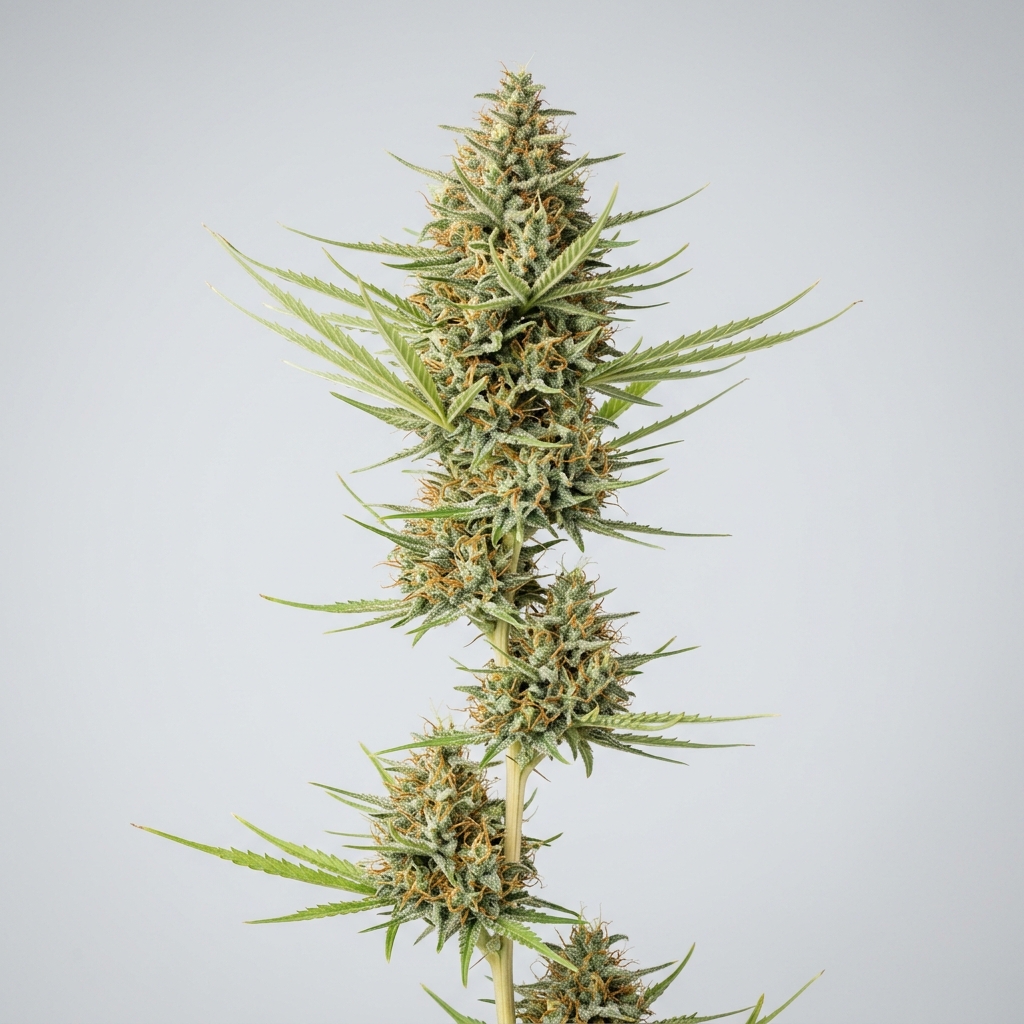
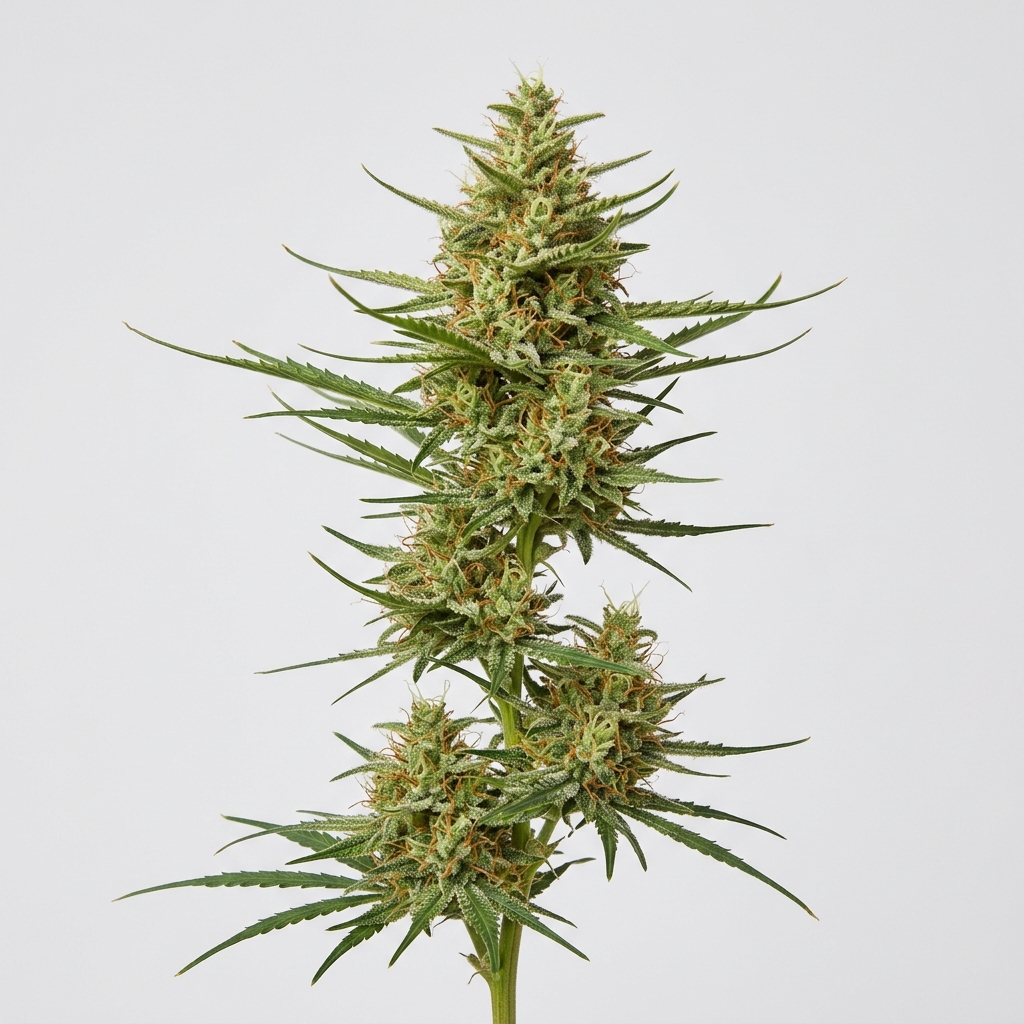
Truffle Fuel is a potent, indica-dominant hybrid typically testing between 22% and 28% THC, bred by crossing the resin-heavy White Truffle with the high-octane Jet Fuel Gelato. Known for its greasy wet frost and dense, dark purple bracts, this cultivar delivers a sharp, gassy aroma layered over an earthy, mushroom-rich truffle base. It shows a controlled stretch in early flower and develops tight, spear-shaped colas that make it a favored choice for extraction-grade resin production.
Cultivators value this strain for its reliable structural integrity and heavy trichome coverage that extends well onto the fan leaves. For consumers, it offers a heavy, grounding physical experience suited for evening use, combining deep physical relaxation with a subtle, clear-headed focus.
Quick Facts
| Fact | Detail |
|---|---|
| Genetics | White Truffle × Jet Fuel Gelato |
| Variety | Indica-dominant Hybrid (approx. 70/30) |
| THC Range | 22% – 28% |
| Flowering Time | 8 – 9 Weeks (56 – 63 days) |
| Yield Potential | Moderate to High |
| Plant Height | Medium (controlled stretch) |
| Climate Preference | Temperate, low humidity late flower |
| Difficulty | Moderate |
Scientific & Botanical Overview
Truffle Fuel displays classic indica-dominant morphology, characterized by broad fan leaves, tight internodal spacing, and highly dense, swollen calyxes. The plant produces a heavy layer of greasy, capitate-stalked trichomes early in the flowering cycle, giving the buds a wet, glassy appearance.
Anthocyanin accumulation is highly pronounced in this cultivar, often turning the sugar leaves and bracts deep shades of purple and near-black when night temperatures drop. The structural density of the colas requires strict microclimate management to prevent moisture retention within the tight flower clusters.
Its metabolic focus shifts rapidly toward resin and terpene synthesis by week five of bloom. The resulting flowers are highly sticky, holding their greasy texture even after a thorough, slow dry and cure.
Effects & Use-Cases (Reported)
Commonly reported effects: Users describe a heavy, warming physical sensation that begins behind the eyes before settling deeply into the limbs. This physical grounding is accompanied by a calm, meditative mental state that encourages relaxation without immediate sedation.
Use-case context: This profile makes the strain highly suitable for late-evening wind-down routines, quiet creative sessions, or managing physical tension after a demanding day.
Note: Due to its high cannabinoid concentration, novice consumers should approach this cultivar with caution to avoid over-sedation.
Aroma & Flavors
Aroma: The initial nose is dominated by a sharp, chemical gas and pungent fuel, which quickly gives way to a complex, earthy musk reminiscent of damp soil and wild mushrooms.
Flavor: On the palate, it balances a heavy, savory truffle richness with a sweet, doughy finish and a lingering hint of dark berry and black pepper.
Terpene associations: The dominant terpene profile is typically led by caryophyllene, limonene, and myrcene, which together drive its spicy, gassy, and deeply earthy character.
Tested Cannabinoid & Terpene Ranges
| Compound | Tested Range |
|---|---|
| Δ9-THC | 22.0% – 28.0% |
| CBD | < 1.0% |
| CBG | 0.5% – 1.5% |
| Beta-Caryophyllene | 0.5% – 1.2% |
| Limonene | 0.3% – 0.8% |
| Myrcene | 0.2% – 0.6% |
| Humulene | 0.1% – 0.4% |
Note: Cannabinoid and terpene levels are highly variable and depend heavily on specific phenotypes, cultivation methods, and curing environments.
Cultivation Notes
- Humidity control: Maintain relative humidity (RH) below 45% during the final three weeks of flower to protect the dense, resin-coated colas from internal moisture issues.
- Nutrient regimen: This cultivar responds well to a moderate-to-heavy feeding schedule, requiring steady calcium and magnesium inputs during the early bloom stretch.
- Training techniques: use topping and low-stress training (LST) early in veg to encourage a flat, multi-topped canopy and optimize light penetration to lower bud sites.
- Pruning: Perform a thorough defoliation (lollipop) before flipping to flower, and a secondary light cleanup around day 21 of bloom to improve airflow.
- Phenotype variation: Watch for phenotypes that lean heavily toward the White Truffle parent, which show slower vertical growth but exceptional resin density and darker coloration.
Grower Notes (Week-by-Week Snapshot)
- Weeks 1–3 (Transition & Stretch): Expect a moderate stretch of about 50-80% after flipping to a 12/12 light cycle. Secure branches early using trellis netting, as the emerging bud sites will quickly become heavy.
- Weeks 4–6 (Mid-Flower & Resin Onset): Calyxes swell rapidly and a thick coat of greasy resin begins to cover the sugar leaves. Keep canopy temperatures around 74-78°F (23-25°C) to preserve delicate volatile terpenes.
- Weeks 7–9 (Late Flower & Senescence): Introduce cooler night temperatures (62-65°F / 16-18°C) to stimulate deep purple coloration. Flush with clean water during the final 10-14 days, monitoring trichomes until they reach roughly 10-15% amber.
- Post-Harvest (Dry & Cure): Dry slowly at 60°F (15°C) and 60% RH for 10 to 14 days to preserve the intricate fuel and truffle aromatics before initiating a minimum 4-week cure.
Genetic Lineage
Truffle Fuel inherits its unique resin structure and savory aroma from White Truffle, an elite phenotype of Gorilla Butter. White Truffle is celebrated in the boutique market for its frost-covered, dark purple buds and distinct earthy, umami-rich profile that sets it apart from typical sweet hybrids.
This savory foundation is elevated by Jet Fuel Gelato, a powerhouse cross of Jet Fuel and Gelato 45. Jet Fuel Gelato contributes a sharp, gassy lift, increased vigor, and a sweet, doughy undertone, creating a balanced hybrid that merges exceptional bag appeal with a robust chemical kick.
Research Insights
Analytical data on Truffle Fuel highlights a robust concentration of sesquiterpenes, particularly caryophyllene and humulene, which contribute to its heavy, wood-and-spice aroma. These compounds, combined with high levels of limonene, suggest a strong interaction with peripheral receptors, supporting its reported physical-soothing properties.
The cultivar’s dense trichome heads are of particular interest to extraction artists. The high ratio of glandular trichomes to plant material makes it highly efficient for solventless extraction techniques, yielding clean, terpene-rich live rosin with minimal plant contaminant.
Frequently Asked Questions
Is Truffle Fuel an indica or sativa?
Truffle Fuel is an indica-dominant hybrid, typically displaying a 70% indica and 30% sativa ratio. Its growth structure and deeply relaxing physical effects strongly reflect its indica lineage.
What does Truffle Fuel smell like?
It features a pungent, multi-layered aroma of sharp chemical gas and diesel fuel, balanced by a rich, earthy, and savory truffle musk with subtle undertones of dark berries.
How long does Truffle Fuel take to flower?
This strain typically reaches full maturity within 8 to 9 weeks of flowering when grown indoors. Outdoor harvests generally occur in mid-to-late October.
Is Truffle Fuel suitable for beginners to grow?
It is best suited for growers with moderate experience. While it has a sturdy structure, its extreme bud density and heavy resin production require careful humidity management to prevent mold.
Educational Disclaimer
This information is intended solely for educational and informational purposes. Cultivation of cannabis is subject to varying local, state, and federal laws. Always consult local regulations before germinating seeds or cultivating cannabis plants.
Rate and review this strain
Ratings and reviews are accepted only from signed-in Google accounts.
Sign in with Google to leave a rating and written review.
Latest Reviews
0 reviewsNo reviews yet. Be the first Google user to rate and review this strain.