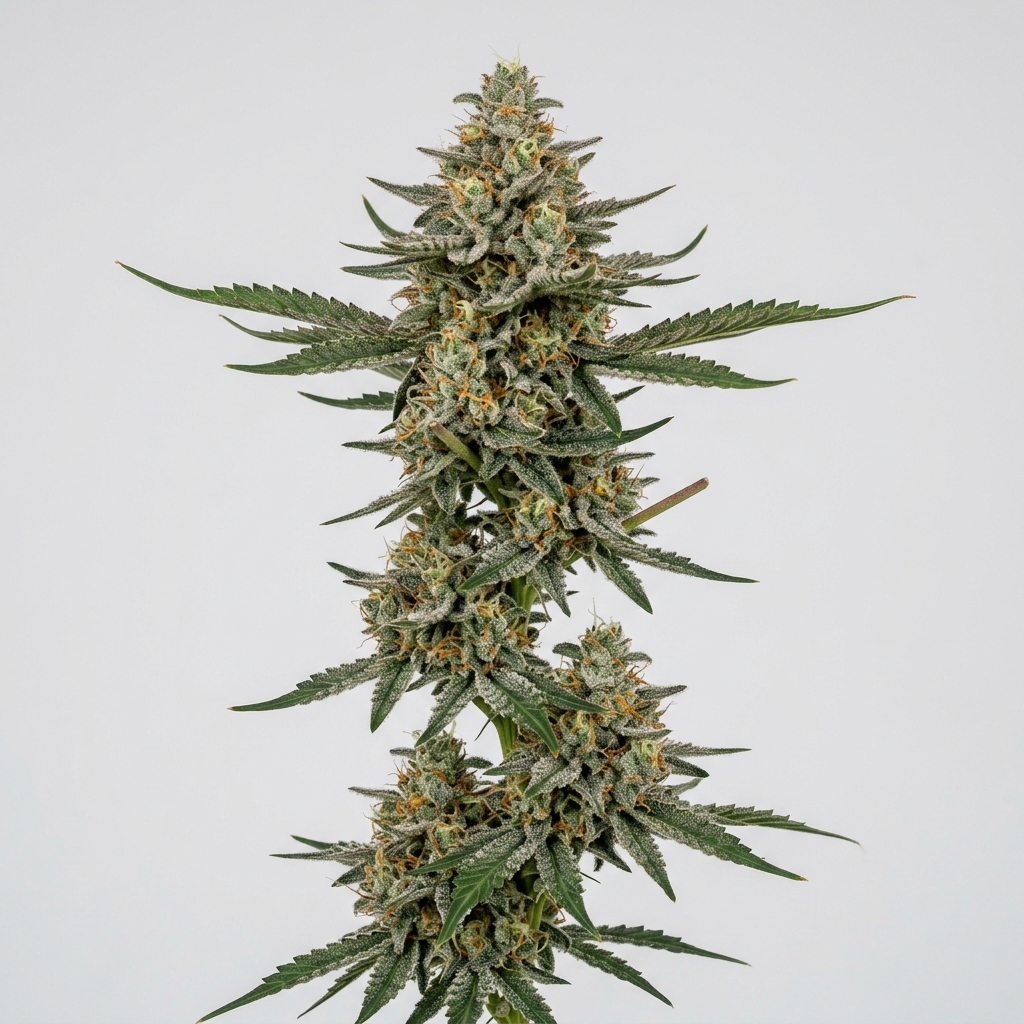
Triangle Mints (Cannabis Strain)
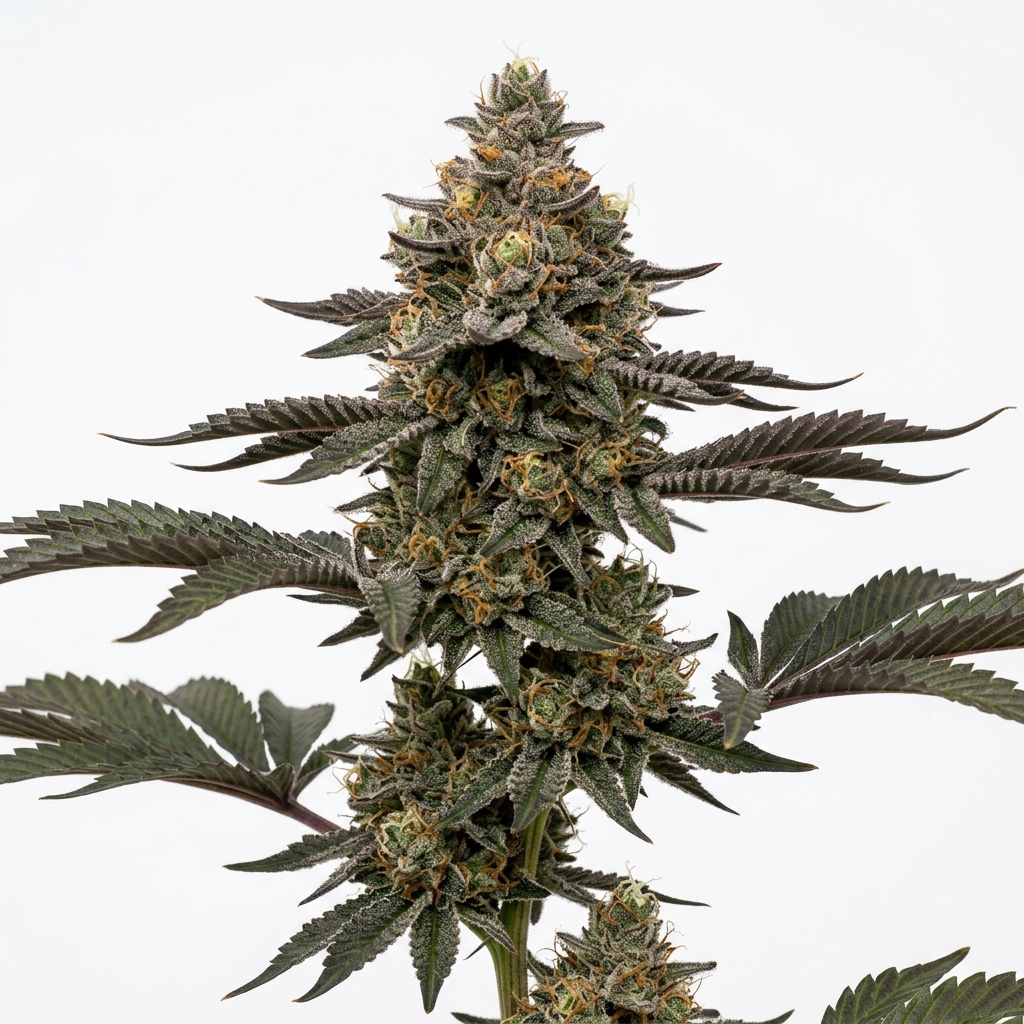
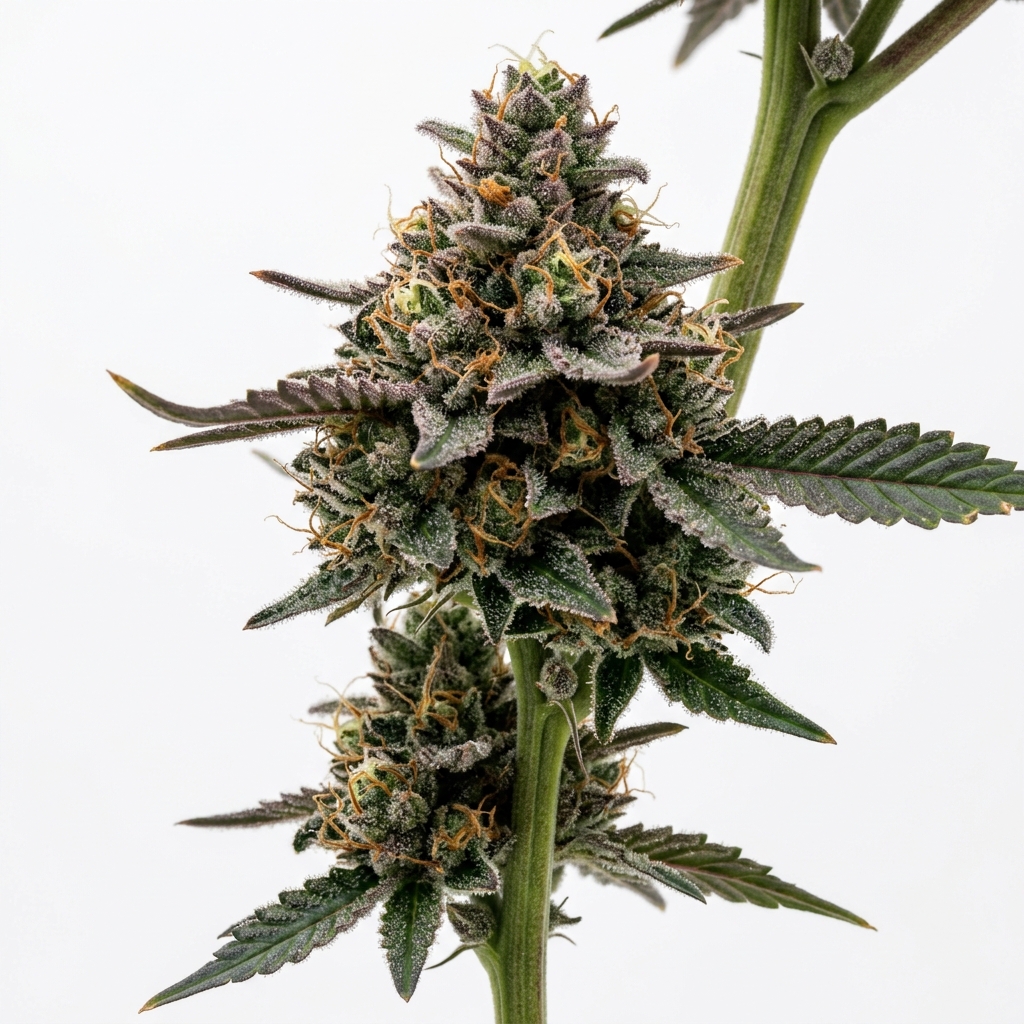
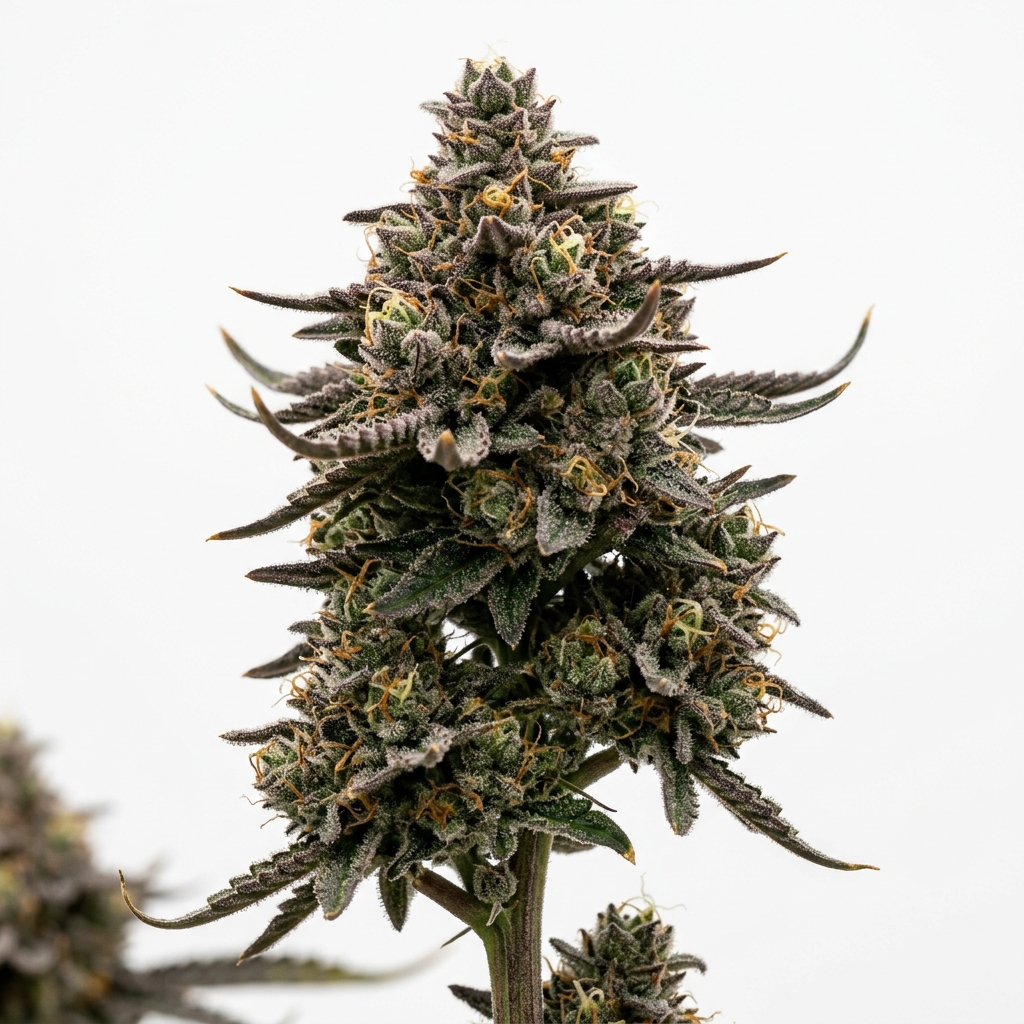
Triangle Mints is a highly potent hybrid cannabis strain, typically testing between 22% and 28% THC, created by crossing the legendary Triangle Kush with Animal Mints. Known for its dense, spear-shaped colas and a thick blanket of glassy trichomes, this cultivar delivers a complex aromatic profile of sharp herbal mint, earthy gas, and sweet cookie dough. It is favored by experienced cultivators and extractors for its exceptional resin production and robust, branchy growth pattern.
Originally bred by Seed Junky Genetics, this strain has become a cornerstone of modern breeding, serving as the parent to famous descendants like Wedding Cake. Its physical expression leans toward its Kush heritage, producing heavy, resin-rich flowers that require careful humidity control during the late stages of bloom.
Quick Facts
| Metric | Details |
|---|---|
| Genetics | Triangle Kush × Animal Mints |
| Variety | Indica-dominant Hybrid |
| THC Range | 22% – 28% |
| Flowering Time | 9 – 10 Weeks |
| Yield Potential | Moderate to High |
| Plant Height | Medium to Tall |
| Climate Preference | Temperate, Low Late-Flower Humidity |
| Difficulty | Moderate to Experienced |
Scientific & Botanical Overview
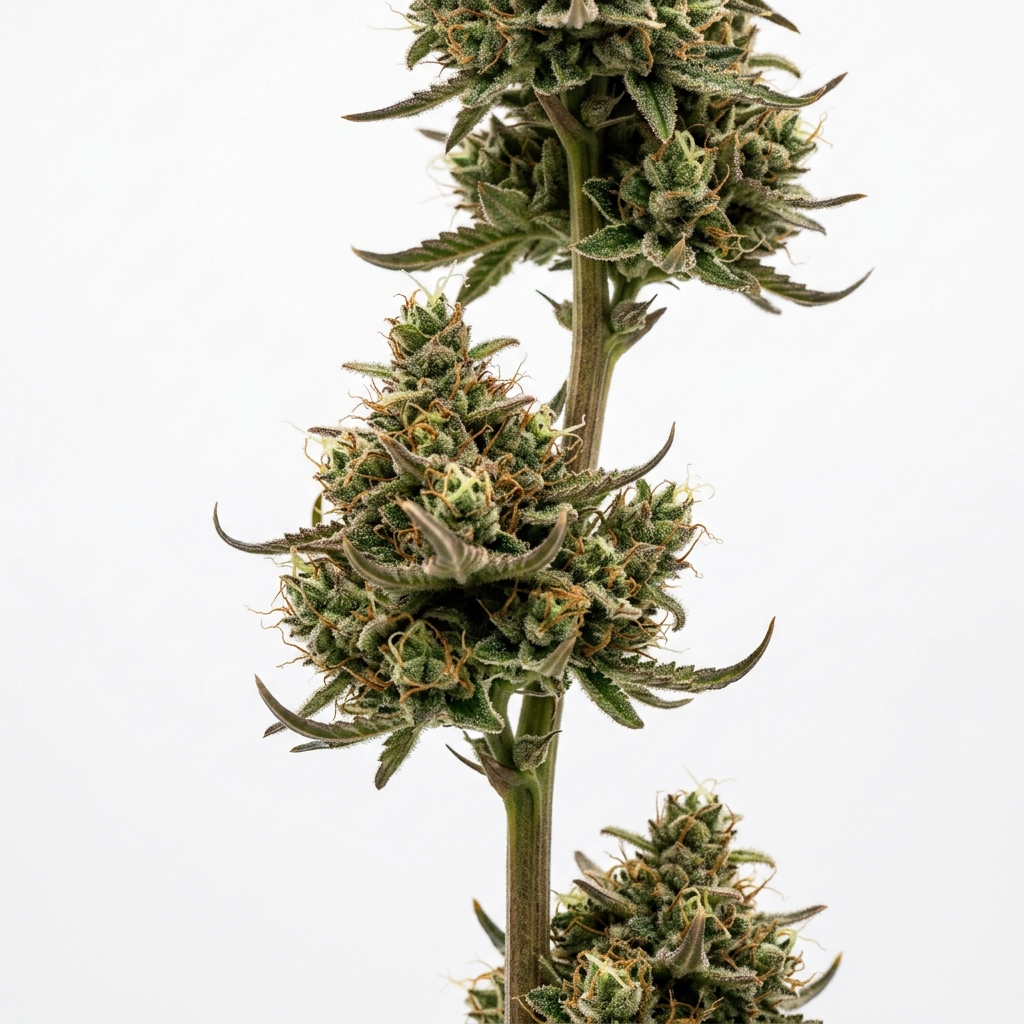
Botanically, Triangle Mints shows a classic hybrid architecture with a notable stretch during the early weeks of flowering. The plants develop sturdy, lateral branches that support dense, conical colas characterized by tightly packed, swollen calyxes. Its broad, dark green fan leaves display a moderate leaf-to-calyx ratio, allowing for decent light penetration if managed properly.
The resin production on this cultivar is highly pronounced, starting early in the vegetative-to-flower transition. By mid-flower, a dense layer of wet frost covers not only the bracts but also extends onto the fan leaves and leaf stems. This heavy trichome coverage makes the buds appear silver-grey under direct light.
Phenotypic variations of Triangle Mints occasionally show deep purple hues along the tips of the bracts when exposed to cooler night temperatures during the final weeks of cultivation. The stems are thick and fibrous, though the sheer weight of the maturing colas often requires external support to prevent branch breakage.
Effects & Use-Cases (Reported)
Commonly reported effects: Consumers often report a rapid, clear-headed cerebral lift that transitions into a deep, physically relaxing body stone. The initial onset is typically described as stimulating and creative, which gradually gives way to a heavy, tranquilizing weight in the limbs.
Use-case context: Given its high potency and balanced physical weight, this strain is best suited for late afternoon or evening use. It is frequently selected by experienced users looking to unwind after a demanding day or to support quiet, creative projects before sleep.
Note: Due to the elevated cannabinoid concentration, novice consumers should approach this cultivar with caution to avoid over-intoxication or temporary anxiety.
Aroma & Flavors
Aroma: The olfactory profile is dominated by a sharp, cooling menthol and sweet herbal mint, balanced by a heavy, fuel-like gas and damp earth undertone inherited from its Kush lineage.
Flavor: On the palate, the smoke or vapor delivers a pronounced sweet dough and mint finish, followed by a lingering spice and tart gas on the exhale.
Terpene associations: Lab reports typically show a dominance of caryophyllene, limonene, and myrcene, which drive its spicy, citrus, and herbal qualities.
Tested Cannabinoid & Terpene Ranges
| Compound | Typical Range |
|---|---|
| Δ9-THC | 22.0% – 28.0% |
| CBG | 0.5% – 1.5% |
| Caryophyllene | 0.4% – 0.9% |
| Limonene | 0.3% – 0.8% |
| Myrcene | 0.2% – 0.6% |
| Linalool | 0.1% – 0.3% |
Note: Cannabinoid and terpene levels are highly variable and depend heavily on environmental factors, curing practices, and specific phenotypes.
Cultivation Notes
- Humidity Control: Maintain relative humidity below 45% during the final three weeks of flowering to prevent mold in the dense, resin-rich flowers.
- Nutrient Requirements: This cultivar responds well to a moderate feeding schedule, showing a preference for higher calcium and magnesium during the mid-stretch phase.
- Training Techniques: Utilizing low-stress training (LST) or a screen of green (ScrOG) setup helps manage the plant’s natural stretch and ensures even canopy light distribution.
- Airflow: Defoliate the lower third of the canopy before the second week of flower to improve airflow and direct energy to the upper spear colas.
- Phenotype Selection: Select mothers that exhibit tight internodes and a strong mint-gas aroma during early vegetative testing.
Grower Notes (Week-by-Week Snapshot)
- Weeks 1–3 (The Stretch): Expect a significant stretch of up to 150% after flipping to a 12/12 light cycle; apply early trellis support to manage the branching.
- Weeks 4–6 (Mid-Flower): Resin production begins to coat the calyxes rapidly; maintain a steady nutrient regimen and monitor for any nitrogen sensitivity.
- Weeks 7–9 (Late-Flower & Ripening): Colas swell significantly and become highly resinous; reduce night temperatures slightly to encourage potential purple coloration and maximize terpene clarity.
- Post-Harvest (Dry & Cure): A slow dry at 60°F (15°C) and 60% relative humidity for 10 to 14 days is essential to preserve the delicate mint and gas terpenes before a minimum three-week cure.
Genetic Lineage
The lineage of Triangle Mints is a masterclass in modern genetics, combining the legendary, fuel-forward Triangle Kush with the resin-heavy Animal Mints. Triangle Kush, originating from Florida, brings its signature earthy, diesel undertones and deep physical relaxation, while Animal Mints (a cross of Animal Cookies and SinMint Cookies) contributes its sweet, doughy flavor and intense trichome density.
This genetic combination has proved highly stable and influential in the cannabis industry. Most notably, a specific phenotype of Triangle Mints was selected and selfed to create the world-renowned Wedding Cake (Triangle Mints #23), cementing this lineage as a pillar of contemporary elite cultivars.
Research Insights
Analytical testing of Triangle Mints reveals a robust chemical profile where the interaction between caryophyllene and limonene plays a key role in its reported effects. The presence of caryophyllene provides a spicy, grounding base that interacts directly with peripheral receptors, while limonene adds a sharp citrus lift that helps balance the heavy physical weight of the Kush-derived cannabinoids.
Breeding research indicates that the strain’s dense bract structure and heavy resin yield are highly heritable traits. This makes Triangle Mints an exceptional parent plant for breeders aiming to increase trichome coverage and terpene concentration in new hybrid lines.
Frequently Asked Questions
Is Triangle Mints an indica or sativa?
Triangle Mints is an indica-dominant hybrid, though its effects often begin with a clear, sativa-like cerebral lift before settling into a deep physical relaxation.
What does Triangle Mints smell like?
It features a complex aroma of cooling menthol, sweet herbal mint, and rich earthy gas, with a lingering sweet cookie dough finish.
How long does Triangle Mints take to flower?
This cultivar typically requires 9 to 10 weeks of flowering to reach full maturity and peak resin production.
Is Triangle Mints suitable for beginners to grow?
Due to its significant stretch and need for strict humidity control in late flower, it is best suited for growers with moderate to advanced experience.
Educational Disclaimer
This article is for educational and informational purposes only. Cannabinoid and terpene profiles vary by grower and environment. Consult with a medical professional before using cannabis for therapeutic purposes.
Rate and review this strain
Ratings and reviews are accepted only from signed-in Google accounts.
Sign in with Google to leave a rating and written review.
Latest Reviews
0 reviewsNo reviews yet. Be the first Google user to rate and review this strain.
Follow New Cultivar Records
Get newly documented genetics, breeder history, research highlights, and important Strainpedia discoveries by email.