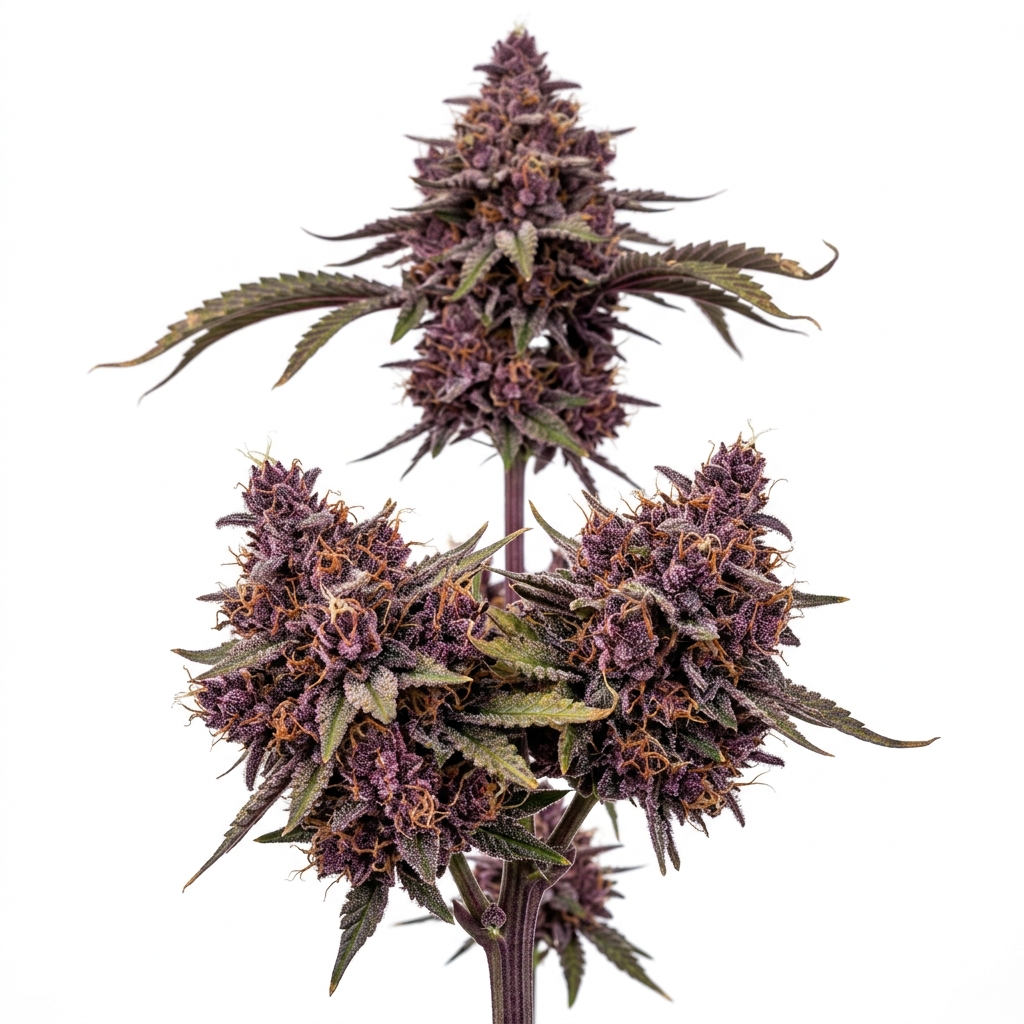
Tropical Cherries (Cannabis Strain)
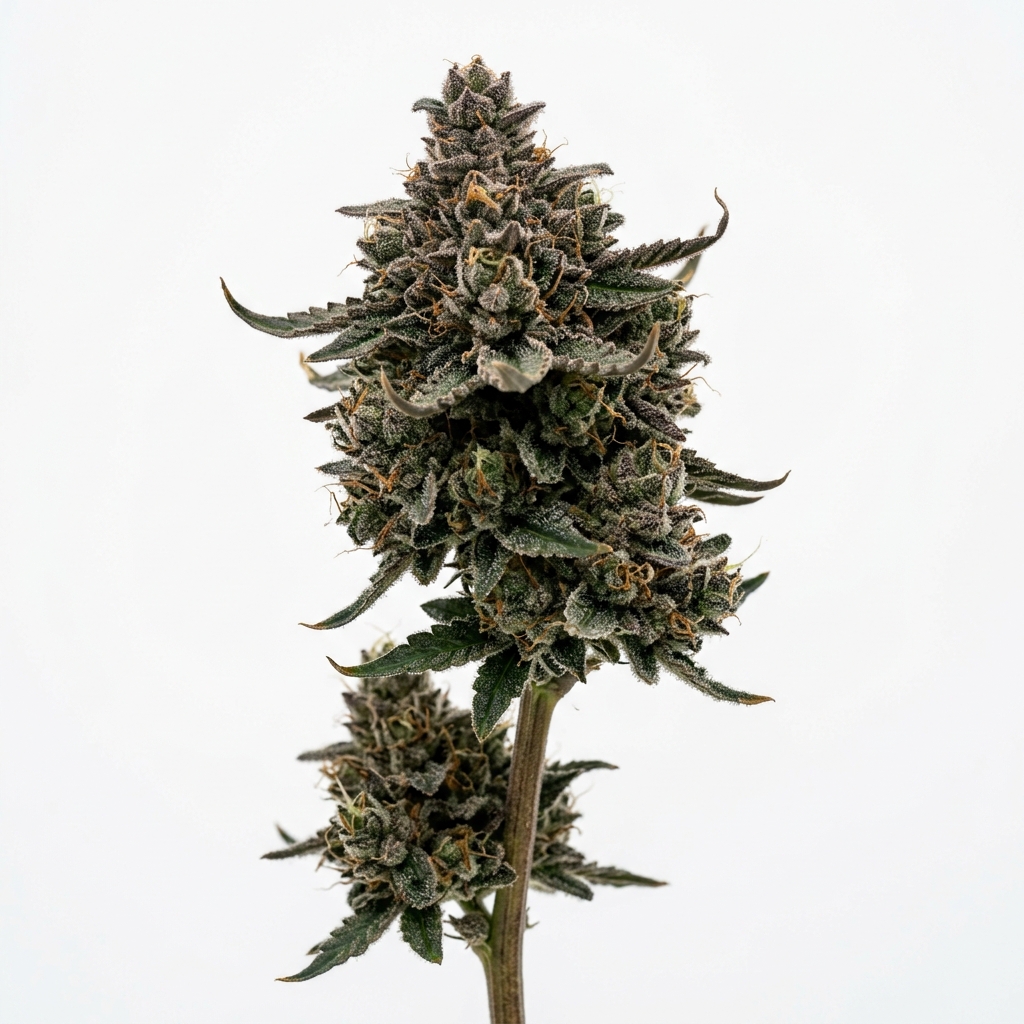
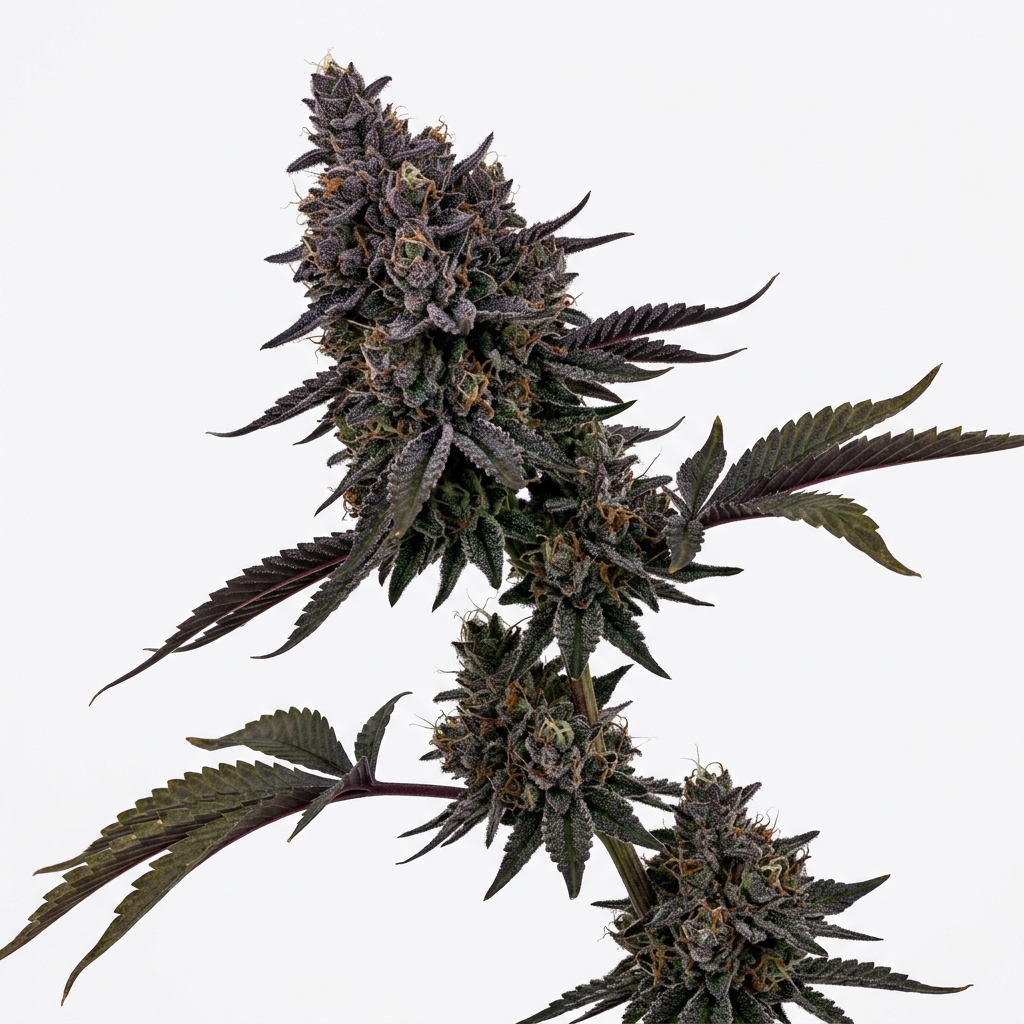
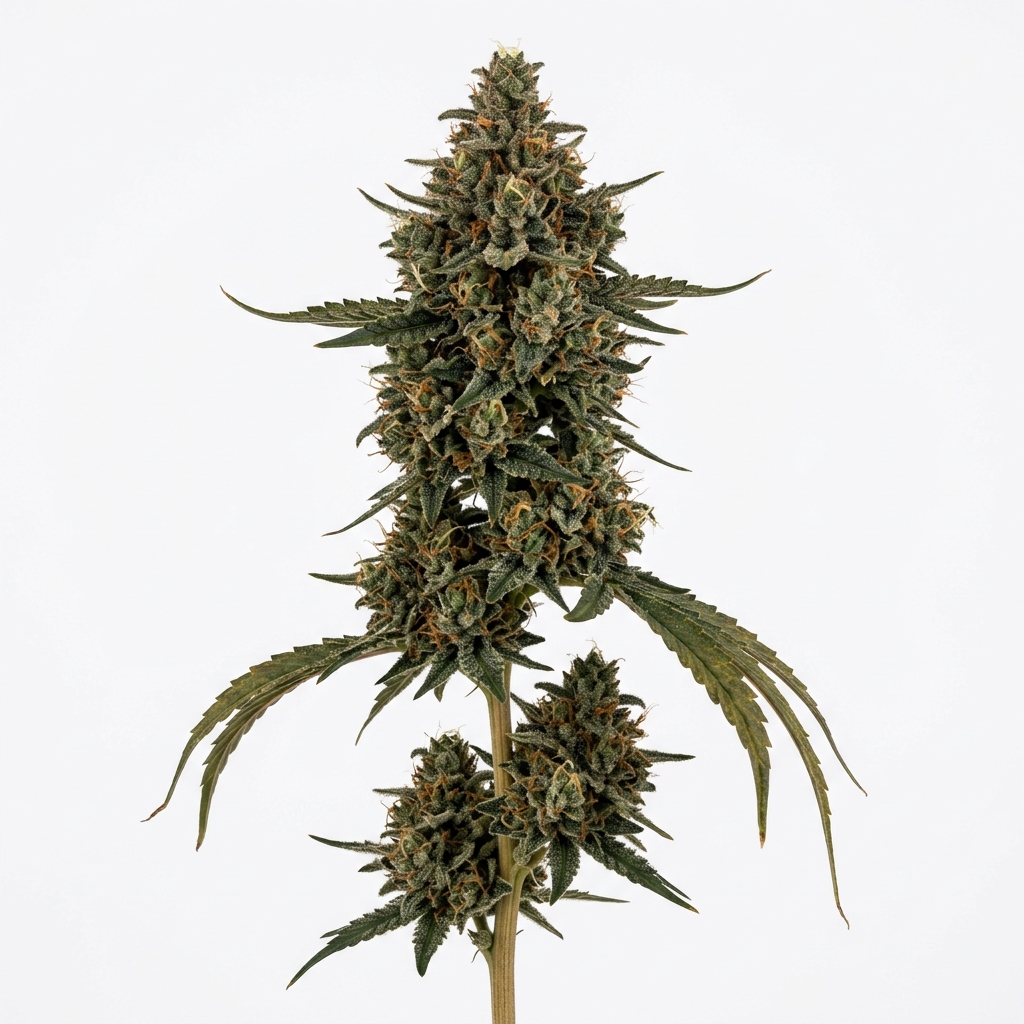
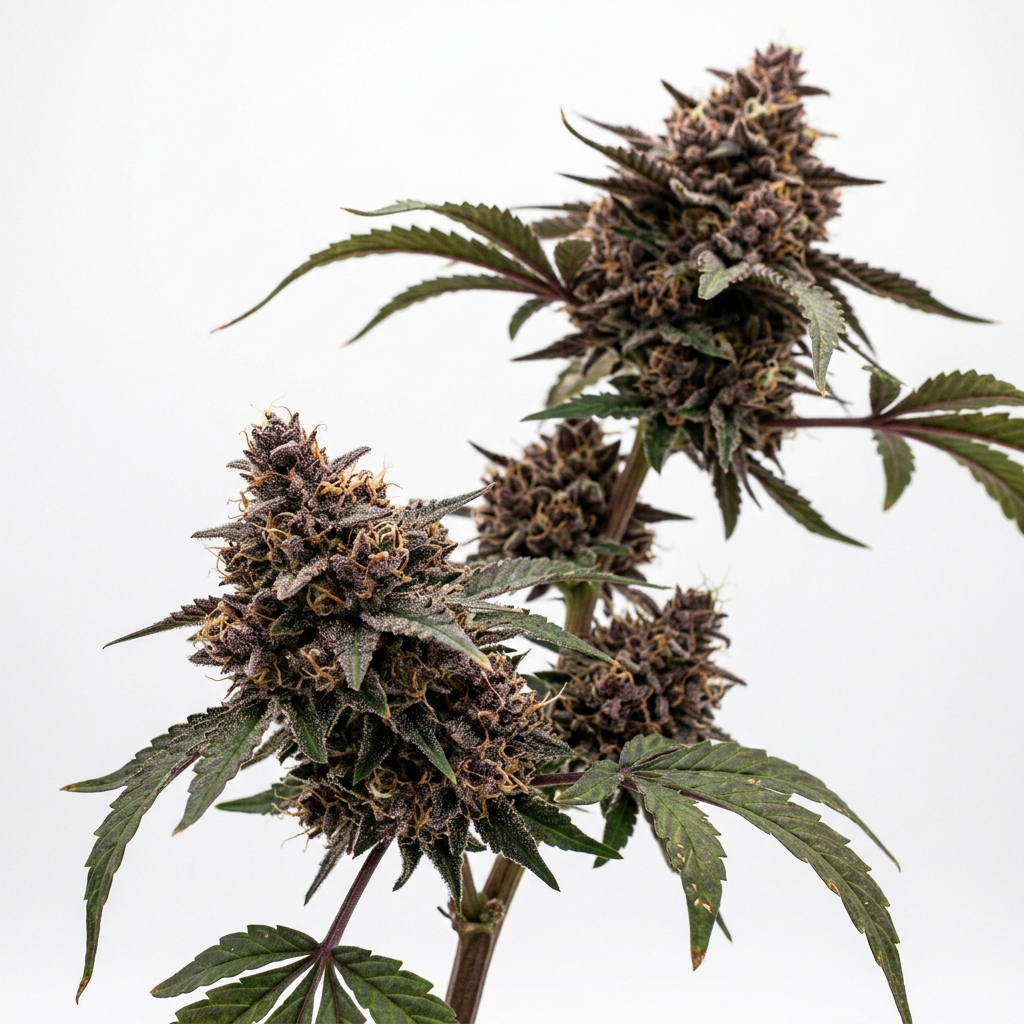
Tropical Cherries (commonly known as Trop Cherry) is a sativa-dominant hybrid cultivar bred by Relentless Genetics, testing reliably between 20% and 26% THC in mature dried flower. Created by crossing Tropicana Cookies with Cherry Cookies, the cultivar is widely recognized for its vibrant violet flower pigmentation, pungent citrus-cherry bouquet, and generous resin production. The cured buds display a high calyx-to-leaf ratio, presenting deep magenta bracts coated in wet frost that make it a favorite for both solventless extraction and premium flower curation.
The variety expresses classic Cookies structural traits complemented by the sharp, electric citrus character derived from its Tangie lineage. Plants develop moderate internodal spacing and stout lateral branching that support weighty spear colas during mid-to-late bloom. Consumers frequently report a functional, bright mental onset paired with a steady, relaxed physical baseline, making it suitable for daytime focus, creative tasks, and social occasions without heavy sedation.
Quick Facts
| Attribute | Detail |
|---|---|
| Breeder | Relentless Genetics |
| Genetics | Tropicana Cookies × Cherry Cookies |
| Variety | Sativa-dominant hybrid (approx. 60% Sativa / 40% Indica) |
| THC Range | 20% – 26% |
| Flowering Time | 8 – 9 weeks (56 – 63 days) |
| Yield Potential | Moderate to high |
| Plant Height | Medium to tall (1.5× – 2× flower stretch) |
| Climate Preference | Temperate, warm, and controlled indoor environments |
| Difficulty | Moderate |
Scientific & Botanical Overview
Botanically, Tropical Cherries is characterized by intense anthocyanin synthesis in the floral bracts and upper fan leaves, resulting in deep violet and maroon colors even without aggressive temperature drops. The inflorescences develop as elongated, tapered colas with dense clusters of swollen calyxes. Trichome coverage is dense and glassy, with medium-to-large capitate-stalked glandular heads that preserve volatile monoterpenes when dried under controlled conditions.
In vegetative development, plants demonstrate vigorous apical growth with medium internodal spacing and sturdy lateral branches. The cultivar responds predictably to canopy management techniques such as topping and trellis training, establishing an even canopy before transition. Upon flipping to a 12/12 photoperiod, garden managers should anticipate a moderate vertical stretch of approximately 150% to 200% over the first three weeks.
The chemical profile is primarily dominated by monoterpenes and sesquiterpenes including caryophyllene, limonene, and myrcene, accompanied by trace amounts of linalool and humulene. This chemical combination delivers high terpene retention throughout a slow cold cure. Dried flowers retain structural density and aromatic volatility when stored in dark, airtight environments at standard preservation humidity.
Effects & Use-Cases (Reported)
Commonly reported effects: The onset is typically described as clear, uplifting, and cerebrally stimulating, providing an immediate mood lift without excessive raciness. As the experience progresses, a gentle wave of physical relaxation settles across the shoulders and neck, smoothing out physical tension while keeping cognitive focus intact. The finish is clean and balanced, rarely inducing heavy couch-lock or unexpected fatigue.
Use-case context: Consumers frequently reach for Tropical Cherries during daytime hours, morning creative sessions, and active outdoor outings. Its bright sensory quality makes it a versatile selection for social gatherings, artistic work, or moderate exercise. Experienced users note that its functional clarity supports steady focus during low-stress productivity.
Note: Individual physiological responses to specific cannabinoid and terpene combinations vary based on personal tolerance, dosage, and consumption method. Users should begin with modest amounts to evaluate individual sensitivity.
Aroma & Flavors
Aroma: Freshly broken buds release an assertive burst of sour cherry candy, sweet mandarin oranges, and tart tropical fruit. Beneath the sharp citrus-fruit top note lies a subtle background of damp earth, light floral spice, and sweet baked pastry derived from the Cookies lineage.
Flavor: The smoke and vapor closely mirror the aromatic profile, leading with tart red cherry, crushed citrus rind, and sour berry sweetness on the inhale. The exhale transitions smoothly toward a soft gas finish layered with light herbal spice and sweet dough.
Terpene associations: The cultivar’s signature olfactory signature is largely driven by a terpene profile rich in beta-caryophyllene, d-limonene, beta-myrcene, alpha-humulene, and linalool.
Tested Cannabinoid & Terpene Ranges
| Compound | Compound Type | Typical Range |
|---|---|---|
| Δ9-THC | Cannabinoid | 20.0% – 26.0% |
| CBD | Cannabinoid | < 0.2% |
| CBG | Cannabinoid | 0.4% – 1.2% |
| Total Terpenes | Terpenoid profile | 1.8% – 3.2% |
| β-Caryophyllene | Terpene | 0.5% – 1.0% |
| D-Limonene | Terpene | 0.4% – 0.9% |
| β-Myrcene | Terpene | 0.2% – 0.6% |
| α-Humulene | Terpene | 0.1% – 0.3% |
| Linalool | Terpene | 0.1% – 0.2% |
Range note: Cannabinoid and terpene metrics represent literature-informed composite ranges from mature, lab-tested dried flower. Cultivation environment, nutrition, light intensity, phenotype variation, and post-harvest curing conditions will influence final secondary metabolite values.
Cultivation Notes
- Humidity management: Maintain relative humidity around 55%–60% in early flower, lowering gradually to 40%–45% during the final three weeks to prevent mold formation within the dense purple colas.
- Nutrient requirements: Plants feed moderately throughout vegetative growth and early bloom. Avoid excessive nitrogen in mid-flower to preserve natural purple coloration and allow smooth calyx stacking.
- Canopy training: Early topping followed by low-stress training (LST) or a single trellis layer creates an even multi-top canopy that maximizes light exposure to lower bud sites.
- Defoliation: Conduct a thorough defoliation around day 21 and day 42 of flowering to improve air exchange through the center of the canopy and direct energy to dominant spear colas.
- Harvest window: Most phenotypes reach peak maturity between day 56 and day 63 (8 to 9 weeks), marked by cloudy glandular trichomes and receded orange stigmas.
Grower Notes (Week-by-Week Snapshot)
- Weeks 1–3: Transition to flower triggers a 1.5× to 2× vertical stretch. Set up trellis netting early, tuck fast-growing shoots, and clean out lower undergrowth before day 21.
- Weeks 4–6: Rapid flower cluster development begins. Anthocyanin pigmentation appears in the calyxes and sugar leaves while citrus and sour cherry aromas become prominent.
- Weeks 7–9: Colas swell and harden with dense resin heads. Keep humidity below 45%, monitor trichome clarity, and taper nutrients as plants complete their ripening cycle.
- Post-harvest and curing: Hang whole plants to dry at 60°F (15.5°C) and 60% relative humidity for 12 to 14 days. Cure in airtight containers for 3 to 4 weeks to lock in terpene clarity.
Genetic Lineage
The genetic foundation of Tropical Cherries traces back to Tropicana Cookies, an influential hybrid bred by Oni Seed Co. (crossing Tangie with Girl Scout Cookies). Tropicana Cookies contributed deep purple coloration, vigorous branching, and an unmistakable sharp tangerine-citrus aroma. This mother line established the bright, zesty top note that defines the modern cross.
Relentless Genetics paired this foundation with Cherry Cookies, a specialized Cookies descendant known for dense bud structure, sweet cherry-tart undertones, and substantial resin coverage. The combination stabilized a colorful, high-terpene hybrid that balances bright citrus-fruit notes with earthy, doughy depth and solid commercial flower density.
Research Insights
Scientific interest in cultivars with strong purple phenotypes focuses primarily on the genetics of anthocyanin expression in cannabis inflorescences. Anthocyanins are water-soluble flavonoid pigments that accumulate in vacuoles under specific environmental and genetic triggers, altering flower coloration without directly modulating cannabinoid synthesis. Concurrently, dominant monoterpenes like limonene and sesquiterpenes like beta-caryophyllene are studied for their distinct aromatic profiles and volatility during drying and curing cycles.
While pharmacological literature examines how terpenes and cannabinoids interact within human biological systems, strain-specific claims remain largely observational. Individual responses depend heavily on personal endocannabinoid system variance, tolerance, and administration format rather than strain taxonomy alone.
Frequently Asked Questions
Who is the original breeder of Tropical Cherries?
Tropical Cherries was originally bred by Relentless Genetics by crossing Tropicana Cookies with Cherry Cookies.
Is Tropical Cherries an indica or sativa cultivar?
Tropical Cherries is classified as a sativa-dominant hybrid, displaying roughly 60% sativa and 40% indica genetic tendencies in its growth habits and reported functional effects.
What does Tropical Cherries smell and taste like?
The cultivar features an assertive aroma and flavor of sour red cherries, sharp orange citrus, and tropical candy, grounded by light earth and sweet dough on the finish.
What is the average flowering time for Tropical Cherries?
Indoor flowering typically requires 8 to 9 weeks (56 to 63 days) for trichomes to reach full cloudy maturity and complete bract development.
Educational Disclaimer
This content is for educational and informational purposes only. Cannabis laws and regulations vary by jurisdiction. Always consult with a qualified professional before beginning any cultivation project or consuming cannabis products.
Rate and review this strain
Ratings and reviews are accepted only from signed-in Google accounts.
Sign in with Google to leave a rating and written review.
Latest Reviews
0 reviewsNo reviews yet. Be the first Google user to rate and review this strain.
Follow New Cultivar Records
Get newly documented genetics, breeder history, research highlights, and important Strainpedia discoveries by email.