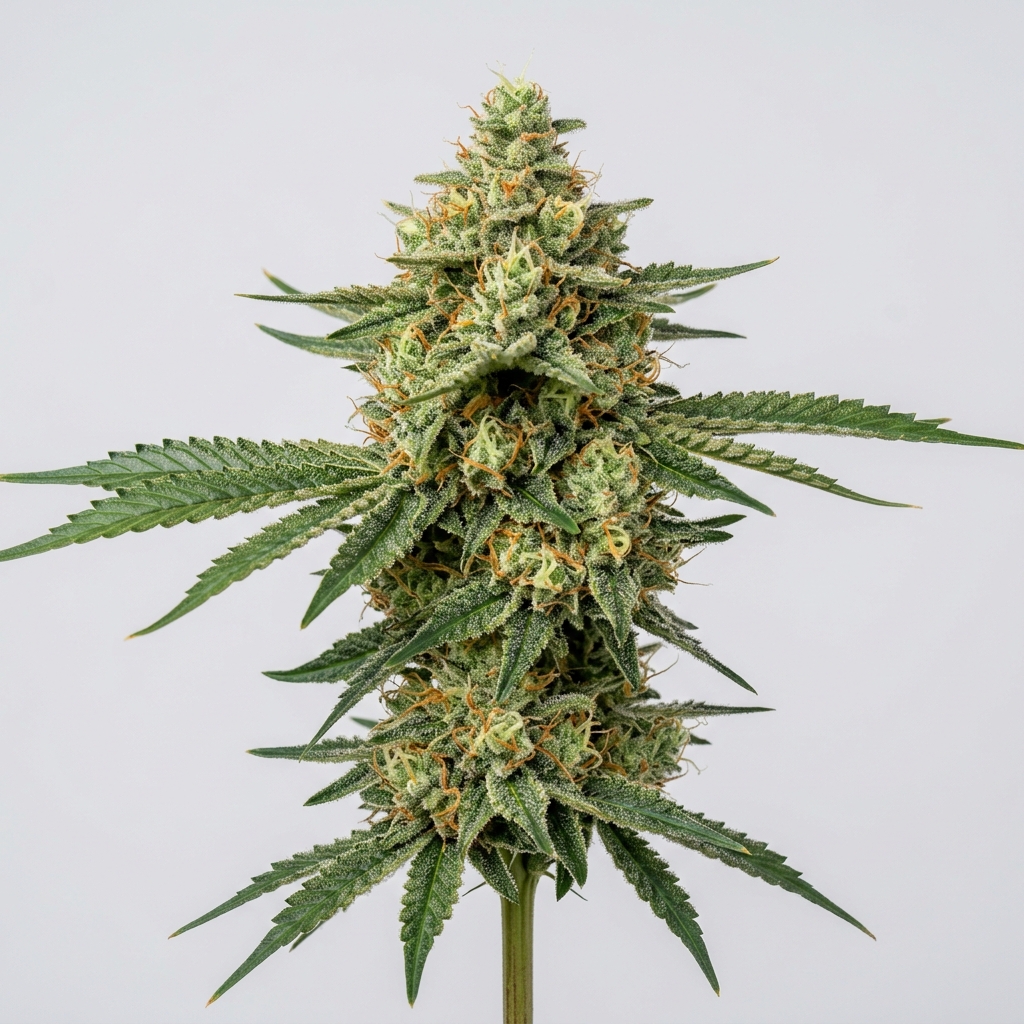
Kandy Kush (Cannabis Strain)
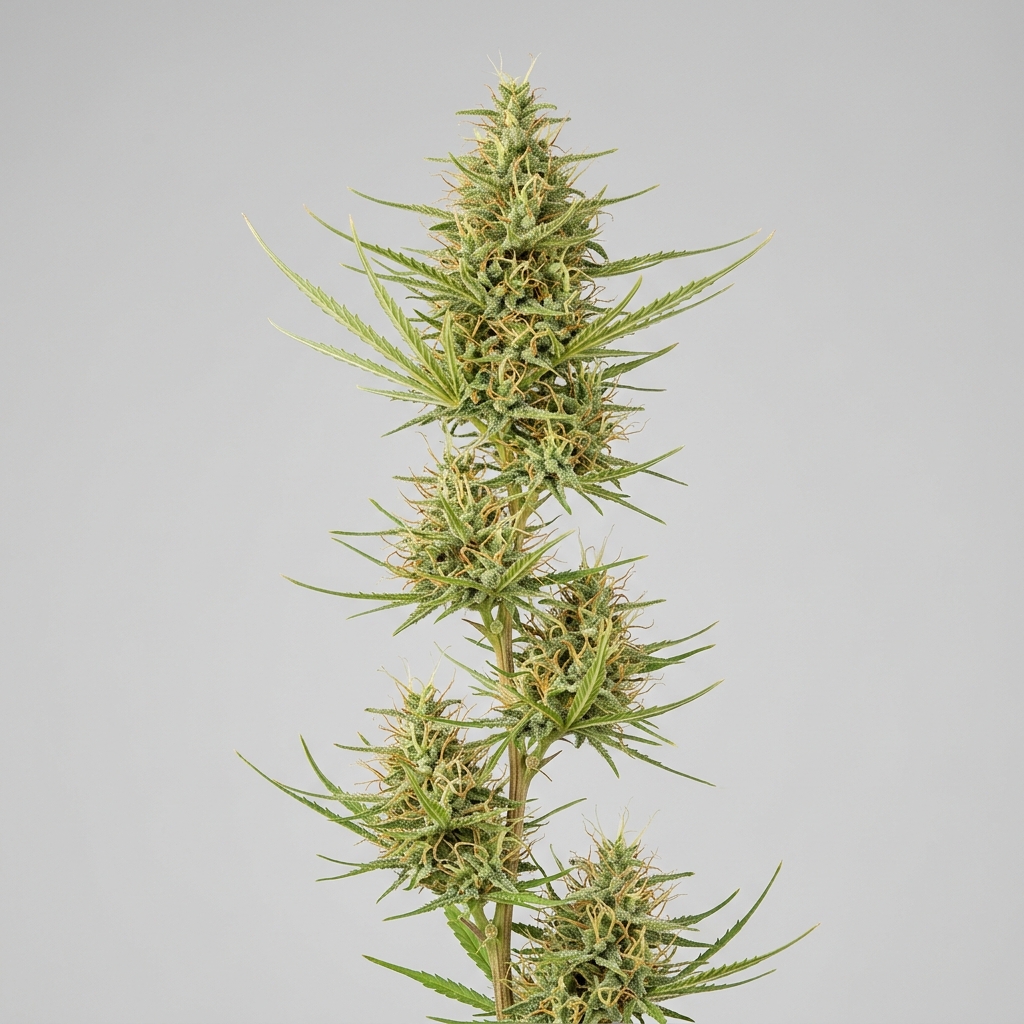
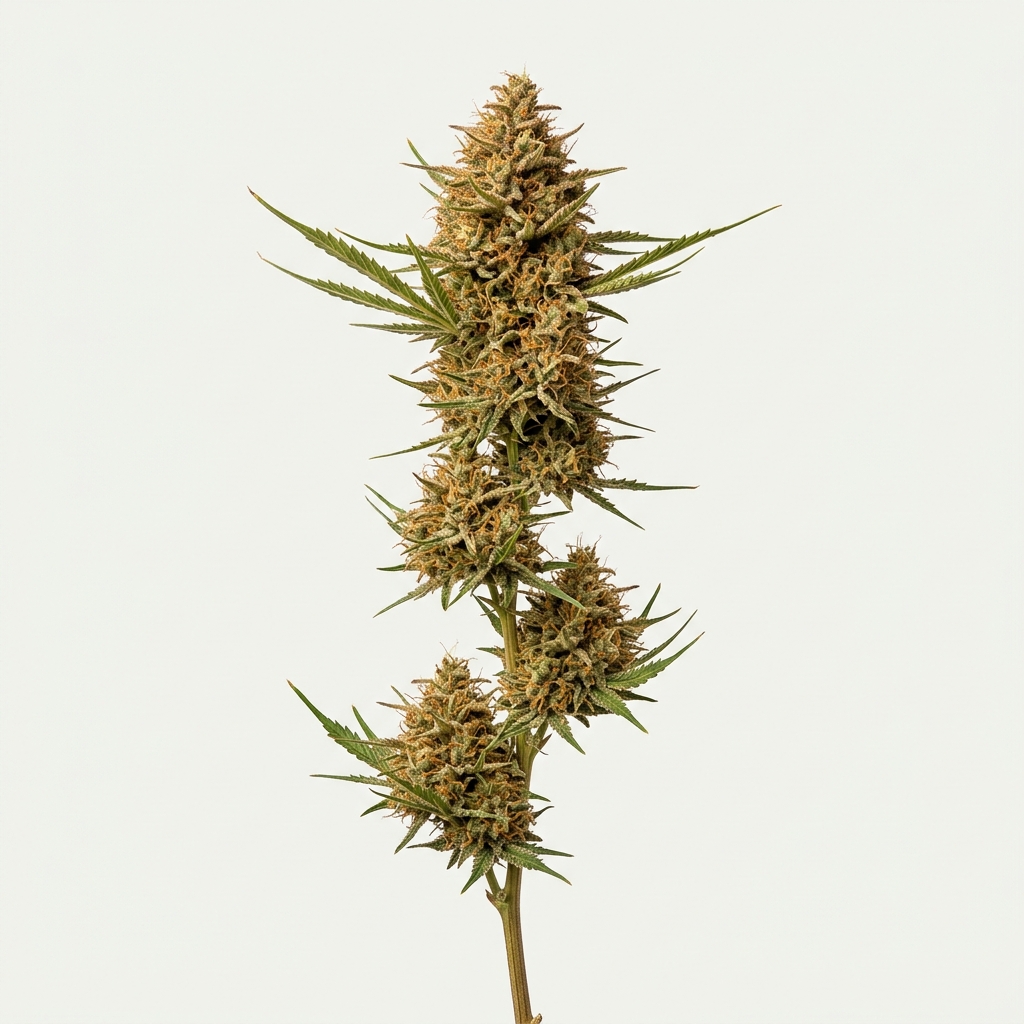
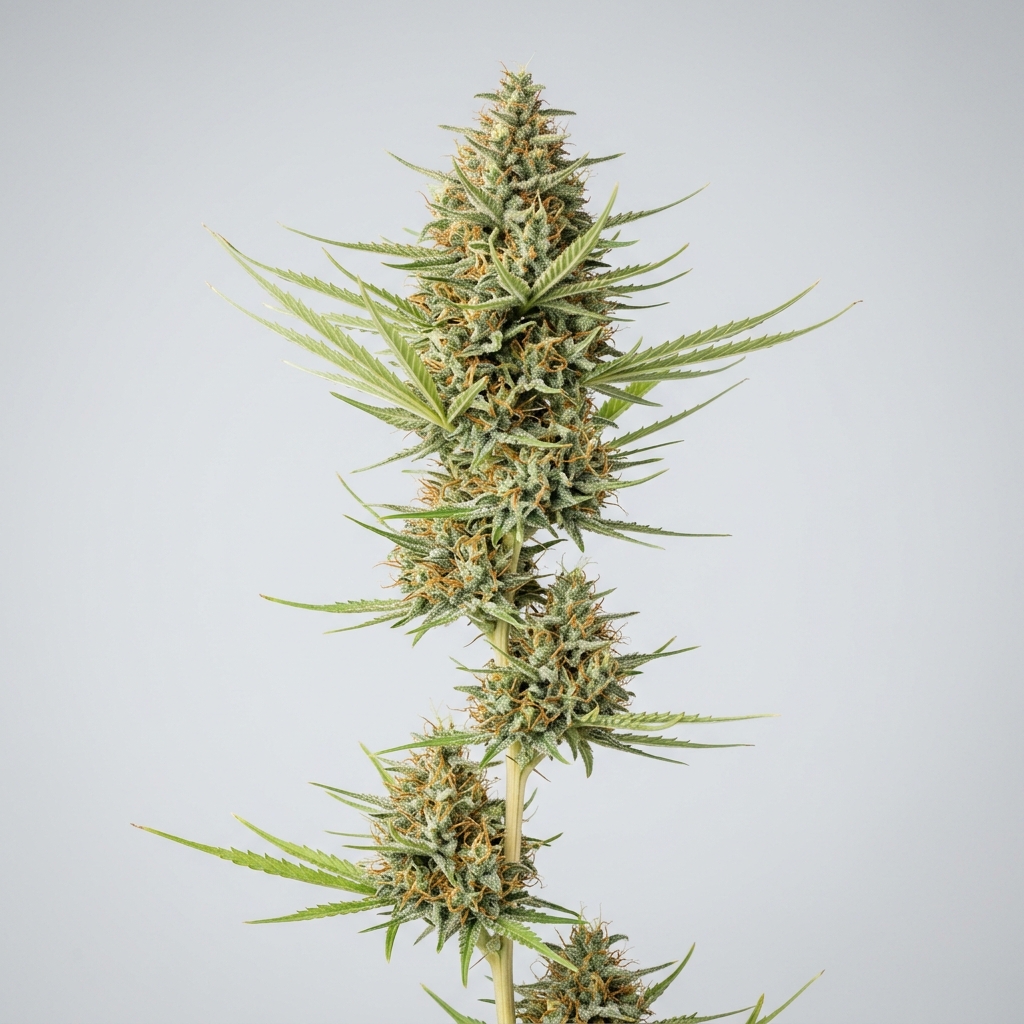
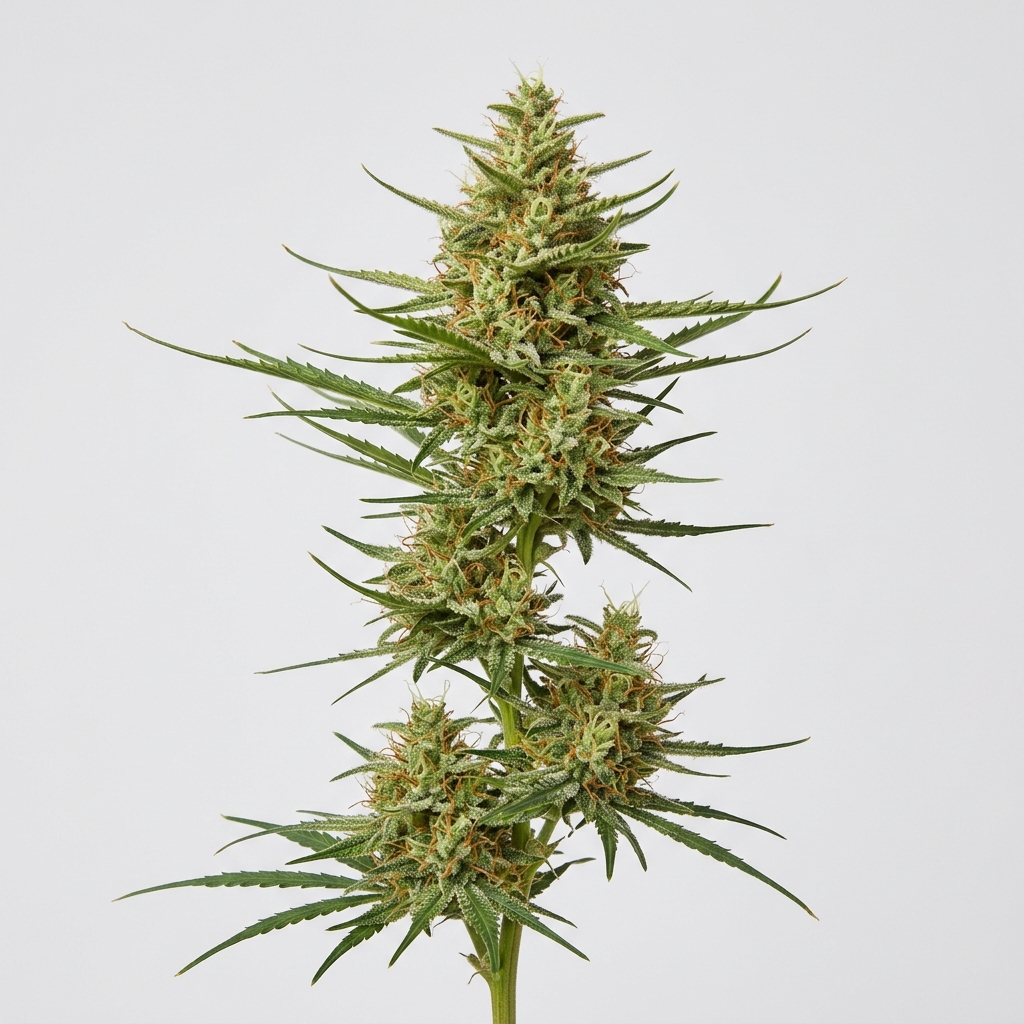
Kandy Kush is an indica-dominant hybrid crossing the legendary OG Kush with the high-yielding Trainwreck. Typically testing between 18% and 22% THC, this cultivar is highly regarded for its signature blend of sugary sweetness and classic earthy undertones. The plant develops dense, resin-rich flowers with a heavy coating of wet frost, inheriting the vigor of its Trainwreck parent while maintaining the compact, greasy resin structure of its OG lineage. Cultivators prize its manageable growth behavior and reliable performance in both indoor and outdoor setups.
Often selected by extraction artists, its sticky, trichome-laden buds yield high returns of terpene-rich resin. The balanced growth pattern showcases a moderate stretch during early flower, followed by rapid calyx development that fills out into chunky, light-green spear colas.
Quick Facts
| Attribute | Details |
|---|---|
| Genetics | OG Kush × Trainwreck |
| Variety | Indica-dominant Hybrid (approx. 60% Indica / 40% Sativa) |
| THC Range | 18% – 22% |
| Flowering Time | 9 – 10 Weeks (60 – 70 days) |
| Yield Potential | Moderate to High |
| Plant Height | Medium to Tall |
| Climate Preference | Mild, temperate climates with low late-flower humidity |
| Difficulty | Moderate |
Scientific & Botanical Overview
Kandy Kush shows a robust morphological profile that reflects its hybrid lineage. The vegetative stage showcases broad fan leaves and sturdy lateral branching, a trait heavily influenced by the Trainwreck parent. Internodal spacing remains moderate, allowing for excellent light penetration and airflow throughout the canopy.
As the plant transitions to the generative phase, the nodal sites quickly stack with dense bracts. The calyx-to-leaf ratio is high, making the manicuring process straightforward during harvest. Resin production begins early in flower, coating the sugar leaves and stems in a dense layer of glassy trichomes.
The pistils emerge bright orange against a backdrop of deep green and occasional violet hues when exposed to cooler night temperatures. Stem strength is generally sufficient to support the weight of the developing colas, though secondary support is recommended as the flowers pack on mass in the final weeks.
Effects & Use-Cases (Reported)
Commonly reported effects: Consumers typically describe a deeply relaxing physical sensation paired with a calm, uplifting mental clarity. The physical onset is gentle, gradually settling into the limbs without inducing immediate sedation, while the cerebral aspect remains clear and functional.
Use-case context: This profile makes it suitable for late afternoon or evening use, helping to ease physical tension after a long day. It is often favored for quiet creative sessions, social winding-down, or preparing for restful sleep.
Note: Individual experiences may vary, and high doses can lead to increased physical heaviness.
Aroma & Flavors
Aroma: The initial nose is dominated by a pronounced sugary sweetness, closely followed by a sharp citrus lift and a deep, earthy kush base. Faint notes of pine and fresh soil linger in the background, providing a complex olfactory profile.
Flavor: On the palate, it delivers a smooth blend of lemon candy and herbal spice, leaving a clean, sweet pine finish. The smoke is dense but smooth, with a distinct tartness on the exhale.
Terpene associations: Lab analyses frequently highlight high concentrations of myrcene, limonene, and caryophyllene, which drive its sweet-citrus and spicy-earth profile.
Tested Cannabinoid & Terpene Ranges
| Compound | Typical Range |
|---|---|
| Δ9-THC | 18.0% – 22.0% |
| CBD | < 1.0% |
| Myrcene | 0.5% – 0.9% |
| Limonene | 0.3% – 0.6% |
| Caryophyllene | 0.2% – 0.5% |
Note: Cannabinoid and terpene levels are highly variable and depend on cultivation practices, curing methods, and specific phenotypes.
Cultivation Notes
- Humidity Management: Maintain relative humidity (RH) around 50-55% during early flower, dropping to 40-45% in the final three weeks to protect the dense colas from moisture-related issues.
- Nutrient Regimen: Responds well to a moderate feeding schedule; avoid over-fertilizing with nitrogen during mid-to-late flower to prevent leaf-heavy bud structures.
- Canopy Training: use low-stress training (LST) or topping early in veg to manage the stretch and promote multiple dominant colas.
- Pruning & Defoliation: Implement strategic defoliation around day 21 of flower to clear out lower fan leaves and improve light penetration to lower bud sites.
- Phenotype Selection: Watch for phenotypes that lean toward the Trainwreck side, which may require extra trellis support due to longer, more flexible branches.
Grower Notes (Week-by-Week Snapshot)
- Weeks 1–3 (Transition & Stretch): Plants undergo a noticeable stretch, often doubling in height. Establish trellis netting early to guide the branching and ensure even canopy distribution.
- Weeks 4–6 (Bud Set & Resin Onset): Rapid flower development begins as calyxes start to swell. Resin glands appear along the bracts, and the sweet, lemony aroma starts to become prominent in the room.
- Weeks 7–9 (Maturation & Flush): Colas densify significantly under a thick blanket of wet frost. Flush the medium with plain water during the final 10 to 14 days, monitoring trichome clarity for the optimal window of cloudy and amber heads.
- Post-Harvest (Dry & Cure): Hang the whole plant to dry at 60°F (15°C) and 60% RH for 11 to 14 days. A slow dry followed by a minimum three-week cure preserves the delicate terpene clarity and sweet candy flavor.
Genetic Lineage
Kandy Kush was originally developed by Reserva Privada, a division of DNA Genetics, by crossing two highly influential West Coast cultivars. The maternal parent, OG Kush, contributes its signature fuel-forward, earthy undertones and dense, resinous flower structure.
The paternal contributor, Trainwreck, infuses the cross with vigorous growth, high yield potential, and a sharp, sweet lemon-citrus profile. This combination successfully tempers the sometimes finicky, slow-growing nature of OG Kush with the robust, resilient traits of Trainwreck.
Research Insights
Scientific interest in cultivars like Kandy Kush often centers on the interaction between its dominant monoterpenes and cannabinoid ratios. The combination of myrcene and limonene is frequently studied for its potential to modulate physical relaxation while maintaining mental alertness, a phenomenon commonly referred to as the entourage effect.
From a breeding perspective, the genetic stability of this cross has made it a popular foundation for creating contemporary dessert-leaning hybrids. Breeders value its ability to consistently pass down high trichome density and sweet flavor profiles to later generations.
Frequently Asked Questions
Is Kandy Kush easy to grow?
Kandy Kush is considered moderately easy to grow. It is significantly more forgiving than pure OG Kush, thanks to the vigorous and resilient growth traits inherited from its Trainwreck parent.
What does Kandy Kush smell like?
It features a dominant aroma of sugary candy sweetness, balanced by a sharp citrus lift and a deep, earthy kush base with subtle hints of pine.
How long is the flowering period for Kandy Kush?
This cultivar typically finishes flowering in 9 to 10 weeks (60 to 70 days) when grown indoors, while outdoor harvests generally occur in mid-to-late October.
Does Kandy Kush stretch a lot during flower?
Yes, it shows a moderate to heavy stretch during the first three weeks of flowering. Cultivators should employ training techniques like topping or trellising to manage the canopy height.
Educational Disclaimer
This content is for educational and informational purposes only. It does not constitute medical advice, diagnosis, or treatment. Always consult with a qualified healthcare professional before incorporating cannabis or any new botanical product into your wellness routine.
Rate and review this strain
Ratings and reviews are accepted only from signed-in Google accounts.
Sign in with Google to leave a rating and written review.
Latest Reviews
0 reviewsNo reviews yet. Be the first Google user to rate and review this strain.