
Frog Poison (Cannabis Strain)
Frog Poison (also circulating in craft circles as Toad Venom or Frog Venom) is a modern, high-potency indica-dominant hybrid cultivar (approximately 60% indica / 40% sativa). Bred through the powerhouse combination of Animal Face and Sin Mintz (with notable selections by Growers Choice and Ronin Seeds), Frog Poison has quickly earned cult status for its sharp, contrast-heavy terpene profile and resinous flower structure.
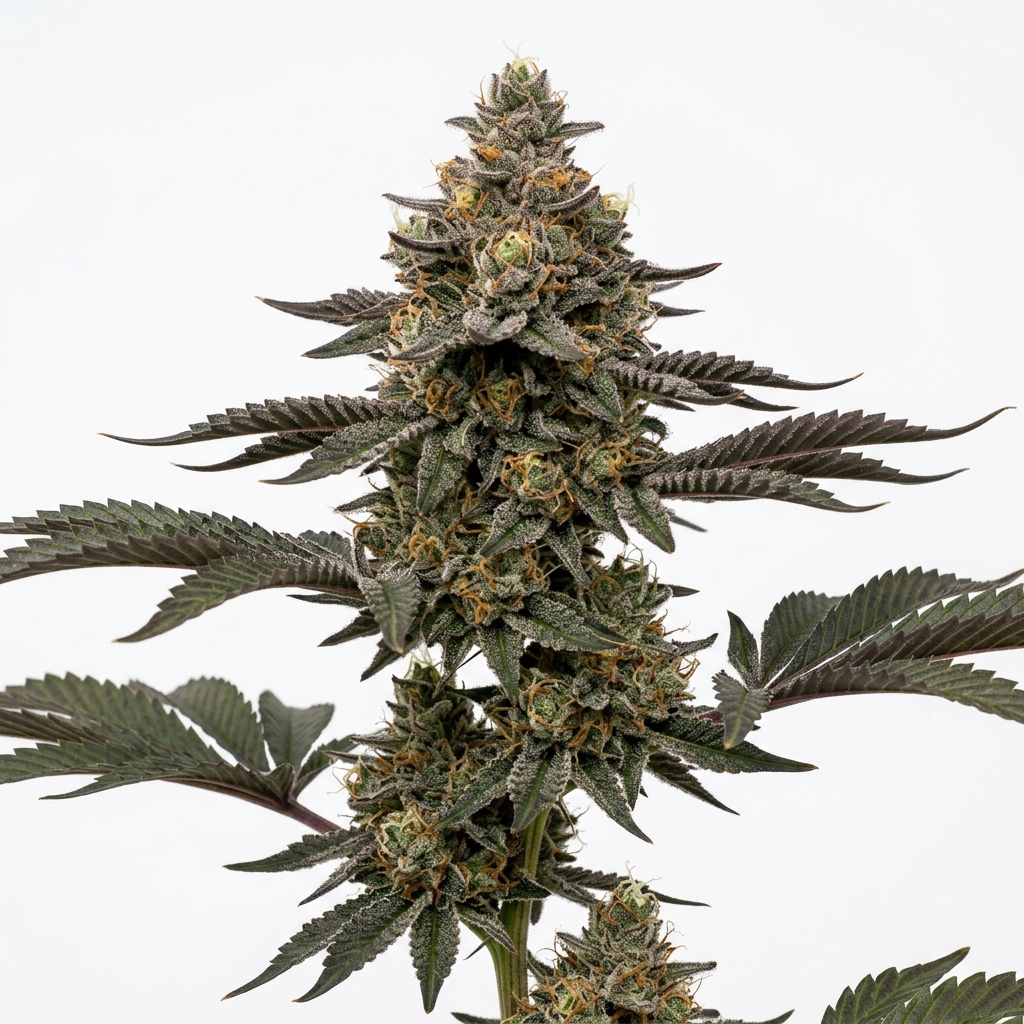
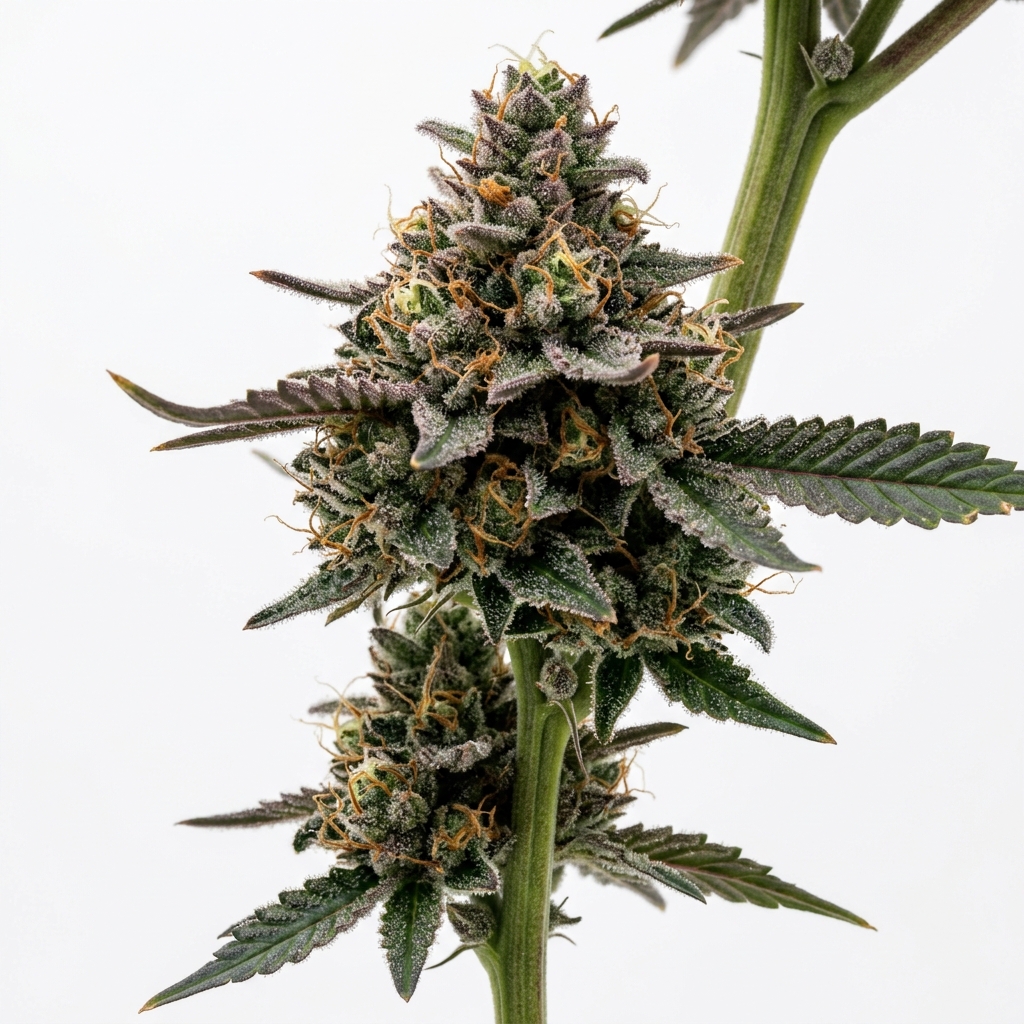
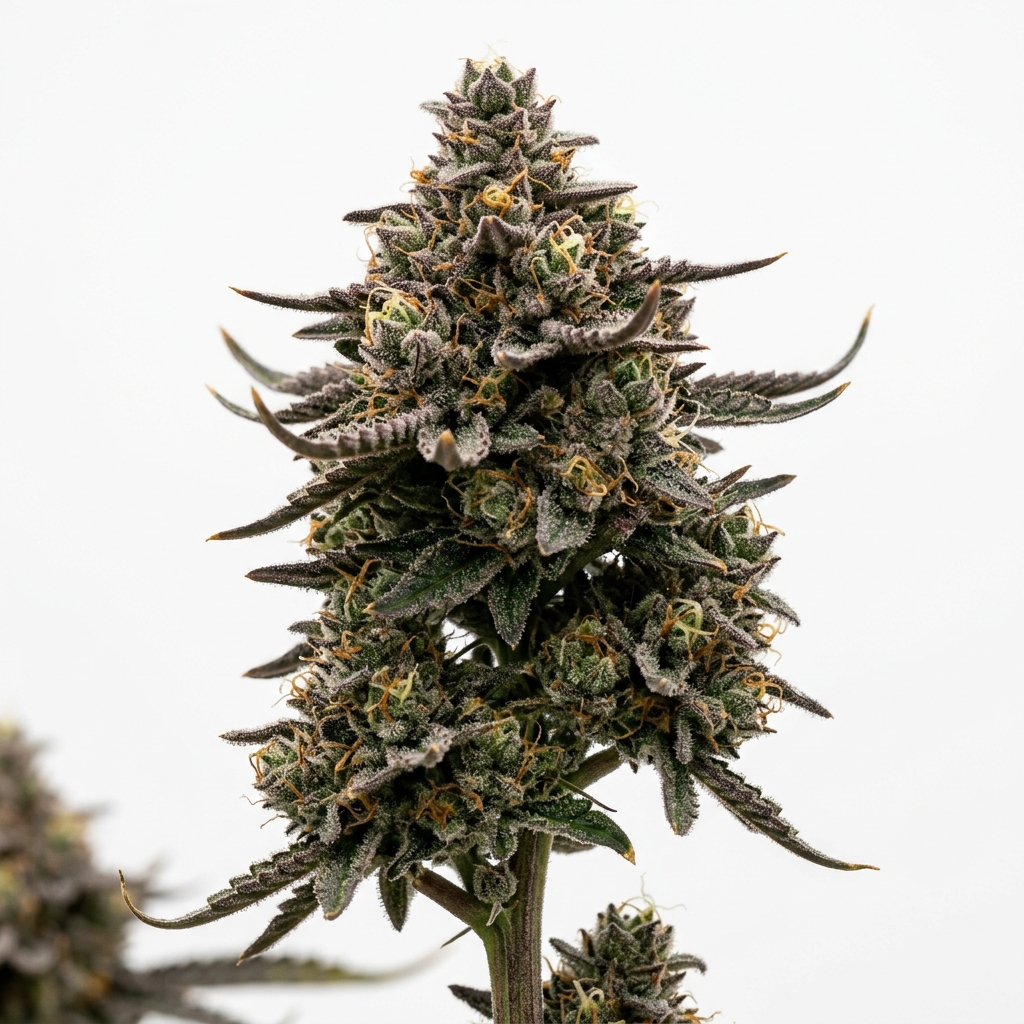
Celebrated for its complex juxtaposition of cool herbal mint, sweet cookie dough, earthy hops, and pungent diesel fuel, Frog Poison offers exceptional bag appeal with dense, forest-green nugs accented by deep violet undertones and a heavy blanket of glandular trichomes. It delivers an immediate mental uplift that smoothly evolves into deep, physical relaxation. The information below is provided strictly for scientific and botanical reference.
Quick Facts
| Feature | Details |
|---|---|
| Breeder | Growers Choice / Ronin Seeds |
| Genetics | Animal Face × Sin Mintz |
| Variety | Indica-dominant hybrid (60% indica / 40% sativa) |
| THC Range | 24%–30% |
| Flowering Time | 8–9 weeks (56–63 days indoors) |
| Yield Potential | 450–550 g/m² indoors / up to 600 g/plant outdoors |
| Plant Height | 90–140 cm; stout hybrid frame with heavy lateral branching |
| Climate Preference | Temperate, dry climates / Climate-controlled indoor environments |
| Difficulty | Intermediate (demands strict humidity control during late flower) |
Scientific & Botanical Overview
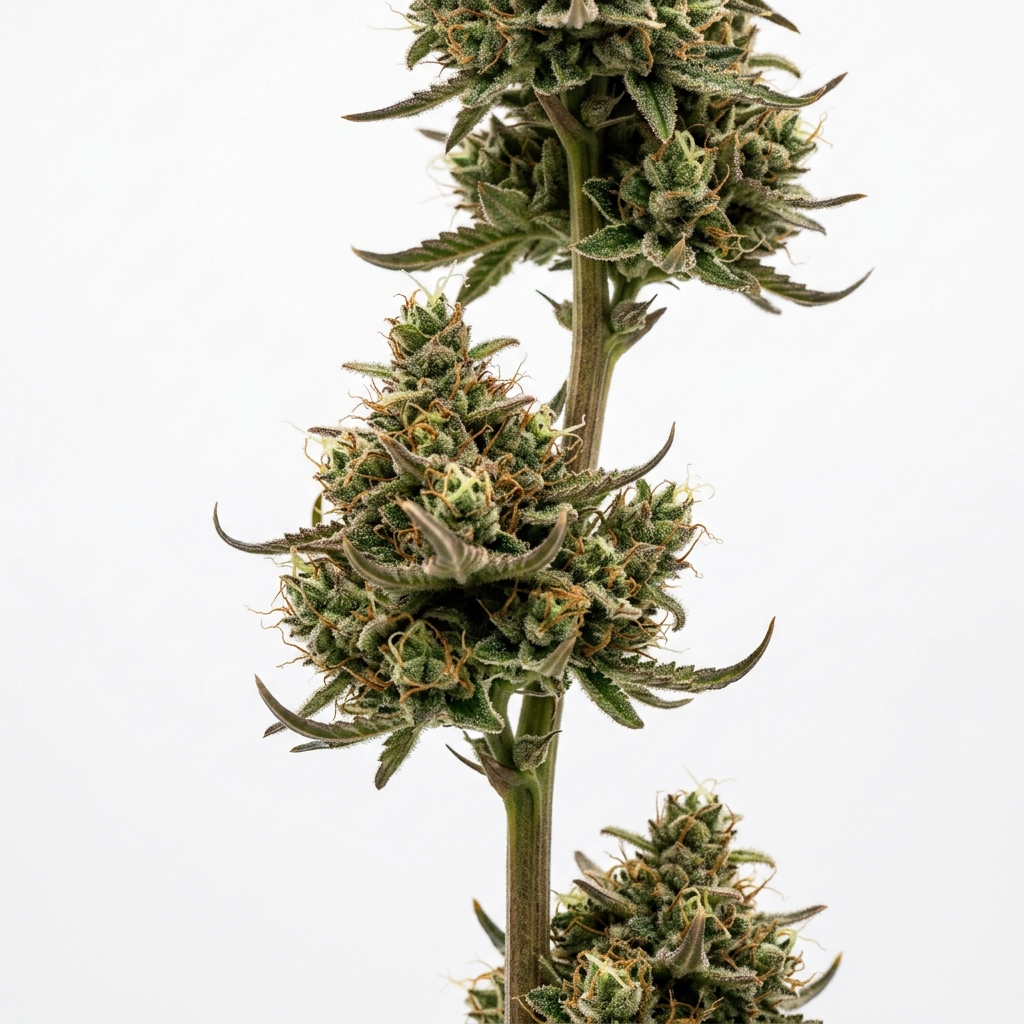
Frog Poison presents a compact, symmetrical growth structure derived from its Sin Mintz heritage, combined with the robust, node-dense stacking of Animal Face. Plants display broad fan leaves with dark emerald coloration that frequently transition into plum and violet tones under cooler late-stage night temperatures. The mature flowers are medium-to-large, tightly packed calyx clusters completely coated in large capitate-stalked trichome heads.
From a chemical perspective, Frog Poison is driven by a unique, terpene-rich matrix dominated by beta-caryophyllene, limonene, myrcene, and humulene. This dynamic combination produces a complex sensory signature—sharp mint and sweet bakery notes overlaid with earthy hops and peppery diesel fuel. Due to the high structural integrity and density of its resin heads, this cultivar is exceptionally well-suited for cold-water separation and live rosin production.
Effects & Use-Cases (Reported)
Commonly reported effects: An initial wave of alert, sensory-enhancing cerebral clarity that gently shifts into a calming, grounding body stone without immediate heavy couch-lock.
Use-case context: Frog Poison excels as a late afternoon or evening cultivar. It is frequently chosen by experienced consumers looking to unwind, alleviate physical stress, and settle into a relaxed state while keeping mental fog at bay.
Note: These observations are anecdotal reports and should not be interpreted as medical claims.
Aroma & Flavors
Aroma: Cool herbal mint, pungent diesel gas, sweet bakery dough, and earthy pine laced with subtle citrus zest and peppery spice.
Flavor: The inhale coats the palate with crisp mint and sweet pastry cream, followed on the exhale by skunky fuel, herbal earth, and a lingering citrus-pepper kick.
Terpene associations: Beta-Caryophyllene, Limonene, Myrcene, Humulene, and Linalool.
Tested Cannabinoid & Terpene Ranges
| Compound | Typical Range* | Notes |
|---|---|---|
| Δ9-THC | 24.0%–30.0% | High-potency cannabinoid baseline delivering immediate euphoria and physical comfort |
| CBG / TAC | 0.6%–1.2% | Minor cannabinoids aiding entourage synergy and overall active compound density |
| Caryophyllene | 0.5%–0.9% | Primary terpene delivering peppery bite and direct CB2 receptor activation |
| Limonene | 0.4%–0.8% | Provides bright citrus-mint top notes and mood-boosting characteristics |
| Myrcene | 0.3%–0.6% | Adds musky depth and deepens physical body relaxation |
| Humulene / Linalool | 0.2%–0.4% | Enhances herbal hop aroma and subtle floral smoothness |
*Ranges reflect lab-tested indoor craft harvests and may vary based on phenotype, grow environment, harvest timing, and testing methodologies.
Cultivation Notes
- Light Cycle: Standard 18/6 light schedule during vegetative growth; switch to 12/12 photoperiod to initiate flowering.
- Humidity Targets: Keep relative humidity around 50–55% during early bloom, reducing strictly to 40–45% in weeks 6–9 to protect dense flower clusters from moisture retention.
- Nutrition: Moderate-to-heavy feeder; benefits from steady nitrogen during early veg and elevated Phosphorus-Potassium (PK) supplementation starting in week 3 of flower.
- Training: Responds exceptionally well to topping and Low-Stress Training (LST). Developing a multi-top canopy maximizes light penetration across all cola sites.
- Harvest Window: Early to mid-October in Northern Hemisphere outdoor cultivation.
Grower Notes (Week-by-Week Snapshot)
- Weeks 1–3 (The Stretch): Moderate 1.25x to 1.5x vertical stretch. Establish a flat trellis canopy early to support heavy lateral branch expansion.
- Weeks 4–6: Rapid floral cluster formation and resin frosting. Strong notes of minty fuel and sweet cookie dough begin filling the room.
- Weeks 7–9: Nugs swell and harden into dense, resin-soaked clusters. Introduce cooler night temperatures (16–18 °C) to bring out violet hues.
- Post-Harvest: Slow hang dry at 15–16 °C and 55–60% RH for 12–14 days. Jar cure for 4–6 weeks to preserve volatile monoterpenes and refine the mint-gas flavor.
Genetic Lineage
Frog Poison combines two notable elite cultivars:
Animal Face (Face Off OG × Animal Mints) brings robust potency, fuel-forward depth, and massive trichome coverage.
Sin Mintz (Girl Scout Cookies × SinMint Cookies) contributes crisp mint-cookie sweetness, tight internodal spacing, and vivid color expression.
Research Insights
Frog Poison presents a strong example of entourage chemistry where Caryophyllene, Limonene, and Humulene interact synergistically with THC levels exceeding 24%. Caryophyllene acts as a dietary cannabinoid that selectively binds with CB2 receptors to soothe physical discomfort, while Limonene provides an uplifting cerebral counterbalance that prevents heavy sluggishness.
Horticulturally, the high capitate-stalked trichome head concentration makes Frog Poison an elite candidate for solventless hash rosin extractions.
Frequently Asked Questions
Is Frog Poison an indica or sativa strain?
Frog Poison is an indica-dominant hybrid (60% indica / 40% sativa) offering a balanced mix of mental clarity and physical relaxation.
What does Frog Poison taste like?
It features a layered profile of cool herbal mint, sweet bakery cream, skunky gas, and earthy pepper.
What are the parent strains of Frog Poison?
Frog Poison is bred from a cross of Animal Face and Sin Mintz.
How difficult is Frog Poison to grow?
It is rated intermediate; while sturdy and adaptable, its dense flower buds require strict humidity management during late flowering to prevent mold.
Educational Disclaimer
This page is provided for scientific and horticultural reference only. Cannabis laws vary by jurisdiction; always ensure compliance with local regulations.
Rate and review this strain
Ratings and reviews are accepted only from signed-in Google accounts.
Sign in with Google to leave a rating and written review.
Latest Reviews
0 reviewsNo reviews yet. Be the first Google user to rate and review this strain.
Follow New Cultivar Records
Get newly documented genetics, breeder history, research highlights, and important Strainpedia discoveries by email.