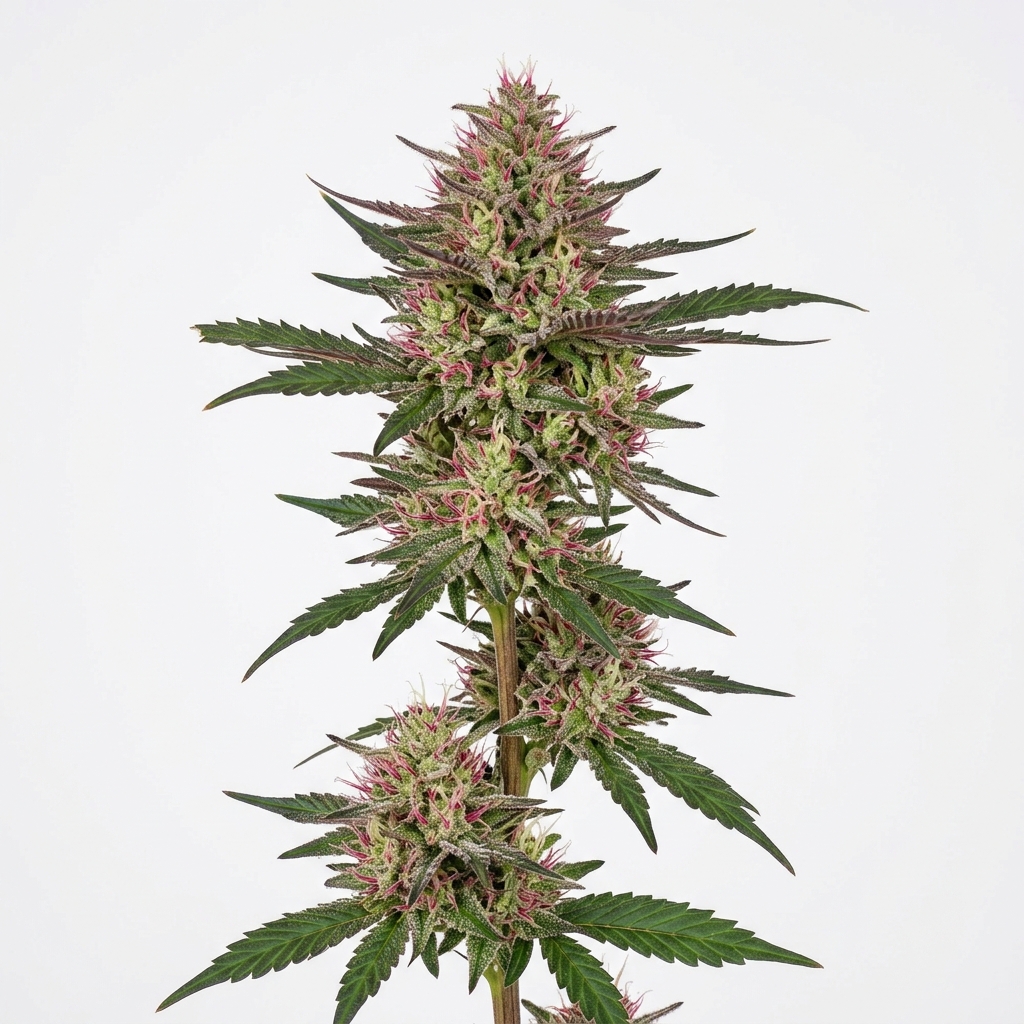
Frisian Dew (Cannabis Strain)
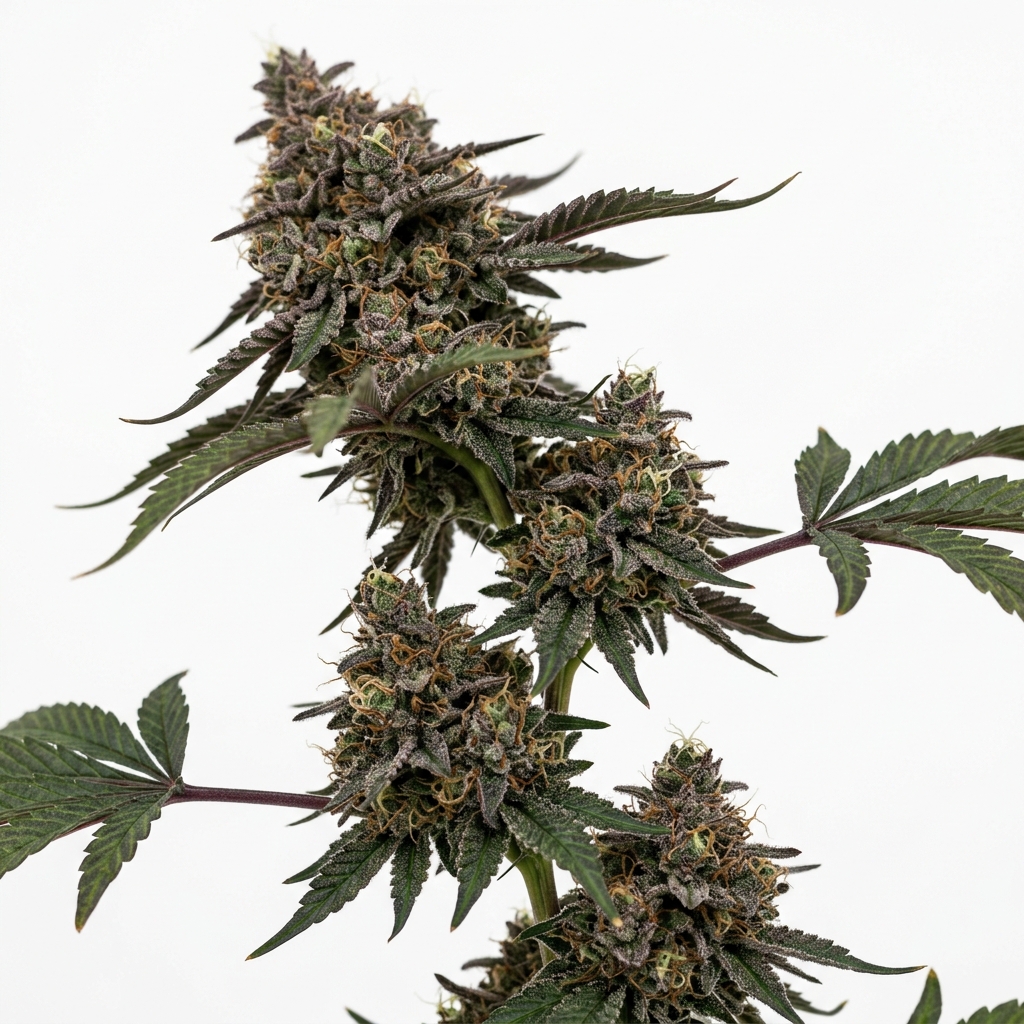
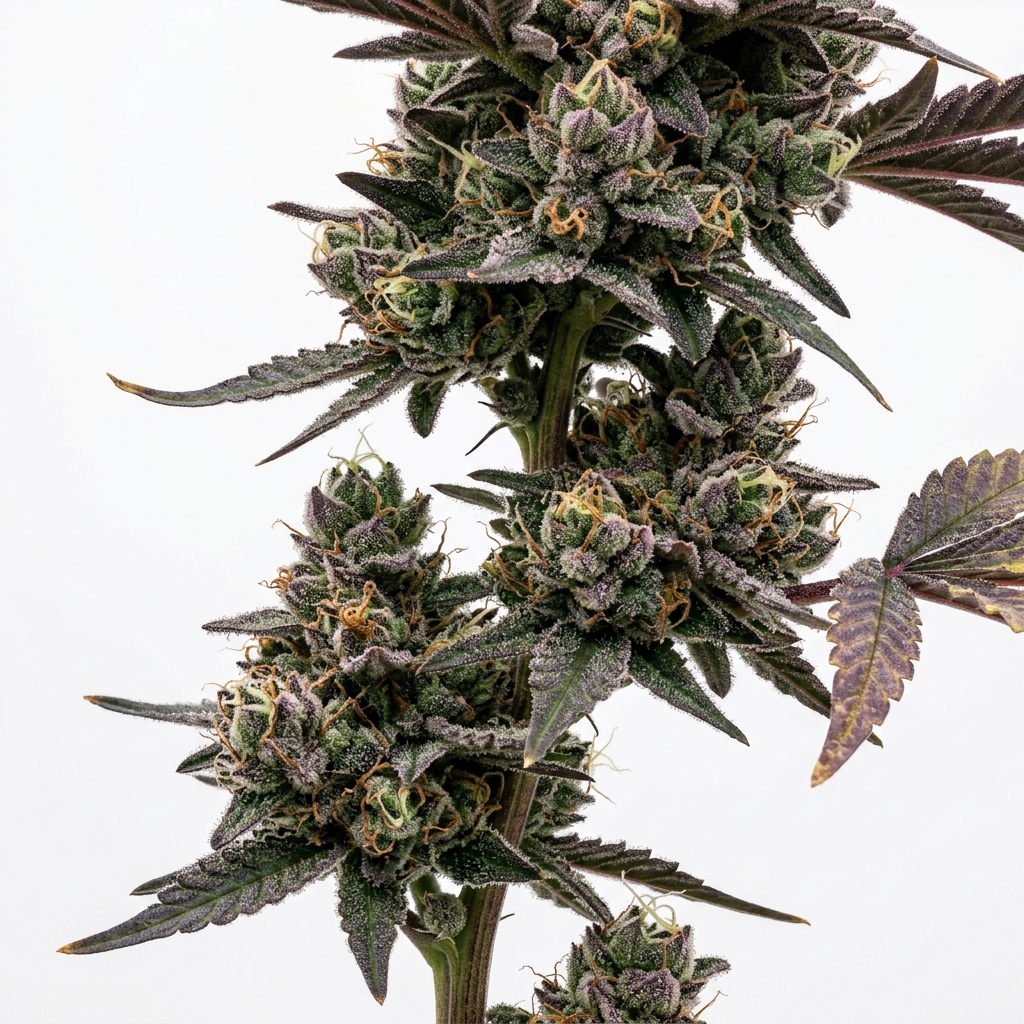
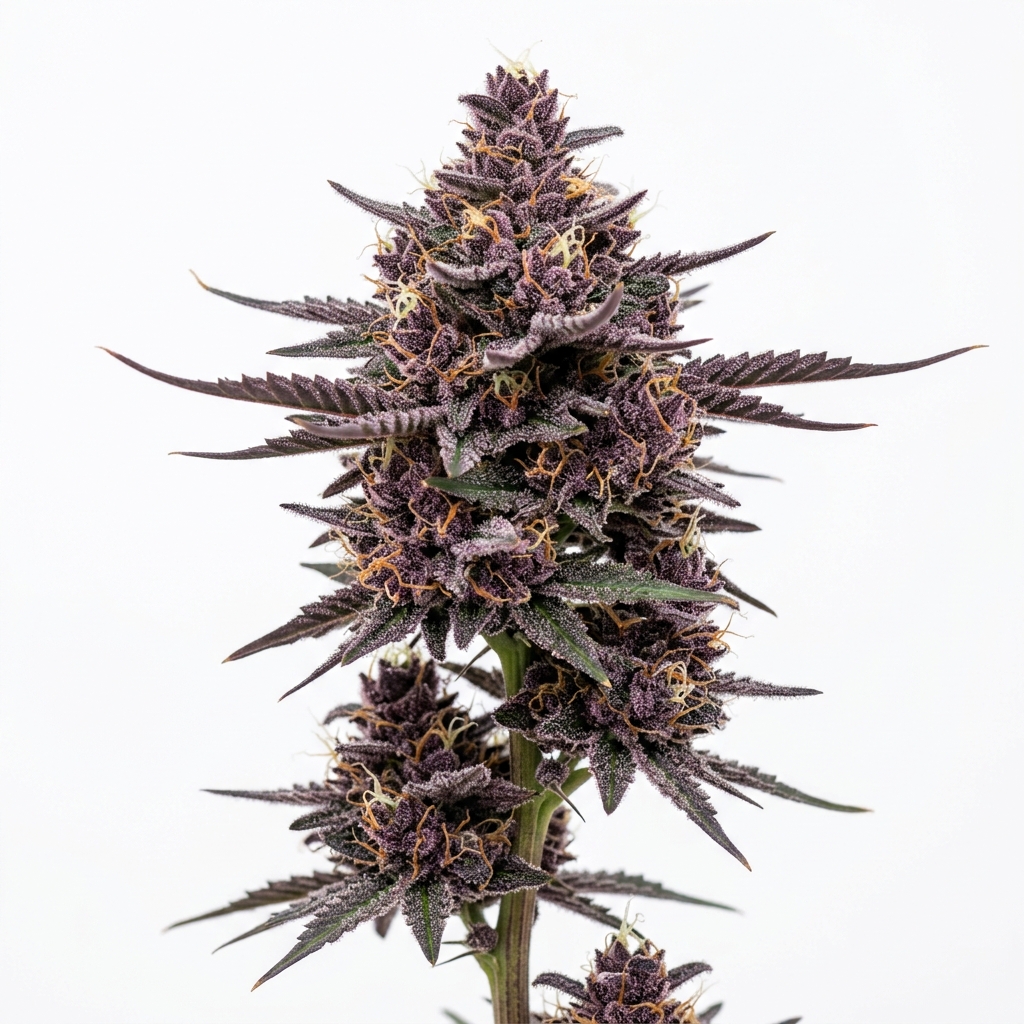
Frisian Dew is a highly resilient hybrid cannabis strain, typically testing between 9% and 16% THC, bred by crossing Super Skunk and Purple Star. Developed specifically for demanding outdoor environments, this cultivar is celebrated for its striking pink-and-purple-hued spear colas, robust mold resistance, and a complex aroma profile dominated by sweet forest pine and a dark berry edge. Its moderate potency and steady, functional effects make it a classic choice for cultivators seeking reliable outdoor harvests and a smooth, daytime-friendly experience.
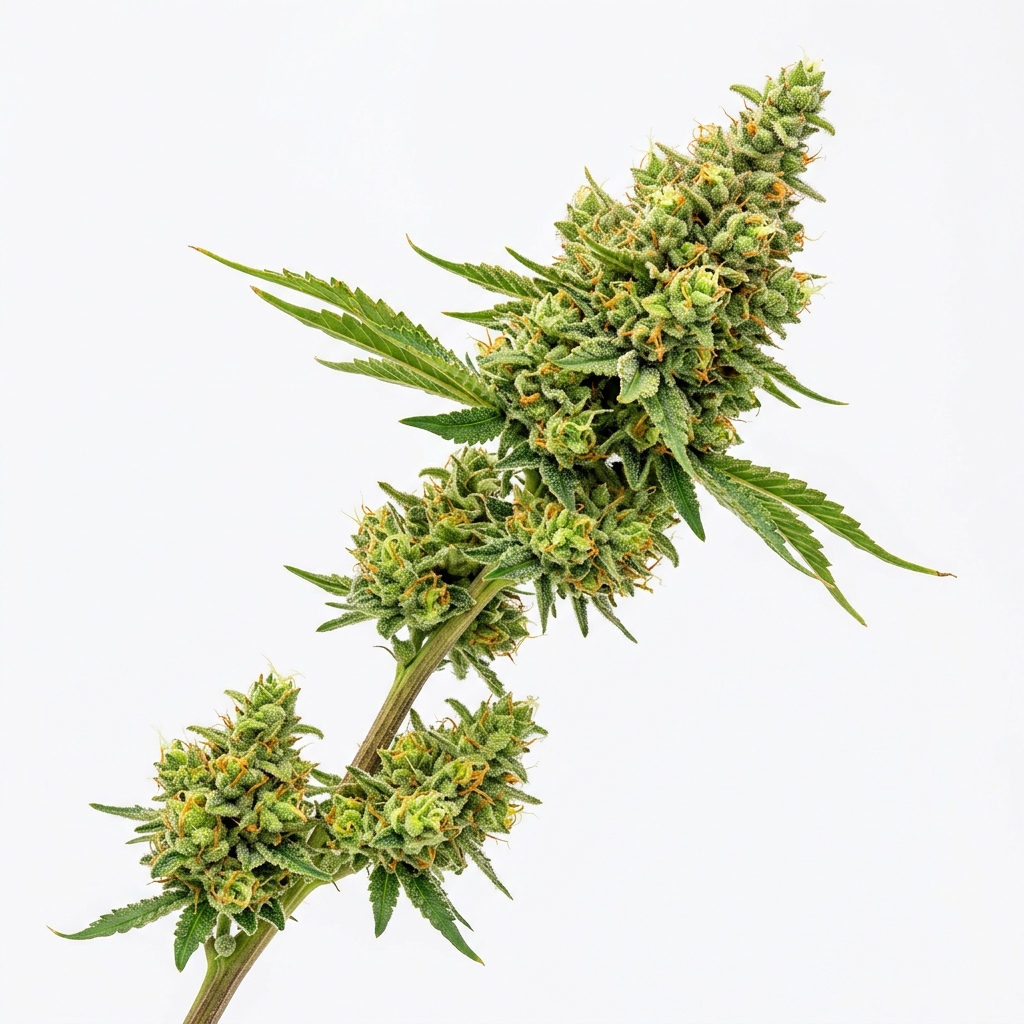
Unlike indoor-optimized boutique strains, this variety thrives under natural sunlight, showing remarkable tolerance to cool, damp climates. Cultivators prize its fast flowering cycle and the visual contrast of its bright magenta pistils against light-green bracts.
Quick Facts
| Metric | Details |
|---|---|
| Genetics | Super Skunk × Purple Star |
| Variety | Hybrid (50/50) |
| THC Range | 9% – 16% |
| Flowering Time | 7 – 8 weeks (Early October outdoors) |
| Yield Potential | High (especially when grown in open ground) |
| Plant Height | Tall (up to 3 meters outdoors) |
| Climate Preference | Cool, temperate, northern outdoor climates |
| Difficulty | Easy (highly forgiving outdoor classic) |
Scientific & Botanical Overview
Botanically, Frisian Dew shows a vigorous hybrid structure that leans toward its Sativa heritage in growth habit while retaining Indica-dominant bud density. The plants develop sturdy main stems with wide internodal spacing, facilitating excellent internal airflow that naturally discourages localized humidity traps.
The foliar morphology is characterized by broad, dark green fan leaves that transition to deep violet and magenta tones as night temperatures drop in late summer. This anthocyanin expression is highly stable across phenotypes, often coloring up to half of the flowering canopy in vibrant purple shades.
The trichome development is dense but fine, producing glassy buds that feel slightly sticky rather than greasy. Swollen calyxes cluster in elongated, spear-like structures that resist rot and powdery mildew, even during prolonged autumn rains.
Effects & Use-Cases (Reported)
Commonly reported effects: Users frequently describe a clear-headed, uplifting sensation that brings a gentle physical relaxation without heavy sedation. The moderate THC level allows for sustained focus, making it a popular option for daytime activities or creative projects.
Use-case context: This cultivar is highly suited for social gatherings, outdoor hikes, or light physical tasks where mental clarity is preferred over intense psychoactivity. Its mild physical comedown makes it easy to integrate into a busy schedule.
Note: Individual sensitivity to cannabinoids varies; moderate-potency strains can still produce pronounced effects depending on personal tolerance and consumption methods.
Aroma & Flavors
Aroma: The initial nose is earthy and sweet, immediately followed by a sharp pine lift and a distinct forest-floor musk. Breaking the dried buds releases a subtle, dark berry edge and a soft herbal undertone reminiscent of lavender and dry wood.
Flavor: On the palate, the smoke is smooth and herbal, carrying a sweet, spicy profile with a light mint finish. The skunk heritage is present but muted, leaving a clean, earthy aftertaste that lingers gently without harshness.
Terpene associations: The terpene profile is typically dominated by myrcene, pinene, and caryophyllene, which combine to create its characteristic woody, herbal, and mildly spicy sensory signature.
Tested Cannabinoid & Terpene Ranges
| Compound | Typical Range |
|---|---|
| Δ9-THC | 9.0% – 16.0% |
| CBD | < 0.2% |
| Myrcene | 0.3% – 0.6% |
| Pinene | 0.15% – 0.4% |
| Caryophyllene | 0.1% – 0.3% |
Note: Cannabinoid and terpene levels are highly variable and depend on environmental factors, soil nutrition, and specific phenotypic expression.
Cultivation Notes
- Humidity: Highly tolerant of high late-flower humidity, though keeping air moving around dense colas is always recommended.
- Nutrition: Responds well to a moderate nutrient regimen; excessive nitrogen in mid-to-late flower can delay the onset of purple coloration.
- Training: Responds excellently to topping and low-stress training (LST) to manage its significant outdoor stretch and maximize the number of primary spear colas.
- Harvest: Typically ready for outdoor harvest by early October in the Northern Hemisphere, showing excellent resistance to early autumn frosts.
- Phenotype management: Look for the purple-flowering phenotype, which tends to carry the most balanced sweet-and-spicy terpene profile.
Grower Notes (Week-by-Week Snapshot)
- Weeks 1–3 (Vegetative & Early Stretch): The plant shows rapid vegetative growth with a controlled but noticeable stretch. Ensure early support or trellising is in place, as branches can become heavy later in the cycle.
- Weeks 4–6 (Mid-Flower & Color Onset): Bud sites begin to stack rapidly, forming long, slender clusters. Pink and light purple hues start to appear on the pistils and calyx margins, especially if night temperatures begin to drop.
- Weeks 7–9 (Late Flower & Senescence): The colas swell into dense, resin-rich flowers with deep purple bracts. Monitor trichome maturity; the sweet forest-floor aroma will intensify as the glassy buds reach peak ripeness.
- Post-Harvest (Slow Dry & Cure): A slow, 10-to-14-day dry at 60°F and 60% relative humidity preserves the delicate pinene and berry notes. A minimum three-week cure in airtight vessels locks in the smooth, herbal flavor profile.
Genetic Lineage
Frisian Dew was developed through an intensive selection process in Friesland, Netherlands, crossing a highly resilient Super Skunk with a robust, purple-flowering Purple Star. The goal was to combine the vigorous growth and high yield potential of Skunk genetics with the cold hardiness and striking coloration of the Purple Star lineage.
Years of outdoor field testing and selective breeding resulted in a highly stabilized hybrid that consistently outperforms indoor-bred varieties in harsh, northern climates. The lineage preserves the classic sweet, spicy undertones of old-school Dutch genetics while prioritizing physical resilience.
Research Insights
Analytical testing of outdoor-grown Frisian Dew often reveals a high concentration of monoterpenes, particularly pinene and myrcene. These compounds are thought to play a role in the plant’s natural defense mechanisms against pests and environmental stressors, while simultaneously contributing to its crisp, forest-like aroma.
The stable expression of anthocyanins in this cultivar has been of interest for studying temperature-induced pigment changes in cannabis. The genetic pathway inherited from Purple Star allows for deep purple coloration even under relatively mild autumn conditions, demonstrating a highly efficient genetic adaptation to temperate zones.
Frequently Asked Questions
Can Frisian Dew be grown successfully indoors?
While bred specifically for outdoor performance, it can be grown indoors. However, its significant stretch and preference for natural sunlight mean it requires careful height management and strong lighting to match outdoor yields.
What makes this strain so resistant to mold?
Its physical structure features open, airy branching and slender, elongated spear colas that do not trap moisture as easily as tight, golf-ball-shaped Indica buds, allowing wind to dry the plant quickly after rain.
How strong are the effects of Frisian Dew?
It is a moderate-potency strain, typically testing between 9% and 16% THC. It provides a highly functional, clear-headed lift rather than an overwhelming psychoactive experience.
When is the best time to harvest outdoors?
In the Northern Hemisphere, it is generally ready for harvest between late September and early October, showing excellent resilience against early autumn rains and light frost.
Educational Disclaimer
This content is for educational and informational purposes only. Cultivation of cannabis is subject to varying local, state, and federal laws. Always consult local regulations before germinating seeds or cultivating cannabis plants.
Rate and review this strain
Ratings and reviews are accepted only from signed-in Google accounts.
Sign in with Google to leave a rating and written review.
Latest Reviews
0 reviewsNo reviews yet. Be the first Google user to rate and review this strain.
Follow New Cultivar Records
Get newly documented genetics, breeder history, research highlights, and important Strainpedia discoveries by email.