Brainstorm (Cannabis Strain)
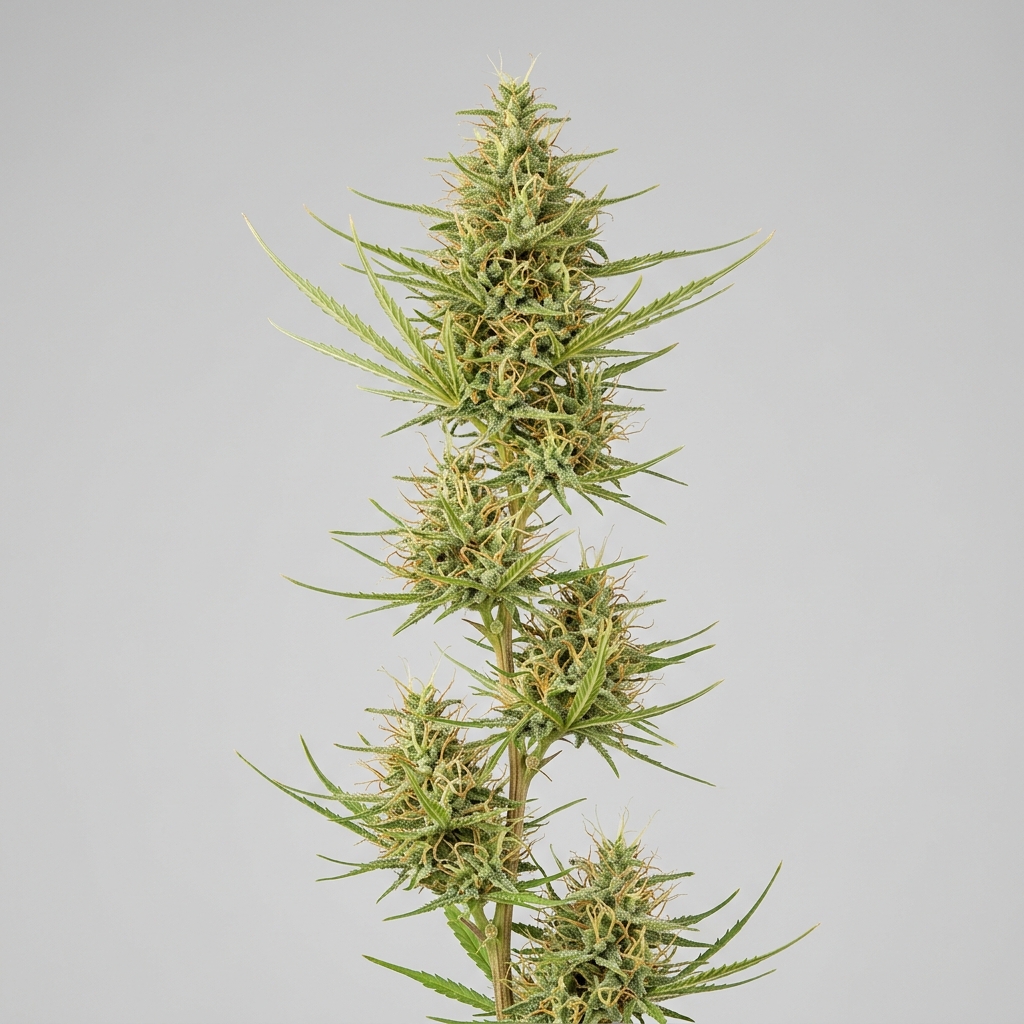
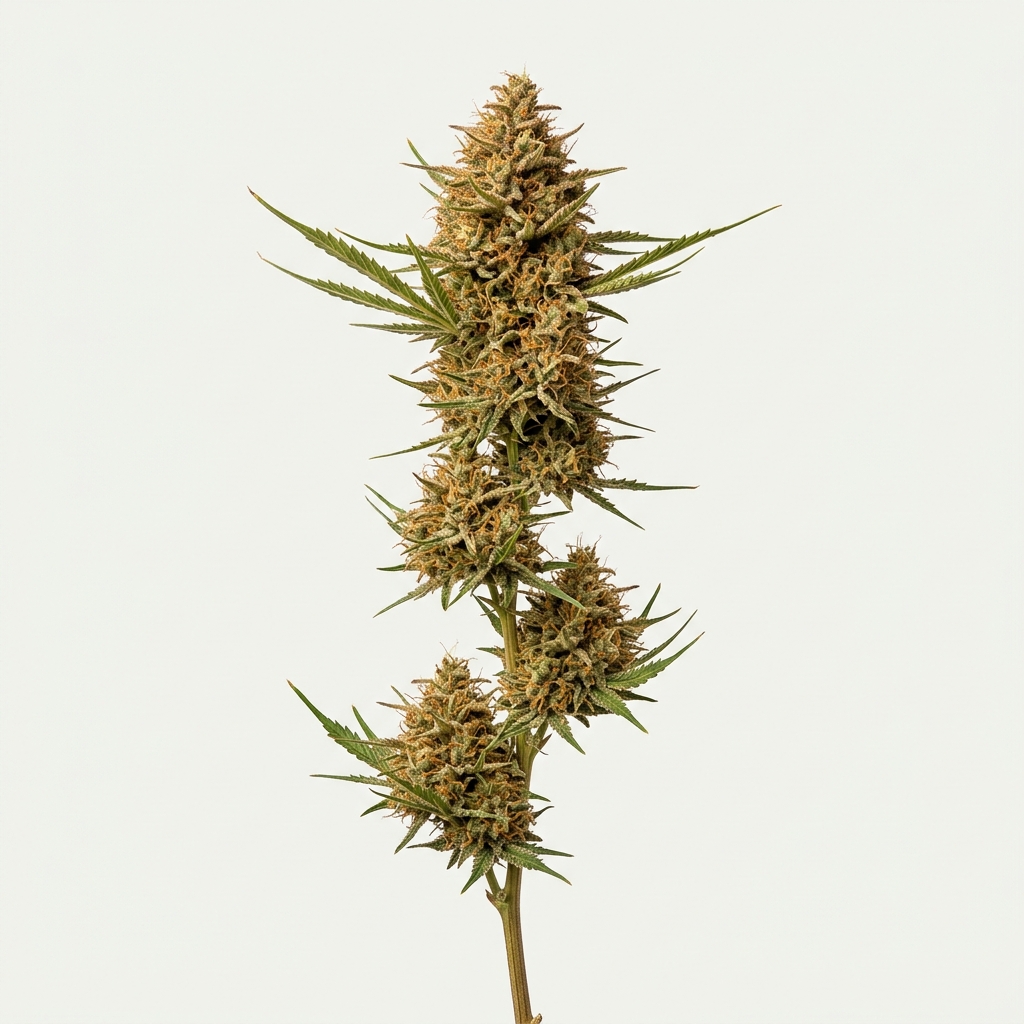
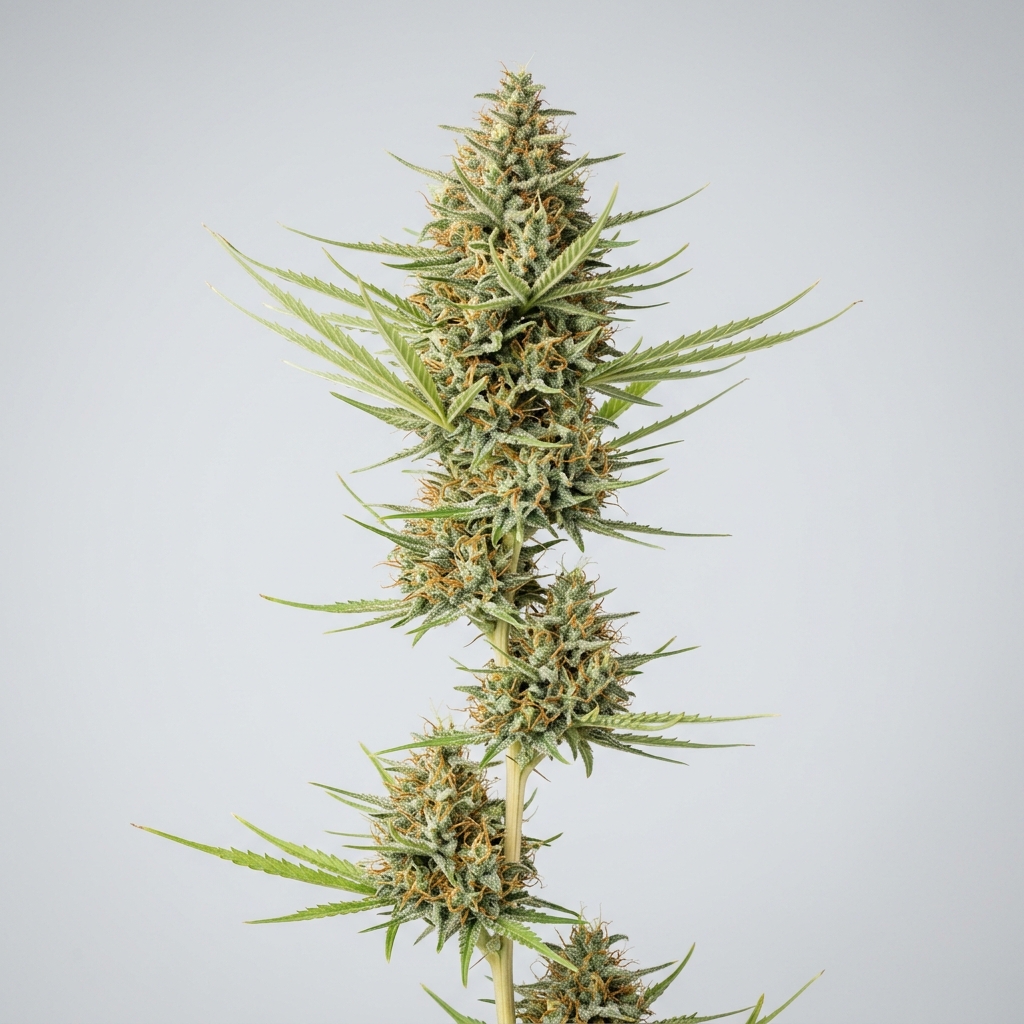
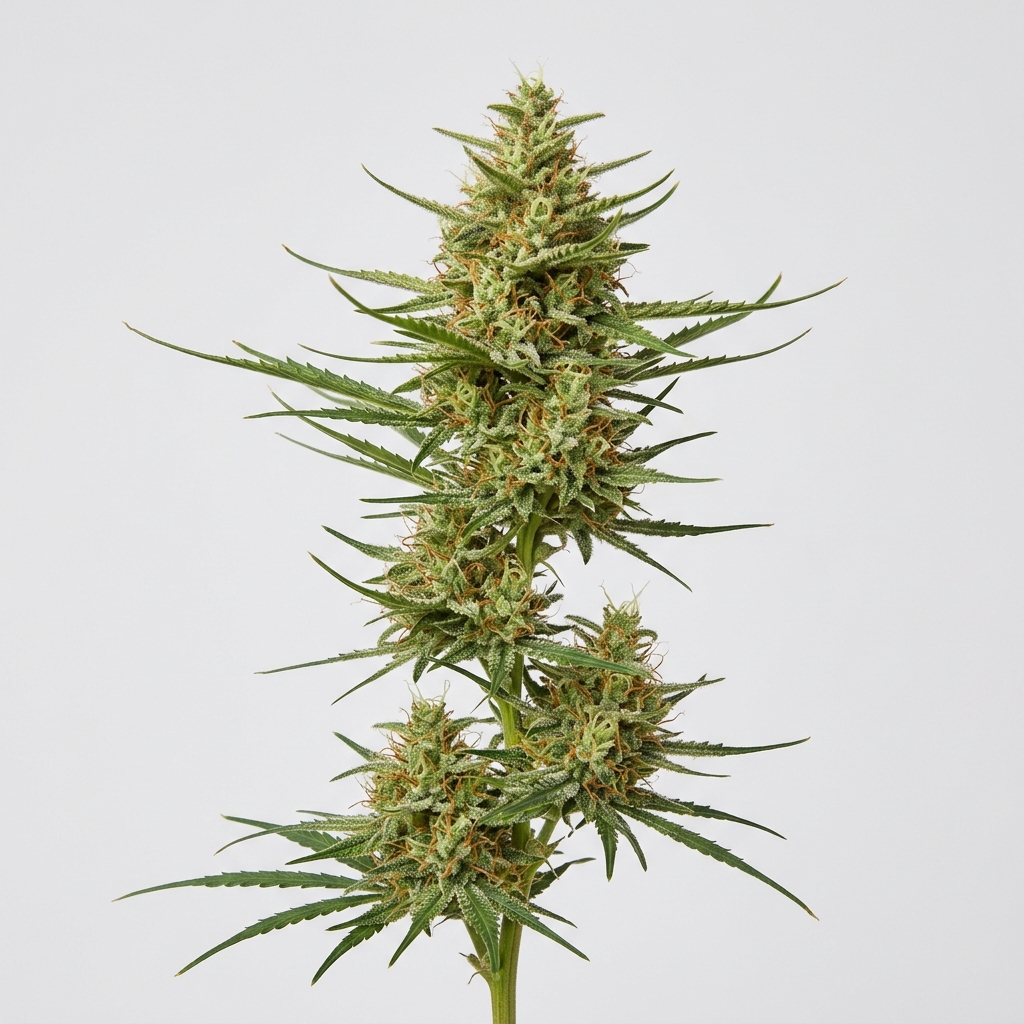
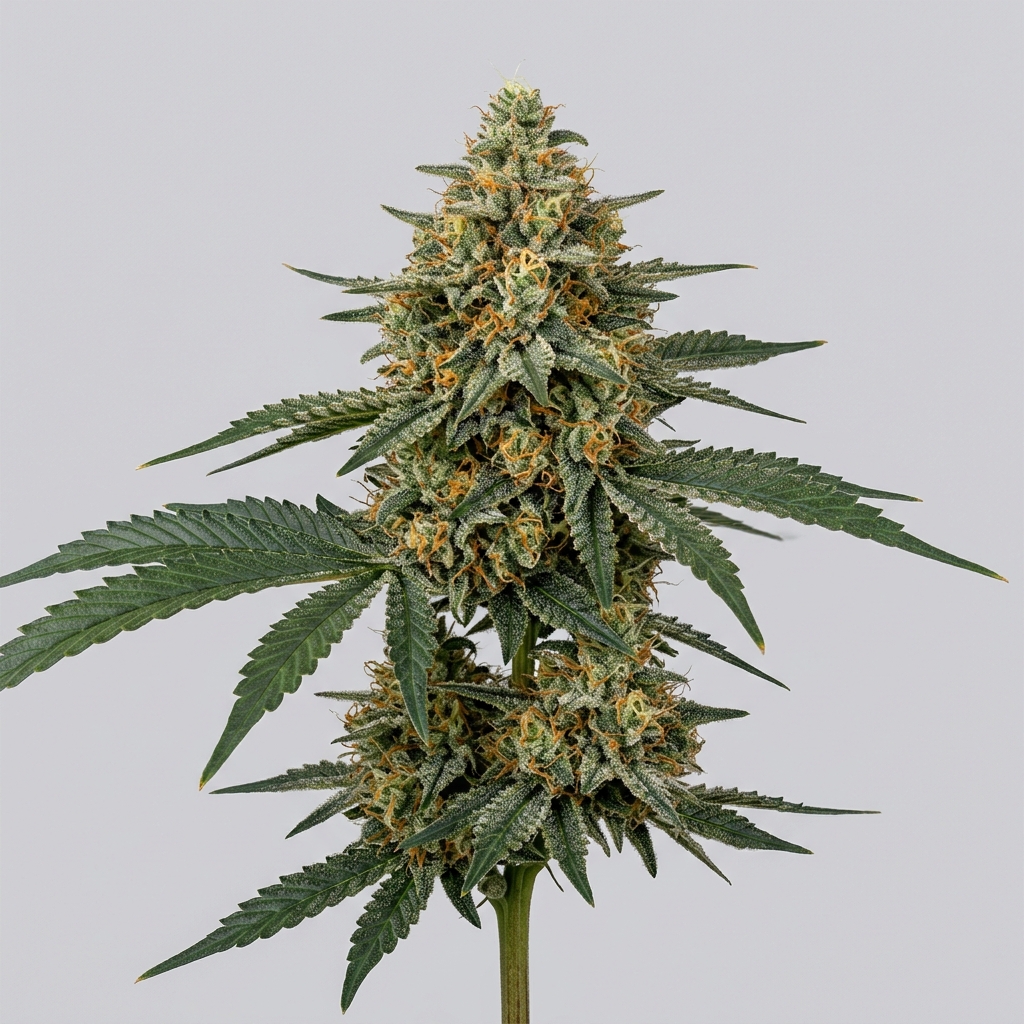
Brainstorm is an old-school hybrid crossing the legendary Northern Lights #5 with a classic Haze. This cultivar typically tests between 12% and 18% THC, offering a highly functional, clear-headed experience paired with a sturdy, heavy-yielding growth habit. The flowers mature into dense, resin-coated spear colas that emit a deep, earthy pine aroma with a sharp incense finish.
Originally developed by Dutch Passion in the late 1990s and refined over the years, this strain bridges the structural resilience of Northern Lights with the soaring, cerebral effects of traditional Haze. It remains a favorite among cultivators seeking reliable yields of resin-rich flowers without the unmanageable height stretch often associated with pure sativa varieties.
Quick Facts
| Metric | Details |
|---|---|
| Genetics | Northern Lights #5 x Haze |
| Variety | Balanced Hybrid |
| THC Range | 12% – 18% |
| Flowering Time | 8 – 10 Weeks |
| Yield Potential | High |
| Plant Height | Medium |
| Climate Preference | Temperate, dry, warm |
| Difficulty | Moderate |
Scientific & Botanical Overview
Botanically, Brainstorm shows a compact, sturdy morphology inherited from its Northern Lights lineage, showing tight internodal spacing and broad, dark green fan leaves. Unlike pure sativas, the vegetative stretch is highly manageable, making it well-suited for indoor setups with limited vertical clearance.
The bract-to-leaf ratio is highly favorable, producing thick, dense clusters of swollen calyxes that swell significantly during the final weeks of bloom. As the plant matures, the resin glands transition from clear to a milky, glassy frost, coating both the flowers and surrounding sugar leaves.
The cultivar shows strong natural resistance to common environmental stressors, though its dense flower structure requires careful humidity management during late bloom. Proper airflow is essential to protect the heavy, resinous colas from moisture retention in the inner canopy.
Effects & Use-Cases (Reported)
Commonly reported effects: These include a clear, uplifting head high, enhanced focus, mild physical relaxation, and sustained mental clarity.
Use-case context: This cultivar typically centers on daytime productivity, creative tasks, and social settings where functional energy is desired without heavy sedation.
Note: Individual tolerance varies, and higher doses may highlight the cerebral Haze lineage, occasionally leading to mild sensory stimulation.
Aroma & Flavors
Aroma: A dominant base of damp earth, sweet pine, and cedarwood, accented by a sharp, spicy incense note when the buds are broken apart.
Flavor: Smooth and herbal on the inhale, transitioning to a woody, slightly sweet Haze finish with a subtle mint undertone on the exhale.
Terpene associations: Rich in terpinolene, myrcene, and caryophyllene, which drive its complex herbal and spicy profile.
Tested Cannabinoid & Terpene Ranges
| Compound | Typical Range |
|---|---|
| Δ9-THC | 12.0% – 18.0% |
| CBD | < 0.5% |
| Terpinolene | 0.3% – 0.7% |
| Myrcene | 0.2% – 0.5% |
| Caryophyllene | 0.1% – 0.4% |
Note: Cannabinoid and terpene profiles vary significantly based on specific phenotypes, cultivation methods, and curing environments.
Cultivation Notes
- Maintain relative humidity (RH) below 45% during the final three weeks of flowering to protect the dense, heavy colas from moisture issues.
- Responds well to early topping and low-stress training (LST) to encourage lateral branching and maximize canopy light exposure.
- Requires a moderate nutrient regimen, showing sensitivity to nitrogen toxicity during the early flowering transition.
- The plants typically stretch about 50% to 80% once the light cycle is switched to 12/12.
- Presents two main phenotypes: a fast-finishing, stocky Northern Lights-dominant structure and a slightly taller, more aromatic Haze-leaning phenotype.
Grower Notes (Week-by-Week Snapshot)
- Weeks 1–3 (Vegetative & Transition): Establish a strong root zone and apply light training to level the canopy. The plants show steady vegetative growth with broad fan leaves and thick stems.
- Weeks 4–6 (Early to Mid-Bloom): Flowering sites develop rapidly, forming tight clusters of white pistils. Monitor nitrogen levels and begin introducing phosphorus and potassium to support early flower development.
- Weeks 7–9+ (Late Bloom & Ripening): The buds swell significantly, developing a thick layer of glassy resin. Reduce humidity, flush the medium with plain water during the final 10 days, and harvest when trichomes are mostly milky with a few amber heads.
Genetic Lineage
Brainstorm is a direct descendant of two of the most influential building blocks in modern cannabis breeding: Northern Lights #5 and Haze. Northern Lights #5 contributes its robust, heavy-yielding structure, short flowering time, and resin-heavy traits, which ground the wild, leggy growth of the Haze parent.
The Haze lineage infuses the cross with its distinct cerebral energy and complex, spicy terpene profile. This combination stabilizes the best traits of both parents, yielding a plant that grows like an indica but delivers a refined, uplifting experience.
Research Insights
Analytical data indicates that Brainstorm consistently expresses high levels of terpinolene alongside myrcene and caryophyllene. This specific terpene distribution is characteristic of classic Haze hybrids, contributing to the distinct olfactory profile and clean, daytime-oriented functional effects.
Horticultural studies on similar Haze-derived lines suggest that the physical density of the flowers is largely inherited from the Northern Lights side of the cross. This structural density makes the cultivar highly efficient for commercial production, offering a shorter flowering window than traditional long-flowering sativa lines.
Frequently Asked Questions
Is Brainstorm an indica or a sativa?
It is a stable hybrid that shows an indica-leaning growth structure with short, sturdy branches, but delivers a sativa-leaning, cerebral head high.
How long does Brainstorm take to flower?
The typical flowering period is between 8 and 10 weeks, depending on the specific phenotype and environmental conditions.
What does Brainstorm smell like?
It features a rich, old-school aroma of damp earth, sweet pine, and cedar, with a sharp, spicy incense finish on the exhale.
Is Brainstorm difficult to grow?
It is moderately easy to grow due to its manageable height and pest resistance, though growers must keep late-flower humidity low to protect the dense buds.
Educational Disclaimer
This article is for educational purposes only. Cannabis cultivation and consumption are subject to local laws and regulations. Consult with a professional before initiating any horticultural practices.
Rate and review this strain
Ratings and reviews are accepted only from signed-in Google accounts.
Sign in with Google to leave a rating and written review.
Latest Reviews
0 reviewsNo reviews yet. Be the first Google user to rate and review this strain.