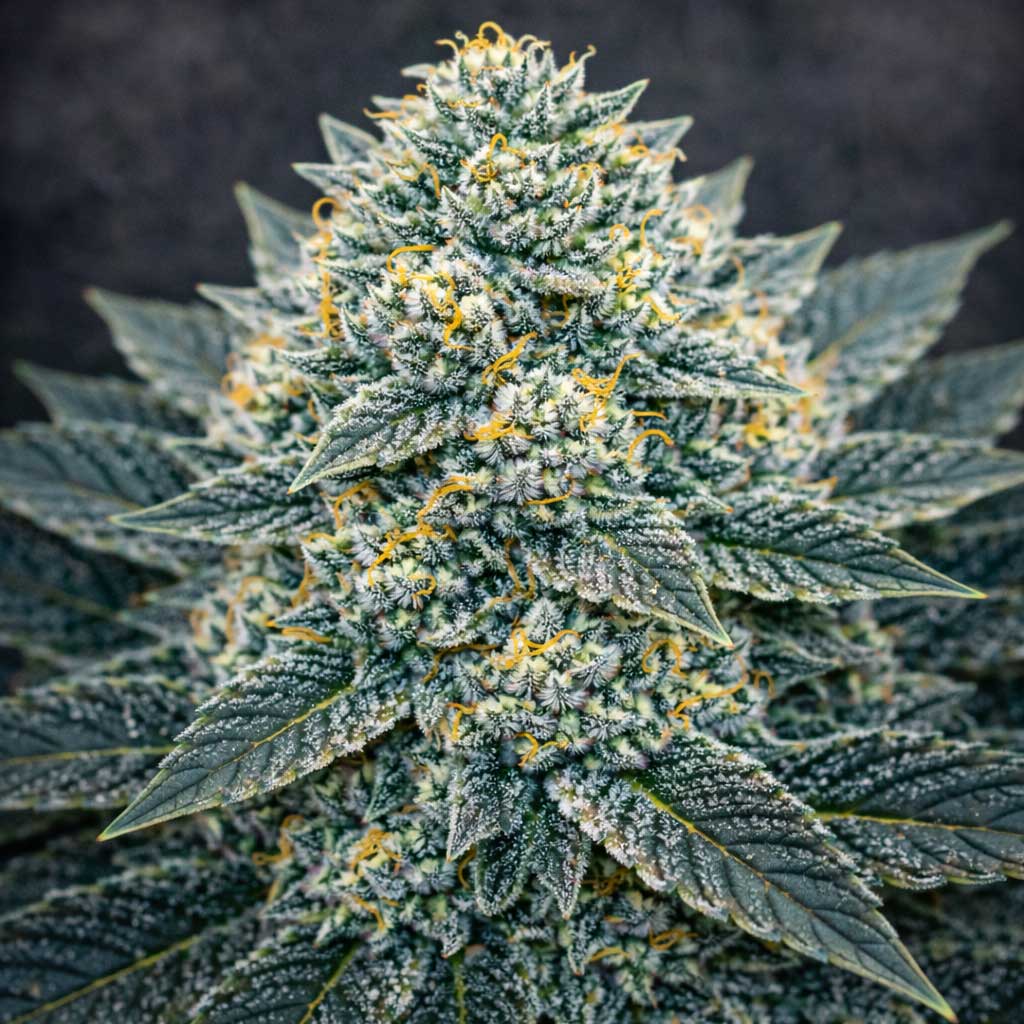
Lazer Fuel (Cannabis Strain)
Lazer Fuel, also known as Laser Fuel, is an elite indica-dominant hybrid cannabis cultivar typically classified as approximately 60% indica and 40% sativa. The strain was bred by the respected Archive Seed Bank through a strategic cross between Albert Walker and Face Off OG.
This cultivar is widely recognized for its powerful potency, dense resin production, and intensely pungent aroma profile built around chemical gas, earth, and decaying fruit notes. Lazer Fuel has earned a reputation in boutique cannabis circles as a strain favored by users who prefer raw diesel-forward terpene expression over sweeter dessert-style profiles. The information below is provided strictly for scientific and botanical reference.
Quick Facts
| Feature | Details |
|---|---|
| Genetics | Albert Walker × Face Off OG |
| Variety | Indica-dominant hybrid (approx. 60% indica / 40% sativa) |
| Flowering Time | 9–10 weeks (63–70 days indoors) |
| Yield Potential | Moderate to high yield with strong resin density and flower bulk |
| Plant Height | 110–150 cm with vigorous OG-style stretch |
| Climate Preference | Mediterranean climates or controlled indoor environments |
| Difficulty | Intermediate; requires canopy management and stable conditions |
Scientific & Botanical Overview
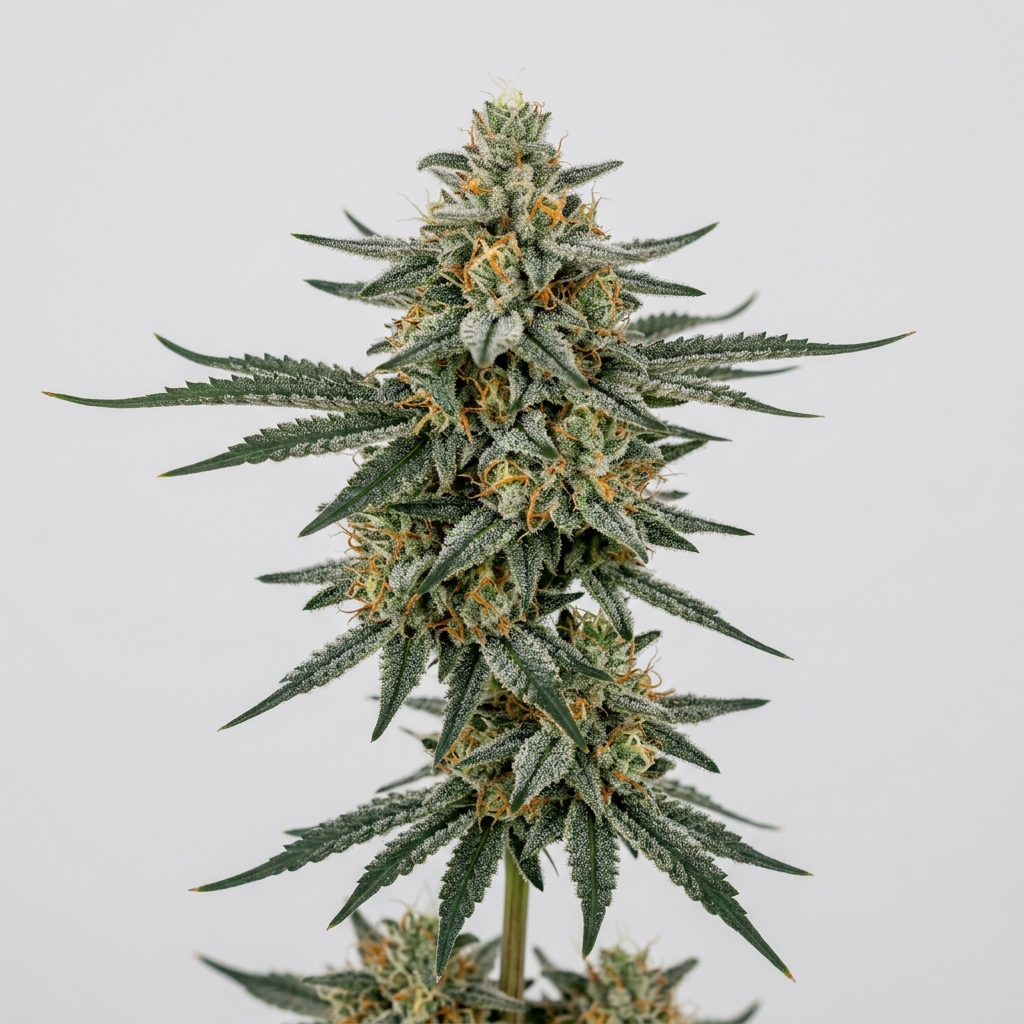
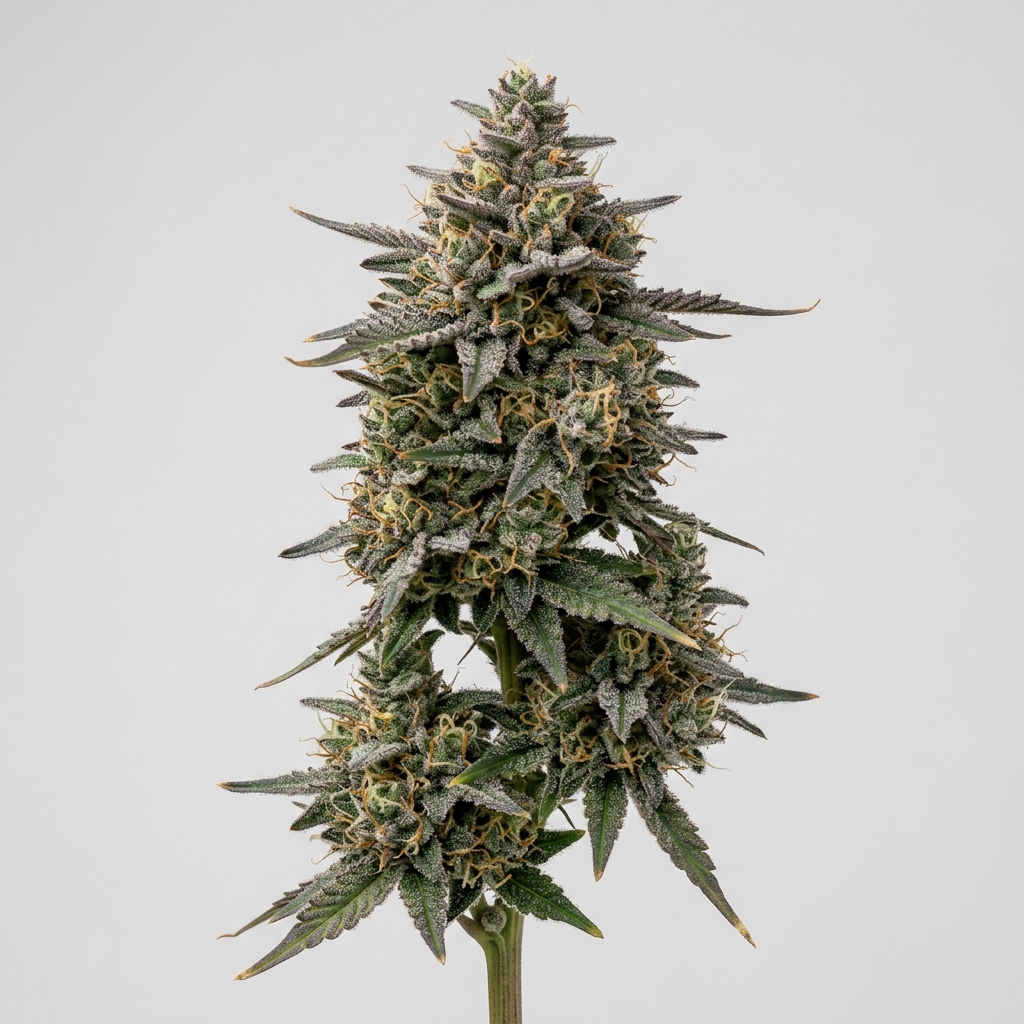
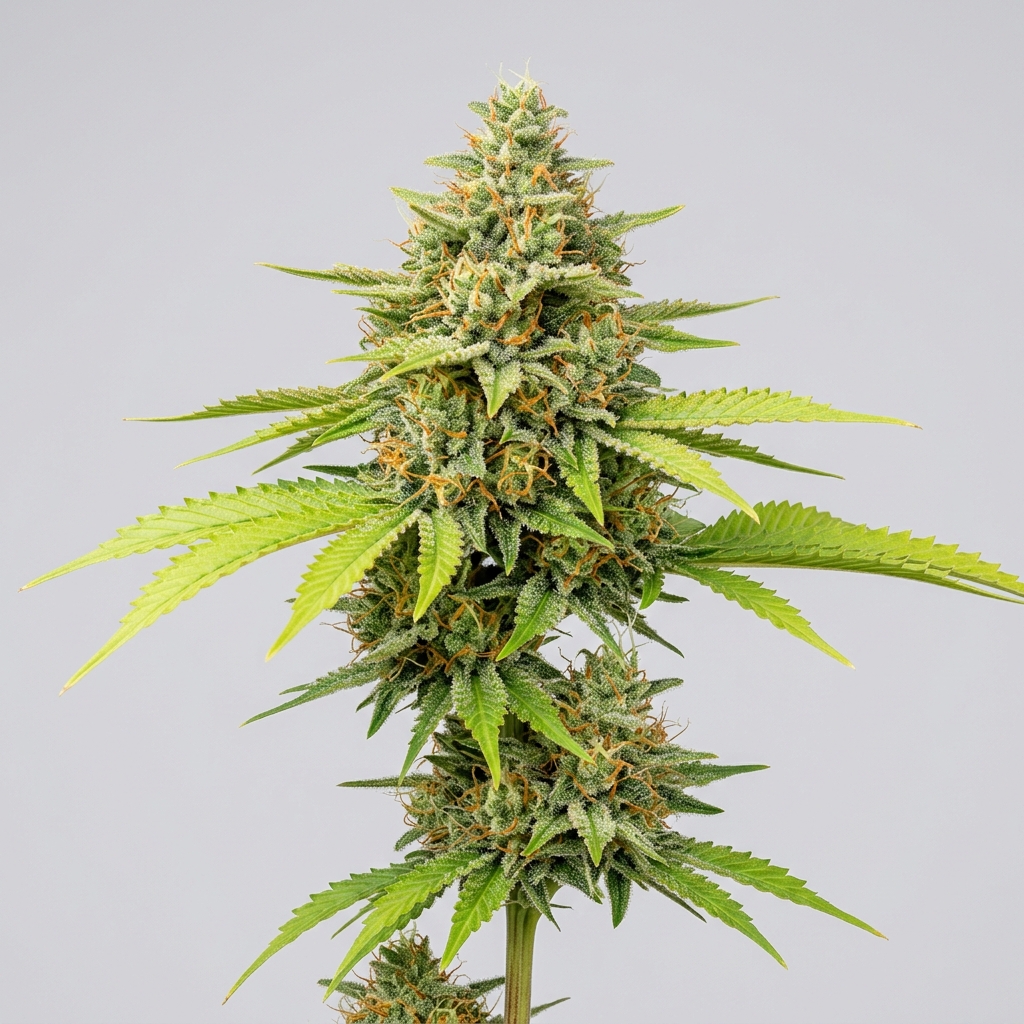
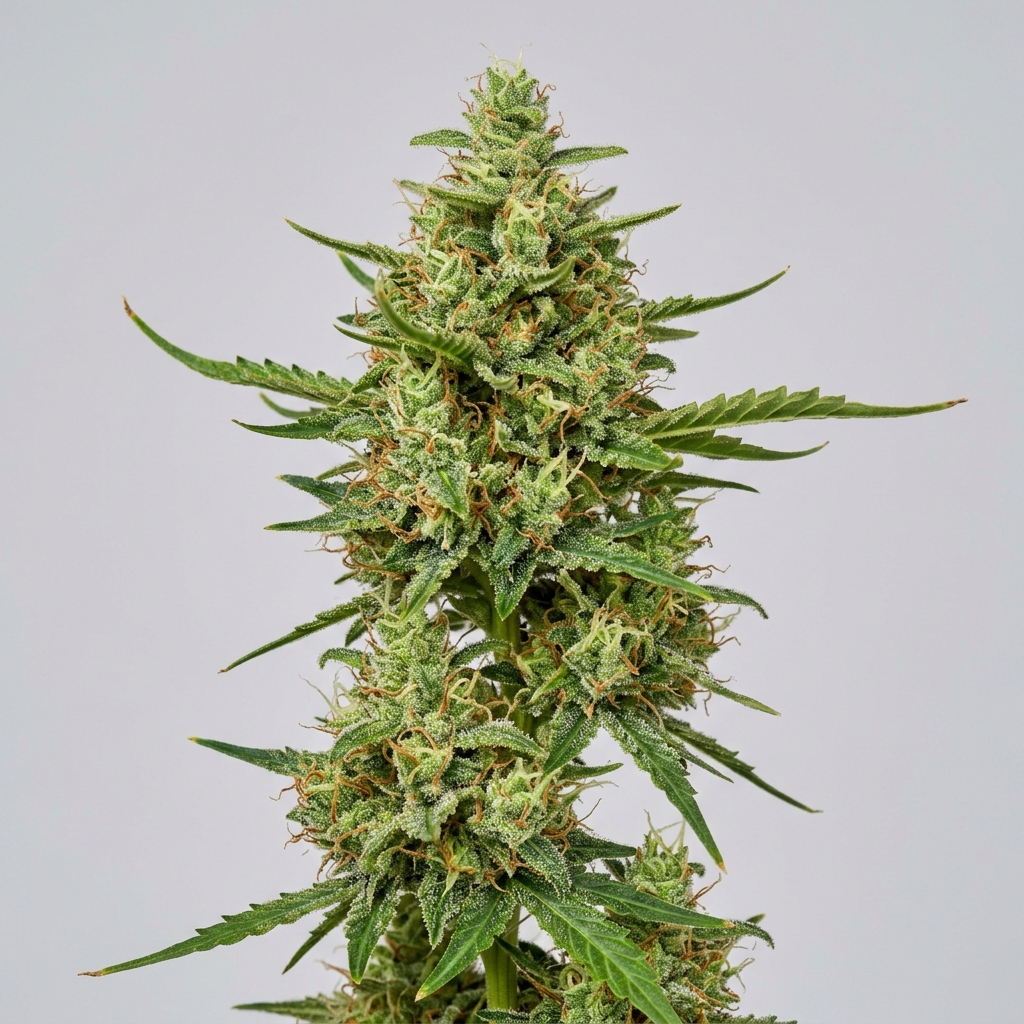
Lazer Fuel reflects classic Pacific Northwest breeding influences, combining old-school funk with modern resin performance. The plants tend to produce large, chunky colas with a dense and irregular structure often described as lumpy or heavily stacked.
One of the cultivar’s defining botanical characteristics is its extreme resin viscosity. The trichomes are often notably sticky and oily, an expression commonly associated with its Face Off OG heritage. Foliage is typically bright lime green, although cooler finishing conditions may encourage subtle lavender tones in late flower.
Lazer Fuel is also frequently noted for its unusually pungent aromatic output, which may be linked to high levels of volatile sulfur compounds and other gas-forward terpene combinations that intensify as flowering progresses.
Effects & Use-Cases (Reported)
Commonly reported effects: a powerful cerebral onset marked by hazy euphoria and heightened sensory intensity, followed by a heavy physical relaxation that can become deeply sedating.
Use-case context: Lazer Fuel is generally described as best suited for evening or nighttime sessions. Many enthusiasts report choosing it for total relaxation, immersive creative downtime, or unwinding after physically demanding days.
Note: These observations are anecdotal reports and should not be interpreted as medical claims.
Aroma & Flavors
Aroma: A sharp and highly pungent profile featuring jet fuel, mothball-like chemical notes, skunk, earthy spice, and a subtle rotten-orange funk.
Flavor: The inhale is often thick and expansive with strong chem and diesel character, while the exhale reveals earthy spice, pepper, and lingering musky funk.
Terpene associations: Myrcene (dominant), Limonene, and Caryophyllene.
Tested Cannabinoid & Terpene Ranges
| Compound | Typical Range* | Notes |
|---|---|---|
| Δ9-THC | ~24–29% | Consistently potent with strong body effects |
| CBG | ~1–2% | May contribute to the heavy physical character |
| Myrcene | ~0.8–1.4% | Supports earthy funk and deep body relaxation |
| Limonene | ~0.6–0.9% | Adds citrus lift and contributes to initial euphoria |
| Caryophyllene | ~0.5–0.8% | Adds peppery gas depth and physical comfort |
*Ranges are literature-informed estimates and may vary depending on phenotype and cultivation environment.
Cultivation Notes
- Light Cycle: 18/6 vegetative stage and 12/12 flowering stage indoors
- Humidity Targets: About 50% in early flower and 40–45% during late flowering
- Nutrition: Responds well to mineral-rich feeding programs and silica support
- Training: Topping and trellising are recommended to manage OG-style stretch
- Harvest Window: Mid-to-late October outdoors in the Northern Hemisphere
Grower Notes (Week-by-Week Snapshot)
- Weeks 1–3: Strong vertical stretch and rapid canopy expansion.
- Weeks 4–5: Resin production begins early and aroma shifts toward chemical fuel.
- Weeks 6–7: Bud swelling becomes more pronounced and flowers develop a greasy appearance.
- Weeks 8–10: Final ripening stage with dense buds and darker pistil coloration.
- Post-Harvest: A slow cure helps deepen the gas and earthy funk while reducing harshness.
Genetic Lineage
Lazer Fuel combines two influential Pacific Northwest lineages. Albert Walker, a well-known heirloom clone-only cultivar, contributes rotten-fruit funk and euphoric lift, while Face Off OG provides structural density, heavy resin output, and strong diesel-forward potency.
This pairing results in a hybrid that emphasizes old-school gas intensity, physical weight, and boutique-grade resin production.
Research Insights
Lazer Fuel has attracted interest for the way its Myrcene-to-CBG profile aligns with reports of heavy body relaxation and numbing physical effects. Unlike sweeter modern hybrids bred primarily for dessert-style aroma, Lazer Fuel preserves a raw chemical and earthy profile more commonly associated with traditional gas-forward indica hybrids.
This makes it a useful example of how older OG and heirloom-influenced lines continue to shape contemporary breeding focused on potency, resin quality, and strong physical expression.
Frequently Asked Questions
Is Lazer Fuel indica or sativa?
Lazer Fuel is generally classified as an indica-dominant hybrid with approximately 60% indica and 40% sativa influence.
Why is it called Lazer Fuel?
The name refers to its intense cerebral brightness on the onset and its overwhelming fuel-heavy aroma profile.
Is Lazer Fuel good for focus?
Most users describe it as too heavy and disorienting for focused daytime use, making it better suited for evening relaxation.
Is Lazer Fuel easy to grow?
Lazer Fuel is considered intermediate in difficulty and benefits from experienced canopy management because of its strong OG-style stretch.
Educational Disclaimer
This page is provided for scientific and horticultural reference only. Cannabis laws vary by jurisdiction, so always ensure compliance with local regulations.
Rate and review this strain
Ratings and reviews are accepted only from signed-in Google accounts.
Sign in with Google to leave a rating and written review.
Latest Reviews
0 reviewsNo reviews yet. Be the first Google user to rate and review this strain.