Tikal (Cannabis Strain)
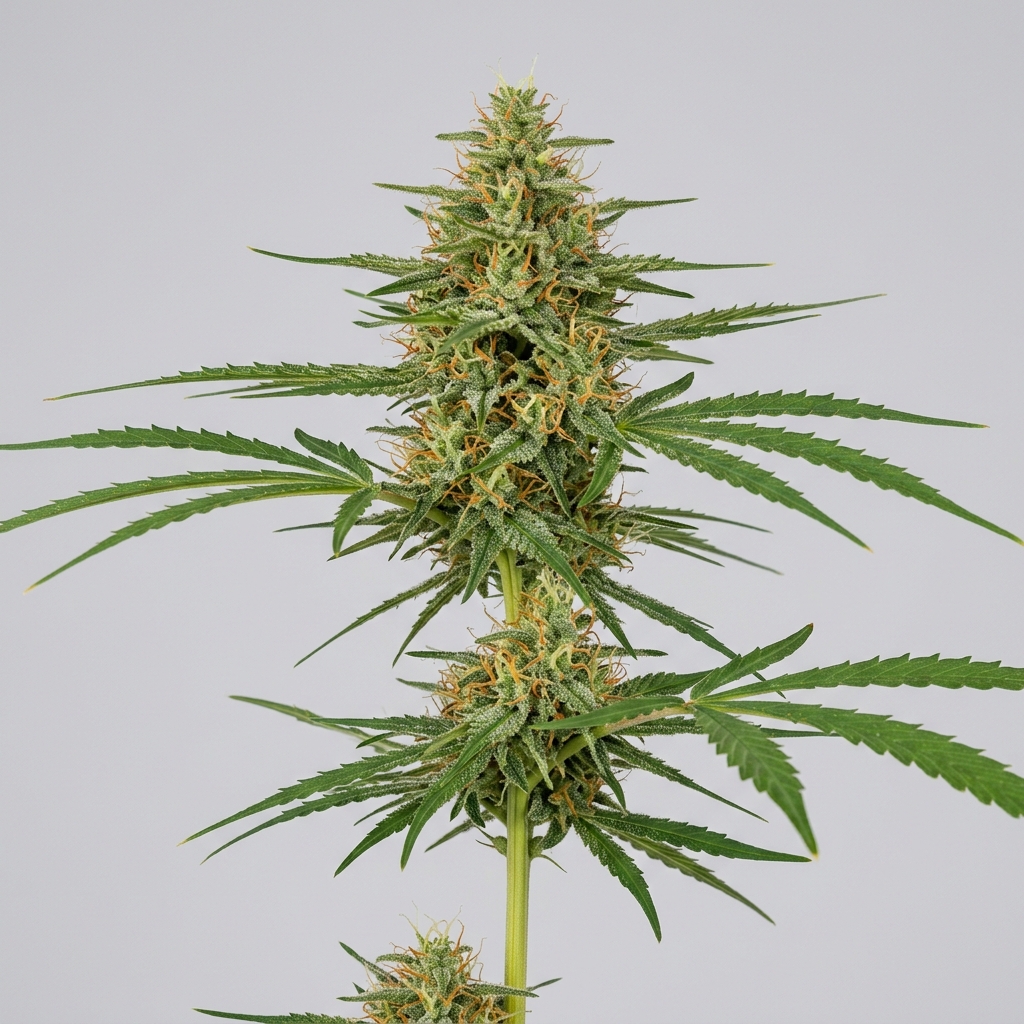
Tikal is a refined, Sativa-dominant hybrid developed by ACE Seeds, crossing a pure landrace Guatemala Sativa with a select Haze/China Yunnan backcross. Typically testing between 15% and 20% THC, this cultivar is highly regarded for its sweet strawberry and woody incense aroma, paired with a clean, functional cerebral lift. The plant develops a well-branched, airy structure with elongated spear colas and a moderate coating of glassy resin, making it highly resilient to high humidity and outdoor pathogens.
Unlike many modern high-THC hybrids that lean heavily on dense, fuel-forward profiles, this variety preserves the classic, soaring character of Central American landraces while tempering the flowering time with a touch of East Asian genetics. It appeals directly to growers looking for a vibrant, haze-adjacent profile without the unmanageable stretch or long flowering cycles of pure tropical Sativas.
Quick Facts
| Attribute | Detail |
|---|---|
| Genetics | Guatemala Sativa x (Haze x China Yunnan) |
| Variety | Sativa-dominant (approx. 75% Sativa / 25% Indica) |
| THC Range | 15% – 20% |
| Flowering Time | 10 – 12 weeks |
| Yield Potential | Moderate to High |
| Plant Height | Tall (significant stretch) |
| Climate Preference | Warm, temperate, or humid environments |
| Difficulty | Moderate |
Scientific & Botanical Overview
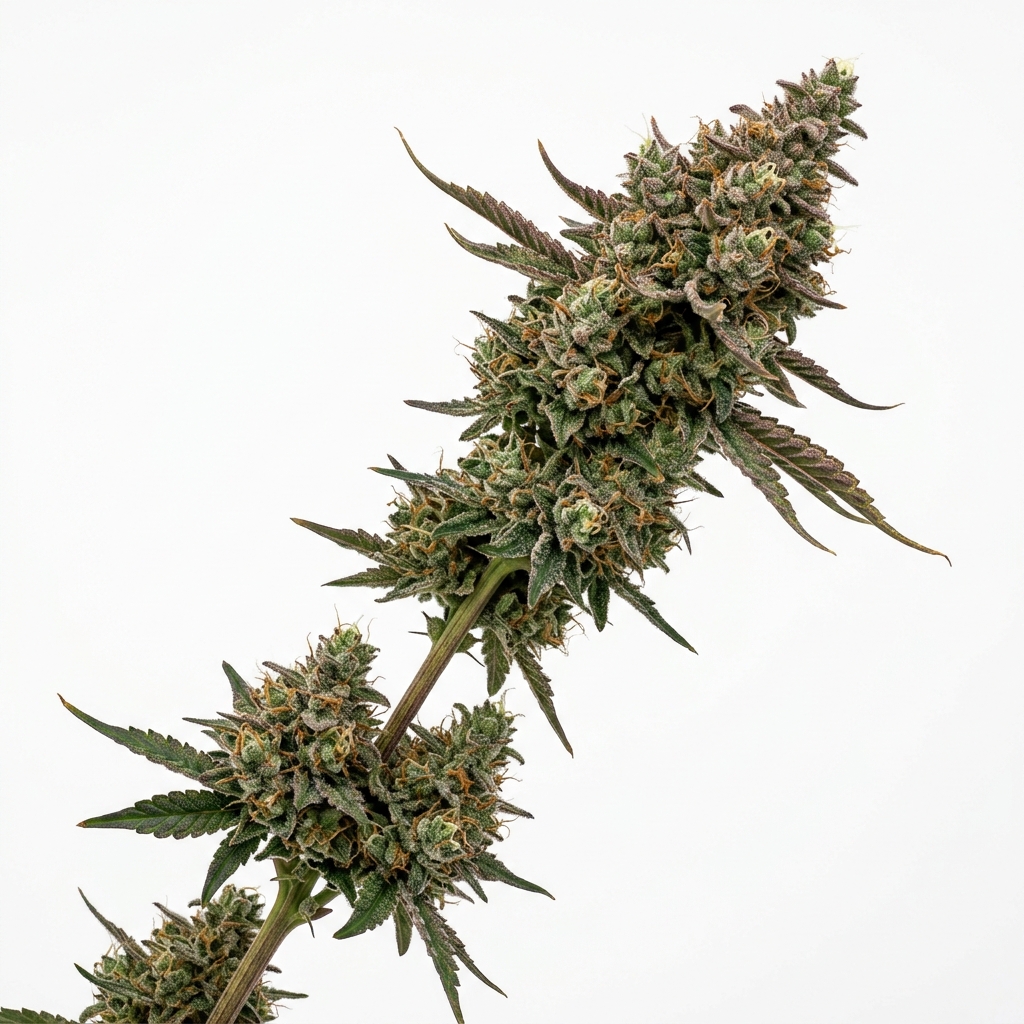
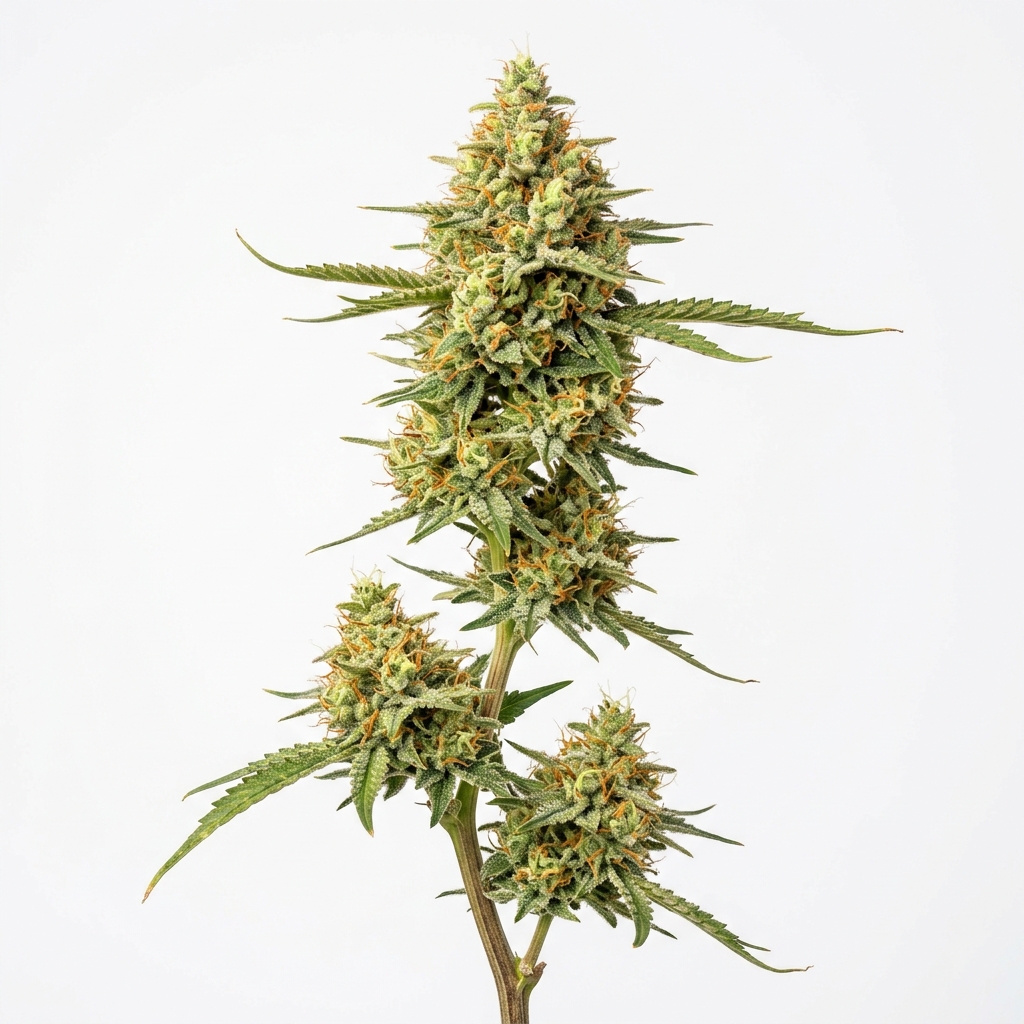
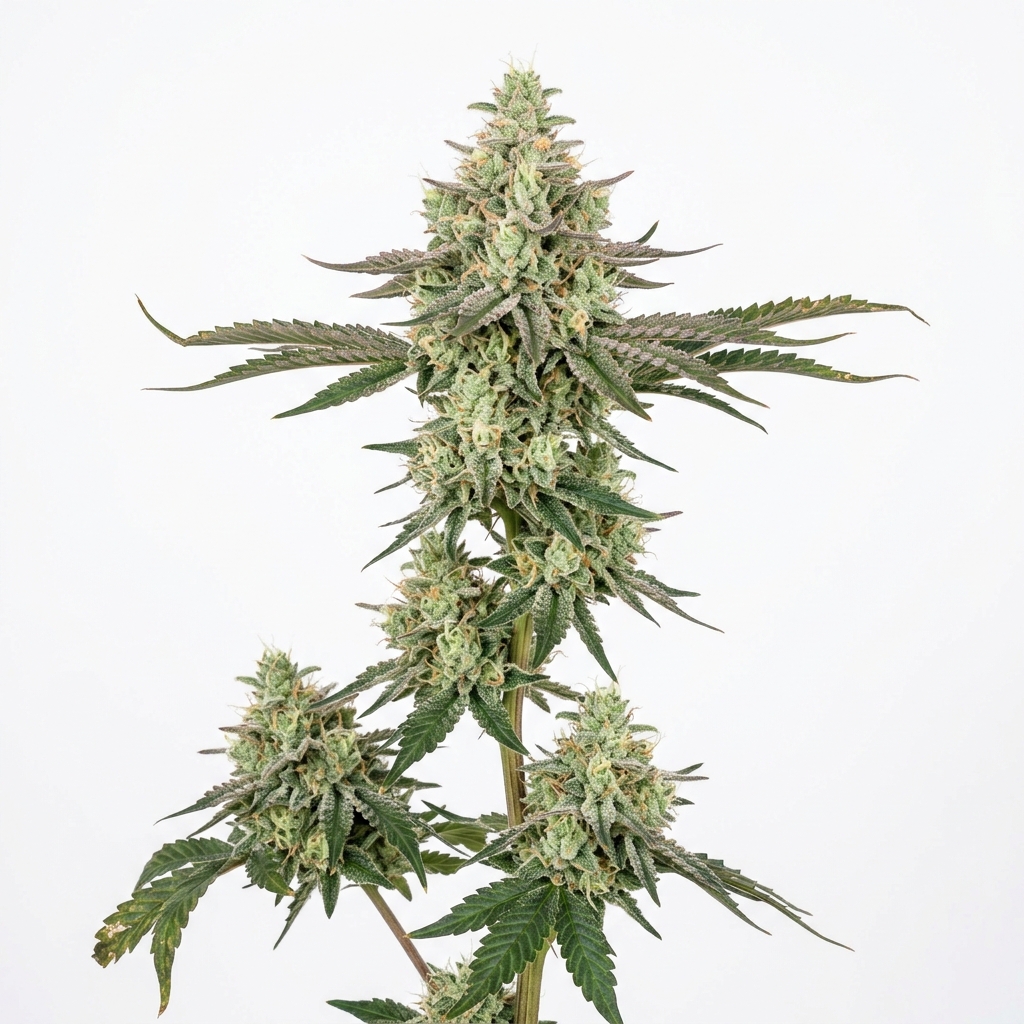
Botanically, this cultivar shows classic tropical Sativa morphology, characterized by thin-bladed fan leaves, large internodal spacing, and a strong tendency to branch. The plant relies on its wild Central American heritage to drive vegetative vigor, producing flexible, strong stems that support elongated, airy flower clusters.
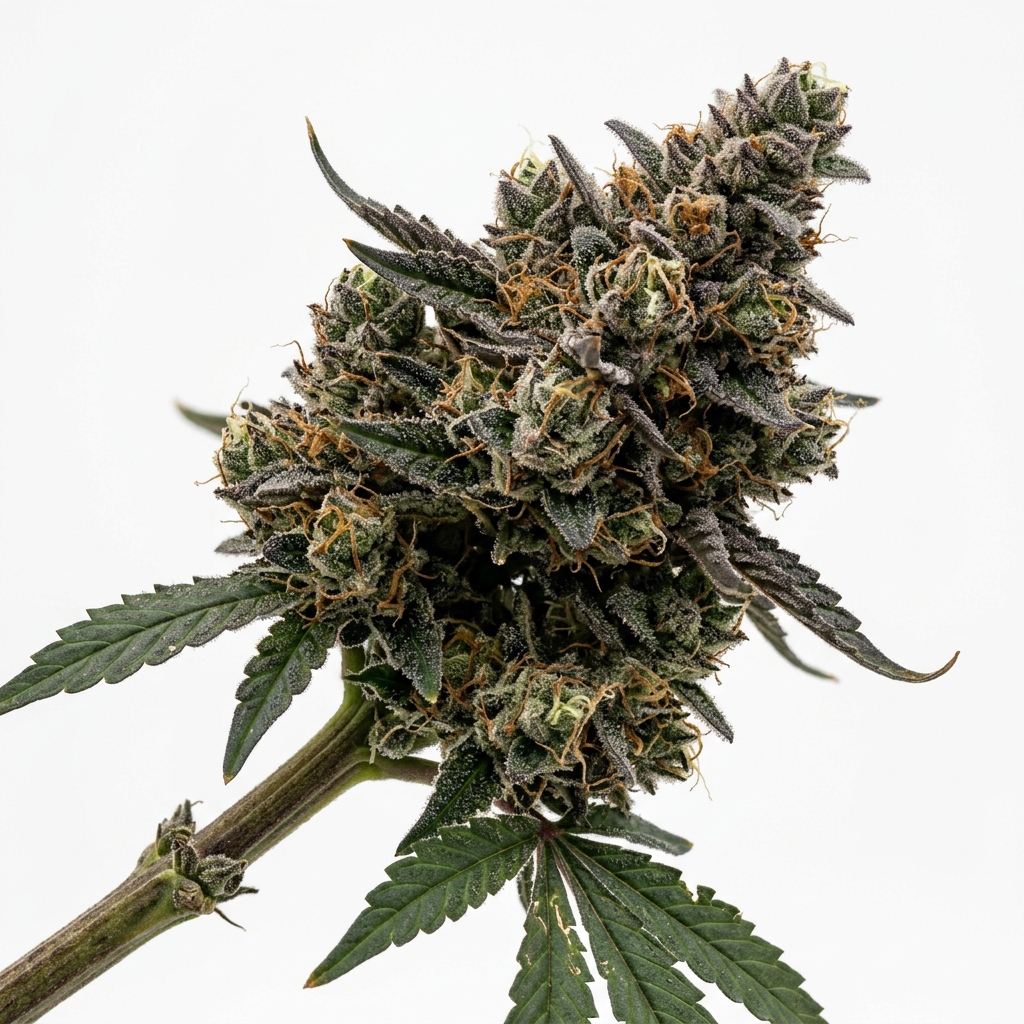
The flower structure consists of small, swollen calyxes forming long, spear-like colas rather than dense, spherical nuggets. This open bud structure allows for exceptional airflow through the canopy, drastically reducing the risk of botrytis and powdery mildew in humid environments.
Resin production is steady throughout the blooming phase, coating both the bracts and the slender sugar leaves in a layer of clear, greasy trichomes. This resin profile is rich in monoterpenes, which evaporate easily if late-flower temperatures are not carefully moderated.
Effects & Use-Cases (Reported)
Commonly reported effects: Users typically describe a bright, clear-headed stimulation that begins with a warm physical sensation and shifts into a focused, creative headspace. The lack of heavy sedative terpenes prevents physical lethargy, leaving the consumer active, alert, and socially engaged.
Use-case context: This daytime-oriented profile is highly suited for outdoor activities, creative projects, or morning use. It provides a steady, functional lift that integrates smoothly into active routines without causing mental fog or physical crash.
Note: Individual experiences may vary, and those sensitive to stimulating Sativas should approach with moderation to avoid mild over-stimulation.
Aroma & Flavors
Aroma: The primary scent is a sweet, fermented strawberry note layered over a complex base of cedarwood, frankincense, and tart citrus. Breaking the buds releases a sharper, herbal haze character with a faint hint of sour earth.
Flavor: On the palate, the smoke is remarkably smooth, offering a sweet fruit-punch taste on the inhale followed by a dry, woody, and slightly spicy incense finish.
Terpene associations: The aromatic profile is heavily influenced by high concentrations of myrcene, terpinolene, and limonene, which drive the fruit-forward and incense-like qualities.
Tested Cannabinoid & Terpene Ranges
| Compound | Average Range | Role/Type |
|---|---|---|
| Δ9-THC | 15.0% – 20.0% | Primary Cannabinoid |
| CBG | 0.5% – 1.5% | Minor Cannabinoid |
| Myrcene | Variable | Primary Terpene |
| Terpinolene | Variable | Secondary Terpene |
| Limonene | Variable | Secondary Terpene |
| beta-Caryophyllene | Variable | Tertiary Terpene |
Values are literature-informed references representing typical analytical profiles. Actual cannabinoid and terpene content is phenotype-dependent and highly influenced by cultivation and curing techniques.
Cultivation Notes
- Humidity management: This cultivar thrives in moderate to high humidity during veg, but late-flower humidity should be kept below 50% to preserve the delicate volatile terpenes.
- Nutrient sensitivity: Shows a preference for a light nutrient regimen, especially regarding nitrogen; over-feeding during early flower can cause clawing and delay bud development.
- Training techniques: Highly responsive to topping and low-stress training (LST) to manage the vertical stretch and encourage a wider, multi-topped canopy.
- Phenotype variation: Two main phenotypes generally emerge: a taller, strawberry-scented Sativa-leaning expression and a shorter, more compact, incense-dominant hybrid.
- Airflow requirements: The naturally open branch structure minimizes the need for heavy defoliation, though clearing the lower third of the plant improves upper cola development.
Grower Notes (Week-by-Week Snapshot)
- Weeks 1–3 (Vegetative & Transition): Rapid vertical growth begins immediately upon switching to a 12/12 light cycle. Expect a controlled stretch of up to 150%, requiring early trellis support or stakes to guide the flexible branches.
- Weeks 4–6 (Early to Mid Flower): Small, pistil-heavy clusters begin forming along the elongated nodes. Resin starts appearing early on the sugar leaves, accompanied by a faint, sweet fruit aroma.
- Weeks 7–10 (Late Flower): Colas stretch into long, spear-like structures. Calyxes swell and the strawberry-incense aroma intensifies; ensure night temperatures drop slightly to lock in the berry notes.
- Post-Harvest (Harvest & Cure): Harvest when trichomes are mostly milky with a few amber heads. A slow, 14-day dry at 60°F (15°C) and 60% relative humidity is critical to preserving the volatile terpene profile.
Genetic Lineage
The foundation of this strain lies in a pure landrace Guatemala Sativa sourced from the high-altitude regions of Central America. This parental line contributes the strain’s exceptional mold resistance, vigorous branching, and uplifting, clean-headed psychoactive character.
To refine the growth structure and reduce the flowering window, breeders crossed the Guatemalan mother with a select Haze/China Yunnan hybrid. This introduction adds a sweet, woody complexity to the terpene profile and contributes just enough indica influence to tighten the bud structure without sacrificing the sativa soul.
Research Insights
Analytical data indicates a unique terpene distribution where terpinolene and myrcene co-dominate, a combination frequently observed in traditional Central American and Haze varieties. This specific chemical ratio is associated with the bright, non-sedative cerebral effects often reported by consumers.
Additionally, the presence of minor cannabinoids like CBG suggests a potential modulation of the THC experience, smoothing out the sharp edges of the stimulation. This makes the cultivar a subject of interest for breeders looking to stabilize clear-headed sativa traits without the anxiety-inducing peaks of pure landraces.
Frequently Asked Questions
Is Tikal suitable for beginner growers?
While it is highly resistant to mold and pests, its significant height stretch and 10-to-12-week flowering cycle require some experience with plant training and nutrient management, making it best suited for intermediate growers.
How much does Tikal stretch during flowering?
This strain can easily double or triple in height once the photoperiod is switched to 12/12. Early canopy control, such as topping or using a SCROG net, is highly recommended for indoor setups.
What does Tikal smell like?
The aroma is primarily characterized by sweet, fermented strawberries and woody incense, with undertones of cedar, frankincense, and a faint herbal haze finish.
Can Tikal be grown outdoors?
Yes, it performs exceptionally well outdoors, especially in warm, coastal, or humid climates where its open bud structure prevents mold and rot better than dense indica varieties.
Educational Disclaimer
This content is for educational and informational purposes only. Cultivation and consumption of cannabis are subject to varying legal regulations depending on jurisdiction. Consult local laws before germinating seeds or consuming cannabis products.
Rate and review this strain
Ratings and reviews are accepted only from signed-in Google accounts.
Sign in with Google to leave a rating and written review.
Latest Reviews
0 reviewsNo reviews yet. Be the first Google user to rate and review this strain.
Follow New Cultivar Records
Get newly documented genetics, breeder history, research highlights, and important Strainpedia discoveries by email.