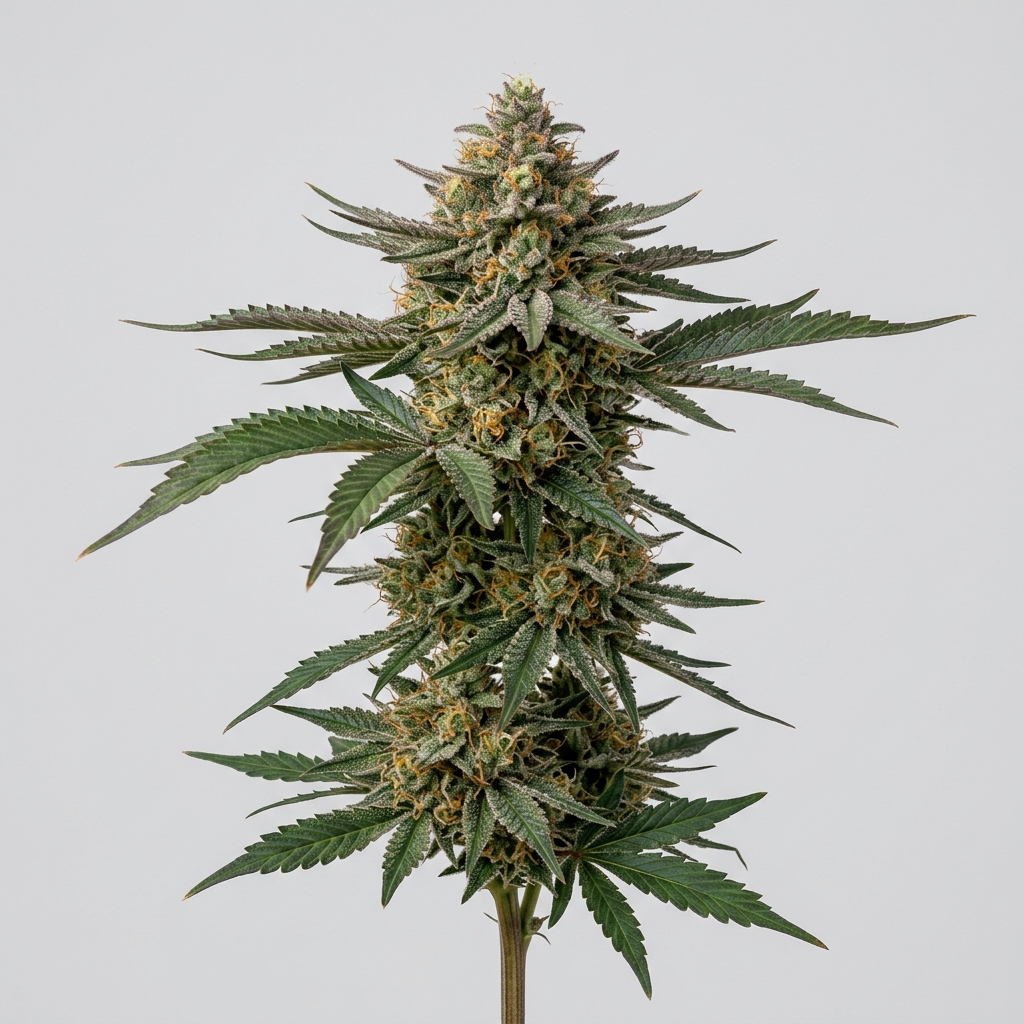
Nepalese Jam (Cannabis Strain)
Nepalese Jam is a stable, Sativa-dominant hybrid bred by crossing a highland Nepalese landrace with a select Jamaica ’85 clone. Typically testing between 14% and 18% THC, this cultivar is highly regarded for its sweet honey and woody incense aroma, dense resin-rich spear colas, and a remarkably controlled stretch during cultivation. Unlike many sprawling tropical Sativas, it retains a compact, manageable structure while delivering a clear, functional, and uplifting mental state that makes it a favorite among daytime connoisseurs.
Developed to withstand challenging climates, this hardy cultivar shows outstanding resistance to cold, wind, and damp conditions. It adapts easily to both indoor setups and short northern outdoor seasons, producing consistent yields of glassy, trichome-coated flowers. Its balance of landrace-derived resilience and refined, clean potency has earned it a permanent place in the gardens of growers seeking classic Sativa traits without the typical cultivation headaches.
Quick Facts
| Attribute | Details |
|---|---|
| Genetics | Nepalese × Jamaica ’85 |
| Variety | Sativa-dominant hybrid (approx. 60% Sativa / 40% Indica) |
| THC Range | 14% – 18% |
| Flowering Time | 9 – 10 weeks |
| Yield Potential | Moderate to High |
| Plant Height | Medium, compact for a Sativa |
| Climate Preference | Cool, temperate, and humid-resistant |
| Difficulty | Easy to Moderate |
Scientific & Botanical Overview
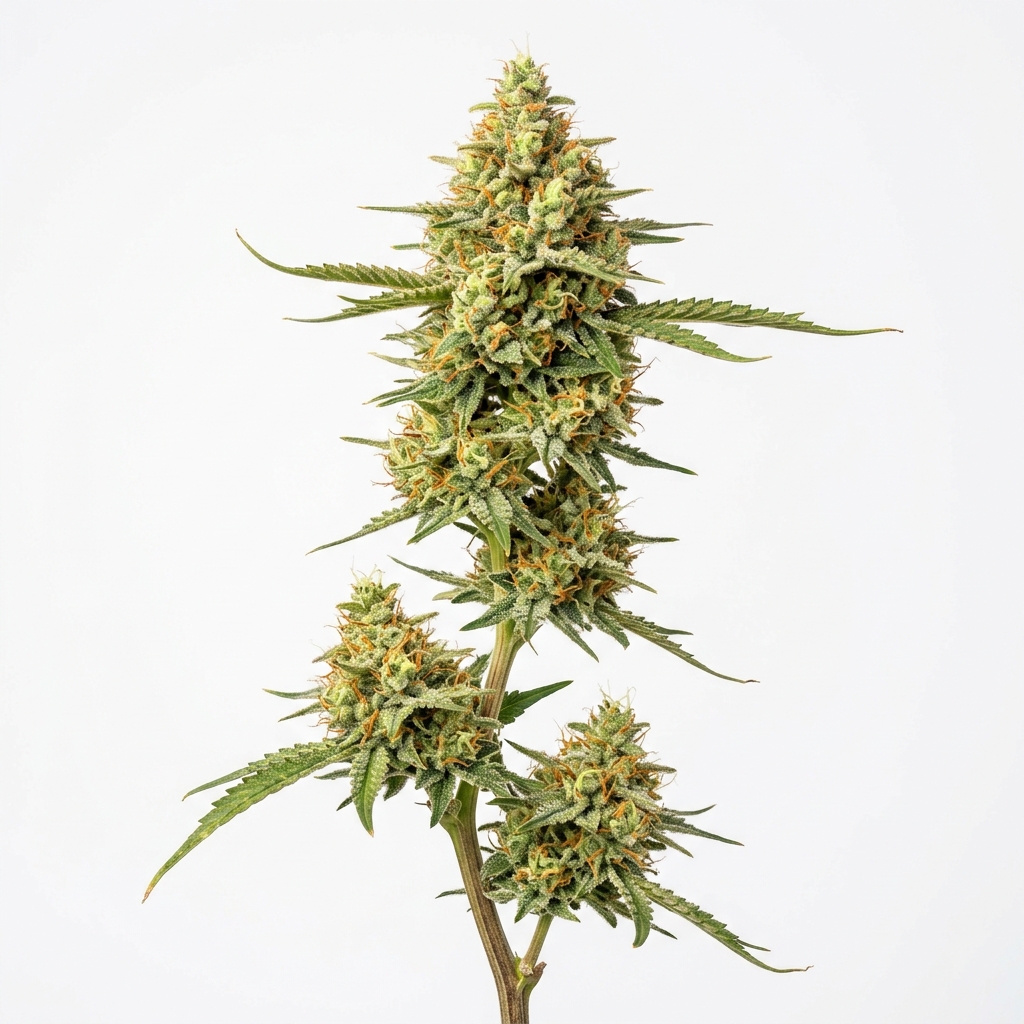
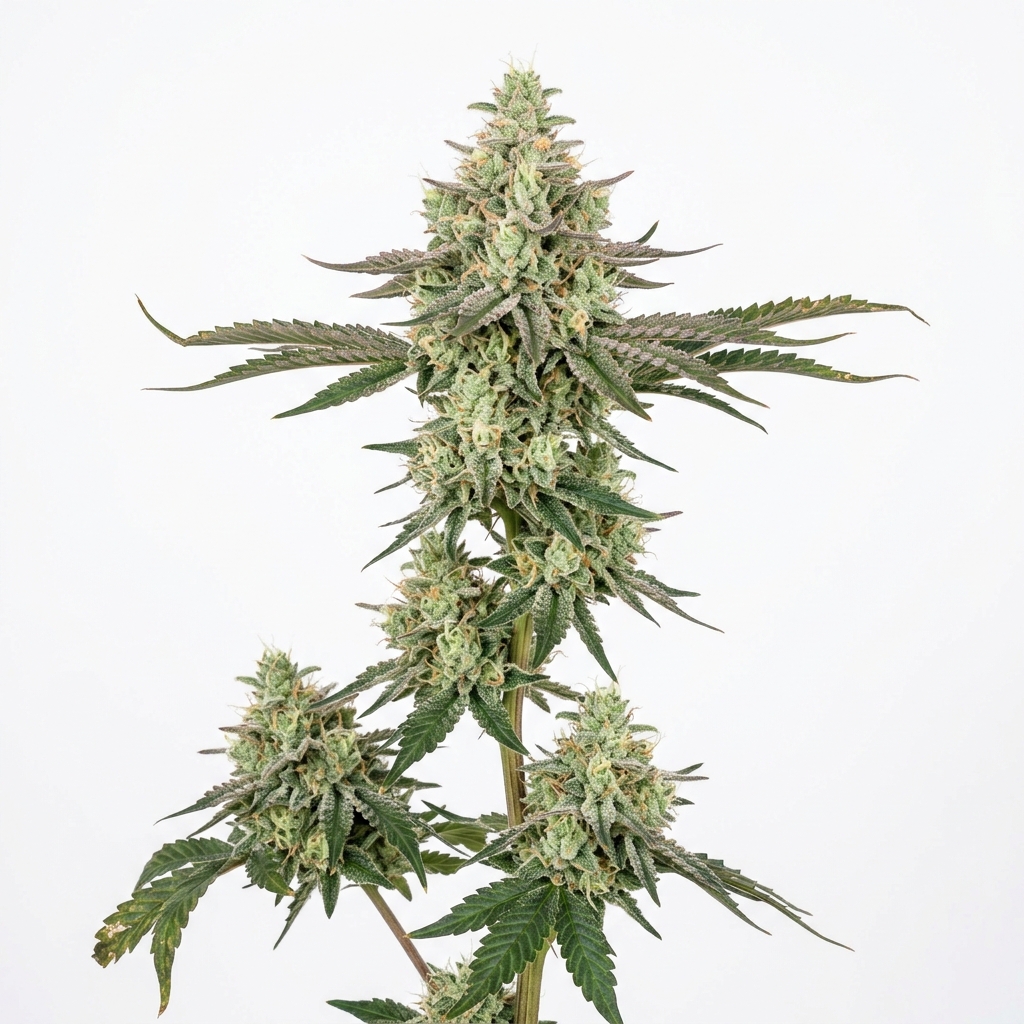
From a botanical standpoint, Nepalese Jam displays a robust, columnar growth pattern that deviates from the sprawling, long-internode structure common to pure Sativas. It develops a strong main stem with short to medium internodal spacing, which supports thick, dense floral clusters without requiring extensive support. The plant’s overall architecture remains compact and bushy, making it highly efficient in limited indoor vertical spaces.
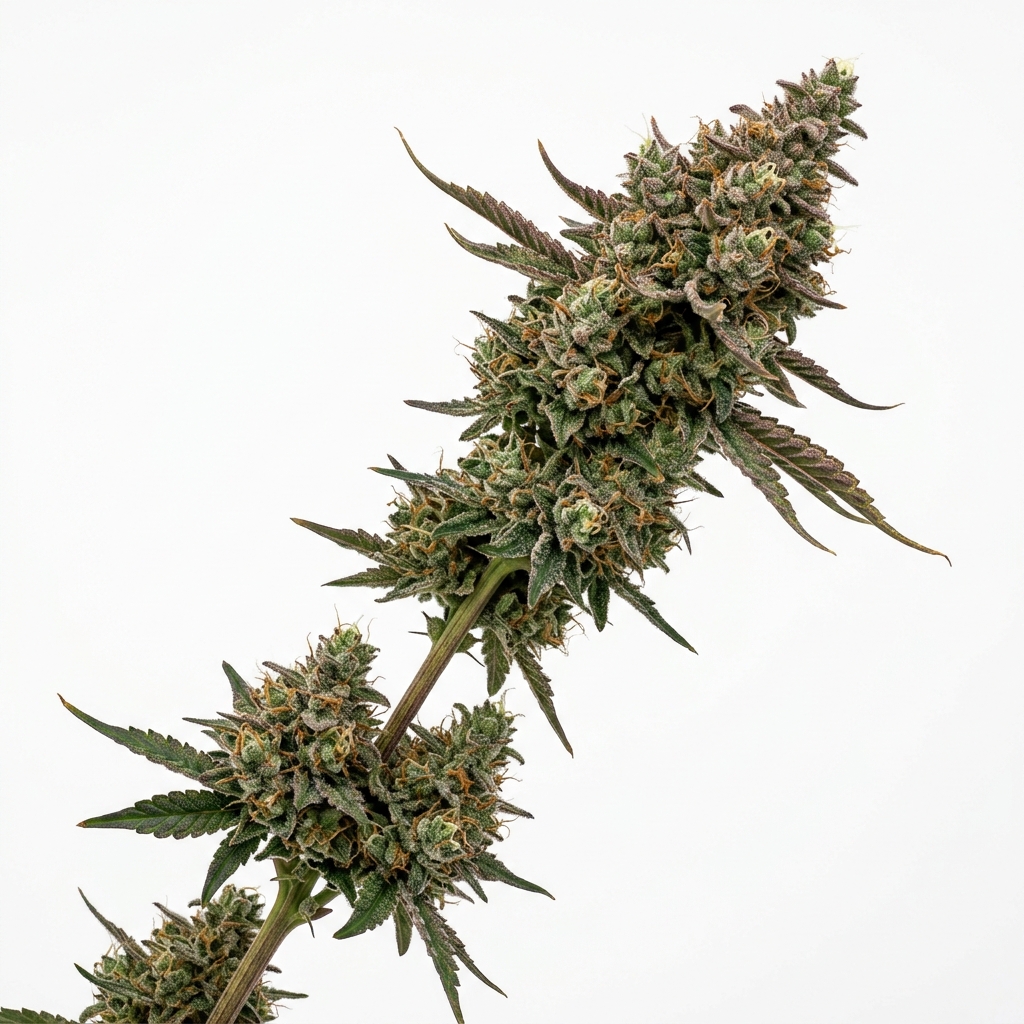
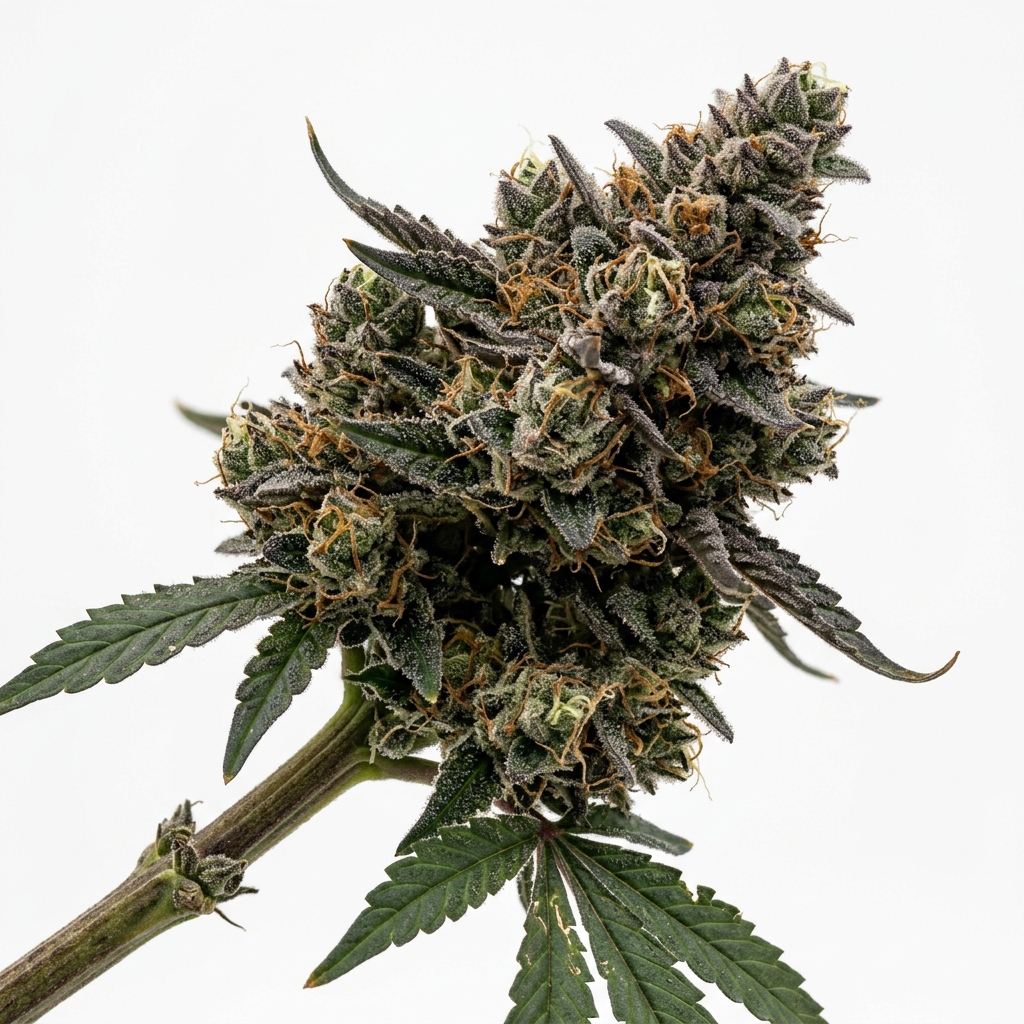
The foliage consists of medium-width, sharply serrated fan leaves that exhibit a deep forest-green color. Under cooler night temperatures, the leaves and dense bracts often develop beautiful, subtle lavender and dark purple undertones. The buds themselves mature into elongated spear colas, packed with swollen calyxes and covered in a thick layer of sticky, greasy resin that extends well onto the surrounding sugar leaves.
One of the strain’s most notable scientific attributes is its adaptation to harsh highland conditions. The genetic contribution from the Nepalese landrace provides the plant with thick cell walls and high resistance to botrytis (gray mold) and powdery mildew. This makes it an ideal choice for outdoor cultivation in regions where late-flower humidity and early autumn frosts threaten more delicate cultivars.
Effects & Use-Cases (Reported)
Commonly reported effects: Users frequently describe a clean, functional mental clarity accompanied by a warm, physical relaxation that does not lead to heavy sedation. The onset is gradual and steady, delivering a bright, focused, and cheerful state of mind without the racy, anxious edge often associated with high-THC tropical Sativas.
Use-case context: This balanced profile makes the strain exceptionally well-suited for daytime activities, artistic projects, and social gatherings. It provides a gentle mental lift that supports sustained concentration, while its mild physical warmth makes it popular for afternoon hikes or unwinding after a long work session without losing productivity.
Note: Individual experiences may vary based on personal tolerance, dosage, and unique chemistry. Consumers should always start with a conservative amount to gauge their response.
Aroma & Flavors
Aroma: The olfactory profile is characterized by a sweet, woody foundation dominated by notes of wild honey, fresh floral incense, and a subtle damp forest floor undertone that emerges when the buds are broken open.
Flavor: On the palate, it delivers a smooth, clean smoke with a distinct taste of caramelized sugar, herbal tea, and a mild, tart citrus finish on the exhale.
Terpene associations: The complex aromatic profile is driven by high concentrations of myrcene, which contributes the sweet, earthy base, alongside caryophyllene and limonene, which provide the subtle spice and light citrus highlights.
Tested Cannabinoid & Terpene Ranges
| Compound | Typical Range |
|---|---|
| Δ9-THC | 14.0% – 18.0% |
| CBD | < 1.0% |
| CBG | 0.5% – 1.5% |
| Beta-Myrcene | 0.4% – 0.8% |
| Beta-Caryophyllene | 0.2% – 0.5% |
| Limonene | 0.1% – 0.3% |
Note: Cannabinoid and terpene levels are highly variable and depend heavily on the specific phenotype, cultivation environment, nutrient regimen, and curing process.
Cultivation Notes
- Humidity: Maintain relative humidity around 55% during the vegetative phase, gradually reducing it to 40-45% by late flowering to preserve the delicate, volatile terpenes on the resin-rich flowers.
- Nutrition: This cultivar prefers a moderate feeding schedule. It is sensitive to excessive nitrogen during the flowering stage, which can lead to unwanted leafy bud structures.
- Training: It responds exceptionally well to low-stress training (LST) and topping, which encourages the development of multiple uniform, heavy side colas.
- Harvest: Monitor trichomes closely; harvest when they are mostly milky-white with a small scattering of amber to preserve the strain’s signature clear-headed Sativa effect.
- Phenotype management: Keep an eye out for the purple-leaning phenotypes, which often showcase the sweetest honey-like aromas and the highest resin production.
Grower Notes (Week-by-Week Snapshot)
- Weeks 1–3 (Vegetative & Early Stretch): Plants establish a strong, fibrous root system quickly. The stretch after flipping to a 12/12 light cycle is moderate for a Sativa, typically doubling in size with sturdy, upright lateral branches.
- Weeks 4–6 (Mid-Flower): Small, white pistil clusters form rapidly along the main stem and side branches. A delicate, sweet floral aroma begins to fill the space as early resin starts coating the sugar leaves.
- Weeks 7–9 (Late Flower & Ripening): Bud structures swell into dense, sticky spears. Dropping the night temperatures by 10°F during these final weeks will encourage the expression of striking purple and lavender hues.
- Post-Harvest (Cure): A slow, 14-day dry at 60°F and 60% humidity is essential to lock in the complex honey and incense notes, followed by a minimum of four weeks in curing jars.
Genetic Lineage
Nepalese Jam is a carefully stabilized hybrid that brings together two distinct geographical landrace-derived lines. The maternal parent is a pure highland Nepalese Sativa, known for its compact growth, rapid flowering time, and exceptional tolerance to cold climates. This landrace genetic foundation provides the strain with its structural sturdiness and clean, clear-headed mental clarity.
To add density and enhance resin production, breeders crossed the Nepalese mother with a select Jamaica ’85 clone. The Jamaican influence introduces a subtle tropical sweetness and increases the overall yield potential, resulting in a highly uniform hybrid that consistently delivers the best attributes of both parents across successive generations.
Research Insights
Analytical testing of Nepalese Jam highlights a balanced chemical profile that differs significantly from modern, high-THC polyhybrids. By maintaining a moderate THC range alongside minor cannabinoids like CBG, this cultivar offers a highly functional experience. Researchers attribute this smooth, non-racy effect to the harmonious ratio of myrcene and caryophyllene, which helps mitigate the anxiety sometimes triggered by pure Sativas.
From an agricultural perspective, the strain is a subject of interest for its cold-hardiness and mold resistance. These traits are highly heritable, making Nepalese Jam a valuable genetic tool for breeders looking to introduce environmental resilience into modern, delicate hybrid lines without compromising resin quality or flowering speed.
Frequently Asked Questions
Is Nepalese Jam suitable for beginner growers?
Yes, Nepalese Jam is highly recommended for beginners. Its compact growth habit, moderate stretch, and natural resistance to cold and mold make it much easier to manage than typical tropical Sativa strains.
What does Nepalese Jam smell like?
This cultivar features a sweet and woody aroma characterized by distinct notes of wild honey, fresh floral incense, and a clean, damp forest floor undertone when the buds are broken apart.
How long does Nepalese Jam take to flower?
Indoors, Nepalese Jam typically reaches full maturity in 9 to 10 weeks of flowering. Outdoors, it is usually ready for harvest in late September to early October, depending on your latitude.
What kind of effects should I expect?
It delivers a clean, focused, and uplifting mental clarity combined with a gentle physical warmth, making it an excellent choice for daytime productivity, creative work, or social activities.
Educational Disclaimer
This article is intended solely for educational, informational, and botanical reference purposes. It does not provide medical advice or encourage the illegal cultivation or consumption of cannabis. Always consult with a qualified professional regarding medical decisions, and comply with all local laws and regulations in your jurisdiction.
Rate and review this strain
Ratings and reviews are accepted only from signed-in Google accounts.
Sign in with Google to leave a rating and written review.
Latest Reviews
0 reviewsNo reviews yet. Be the first Google user to rate and review this strain.
Follow New Cultivar Records
Get newly documented genetics, breeder history, research highlights, and important Strainpedia discoveries by email.