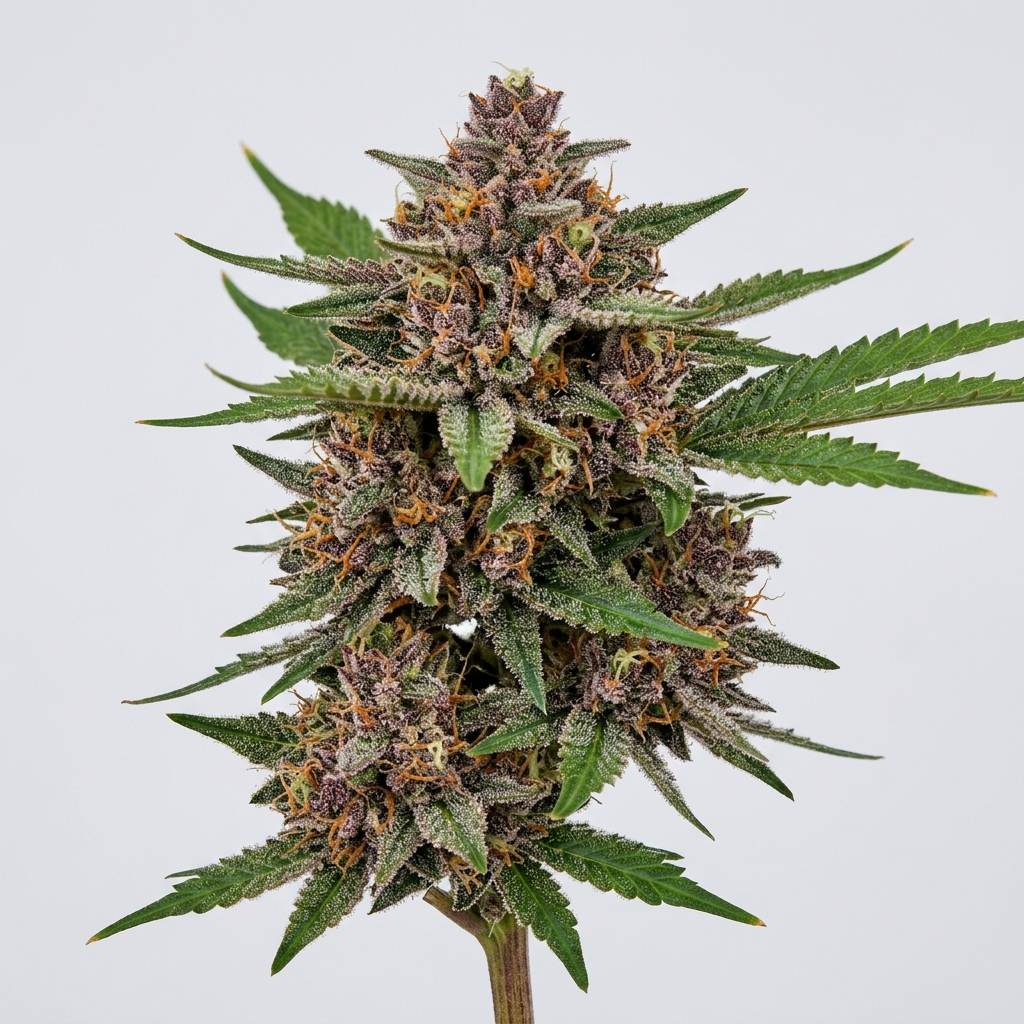
Sherb Crasher (Cannabis Strain)
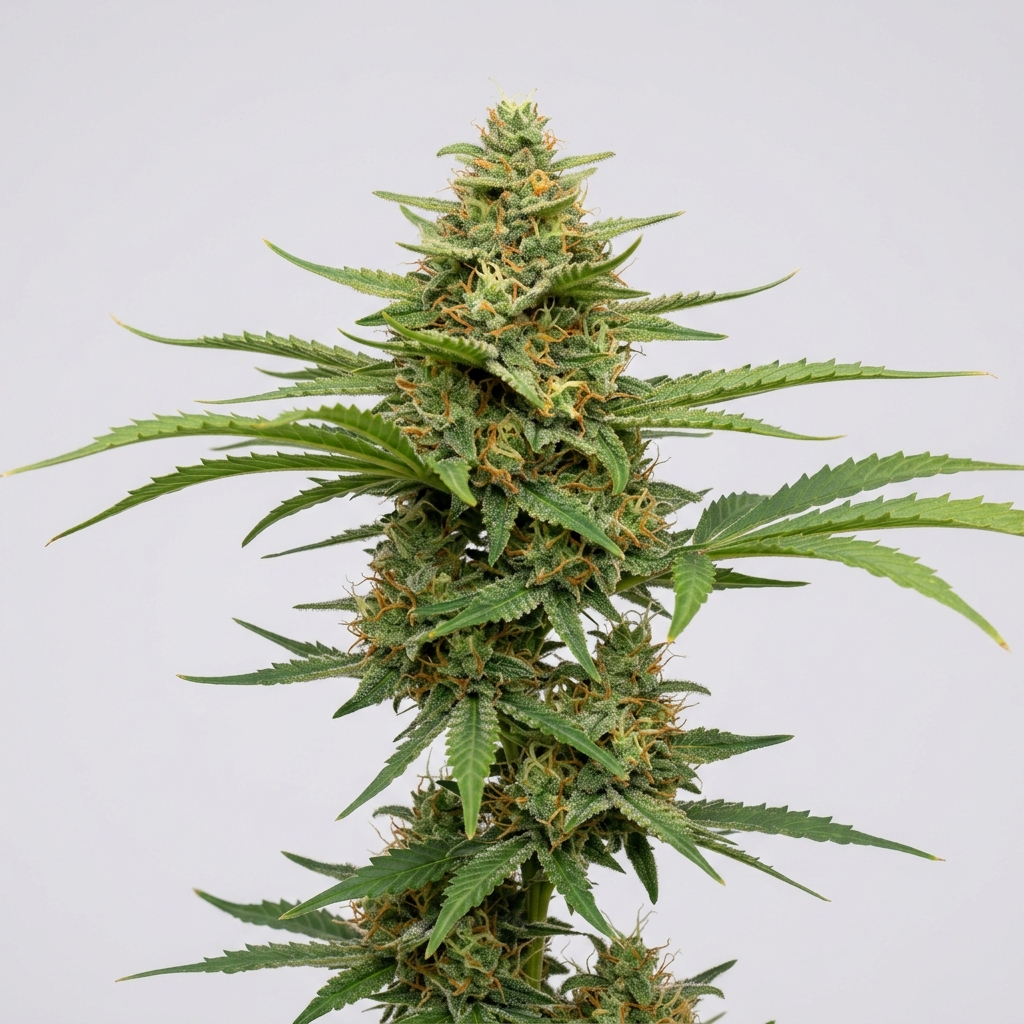
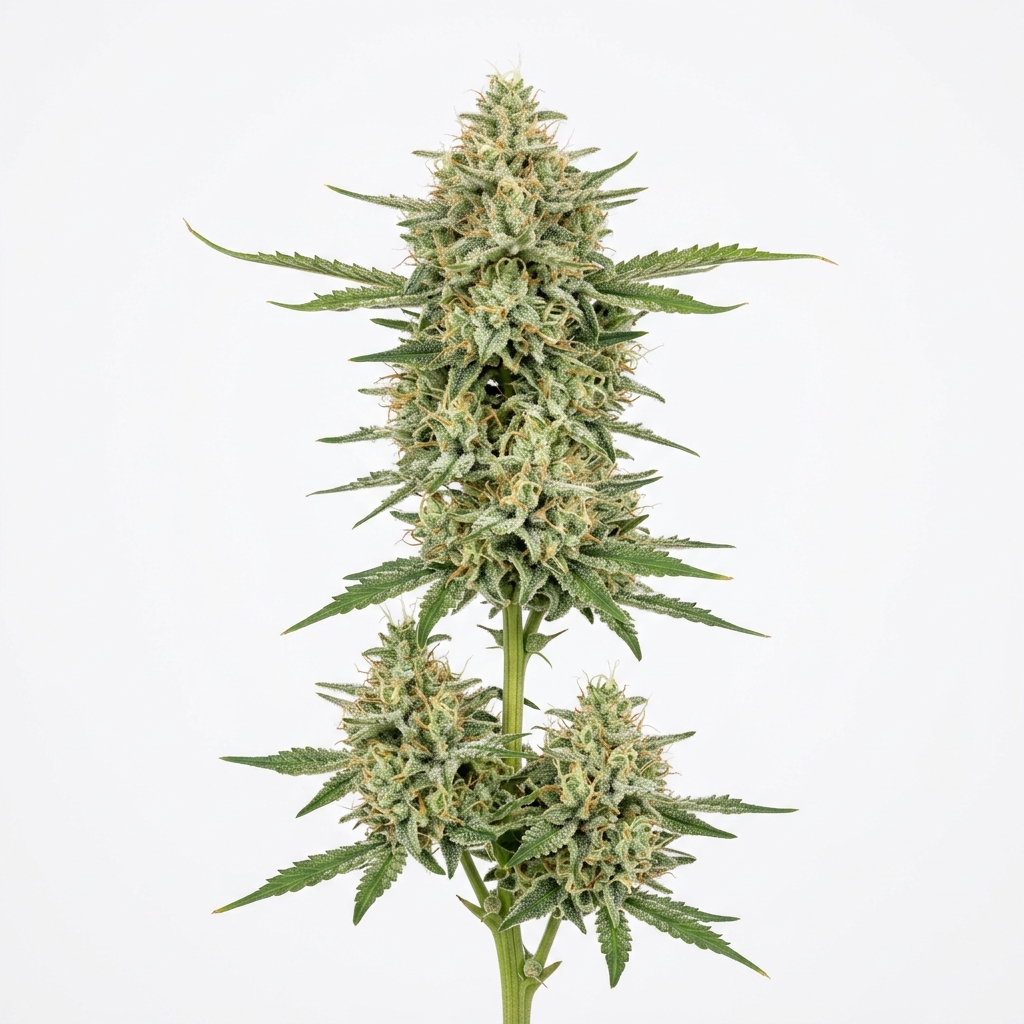
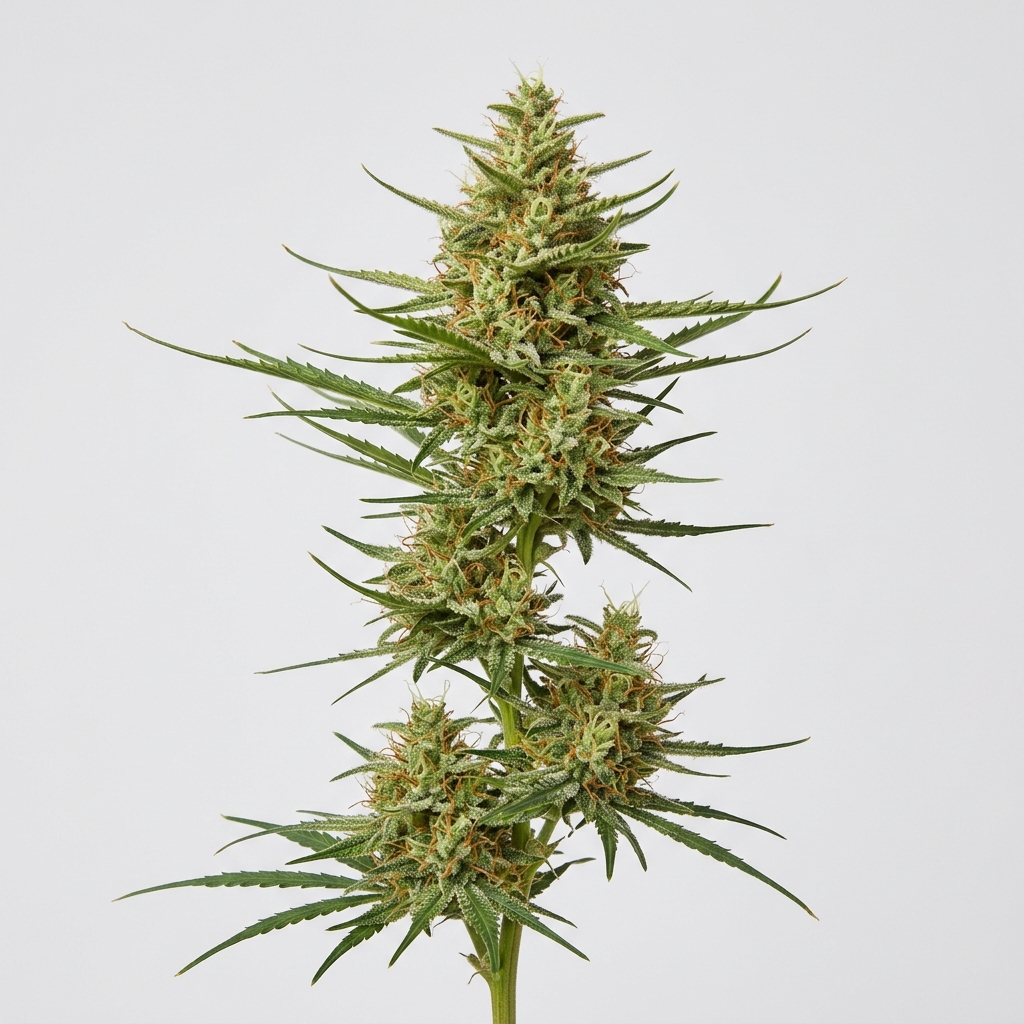
Sherb Crasher is an indica-dominant hybrid typically testing between 20% and 26% THC, bred by crossing the celebrated Sunset Sherbert with the resin-heavy Wedding Crasher. This cultivar is recognized for its dense, purple-splashed buds covered in a thick layer of greasy resin, throwing a complex profile of sweet berry, creamy citrus, and a sharp, tart gas finish. In the garden, it shows a moderate, highly manageable stretch with strong lateral branching, making it a favorite among growers seeking both visual appeal and reliable yields of boutique-grade flower.
The strain has quickly established itself in contemporary gardens due to its exceptional resin production and terpene clarity. Breeders and extractors favor the cultivar for its solventless extraction potential, as the glassy trichomes detach easily during wash cycles. For consumers, it offers a deeply relaxing physical profile balanced by a clear, sensory-focused lift.
Quick Facts
| Metric | Details |
|---|---|
| Genetics | Sunset Sherbert × Wedding Crasher |
| Variety | Indica-dominant Hybrid |
| THC Range | 20% – 26% |
| Flowering Time | 8 – 9 Weeks |
| Yield Potential | Moderate to High |
| Plant Height | Medium |
| Climate Preference | Temperate, low late-flower humidity |
| Difficulty | Moderate |
Scientific & Botanical Overview
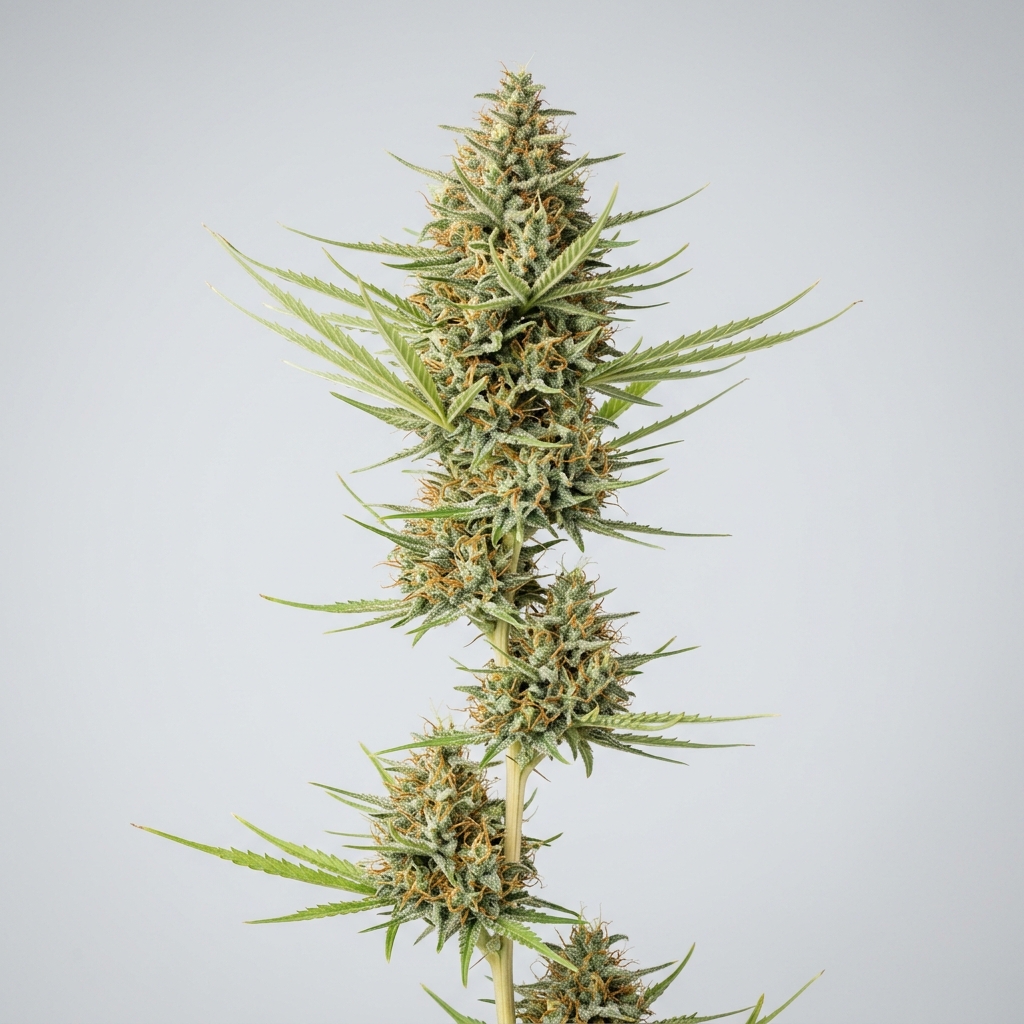
Taxonomically, Sherb Crasher displays classic hybrid morphology, characterized by broad fan leaves and tight internodal spacing inherited from its Kush ancestors. During vegetative growth, the plant builds a sturdy frame with thick stems capable of supporting its heavy, dense upper colas. This structural integrity minimizes the need for aggressive support systems, though trellis netting is recommended to optimize light interception.
Anthocyanin accumulation is highly pronounced in this cultivar, turning the foliage and calyxes deep shades of violet and plum when exposed to cooler night temperatures during late bloom. The bracts are tightly packed and swell significantly in the final two weeks of flowering, creating a highly textured, bumpy bud structure. This physical density requires careful environmental monitoring to prevent microclimate issues within the canopy.
The trichome population is dense and primarily capitate-stalked, forming a wet frost appearance across the flowers and sugar leaves. This high concentration of glandular trichomes yields a rich concentration of monoterpenes and sesquiterpenes, which remain stable during a slow dry and cure. The resulting flower maintains its structural and aromatic integrity long after harvest.
Effects & Use-Cases (Reported)
Commonly reported effects: Users frequently note a rapid onset of cerebral clarity accompanied by a warm, heavy physical relaxation that spreads from the neck down. The mental state is typically described as calm and focused, without the racing thoughts sometimes associated with sativa-dominant varieties. As the physical weight deepens, it transitions into a quiet, meditative state.
Use-case context: Due to its balanced physical heaviness and mental ease, this strain is well-suited for late afternoon or evening wind-down sessions. It is often integrated into quiet creative routines, social conversation, or recovery-focused protocols. The grounding physical profile makes it a popular choice for post-workout relaxation.
Note: Individual tolerance and chemistry vary; higher doses may lead to heavy sedation and increased appetite.
Aroma & Flavors
Aroma: A rich blend of sweet, doughy pastry and ripe berries, cut by a sharp, fuel-like undertone and hints of earthy kush.
Flavor: Smooth and creamy on the inhale, leaving a distinct taste of dark berry, vanilla cream, and a lingering mint finish on the palate.
Terpene associations: Caryophyllene, Limonene, and Myrcene dominate the profile, shaping its characteristic sweet gas and herbal depth.
Tested Cannabinoid & Terpene Ranges
| Compound | Typical Range |
|---|---|
| d9-THC | 20.0% – 26.0% |
| CBG | 0.5% – 1.2% |
| beta-Caryophyllene | 0.4% – 0.8% |
| Limonene | 0.3% – 0.7% |
| Myrcene | 0.2% – 0.5% |
Note: Cannabinoid and terpene levels are highly variable and depend heavily on cultivation methods, environmental conditions, and curing protocols.
Cultivation Notes
- Humidity management: Keep relative humidity (RH) below 45% during the final three weeks of flower to prevent moisture retention in the dense bracts.
- Nutrient regimen: Responds well to a moderate feeding schedule, showing sensitivity to excess nitrogen during early transition.
- Training techniques: Topping early and using low-stress training (LST) helps distribute light evenly across the canopy, maximizing the development of lower spear colas.
- Defoliation: A thorough defoliation at day 21 of flower improves airflow and light penetration through the broad fan leaves.
- Phenotype variation: Most selections show a controlled stretch of roughly 50-80%, with some phenotypes leaning heavily into the purple coloration of the Purple Punch lineage.
Grower Notes (Week-by-Week Snapshot)
- Weeks 1–3 (Transition & Stretch): The plant undergoes a manageable stretch, establishing its flowering sites. Ensure early support like trellis netting is in place to manage lateral branches.
- Weeks 4–6 (Mid-Flower & Bud Development): Bud sites begin to swell rapidly, developing a silvery sheen of early resin. Maintain a steady PK input and ensure good airflow through the lower canopy.
- Weeks 7–9 (Late Flower & Ripening): Lower the temperature by 5–10°F during dark periods to encourage deep purple hues. Flush with clean water according to medium requirements once trichomes transition from clear to milky.
- Post-Harvest (Dry & Cure): Implement a slow dry at 60°F and 60% RH for 10 to 14 days to preserve the delicate monoterpenes before moving to a minimum three-week jar cure.
Genetic Lineage
The lineage of Sherb Crasher is a study in modern dessert genetics, anchoring its traits in the highly influential Sunset Sherbert. Sunset Sherbert (an indica-leaning cross of Girl Scout Cookies and Pink Panties) contributes the signature creamy, citrus-berry sweetness and the robust, bushy growth structure. This side of the lineage ensures a reliable physical weight and an abundance of volatile terpenes.
The paternal contributor, Wedding Crasher, is an elite pairing of Wedding Cake and Purple Punch bred by Symbiotic Genetics. This side of the family infuses the hybrid with exceptional resin coverage, dense bud architecture, and the dark, grape-gas undertones that define the cured flower. The combination yields a highly photogenic cultivar with commercial-grade viability.
Research Insights
Analytical testing of Sherb Crasher reveals a complex terpene matrix where caryophyllene and limonene exist in near-equal ratios, a combination often linked to a balanced physical and mental state. The presence of secondary sesquiterpenes like humulene further deepens the earthy, wood-like undertones of the aromatic profile. This specific chemical arrangement suggests a highly stable essential oil profile when grown under optimal LED lighting.
Phenotypical studies indicate that the interaction between the anthocyanin pigments and the dense trichome coverage creates a unique light-refraction quality. This visual characteristic makes the cultivar highly sought after for commercial flower production, where shelf appeal and bag structure are paramount. Furthermore, the structural resilience of the trichome heads makes it a primary candidate for mechanical separation techniques.
Frequently Asked Questions
Is Sherb Crasher an indica or sativa?
Sherb Crasher is an indica-dominant hybrid, typically exhibiting a 60% to 70% indica lean, though it retains a clear and focused mental clarity from its hybrid heritage.
What does Sherb Crasher smell like?
The aroma is a rich mix of sweet berry pastry, creamy vanilla, and a sharp, gassy kick that lingers in the air after the buds are broken apart.
How long does Sherb Crasher take to flower?
This cultivar typically finishes its flowering cycle in 8 to 9 weeks when grown indoors under standard light cycles.
Is Sherb Crasher difficult to grow?
It is considered a moderate-difficulty strain. While it possesses strong structural integrity, its dense buds require careful humidity management to prevent late-stage mold.
Educational Disclaimer
This content is for educational and informational purposes only. Cultivation and consumption of cannabis are subject to local laws and regulations. Consult with a professional before initiating any horticultural or wellness protocols.
Rate and review this strain
Ratings and reviews are accepted only from signed-in Google accounts.
Sign in with Google to leave a rating and written review.
Latest Reviews
0 reviewsNo reviews yet. Be the first Google user to rate and review this strain.