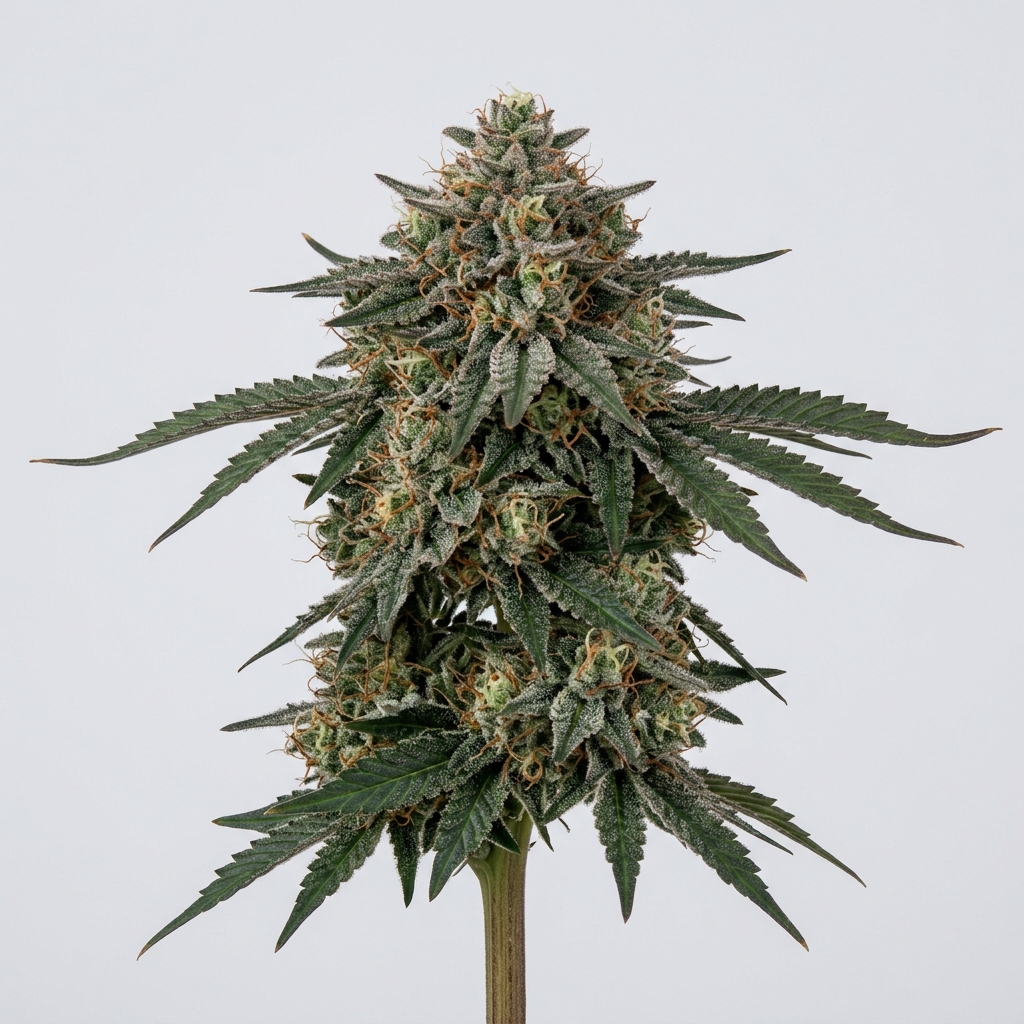
Shark Attack (Cannabis Strain)
Shark Attack is an indica-dominant hybrid typically testing between 12% and 16% THC, bred by crossing the legendary Great White Shark with White Widow. Known for its heavy resin production and compact growth, this cultivar delivers a distinct profile of sweet hash, forest earth, and subtle lemon-citrus undertones. Growers value the strain for its rapid flowering cycle and dense, frosty colas that reflect its classic Dutch lineage.
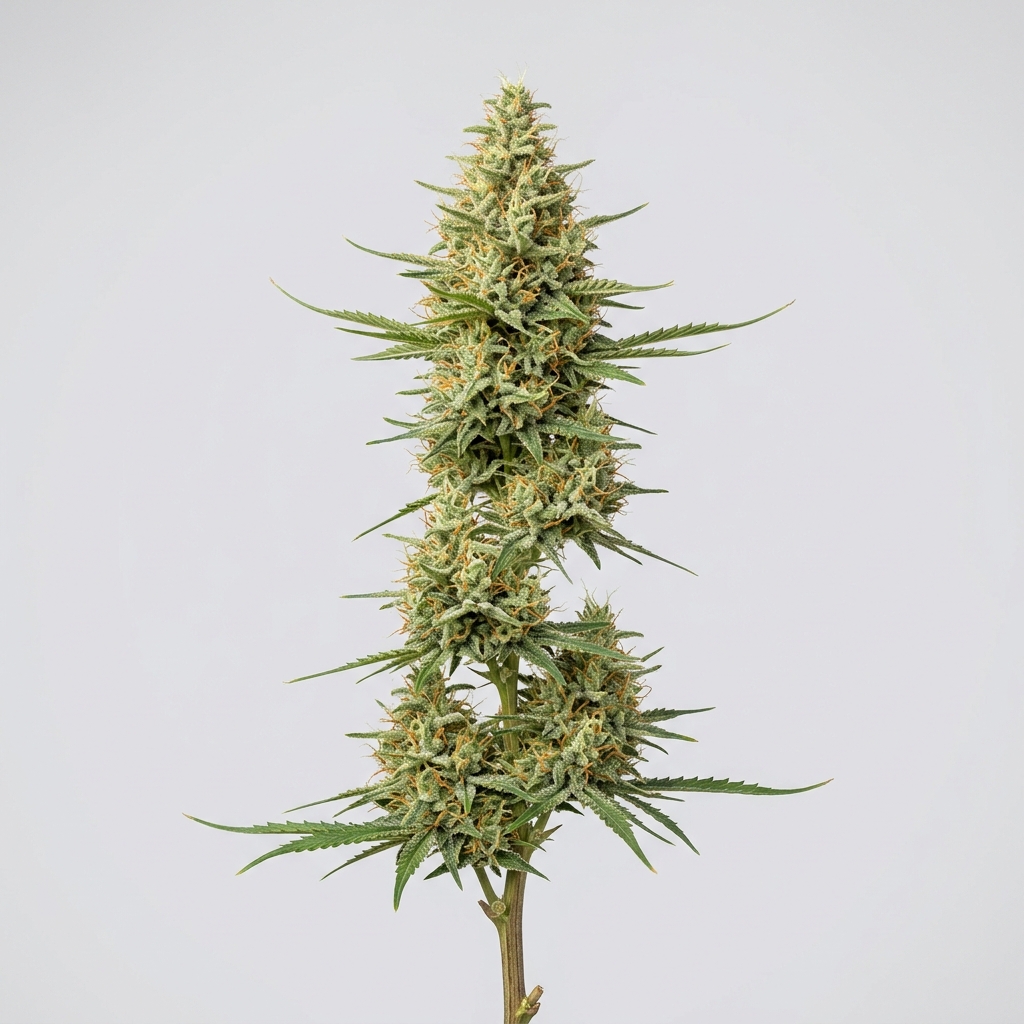
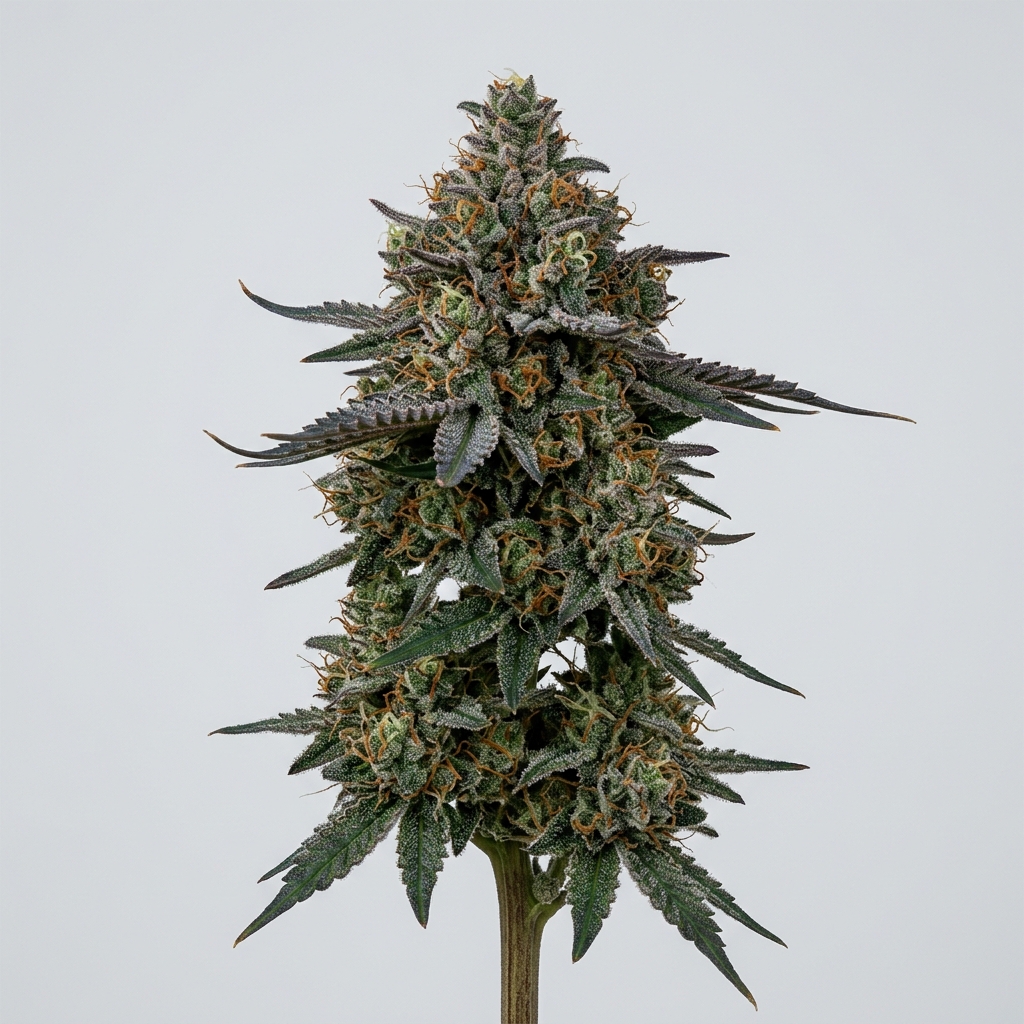
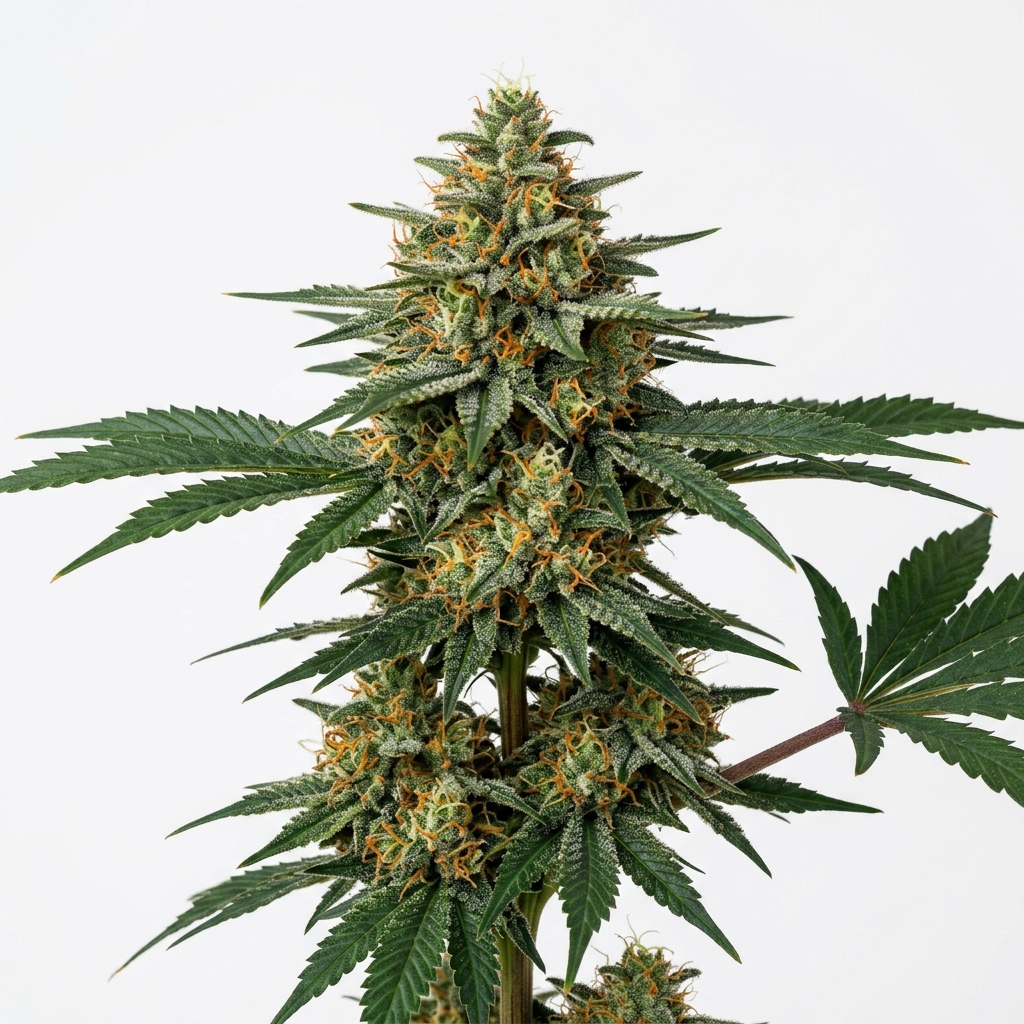
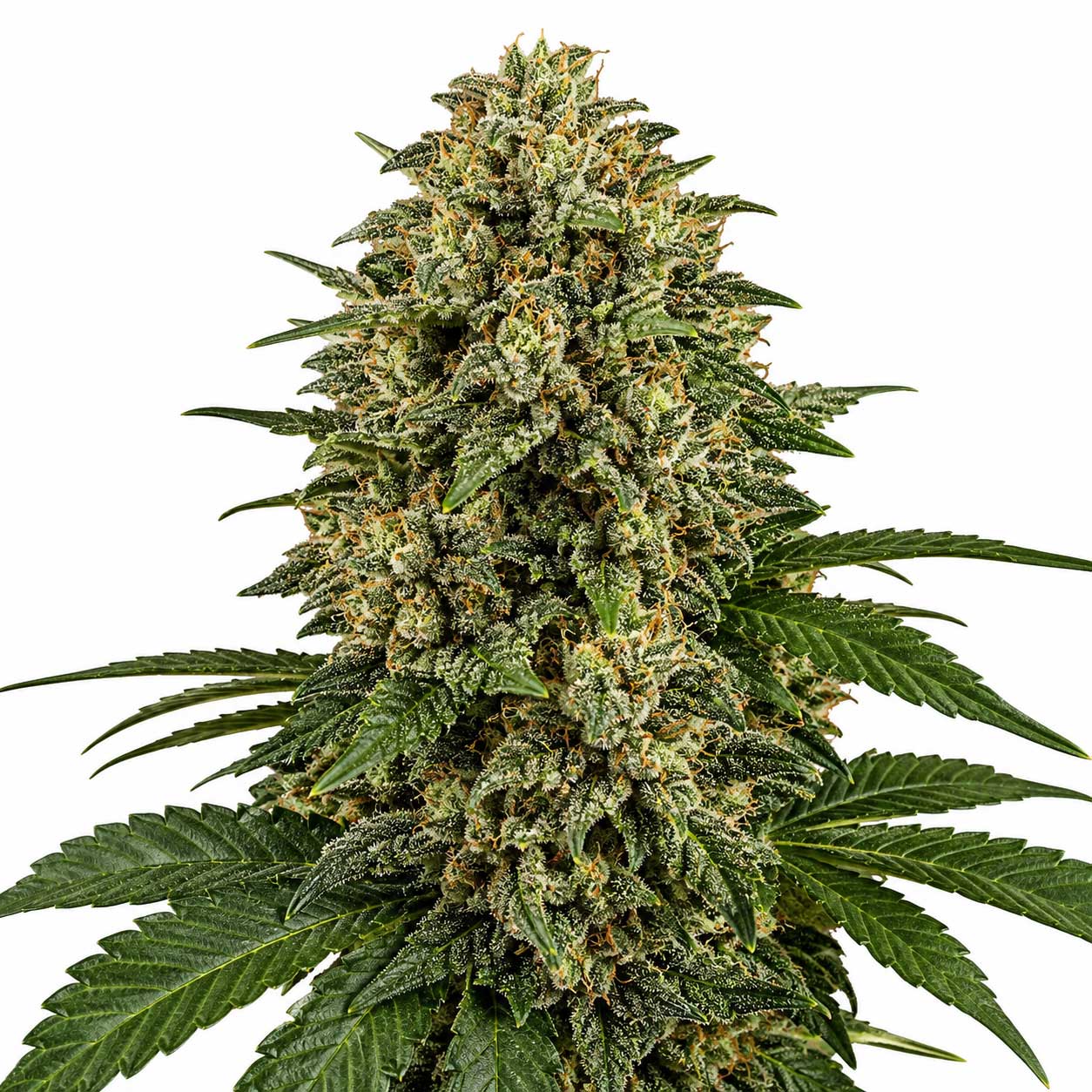
Visually, the plant displays the classic traits of its white-family ancestors, developing a thick blanket of sticky trichomes over broad, dark green fan leaves. Its physical structure remains short and bushy, making it an excellent choice for indoor setups where vertical space is limited. The finished flowers are remarkably dense, requiring careful environmental control during the final weeks of bloom.
Quick Facts
| Field | Details |
|---|---|
| Genetics | Great White Shark × White Widow |
| Variety | Indica-dominant (approx. 70/30) |
| THC Range | 12% – 16% |
| Flowering Time | 50 – 55 days (7 – 8 weeks) |
| Yield Potential | Moderate to High |
| Plant Height | Short to Medium (compact) |
| Climate Preference | Temperate, dry, Mediterranean |
| Difficulty | Easy to Moderate |
Scientific & Botanical Overview
Botanically, Shark Attack shows a classic indica morphology characterized by short internodal spacing, thick stems, and broad-fingered leaves. The vegetative phase is marked by rapid lateral branching, creating a dense canopy that efficiently intercepts light. This structure supports heavy, resin-rich flowers without requiring extensive physical support.
The cultivar is highly regarded for its dense bract-to-leaf ratio, which simplifies the trimming process post-harvest. During the flowering phase, the calyxes swell significantly, forming tight, rounded clusters that become heavily coated in capitate-stalked trichomes. This heavy resin coverage is a direct inheritance from its White Widow parentage.
Due to the extreme density of its mature colas, the microclimate within the canopy requires close monitoring. High relative humidity during late bloom can trap moisture within the compact floral clusters, making the plant susceptible to gray mold (botrytis). Maintaining consistent airflow and moderate feeding schedules ensures the plant reaches its full genetic potential.
Effects & Use-Cases (Reported)
Commonly reported effects: Users frequently describe a deeply relaxing physical sensation coupled with a calm, clear mental state. The onset is typically gradual, settling into a heavy body stone that makes it highly suitable for evening use.
Use-case context: This cultivar is regularly chosen for wind-down hours, quiet evenings, or as an aid for physical relaxation after demanding tasks. Its balanced potency profile provides a soothing experience without the intense, soaring cerebral stimulation of sativa-dominant varieties.
Note: Individual experiences may vary depending on dosage, tolerance, and specific phenotype chemistry.
Aroma & Flavors
Aroma: Deeply earthy and herbal, with a dominant base of spicy hashish and damp forest floor, accented by a sharp citrus lift when the buds are broken apart.
Flavor: The smoke carries a smooth, sweet earthiness on the inhale, followed by a subtle pine and lemon-mint finish on the exhale.
Terpene associations: Lab analyses frequently point to high concentrations of myrcene, caryophyllene and limonene, which drive the strain’s grounding, spicy, and citrus-edged sensory profile.
Tested Cannabinoid & Terpene Ranges
| Compound | Typical Range |
|---|---|
| Δ9-THC | 12.0% – 16.0% |
| CBD | 0.1% – 1.0% |
| Myrcene | 0.4% – 0.9% |
| Caryophyllene | 0.2% – 0.6% |
| Limonene | 0.1% – 0.4% |
Values are literature-informed estimates and can vary significantly based on cultivation methods, curing processes, and specific phenotypes.
Cultivation Notes
- Keep relative humidity (RH) below 45% during the final three weeks of flowering to prevent mold in the dense colas.
- Apply light to moderate nutrient regimens, as the strain can be sensitive to over-fertilization, particularly nitrogen burn during early veg.
- use low-stress training (LST) or defoliation to improve light penetration and airflow through the dense lower canopy.
- Plan for a fast harvest window, as most phenotypes reach peak maturity between 50 and 55 days of 12/12 light.
- Select phenotypes that demonstrate strong lateral branching and high resin production early in the flowering cycle.
Grower Notes (Week-by-Week Snapshot)
- Weeks 1–3 (Transition & Early Bloom): The plants undergo a moderate stretch, usually doubling in size. Focus on tucking large fan leaves and establishing a flat canopy using trellis netting to maximize light exposure to lower bud sites.
- Weeks 4–6 (Mid-Bloom & Resin Development): White pistils form dense clusters as resin production begins in earnest. The aroma shifts from fresh vegetation to a sweeter, skunky hash scent; ensure carbon filters are running efficiently.
- Weeks 7–8 (Late Bloom & Ripening): Calyxes swell and trichomes transition from clear to milky white. Drop room humidity to its lowest levels and monitor the interior of the main colas daily for any signs of moisture retention.
- Post-Harvest (Slow Dry & Cure): Hang-dry the whole plant at 60°F (15°C) and 60% RH for 10 to 14 days. A slow, controlled cure in airtight vessels for at least three weeks is essential to preserve the delicate, sweet hash terpenes.
Genetic Lineage
The genetic foundation of Shark Attack rests on two pillars of the classic Dutch coffeeshop era: Great White Shark and White Widow. Great White Shark, itself a cross of Super Skunk and a South Indian/Brazilian hybrid, contributes its robust structure and sweet, pungent aroma. White Widow injects its legendary resin-producing capability and physical potency into the cross.
This combination yields a stable, predictable offspring that emphasizes the best traits of the “White” family of cannabis. The resulting hybrid preserves the short, compact growth habit of its ancestors while delivering an enhanced flavor profile that balances old-school hash with a brighter, clean citrus finish.
Research Insights
Scientific interest in cultivars like Shark Attack often focuses on their rich trichome density and the preservation of classic landrace-derived terpenes. The high concentration of myrcene combined with caryophyllene suggests a strong affinity for physical relaxation, which correlates with historical data on indica-dominant landraces from Southern India and Afghanistan.
Additionally, the strain’s rapid flowering mechanism serves as a valuable model for breeders looking to shorten cultivation cycles without sacrificing resin quality or yield. Its genetic stability makes it a reliable parent plant for creating fast-flowering, extraction-grade hybrids.
Frequently Asked Questions
Is Shark Attack suitable for beginner growers?
Yes, its compact size, rapid flowering time, and robust structure make it highly manageable for beginners, though close attention must be paid to late-flower humidity.
What does Shark Attack smell like?
It features a deeply earthy and spicy hash aroma with sweet undertones and a sharp lemon-citrus finish when the buds are ground.
How long does Shark Attack take to flower?
This cultivar has a short flowering window, typically ripening fully within 50 to 55 days of indoor cultivation.
Does this strain require a lot of feeding?
No, Shark Attack generally prefers a moderate nutrient regimen. Overfeeding, especially with nitrogen, can easily lead to nutrient burn.
Educational Disclaimer
This article is intended solely for educational and informational purposes. Cultivation and consumption of cannabis are subject to local laws and regulations. Always consult with a professional before initiating any horticultural practices.
Rate and review this strain
Ratings and reviews are accepted only from signed-in Google accounts.
Sign in with Google to leave a rating and written review.
Latest Reviews
0 reviewsNo reviews yet. Be the first Google user to rate and review this strain.