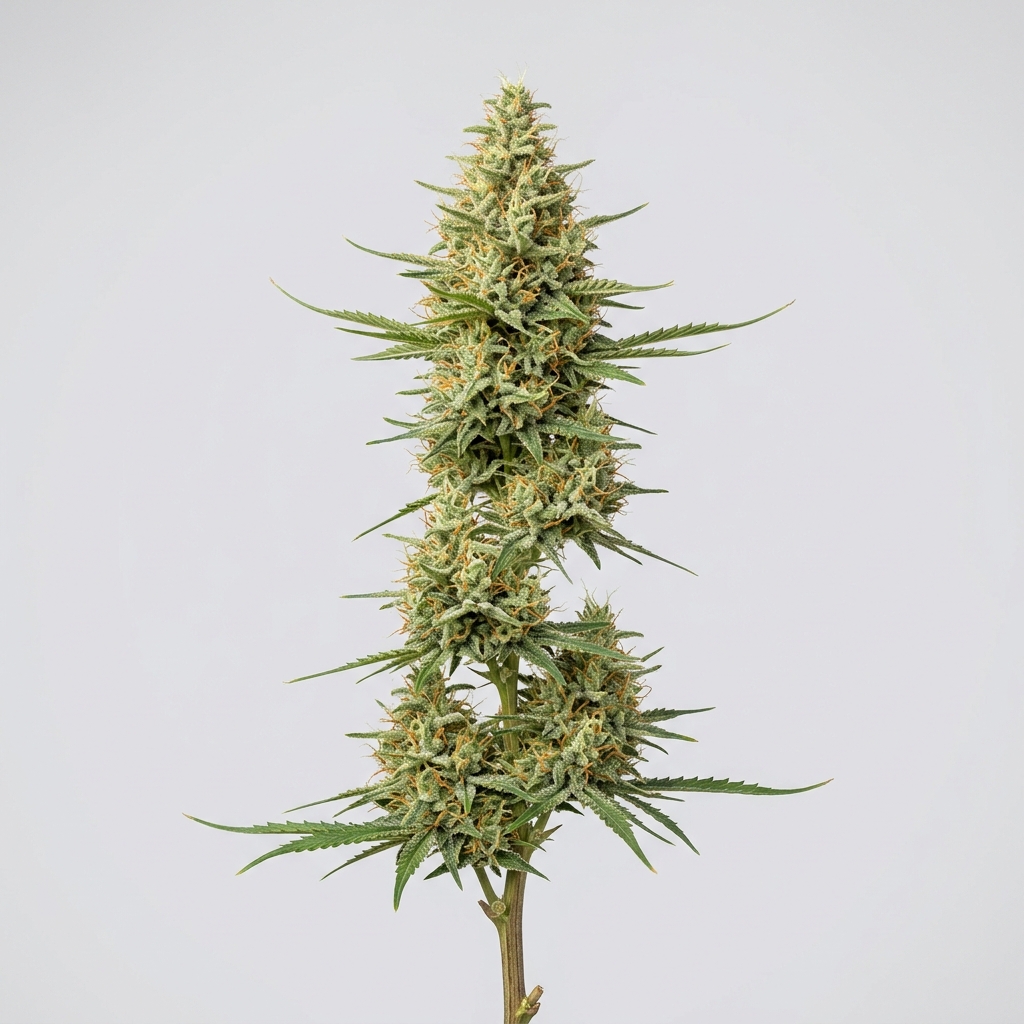
Santa Sativa (Cannabis Strain)
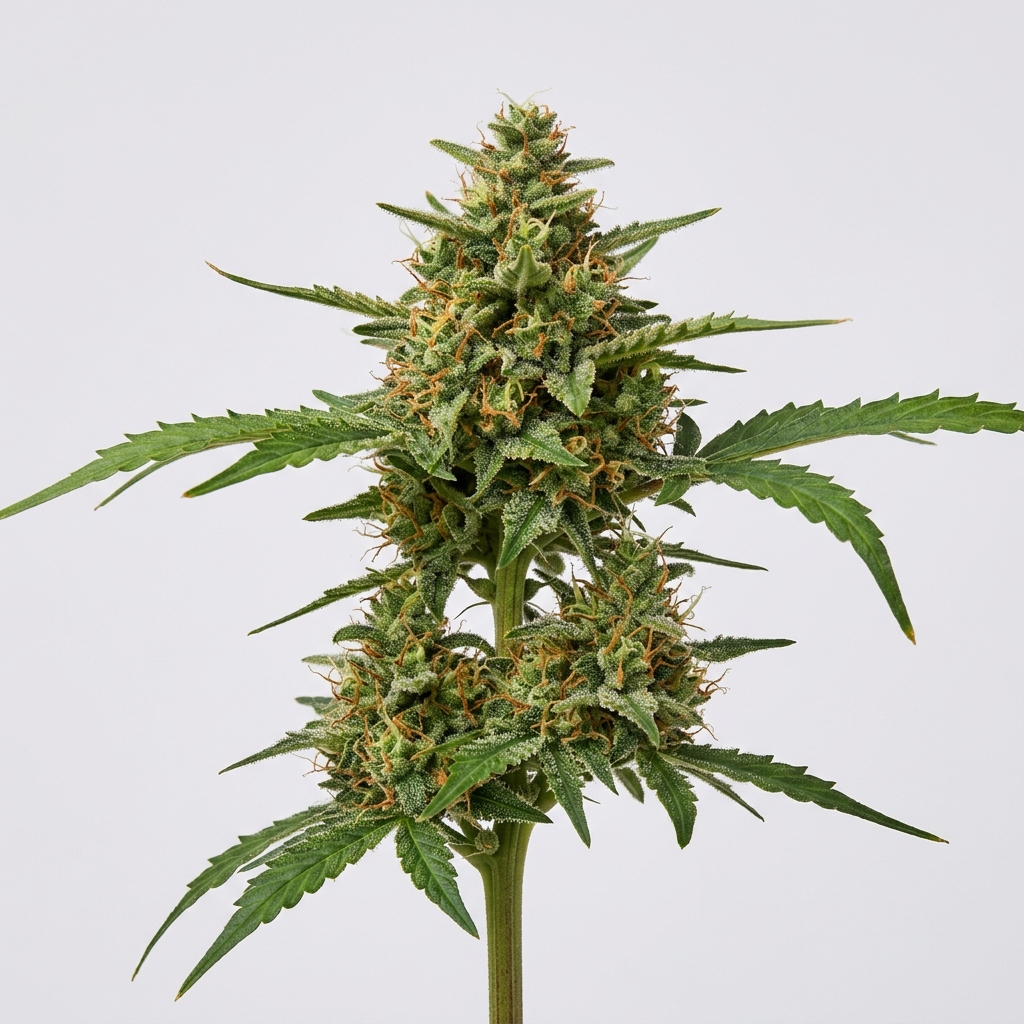
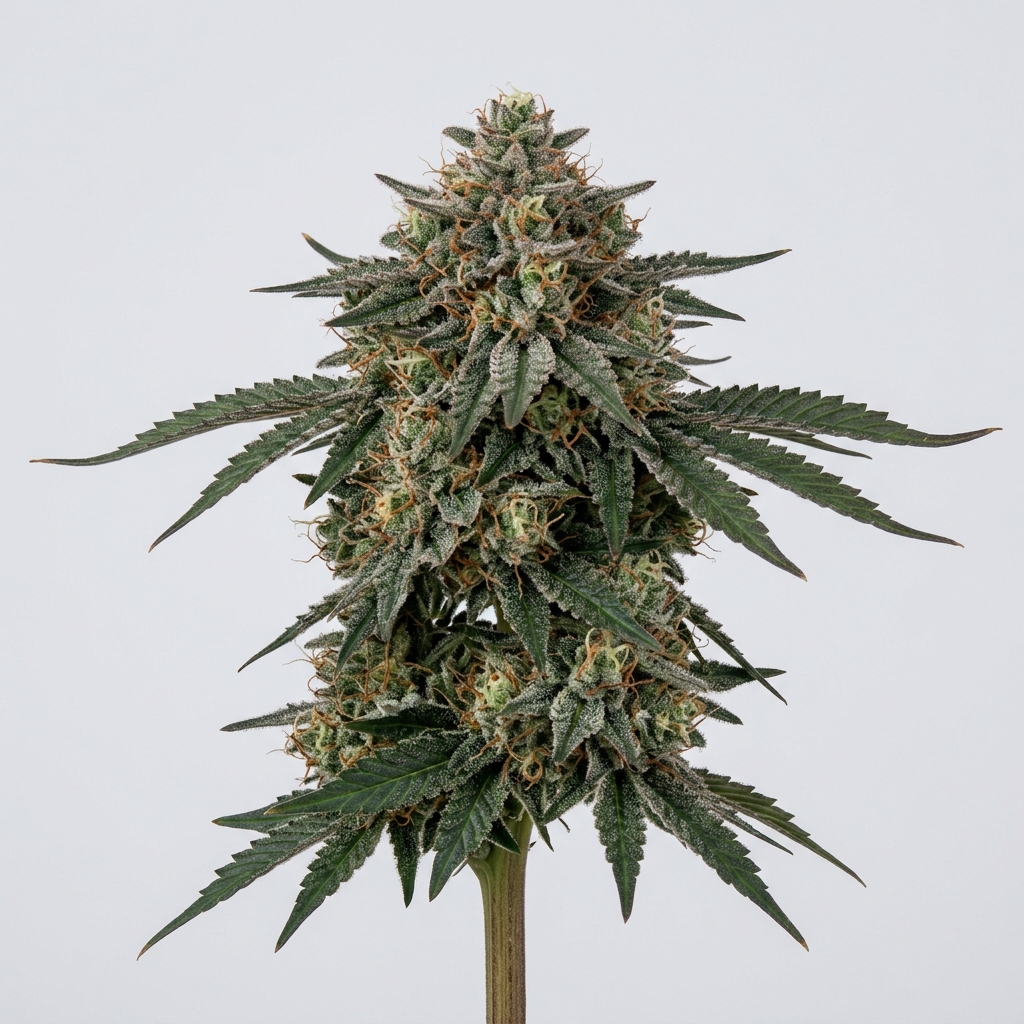
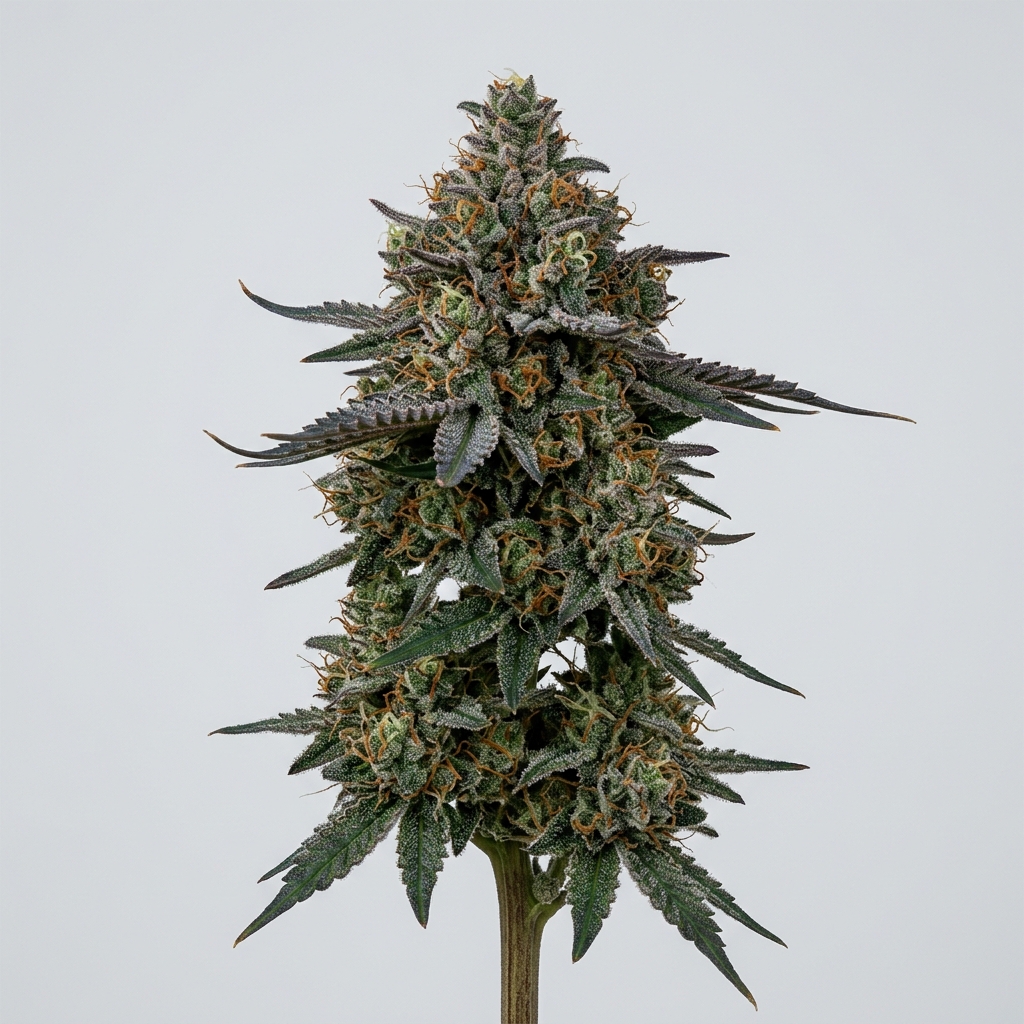
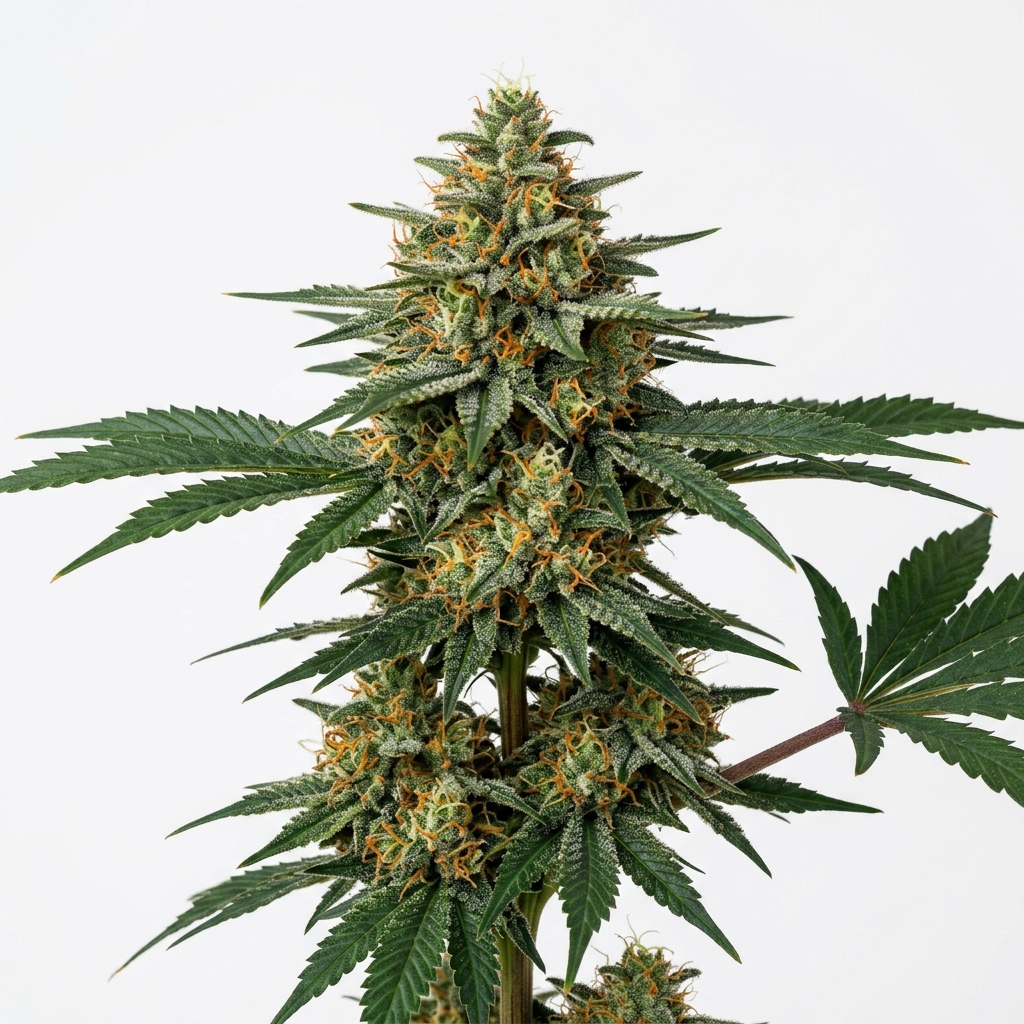
Santa Sativa is a classic sativa-dominant hybrid, typically testing between 16% and 20% THC, developed by crossing Haze #1 with a robust Skunk x Northern Lights selection. Known for its soaring, clear-headed energy and old-school incense aroma, this cultivar produces massive, spear-like colas coated in greasy resin. Its vigorous growth behavior demands ample vertical space and careful canopy management, making it a favorite among experienced growers seeking a high-yielding, legacy sativa experience.
Unlike modern, dense dessert hybrids, this variety showcases the architectural elegance of traditional sativas with long internodal spacing and thin fan leaves. The cured buds present a complex profile of pine, cedar wood, and bright citrus that appeals to purists. It remains a staple for those who appreciate functional, daytime productivity and the distinct, spice-forward character of legacy haze genetics.
Quick Facts
| Metric | Details |
|---|---|
| Genetics | Haze #1 × (Skunk x Northern Lights) |
| Variety | Sativa-dominant Hybrid |
| THC Range | 16.0% – 20.0% |
| Flowering Time | 70 – 80 Days |
| Yield Potential | High |
| Plant Height | Tall |
| Climate Preference | Warm, Mediterranean, Dry |
| Difficulty | Moderate to Experienced |
Scientific & Botanical Overview
Botanically, Santa Sativa shows classic tropical sativa morphology, characterized by rapid vegetative growth and significant stretch during the transition to flower. The plants develop a sprawling, open structure with thin-fingered fan leaves that allow excellent light penetration throughout the lower canopy. Internodal spacing is wide, which helps prevent moisture retention but requires structural support as the flowering cycle progresses.
The inflorescence structure consists of elongated, spear-shaped colas rather than tight, rounded golf-ball buds. These colas are comprised of swollen calyxes that stack vertically, creating a relatively open bud structure that naturally resists mold and mildew in humid conditions. The resin glands are small to medium-sized but highly concentrated, producing a slick, greasy coat of trichomes across the bracts and sugar leaves.
This cultivar thrives under high-intensity lighting and requires a balanced, moderate nutrient regimen to avoid nitrogen toxicity during its prolonged vegetative phase. Due to its genetic heritage, the plant is highly sensitive to photoperiod shifts and will begin stretching immediately upon switching to a 12/12 light cycle, often doubling or tripling in size before stabilizing.
Effects & Use-Cases (Reported)
Commonly reported effects: Users frequently report an immediate, uplifting rush of mental clarity, accompanied by a physical sensation of clean energy and focus without heavy sedation.
Use-case context: This profile is well-suited for daytime activities, creative projects, and social settings where alertness is desired. It is often chosen by those looking to maintain productivity or ease physical fatigue during active hours.
Note: Because of its strong sativa lineage and rapid onset, novice consumers or those sensitive to cerebral stimulation should start with lower amounts to gauge tolerance.
Aroma & Flavors
Aroma: A dominant base of aged cedar wood and damp earth, layered with sharp pine and a distinct, church-like incense spice.
Flavor: The smoke carries a dry, woody taste on the inhale, opening up to a bright, tart citrus lift and a subtle herbal mint finish on the exhale.
Terpene associations: Lab reports typically indicate high concentrations of terpinolene, myrcene, and pinene, which drive the piney, spicy, and uplifting aromatic profile.
Tested Cannabinoid & Terpene Ranges
| Compound | Typical Range |
|---|---|
| Δ9-THC | 16.0% – 20.0% |
| CBD | < 0.1% |
| CBG | 0.5% – 1.2% |
| Terpinolene | 0.3% – 0.8% |
| Myrcene | 0.2% – 0.6% |
| Pinene | 0.1% – 0.4% |
Note: Cannabinoid and terpene levels are highly variable and depend on specific phenotypes, environmental conditions, and cultivation techniques.
Cultivation Notes
- Humidity: Maintain vegetative humidity around 60%, dropping to 45% in late flower to preserve the volatile terpene profile.
- Nutrition: Feed lightly; this variety is sensitive to over-fertilization, particularly excessive nitrogen during early flower.
- Training: use topping, LST, or a ScROG net early in vegetative growth to manage the significant vertical stretch.
- Harvest: Harvest when trichomes are mostly milky white with a small percentage of amber to preserve the clear, energetic high.
- Phenotype management: Expect some variation in flowering times; haze-leaning phenotypes may require up to 80 days to fully mature.
Grower Notes (Week-by-Week Snapshot)
- Weeks 1–3 (Transition & Stretch): The plant stretches aggressively after the light flip. Secure branches to trellises immediately and prune lower growth to encourage airflow.
- Weeks 4–6 (Flower Development): Long, airy colas begin to form. White pistils stack rapidly, and the first signs of greasy resin appear on the sugar leaves. Keep nutrient levels moderate.
- Weeks 7–9+ (Ripening & Flush): Calyxes swell and the intense pine-incense aroma intensifies. Reduce humidity and begin a thorough two-week flush with plain water to ensure a clean burn.
- Post-Harvest (Cure): Hang-dry the whole plant for 10 to 14 days at 60°F and 60% relative humidity. A slow dry and a minimum four-week cure are essential to unlock the complex wood and incense notes.
Genetic Lineage
Santa Sativa inherits its soaring cerebral character and complex terpene profile directly from Haze #1, a foundational landrace-derived sativa. This parent contributes the signature incense aroma, long flowering window, and tall, open plant structure that defines the cultivar’s physical appearance.
To temper the wild growth habits and long flowering time of the Haze, breeders introduced a hybrid of Skunk and Northern Lights. This classic pairing adds structural support, shortens the flowering cycle slightly, and increases bud density and resin production without overpowering the uplifting sativa effects.
Research Insights
Analytical testing shows a distinct terpene profile dominated by terpinolene, a compound frequently associated with active, clear-headed sativa cultivars. Unlike myrcene-heavy strains that promote physical relaxation, the presence of terpinolene combined with pinene suggests a synergistic effect that supports alertness and mental focus.
The presence of minor cannabinoids like CBG in tested samples points to a complex chemical makeup that may influence how the primary cannabinoids interact with receptors. Ongoing research into legacy haze genetics continues to explore how these specific terpene ratios contribute to the energetic experience characteristic of old-school sativas.
Frequently Asked Questions
Is Santa Sativa difficult to grow indoors?
Yes, it can be challenging due to its extreme stretch and long flowering time. It requires active canopy management, such as trellising or topping, to control its height in limited indoor spaces.
What does Santa Sativa smell like?
It has a rich, old-school aroma dominated by cedar wood, pine, and church incense, accented by a sharp, citrusy undertone.
How long does Santa Sativa take to flower?
This cultivar typically requires 70 to 80 days of flowering to reach peak maturity, with some haze-dominant phenotypes needing the full 11 weeks.
What are the primary effects of Santa Sativa?
It is widely reported to deliver a clear, uplifting, and energetic mental buzz, making it an excellent choice for daytime productivity and creative tasks.
Educational Disclaimer
This article is for educational and informational purposes only. Cannabis laws vary by jurisdiction, and cultivation should only be undertaken where legally permitted.
Rate and review this strain
Ratings and reviews are accepted only from signed-in Google accounts.
Sign in with Google to leave a rating and written review.
Latest Reviews
0 reviewsNo reviews yet. Be the first Google user to rate and review this strain.