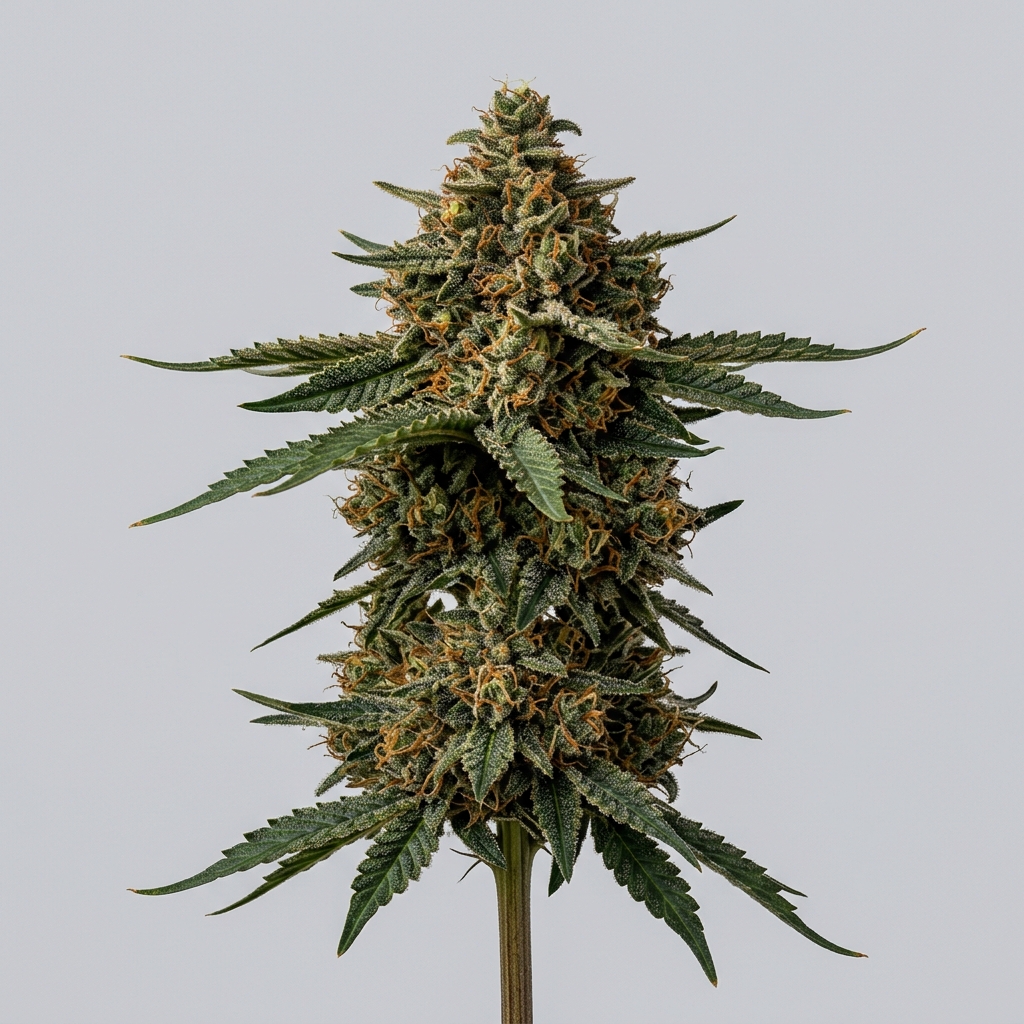
Roadkill Skunk (Cannabis Strain)
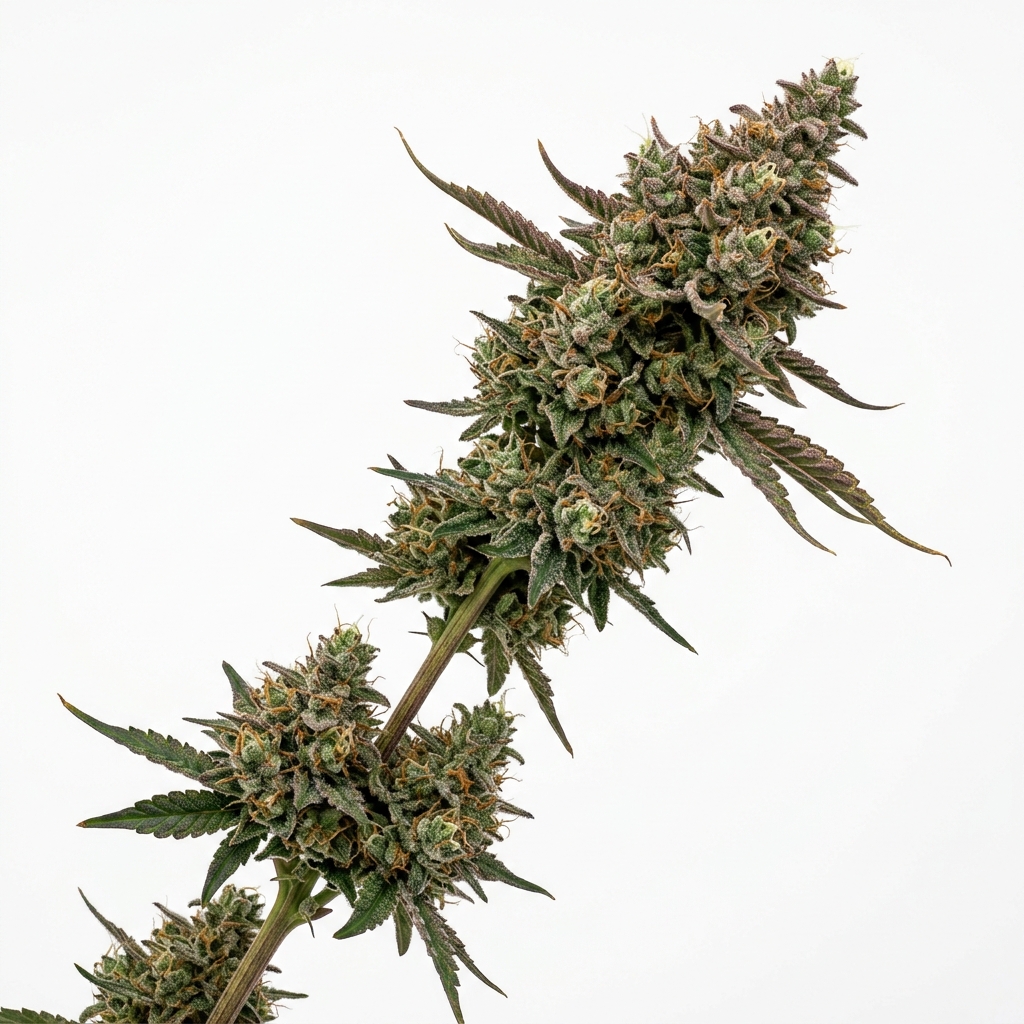
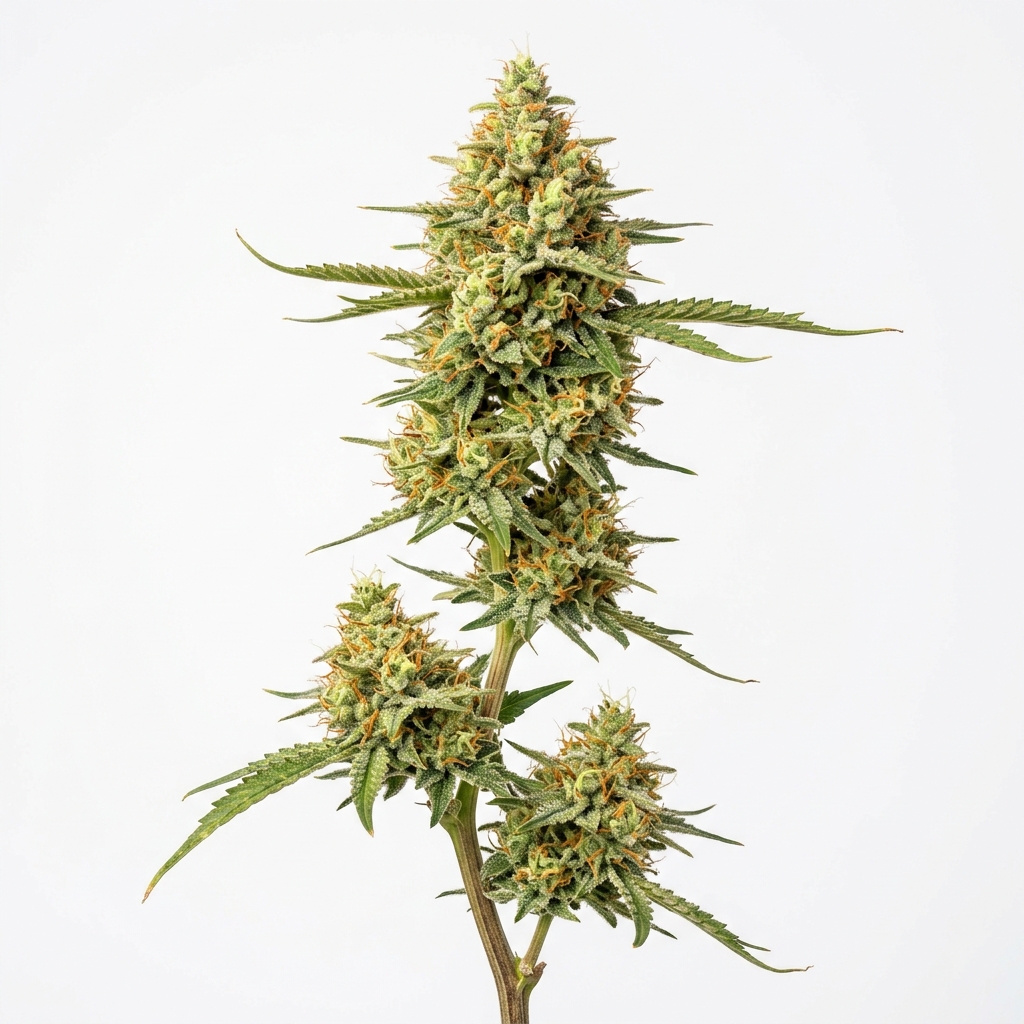
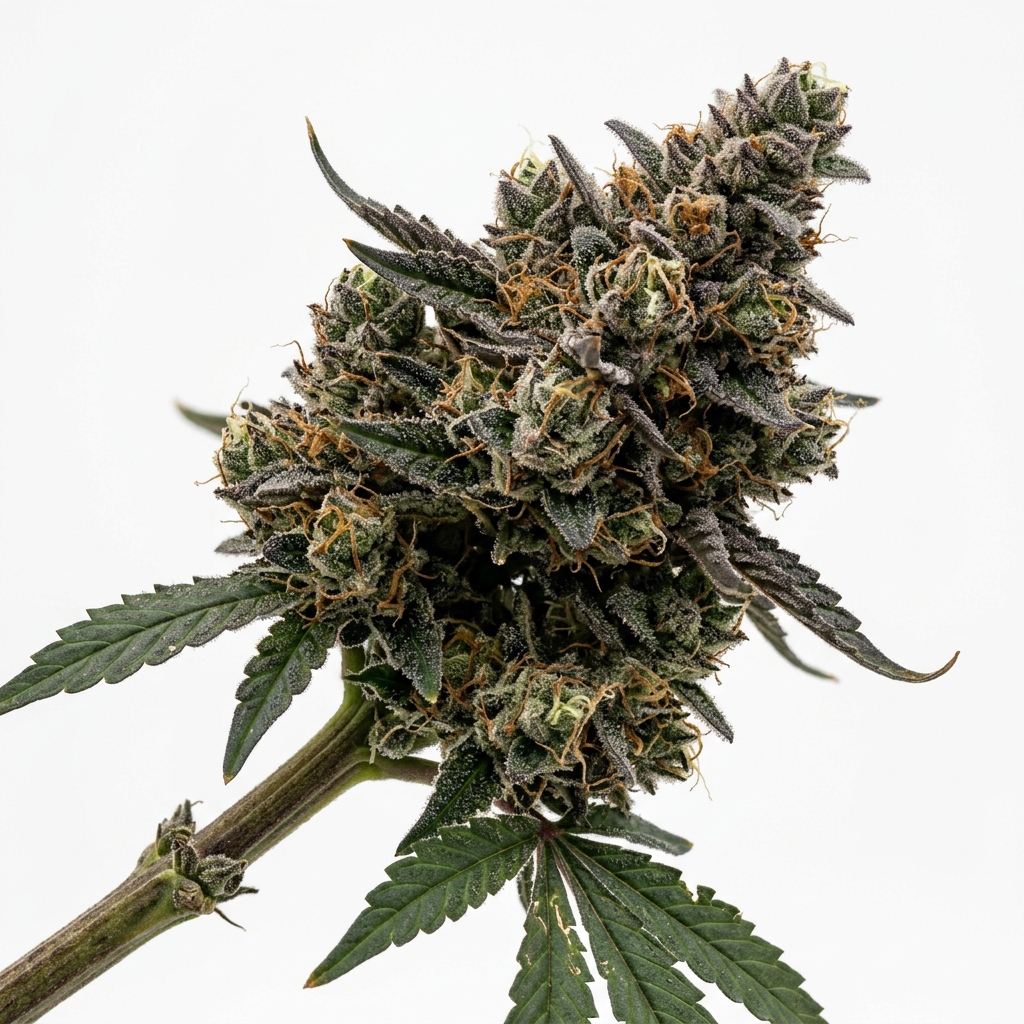
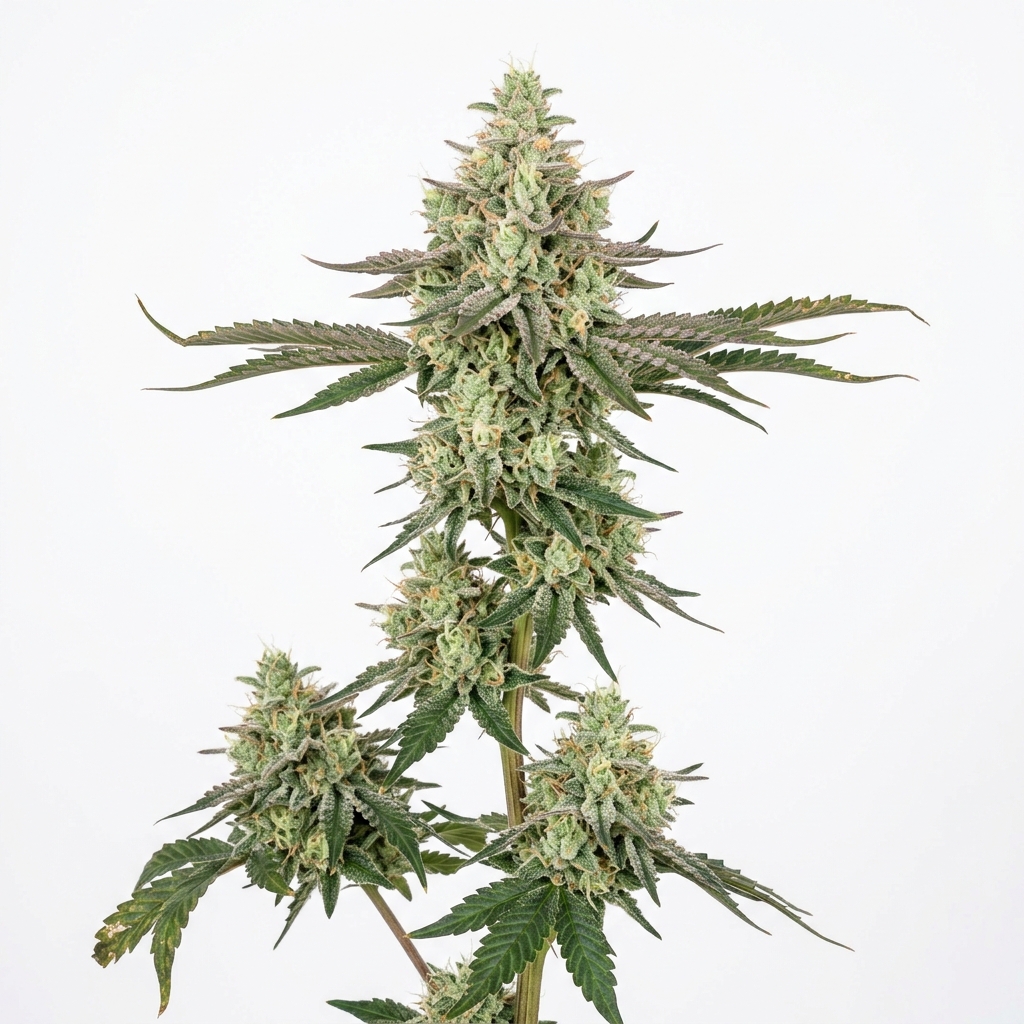
Roadkill Skunk is a legendary indica-dominant hybrid (typically testing between 18% and 22% THC) derived from heritage Skunk #1 selections, prized for its notoriously offensive sulfur and acrid diesel aroma. This old-school cultivar features dense, spade-shaped colas with greasy resin and thick, dark orange pistils. Known for its slow, steady vegetative growth and moderate stretch in early flower, it delivers a heavy, physical relaxation that has made it a foundational archetype of traditional skunk genetics.
Unlike modern sweet hybrids, this strain preserves the raw, pungent profile that defined the underground market of the 1980s. Growers seek out authentic cuts of this cultivar to capture its unique, heavy-bodied traits and unmistakable, room-filling stench.
Quick Facts
| Attribute | Details |
|---|---|
| Genetics | Skunk #1 Phenotype (Afghani × Colombian Gold × Acapulco Gold) |
| Variety | Indica-dominant Hybrid |
| THC Range | 18% – 22% |
| Flowering Time | 8 – 9 Weeks |
| Yield Potential | Moderate to High |
| Plant Height | Medium |
| Climate Preference | Warm, dry, well-ventilated |
| Difficulty | Moderate |
Scientific & Botanical Overview
Roadkill Skunk shows classic broad-leaf morphology, showing thick stems, tight internodal spacing, and deep green fan leaves. The vegetative phase requires attentive pruning to encourage airflow through its dense canopy.
During the flowering cycle, the plant develops heavy, resin-rich flowers with swollen calyxes and a thick coating of greasy trichomes. The bracts are tightly packed, forming solid, spear-shaped colas that require physical support during the final weeks of development.
The cultivar is highly sensitive to late-flower humidity due to the density of its buds. Maintaining low humidity and consistent air circulation is critical to preventing moisture retention within the tight flower clusters.
Effects & Use-Cases (Reported)
Commonly reported effects: Deep physical heaviness, profound relaxation, and a calm, slow-paced mental state.
Use-case context: Best suited for late evening or night use, particularly when winding down after physical exertion. It is frequently selected by those seeking a traditional, heavy-hitting indica experience without modern cerebral intensity.
Note: Due to its heavy physical onset, newer consumers should approach this cultivar with caution to avoid early sedation.
Aroma & Flavors
Aroma: Dominant notes of decaying organic matter, acrid sulfur, burnt rubber, and a sharp diesel undertone that lingers in the air.
Flavor: An intense earthy kush base layered with sour fuel, sharp musk, and a lingering, spicy herbal finish on the exhale.
Terpene associations: Rich in myrcene, caryophyllene, and limonene, which contribute to its heavy, musk-forward profile and deep physical properties.
Tested Cannabinoid & Terpene Ranges
| Compound | Typical Range |
|---|---|
| Δ9-THC | 18.0% – 22.0% |
| CBD | < 0.5% |
| Myrcene | 0.8% – 1.5% |
| Caryophyllene | 0.4% – 0.9% |
| Limonene | 0.2% – 0.6% |
Cannabinoid and terpene levels are highly phenotype-dependent and vary based on cultivation methods, curing protocols, and testing facilities.
Cultivation Notes
- Keep late-flower humidity strictly below 45% to protect the dense, heavy colas from moisture-related issues.
- Implement early topping and low-stress training (LST) to open up the dense canopy and improve light penetration to lower bud sites.
- Provide a steady, moderate nutrient regimen, avoiding excessive nitrogen during the mid-to-late flowering stages to prevent leafy bud structures.
- Harvest when trichomes transition from milky white to approximately 10–15% amber for the classic heavy physical profile.
- A slow, cold dry of 10 to 14 days at 60°F and 60% humidity is essential to preserve the volatile, sulfur-rich terpene profile.
Grower Notes (Week-by-Week Snapshot)
- Weeks 1–3 (Vegetative & Transition): The plant shows a controlled stretch, usually doubling in size. Focus on defoliating the lower third of the plant to establish clean airflow.
- Weeks 4–6 (Mid-Flower): Dense bracts begin to stack rapidly, and the signature pungent, sulfur-rich aroma starts to emerge. Ensure physical supports or trellis nets are in place.
- Weeks 7–9 (Late Flower & Flush): The greasy resin coating thickens, and fan leaves begin to show a natural yellow fade. Reduce watering slightly and run a clean water flush in the final 7 to 10 days.
Genetic Lineage
Roadkill Skunk is widely understood to be a preserved, highly pungent phenotype of the original Skunk #1, which was bred using heritage landrace genetics including Afghani, Colombian Gold, and Acapulco Gold. Breeders in the 1980s selected specifically for the most offensive, sulfur-forward profiles, deviating from the sweeter, fruitier skunk selections that followed.
While authentic cuts of the original line are rare today, several preservationist breeders maintain heirloom selections that preserve this heavy, nose-burning profile. The lineage remains a cornerstone of modern breeding, contributing structure, resin density, and aromatic intensity to numerous contemporary hybrids.
Research Insights
Scientific interest in this cultivar often centers on its unique volatile organic sulfur compounds (VOSCs), which are responsible for the distinct skunk-like aroma. These trace compounds work alongside dominant monoterpenes like myrcene to produce a highly pungent aromatic signature that is rare in modern sweet-leaning cultivars.
The cultivar’s high concentration of caryophyllene and myrcene aligns with its reported physical properties. Researchers studying heritage genetics value this strain as a reference point for understanding the chemical diversity of pre-hybridization cannabis lines.
Frequently Asked Questions
What does Roadkill Skunk smell like?
It is famous for an exceptionally pungent, offensive aroma of acrid sulfur, decaying organic matter, burnt rubber, and deep, musky earth. Unlike sweet modern strains, its scent is sharp, heavy, and highly persistent.
Is Roadkill Skunk an indica or a sativa?
It is an indica-dominant hybrid. It features the broad leaves, compact structure, and heavy physical effects characteristic of classic indica heritage.
How long does Roadkill Skunk take to flower?
This cultivar typically completes its flowering cycle in 8 to 9 weeks when grown indoors, producing dense, resin-rich colas.
Is Roadkill Skunk difficult to grow?
It is moderately difficult to grow. Its dense bud structure and heavy foliage require careful humidity control and regular canopy management to prevent moisture issues in late flower.
Educational Disclaimer
This profile is intended solely for educational and informational purposes. Cultivation of cannabis is subject to varying local, state, and federal laws. Always consult local regulations before germinating or cultivating any cannabis genetics.
Rate and review this strain
Ratings and reviews are accepted only from signed-in Google accounts.
Sign in with Google to leave a rating and written review.
Latest Reviews
0 reviewsNo reviews yet. Be the first Google user to rate and review this strain.
Follow New Cultivar Records
Get newly documented genetics, breeder history, research highlights, and important Strainpedia discoveries by email.