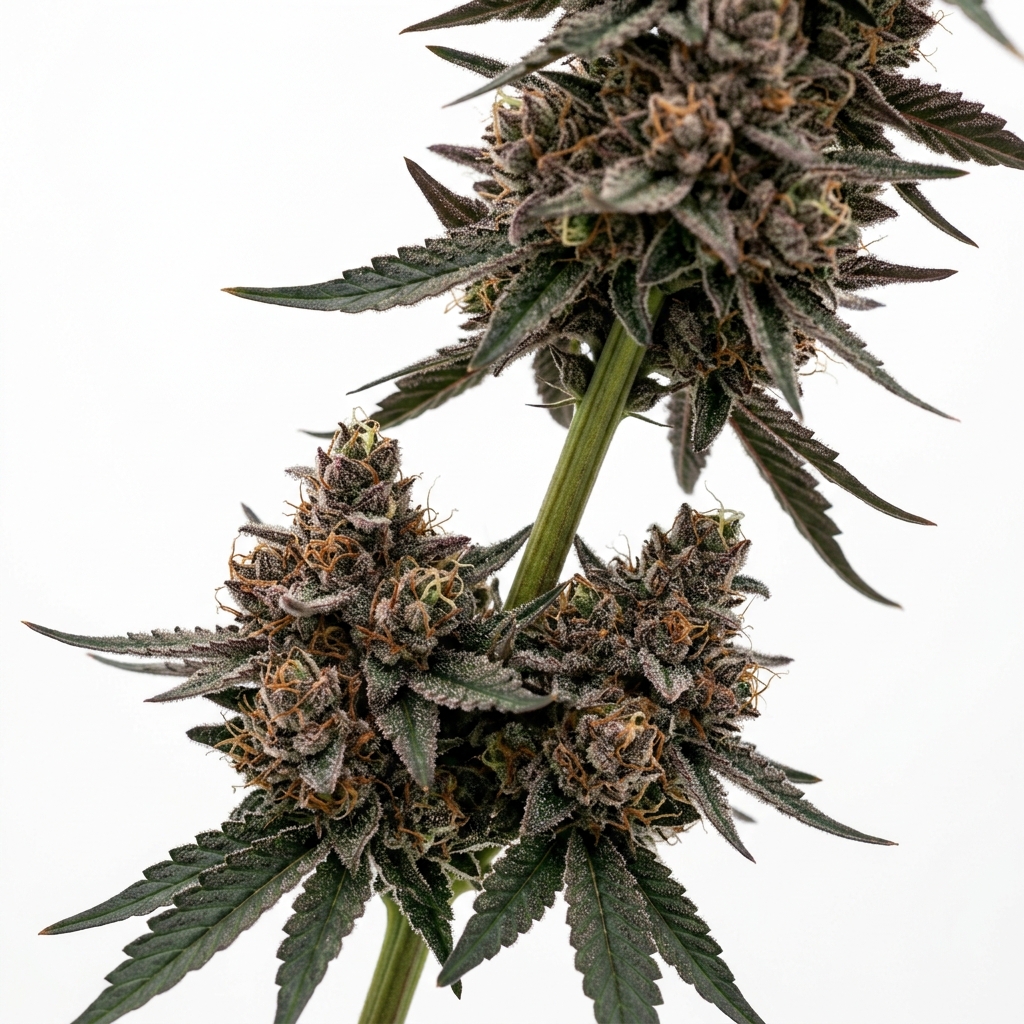
Red Biscotti (Cannabis Strain)
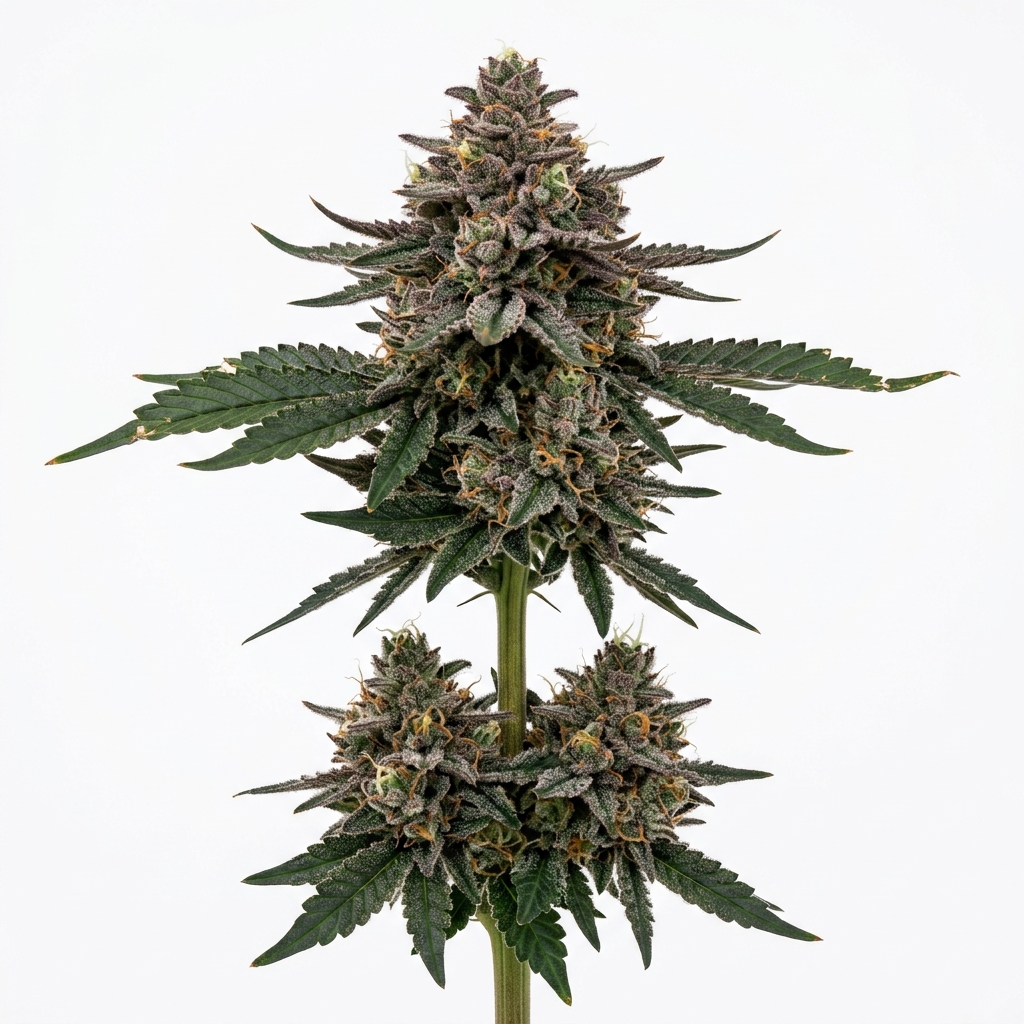
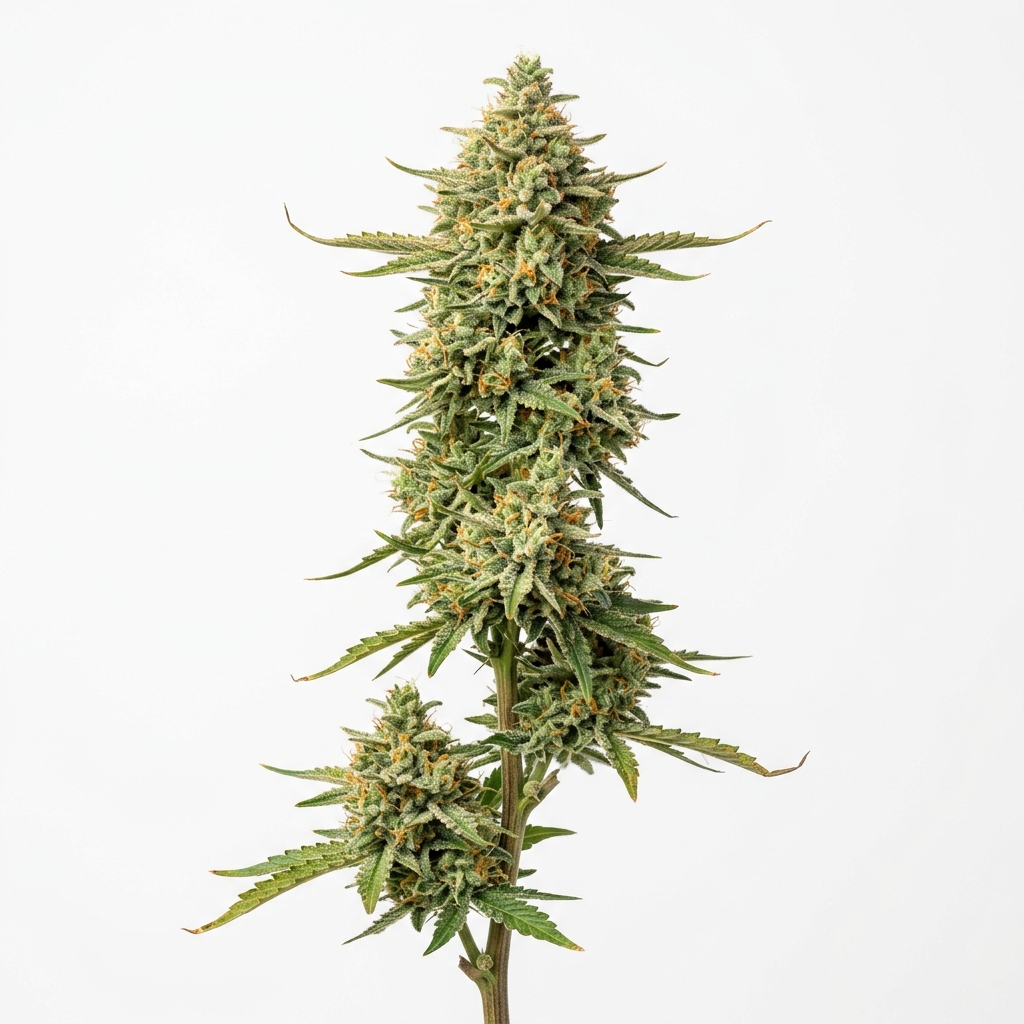
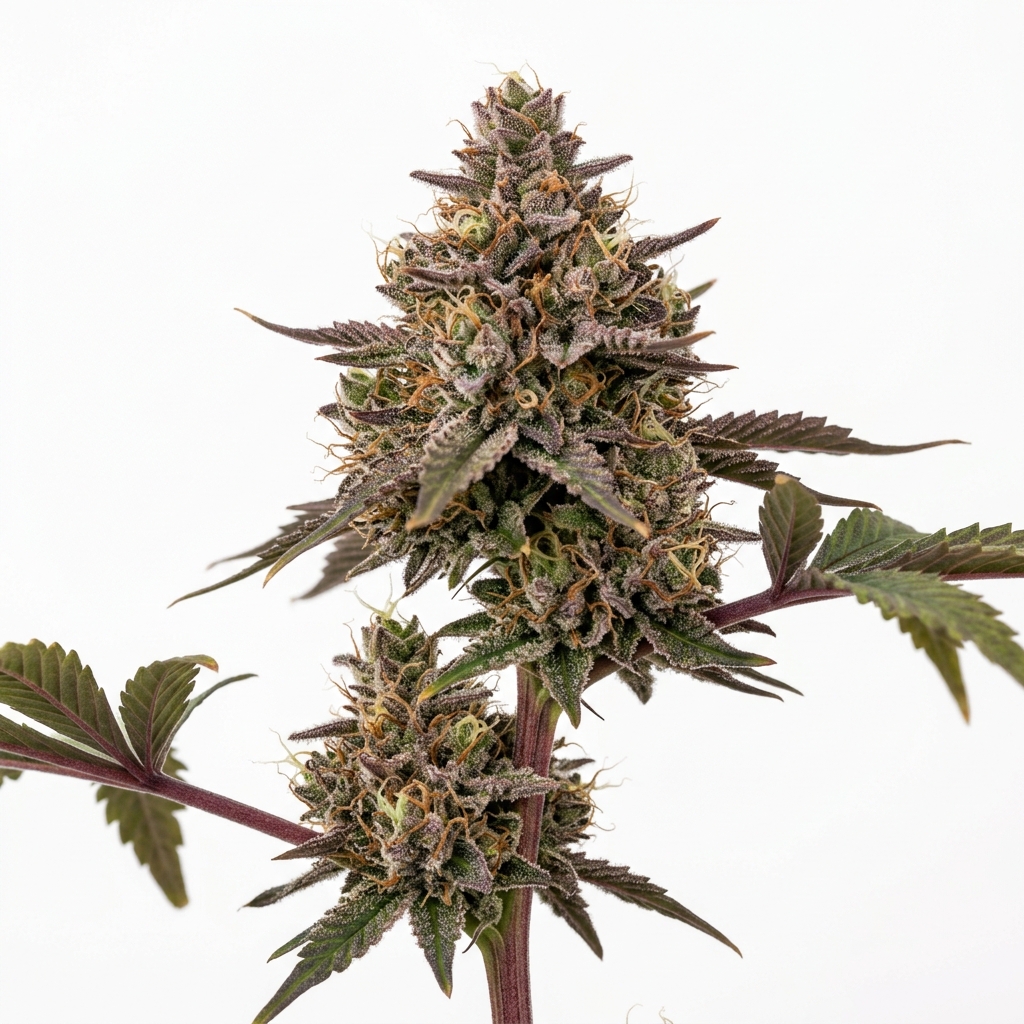
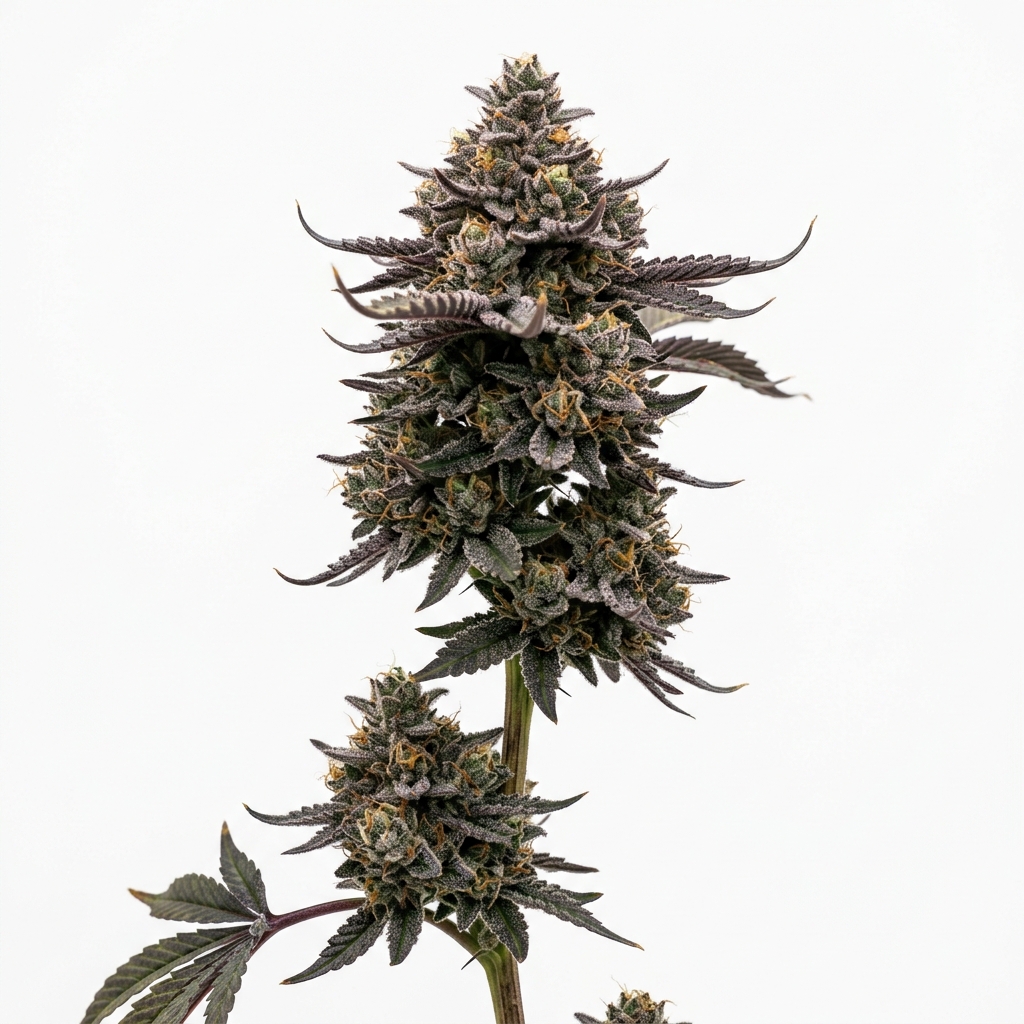
Red Biscotti is an indica-dominant hybrid typically testing between 21% and 26% THC, bred by crossing Biscotti with Red Pop. Commonly attributed to Exotic Genetix within modern dessert-gas breeding projects, this cultivar pairs a rich profile of nutty baked dough and dark red fruit with a pungent fuel finish. The plant produces dense, spade-shaped flowers coated in greasy resin, offering dependable structural stability and strong appeal for solventless extraction.
The cross inherits the compact calyx formation and peppery depth of Biscotti alongside the candied fruit sweetness and ruddy late-flower coloration of Red Pop. Cultivators observe moderate internodal spacing, broad fan leaves, and a steady flowering response under controlled indoor lighting. Consumers and cultivators commonly describe the experience as physically soothing with a calm, focused mental clarity suitable for late afternoon and evening sessions.
Quick Facts
| Field | Detail |
|---|---|
| Breeder | Commonly attributed to Exotic Genetix |
| Genetics | Biscotti × Red Pop |
| Variety | Indica-dominant hybrid (approx. 70% indica / 30% sativa) |
| THC Range | 21% – 26% |
| Flowering Time | 8 – 9 weeks (56 – 63 days) |
| Yield Potential | Medium to high (approx. 450 – 550 g/m² indoor) |
| Plant Height | Medium (controlled vertical stretch) |
| Climate Preference | Temperate, Mediterranean, or climate-controlled indoor |
| Difficulty | Moderate |
Scientific & Botanical Overview
Botanically, Red Biscotti displays classic broad-leaf morphology during vegetative growth, forming thick stems, short internodes, and dark forest-green foliage. As flowering initiates, the stretch remains predictable at roughly 1.5 times its vegetative height. The plant stacks dense floral clusters along lateral branches, forming stout main colas with swollen calyxes rather than loose, elongated foxtails.
Glandular trichome production is dense and uniform across both bracts and adjacent sugar leaves. The resin heads typically feature sturdy stalks with bulbous, clear-to-cloudy capitate heads that turn amber during the late ripening phase. In cooler late-flower temperatures, anthocyanin accumulation often creates dark violet, plum, and deep garnet hues across the calyx surfaces, contrasting with fiery copper pistils.
The chemical profile is dominated by monoterpenes and sesquiterpenes led by beta-caryophyllene, limonene, and myrcene, supported by secondary fractions of linalool and humulene. This combination yields a dense, volatile scent profile that shifts from doughy pastry during early bloom to pungent fruit and diesel fuel as the resin heads mature.
Effects & Use-Cases (Reported)
Commonly reported effects: Consumers typically report a warming physical ease paired with a relaxed, tranquil headspace. The onset is noted for easing muscular tension without inducing sudden lethargy, allowing users to remain engaged before settling into a sustained, heavy body relaxation.
Use-case context: The strain is favored during evening hours, quiet weekends, or post-work unwinding. Its rich flavor and steady pacing make it a popular selection for slow-burning joints, dry-herb vaporizers, or pairing with casual social conversation and passive entertainment.
Note: Individual responses to cannabis cultivars vary based on personal tolerance, setting, dosage, and specific phenotype chemistry.
Aroma & Flavors
Aroma: Breaking apart the cured buds releases a layered bouquet of baked sugar cookies, roasted nuts, and tart red berries, backed by a sharp undertone of diesel fuel and earthy spice. The room note is pungent, lingering with sweet dough and skunky gas.
Flavor: The inhale delivers sweet cherry-cola notes and buttery vanilla dough. On the exhale, the flavor deepens into peppery earth, toasted almond, and a distinct diesel edge that coats the palate.
Terpene associations: The profile reflects elevated concentrations of beta-caryophyllene (spice, pepper), limonene (bright citrus, clean fruit sweetness), and myrcene (herbal, ripe fruit depth), rounded out by floral traces of linalool.
Tested Cannabinoid & Terpene Ranges
| Compound | Compound Type | Typical Flower Range |
|---|---|---|
| Δ9-THC | Cannabinoid | 21.0% – 26.0% |
| CBG | Cannabinoid | 0.4% – 1.1% |
| CBD | Cannabinoid | < 0.2% |
| Beta-Caryophyllene | Terpene | 0.50% – 1.10% |
| Limonene | Terpene | 0.35% – 0.85% |
| Myrcene | Terpene | 0.20% – 0.55% |
| Linalool | Terpene | 0.10% – 0.35% |
Range note: Cannabinoid and terpene contents represent typical ranges from dried flower lab analyses across standard cultivation environments. Individual batch results vary according to cultivation setup, nutrient delivery, environmental parameters, and curing methodology.
Cultivation Notes
- Humidity management: Maintain relative humidity around 55% to 60% in early flower, lowering to 40% to 45% during late bloom to protect the dense, chunky colas from botrytis.
- Nutrient requirements: Plants handle moderate-to-heavy feeding regimens well, requiring steady calcium and magnesium throughout early stretch and balanced potassium inputs during bud fattening.
- Canopy training: Responds well to early topping and low-stress training (LST) or a SCROG trellis net, which spreads the canopy and allows lower bud sites equal light exposure.
- Defoliation: Perform selective leaf stripping around day 21 and day 42 of flowering to improve air penetration through the dense foliage without over-stressing the plant.
- Harvest window: Most phenotypes reach full maturity between day 56 and day 63 when trichomes show roughly 10% to 15% amber coverage and bracts are fully swollen.
Grower Notes (Week-by-Week Snapshot)
- Weeks 1–3 (Transition & Stretch): Expect a predictable vertical stretch of 1.3x to 1.5x. Establish canopy height early with soft ties or trellis netting, and maintain daytime temperatures near 25–26°C.
- Weeks 4–6 (Bud Set & Resin Formation): Calyxes cluster rapidly along main stems. Resin heads emerge heavily on bracts and surrounding leaves; lower relative humidity to roughly 50% and maintain steady airflow.
- Weeks 7–9 (Ripening & Coloration): Colas swell into tight, golf-ball-to-spear formations. Nighttime temperature drops of 4–5°C encourage deep purple and red pigments. Check trichome heads for milky-to-amber transition.
- Post-Harvest & Cure: Dry whole plants or large branches at 15–18°C and 55–60% RH for 10 to 14 days. A slow cure in airtight containers preserves delicate fruit terpenes and the deep bakery finish.
Genetic Lineage
Red Biscotti brings together two distinct modern dessert varieties: Biscotti and Red Pop. Biscotti, a celebrated selection descended from Gelato #25 and South Florida OG (or Motorbreath genetics depending on cut), contributes dense floral architecture, heavy resin density, and an earthy, fuel-laced bakery profile. It provides the cross with structural rigidity and its characteristic cookie dough backbone.
The Red Pop parent, developed by crossing Cookies genetics with a fruit-forward strawberry soda cultivar, injects vibrant anthocyanin potential and candied red berry aromas. The resulting hybrid balances the heaviness of classic Cookies and OG lines with an aromatic sweetness, producing uniform phenotypes with high resin output and refined bag appeal.
Research Insights
Scientific literature on dominant cannabis terpenes indicates that beta-caryophyllene interacts directly with peripheral CB2 receptors as a dietary cannabinoid, which researchers investigate for its localized soothing properties. When combined with limonene and myrcene, these volatile compounds contribute significantly to the characteristic entourage response reported by consumers of resin-rich hybrids.
While general pharmacological studies offer valuable context regarding individual cannabinoids and aromatic molecules, strain-specific clinical data remains limited. Cultivar effects are determined by complex full-spectrum ratios that vary by harvest, lighting spectrum, and post-harvest handling rather than isolated THC numbers alone.
Frequently Asked Questions
Who is the original breeder of Red Biscotti?
Red Biscotti is widely attributed to Exotic Genetix as part of their breeding lines crossing notable clones with their Red Pop pollen donor, though independent seedmakers and boutique nurseries have also produced selections carrying the name.
Is Red Biscotti an indica or sativa?
Red Biscotti is an indica-dominant hybrid, displaying roughly 70% indica and 30% sativa structural and experiential traits, characterized by compact growth and a physically relaxing profile.
What does Red Biscotti smell and taste like?
The strain smells of sweet baked cookie dough, red fruit, and pungent diesel fuel. On the palate, it delivers flavors of cherry soda, vanilla pastry, roasted nuts, and earthy black pepper on the exhale.
How long does Red Biscotti take to flower?
In an indoor setup, Red Biscotti typically completes flowering within 8 to 9 weeks (56 to 63 days) from the flip to a 12/12 light schedule.
Educational Disclaimer
This content is for educational and informational purposes only. Cannabis laws and regulations vary by jurisdiction. Always consult with a qualified professional before beginning any cultivation project or consuming cannabis products.
Rate and review this strain
Ratings and reviews are accepted only from signed-in Google accounts.
Sign in with Google to leave a rating and written review.
Latest Reviews
0 reviewsNo reviews yet. Be the first Google user to rate and review this strain.
Follow New Cultivar Records
Get newly documented genetics, breeder history, research highlights, and important Strainpedia discoveries by email.