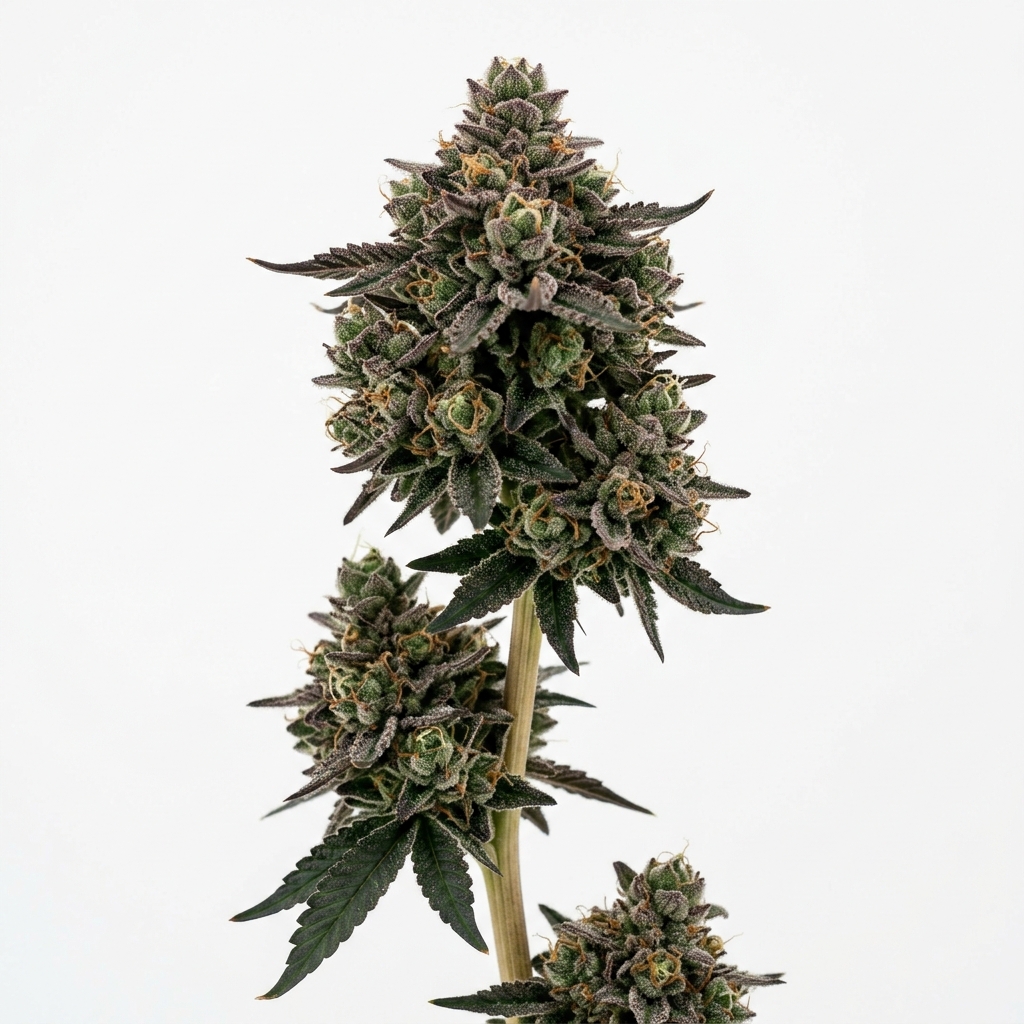
Dozicot (Cannabis Strain)
Dozicot is an indica-dominant boutique hybrid testing between 22% and 27% THC, created through crossing Do-Si-Dos with Red Apricot. Bred by Wyeast Farms in collaboration with Compound Genetics networks, the cultivar merges ripe stone-fruit aromatics with the heavy pastry dough and dank gas of the OGKB lineage. Characterized by glassy buds, heavy trichome density, and a manageable indoor stretch, Dozicot has earned a strong reputation among solventless extractors and craft cultivators prioritizing flavor clarity and bag appeal.
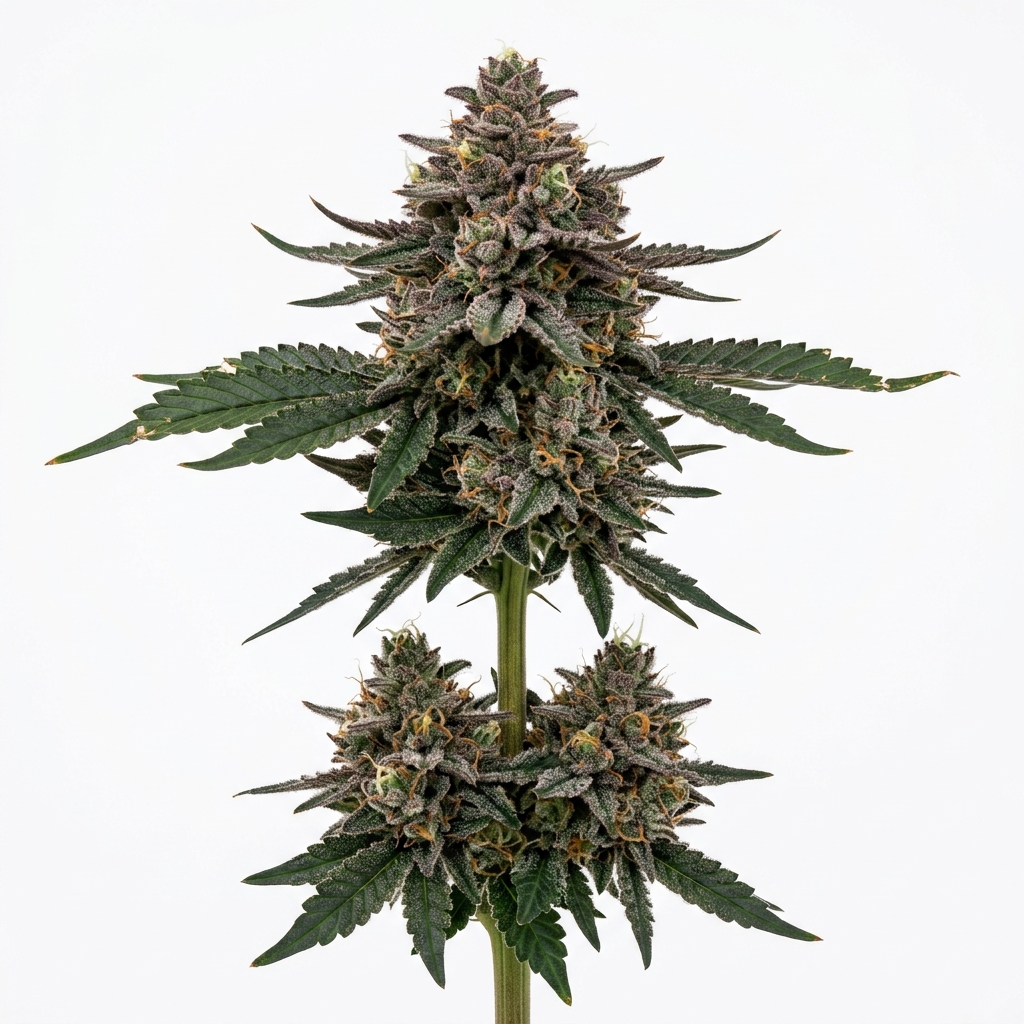
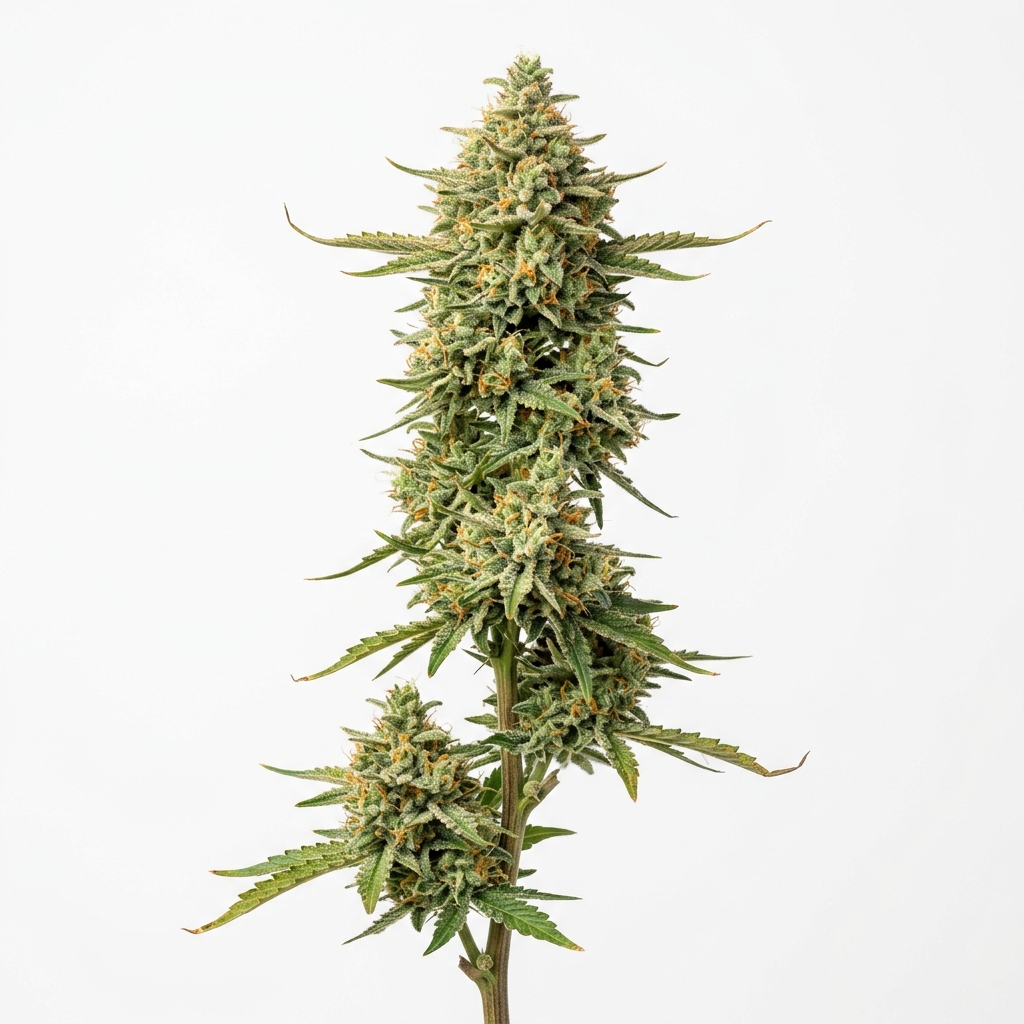
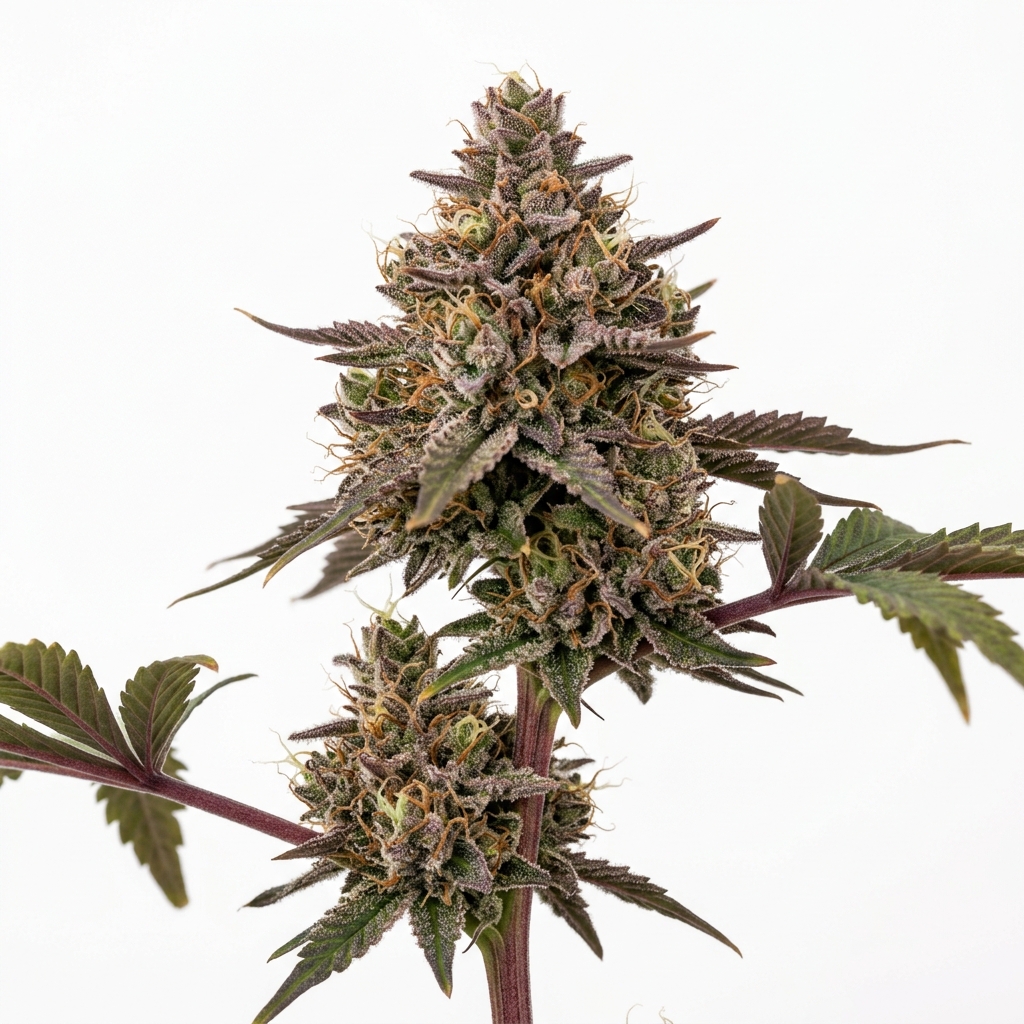
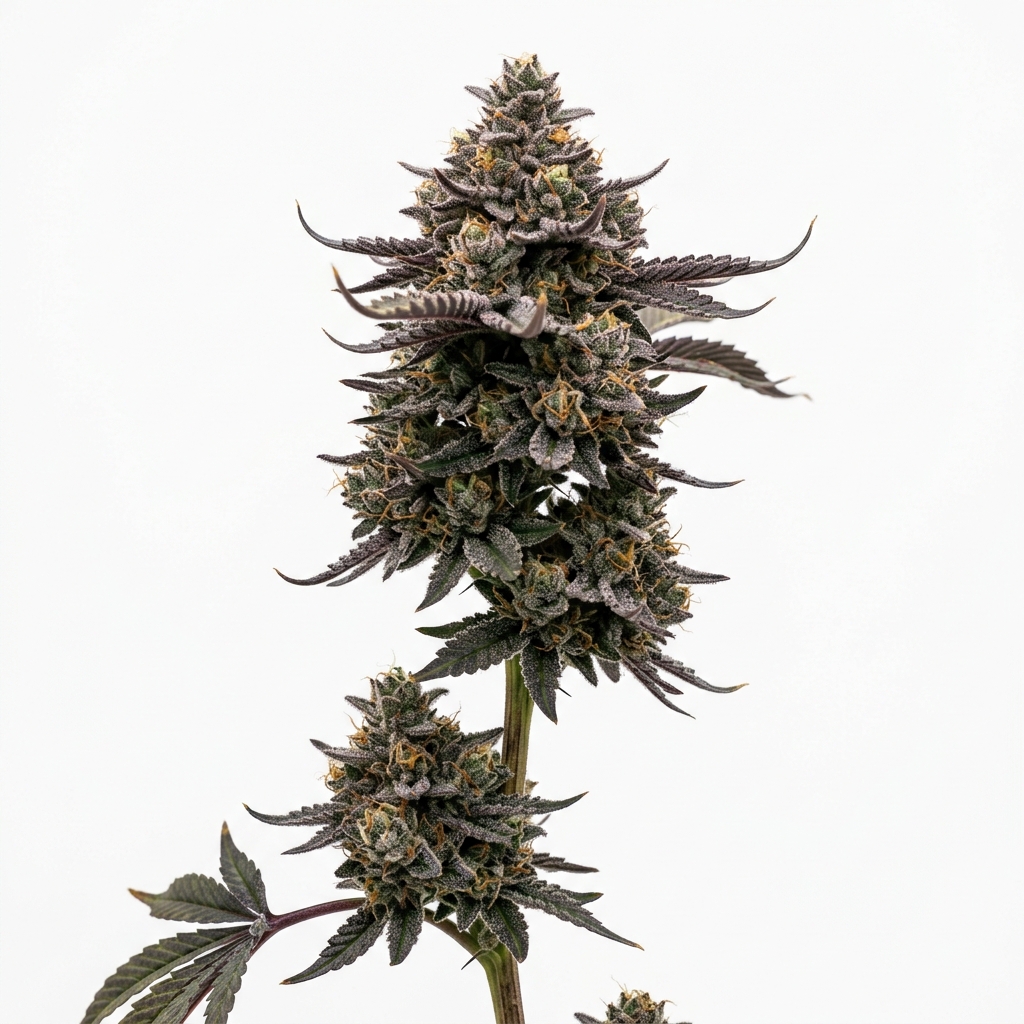
The variety shows a balanced structural heritage, combining the stout node spacing of its cookie-heavy ancestry with the vigorous lateral branching of the apricot line. Cultivators report firm, golf-ball calyx clusters that turn deep forest green with plum undertones late in flower. In consumption, it offers a grounded body calm paired with quiet mental focus, leaning heavily into evening relaxation without immediately inducing deep lethargy.
Quick Facts
| Field | Detail |
|---|---|
| Breeder | Wyeast Farms |
| Genetics | Do-Si-Dos × Red Apricot |
| Variety | Indica-dominant hybrid (approx. 70/30) |
| THC Range | 22% – 27% |
| Flowering Time | 8 – 9 weeks (56 – 63 days) |
| Yield Potential | Moderate to high (400 – 500 g/m² indoor) |
| Plant Height | Medium (controlled 1.5x stretch) |
| Climate Preference | Temperate to warm Mediterranean; low late-flower humidity |
| Difficulty | Moderate |
Scientific & Botanical Overview
Dozicot shows classic indica-leaning vegetative morphology with broad fan leaves, dark pigmentation, and short internodal spacing. As the plant transitions to flower, the lateral branches stiffen rapidly to support dense, rounded terminal colas. The calyx-to-leaf ratio is favorably high, minimizing post-harvest manicuring while exposing extensive surface area for glandular trichome coverage.
Under magnification, the cultivar produces large capitate-stalked trichomes with broad heads that turn cloudy uniformly around day 56. The resin head membrane is relatively fragile, which contributes to its efficiency in ice water extraction and dry sifting. Anthocyanin accumulation is common across most phenotypes, leading to dark purple bracts when night temperatures drop below 20°C in late flowering.
The secondary metabolite profile is led by dominant mono- and sesquiterpenes that yield high volatility during the dry cycle. Maintaining canopy temperatures under 26°C in the final three weeks helps preserve delicate esters and monoterpenes like linalool and limonene that define its sweet stone-fruit character.
Effects & Use-Cases (Reported)
Commonly reported effects: The onset typically begins behind the eyes with gentle cerebral decompression, followed shortly by body-wide physical easing. Consumers describe an unhurried, grounded state that releases shoulder and jaw tension while keeping mental clarity intact. Higher amounts consistently transition into heavier physical sedation and couchlock.
Use-case context: Well-suited for late afternoon transition into evening, decompression after intense physical activity, quiet creative sessions, or low-stimulation social settings. It is rarely favored for high-intensity daytime tasks or focused physical training due to its relaxing physical drag.
Note: Individual experiences vary depending on personal tolerance, dose size, metabolic rate, and unique phenotype chemistry.
Aroma & Flavors
Aroma: Pungent dried apricot and candied peach layered over a base of creamy cookie dough, damp soil, and sharp fuel. Cracking a cured flower releases a deeper musky hash note with faint floral undertones.
Flavor: The inhale is dominated by sweet stone fruit and vanilla pastry, shifting on the exhale toward tart gas, earth, and a lingering peppery spice.
Terpene associations: High levels of beta-caryophyllene and limonene anchor the spicy fuel and bright citrus-fruit top notes, supported by myrcene, linalool, and humulene for depth, creaminess, and floral earth.
Tested Cannabinoid & Terpene Ranges
| Compound | Typical Flower Range |
|---|---|
| Δ9-THC | 22% – 27% |
| CBD | < 0.5% |
| CBG | 0.5% – 1.2% |
| Total Terpenes | 1.8% – 3.2% |
| Primary Terpenes | Beta-Caryophyllene, Limonene, Myrcene, Linalool |
Range note: Flower cannabinoid and terpene levels vary significantly based on cultivation style, environmental parameters, nutrient inputs, light intensity, and post-harvest drying and curing conditions.
Cultivation Notes
- Humidity management: Maintain 55%–60% RH during early vegetative growth, tapering steadily down to 40%–45% by week 6 of flower to protect dense calyx clusters against botrytis.
- Nutrient requirements: Responds well to moderate feeding regimens; avoid excessive nitrogen past week 3 of bloom to prevent leafy bract formation and preserve terpene clarity.
- Canopy training: Topping once or twice during late veg combined with low-stress training (LST) or a single-layer Trellis net creates an even, productive canopy of uniform upper colas.
- Defoliation: Perform a thorough bottom-third skirt and selective fan-leaf removal at day 21 and day 42 of flowering to improve air exchange through inner nodes.
- Harvest window: Most phenotypes reach peak resin maturity between day 56 and day 63 when approximately 10%–15% of trichome heads show amber coloration.
Grower Notes (Week-by-Week Snapshot)
- Weeks 1–3 (Transition & Stretch): Modest vertical stretch of roughly 1.5x. Plants set tight floral clusters early; perform initial defoliation right around day 21.
- Weeks 4–6 (Bud Formation & Bulking): Rapid calyx stacking and early trichome coverage. Fruit and fuel aromas intensify; ensure constant oscillating airflow through the mid-canopy.
- Weeks 7–9 (Ripening & Color Shift): Pistils recede and curl inward while calyxes swell noticeably. Lowering night temperatures to 18°C–20°C encourages purple pigmentation and locks in fruit-forward terpenes.
- Post-Harvest Cure: Dry whole plants at 15°C–16°C (60°F) and 60% RH for 12 to 16 days. A later airtight jar cure for 3 to 4 weeks allows the rich apricot pastry notes to fully integrate.
Genetic Lineage
Dozicot pulls its genetic foundation from two distinct flavor profiles: the heavyweight clone-only cut Do-Si-Dos (OGKB × Face Off OG) and Red Apricot (an apricot-forward hybrid lineage selected by Wyeast Farms). The Do-Si-Dos parent brings unmistakable density, stout frame traits, and heavy trichome production rooted in elite Girl Scout Cookies and OG Kush heritage.
On the paternal side, Red Apricot contributes bright, stone-fruit sweetness, improved lateral branching, and vibrant pink-to-purple bract colorations. The cross successfully merges the potent physical relaxation of classic West Coast dessert genetics with a distinctive orchard fruit aroma profile that stands out from standard cookie crosses.
Research Insights
Academic cannabis research shows that cultivars rich in beta-caryophyllene, limonene, and myrcene often produce potent sensory synergy alongside high concentrations of delta-9-THC. Beta-caryophyllene interacts directly with CB2 peripheral cannabinoid receptors, while limonene and myrcene have been studied in botanical pharmacology for their influence on terpene permeability and sensory modulation.
While general scientific literature provides valuable baseline understanding of individual monoterpene and cannabinoid interactions, strain-specific clinical studies on Dozicot do not exist. Observed effects remain informed by cultivar testing, chemical assays, and widespread consumer reporting rather than isolated medical trials.
Frequently Asked Questions
Who is the original breeder of Dozicot?
Dozicot was developed by Wyeast Farms, renowned for creating distinctive fruit-forward lines in collaboration with the wider Pacific Northwest breeding community.
Is Dozicot an indica or sativa cultivar?
Dozicot is an indica-dominant hybrid, generally showing an approximate 70% indica to 30% sativa balance in its growth habit, bud structure, and relaxing physical traits.
What does Dozicot smell and taste like?
It carries a prominent aroma of ripe apricot, peach, and vanilla cookie dough, backed by sharp gasoline and earthy pine. The flavor mirrors this with sweet stone fruit on the inhale and spicy fuel on the exhale.
How long does Dozicot take to flower?
Indoor flowering typically takes 8 to 9 weeks (56 to 63 days) to reach optimal maturity, depending on the specific phenotype and cultivation environment.
Educational Disclaimer
This content is for educational and informational purposes only. Cannabis laws and regulations vary by jurisdiction. Always consult with a qualified professional before beginning any cultivation project or consuming cannabis products.
Rate and review this strain
Ratings and reviews are accepted only from signed-in Google accounts.
Sign in with Google to leave a rating and written review.
Latest Reviews
0 reviewsNo reviews yet. Be the first Google user to rate and review this strain.
Follow New Cultivar Records
Get newly documented genetics, breeder history, research highlights, and important Strainpedia discoveries by email.