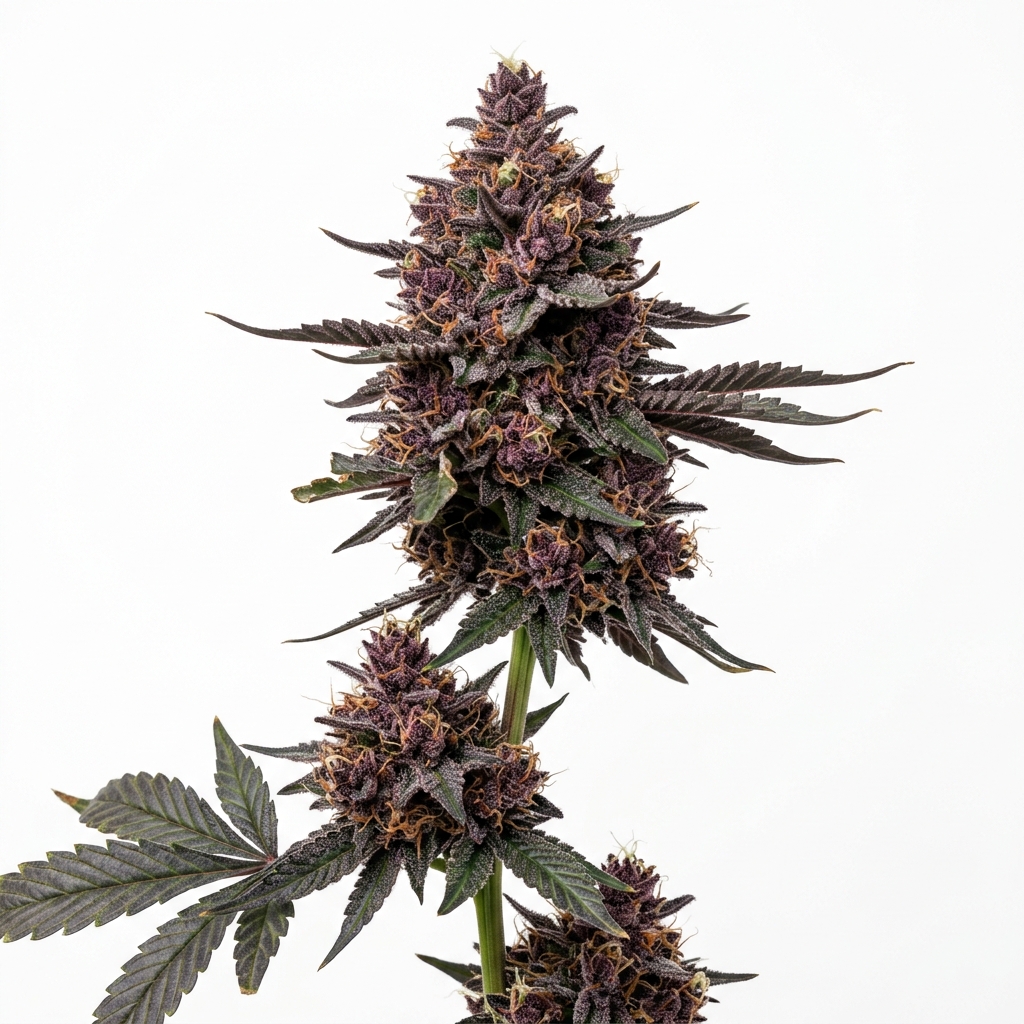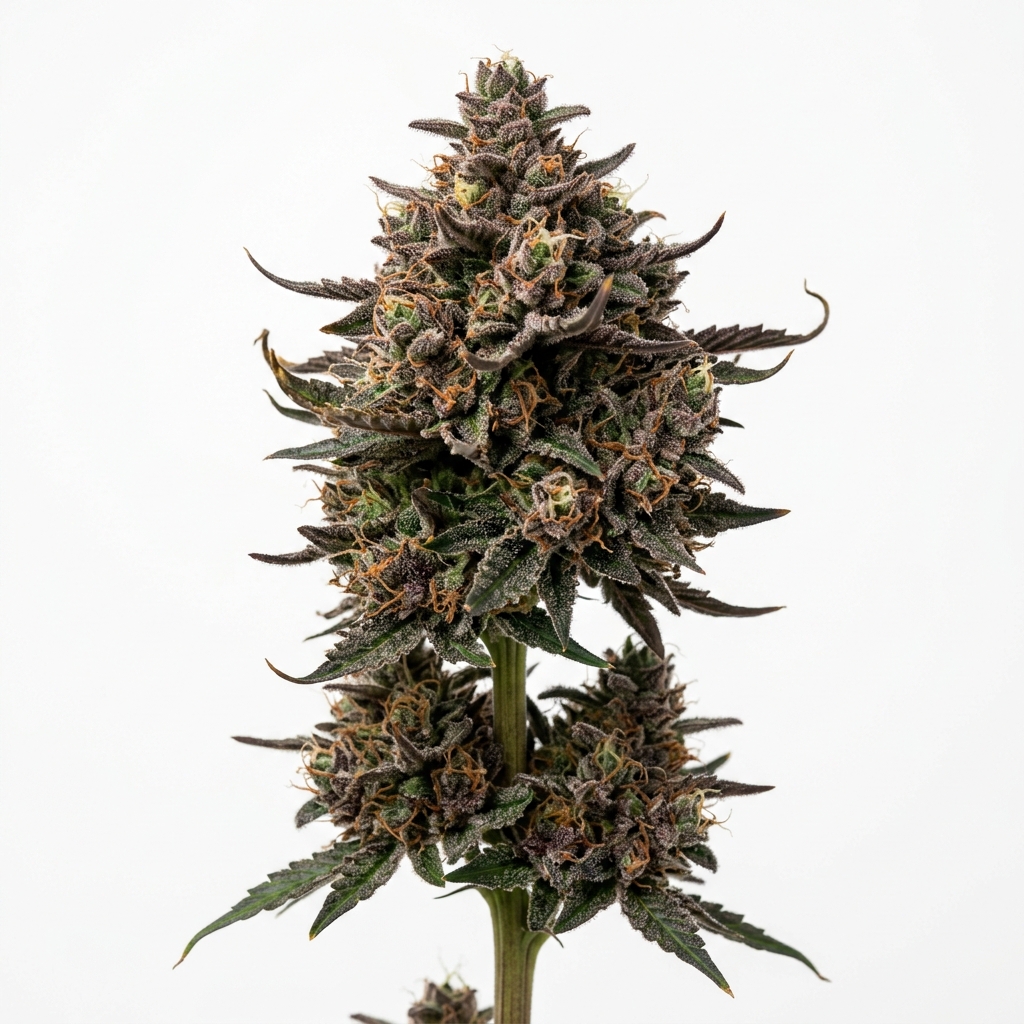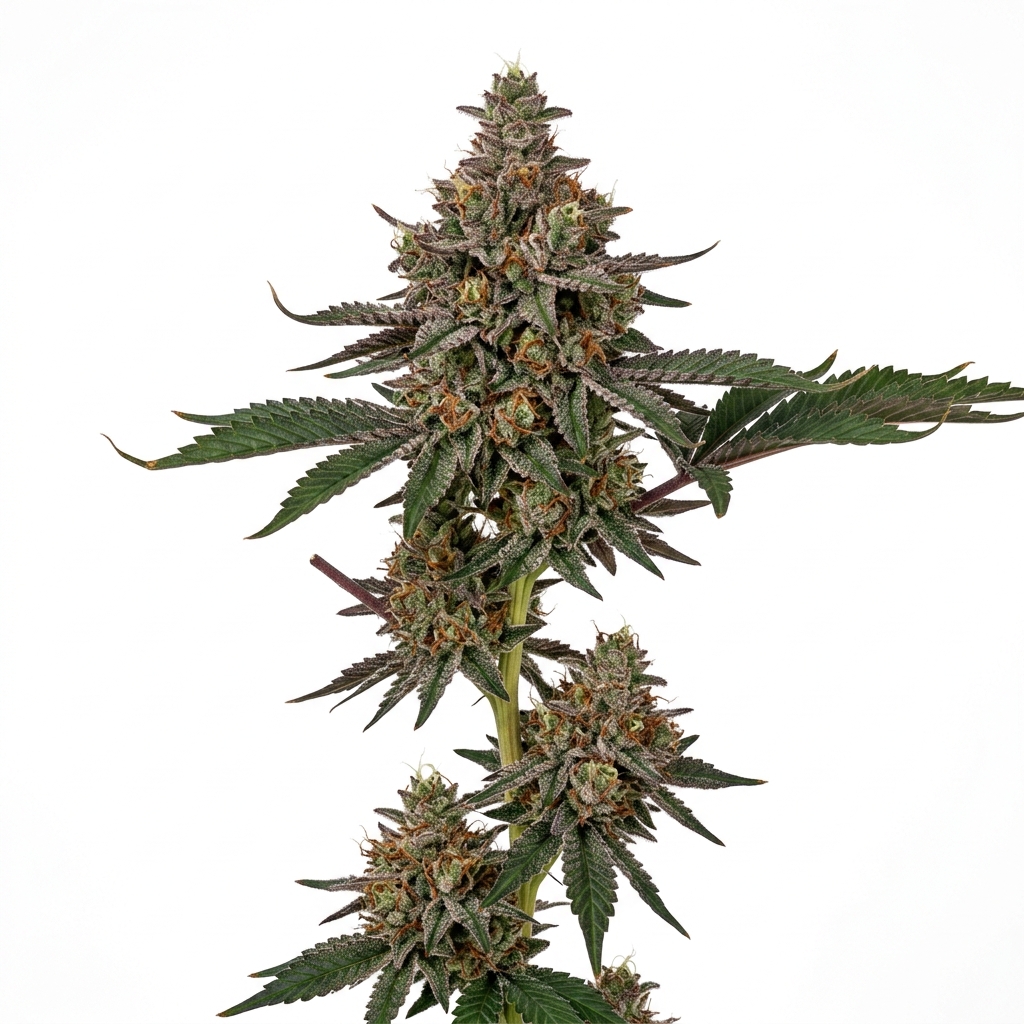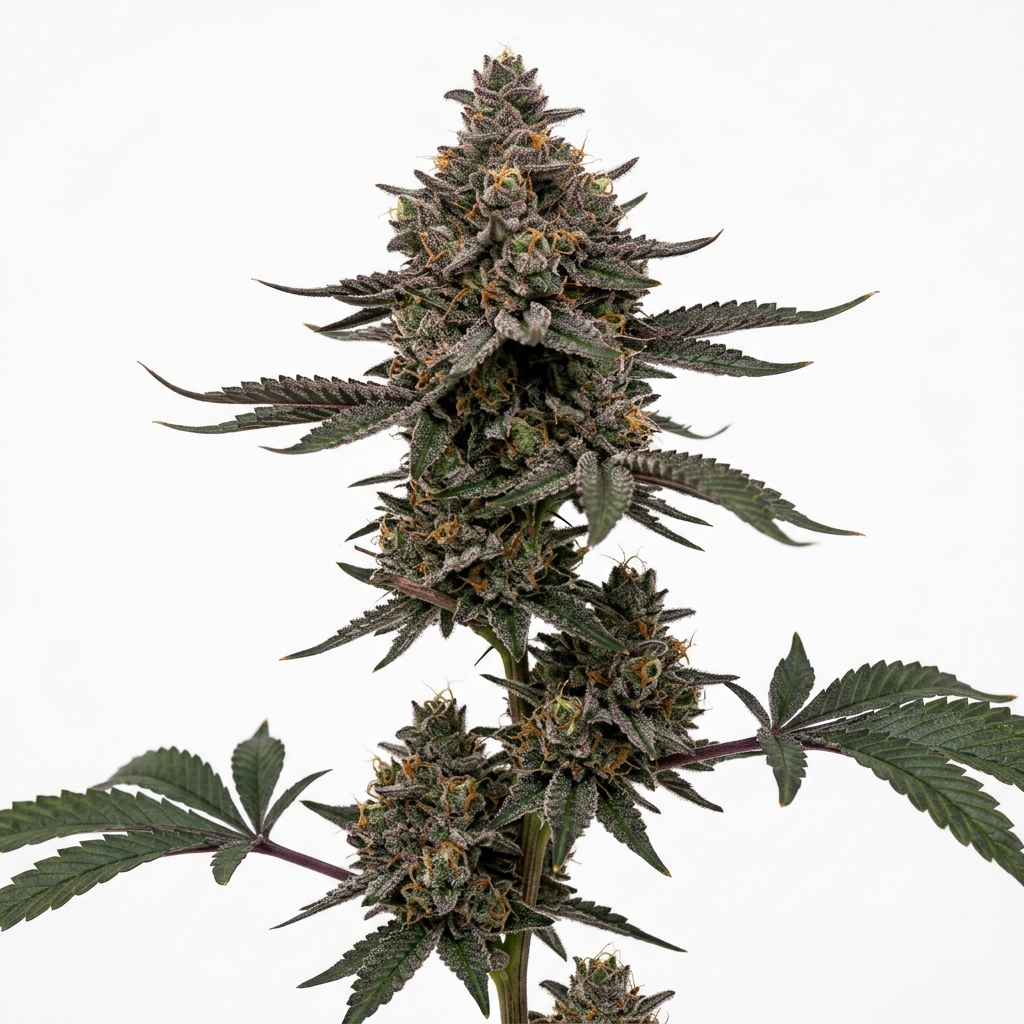
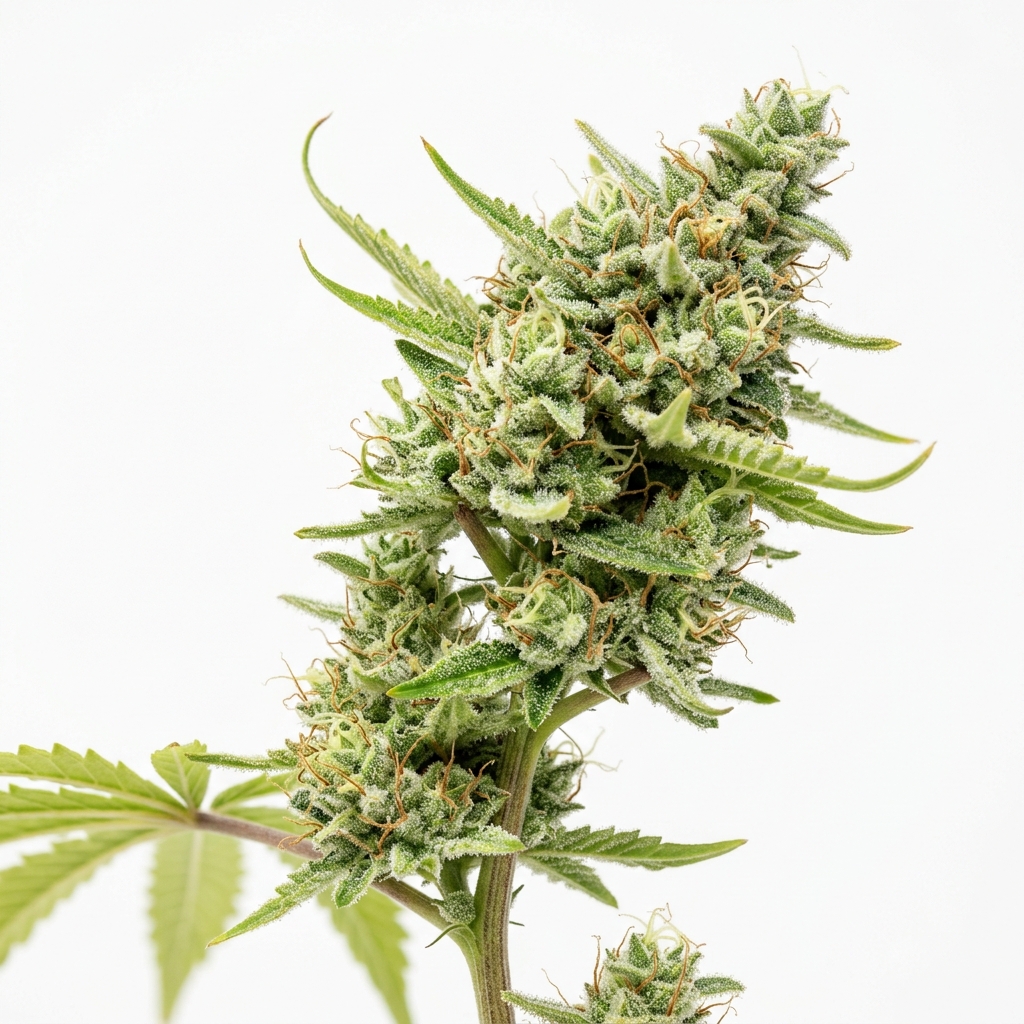
Caps Frozen Lemons (Cannabis Strain)
Caps Frozen Lemons is a sativa-dominant hybrid developed by renowned breeder Capulator, created by crossing Freezer with Lemon MAC. Typically testing between 20% and 26% THC in mature, dried flower, the cultivar is recognized for its dense, frost-coated bracts and a sharp aromatic profile dominated by tart lemon rind, iced citrus, and sour fuel. Plants develop vigorous lateral branching with firm, spear-shaped colas that carry exceptionally heavy glandular trichome coverage, making the cut popular among both boutique flower cultivators and hash producers seeking high resin yields.
The lineage combines the dense structure and thick resin coating of Capulator’s signature genetics with an aggressive citrus terpene expression. In the garden, plants demonstrate a predictable, medium-tall stretch during early bloom that benefits from early canopy training. Consumers and cultivators commonly report an uplifting, bright sensory onset that transitions into a calm, functional physical baseline without heavy couchlock.
Quick Facts
| Field | Detail |
|---|---|
| Breeder | Capulator |
| Genetics | Freezer × Lemon MAC |
| Variety | Sativa-dominant hybrid |
| THC Range | 20% – 26% |
| Flowering Time | 9 – 10 weeks (63 – 70 days) |
| Yield Potential | Moderate to high |
| Plant Height | Medium to tall |
| Climate Preference | Controlled indoor or warm, dry greenhouse |
| Difficulty | Intermediate |
Scientific & Botanical Overview
Morphologically, Caps Frozen Lemons shows a hybrid growth pattern characterized by robust stalks, moderately spaced internodes, and serrated, bright green fan leaves. As flower development advances, the plant stacks conical, spear-shaped colas marked by tightly clustered, swollen calyxes. The outer surfaces develop an exceptionally thick layer of stalked capitate glandular trichomes that retain a granular, sand-like texture through the cure.
The chemical profile is dominated by monoterpenes, most notably terpinolene and limonene, supported by secondary concentrations of beta-caryophyllene and myrcene. This monoterpene foundation produces an intensely volatile bouquet that sharpens noticeably as floral bracts swell. Late in bloom, calyx-to-leaf ratios remain favorable, allowing for straightforward post-harvest processing.
Under balanced light intensity, the cultivar produces uniform canopy development with minimal phenotypic drift across stable cuts. Phenotypes typically finish with pale lime-green bracts, brassy amber pistils, and heavy surface resin that often looks white or frosted against ambient lighting. The plant maintains solid structural integrity, requiring only light trellis support to prevent late-stage branch sag under top-heavy colas.
Effects & Use-Cases (Reported)
Commonly reported effects: Cultivators and consumers frequently describe an immediate head-clearing cerebral lift paired with heightened alertness and sensory clarity. As the initial sharpness levels out, a gentle, soothing body sensation takes hold without inducing heaviness or mental fog. The experience remains active, alert, and functional throughout its duration.
Use-case context: Due to its bright and stimulating character, this cut is predominantly chosen for morning and daytime sessions, creative tasks, and outdoor social settings. Users often favor it when seeking an uplifting spark that leaves physical coordination and mental focus intact.
Note: Individual responses to cannabis flower vary according to individual tolerance, consumption method, and personal endocannabinoid chemistry.
Aroma & Flavors
Aroma: Breaking apart the cured flowers releases a pungent blast of tart lemon peel, chilled pine, and crushed mint layered over a sour diesel undertone. The bouquet carries a distinct frozen lemonade character with lingering chem notes that stay sharp in the room long after handling.
Flavor: The smoke or vapor delivers an assertive burst of candied lemon zest and icy citrus on the inhale. The exhale shifts toward tart diesel, herbal spice, and a clean, lingering pine finish that coats the palate cleanly.
Terpene associations: Terpinolene, limonene, beta-caryophyllene, and pinene drive the dominant citrus-fuel aromatic spectrum in lab analyses.
Tested Cannabinoid & Terpene Ranges
| Compound | Reported Range |
|---|---|
| Δ9-THC | 20.0% – 26.0% |
| CBD | < 1.0% |
| CBG | 0.5% – 1.5% |
| Total Terpenes | 1.8% – 3.2% |
| Primary Terpenes | Terpinolene, Limonene, beta-Caryophyllene, Pinene |
Range note: Cannabinoid and terpene percentages reflect lab-tested uninfused dried flower and can shift significantly based on growing medium, light spectrum, environmental control, and post-harvest drying practices.
Cultivation Notes
- Humidity management: Maintain relative humidity around 55% to 60% during vegetative growth, dropping gradually to 40% to 45% during late flowering to safeguard dense colas against fungal issues.
- Nutrient requirements: Plants respond well to steady nitrogen through vegetative stages and moderate phosphorus and potassium increases during mid-bloom, avoiding overfeeding to keep citrus terpene clarity sharp.
- Canopy training: Topping once or twice during early growth followed by low-stress training helps create an even multi-top canopy that maximizes light exposure across secondary branches.
- Defoliation: A targeted defoliation around day 21 and day 42 of flowering opens light channels into lower bud sites and improves air circulation through the central canopy.
- Harvest window: Optimal resin maturity typically occurs between days 63 and 70, when trichome heads transition from mostly cloudy to roughly 10% to 15% amber under magnification.
Grower Notes (Week-by-Week Snapshot)
- Weeks 1–3 (Transition & Stretch): Plants exhibit a moderate vertical stretch, typically doubling in height; install trellis netting early to guide branch placement.
- Weeks 4–6 (Bud Formation & Resin Initiation): Calyxes cluster tightly along the main stems, and granular trichome production ramps up rapidly with strong lemon scents appearing.
- Weeks 7–9+ (Cola Swell & Ripening): Colas swell into firm, frosty spears, pistils turn copper-amber, and relative humidity should be lowered to preserve trichome heads.
- Post-Harvest Cure: Dry whole plants at 60°F (15.5°C) and 60% relative humidity for 12 to 14 days, followed by a minimum three-week jar cure to preserve the delicate lemon-diesel volatiles.
Genetic Lineage
Caps Frozen Lemons was bred by Capulator through pairing Freezer with Lemon MAC. Capulator’s breeding program is renowned for producing selections with heavy trichome density, firm flower structure, and complex, fuel-forward terpene profiles. The Lemon MAC parent brings a bright, sharp citrus punch combined with the unmistakable density and resin coat of the Miracle Alien Cookies family.
The Freezer side contributes rigid branch architecture, enhanced frost production, and a chilled, herbal undertone. The resulting hybrid consistently expresses the resin-heavy morphology expected from Capulator stock, making it a reliable cultivar for both high-grade flower production and mechanical resin separation.
Research Insights
Cannabis phytochemical research shows that cultivars high in monoterpenes like terpinolene and limonene display distinct aromatic profiles that correlate strongly with sensory freshness and sharp citrus perception. While broad pharmacological literature explores how terpenes interact with cannabinoids, these general studies do not establish strain-specific medical outcomes for Caps Frozen Lemons.
Horticultural research highlights that resin gland preservation is closely linked to controlled post-harvest environmental parameters. Terpinolene and limonene possess relatively high volatility, reinforcing the importance of cool, slow drying conditions to prevent terpene loss and maintain the cultivar’s distinct olfactory profile.
Frequently Asked Questions
Who is the breeder of Caps Frozen Lemons?
Caps Frozen Lemons was bred by Capulator, the celebrated breeder responsible for Miracle Alien Cookies (MAC) and the Freezer breeding lines.
Is Caps Frozen Lemons an indica or sativa?
It is a sativa-dominant hybrid cultivar, offering an active, mentally alert daytime profile paired with a steady, functional physical baseline.
What does Caps Frozen Lemons smell and taste like?
The strain smells of tart lemon peel, frozen citrus, crushed mint, and sharp fuel. Its flavor carries sweet candied lemon and cold pine on the inhale, followed by sour diesel on the exhale.
What is the flowering time for Caps Frozen Lemons?
Indoor flowering typically requires 9 to 10 weeks (63 to 70 days) for complete trichome maturity and optimal terpene development.
Educational Disclaimer
This content is for educational and informational purposes only. Cannabis laws and regulations vary by jurisdiction. Always consult with a qualified professional before beginning any cultivation project or consuming cannabis products.
Rate and review this strain
Ratings and reviews are accepted only from signed-in Google accounts.
Sign in with Google to leave a rating and written review.
Latest Reviews
0 reviewsNo reviews yet. Be the first Google user to rate and review this strain.
Follow New Cultivar Records
Get newly documented genetics, breeder history, research highlights, and important Strainpedia discoveries by email.