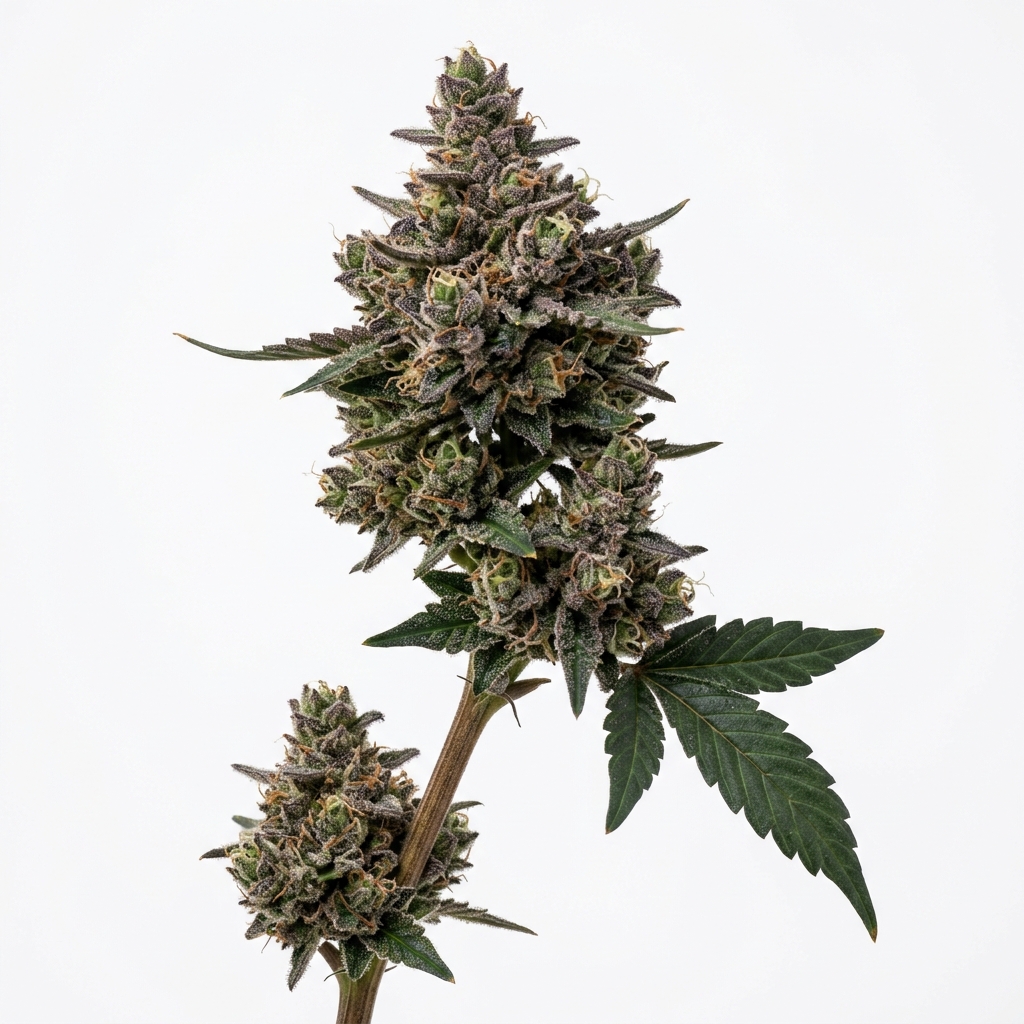
Gas Pie (Cannabis Strain)
Gas Pie is an indica-dominant hybrid producing dried flower potency typically ranging between 22% and 28% THC, uniting pungent hydrocarbon fuel with rich, sweet bakery notes. Bred by boutique outfits—most notably attributed to Raw Genetics through a pairing of Motorbreath 15 and Georgia Pie—the cultivar is recognized for its dense bract structure, heavy trichome coverage, and notable extraction yield. The plant balances moderate vegetative vigor with heavy resin output that appeals strongly to both solventless extractors and craft flower growers.
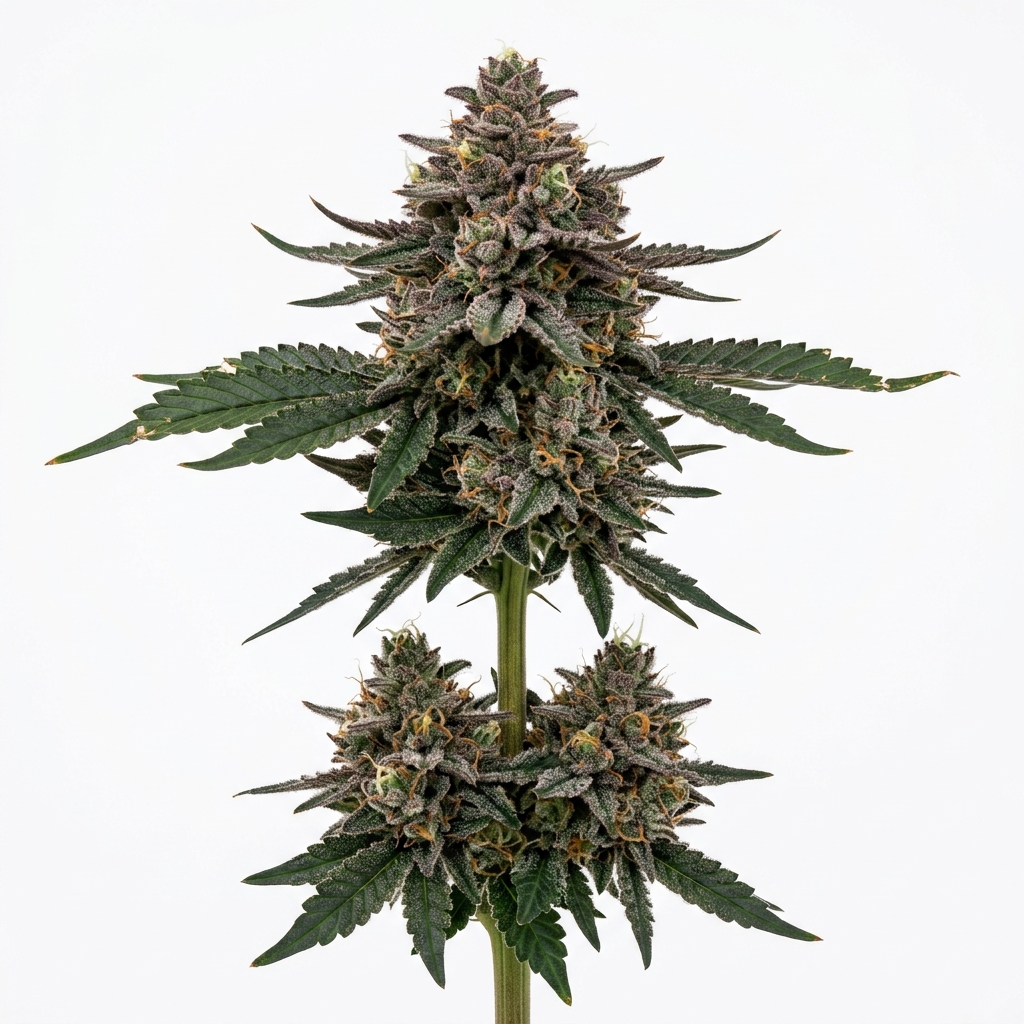
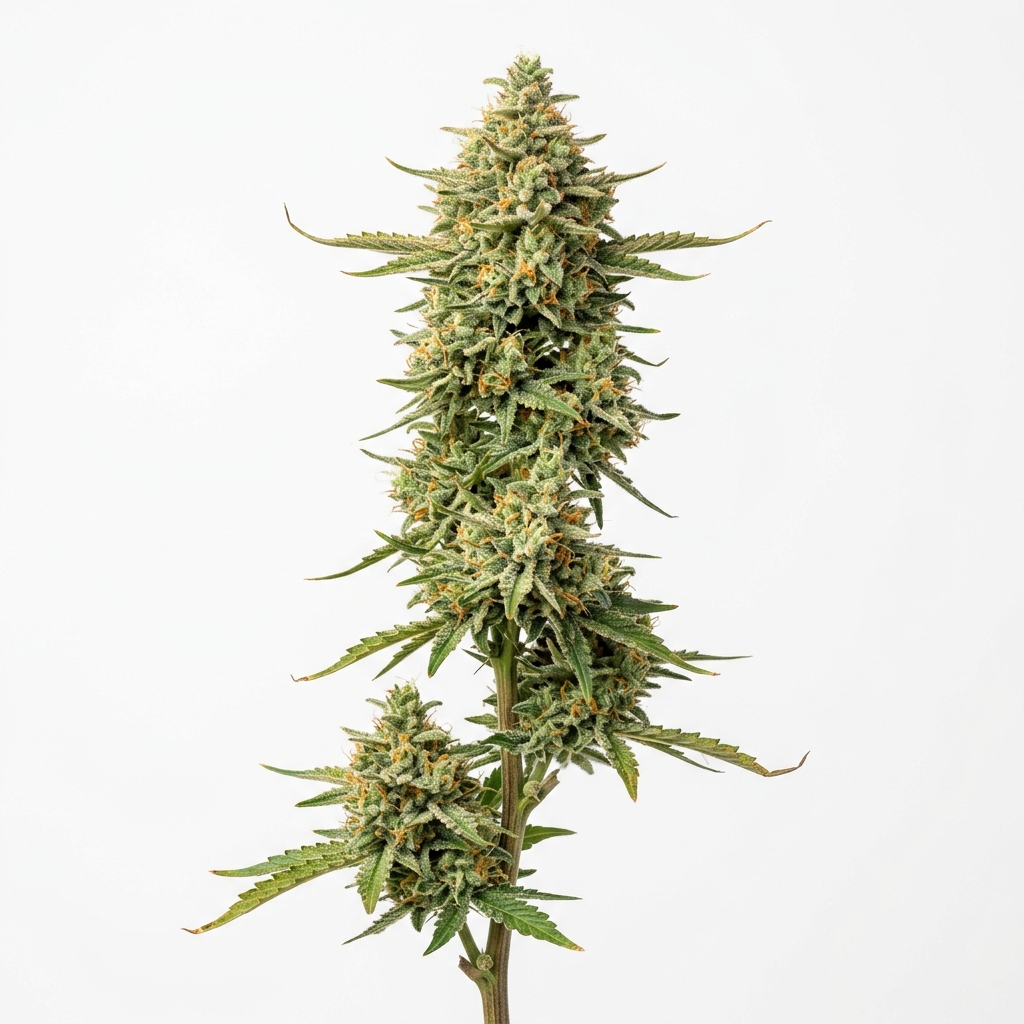
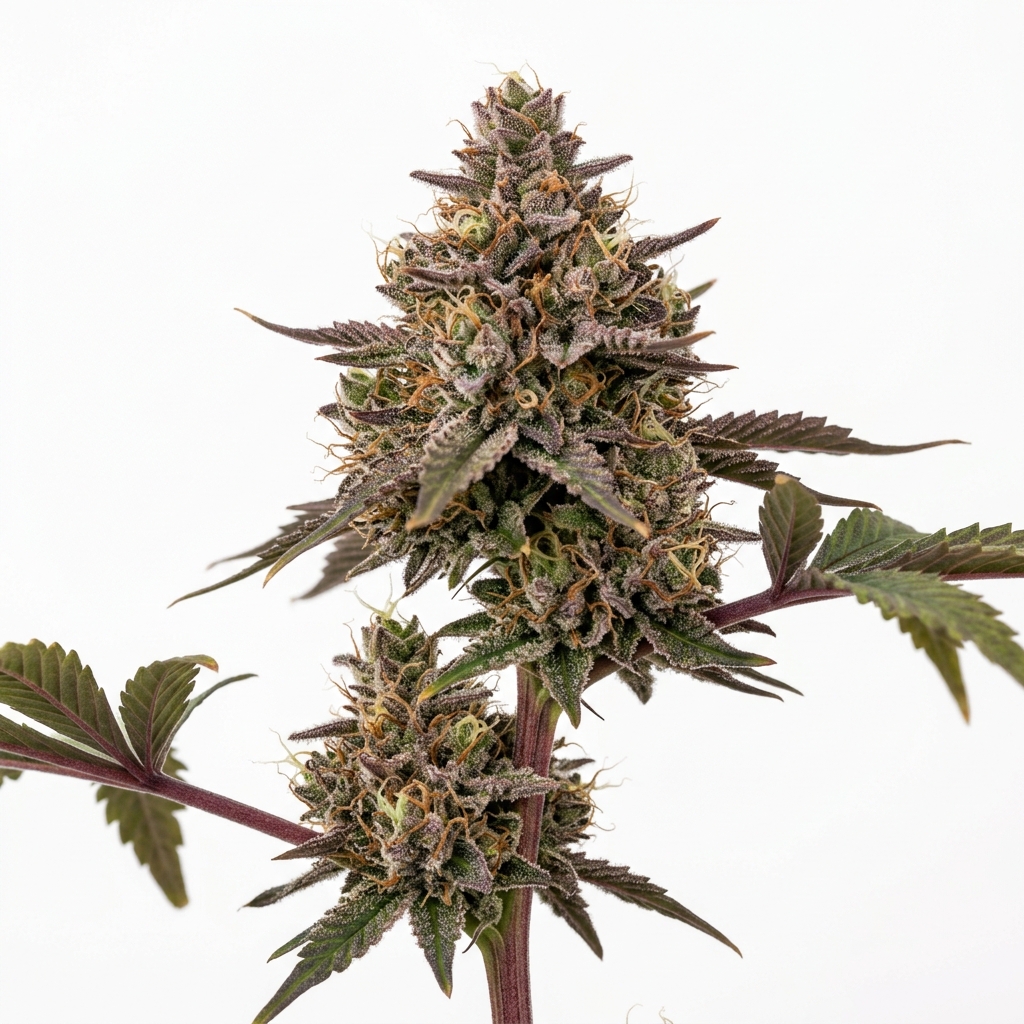
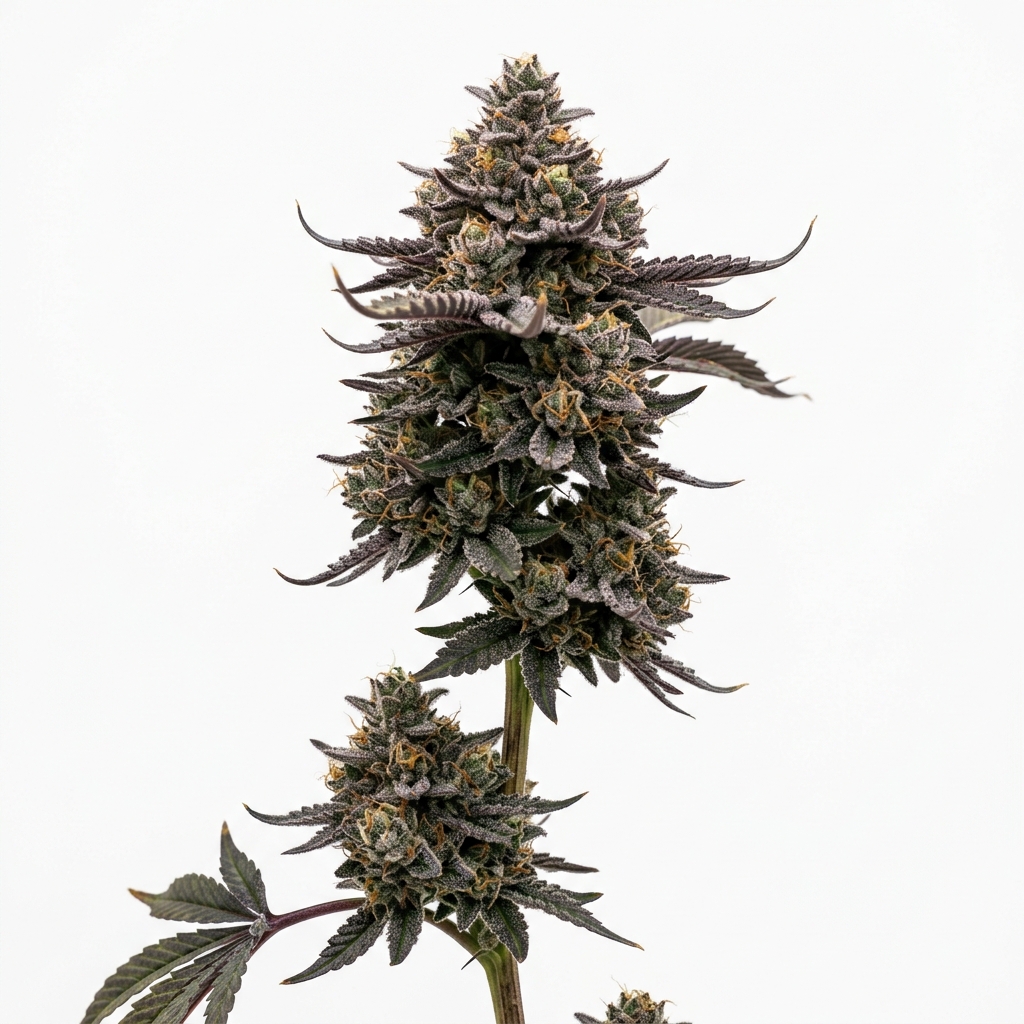
The variety shows classic dessert-and-fuel morphology, leaning heavily on its parental stock for tight internodes, dark foliage, and rich purple calyx pigmentation in late bloom. In consumer settings, it is primarily sought after for an initial cerebral ease that transitions steadily into broad muscular relaxation. The overall profile remains distinct for its heavy fuel nose underlined by a buttery, tart dough finish.
Quick Facts
| Field | Detail |
|---|---|
| Breeder | Raw Genetics (commonly reported) |
| Genetics | Motorbreath 15 × Georgia Pie |
| Variety | Indica-dominant hybrid (approx. 70/30) |
| THC Range | 22% – 28% |
| Flowering Time | 8 – 9 weeks (56 – 63 days) |
| Yield Potential | Moderate to high (450 – 550 g/m²) |
| Plant Height | Medium (100 – 140 cm) |
| Climate Preference | Temperate, Mediterranean, controlled indoor |
| Difficulty | Moderate |
Scientific & Botanical Overview
Gas Pie develops as a sturdy, medium-height plant exhibiting classic broad-leaf structural traits. The lateral branching is compact and firm, requiring moderate support when heavy, resin-loaded terminal colas form. Internodal spacing remains relatively tight during vegetative growth, allowing for dense canopy formation under high-efficiency lighting.
The inflorescence displays tightly packed, swollen calyxes layered in a thick mantle of glandular trichomes. As the flower matures, anthocyanin expression often turns the outer bracts from deep olive green to mottled violet and navy, contrasted by short, copper-toned pistils. The resin heads are dense and bulbous, demonstrating high structural stability throughout post-harvest handling.
Metabolically, this cultivar prioritizes terpene production rich in monoterpenes and sesquiterpenes alongside its elevated cannabinoid synthesis. Maintaining adequate airflow and precise vapor pressure deficit (VPD) during late bloom is critical, as the extreme density of the flower clusters makes the cultivar sensitive to stagnant, humid microclimates.
Effects & Use-Cases (Reported)
Commonly reported effects: The onset typically begins with a noticeable cerebral decompression, loosening mental tension while promoting a tranquil, calm mood. As the experience settles, a pronounced physical heaviness spreads across the limbs and torso, encouraging deep physical relaxation without immediate cognitive total sedation when enjoyed in modest amounts.
Use-case context: Given its heavy physical trajectory and calming headspace, Gas Pie is predominantly favored for late-afternoon and evening settings. Consumers frequently choose it to unwind after physical exertion, assist in quiet social settings, or accompany low-key nighttime leisure before sleep.
Note: Individual responses to cannabis flower vary according to personal tolerance, dosage, setting, and metabolic factors. Those sensitive to high-THC profiles should start slowly.
Aroma & Flavors
Aroma: The initial jar note delivers sharp kerosene, acrid rubber, and pungent fuel inherited from its Chem and Diesel ancestry. Breaking apart cured buds releases a secondary layer of sweet, warm dough, baked fruit, and light vanilla earthiness that softens the sharp chemical top notes.
Flavor: The inhale is dominated by rich diesel fumes, tart citrus rind, and earthy pine. On the exhale, the profile shifts toward a creamy, toasted pastry finish with lingering notes of sweet berry crust and black pepper.
Terpene associations: The dominant aromatic footprint is shaped primarily by beta-caryophyllene, providing spicy warmth, balanced by myrcene for earthy depth and limonene for bright, solvent-like lift. Secondary contributions of linalool and humulene add soft floral-dough undertones and woody dryness.
Tested Cannabinoid & Terpene Ranges
| Compound | Reported Range | Classification |
|---|---|---|
| Δ9-THC | 22.0% – 28.0% | Primary Cannabinoid |
| CBD | < 0.5% | Minor Cannabinoid |
| CBG (Total) | 0.5% – 1.5% | Minor Cannabinoid |
| Total Terpenes | 1.8% – 3.2% | Aromatic Profile |
| β-Caryophyllene | 0.6% – 1.1% | Primary Terpene |
| β-Myrcene | 0.4% – 0.9% | Secondary Terpene |
| d-Limonene | 0.3% – 0.7% | Secondary Terpene |
Range note: Cannabinoid and terpene figures represent dried, uninfused whole flower laboratory averages. Actual chemical concentrations fluctuate significantly based on individual phenotype selection, indoor versus outdoor environments, light intensity, and post-harvest drying and curing protocols.
Cultivation Notes
- Humidity management: Keep relative humidity between 55% and 60% during early bloom, reducing to 40% to 45% during the final three weeks of flowering to protect dense colas against mold and bud rot.
- Nutrient requirements: Gas Pie feeds moderately throughout vegetative growth but benefits from elevated potassium and phosphorus inputs during mid-bloom swell. Avoid nitrogen excess after week four of bloom to maintain pure flower flavor.
- Canopy training: Topping the main stem early and applying low-stress training (LST) encourages an even canopy, preventing heavy top-colas from shading out lower flowering sites.
- Defoliation: Conduct a thorough strip of large fan leaves around Day 21 of flower to increase light penetration and internal airflow through the compact branch structure.
- Harvest window: Look for harvest maturity when trichomes transition to roughly 10% to 15% amber and bracts are visibly swollen, typically between Day 56 and Day 63 of 12/12 light cycles.
Grower Notes (Week-by-Week Snapshot)
- Weeks 1–3 (Establishment & Stretch): The cultivar undergoes a moderate stretch of roughly 1.5x its vegetative height. Focus on securing trellis netting early to support secondary branch development and establish horizontal spacing.
- Weeks 4–6 (Bud Formation & Resin Initiation): Flowers stack rapidly into tight, spherical clusters along internodes. Resin development starts heavily by week five, releasing a distinct diesel and sour dough aroma into the room.
- Weeks 7–9 (Ripening & Color Expression): Calyxes swell and harden significantly. Cooler night temperatures (18–20°C / 64–68°F) encourage dramatic purple and indigo coloring across outer bracts as pistils recede and curl.
- Post-Harvest / Cure: Dry whole plants at 15–18°C (60°F) and 60% relative humidity for 12 to 14 days. A slow jar cure of at least 3 weeks locks in the delicate balance of volatile fuel and dessert bakery aromatics.
Genetic Lineage
Gas Pie traces its background to modern American craft breeding, predominantly documented as a cross between Motorbreath 15 (Chem D × SFV OG Kush) and Georgia Pie (Gellati × Kush Mints). This pairing intentionally merges old-school fuel pungency and high THC capability with the dense bag appeal, frost coverage, and baked-goods profile of modern Cookies-family lines.
Certain regional cuts also refer to crosses utilizing Key Lime Pie or Gas Ragz stock. Across these variants, the core genetic intent remains stable: amplifying intense petrochemical and gas volatiles while refining the structure, sweetness, and tactile resin quality of modern dessert cultivars.
Research Insights
Academic research into cannabis secondary metabolites indicates that combinations of beta-caryophyllene and myrcene frequently correlate with strong physical relaxation and perceived sedative properties in botanical models. Beta-caryophyllene interacts directly with CB2 receptors as a dietary cannabinoid, while myrcene has been studied for its potential influence on blood-brain barrier permeability and muscle relaxation.
These broad pharmacological observations offer helpful context for why consumers consistently report heavy, body-centric effects from chemovars like Gas Pie. However, because published clinical trials on proprietary cannabis strains remain sparse, real-world user experiences are best understood through the specific terpene ratios and cannabinoid totals present in each verified harvest batch.
Frequently Asked Questions
Who is the original breeder of Gas Pie?
Gas Pie is most commonly attributed to Raw Genetics, who bred the popular cross combining Motorbreath 15 with Georgia Pie. Other boutique breeders have produced related cuts using Key Lime Pie or Gas Ragz selections.
Is Gas Pie an indica or sativa cultivar?
Gas Pie is an indica-dominant hybrid, usually exhibiting approximately 70% indica and 30% sativa morphology and effects.
What does Gas Pie smell and taste like?
The strain smells heavily of raw fuel, kerosene, and pine, backed by a sweet, buttery pastry base. The flavor carries sharp diesel and earthy citrus on the inhale, finishing with a toasted dough and berry pie crust aftertaste.
What is the typical flowering time for Gas Pie?
When grown in indoor environments, Gas Pie typically reaches peak resin maturity in 8 to 9 weeks (56 to 63 days) of flowering.
Educational Disclaimer
This content is for educational and informational purposes only. Cannabis laws and regulations vary by jurisdiction. Always consult with a qualified professional before beginning any cultivation project or consuming cannabis products.
Rate and review this strain
Ratings and reviews are accepted only from signed-in Google accounts.
Sign in with Google to leave a rating and written review.
Latest Reviews
0 reviewsNo reviews yet. Be the first Google user to rate and review this strain.
Follow New Cultivar Records
Get newly documented genetics, breeder history, research highlights, and important Strainpedia discoveries by email.