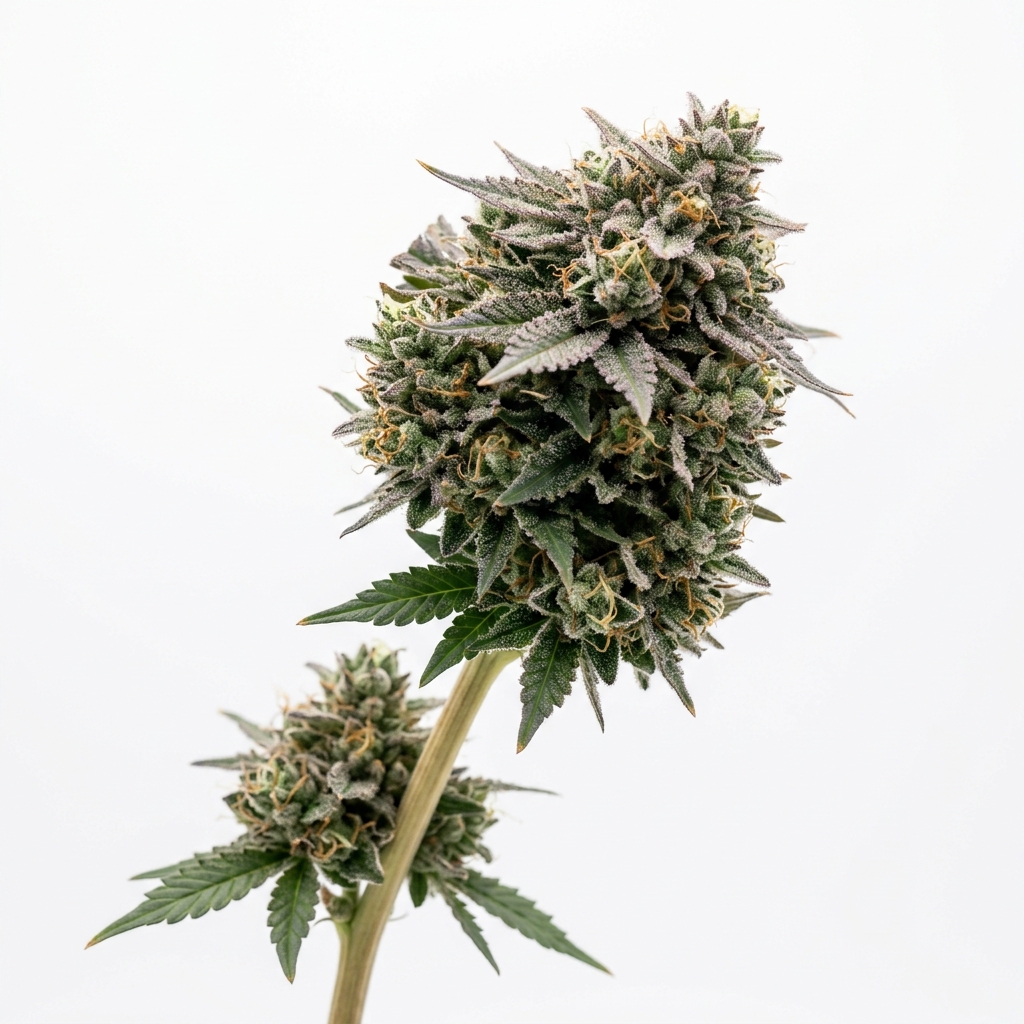
Big Chillz (Cannabis Strain)
Big Chillz is an indica-dominant hybrid developed by renowned breeder Capulator, typically testing between 22% and 28% THC in mature dried flower. Created by crossing Big Mac with Chillz, the cultivar is recognized for its dense bract architecture, heavy coat of capitate-stalked resin glands, and a sharp aromatic profile that leans into cooling menthol, tart gas, and sweet bakery dough. Plants show a sturdy, medium-height stature with controlled lateral branching, making the cut popular among growers seeking uniform canopy management and high resin yields suitable for solventless processing.
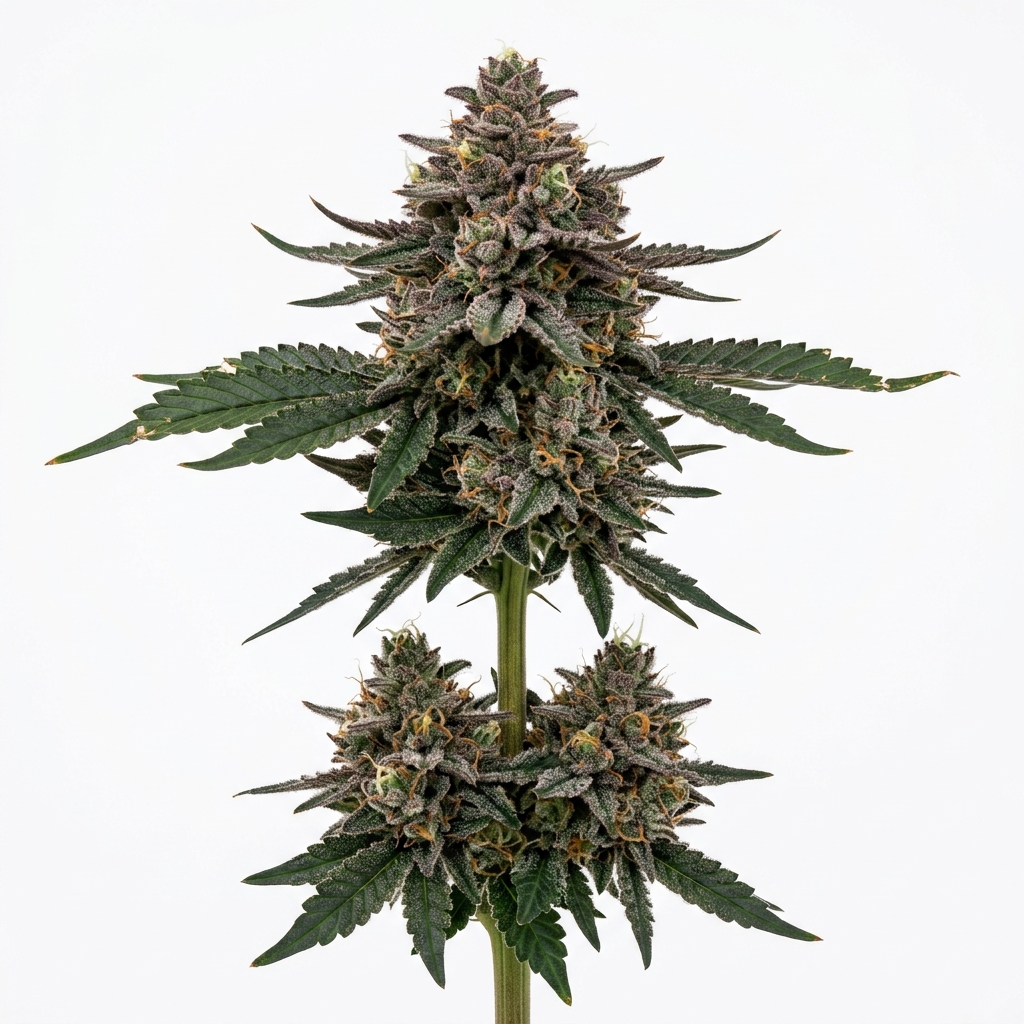
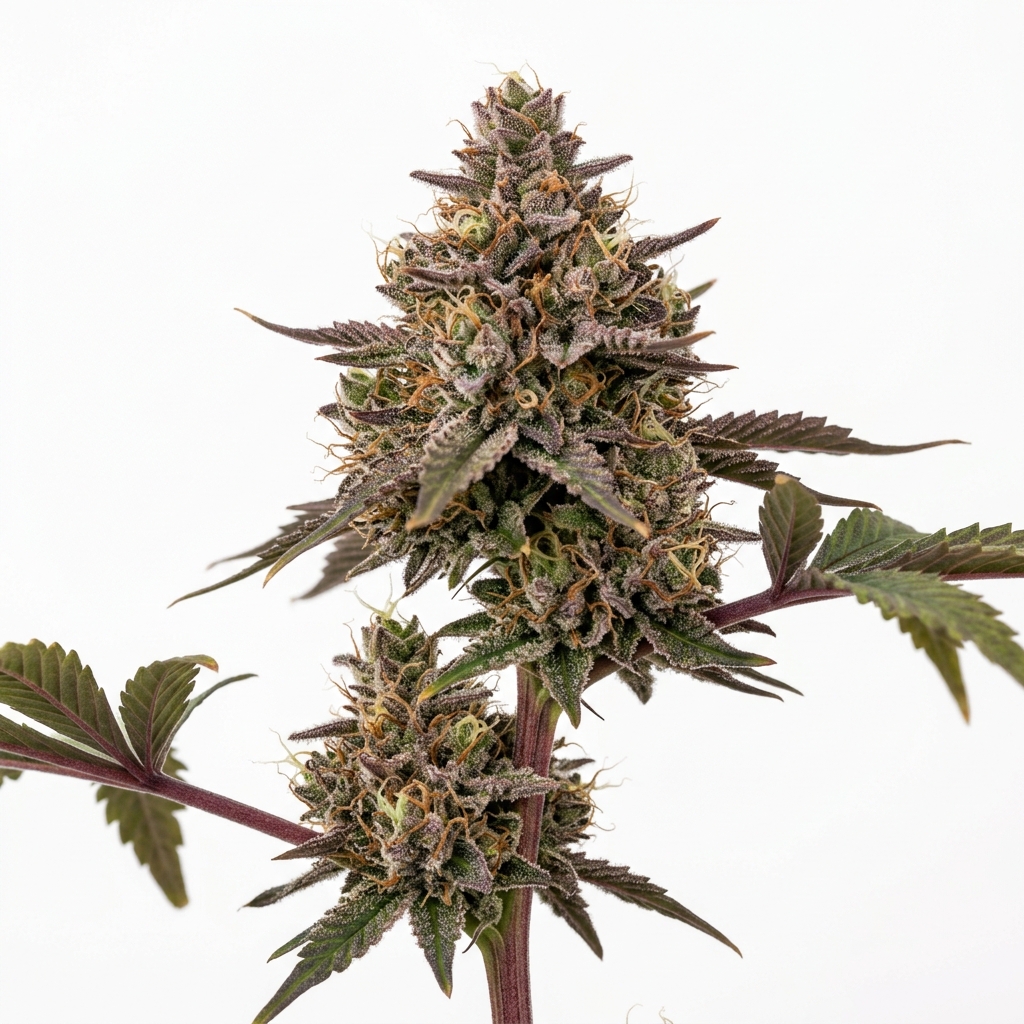
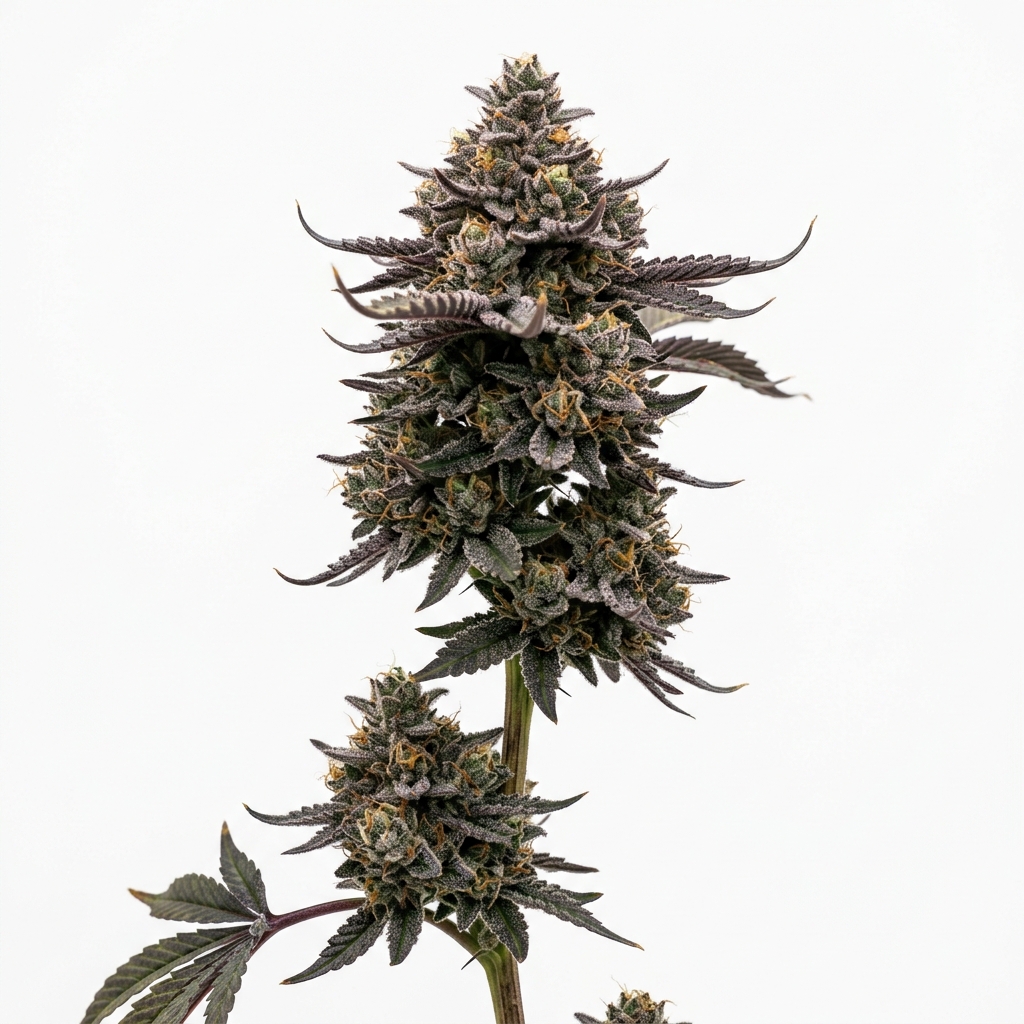
The genetic pairing brings together the robust cookie-dough density of the MAC family with the frosty, fuel-driven traits of the Chillz line. The flowers finish with swollen calyxes, deep forest-green hues, and occasional lavender shading under cooler late-cycle temperatures. Consumers typically report a balanced experience characterized by physical ease and calm mental clarity, making it a reliable evening cultivar when heavy physical sedation without immediate couch-lock is desired.
Quick Facts
| Field | Details |
|---|---|
| Breeder | Capulator |
| Genetics | Big Mac × Chillz |
| Variety | Indica-dominant hybrid |
| THC Range | 22% – 28% |
| Flowering Time | 8 – 9 weeks (56 – 63 days) |
| Yield Potential | Moderate to heavy (450 – 550 g/m² indoor) |
| Plant Height | Medium (100 – 140 cm) |
| Climate Preference | Temperate to Mediterranean with low late-flower humidity |
| Difficulty | Moderate |
Scientific & Botanical Overview
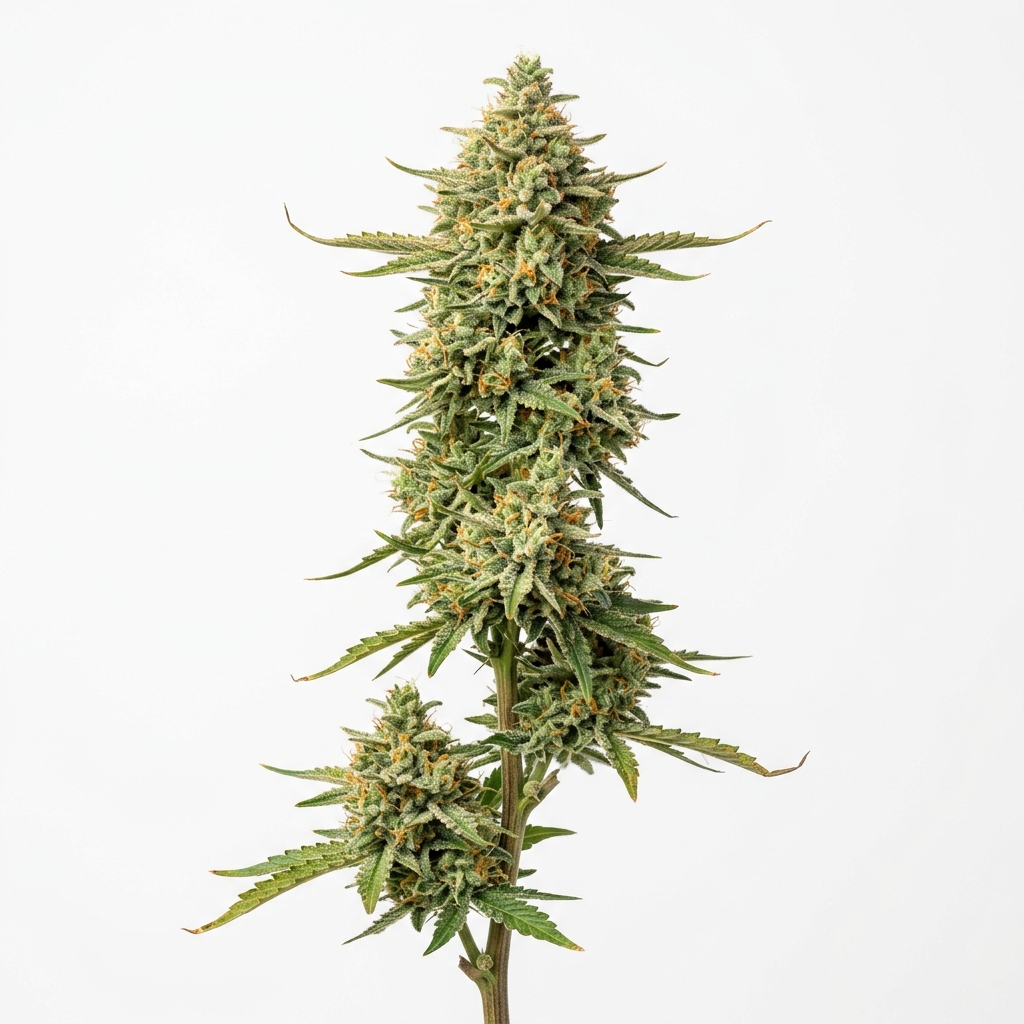
Botanically, Big Chillz expresses classic broad-leaf hybrid traits with thick stems, short internodal spacing, and broad fan foliage during the vegetative stage. The floral structure matures into clustered, golf-ball-shaped colas with high calyx-to-leaf ratios. Bracts swell substantially during the final two weeks of flowering, producing compact, rigid clusters that hold high physical density even after drying and curing.
The trichome coverage on Big Chillz is notable for its gland head stability and density. Trichomes form thick, uniform carpets of capitate-stalked glands across floral surfaces and extend deeply into surrounding sugar leaves. The heads remain predominantly bulbous and clear before shifting to a milky opalescence around day 56 of flowering, making trichome maturity easy to monitor under magnification.
In the grow room, the cultivar prefers controlled indoor environments where temperature drops during late bloom can be used to bring out anthocyanin expression. The thick, resin-saturated flowers require proactive airflow to protect dense interior bud sections from stagnant microclimates. Consistent feeding with balanced minerals supports its sturdy stalks, which carry the weight of dense terminal colas without excessive supplemental staking.
Effects & Use-Cases (Reported)
Commonly reported effects: Consumers typically describe a calm, grounded body sensation accompanied by a quiet mental state. The initial experience is characterized by gentle headband warmth and facial relaxation, gradually spreading into the limbs and shoulders. The mental onset is clear and contemplative without racy cerebral stimulation, settling into smooth, functional relaxation that does not immediately overwhelm motor coordination.
Use-case context: Given its calming profile, Big Chillz is frequently selected for late afternoon or evening use. It fits well into quiet creative sessions, reading, post-work decompression, and leisurely social gatherings. At higher quantities, physical heaviness increases, making it a common choice for wind-down routines before sleep.
Note: Individual responses to cannabis vary based on tolerance, dosage, consumption method, and personal physiology.
Aroma & Flavors
Aroma: The aromatic profile opens with a crisp menthol blast layered over tart chemical gas and sweet vanilla dough. Breaking the cured buds reveals an earthy kush core with undertones of pine, damp earth, and subtle sour citrus.
Flavor: The smoke or vapor carries an immediate coolness on the palate, blending spearmint and diesel fuel on the inhale. The exhale transitions toward creamy cookies, peppery spice, and a lingering citrus-petrol aftertaste.
Terpene associations: The sensory profile is driven by high concentrations of beta-caryophyllene, limonene, and myrcene, with secondary contributions from linalool and humulene providing the floral and cooling herbal qualities.
Tested Cannabinoid & Terpene Ranges
| Compound | Tested Range (%) |
|---|---|
| Δ9-THC | 0.3% – 1.0% |
| THCA | 24.0% – 30.5% |
| Total THC (Flower) | 22.0% – 28.0% |
| CBGA | 0.5% – 1.4% |
| Total CBD | < 0.2% |
| Beta-Caryophyllene | 0.50% – 1.10% |
| Limonene | 0.35% – 0.85% |
| Myrcene | 0.20% – 0.60% |
| Linalool | 0.10% – 0.30% |
| Humulene | 0.10% – 0.25% |
Range note: Cannabinoid and terpene values reflect dried uninfused cannabis flower and are derived from commercial lab test compilations and breeder specifications. Actual chemical output depends heavily on cultivation environment, lighting spectrum, feed strength, and post-harvest drying and curing conditions.
Cultivation Notes
- Humidity management: Maintain relative humidity between 55% and 60% during early flowering, gradually reducing to 40% to 45% during the final three weeks to protect dense colas against mold.
- Nutrient requirements: Feed moderately through the vegetative phase, increasing potassium and phosphorus during weeks four through six; avoid excessive nitrogen in late bloom to ensure clean resin development.
- Canopy training: Responds well to early topping and low-stress training (LST), which opens the bush-like structure and promotes multiple dominant flower sites across a flat canopy.
- Defoliation: Perform a targeted leaf strip around day 21 of flower to increase light penetration through the lower canopy, followed by light cleanup around day 42 if fan leaves block lower nodes.
- Harvest window: Monitor trichome heads on true bracts; flowers are typically prime between days 56 and 63 when trichomes show roughly 10% to 15% amber and the rest milky.
Grower Notes (Week-by-Week Snapshot)
- Weeks 1–3 (Transition & Stretch): Modest stretch of approximately 1.5x to 2x initial height. Internodes stay close together, and initial bud set begins rapidly by day 14. Support training screens during this phase.
- Weeks 4–6 (Bulking & Resin Production): Calyxes begin stacking tightly into distinct golf-ball formations. Glandular trichomes develop heavily across sugar leaves and stems, with sharp fuel and menthol aromas becoming pronounced.
- Weeks 7–9 (Ripening & Senescence): Vertical growth ceases completely as flowers swell and harden. Lower nighttime temperatures (18–20°C / 64–68°F) encourage purple color development while trichomes turn cloudy.
- Post-Harvest (Drying & Curing): Whole-plant hang at 15–18°C (60°F) and 55–60% RH for 10 to 14 days preserves volatile monoterpenes. Cure in airtight glass jars or food-grade containers for at least three weeks.
Genetic Lineage
Big Chillz draws its heritage from two distinct Capulator-associated lines: Big Mac and Chillz. Big Mac carries forward the structural density, heavy resin coverage, and balanced bakery-gas character established by Miracle Alien Cookies (MAC). This foundation provides Big Chillz with solid floral density, sturdy branch development, and high gland-head stability across all flowering sites.
The Chillz parent introduces a cooler, sharper terpene signature dominated by menthol, fuel, and pine. Combined, the two parents produce a stable hybrid that maintains the heavy aesthetic frost of MAC while shifting the aromatic profile toward a sharper, mentholated gas spectrum with enhanced physical relaxation.
Research Insights
Scientific literature on dominant cannabis terpenes indicates that compounds such as beta-caryophyllene, limonene, and myrcene carry distinct pharmacological profiles. Beta-caryophyllene is known as an atypical terpene that binds directly to mammalian CB2 receptors, where it is studied for its role in modulating inflammatory pathways. Limonene is frequently researched for its influence on mood and sensory alertness, while myrcene is associated in pre-clinical studies with muscle relaxation and sedative synergy when combined with THC.
While these general chemical mechanisms are documented in peer-reviewed pharmacological research, cultivar-specific human clinical trials on Big Chillz have not been conducted. The experiential traits associated with this cut remain informed by verified laboratory cannabinoid profiling, grower observations, and consistent anecdotal consumer documentation.
Frequently Asked Questions
Who is the breeder of Big Chillz?
Big Chillz was bred by Capulator, the well-known California-based breeder responsible for creating Miracle Alien Cookies (MAC) and related resin-focused cultivars.
Is Big Chillz an indica or sativa?
Big Chillz is an indica-dominant hybrid. Its growth structure features broad leaves and compact flower stacking, while its reported effects lean toward physical relaxation and tranquil mental calm.
What does Big Chillz smell and taste like?
The cultivar features an aroma of sharp menthol, tart gas, and sweet dough. When smoked or vaporized, it delivers a cool mint inhale followed by earthy pine, creamy cookies, and diesel on the exhale.
How long does Big Chillz take to flower?
When grown indoors under a 12/12 light schedule, Big Chillz typically finishes flowering in 8 to 9 weeks (56 to 63 days), depending on the specific phenotype and grower preference for trichome maturity.
Educational Disclaimer
This content is for educational and informational purposes only. Cannabis laws and regulations vary by jurisdiction. Always consult with a qualified professional before beginning any cultivation project or consuming cannabis products.
Rate and review this strain
Ratings and reviews are accepted only from signed-in Google accounts.
Sign in with Google to leave a rating and written review.
Latest Reviews
0 reviewsNo reviews yet. Be the first Google user to rate and review this strain.
Follow New Cultivar Records
Get newly documented genetics, breeder history, research highlights, and important Strainpedia discoveries by email.