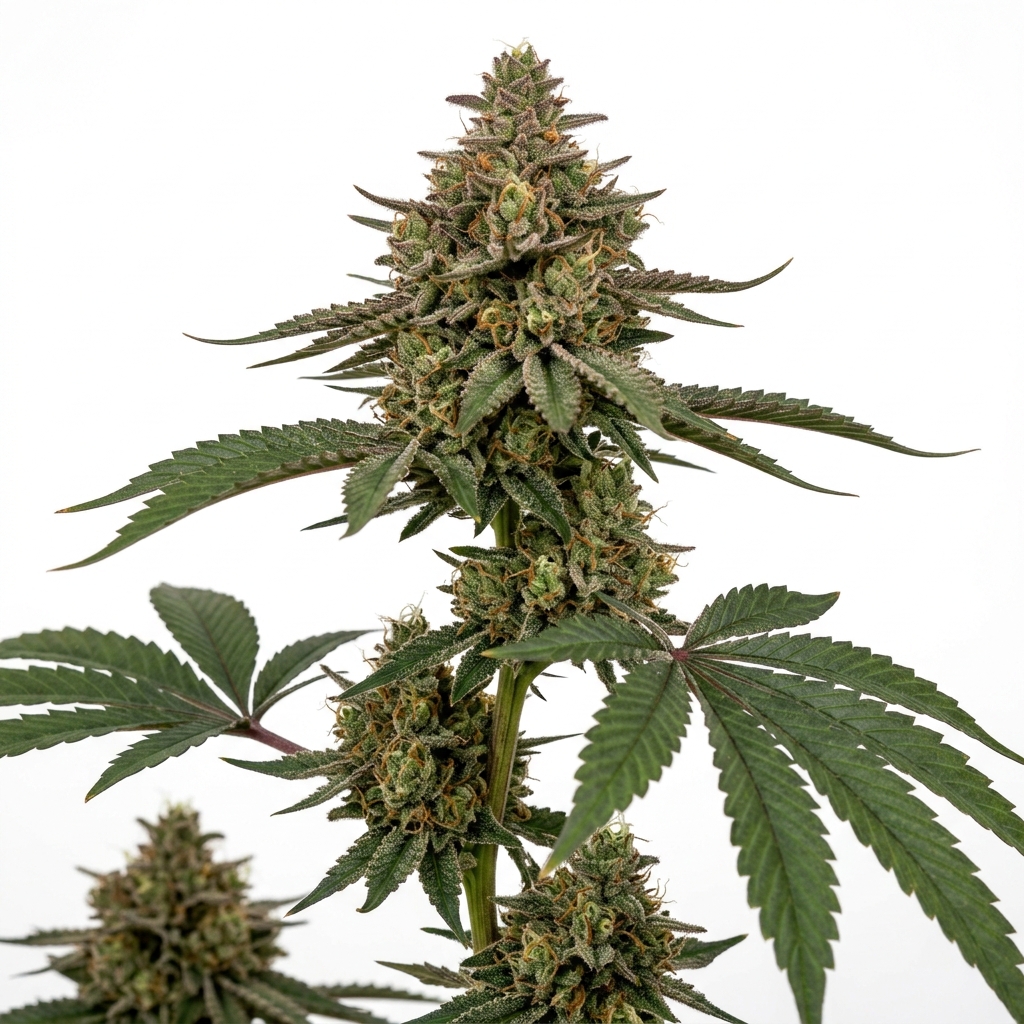
Berry Blaze (Cannabis Strain)
Berry Blaze is an indica-dominant hybrid cultivar developed by Dutch Passion, bred from selected heavy-yielding Blueberry
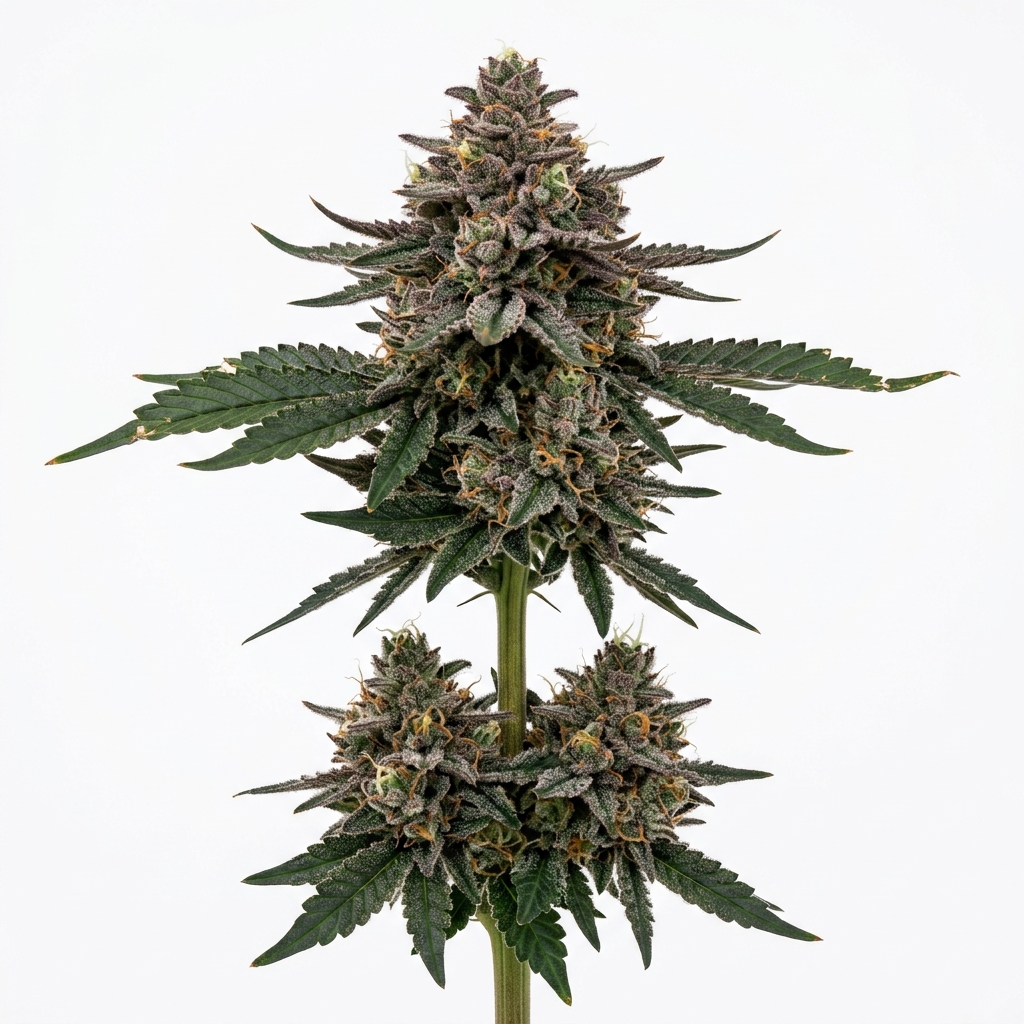
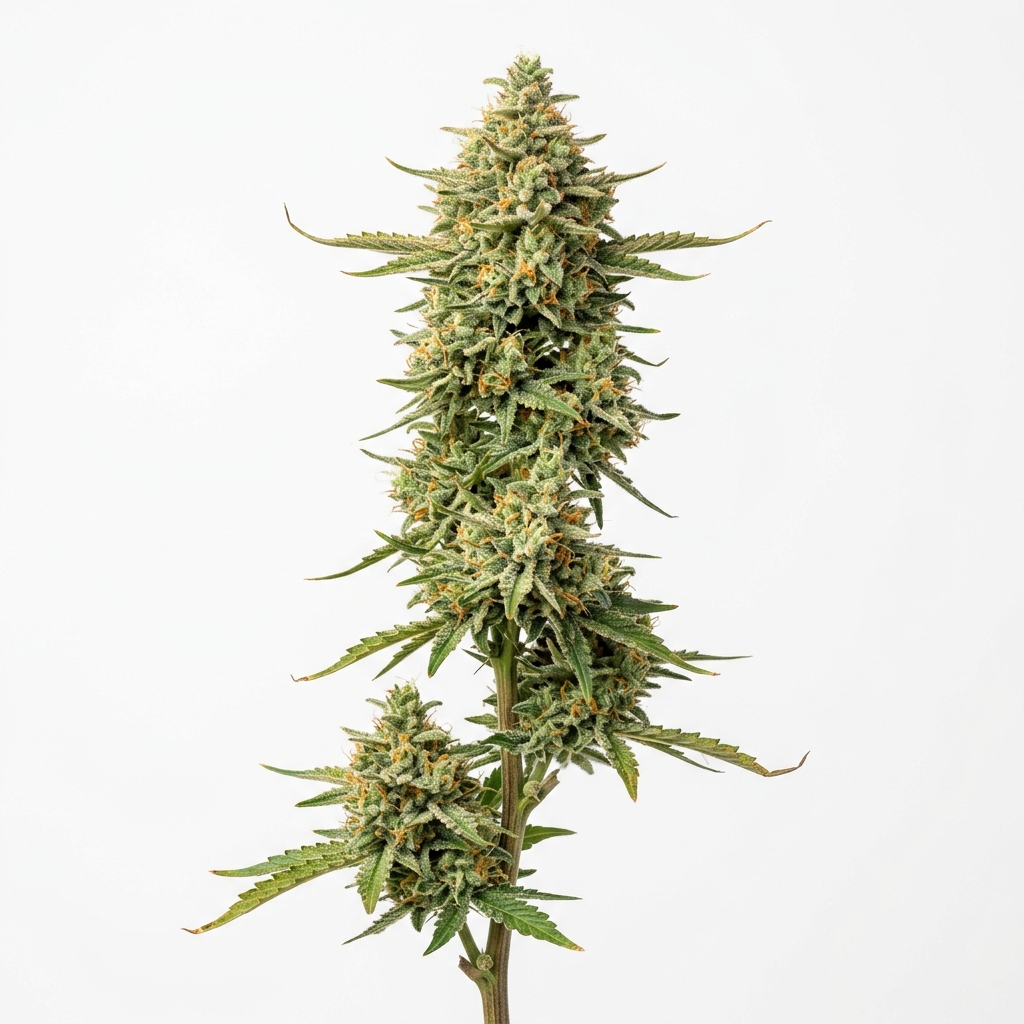
genetics and robust Afghan-descended stock. Testing commonly places uninfused dried flower potency between 16% and THC not consistently reported, delivering a classic fruit-forward profile marked by sweet berry jam, soft floral undertones, and an earthy spice finish. The cultivar is widely recognized in cultivation circles for its stout plant structure, generous calyx swelling in late bloom, and thick coating of greasy resin glands.
The heritage behind the cultivar emphasizes vigor and heavy floral density, inherited directly from its classic indica foundations. Plants develop sturdy secondary branching capable of supporting substantial terminal colas with minimal staking under controlled conditions. Reported consumer experiences center on physical ease, gentle mental deceleration, and a unhurried evening wind-down without harsh cerebral edges.
Quick Facts
| Field | Detail |
|---|---|
| Breeder | Dutch Passion |
| Genetics | Blueberry selection lineage |
| Variety | Indica-dominant hybrid |
| THC Range | 16% – 22% |
| Flowering Time | 8 – 9 weeks (56 – 63 days) |
| Yield Potential | High |
| Plant Height | Medium |
| Climate Preference | Temperate to Mediterranean |
| Difficulty | Moderate |
Scientific & Botanical Overview
Morphologically, Berry Blaze expresses classic broad-leaf indica traits throughout vegetative growth. Internodal spacing remains short to moderate, creating a compact canopy populated by broad, dark green fan leaves with prominent serrations. Lateral branches develop early and maintain thick vascular tissue, providing an efficient conduit for water and nutrient transport during rapid floral development.
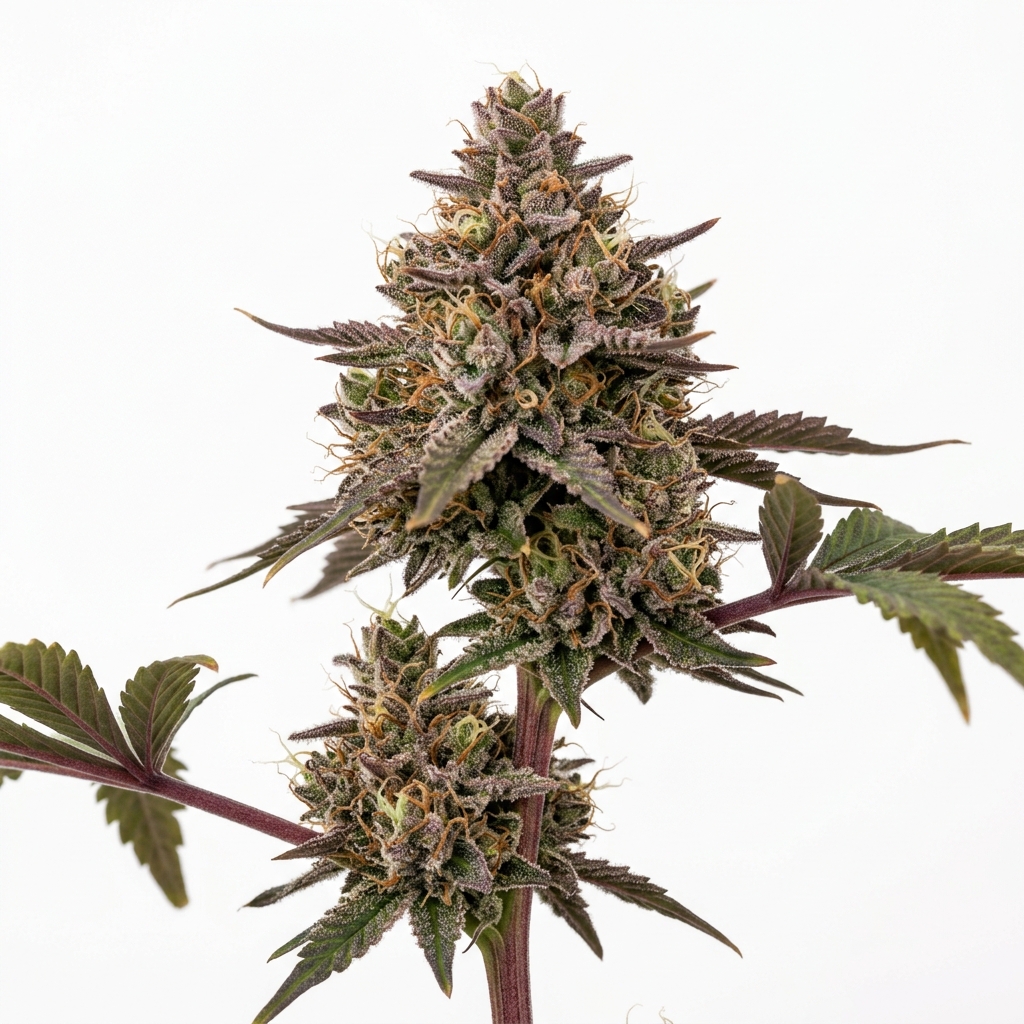
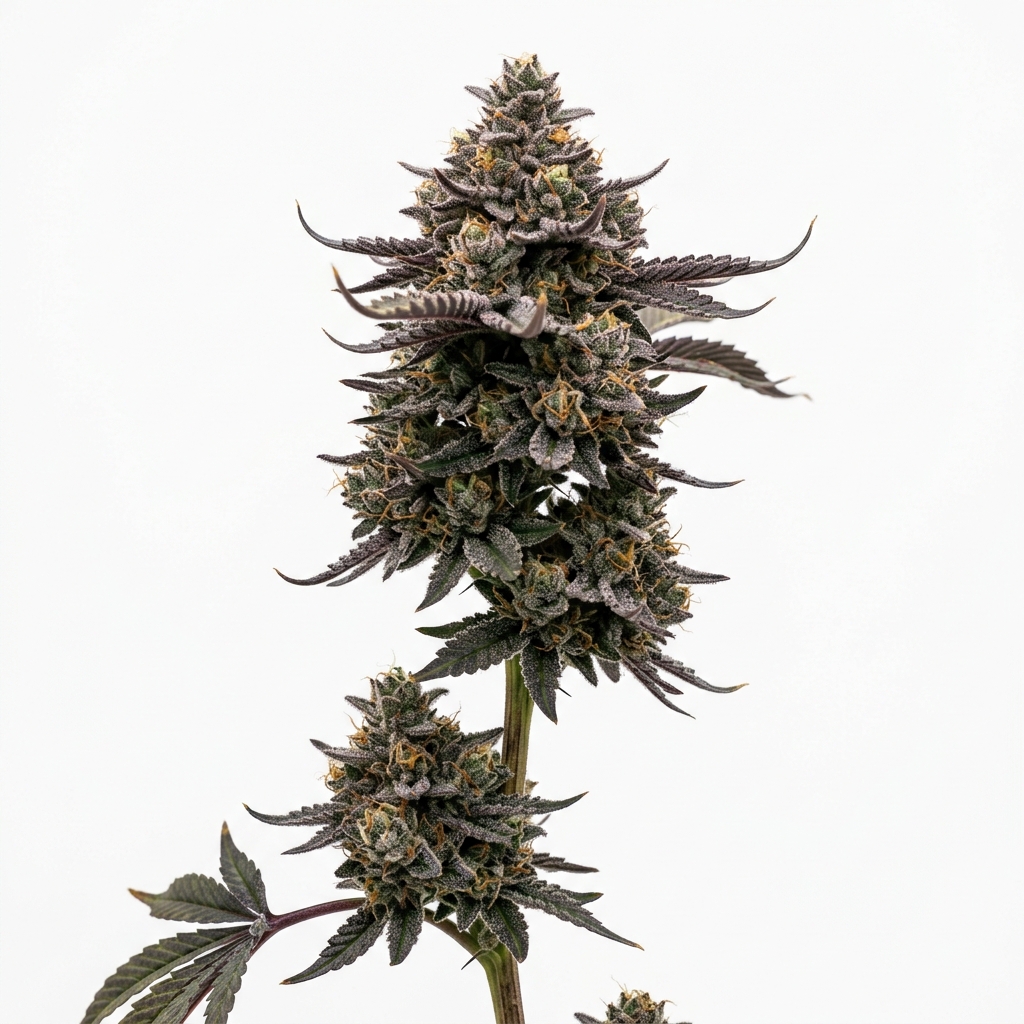
During the generative phase, flowers stack tightly along the main stem and side shoots, producing dense, spade-shaped colas. Calyxes swell substantially in the final three weeks of bloom, often displaying subtle purple and violet hues when night temperatures drop below 18°C (64°F). Trichome coverage is dense and uniform, featuring capitate-stalked glandular heads that stay tacky and resinous through late harvest.
The terpene profile is dominated by monoterpenes and sesquiterpenes that require careful thermal management during post-harvest handling. Elevated drying temperatures can strip the lighter berry volatiles, leaving behind flat wood notes. Maintaining stable drying parameters preserves the sweet fruit esters and spicy aromatic fractions that define the finished cured flower.
Effects & Use-Cases (Reported)
Commonly reported effects: Consumers typically describe a gradual onset that settles into the forehead before extending downward through the neck and shoulders. The experience is predominantly physical and calming, accompanied by a quiet mental ease that avoids disorienting cerebral pressure. High-dose sessions tend to encourage lingering heaviness and prolonged restfulness.
Use-case context: The cultivar is commonly chosen for late afternoon or evening use when active tasks are complete. Its mellowing qualities make it well-suited for relaxed socializing, quiet media consumption, or transitioning toward sleep. Because it leans heavily toward bodily comfort, daytime use requires conservative moderation for functional consumers.
Note: Individual responses to cannabis cultivars vary widely depending on personal tolerance, physiological state, dose, and consumption method.
Aroma & Flavors
Aroma: Freshly broken buds release an immediate burst of candied blueberry, ripe dark fruit, and sweet pastry dough. As the flower airs out, deeper base notes of damp earth, hashish spice, and light pine emerge beneath the primary sweetness.
Flavor: The smoke delivers a smooth, fruit-forward intake characterized by sweet berry compote and subtle floral hints. The exhale transitions toward a drier profile, leaving lingering notes of herbal earth, mild black pepper, and toasted wood on the palate.
Terpene associations: Analytical profiles commonly highlight myrcene as a primary contributor to the ripe fruit foundation, supported by beta-caryophyllene for peppery warmth and pinene or linalool for refreshing herbal and floral complexity.
Tested Cannabinoid & Terpene Ranges
| Compound | Typical Range (Dried Flower) |
|---|---|
| Δ9-THC | 16% – 22% |
| CBD | < 1.0% |
| CBG | 0.2% – 0.8% |
| Total Terpenes | 1.5% – 2.8% |
| Primary Terpenes | Myrcene, Beta-Caryophyllene, Alpha-Pinene, Linalool |
Range note: Cannabinoid and terpene metrics reflect representative ranges from compliant dried flower testing. Values vary across distinct phenotypes, cultivation environments, lighting configurations, and post-harvest curing conditions.
Cultivation Notes
- Humidity management: Maintain relative humidity between 55% and 60% during vegetative development, stepping down to 40%–45% during late flowering to safeguard dense colas against mold and botrytis.
- Nutrient requirements: Plants handle moderate-to-heavy feeding regimens well, showing strong uptake of nitrogen during vegetative growth and elevated phosphorus and potassium requirements from mid-bloom onward.
- Canopy training: Responds well to low-stress training (LST) and early topping, which encourages lateral development and creates a level canopy of uniform top colas.
- Defoliation: Selective removal of large lower fan leaves around week 3 of flower improves airflow through the interior canopy and directs light toward developing bud sites.
- Harvest window: Optimal resin maturity is typically reached between days 56 and 63, identified when trichome heads shift from cloudy to roughly 10%–15% amber.
Grower Notes (Week-by-Week Snapshot)
- Weeks 1–3 (Transition & Early Stretch): Plants exhibit a manageable stretch of roughly 75% to 100%. Early pistil clusters develop rapidly at the nodes, and light canopy management should be finalized by the end of week 3.
- Weeks 4–6 (Bulk & Resin Formation): Calyxes swell and trichome coverage accelerates noticeably across bracts and sugar leaves. Aroma shifts from light green foliage to sweet fruit and berry syrup; ensure steady air exchange.
- Weeks 7–9 (Ripening & Finish): Flowers tighten and harden into dense clusters. Moderate nighttime temperature drops encourage anthocyanin expression in phenotypes carrying purple coloration. Calyxes achieve peak swelling as pistils darken and curl inward.
- Post-Harvest (Drying & Curing): Dry whole plants or large branches at 15°C–18°C (59°F–64°F) and 58%–62% relative humidity for 10 to 14 days. A four-week minimum cure in airtight containers stabilizes volatile berry terpenes and smooths the smoke.
Genetic Lineage
Berry Blaze traces its direct lineage back to the classic Blueberry breeding lines curated by Dutch Passion. The goal of the cross was to preserve the signature confectionery berry aroma of traditional Oregon and Dutch berry selections while improving structural vigor, branch thickness, and overall flower yield through careful selection of robust indica parents.
The resulting hybrid displays dependable phenotypic consistency, with most individuals leaning toward a compact, stout stature and heavy resin production. While slight variations in color expression exist depending on ambient root and air temperatures, the aromatic profile remains centered on dark forest fruit and hashish undertones across expressions.
Research Insights
Scientific literature on cannabis phytochemistry highlights that cultivars dominant in myrcene and beta-caryophyllene frequently exhibit strong consumer associations with body-focused relaxation. Beta-caryophyllene is unique among dietary terpenes for its ability to act as a selective functional agonist at the peripheral CB2 receptor, a mechanism widely studied for its role in modulating inflammatory pathways in preclinical models.
While these general chemical pathways are documented in pharmacological research, individual outcomes from consuming specific botanical cultivars like Berry Blaze depend on the complex interplay of minor cannabinoids, total terpene concentration, and individual endocannabinoid tone. Controlled human clinical trials examining whole-flower cultivars remain necessary to fully map strain-specific experiential outcomes.
Frequently Asked Questions
Who is the original breeder of Berry Blaze?
Berry Blaze was developed and released by Dutch Passion, the veteran Dutch seed bank renowned for pioneering feminized seed technology and maintaining historical Blueberry breeding stock.
Is Berry Blaze an indica or sativa cultivar?
Berry Blaze is an indica-dominant hybrid cultivar, reflected in its broad foliage, stout frame, dense flower morphology, and physically relaxing reported effects.
What does Berry Blaze smell and taste like?
The cultivar smells distinctly of sweet blueberry jam, ripe berries, and confectionary sugar, anchored by subtle notes of earthy spice, light pine, and traditional Afghan hashish on the exhale.
How long does Berry Blaze take to flower?
In indoor setups under a 12/12 photoperiod, Berry Blaze typically finishes flowering in 8 to 9 weeks (56 to 63 days), while outdoor plants are generally ready for harvest by early October in the Northern Hemisphere.
Educational Disclaimer
This content is for educational and informational purposes only. Cannabis laws and regulations vary by jurisdiction. Always consult with a qualified professional before beginning any cultivation project or consuming cannabis products.
Rate and review this strain
Ratings and reviews are accepted only from signed-in Google accounts.
Sign in with Google to leave a rating and written review.
Latest Reviews
0 reviewsNo reviews yet. Be the first Google user to rate and review this strain.
Follow New Cultivar Records
Get newly documented genetics, breeder history, research highlights, and important Strainpedia discoveries by email.