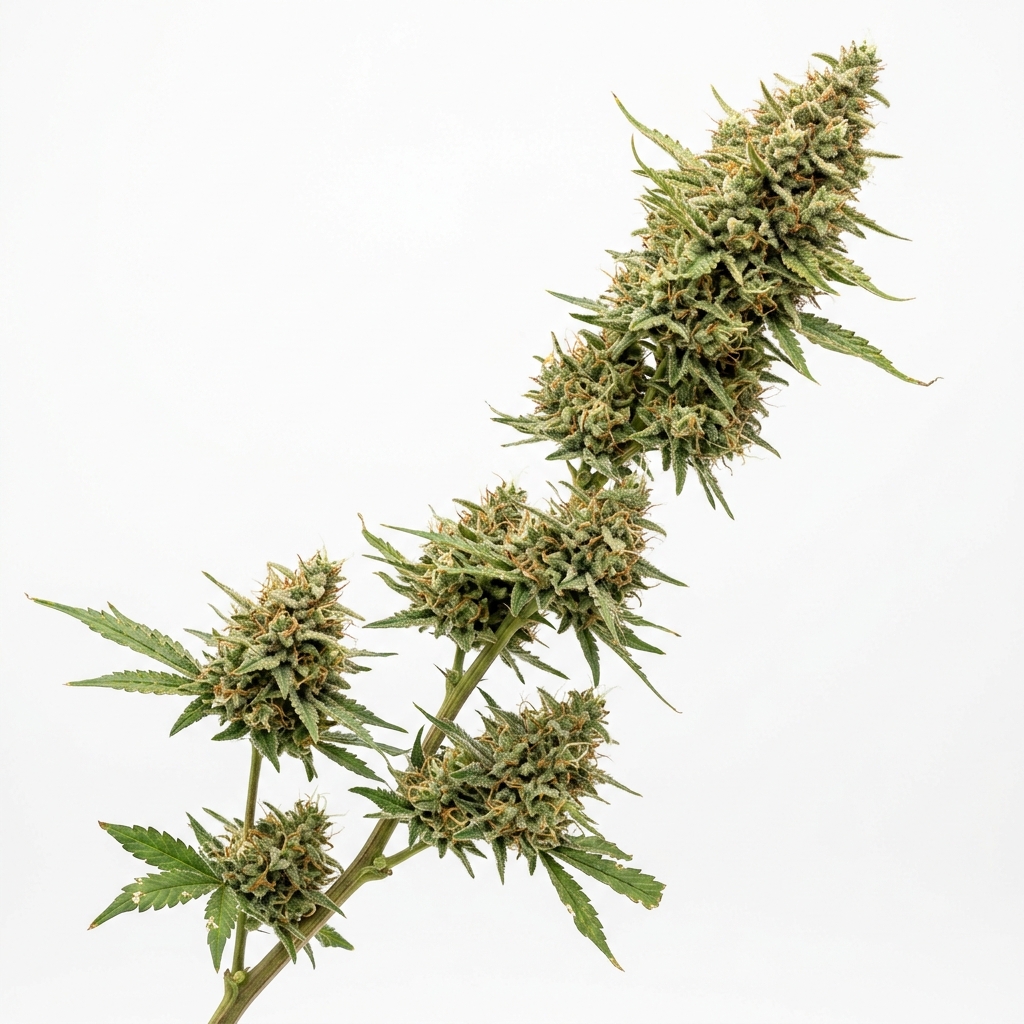
Tigers Eye (Cannabis Strain)
Tigers Eye is a balanced hybrid cultivar testing between 18% and 24% THC, originally bred by Bodhi Seeds through crossing Golden Tiger with Appalachia. The variety carries a distinct profile of crushed pine needles, tart citrus, and an earthy herbal undertone, producing elongated spear colas blanketed in greasy resin. Growers value the line for bringing vigorous sativa bud development into a manageable indoor flowering cycle with notable trichome output.
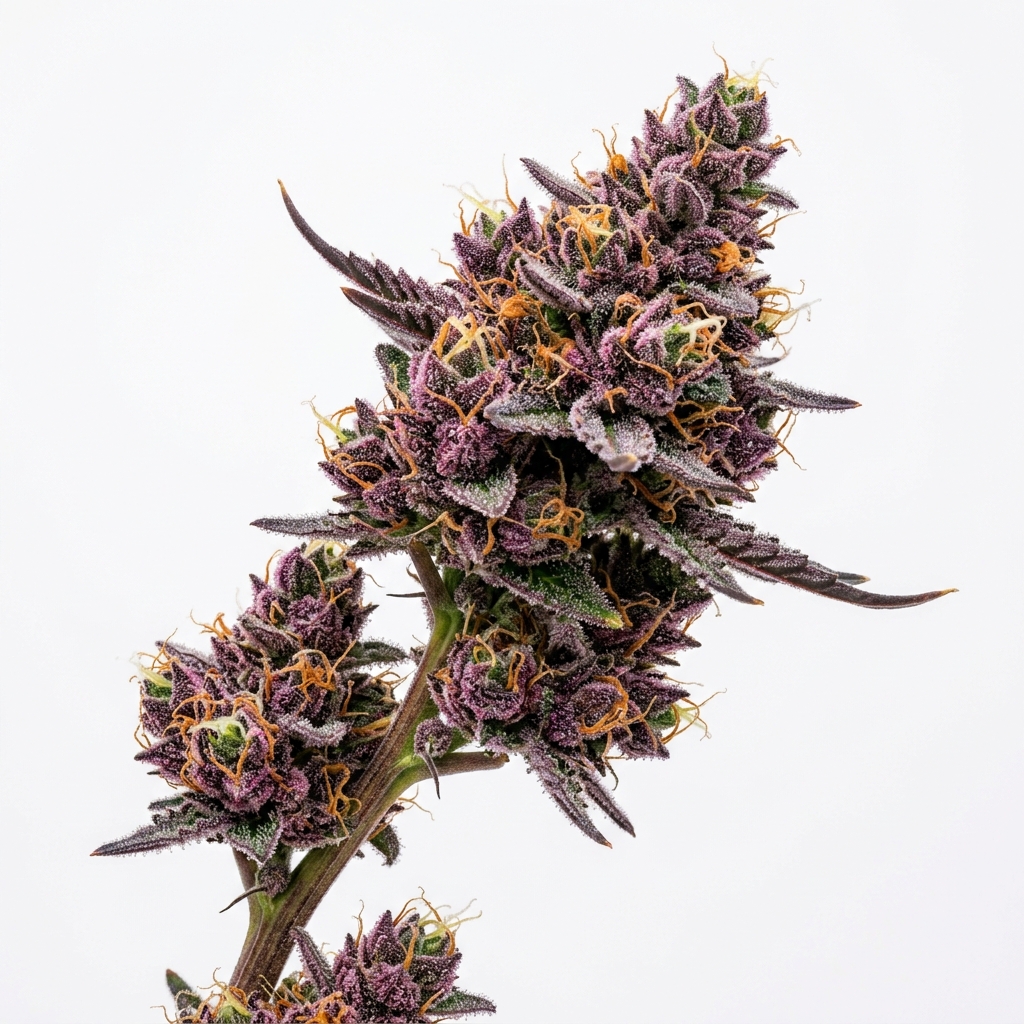
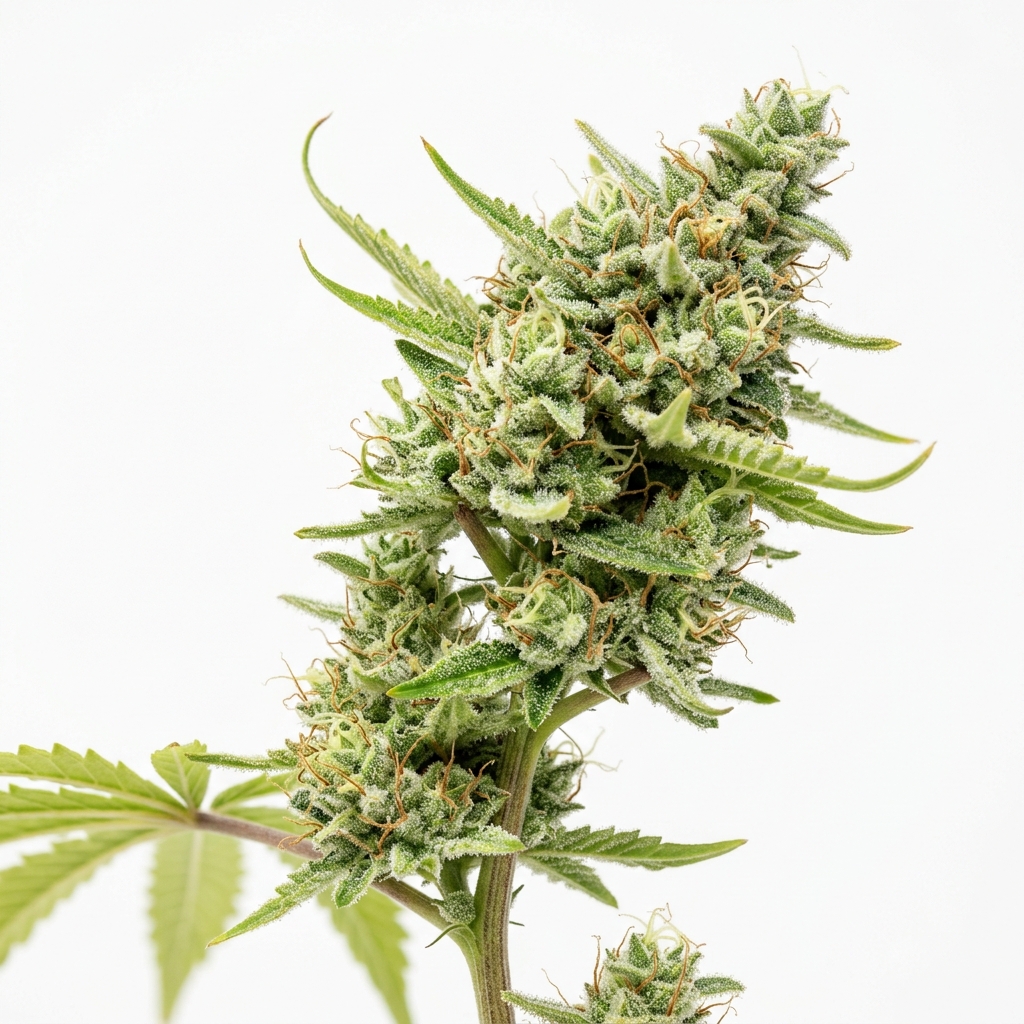
The cross brings together the genetic vigor of landrace-derived African and Thai lines with the chem-forward resin density of Appalachia. The resulting flowers display swollen calyxes and copper pistils against a light olive backdrop. Consumers typically report a clear, focused cerebral lift followed by a calm physical relaxation that stays functional across daytime and early evening use.
Quick Facts
| Field | Detail |
|---|---|
| Breeder | Bodhi Seeds |
| Genetics | Golden Tiger × Appalachia |
| Variety | Hybrid |
| THC Range | 18% – 24% |
| Flowering Time | 9 – 10 weeks (63 – 70 days) |
| Yield Potential | Moderate to High |
| Plant Height | Medium to Tall |
| Climate Preference | Temperate to warm, semi-arid |
| Difficulty | Moderate |
Scientific & Botanical Overview
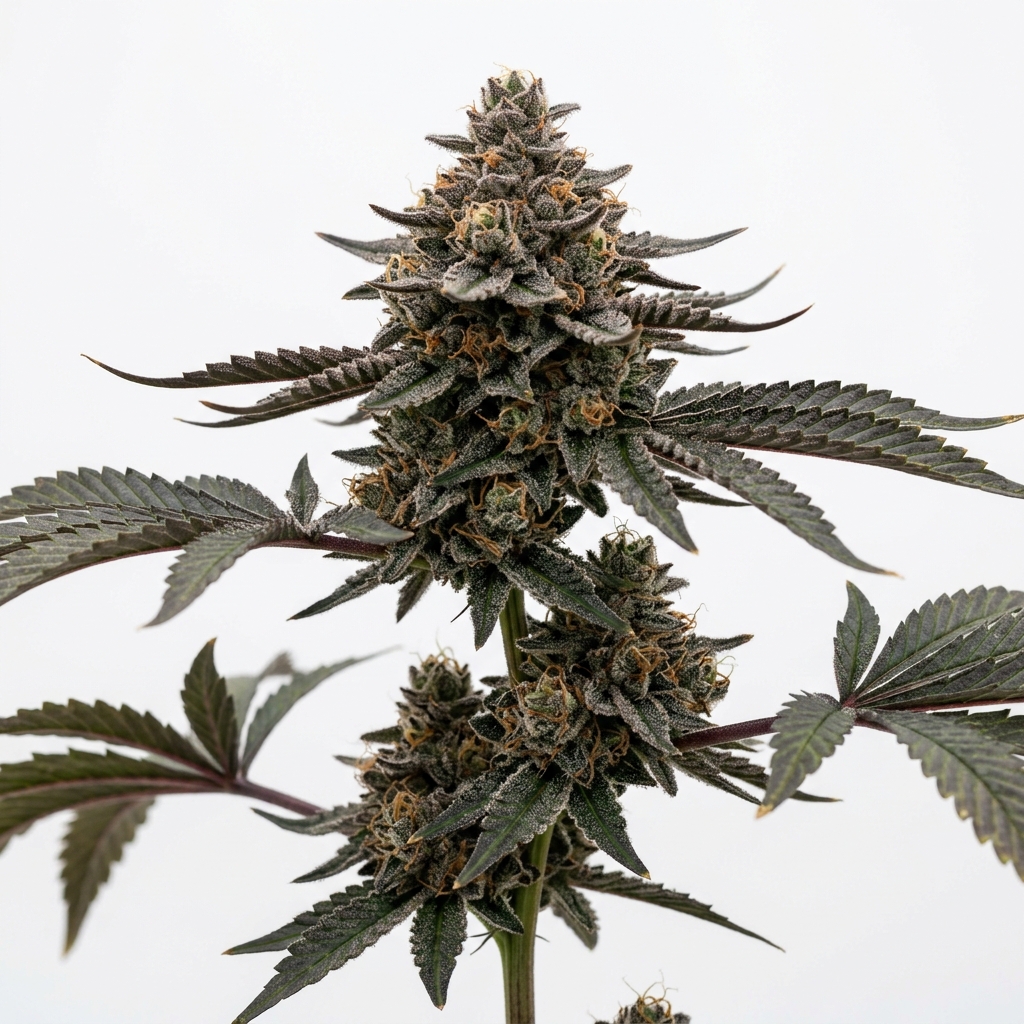
Tigers Eye shows growth characteristics from both sides of its lineage, displaying steady vertical stretch alongside sturdy lateral branching. The foliage develops medium-width fan leaves during vegetative growth that narrow slightly as the canopy matures. Internodal spacing remains moderate, allowing light to reach secondary bud sites without excessive pruning.
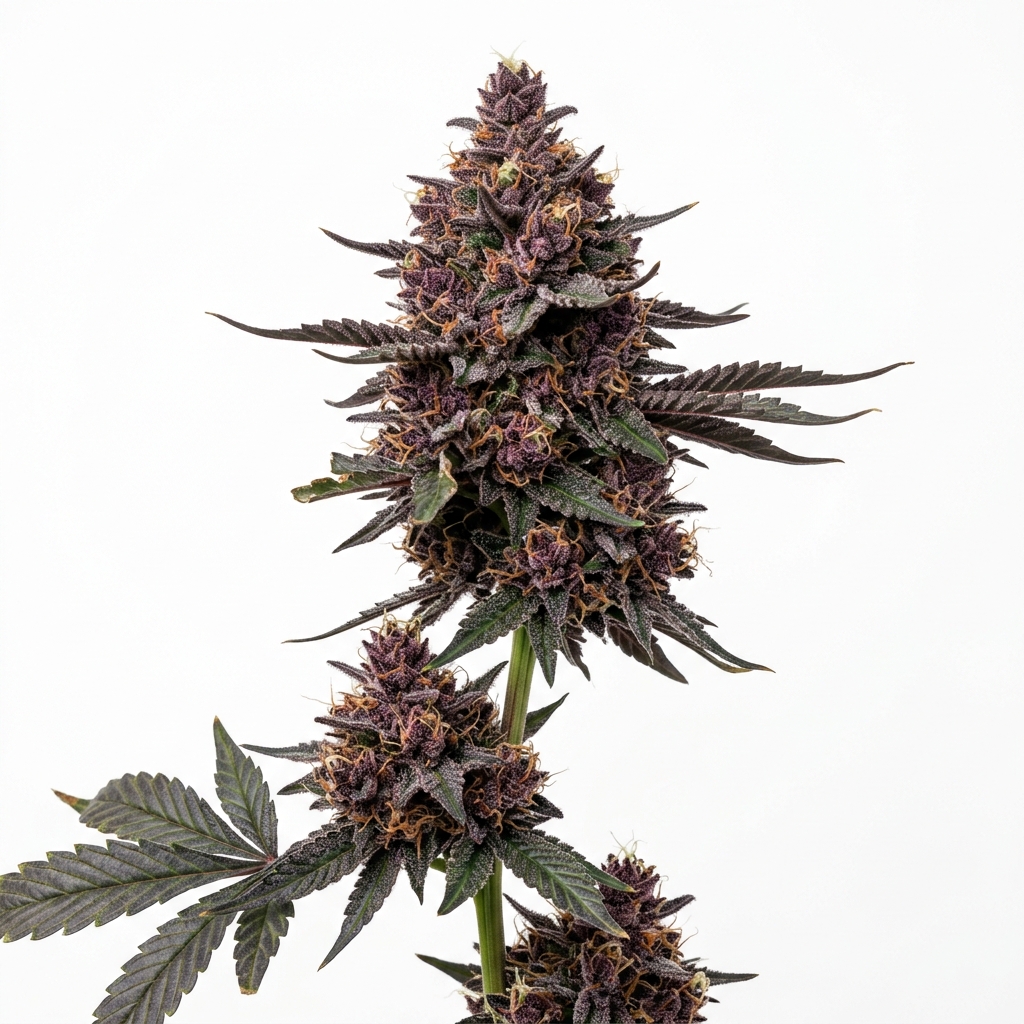
In mid-to-late bloom, floral structures stack into dense, tapered spear colas rather than rounded golf-ball clusters. Bract tissue swells considerably in the final three weeks, producing a heavy layer of capitate-stalked glandular trichomes. The resin carries a sticky, wet frost texture that retains its terpene volume well through proper curing.
The variety shows natural resilience to moderate environmental fluctuations, inherited from its landrace-influenced maternal heritage. However, the density of the upper colas requires attentive climate management late in flower to prevent moisture entrapment within the inner bract clusters.
Effects & Use-Cases (Reported)
Commonly reported effects: The onset is typically described as an active, clearheaded lift that promotes mental focus and gentle mood elevation. As the session progresses, a soothing warmth spreads through the shoulders and back without inducing heavy physical lethargy or couch-lock.
Use-case context: Consumers frequently reach for Tigers Eye during creative work, outdoor walks, or relaxed social gatherings. Its balanced profile allows it to fit daytime tasks where sustained concentration is desired, as well as early evening decompression after physical activity.
Individual responses vary based on dosage, setting, and tolerance. Those sensitive to stimulating sativa-dominant profiles should start with lower intake to assess comfort levels.
Aroma & Flavors
Aroma: Cured flowers release a sharp initial scent of pungent forest pine and cracked black pepper, backed by sour lime peel and dried herbs. Breaking the buds exposes an underlying layer of earthy hash and light diesel.
Flavor: The smoke is clean and resinous, leading with tart herbal citrus and woodsy pine on the inhale. The exhale leaves a lasting finish of earthy spice, light musk, and subtle sour chem notes.
Terpene associations: The sensory profile aligns primarily with beta-caryophyllene, myrcene, and alpha-pinene, supported by minor amounts of limonene and humulene.
Tested Cannabinoid & Terpene Ranges
| Compound | Type | Reported Range |
|---|---|---|
| Δ9-THC | Cannabinoid | 18% – 24% |
| CBD | Cannabinoid | < 1% |
| CBG | Cannabinoid | 0.4% – 1.2% |
| Beta-Caryophyllene | Terpene | 0.3% – 0.8% |
| Myrcene | Terpene | 0.2% – 0.7% |
| Alpha-Pinene | Terpene | 0.1% – 0.5% |
| Limonene | Terpene | 0.1% – 0.4% |
Range note: Cannabinoid and terpene values reflect dried uninfused flower samples tested across various cultivation environments. Final compound concentrations fluctuate depending on lighting type, root zone health, phenotype expression, and curing conditions.
Cultivation Notes
- Humidity management: Maintain relative humidity around 55% to 60% during vegetative growth, stepping down to 40% to 45% in late bloom to protect dense colas from moisture buildup.
- Nutrient requirements: Plants respond well to moderate nitrogen during vegetative growth, showing moderate calcium and magnesium demand as flower clusters set during weeks three and four.
- Canopy training: Topping once or twice followed by low-stress training helps create an even horizontal canopy and controls the double stretch seen after the light flip.
- Defoliation: Selective leaf removal at day 21 and day 42 opens light pathways to lower bracts without compromising the plant’s photosynthetic capacity.
- Harvest window: Most phenotypes reach peak maturity between days 63 and 70, when glandular trichomes transition from predominantly cloudy to roughly 10% to 15% amber.
Grower Notes (Week-by-Week Snapshot)
- Weeks 1–3 (Early Vegetative & Transition): Rapid vegetative development with strong root establishment. After flipping to a 12/12 schedule, expect a 1.5x to 2x stretch with distinct vertical elongation along the main stems.
- Weeks 4–6 (Mid-Flower & Bud Set): Calyx sites multiply quickly along the branches, forming continuous flower clusters. Resin heads become visibly frosted on sugar leaves, accompanied by a sharp pine and herbal aroma.
- Weeks 7–10 (Late-Flower Ripening): Calyxes swell into firm spear colas while pistils darken to deep copper. Reduce ambient humidity and monitor trichome heads across the upper canopy as aromatic complexity peaks.
- Post-Harvest & Curing: A slow 10 to 14 day whole-plant hang dry at 60°F (15°C) and 60% relative humidity preserves the delicate monoterpenes before a 3 to 4 week glass jar cure.
Genetic Lineage
Tigers Eye was developed by Bodhi Seeds, a breeder renowned for combining rare landrace selections with proven domestic breeding stock. The maternal parent, Golden Tiger, is an Ace Seeds creation combining pure landrace genetics from Malawi and Koh Chang Thailand, known for its soaring cerebral clarity, high vigor, and long flowering traits.
The pollen donor, Appalachia (Green Crack × Tres Dawg), provides structural stabilization, dense resin coverage, and shortened bloom duration. This pairing tames the prolonged equatorial flowering timeline of Golden Tiger while maintaining its distinctive spicy, citrus character within a practical hybrid architecture.
Research Insights
Scientific literature on dominant cannabis terpenes offers context for the sensory profile observed in hybrids like Tigers Eye. Research published in botanical and pharmacological journals has documented that beta-caryophyllene interacts directly with peripheral CB2 cannabinoid receptors, distinguishing it as both a dietary terpene and an atypical phytocannabinoid.
Studies investigating alpha-pinene and myrcene suggest these monoterpenes contribute to distinctive aromatic profiles and may influence perceived fragrance intensity. While laboratory studies analyze isolated chemical constituents, individual cultivar experiences depend on total cannabinoid balance, individual physiology, and precise curing preservation.
Frequently Asked Questions
Who is the original breeder of Tigers Eye?
Tigers Eye was bred by Bodhi Seeds, crossing the landrace-derived Golden Tiger with his foundational Appalachia male.
Is Tigers Eye an indica or sativa?
Tigers Eye is a balanced hybrid that brings together sativa-dominant African and Thai landrace ancestry with the hybrid structure and resin density of Appalachia.
What does Tigers Eye smell and taste like?
The strain shows a pungent bouquet of fresh pine needles, tart citrus zest, and earthy herbs, delivering a smooth flavor of woodsy spice and subtle sour chem.
What is the typical flowering time for Tigers Eye?
Indoor crops usually complete flowering in 9 to 10 weeks (63 to 70 days), ripening into dense, trichome-laden spear colas.
Educational Disclaimer
This content is for educational and informational purposes only. Cannabis laws and regulations vary by jurisdiction. Always consult with a qualified professional before beginning any cultivation project or consuming cannabis products.
Rate and review this strain
Ratings and reviews are accepted only from signed-in Google accounts.
Sign in with Google to leave a rating and written review.
Latest Reviews
0 reviewsNo reviews yet. Be the first Google user to rate and review this strain.
Follow New Cultivar Records
Get newly documented genetics, breeder history, research highlights, and important Strainpedia discoveries by email.