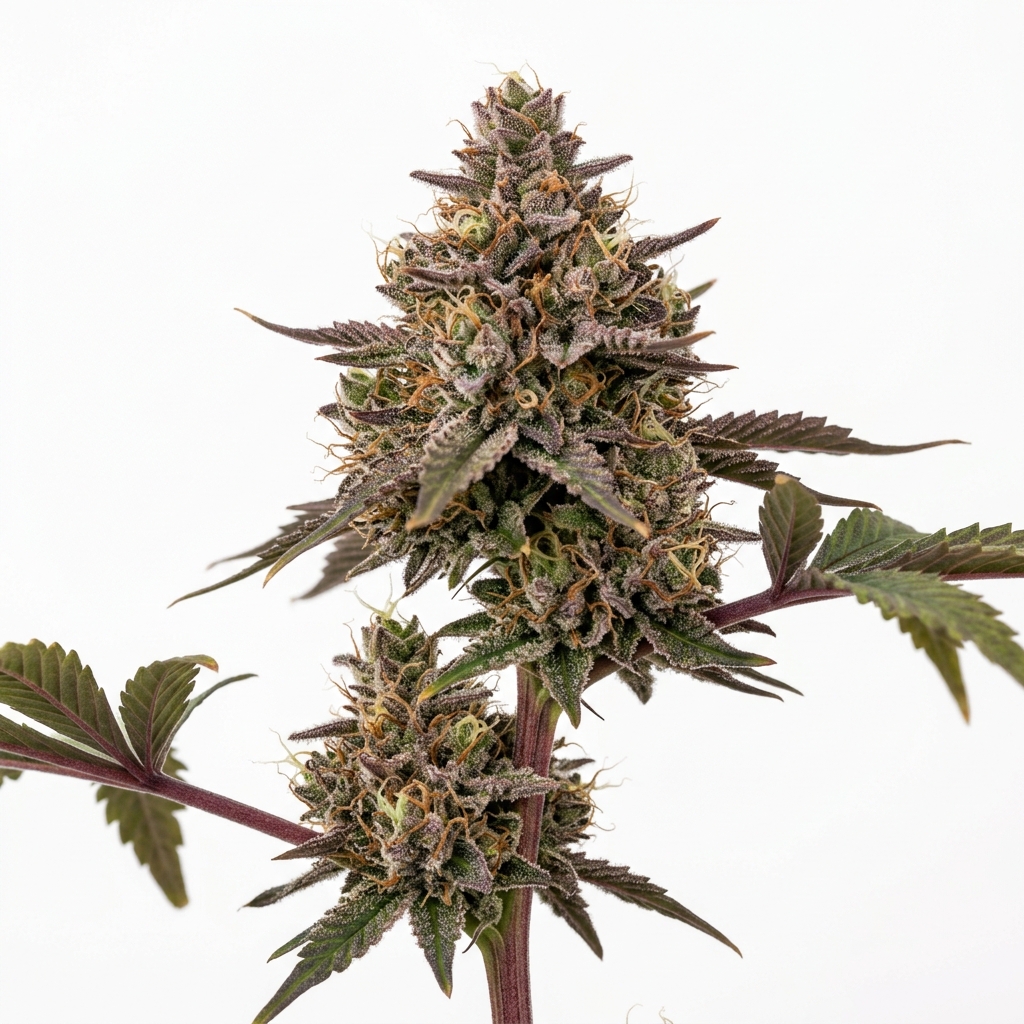
Rainbow Rozay (Cannabis Strain)
Rainbow Rozay is an indica-dominant hybrid testing between 20% and 26% THC, bred by Tiki Madman through a cross of Rozay and Rainbow Chip. The cultivar is recognized for its sweet red berry, floral wine, and tart candy profile, paired with dense bracts that produce thick, greasy resin prized for solventless extraction. In the grow room, it maintains a manageable medium stature with firm lateral branching and controlled vertical stretch during early flowering.
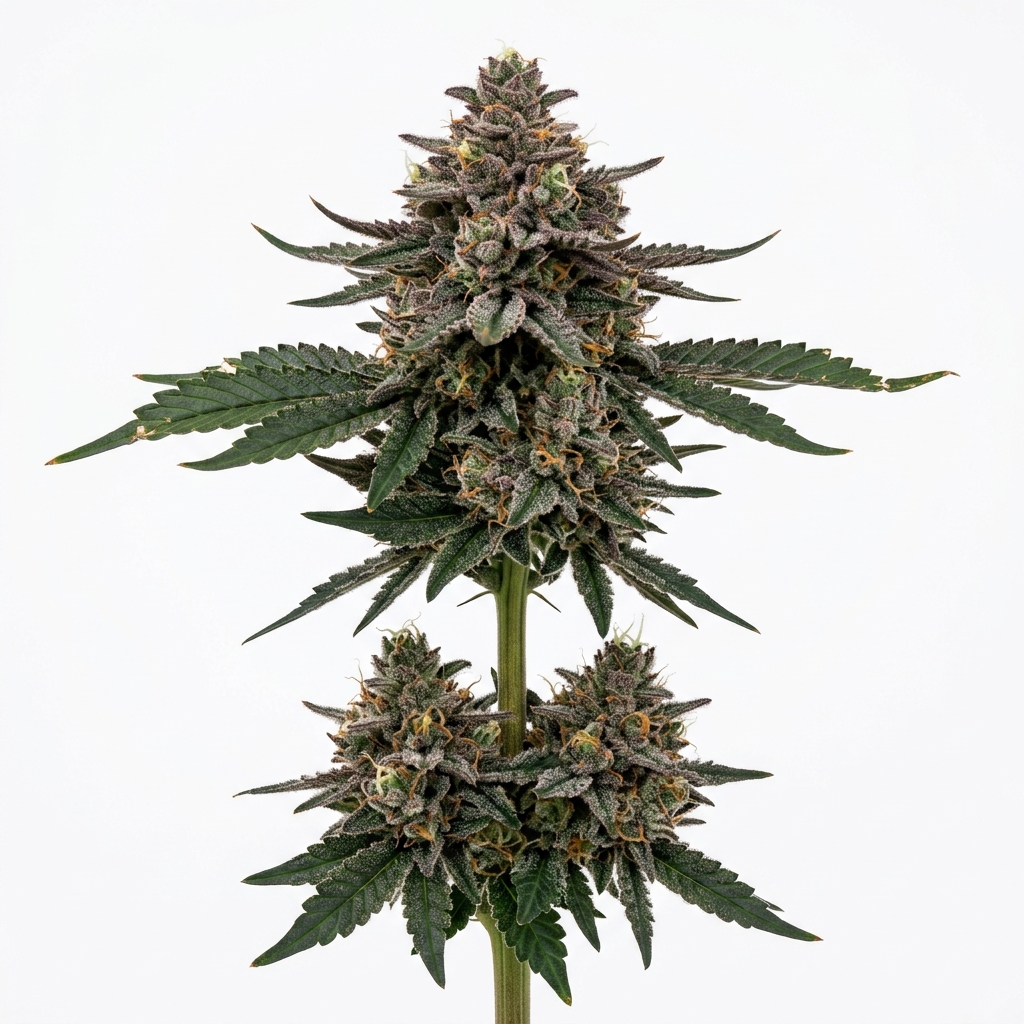
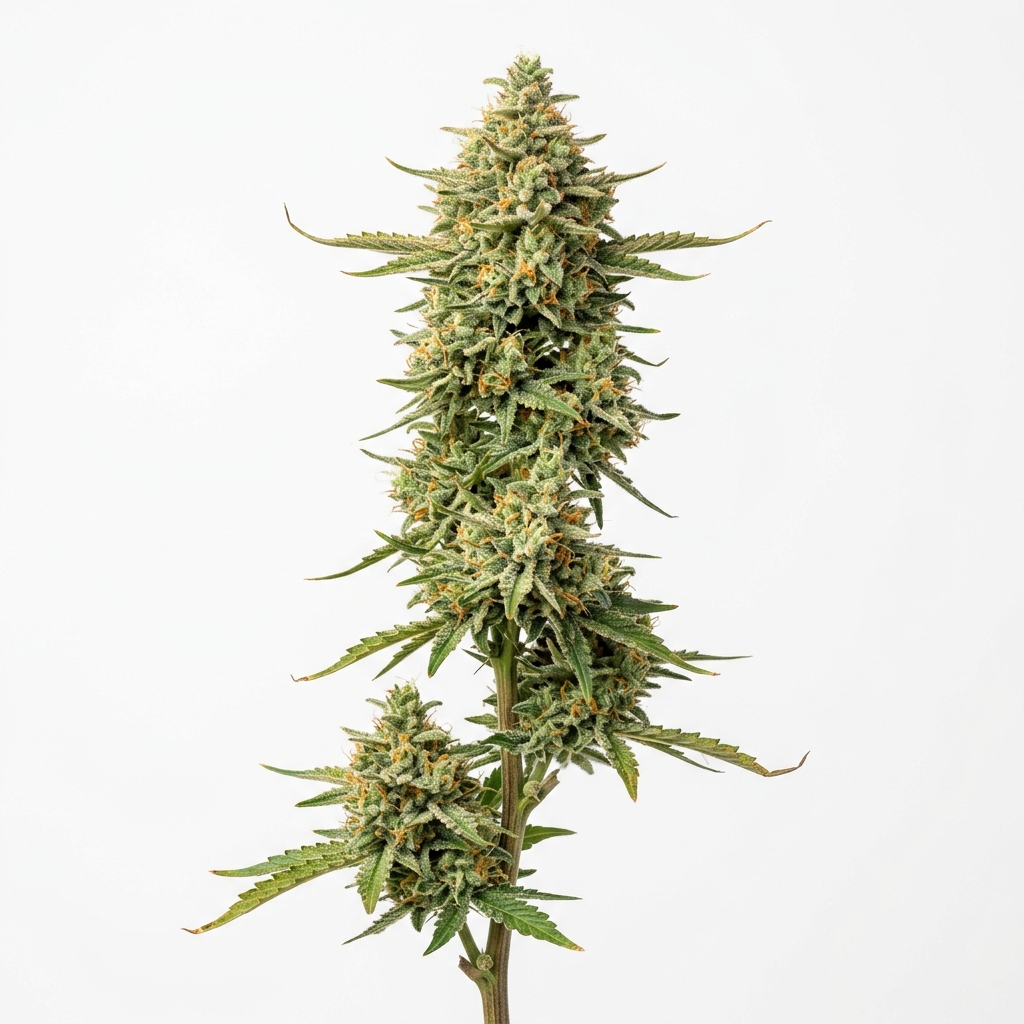
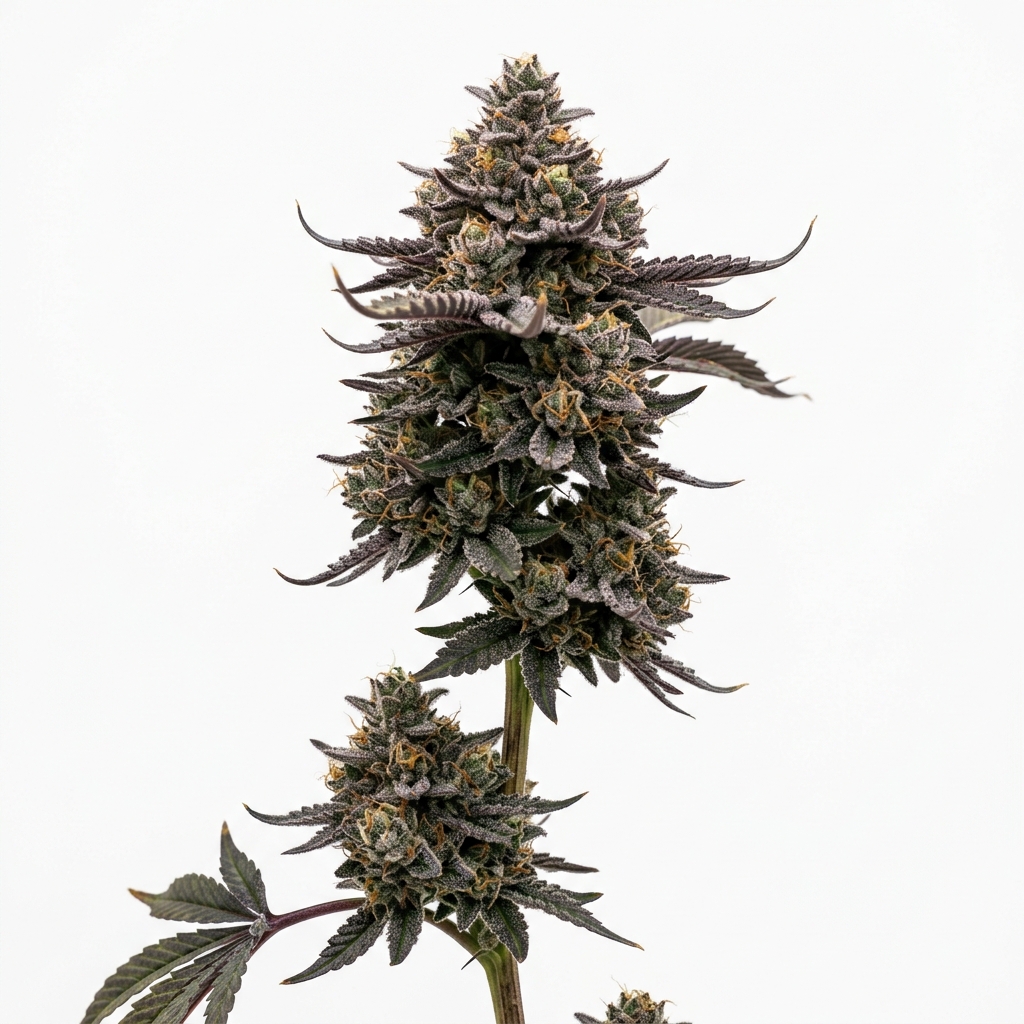
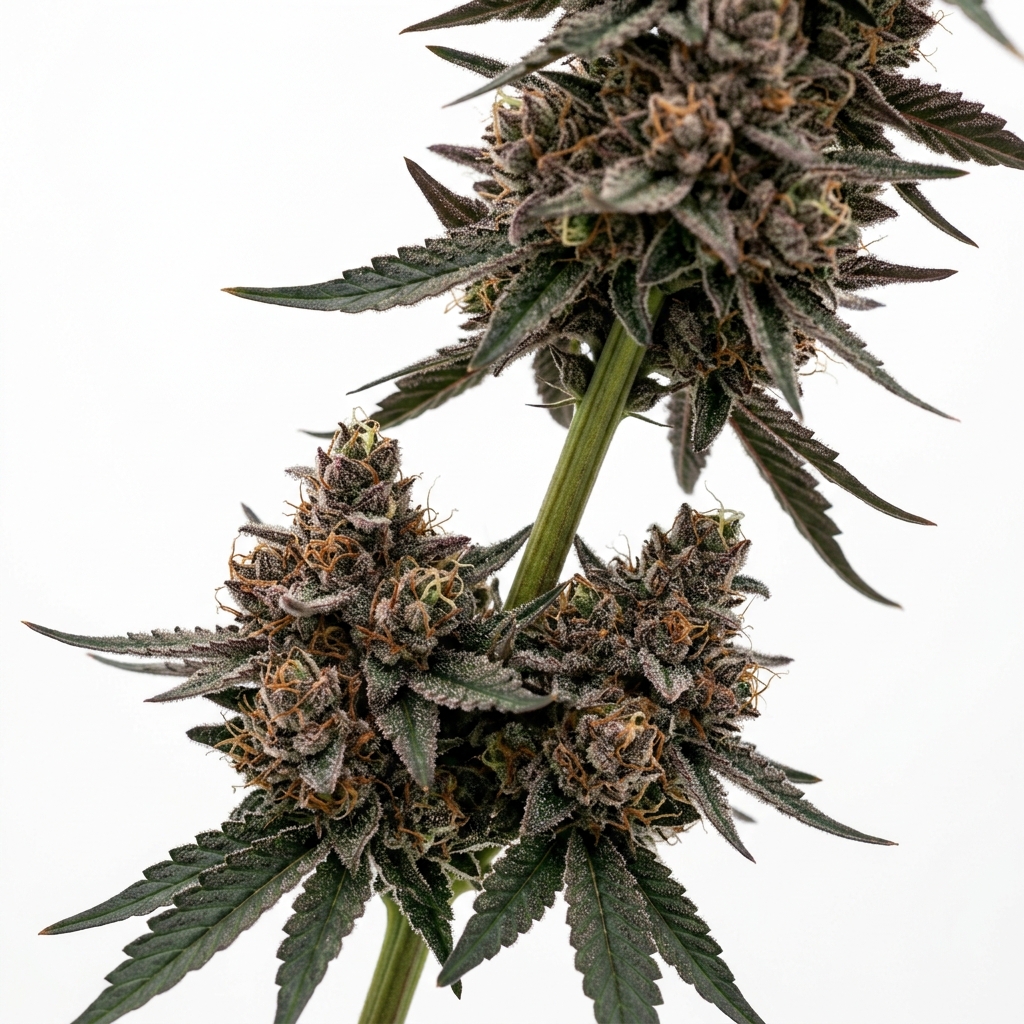
The lineage combines the deep anthocyanin expression and vintage berry-gas undertones of Rozay with the creamy cookie dough and resin coverage of Rainbow Chip. The resulting plants produce spear colas with swollen calyxes, dark violet sugar leaves, and heavy amber pistils. Consumers typically describe a soothing physical calm accompanied by a quiet mental lift, making it a dependable selection for evening wind-downs.
Quick Facts
| Field | Details |
|---|---|
| Breeder | Tiki Madman |
| Genetics | Rozay × Rainbow Chip |
| Variety | Indica-dominant hybrid (approx. 70% indica / 30% sativa) |
| THC Range | 20% – 26% |
| Flowering Time | 8 – 9 weeks (56 – 63 days) |
| Yield Potential | Medium to high (approx. 450 – 550 g/m² indoors) |
| Plant Height | Medium (approx. 100 – 140 cm) |
| Climate Preference | Temperate to warm indoor environments with low late-flower humidity |
| Difficulty | Moderate |
Scientific & Botanical Overview
Morphologically, Rainbow Rozay forms compact, sturdy plants characterized by broad fan leaves and medium internodal spacing. The vegetative stage shows dark green foliage that begins transitioning to purple and burgundy tones as early as week five of flowering. The structural frame supports dense terminal colas without requiring aggressive staking, though secondary branches benefit from trellis netting once flowers pack on mass.
The glandular trichome density is notable across the bracts and extended sugar leaves. Head morphology shows prominent capitate-stalked trichomes with broad resin glands that release volatile terpenes when handled. This resin profile retains structural integrity through washing and pressing, making the cultivar popular among solventless concentrate extractors.
During late flower, calyx swelling creates firm, rounded buds with minimal excess leaf matter. When exposed to a gentle nighttime temperature drop of 3 to 5 degrees Celsius in late bloom, anthocyanin synthesis accelerates, giving finished flowers a layered contrast of lavender, deep forest green, and fiery orange pistils.
Effects & Use-Cases (Reported)
Commonly reported effects: Initial sessions typically bring a smooth, warm relaxation across the shoulders and neck, accompanied by a subtle, mood-elevating euphoria. As the experience develops, the physical body load settles into a steady, grounding heaviness without inducing immediate sedation at moderate intake levels.
Use-case context: Consumers commonly reserve this cultivar for late afternoon relaxation, evening leisure, listening to music, or quiet social settings. The steady physical relief also makes it a regular choice among individuals looking to unwind after long work shifts or prepare for undisturbed sleep.
Note: Individual experiences vary based on dosage, tolerance, and consumption format. Cannabis affects each person differently.
Aroma & Flavors
Aroma: Opening a jar releases a sweet bouquet of fermented berries, concord grape, and floral wine, grounded by an earthy, slightly doughy base. Breaking apart the buds introduces a sharp, tart citrus lift alongside faint fuel undertones.
Flavor: The smoke is plush and rich, leading with candied fruit, raspberry syrup, and soft lavender floral notes. The exhale shifts toward a creamy, baked-dough finish with a lingering peppery spice on the palate.
Terpene associations: The profile is predominantly driven by caryophyllene, limonene, and myrcene, with supporting concentrations of linalool and humulene providing the strain’s distinctive floral, wine-like character.
Tested Cannabinoid & Terpene Ranges
| Compound | Typical Flower Range |
|---|---|
| Δ9-THC | 20.0% – 26.0% |
| CBD | < 0.5% |
| CBG | 0.4% – 1.2% |
| Total Terpenes | 1.8% – 3.2% |
| Dominant Terpenes | Caryophyllene, Limonene, Myrcene, Linalool |
Range note: Cannabinoid and terpene metrics represent laboratory ranges compiled from tested dried flower batches. Exact expressions vary depending on phenotype selection, light intensity, rootzone environment, and post-harvest drying protocols.
Cultivation Notes
- Humidity management: Maintain relative humidity between 55% and 60% during early bloom, lowering to 40% to 45% across the final three weeks to prevent mold in the dense floral clusters.
- Nutrient requirements: Rainbow Rozay handles moderate base nutrient levels well; avoid heavy nitrogen feeding past week three of bloom to preserve natural terpene clarity and flower density.
- Canopy training: Responds well to topping at the fourth or fifth node followed by low-stress training (LST) and a single-layer Scrog net to create an even, light-receptive canopy.
- Defoliation: Perform a thorough leaf strip around day 21 and a light cleanup around day 42 of flowering to improve air penetration through the lower and mid-canopy.
- Harvest window: Optimal trichome ripeness generally occurs between days 56 and 63, when glandular heads show predominantly milky coverage with roughly 10% to 15% amber.
Grower Notes (Week-by-Week Snapshot)
- Weeks 1–3: Plants show a controlled vertical stretch of approximately 1.5×. Set up support trellis early and prune lower non-productive shoots by the end of week three.
- Weeks 4–6: Rapid bud site formation and early trichome coverage begin. Floral clusters start emitting a tart berry aroma, and dark purple pigments often start surfacing along leaf stems and outer bracts.
- Weeks 7–9: Calyxes swell substantially while floral development finishes. Reduce nighttime temperatures slightly and lower humidity to 40% to sharpen resin output and anthocyanin color expression before harvest.
- Post-harvest: A slow 12 to 14-day dry at 15–18°C and 58–62% relative humidity helps retain the delicate floral wine terpenes before curing in airtight containers.
Genetic Lineage
The lineage of Rainbow Rozay is rooted in modern dessert and fruit genetics. The maternal parent, Rozay (often associated with crosses containing Sherbet and Purple Punch lineage), contributes distinct red wine, floral berry notes, and vibrant purple coloration. This mother brings dense structure and heavy visual bag appeal to the hybrid.
The paternal influence comes from Rainbow Chip (Sunset Sherbet × Mint Chocolate Chip), bred by Exotic Genetix. Rainbow Chip contributes substantial resin output, robust vigor, and sweet, creamy dough aromatics that round out the sharper berry notes of the Rozay cut.
Research Insights
Phytochemical analyses of modern hybrid cannabis highlight that cultivars combining caryophyllene, limonene, and linalool often produce distinct aromatic profiles associated with perceived physical relaxation. Scientific literature confirms that beta-caryophyllene uniquely binds to peripheral CB2 receptors, though its biological influence within complex botanical matrices remains an active area of investigation.
It is important to emphasize that broader cannabinoid and terpene studies do not represent verified clinical proof of Rainbow Rozay’s specific effects. The sensory experience of any specific cultivar depends on the concentration of major and minor cannabinoids, volatile monoterpenes, sesquiterpenes, and individual user physiology.
Frequently Asked Questions
Who bred Rainbow Rozay?
Rainbow Rozay was originally bred by Tiki Madman, a reputable breeder known for developing colorful, resin-dense dessert and fruit hybrids.
Is Rainbow Rozay an indica or sativa?
Rainbow Rozay is an indica-dominant hybrid, generally showing roughly 70% indica and 30% sativa characteristics in both plant morphology and physical effects.
What does Rainbow Rozay smell and taste like?
The cultivar features an aroma of sweet floral wine, tart berries, and light fuel, with a flavor profile marked by candied raspberry, sweet dough, and a subtle peppery spice on the exhale.
What is the flowering time for Rainbow Rozay?
When grown indoors, Rainbow Rozay typically completes its flowering cycle in 8 to 9 weeks (56 to 63 days) from the onset of a 12/12 light schedule.
Educational Disclaimer
This content is for educational and informational purposes only. Cannabis laws and regulations vary by jurisdiction. Always consult with a qualified professional before beginning any cultivation project or consuming cannabis products.
Rate and review this strain
Ratings and reviews are accepted only from signed-in Google accounts.
Sign in with Google to leave a rating and written review.
Latest Reviews
0 reviewsNo reviews yet. Be the first Google user to rate and review this strain.
Follow New Cultivar Records
Get newly documented genetics, breeder history, research highlights, and important Strainpedia discoveries by email.