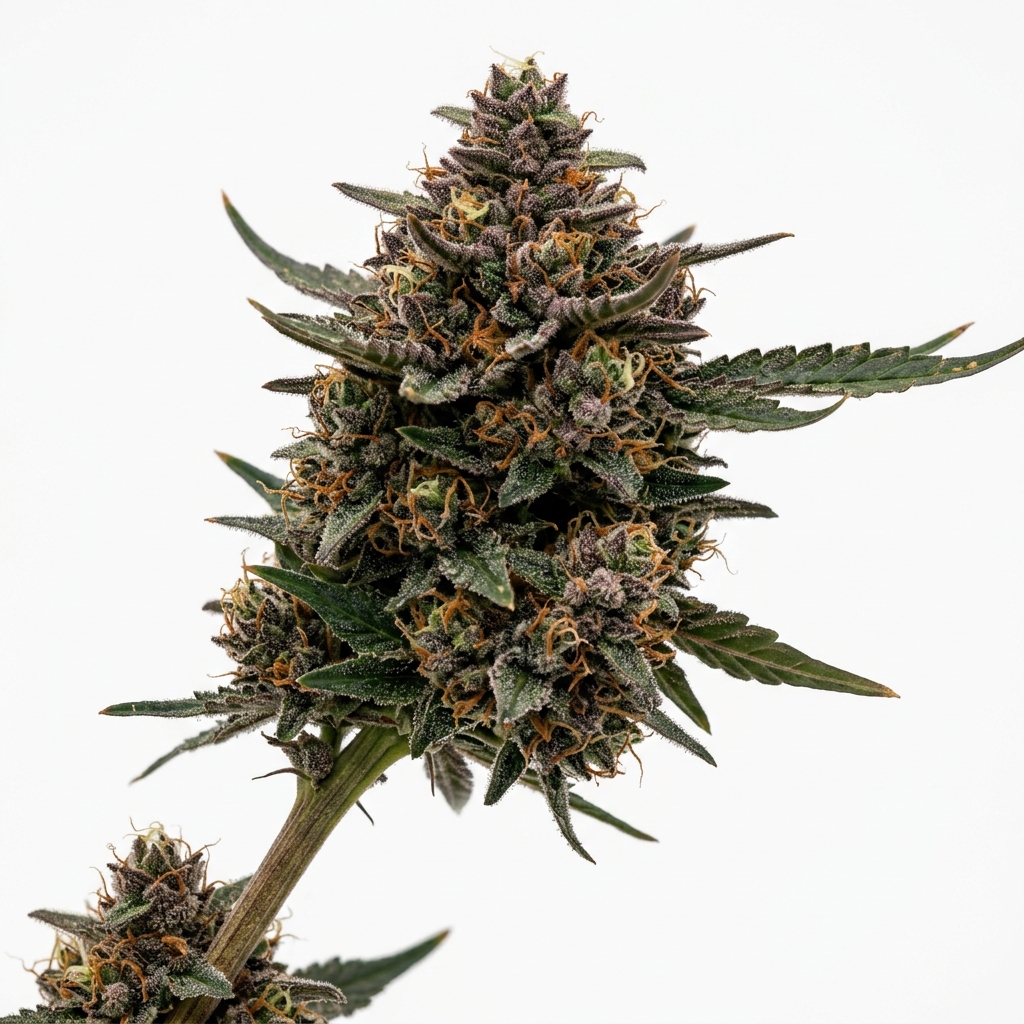
Khalifa Mints (Cannabis Strain)
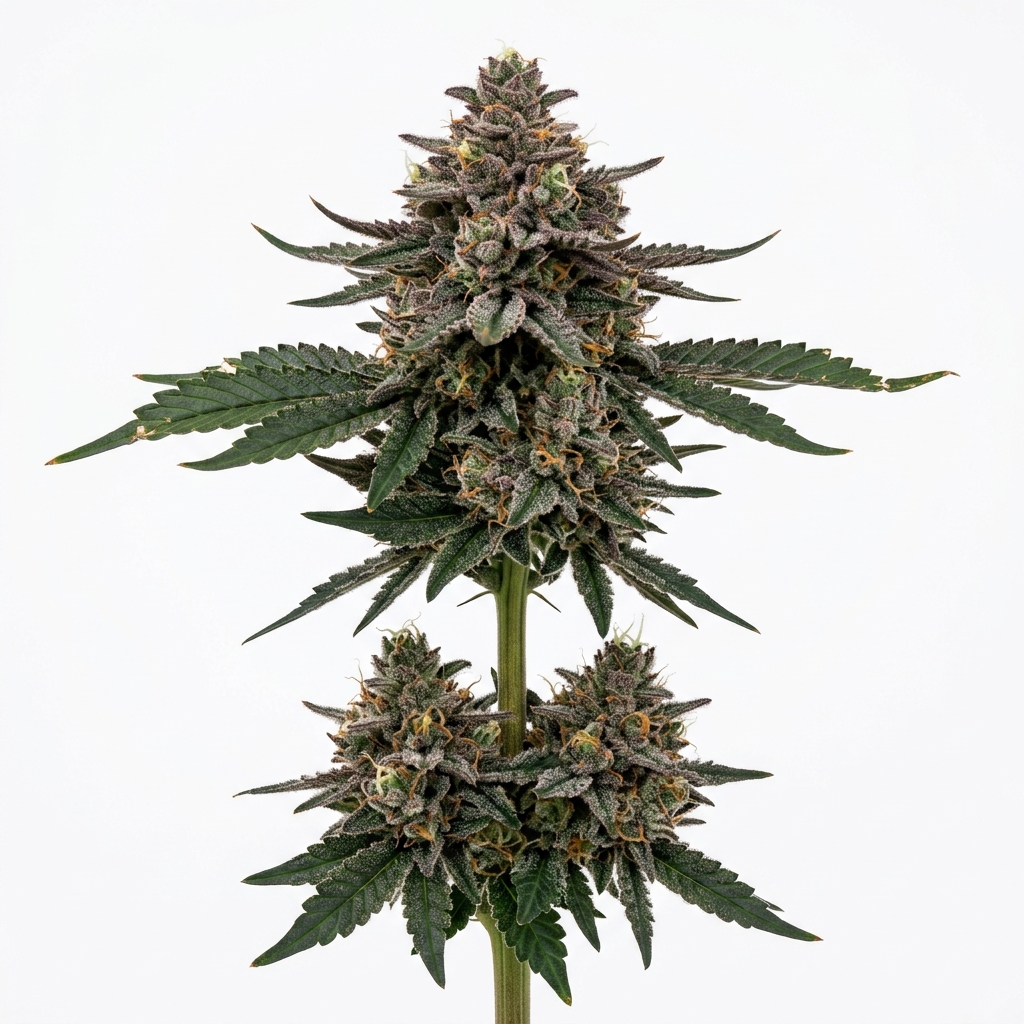
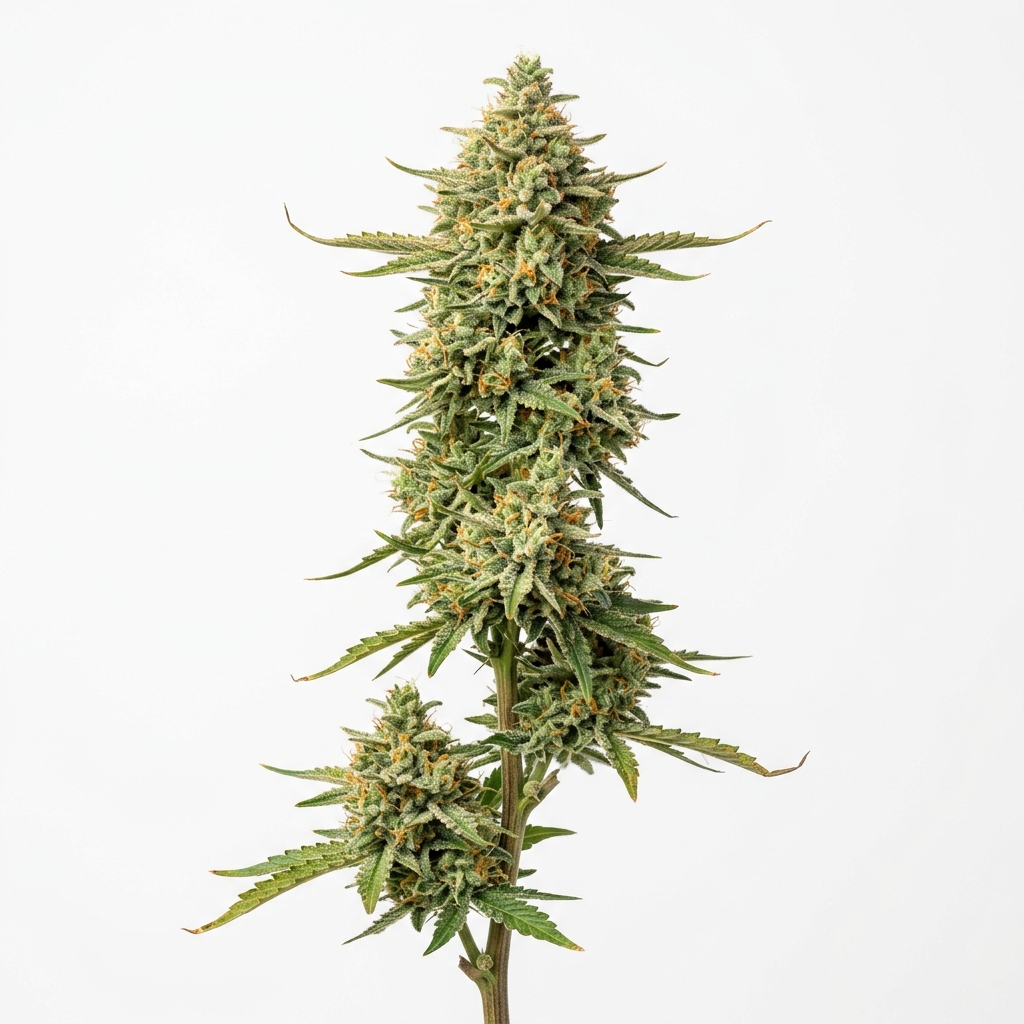
Khalifa Mints is a potent indica-dominant hybrid bred through a collaboration between Compound Genetics and Khalifa Kush, crossing the celebrated Khalifa Kush with The Menthol. Cultivar testing commonly places dried flower potency between 24% and 29% THC, marked by an intense aromatic profile that layers classic fuel and earthy pine with a sharp, cooling menthol bite. The cultivar produces dense, spear-shaped colas coated in greasy trichomes, delivering steady structural vigor in the garden and high-grade resin output prized for both cured flower and solventless extraction.
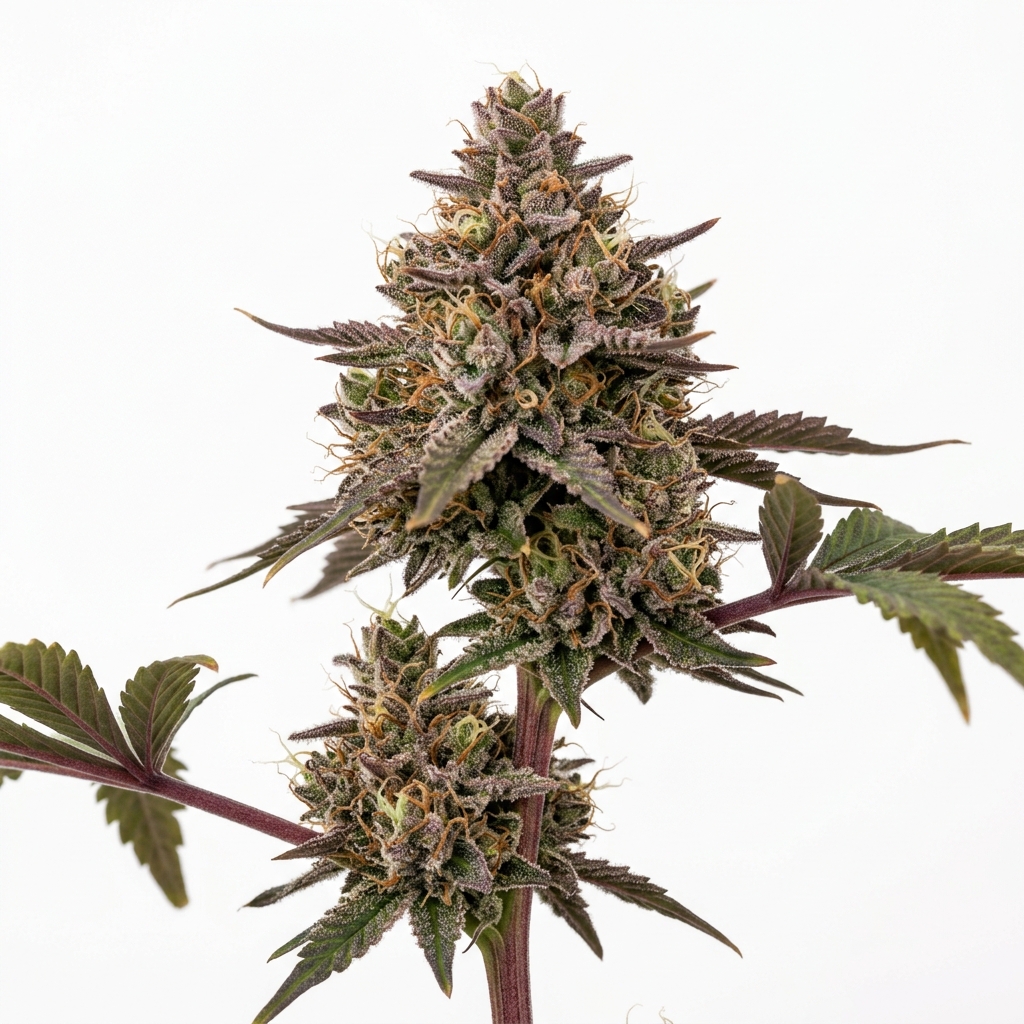
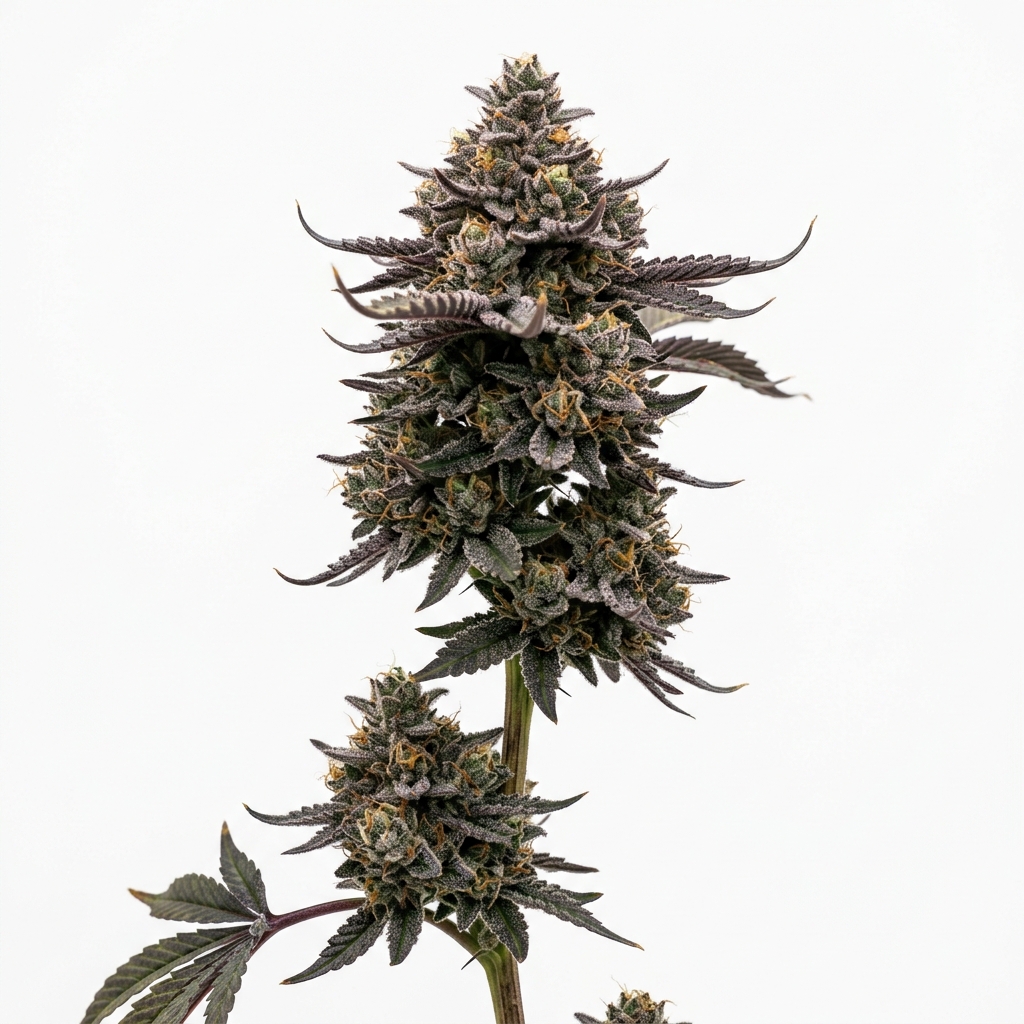
The lineage merges the classic Californian gas of the OG Kush family with the modern, multi-layered terpene profile of The Menthol lineage. Plants typically display medium stretch, strong lateral branching, and tight calyx stacking that shifts to deep purple hues in late bloom under lower night temperatures. Consumers commonly describe a heavy, grounding physical presence balanced by clear cerebral uplift, making it a staple evening selection.
Quick Facts
| Field | Detail |
|---|---|
| Breeder | Compound Genetics × Khalifa Kush |
| Genetics | Khalifa Kush × The Menthol |
| Variety | Indica-dominant hybrid (approx. 70/30) |
| THC Range | 24% – 29% |
| Flowering Time | 8 – 9 weeks (56 – 63 days) |
| Yield Potential | Moderate to High (450 – 550 g/m² indoors) |
| Plant Height | Medium (controlled 1.5× stretch) |
| Climate Preference | Temperate to Mediterranean; prefers lower late-stage humidity |
| Difficulty | Moderate |
Scientific & Botanical Overview
Khalifa Mints displays a compact, hybrid canopy architecture with broad dark-green foliage and sturdy secondary stems. Internodal spacing remains tight to moderate during vegetative growth, allowing for predictable canopy manipulation before flower initiation. The frame handles floral weight well, though targeted support helps stabilize main stems during late-stage bud swelling.
The inflorescences form dense, knuckled clusters that develop into spear-shaped terminal colas. Swollen bracts exhibit substantial glandular trichome coverage, characterized by intact capitate-stalked heads that secrete heavy monoterpenes and sesquiterpenes. As senescent shifts occur, chlorophyll breakdown frequently reveals anthocyanin accumulation, presenting deep violet undertones against vivid rust-orange pistils.
Chemical analyses of cured flowers highlight high concentrations of beta-caryophyllene, limonene, and myrcene, accompanied by minor fractions of linalool and humulene. This terpene ratio creates a distinctive aromatic footprint where hydrocarbon fuel notes merge with sharp pinene and cooling herbal compounds derived from the complex genetic background of The Menthol.
Effects & Use-Cases (Reported)
Commonly reported effects: The onset typically delivers an immediate wave of mental tranquility followed by a deepening physical heaviness. Users frequently note relaxed facial muscles, calm introspection, and a soothing bodily warmth that softens physical tension without inducing immediate daytime grogginess at measured doses.
Use-case context: Given its strong physical lean and high cannabinoid concentration, Khalifa Mints is most frequently chosen for late afternoon, evening, or nighttime consumption. It is popular among experienced consumers seeking unwinding routines, quiet creative listening, or post-activity physical decompression.
Individual experiences vary based on dosage, personal tolerance, and specific phenotype chemistry.
Aroma & Flavors
Aroma: Pungent and complex, presenting an upfront blast of tart gas, crushed pine needles, and damp earth, supported by a distinctive background of clean menthol and peppery fuel.
Flavor: The smoke or vapor translates directly from the nose, carrying heavy Kush earth and diesel on the inhale, finishing with a crisp, cooling mint and subtle sweet dough on the palate.
Terpene associations: Driven primarily by beta-caryophyllene, limonene, and myrcene, with nuanced contributions from linalool and alpha-pinene providing its fresh, cooling edge.
Tested Cannabinoid & Terpene Ranges
| Compound | Type | Reported Range |
|---|---|---|
| Δ9-THC | Cannabinoid | 24% – 29% |
| CBD | Cannabinoid | < 0.2% |
| CBG | Cannabinoid | 0.5% – 1.2% |
| Total Terpenes | Terpene Profile | 1.8% – 3.2% |
| beta-Caryophyllene | Primary Terpene | 0.6% – 1.1% |
| Limonene | Primary Terpene | 0.4% – 0.8% |
| Myrcene | Secondary Terpene | 0.3% – 0.6% |
Range note: Cannabinoid and terpene figures represent published flower testing across multiple verified harvest batches. Actual chemistry varies according to lighting intensity, environmental controls, phenotype selection, and curing methods.
Cultivation Notes
- Humidity management: Maintain 55%–60% RH during early vegetative growth, stepping down to 45% by mid-flower and 40% in late bloom to protect dense floral clusters from mold.
- Nutrient requirements: Moderate to heavy feeder that benefits from consistent calcium and magnesium throughout early stretch, transitioning to balanced phosphorus and potassium inputs through peak bulking.
- Canopy training: Responds exceptionally well to topping at the fifth node followed by low-stress training (LST) or SCROG netting to spread terminal colas and maximize light penetration.
- Defoliation: Conduct a thorough bottom-third cleanout (lollipoping) and leaf strip around day 21 of 12/12 light cycles, followed by light canopy thinning around day 42 to sustain internal airflow.
- Harvest window: Optimal resin maturity typically occurs between days 58 and 63, when trichome heads shift mostly cloudy with 10%–15% amber presentation on swollen bracts.
Grower Notes (Week-by-Week Snapshot)
- Weeks 1–3 (Transition & Stretch): Plants exhibit a predictable 1.5× stretch with sturdy stem development. Establish the canopy framework with early trellising and maintain moderate environmental transpiration.
- Weeks 4–6 (Bud Set & Bulking): Dense floral clusters set quickly at internodes as trichome development begins early on sugar leaves. Pungent gas and menthol aromas become pronounced by the end of week five.
- Weeks 7–9 (Ripening & Senescence): Calyxes swell significantly into rock-hard formations. Drop night temperatures by 3–5°C to encourage natural anthocyanin expression while reducing humidity to preserve trichome heads.
- Post-Harvest (Drying & Curing): Whole-plant hang at 15–18°C (59–64°F) and 58%–62% RH for 12 to 14 days preserves delicate volatile terpenes before a minimum three-week jar cure.
Genetic Lineage
Khalifa Mints was created by pairing the select cut of Khalifa Kush with Compound Genetics’ flagship pollen donor, The Menthol. Khalifa Kush brings its storied OG Kush heritage to the cross, contributing deep earthy pine, heavy fuel notes, and powerful physical depth. Its lineage represents refined classic West Coast genetics known for substantial resin density and enduring potency.
The Menthol—a complex hybrid combining Gelato 45 with a cross of White Diesel and High Octane × Jet Fuel G6—infuses the cultivar with an icy, minty finish, improved lateral vigor, and intricate color expression. The combination produces a dependable phenotype profile that bridges classic gassy Kush fundamentals with modern exotic breeding traits.
Research Insights
Academic literature on cannabis phytochemicals highlights the dominant interaction between high concentrations of Δ9-THC and the sesquiterpene beta-caryophyllene. As a unique botanical compound capable of directly binding to peripheral CB2 cannabinoid receptors, caryophyllene is widely studied for its potential role in modulating inflammatory pathways and physical comfort markers.
While general terpene research provides useful context regarding the aromatic and biological properties of volatile plant oils, cultivar-specific outcomes depend on individual phenotype variations, consumption format, and user physiology. Laboratory testing on cured Khalifa Mints confirms consistent expression of limonene and myrcene alongside caryophyllene, supporting its signature aromatic profile.
Frequently Asked Questions
Who bred the Khalifa Mints strain?
Khalifa Mints was created through a direct collaboration between the breeding house Compound Genetics and the Khalifa Kush brand.
Is Khalifa Mints an indica or sativa?
Khalifa Mints is an indica-dominant hybrid (approximately 70% indica / 30% sativa), offering noticeable physical relaxation alongside steady mental focus.
What does Khalifa Mints smell and taste like?
The cultivar features an aromatic blend of pungent diesel, earthy pine, and crushed mint. Its flavor profile delivers heavy Kush gas on the inhale followed by a cool, herbal peppermint and subtle dough finish.
What is the flowering time of Khalifa Mints?
Indoors, Khalifa Mints typically finishes flowering within 8 to 9 weeks (56 to 63 days) of initiating a 12/12 photoperiod.
Educational Disclaimer
This content is for educational and informational purposes only. Cannabis laws and regulations vary by jurisdiction. Always consult with a qualified professional before beginning any cultivation project or consuming cannabis products.
Rate and review this strain
Ratings and reviews are accepted only from signed-in Google accounts.
Sign in with Google to leave a rating and written review.
Latest Reviews
0 reviewsNo reviews yet. Be the first Google user to rate and review this strain.
Follow New Cultivar Records
Get newly documented genetics, breeder history, research highlights, and important Strainpedia discoveries by email.