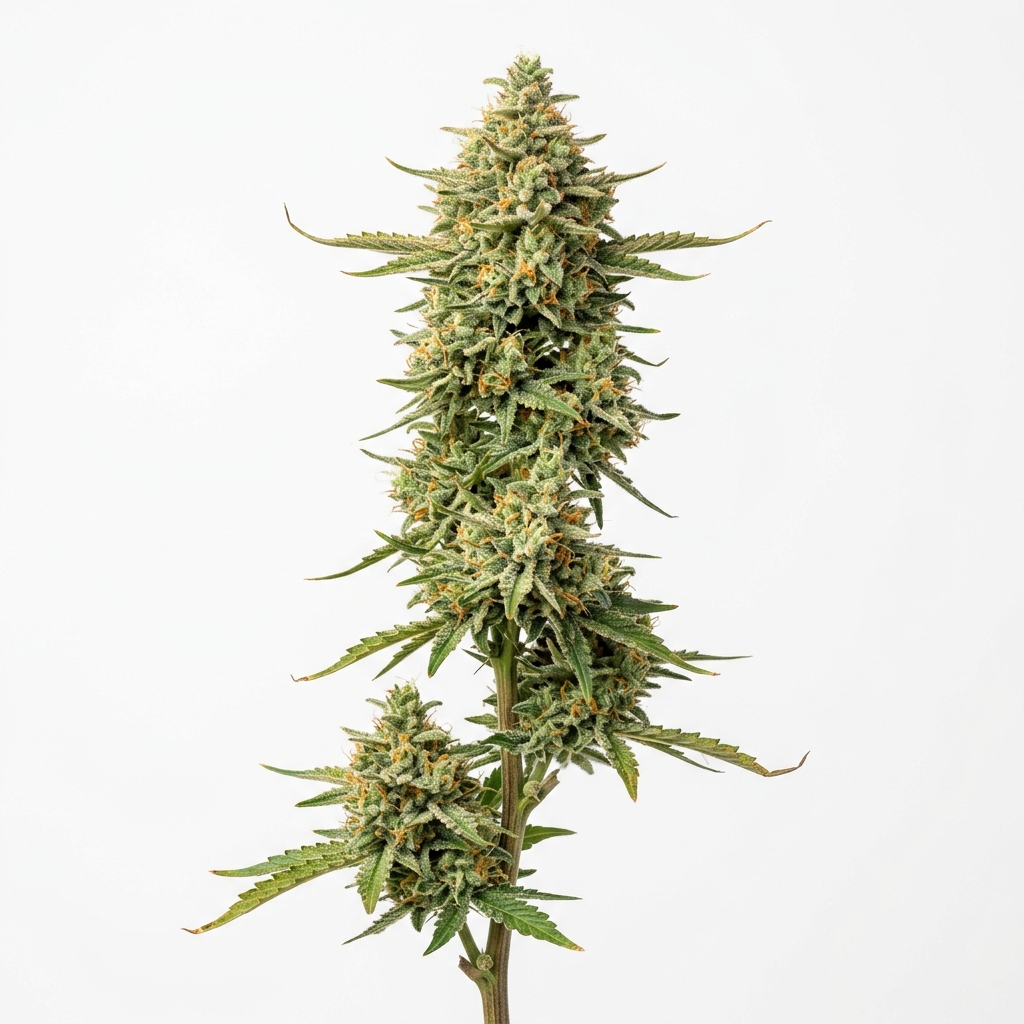
Lemon Shiv (Cannabis Strain)
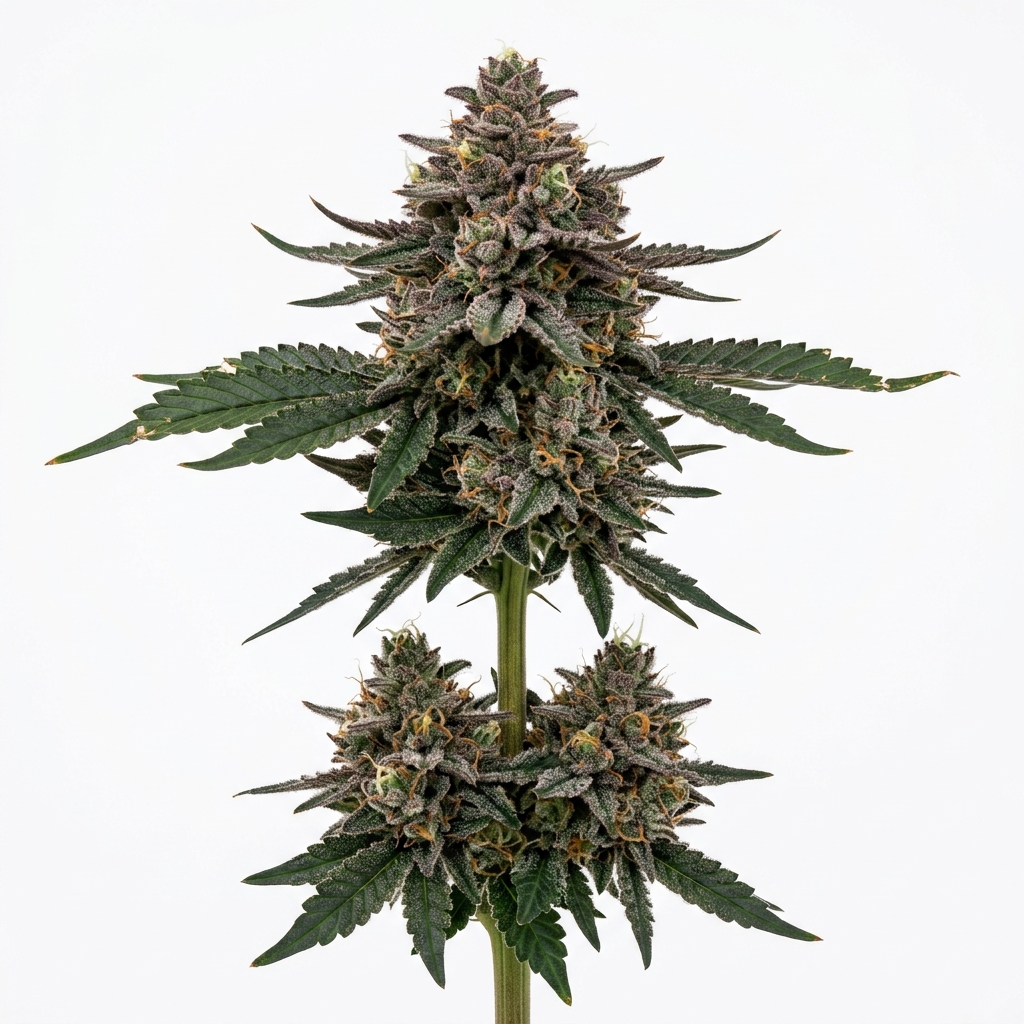
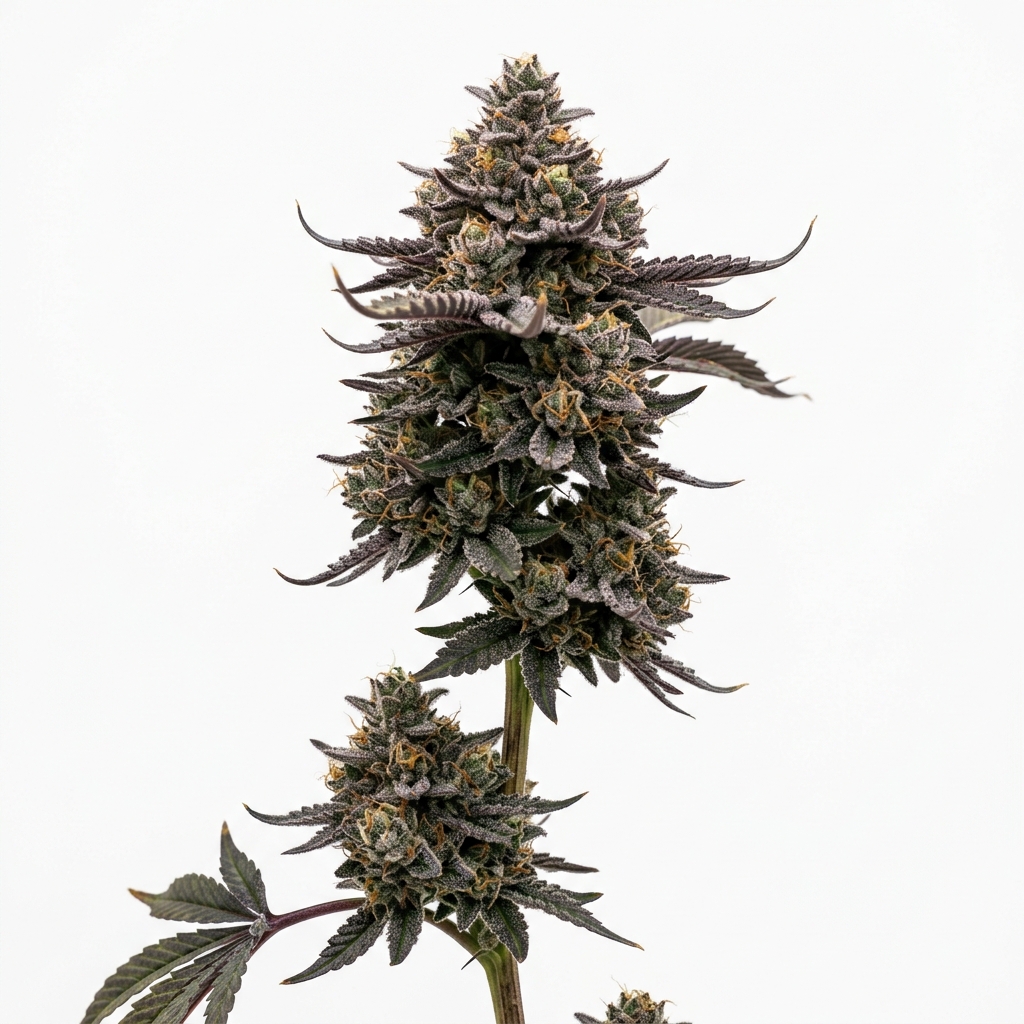
Lemon Shiv is a citrus-dominant hybrid (20% – THC not consistently reported) recognized for its piercing lemon-rind bite, pungent kerosene undertones, and dense, greasy resin layer. Originating in modern boutique cultivation circles from a cross anchored by Lemon Tree and a potent diesel-leaning genetic line, the cultivar establishes a vigorous structure that yields firm, spear-shaped colas. Its resin-rich flowers and terpene clarity make it equally suited for premium jar presentation and fresh frozen solventless extraction.
The original breeder is not consistently documented across public registries, though several phenotype selections stem from West Coast nursery selections working the Lemon Tree lineage. The cultivar inherits the pungent limonene profile of its maternal parent alongside an acrid petroleum backbone that sharpens the finish. Growers observe moderate stretch and manageable branching, while consumers report an immediate cerebral lift that settles into calm, grounded body relaxation.
Quick Facts
| Field | Details |
|---|---|
| Breeder | Not consistently documented |
| Genetics | Lemon Tree lineage × Diesel/Chem hybrid |
| Variety | Hybrid (approx. 60% Sativa / 40% Indica) |
| THC Range | 20% – 26% |
| Flowering Time | 8 – 9 weeks (56 – 63 days) |
| Yield Potential | Moderate to High (450 – 550 g/m² indoor) |
| Plant Height | Medium (100 – 150 cm) |
| Climate Preference | Temperate to Mediterranean; controlled indoor optimal |
| Difficulty | Intermediate |
Scientific & Botanical Overview
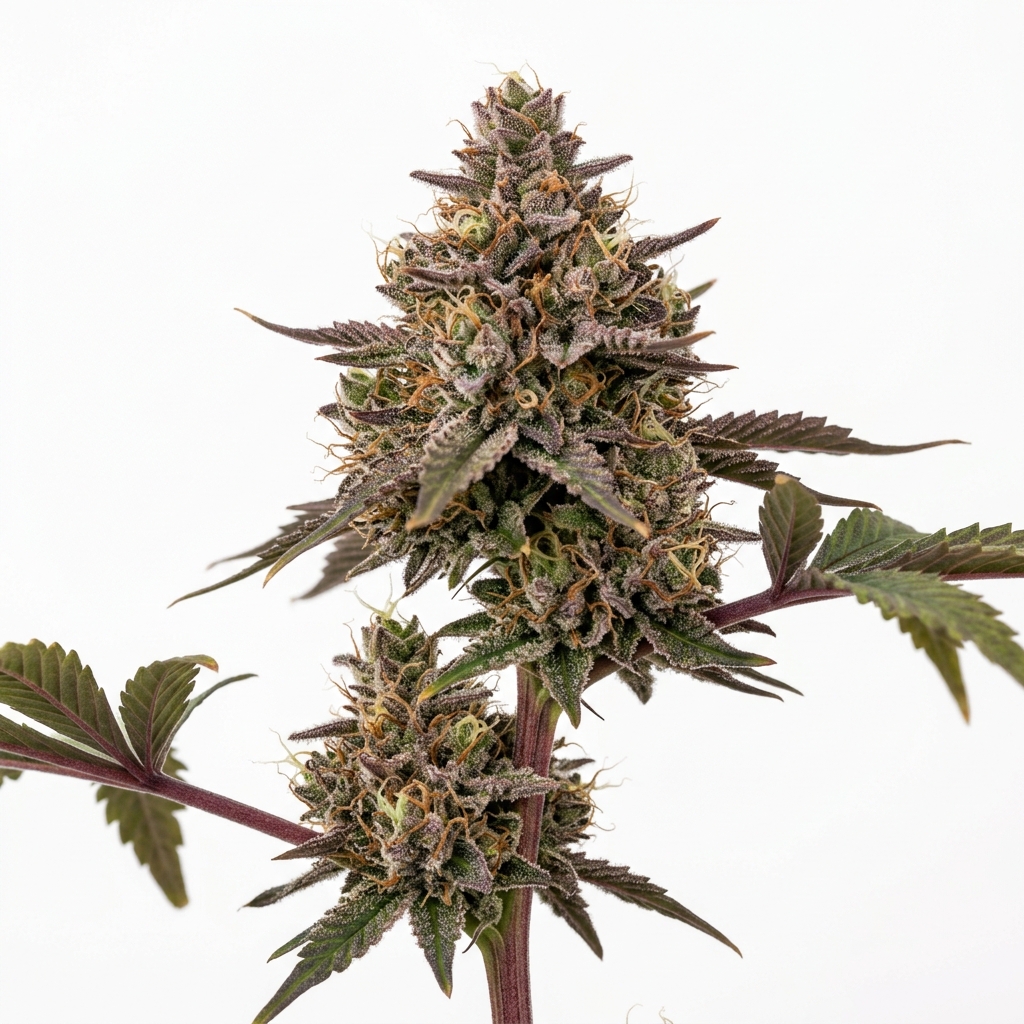
Botanically, Lemon Shiv develops as a medium-statured plant displaying hybrid vigor with slender to medium-width fan foliage. Internodal spacing remains compact during early vegetative growth before opening moderately during flower transition. The floral architecture features elongated, conical calyx formations that swell tightly along upper stems, forming dense spear colas rather than rounded golf-ball clusters.
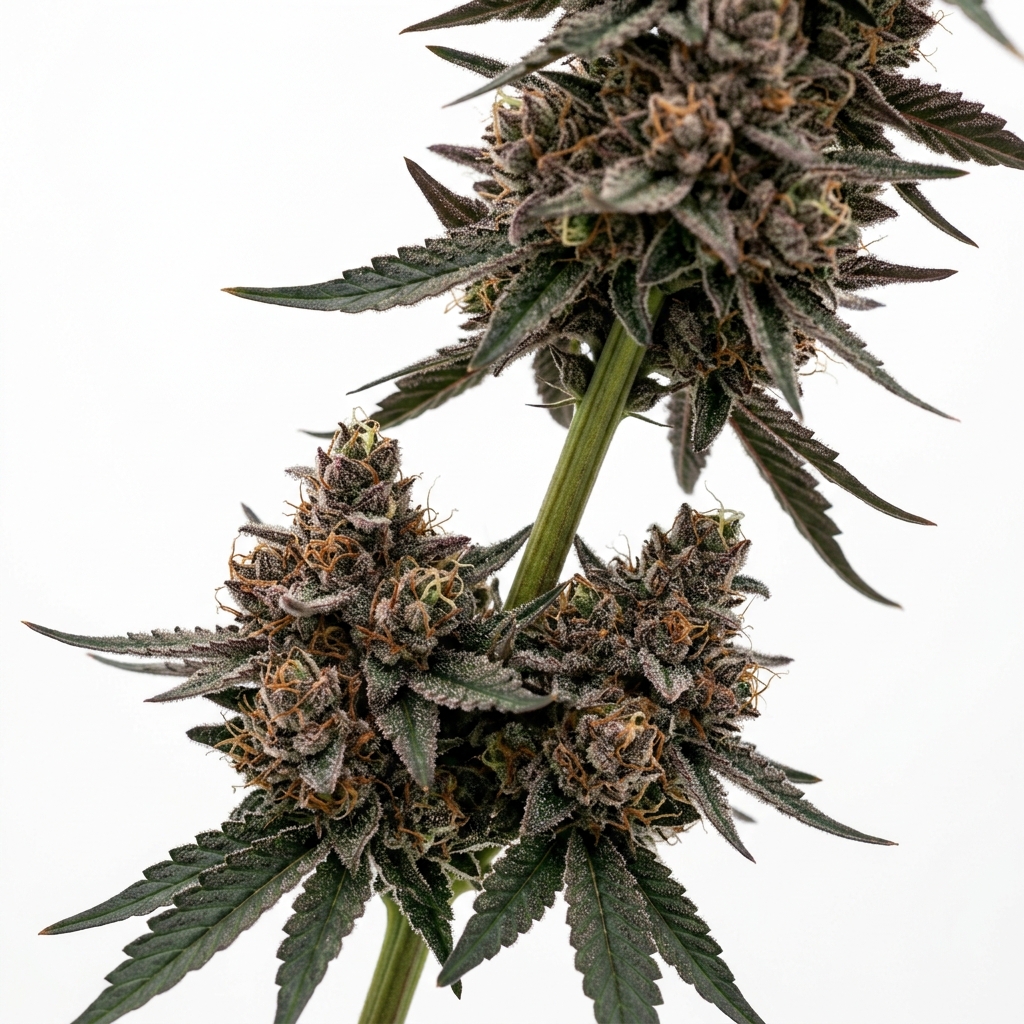
The glandular trichome heads are predominantly capitate-stalked, showing substantial resin coverage that extends well onto flanking sugar leaves. The cuticles are moderately thin, giving mature buds a sticky, greasy texture rather than a brittle, sandy cure. Chlorophyll breakdown during late ripening often reveals lime-green bracts with faint golden-yellow highlights under cooler night cycles.
Secondary metabolite storage centers heavily on volatile monoterpenes, demanding strict environmental controls during late bloom. The plant shows sturdy lateral branches, but secondary support is recommended once terminal buds gain mass around week six. Relative humidity must be managed carefully to preserve terpene retention and protect the dense floral interior.
Effects & Use-Cases (Reported)
Commonly reported effects: Consumers frequently note a sharp, immediate cerebral rush characterized by sensory alertness and elevated mood. As the initial stimulation plateaus, a calm physical grounding takes over without producing heavy lethargy or couch-lock. The head space remains relatively clear, making it a functional option for creative pursuits or daytime socializing.
Use-case context: Lemon Shiv is often selected for daytime or early evening consumption where mental focus and stress moderation are desired simultaneously. Experienced users turn to it for active chores, outdoor walks, or collaborative tasks that benefit from an uplifting sensory edge. The taper is clean, rarely leaving lingering mental fogginess.
Note: Cannabinoid sensitivity and individual tolerance vary significantly. High concentrations of THC may provoke mild restlessness or sensory overstimulation in novice users.
Aroma & Flavors
Aroma: The cured flowers project an aggressive blast of sour lemon zest, crushed pine needles, and sharp fuel. Breaking a bud releases deeper layers of damp earth, pungent garlic-diesel undertones, and an astringent citrus edge reminiscent of industrial lemon cleaner.
Flavor: The inhale is crisp and tart, delivering mouth-puckering lemon citrus layered over sharp chemical gas. On the exhale, the profile rounds out with cracked black pepper, herbal pine, and a lingering oily diesel finish that coats the palate.
Terpene associations: Dominant terpenes are limonene, providing the sharp citrus core, accompanied by beta-caryophyllene for peppery spice, and myrcene with alpha-pinene contributing grounding herbal and pine elements.
Tested Cannabinoid & Terpene Ranges
| Compound | Typical Flower Range |
|---|---|
| Δ9-THC | 20.0% – 26.0% |
| CBD | < 0.5% (typically trace) |
| CBG | 0.5% – 1.2% |
| CBC | < 0.3% |
| Total Terpenes | 1.8% – 3.2% |
| Limonene | 0.6% – 1.3% |
| Beta-Caryophyllene | 0.4% – 0.9% |
| Myrcene | 0.2% – 0.6% |
Range note: Chemical concentrations represent dried floral matter and fluctuate based on specific phenotype selection, lighting intensity, nutrient regimens, and curing precision.
Cultivation Notes
- Humidity management: Maintain 60% – 65% RH in late vegetative growth, reducing progressively to 45% – 50% during mid-flower, and targeting 40% – 42% in the final two weeks to protect tight colas from botrytis.
- Nutrient requirements: Lemon Shiv responds well to moderate nitrogen levels during veg, shifting smoothly to increased phosphorus and potassium around week four of flower; watch for tip burn as citrus-leaning phenotypes can be sensitive to heavy EC.
- Canopy training: Topping once or twice at the fourth node encourages an even multi-top canopy, and a single layer of trellis netting effectively manages the 1.5× stretch during the first three weeks of 12/12.
- Defoliation: Conduct a moderate defoliation at day 21 and a light cleanup around day 42 to remove large fan leaves blocking lower bud sites and promote internal airflow.
- Harvest window: Optimal trichome ripeness occurs between day 58 and 65 when resin heads show full milky opacity with roughly 5% to 10% amber heads for maximum terpene brightness.
Grower Notes (Week-by-Week Snapshot)
- Weeks 1–3: Plants demonstrate a steady 50% to 75% stretch with rapid elongation of primary side branches. Implement light low-stress training and set your trellis early to guide dominant shoots.
- Weeks 4–6: Calyxes begin stacking into continuous vertical spears while capitate trichomes proliferate across bracts and sugar leaves. Aroma shifts aggressively from grassy green to sour citrus and fuel.
- Weeks 7–9: Floral mass swells significantly and calyxes tighten. Lower room temperatures by 3°C to 5°C during dark periods to support terpene preservation; watch for amber trichome development.
- Post-Harvest: Hang whole plants at 15°C – 18°C (60°F) and 58% – 60% RH for 12 to 14 days to ensure an even dry before transferring to airtight curing containers.
Genetic Lineage
The genetic foundation of Lemon Shiv is built on Lemon Tree, an acclaimed cross of Lemon Skunk and Sour Diesel known for its sharp citrus rind signature and robust growth traits. This foundation provides the cultivar with its intense limonene output, open node spacing, and bright calyx coloration.
To heighten structural density and introduce heavier hydrocarbon undertones, the lineage was outcrossed with a gassy hybrid partner from the Chem or Diesel family. This pairing reinforces resin gland stability, deepens the fuel aroma, and lends a calming physical grounding to the sharp cerebral onset of the lemon parent.
Research Insights
Academic research into cannabis phytochemicals shows that cultivars dominated by limonene and beta-caryophyllene frequently elicit uplifting subjective evaluations paired with perceptible physical relaxation. Beta-caryophyllene is unique among dietary terpenes for its ability to bind directly to peripheral CB2 cannabinoid receptors, functioning as a non-intoxicating phytocannabinoid in laboratory assays.
While these botanical models clarify how individual terpenes interact with human receptor pathways in vitro, specific therapeutic or experiential outcomes from Lemon Shiv dried flower depend on whole-plant chemistry, consumption method, and individual metabolic tolerance. Future horticultural studies continue to investigate how environmental parameters like vapor pressure deficit (VPD) modulate volatile monoterpene preservation during the late flowering window.
Frequently Asked Questions
Who bred Lemon Shiv?
The original breeder of Lemon Shiv is not consistently documented in commercial seed registries. The strain emerged out of modern boutique breeding circles selecting for intensified citrus-gas profiles within the Lemon Tree genetic line.
Is Lemon Shiv an indica or sativa?
Lemon Shiv is a balanced hybrid that leans slightly sativa (approximately 60% Sativa / 40% Indica) in its growth structure and initial cerebral lift, accompanied by physical body relaxation.
What does Lemon Shiv smell and taste like?
The cultivar features an intense aroma of sour lemon peel, sharp chemical kerosene, and crushed pine. The flavor follows closely with a tart lemon entry that transitions into a peppery, oily diesel exhale.
How long does Lemon Shiv take to flower?
Lemon Shiv typically finishes flowering in 8 to 9 weeks (56 to 63 days) in indoor setups, with outdoor harvests generally falling around early to mid-October in the Northern Hemisphere.
Educational Disclaimer
This content is for educational and informational purposes only. Cannabis laws and regulations vary by jurisdiction. Always consult with a qualified professional before beginning any cultivation project or consuming cannabis products.
Rate and review this strain
Ratings and reviews are accepted only from signed-in Google accounts.
Sign in with Google to leave a rating and written review.
Latest Reviews
0 reviewsNo reviews yet. Be the first Google user to rate and review this strain.
Follow New Cultivar Records
Get newly documented genetics, breeder history, research highlights, and important Strainpedia discoveries by email.