Rainbow Watermelon Cake (Cannabis Strain)
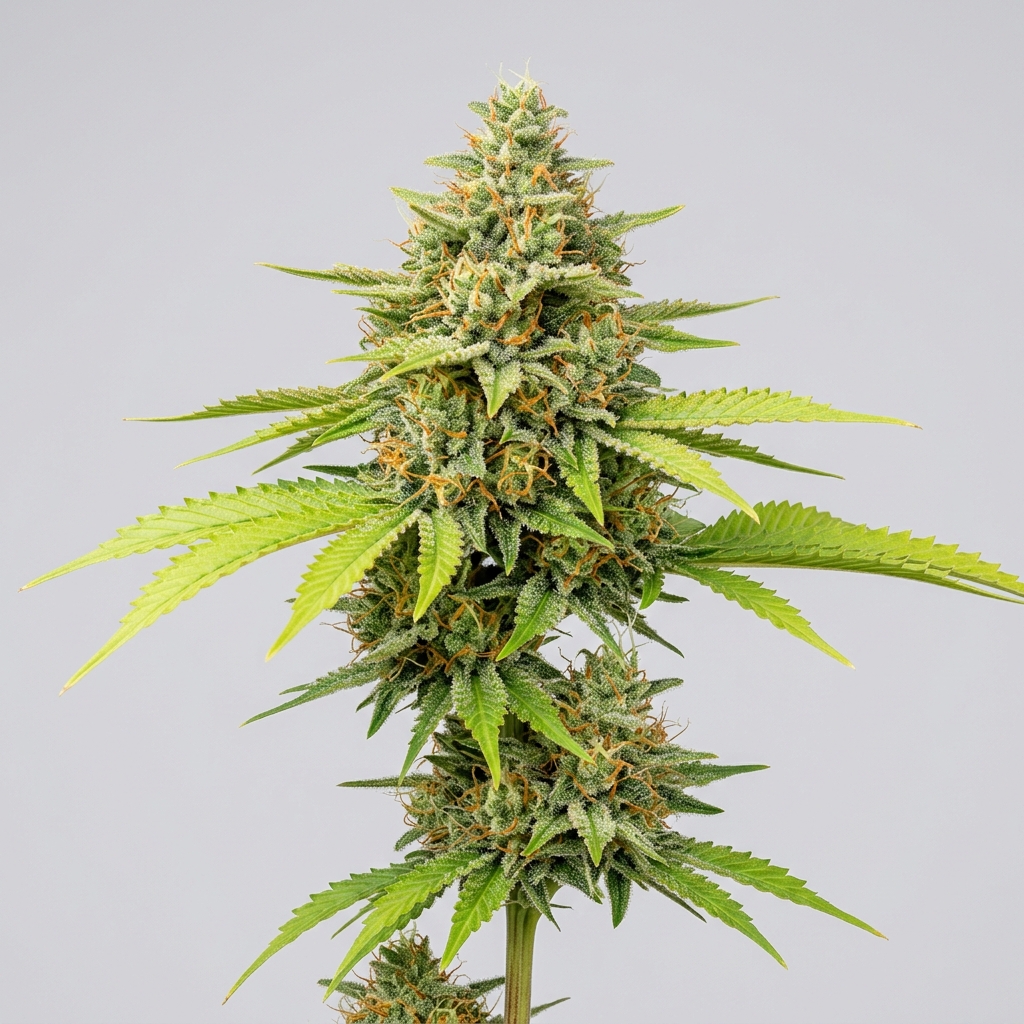
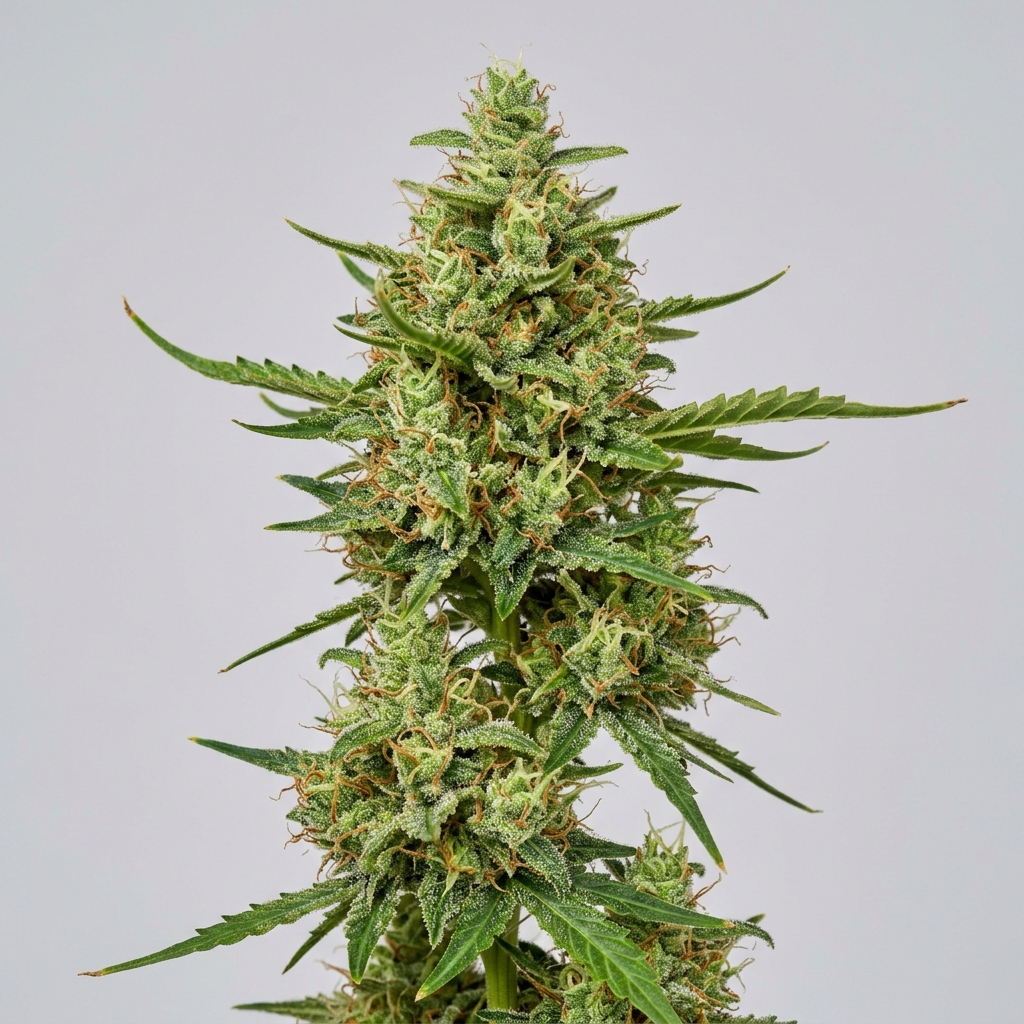
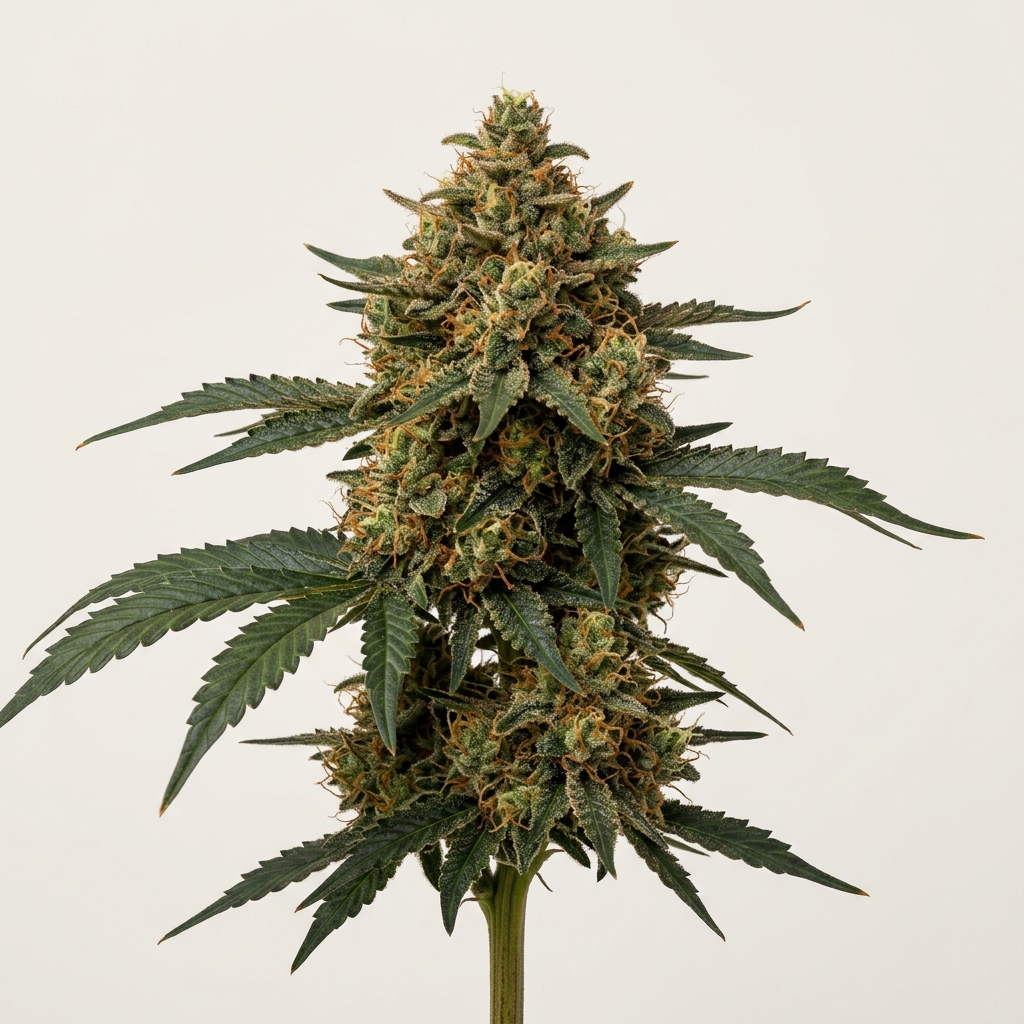
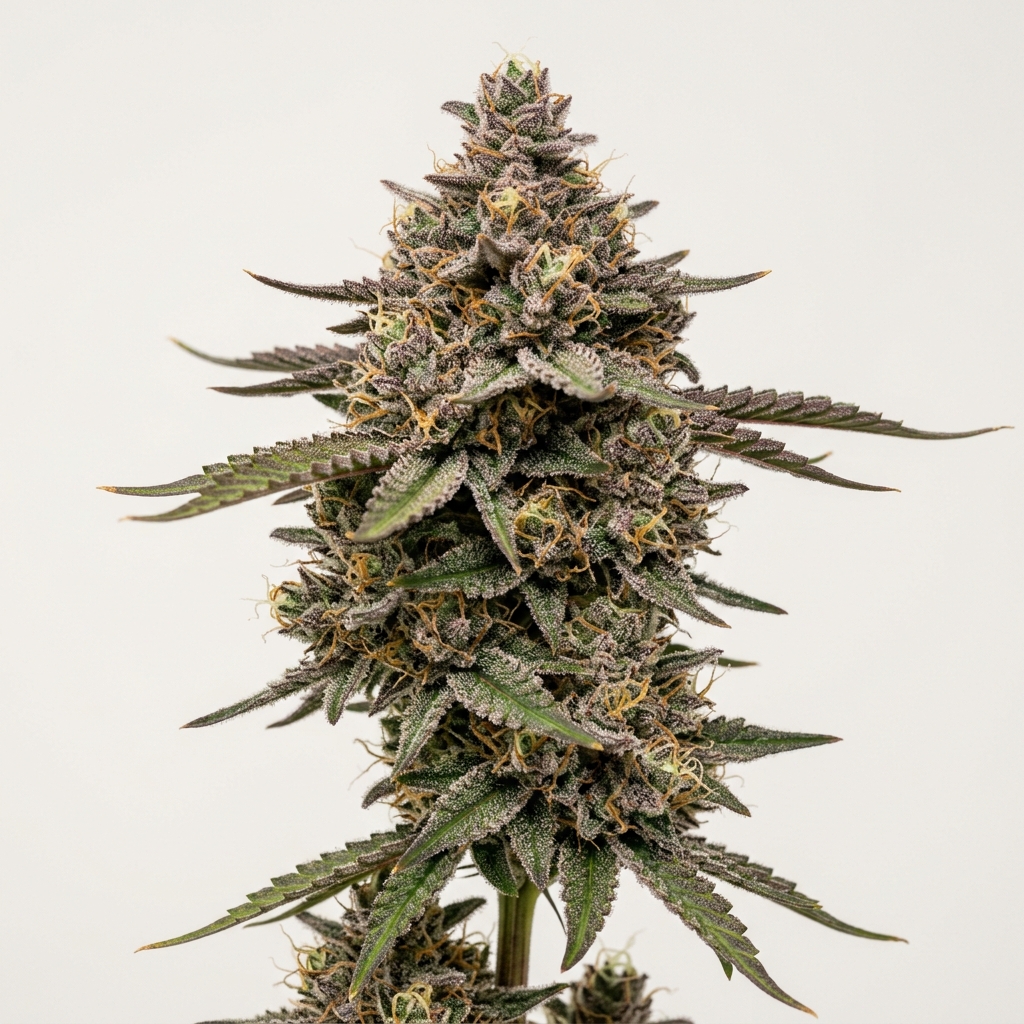
Rainbow Watermelon Cake is an indica-dominant hybrid cultivar typically testing between 22% and 28% THC, bred by crossing Rainbow Belts with Watermelon Cake. This cultivar is highly regarded for its dense, resin-rich flowers that carry a complex blend of sweet candy, tropical fruit, and doughy vanilla, backed by a subtle fuel finish. It shows a moderate, manageable stretch during early flower, developing tight internodal spacing and heavy, glassy buds coated in wet frost. The strain has earned a distinct reputation among growers and extractors for its high-quality resin production and striking purple hues in late bloom.
While primarily favored for its dessert-like terpene profile, the cultivar delivers a balanced physical relaxation and a calm, clear-headed mental state. Its dense bracts and heavy resin coverage make it an appealing choice for boutique growers focused on solventless extraction.
Quick Facts
| Field | Details |
|---|---|
| Genetics | Rainbow Belts × Watermelon Cake |
| Variety | Indica-dominant Hybrid |
| THC Range | 22% – 28% |
| Flowering Time | 8 – 9 Weeks |
| Yield Potential | Moderate to High |
| Plant Height | Medium |
| Climate Preference | Temperate / Controlled Indoor |
| Difficulty | Moderate |
Scientific & Botanical Overview
Rainbow Watermelon Cake shows classic hybrid morphology, characterized by broad fan leaves and sturdy lateral branching. The plant tends to develop a strong central leader, but responds exceptionally well to topping and low-stress training to promote even canopy distribution.
During the transition to flower, the cultivar displays a controlled stretch, usually doubling in height. The nodal sites fill in rapidly with tight, rounded clusters that mature into dense, spear-shaped colas covered in swollen calyxes.
Anthocyanin accumulation is common during the final weeks of flowering, especially when night temperatures are lowered. This results in deep purple and violet hues across the sugar leaves and bracts, contrasting sharply with the bright orange pistils and thick layer of greasy resin.
Effects & Use-Cases (Reported)
Commonly reported effects: Users frequently report a smooth, creeping physical relaxation accompanied by a gentle, uplifting mental clarity. The onset is typically calm rather than jarring, making it suitable for winding down without immediate sedation.
Use-case context: This cultivar is often selected for late afternoon or evening use, providing a comfortable transition from active hours to rest. Its balanced nature supports quiet creative tasks, light socializing, or physical recovery after exertion.
Note: Individual experiences may vary depending on dosage, tolerance, and phenotype variation. Higher consumption levels may lead to more pronounced physical heaviness and sleepiness.
Aroma & Flavors
Aroma: The initial nose is dominated by sweet candy and ripe melon, followed closely by a rich, doughy vanilla cake undertone. Breaking the buds releases a sharper, sour fruit note with a faint hint of diesel fuel.
Flavor: On the palate, the smoke is thick and sweet, tasting of candied watermelon and creamy pastry. The exhale reveals a clean, minty finish with a lingering tart gas edge.
Terpene associations: The complex profile is driven by a dominance of limonene, caryophyllene, and myrcene, with trace amounts of linalool contributing to the floral sweetness.
Tested Cannabinoid & Terpene Ranges
| Compound | Tested Range |
|---|---|
| Δ9-THC | 22.0% – 28.0% |
| CBD | < 1.0% |
| CBG | 0.5% – 1.2% |
| Limonene | 0.6% – 1.1% |
| Caryophyllene | 0.4% – 0.8% |
| Myrcene | 0.3% – 0.7% |
Note: Cannabinoid and terpene levels are highly variable and depend on specific cultivation practices, environmental factors, and curing methods.
Cultivation Notes
- Humidity Control: Maintain relative humidity (RH) around 55-60% during early veg, tapering down to 45% or lower in late flower to protect the dense colas from moisture retention.
- Nutrient Management: The cultivar is a moderate feeder, requiring steady nitrogen in vegetative growth and responsive phosphorus and potassium increases during mid-to-late flower.
- Canopy Training: use topping and scrog netting early to spread the canopy, ensuring adequate light penetration to lower bud sites.
- Pruning: Perform a thorough defoliation and lollipoping around week 3 of flower to improve airflow through the tight internodes.
- Phenotype Selection: Look for phenotypes that exhibit the distinctive watermelon candy aroma early in flower, as these typically yield the most aromatic cured flowers.
Grower Notes (Week-by-Week Snapshot)
- Weeks 1–3 (Transition & Stretch): Plants undergo a moderate stretch; ensure light intensity is dialed in to prevent unnecessary spacing between nodes. Begin light under-canopy pruning at the end of week 3.
- Weeks 4–6 (Bud Development & Resin): Flower clusters begin to stack rapidly, and trichome production becomes visible on the sugar leaves. Maintain stable daytime temperatures around 75°F (24°C).
- Weeks 7–9 (Ripening & Flush): Reduce night temperatures by 5-10°F to encourage purple coloration. Flush with clean water during the final 10-14 days while monitoring trichome maturity for harvest timing.
- Post-Harvest (Cure): A slow dry at 60°F (15°C) and 60% RH for 12-14 days is critical to preserve the delicate volatile candy terpenes before a minimum 3-week jar cure.
Genetic Lineage
Rainbow Watermelon Cake inherits its complex sweet profile directly from Rainbow Belts, a highly acclaimed cross of Zkittlez and Moonbow #78. Rainbow Belts contributes the intense, long-lasting candy sweetness and a structured, resin-rich bud architecture that extractors favor.
The maternal influence comes from Watermelon Cake, which infuses the lineage with a heavy, doughy vanilla base and robust growth characteristics. This combination yields a modern exotic hybrid that balances dessert richness with commercial viability.
Research Insights
Scientific interest in cultivars like Rainbow Watermelon Cake often centers on the interaction between high concentrations of limonene and caryophyllene. This specific terpene pairing is frequently studied for its potential to modulate the psychoactive effects of THC, potentially mitigating anxiety while enhancing physical relaxation.
Additionally, the strain’s dense trichome structure and high concentration of monoterpenes make it an excellent subject for research into solventless extraction efficiency. The resilience of its trichome heads during ice water washing is highly valued for producing premium live rosin.
Frequently Asked Questions
What are the primary aromas of Rainbow Watermelon Cake?
The strain is defined by a sweet, candied watermelon nose combined with a creamy, doughy vanilla cake aroma and a subtle hint of fuel on the back end.
Is Rainbow Watermelon Cake easy to grow?
It is considered moderately difficult. While it has a manageable stretch and sturdy structure, it requires careful humidity management in late flower due to its dense bud structure.
What is the genetic lineage of this strain?
Rainbow Watermelon Cake is a cross between Rainbow Belts (Zkittlez × Moonbow #78) and Watermelon Cake.
What are the typical effects of this cultivar?
It commonly delivers a deeply relaxing physical sensation paired with a calm, clear mental uplift, making it ideal for late afternoon or evening relaxation.
Educational Disclaimer
This strain profile is for educational and informational purposes only. Cannabinoid and terpene profiles vary by batch, grower, and environment. Consult with a healthcare professional before using cannabis for medical purposes.
Rate and review this strain
Ratings and reviews are accepted only from signed-in Google accounts.
Sign in with Google to leave a rating and written review.
Latest Reviews
0 reviewsNo reviews yet. Be the first Google user to rate and review this strain.