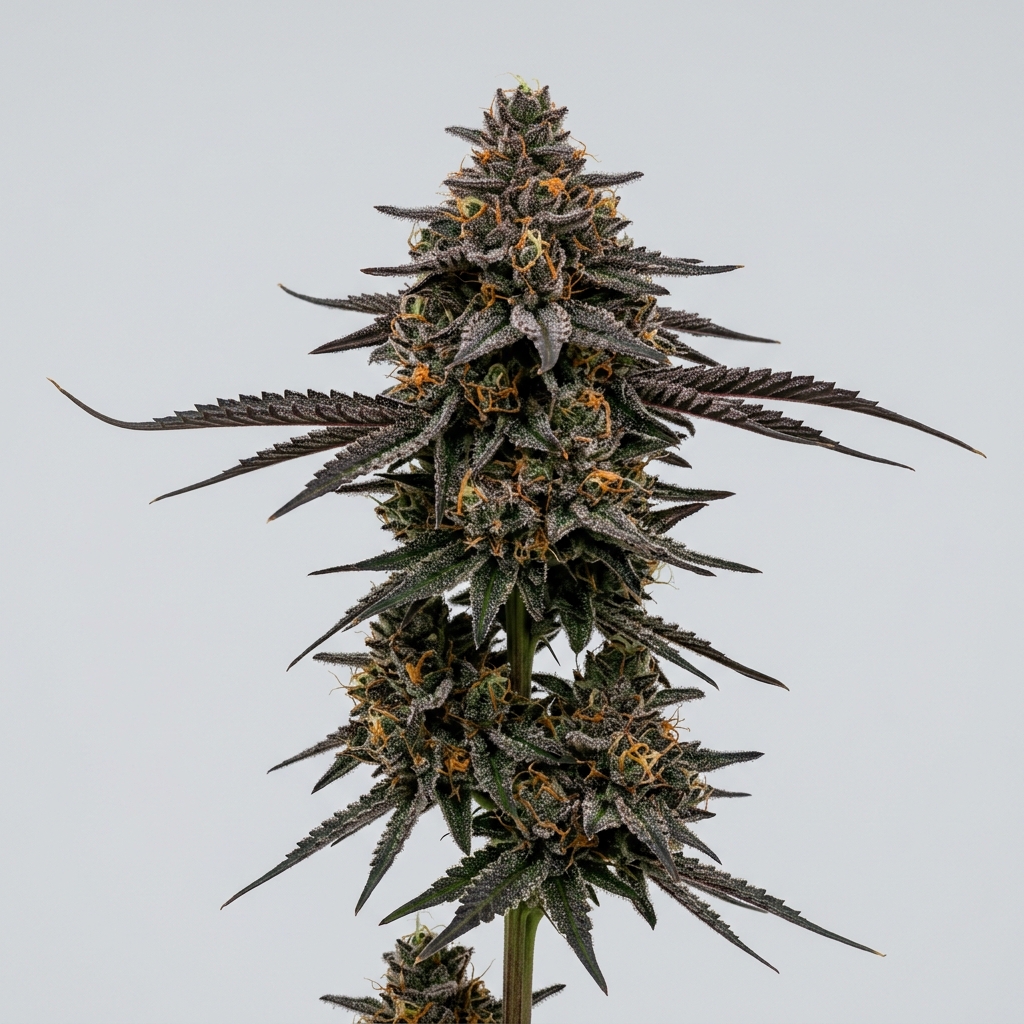
Chupacabra (Cannabis Strain)
Chupacabra is an extraction-grade hybrid strain, typically testing between 18% and 22% THC, created by crossing the legendary indica The Black with the resin-rich sativa Third Dimension (3D). This cultivar is highly sought after for its heavy production of greasy resin and its complex aroma of sweet incense, sharp citrus lift, and damp earth. It shows a classic hybrid growth habit with controlled stretch and long, spear colas that carry a thick coat of wet frost. Cultivators prize this strain for its outstanding wash yields and its balanced, haze-leaning sensory profile.
The cultivar has earned a strong reputation among specialty extractors due to its exceptionally brittle trichome heads, which separate easily during ice water extraction. While it carries sativa-dominant structural traits during vegetative growth, its flowering cycle delivers the dense bracts and deep purple hues of its indica heritage.
Quick Facts
| Field | Details |
|---|---|
| Genetics | The Black × Third Dimension (3D) |
| Variety | Sativa-dominant Hybrid |
| THC Range | 18% – 22% |
| Flowering Time | 8 – 9 Weeks |
| Yield Potential | Moderate to High |
| Plant Height | Medium to Tall |
| Climate Preference | Temperate, Low Late-Flower Humidity |
| Difficulty | Moderate |
Scientific & Botanical Overview
Chupacabra displays a distinct morphology that reflects its mixed heritage, showing broad fan leaves in its early vegetative stage before transitioning to narrow-leaflet sativa growth. The nodal spacing is moderate, requiring early training to manage the canopy and optimize light penetration to lower bud sites.
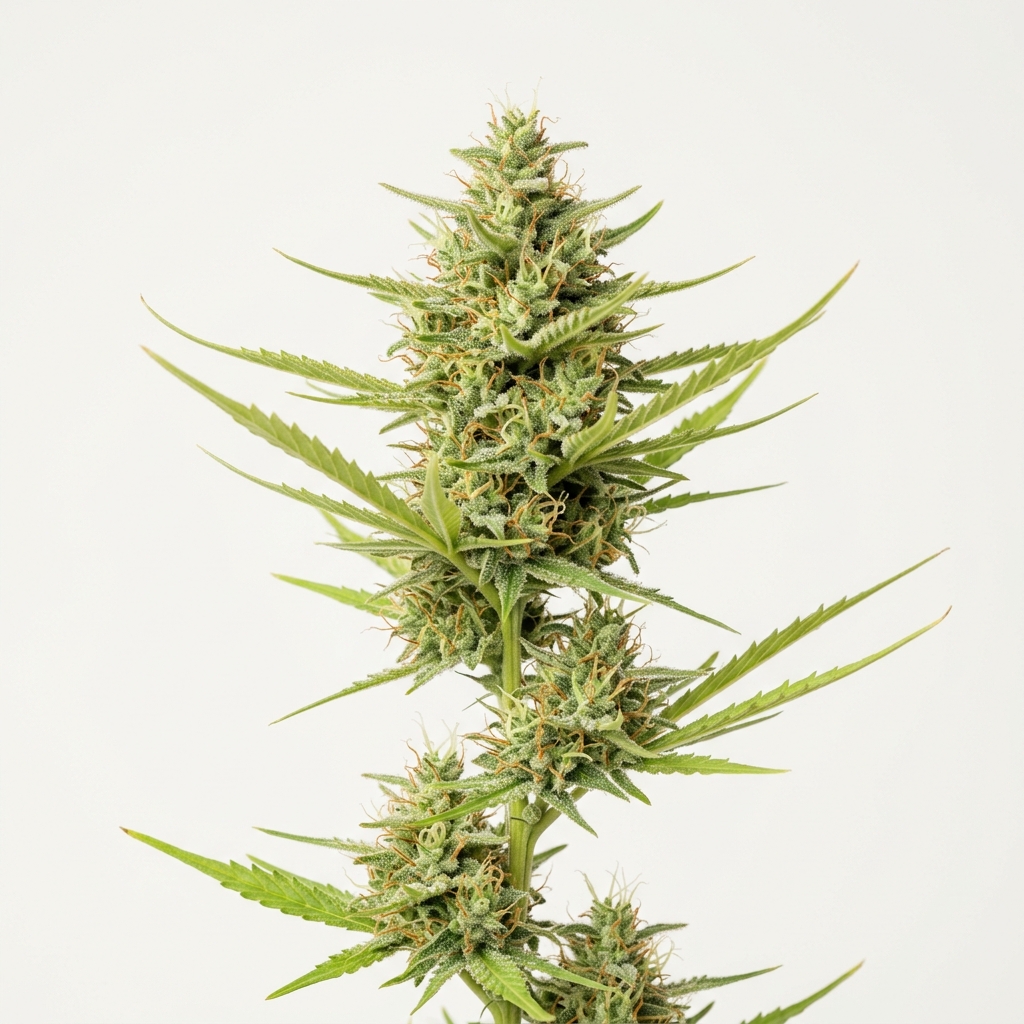
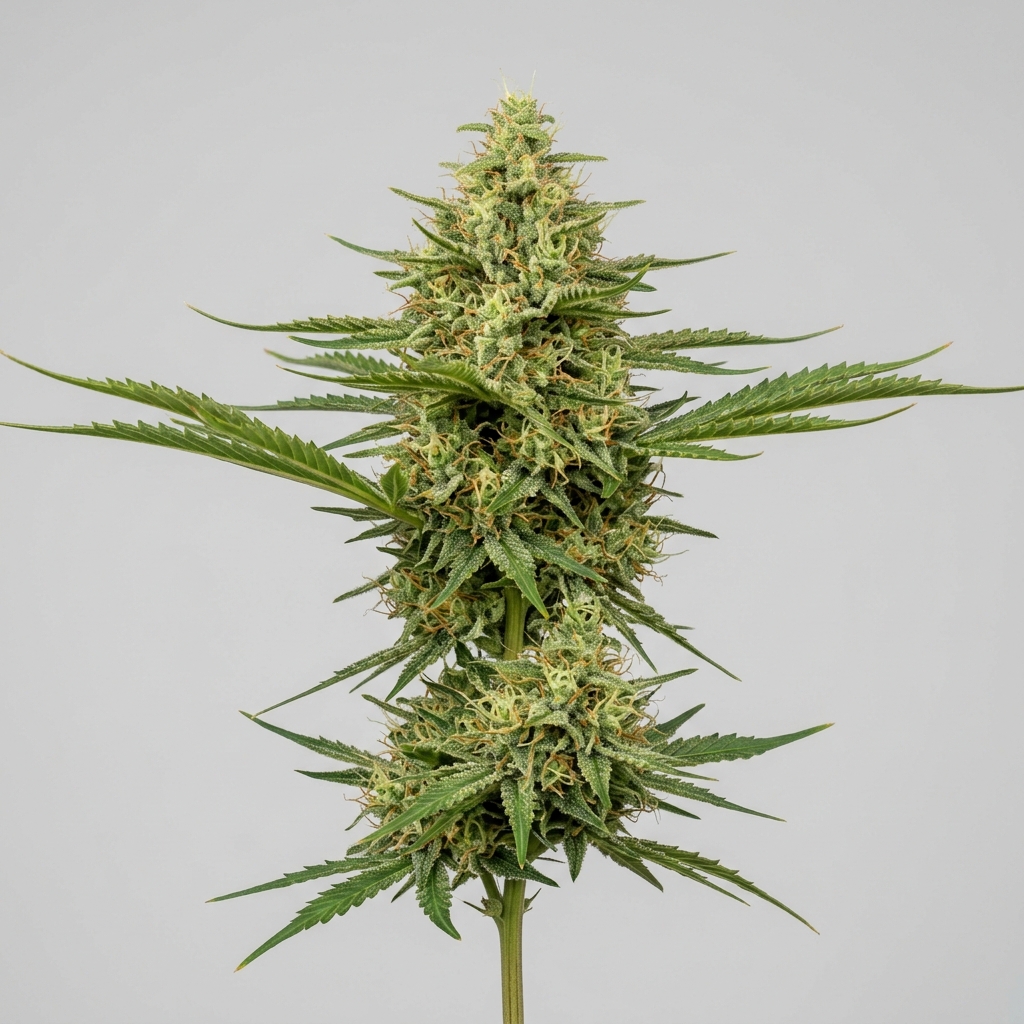
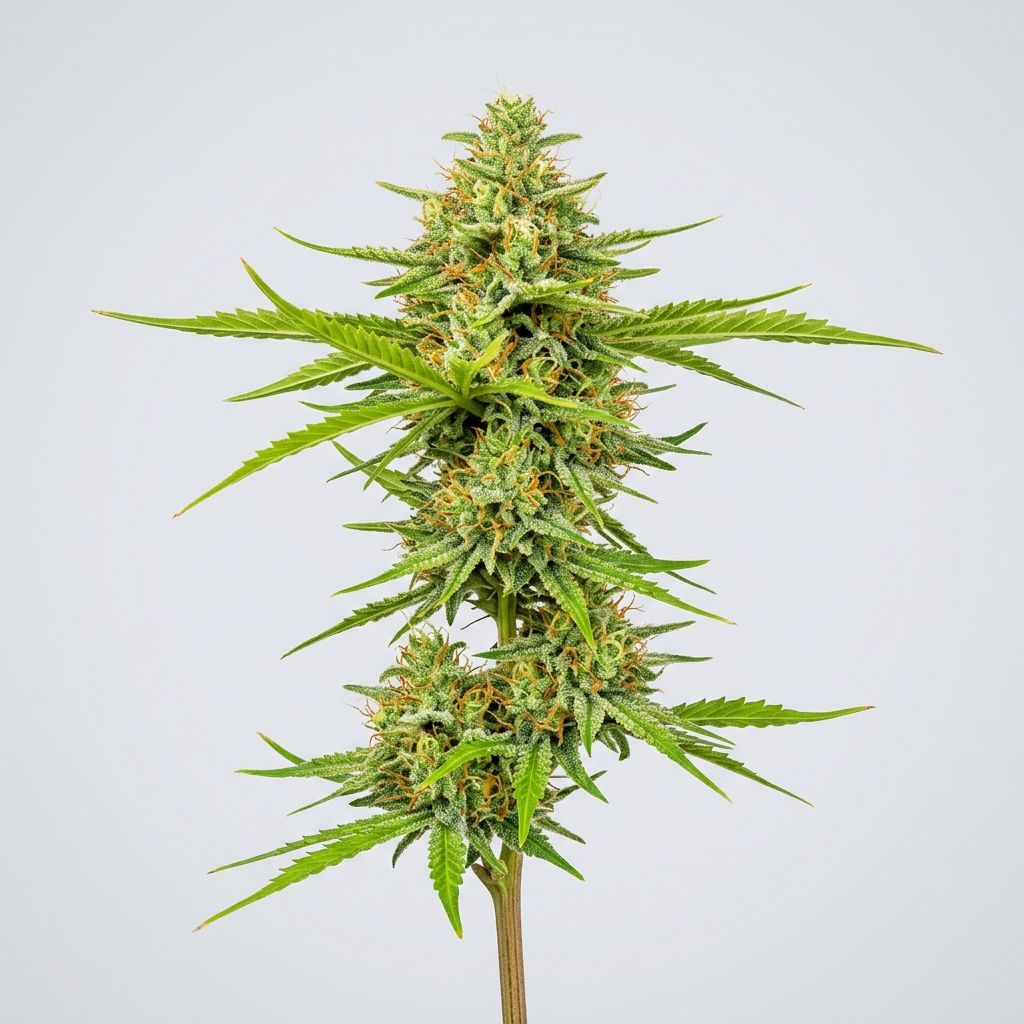
During the flowering phase, the plant produces elongated, spear-shaped colas characterized by swollen calyxes and a minimal leaf-to-bud ratio. The trichome development is notably dense, covering not only the flowers but also extending far onto the fan leaves.
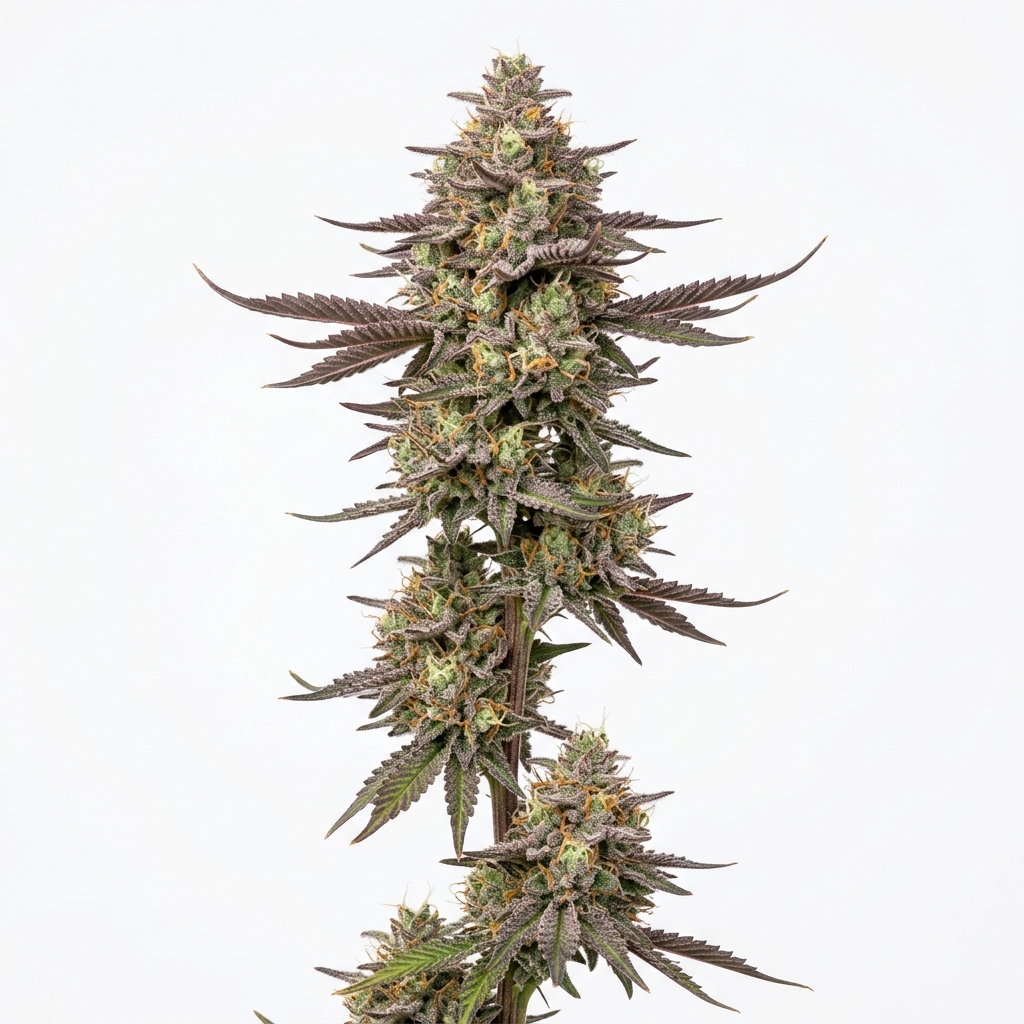
Anthocyanin accumulation is common in late flower, especially when night temperatures drop, turning the dense bracts a deep purple to near-black hue. This color contrast highlights the glassy buds and bright orange pistils.
Effects & Use-Cases (Reported)
Commonly reported effects: Users typically describe a swift, cerebral onset characterized by a sharp citrus lift and heightened sensory awareness, which gradually settles into a warm, relaxing physical hum. The sativa-forward genetics keep the mind clear and active, while the underlying indica lineage prevents physical tension.
Use-case context: This balanced profile makes the strain well-suited for late afternoon transition periods, creative projects, or social gatherings. The absence of heavy physical sedation allows for sustained focus without immediate fatigue.
Note: Due to the rapid onset of its cerebral effects, individuals prone to sensory overstimulation should approach this cultivar with caution.
Aroma & Flavors
Aroma: A pungent blend of sweet incense, hazy spice, and damp pine, accented by a subtle dark berry edge.
Flavor: The smoke delivers a sharp citrus lift on the inhale, followed by an earthy kush base and a clean, woody finish.
Terpene associations: Lab profiles show a dominance of terpinolene, caryophyllene, and myrcene, which drive its complex, spicy-sweet character.
Tested Cannabinoid & Terpene Ranges
| Compound | Typical Range |
|---|---|
| Δ9-THC | 18.0% – 22.0% |
| CBD | < 0.2% |
| Terpinolene | 0.4% – 0.8% |
| beta-Caryophyllene | 0.3% – 0.6% |
| Myrcene | 0.2% – 0.5% |
| Limonene | 0.1% – 0.3% |
Cannabinoid and terpene profiles are highly variable and depend heavily on cultivation methods, curing environments, and specific phenotype selections.
Cultivation Notes
- Keep late-flower humidity strictly below 45% to protect the dense, resin-rich colas from moisture retention.
- Implement early topping and low-stress training (LST) to manage the moderate stretch and promote an even canopy.
- Provide a balanced organic nutrient regimen, avoiding excessive nitrogen during the transition to flower to prevent leafy bud structures.
- Maintain active airflow beneath the canopy to assist the plant’s natural transpiration and prevent stagnant air pockets.
- The cultivar responds exceptionally well to a slow dry of 10 to 14 days at 60°F and 60% relative humidity to preserve the volatile terpene clarity.
Grower Notes (Week-by-Week Snapshot)
- Weeks 1–3 (Vegetative & Transition): The plant establishes a strong root system and shows a controlled stretch. Apply early training to establish lateral branching and clean up lower growth to improve airflow.
- Weeks 4–6 (Mid-Flower): Spear colas begin to form, and the first signs of greasy resin appear on the sugar leaves. Ensure support structures are in place as the buds start to gain weight.
- Weeks 7–9 (Late Flower & Flush): Resin production peaks with a heavy layer of wet frost covering the swollen calyxes. Introduce cooler night temperatures to encourage purple color expression and perform a thorough flush to ensure clean flavor.
Genetic Lineage
The genetic foundation of Chupacabra rests on the cross of The Black, a rare and mysterious indica prized for its deep purple colorations and heavy physical effects, and Third Dimension (3D), a highly aromatic sativa bred by TGA Subcool. This pairing combines the structural density and resin quality of old-school indicas with the energetic, tropical, and hazy attributes of modern sativa hybrids.
An alternative lineage circulating in some regional markets features a cross of Golden Goat and Gupta Kush, which presents a more tropical, herbal-pine profile. However, the classic SickMeds Seeds selection remains the benchmark for extraction-grade resin and dark berry terpene clarity.
Research Insights
Analytical testing of Chupacabra highlights an unusual terpene distribution where terpinolene acts as the primary driver, a trait inherited from its Jack Herer ancestry via Third Dimension. This compound, when paired with moderate levels of caryophyllene, contributes to the strain’s distinct spicy-citrus aroma and its uplifting yet physically grounded effects.
The high density of capitate-stalked trichomes makes this cultivar a subject of interest for extraction research. The mechanical stability of its resin glands allows for efficient separation during solventless processing, making it a valuable genetic tool for modern hash makers.
Frequently Asked Questions
What is the genetic background of Chupacabra?
Chupacabra is primarily known as a hybrid cross of The Black and Third Dimension (3D), originally bred by SickMeds Seeds. A secondary variation exists crossing Golden Goat and Gupta Kush, though the former is the classic resin-focused phenotype.
What does Chupacabra smell and taste like?
This strain features a complex aroma of sweet incense, sharp citrus, and damp earth. On the palate, it delivers a bright citrus lift on the inhale with a woody, spicy finish.
Is Chupacabra difficult to grow?
It is considered moderately difficult to grow. It requires active canopy management due to its sativa-leaning stretch and strict humidity control during late flower to protect its dense, resin-rich colas.
What are the typical effects of Chupacabra?
Users report a clear, uplifting cerebral sensation paired with a mild physical relaxation. It is commonly used for creative focus, social activities, and daytime physical relief without heavy sedation.
Educational Disclaimer
This article is for educational and informational purposes only. Cannabis cultivation and consumption are subject to local laws and regulations. Consult with a qualified professional before starting any new agricultural or wellness regimen.
Rate and review this strain
Ratings and reviews are accepted only from signed-in Google accounts.
Sign in with Google to leave a rating and written review.
Latest Reviews
0 reviewsNo reviews yet. Be the first Google user to rate and review this strain.