Cactus (Cannabis Strain)
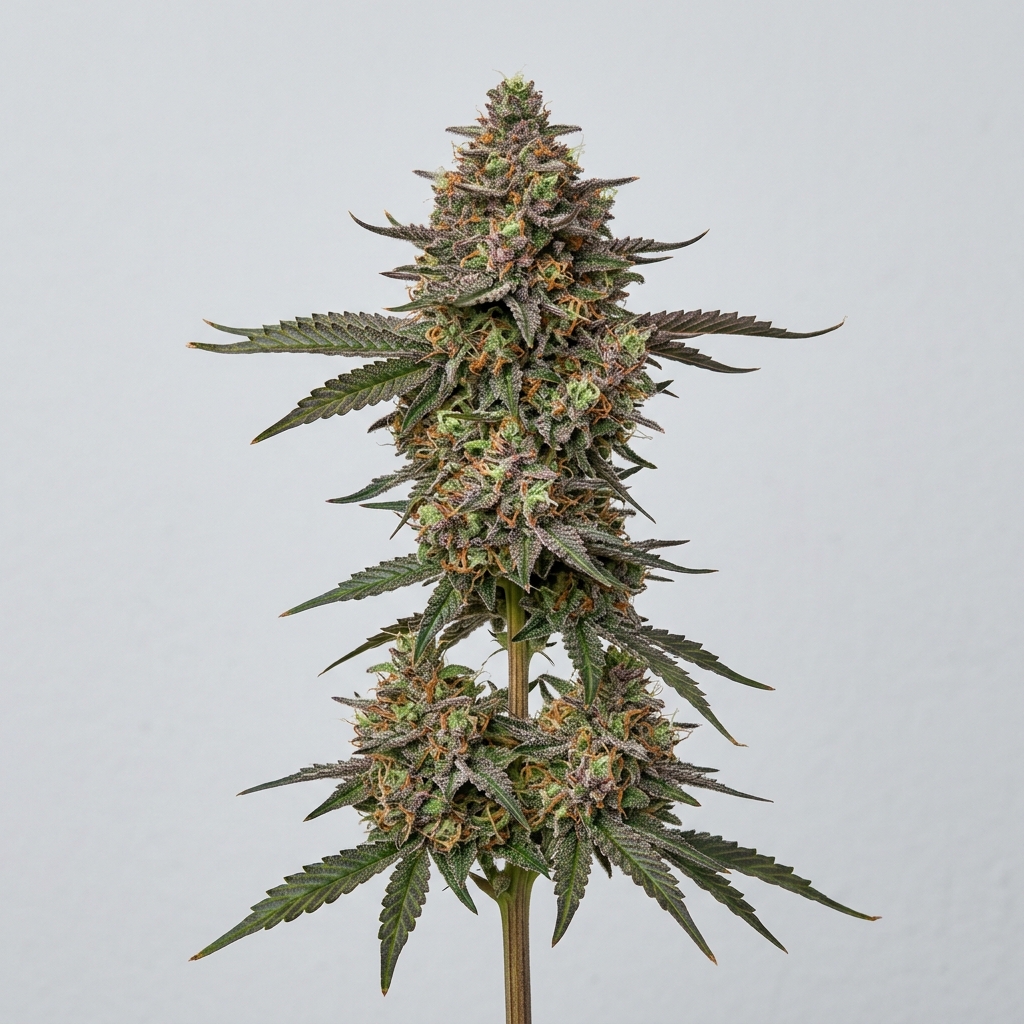
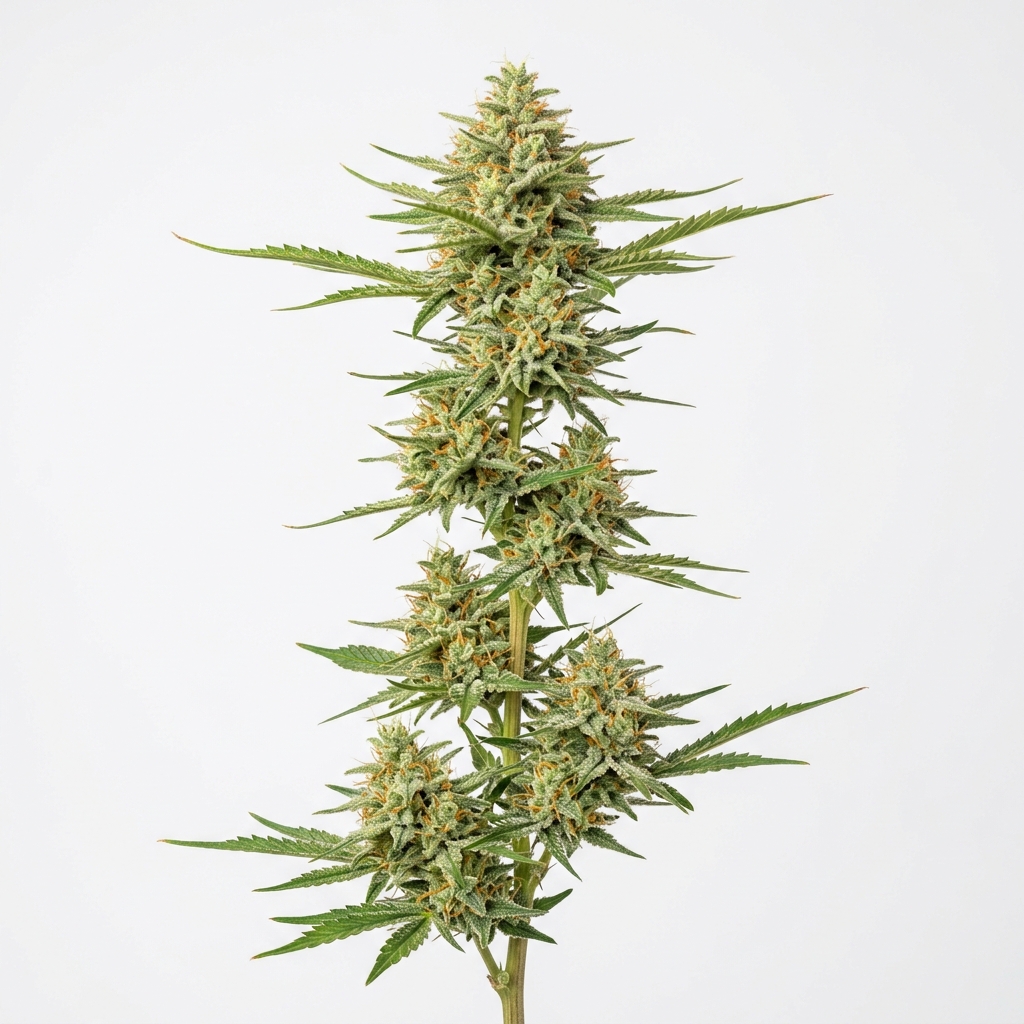
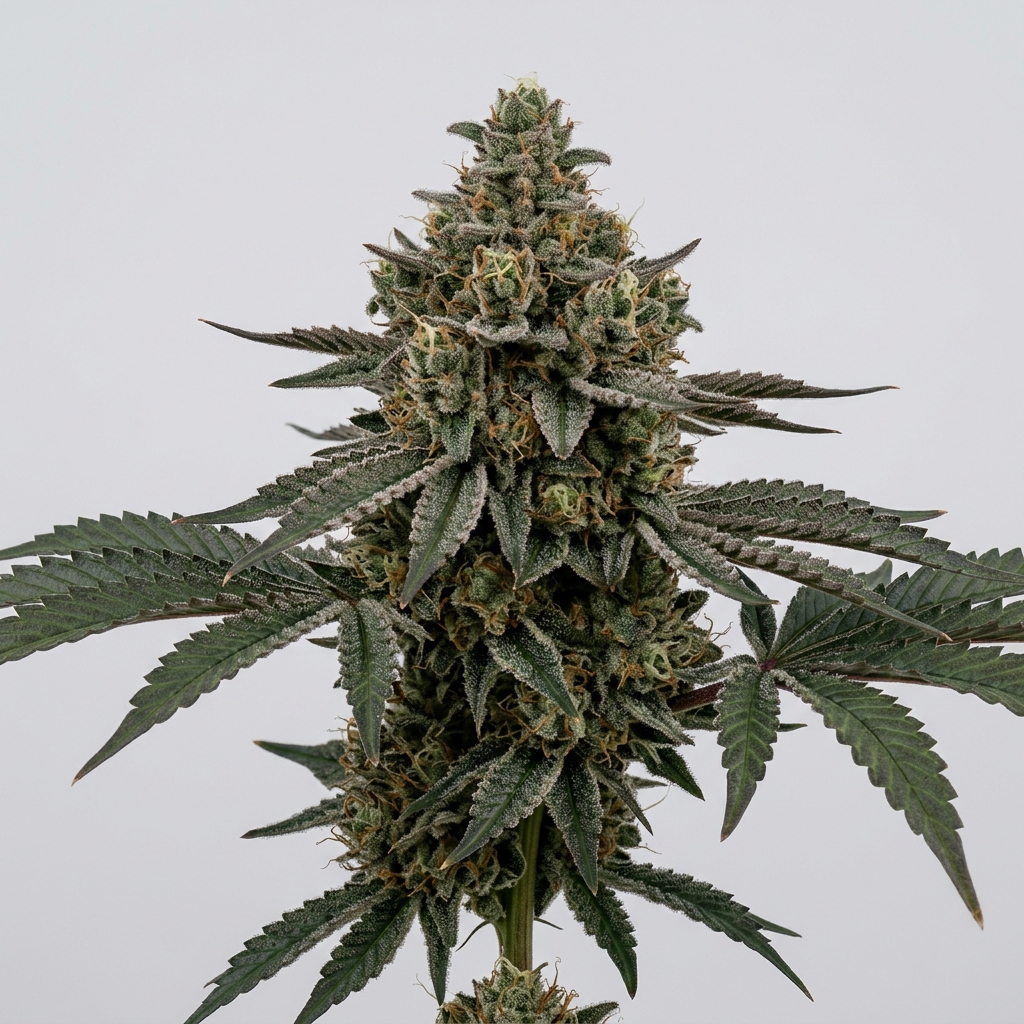
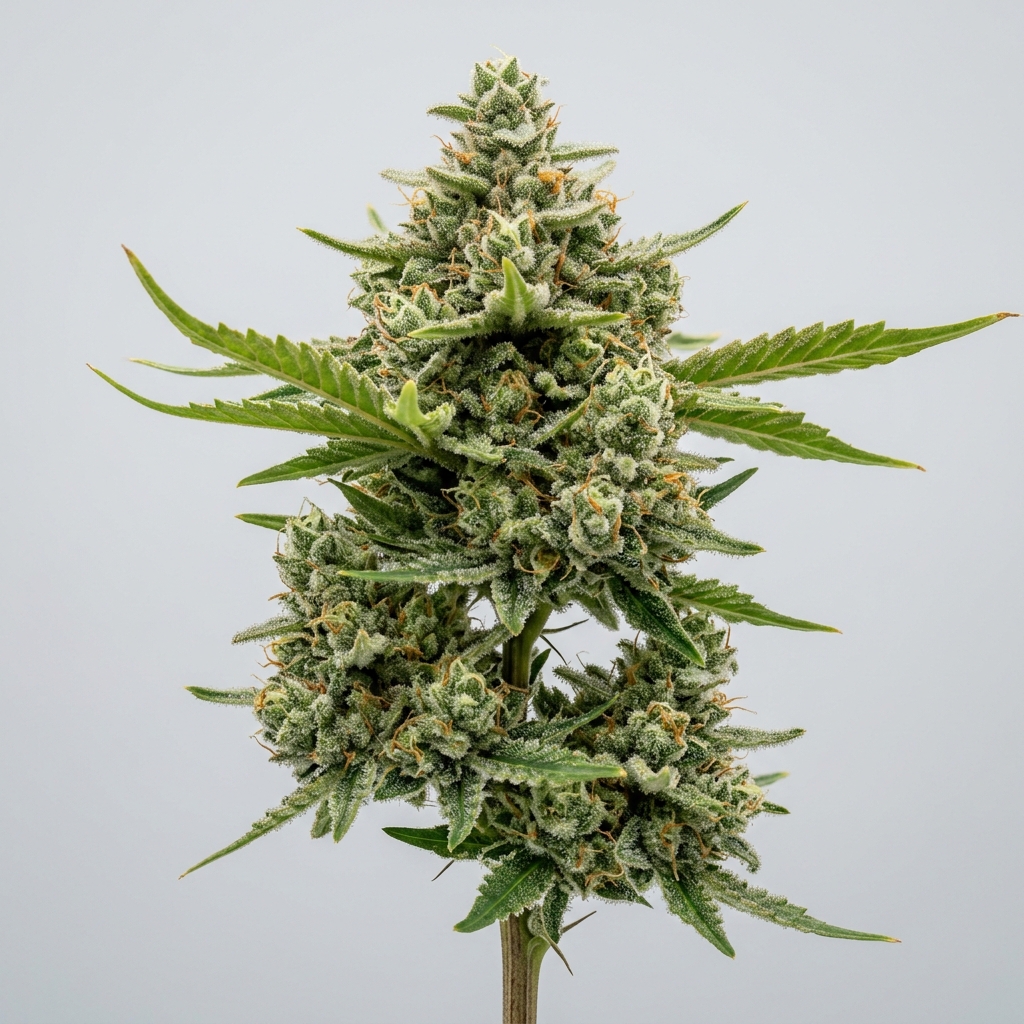
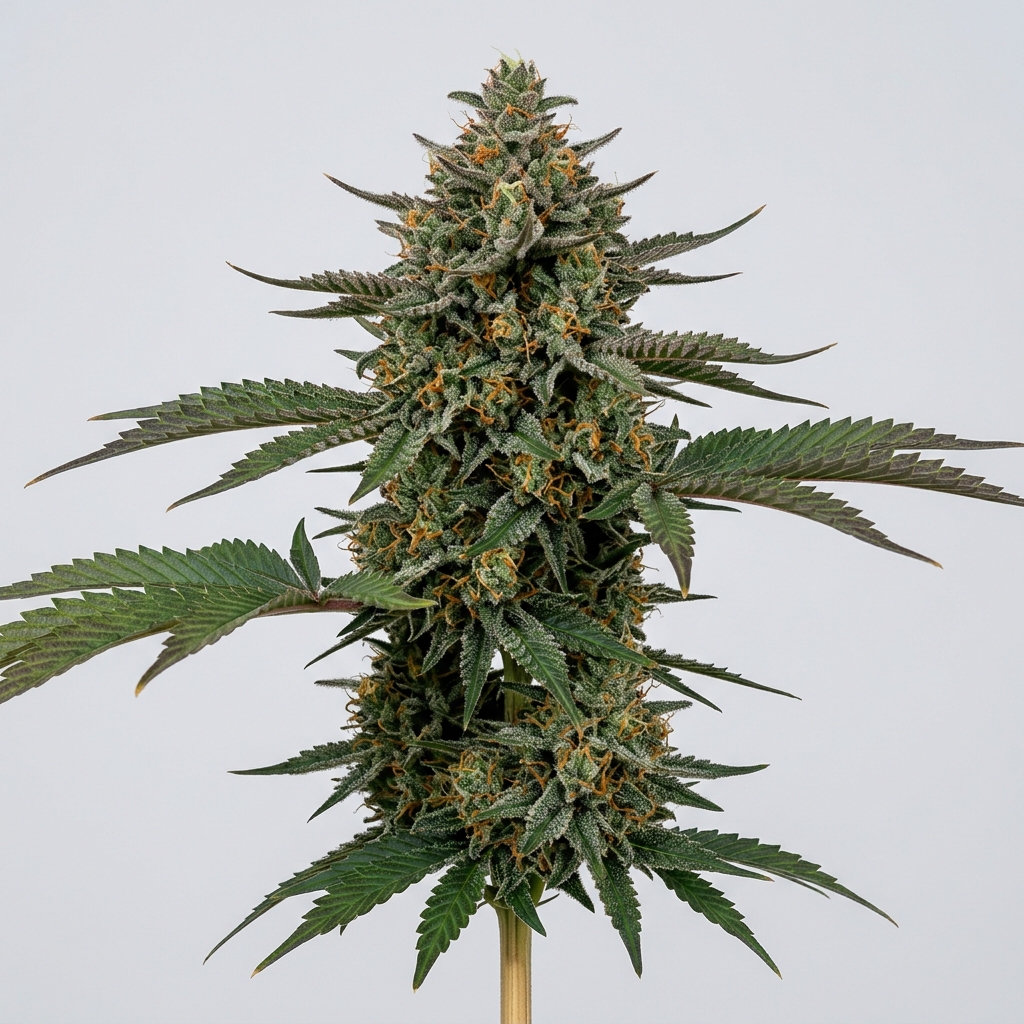
Cactus is an award-winning indica-dominant hybrid, typically testing between 18% and 22% THC, created by crossing Northern Lights with a select Afghani landrace. Known for its distinct columnar growth and spiked calyxes that mimic its desert namesake, this cultivar produces dense, resin-rich flowers with a sharp pine and organic earth profile. The plant maintains a compact, sturdy structure with minimal lateral stretching, making it a favorite among growers seeking highly manageable indoor canopies that yield heavy, resin-coated spear colas.
Originally popularized in the Pacific Northwest and celebrated at the High Times Cannabis Cup, Cactus has earned a dedicated following for its reliable physical relaxation and clean, herbal finish. Its thick layer of sticky trichomes makes it highly suitable for classic dry-sift or solventless extraction.
Quick Facts
| Field | Details |
|---|---|
| Genetics | Northern Lights × Afghani |
| Variety | Indica-dominant Hybrid |
| THC Range | 18% – 22% |
| Flowering Time | 8 – 9 Weeks |
| Yield Potential | Moderate to High |
| Plant Height | Short to Medium |
| Climate Preference | Temperate, low late-flower humidity |
| Difficulty | Moderate |
Scientific & Botanical Overview
Botanically, Cactus shows classic indica morphology, characterized by broad fan leaves, thick woody stems, and short internodal spacing. The cultivar earned its name from its unique floral structure, where swollen calyxes stack vertically into dense, spiked clusters that resist bowing under their own weight.
The bract-to-leaf ratio is high, allowing for efficient airflow through the dense colas despite the tight spacing of the nodes. During late bloom, the fan leaves often transition to deep forest green or subtle plum hues if exposed to cooler nighttime temperatures.
Resin production is concentrated and glassy, with capitate-stalked trichomes tightly packing the exterior of the buds. This heavy resin coverage serves as a natural barrier, though the sheer density of the mature colas requires careful environmental monitoring during the final weeks of flowering.
Effects & Use-Cases (Reported)
Commonly reported effects: Users typically describe a heavy, grounding physical relaxation accompanied by a calm, clear-headed mental state. The onset is gradual, settling into the limbs without immediate sedation, though higher consumption levels tend to encourage deep rest.
Use-case context: This cultivar is best suited for evening or late-afternoon use when physical unwinding is the primary goal. Its relaxing qualities make it a popular choice for quiet activities, listening to music, or transitioning into a restful night’s sleep.
Note: Individual tolerance and dosage significantly influence the physical intensity of the experience.
Aroma & Flavors
Aroma: The initial nose is dominated by fresh pine needles, damp soil, and a sharp, herbal undertone. Breaking the buds releases a deeper layer of sweet citrus and a subtle, skunky fuel note.
Flavor: On the palate, the smoke is thick and smooth, carrying a distinct flavor of organic earth and woody pine, followed by a clean, slightly sweet herbal finish.
Terpene associations: Lab analyses frequently associate this profile with high concentrations of myrcene, pinene, and caryophyllene.
Tested Cannabinoid & Terpene Ranges
| Compound | Tested Range |
|---|---|
| Δ9-THC | 18.0% – 22.0% |
| CBD | < 1.0% |
| CBG | 0.5% – 1.2% |
| Myrcene | 0.4% – 0.8% |
| Pinene | 0.2% – 0.5% |
| Caryophyllene | 0.2% – 0.4% |
Cannabinoid and terpene levels are highly variable and depend on specific phenotype, environmental conditions, and cultivation practices.
Cultivation Notes
- Humidity Control: Maintain relative humidity (RH) below 45% during the final three weeks of flower to prevent moisture retention within the dense, spiked colas.
- Nutrient Regimen: Cactus responds well to moderate nitrogen levels during vegetative growth, requiring an increase in phosphorus and potassium as the vertical calyx stacking begins.
- Training Techniques: While the plant naturally grows in a single dominant column, light lollipoping of the lower third improves airflow and directs energy to the upper spear colas.
- Harvest Window: Look for amber trichome development on the calyxes rather than the sugar leaves; typically, a 55-to-63-day window yields the most balanced resin profile.
- Phenotype Management: Select for phenotypes that show the characteristic spiked calyx structure and minimal lateral branching to maximize space efficiency in sea-of-green (SOG) setups.
Grower Notes (Week-by-Week Snapshot)
- Weeks 1–3 (Transition & Early Bloom): The plant undergoes a controlled stretch, usually doubling in height. Focus on selective defoliation of broad fan leaves blocking lower light sites.
- Weeks 4–6 (Mid-Flower Calyx Stacking): Spiked calyxes begin to cluster tightly along the main stem. Resin glands emerge early, giving the young buds a wet, glassy appearance. Ensure steady airflow.
- Weeks 7–9 (Late-Flower Ripening): Colas swell and harden into dense, cactus-like structures. Reduce nighttime temperatures to encourage terpene preservation and potential dark color expressions.
- Post-Harvest (Dry & Cure): Implement a slow 10-to-14-day dry at 60°F (15°C) and 60% relative humidity. A minimum three-week jar cure is recommended to bring out the sweet pine and earth undertones.
Genetic Lineage
The genetic foundation of Cactus rests on two of the most influential building blocks in modern cannabis breeding: Northern Lights and a robust Afghani landrace. This combination preserves the compact stature, fast flowering times, and heavy resin output characteristic of high-altitude indica varieties.
While some regional variations or clone-only cuts exist, the most widely recognized award-winning iteration was refined in Canada’s Pacific Northwest. Breeders selected specifically for the unique columnar growth pattern and spiked floral structure, setting it apart from standard Kush or Northern Lights phenotypes.
Research Insights
Scientific interest in cultivars like Cactus often centers on the interaction between high concentrations of pinene and myrcene. Pinene is frequently studied for its potential to modulate the cognitive dampening sometimes associated with high-THC indica varieties, contributing to the clear-headed physical relaxation reported by users.
Additionally, the dense bract structure and heavy resin production make this cultivar a subject of study for mechanical extraction efficiency. The outer trichome heads detach easily during dry-sifting, highlighting the genetic value of traditional landrace Afghani lineage in modern hash-making applications.
Frequently Asked Questions
Is Cactus hard to grow?
Cactus is considered moderately easy to grow due to its compact size and predictable growth pattern. However, growers must closely monitor late-flower humidity because its dense bud structure can be susceptible to moisture issues.
What does Cactus taste like?
The flavor profile is deeply classic, featuring dominant notes of woody pine and organic earth, complemented by a clean, sweet herbal finish on the exhale.
Why is it called Cactus?
The strain is named for its distinctive physical appearance, as the swollen calyxes stack in dense, spiked clusters that resemble the pads or columns of a cactus.
What are the main effects of Cactus?
It is best known for delivering a grounding physical relaxation paired with a calm, clear-headed mental state, making it ideal for evening wind-downs.
Educational Disclaimer
This article is for educational and informational purposes only. Cannabis laws and regulations vary by jurisdiction. Consult with a qualified professional before undertaking any cultivation or consumption practices.
Rate and review this strain
Ratings and reviews are accepted only from signed-in Google accounts.
Sign in with Google to leave a rating and written review.
Latest Reviews
0 reviewsNo reviews yet. Be the first Google user to rate and review this strain.