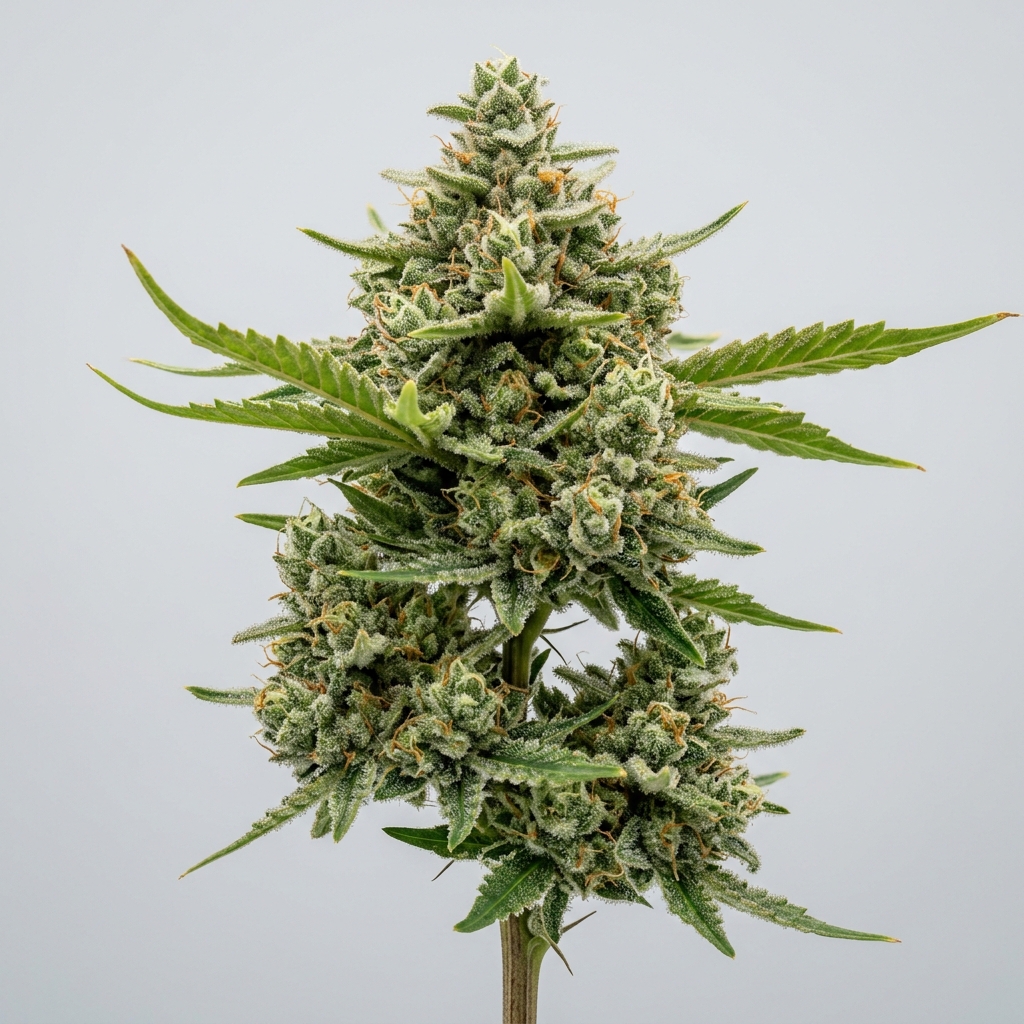
Buddha’s Sister (Cannabis Strain)
Buddha’s Sister is an indica-dominant cultivar testing between 18% and 23% THC, bred by Soma Seeds by crossing Reclining Buddha with Afghan-Hawaiian. It is recognized for its greasy resin production, tart cherry aroma with a dark berry edge, and a bushy, lateral growth habit that lends itself well to extraction. Formerly known as Soma Skunk V+, this variety has maintained a steady presence among growers who value physical ease paired with mental clarity.
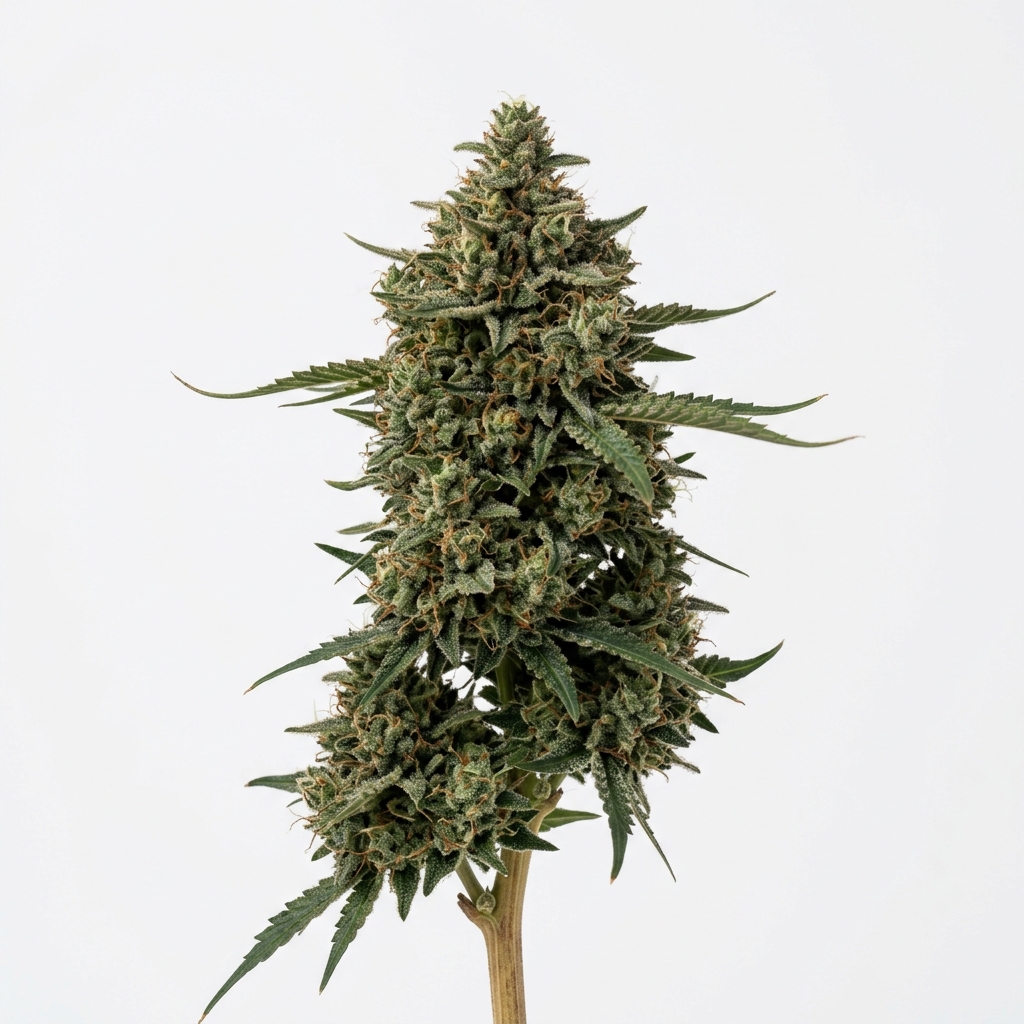
The variety delivers a functional, calming physical ease without heavy sedation. Cultivators prize it for its swollen calyxes, natural resistance to powdery mildew, and reliable performance in indoor setups. The finished buds are dense and sticky, showing off a thick coat of glassy trichomes that make it highly suitable for solventless extraction.
Quick Facts
| Metric | Details |
|---|---|
| Genetics | Reclining Buddha × Afghan-Hawaiian |
| Variety | Indica-dominant Hybrid (80/20) |
| THC Range | 18% – 23% |
| Flowering Time | 9 – 10 Weeks (63 – 70 Days) |
| Yield Potential | Moderate to High |
| Plant Height | Medium, bushy lateral stretch |
| Climate Preference | Temperate, low late-flower humidity |
| Difficulty | Moderate |
Scientific & Botanical Overview
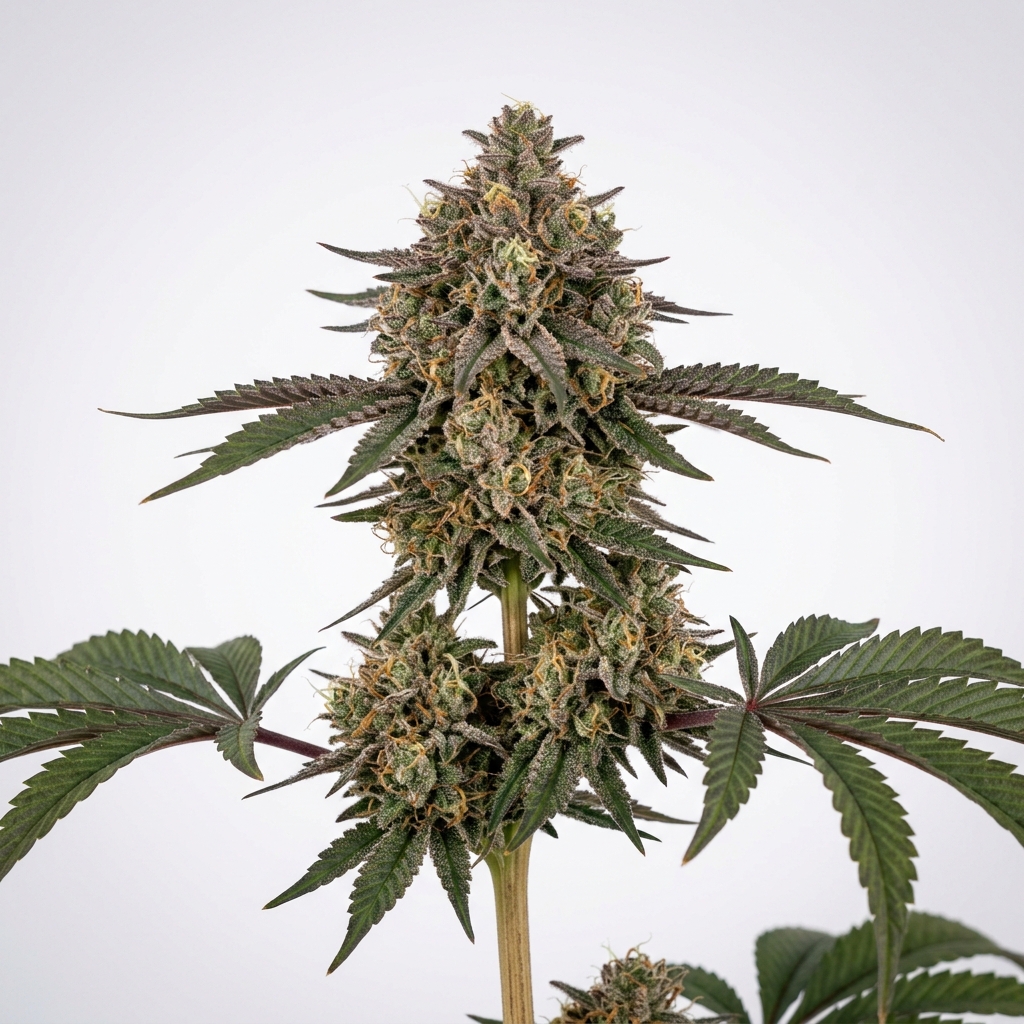
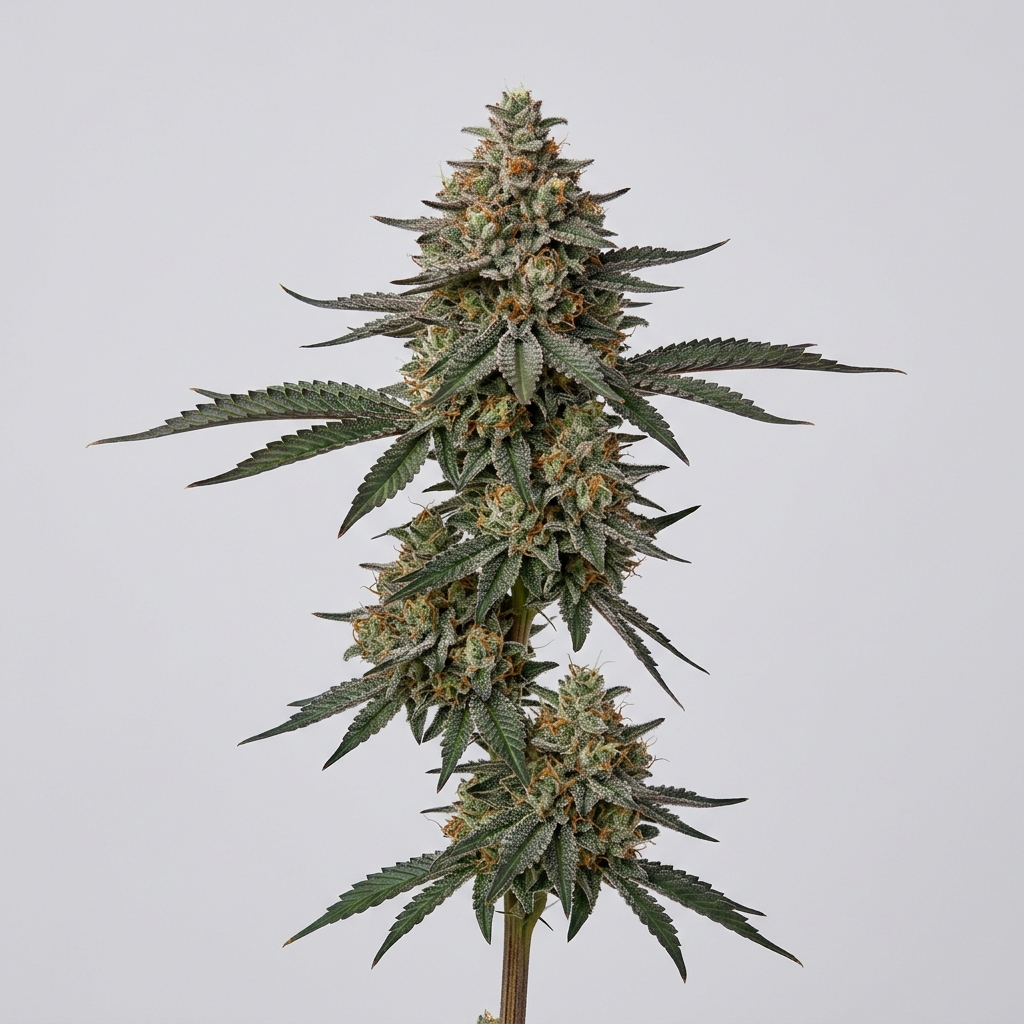
Botanically, Buddha’s Sister displays classic indica-dominant morphology, featuring broad fan leaves and tight internodal spacing. The vegetative stage requires intentional topping or training to manage its aggressive lateral branching. This wide structure allows light to penetrate the lower canopy, promoting more even bud development across secondary branches.
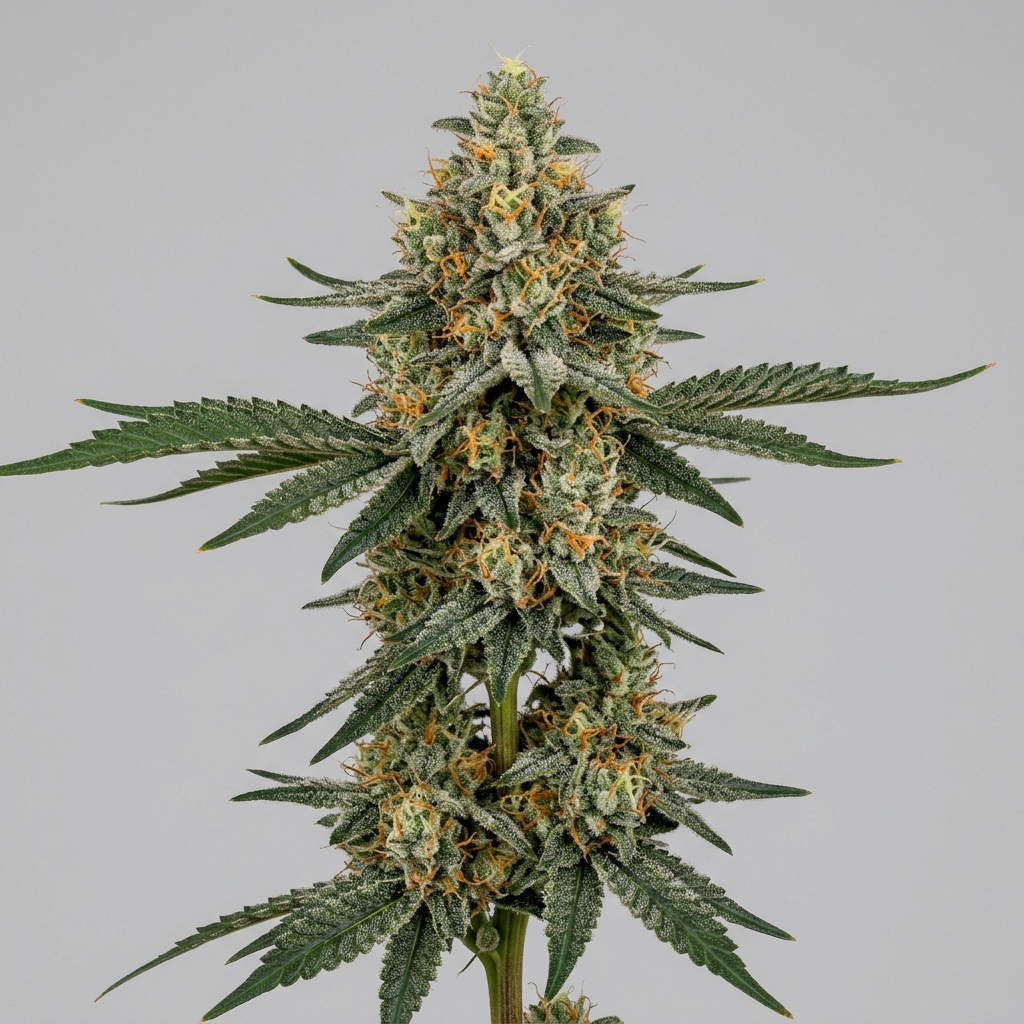
During the transition to flower, the plant shows a controlled stretch, focusing energy into dense, rounded buds rather than tall, spindly colas. The bracts and calyxes swell significantly in the final weeks, creating a bumpy, textured surface coated in greasy capitate-stalked trichomes. The resin remains viscous and wet to the touch, a characteristic inherited from its Afghan ancestry.
Its genetic lineage introduces strong natural resistance to gray mold (botrytis), making it a resilient choice for indoor gardens where humidity spikes can be a concern. However, maintaining proper airflow through the dense canopy remains essential. The plant responds well to defoliation prior to the flowering switch to prevent microclimates of high humidity within the foliage.
Effects & Use-Cases (Reported)
Commonly reported effects: A smooth, creeping physical relaxation coupled with a clear, calm mental focus. It is often described as functional and soothing rather than heavily sedating, allowing users to remain productive or conversational.
Use-case context: Well-suited for late afternoon or evening use, aiding in stress relief, creative focus, and mild physical discomfort. It is frequently selected by those who want physical ease without inducing immediate sleep or couch-lock.
Note: Individual tolerance and dosage levels will heavily influence the duration and intensity of these physical effects.
Aroma & Flavors
Aroma: A sharp blend of tart cherry, dark berry, and spicy earth, with a subtle skunk undertone that reveals itself upon grinding the dried flowers.
Flavor: Sweet tropical fruit and cherry on the inhale, leaving a lingering herbal and earthy kush base on the palate during the exhale.
Terpene associations: Rich in caryophyllene, myrcene, and limonene, which drive its complex fruity and spicy profile.
Tested Cannabinoid & Terpene Ranges
| Compound | Typical Range |
|---|---|
| Δ9-THC | 18.0% – 23.0% |
| CBD | < 1.0% |
| β-Caryophyllene | 0.3% – 0.8% |
| β-Myrcene | 0.2% – 0.6% |
| d-Limonene | 0.1% – 0.4% |
Note: Cannabinoid and terpene profiles vary depending on cultivation practices, curing methods, and specific phenotypes.
Cultivation Notes
- Humidity Management: Keep late-flower humidity below 45% to prevent moisture buildup within the dense, swollen calyx structures.
- Nutrition: Responds well to moderate feeding schedules; avoid heavy nitrogen in mid-to-late flower to preserve terpene clarity.
- Training: Multi-topping and low-stress training (LST) help maximize the yield of its strong lateral branches.
- Harvest Window: Look for amber trichomes to reach 10-15% for a more relaxing physical profile, typically around day 65.
- Phenotype Management: Some phenotypes stretch slightly more; keep an eye on canopy height during the first three weeks of flower.
Grower Notes (Week-by-Week Snapshot)
- Weeks 1–3 (Transition): Plants show a controlled stretch and begin developing lateral bud sites. Light defoliation of lower fan leaves improves airflow.
- Weeks 4–6 (Mid-Flower): Flowers begin to clump, showing early signs of greasy resin. Calyxes start to swell, and the tart cherry aroma becomes noticeable.
- Weeks 7–10 (Late Flower & Flush): Resin production peaks, giving buds a wet, glassy appearance. Flush with plain water during the final 10 days as pistils turn reddish-orange.
- Post-Harvest (Slow Dry): Maintain a 60°F (15°C) and 60% RH environment for 12 to 14 days to preserve the delicate dark berry and spicy terpene profile.
Genetic Lineage
Bred by Soma Seeds, Buddha’s Sister is a hybrid of Reclining Buddha and Afghan-Hawaiian. Reclining Buddha combines Super Skunk, Big Skunk Korean, and Jack Herer, anchoring the lineage with robust vigor, resin-rich flowers, and complex terpene potential.
The Afghan-Hawaiian male donor contributes the heavy resin production, tropical fruit notes, and a shorter, bushier frame. This combination stabilizes the offspring, resulting in a reliable, extraction-grade cultivar that performs consistently across various growing mediums.
Research Insights
Analytical testing of Buddha’s Sister highlights a high concentration of sesquiterpenes, particularly caryophyllene, which may support its reported physical soothing properties. The presence of monoterpenes like myrcene contributes to its sedative-adjacent profile, helping to anchor the high-THC content.
Breeders value this genetic combination for its structural stability and consistent resin quality. The greasy nature of the trichomes makes it highly sought after for solventless extraction processes, yielding high-quality bubble hash and rosin with excellent terpene retention.
Frequently Asked Questions
What is the flowering time of Buddha’s Sister?
Buddha’s Sister typically finishes flowering in 9 to 10 weeks (63 to 70 days) when grown indoors. Outdoor harvest usually occurs in mid-to-late October.
Is Buddha’s Sister suitable for hash making?
Yes, this cultivar is highly regarded for extraction due to its greasy, wet trichomes and swollen calyxes, which separate easily during solventless washing.
What does Buddha’s Sister smell like?
It features a complex aroma of tart cherry and dark berry mixed with spicy earth and a subtle skunk undertone.
How tall does the plant grow?
It generally reaches a medium height but develops a very bushy, lateral structure that requires training to manage canopy space.
Educational Disclaimer
This content is for educational and informational purposes only. Cannabis laws vary by jurisdiction, and cultivation should only be conducted where legally permitted.
Rate and review this strain
Ratings and reviews are accepted only from signed-in Google accounts.
Sign in with Google to leave a rating and written review.
Latest Reviews
0 reviewsNo reviews yet. Be the first Google user to rate and review this strain.