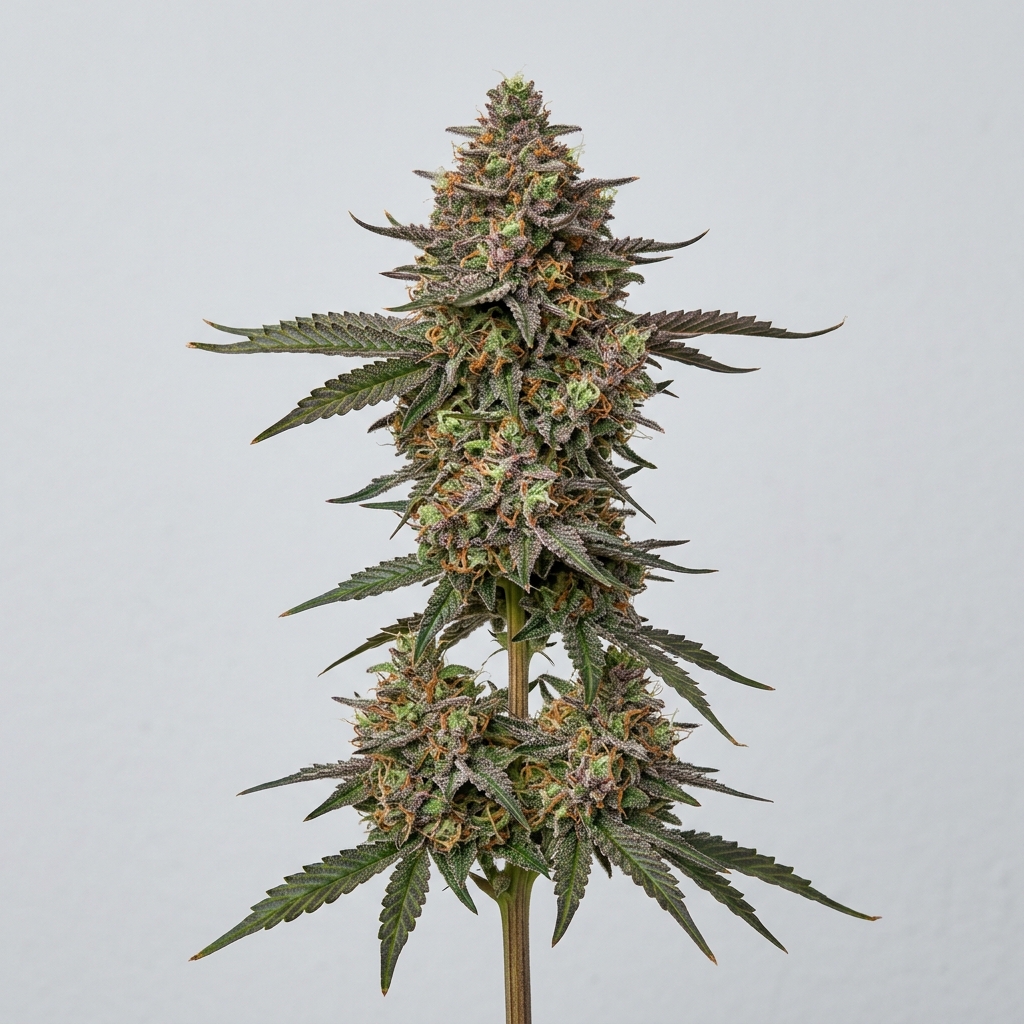
Cabbage Patch (Cannabis Strain)
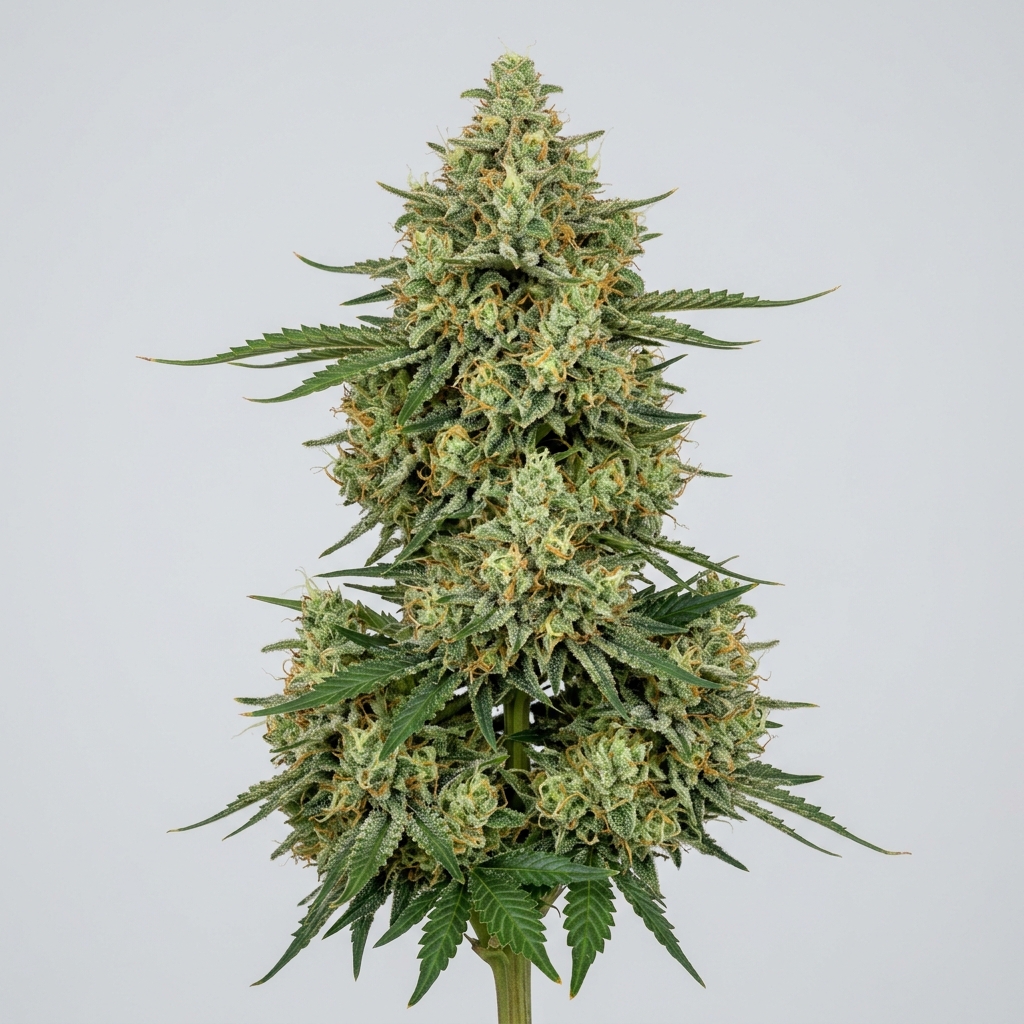
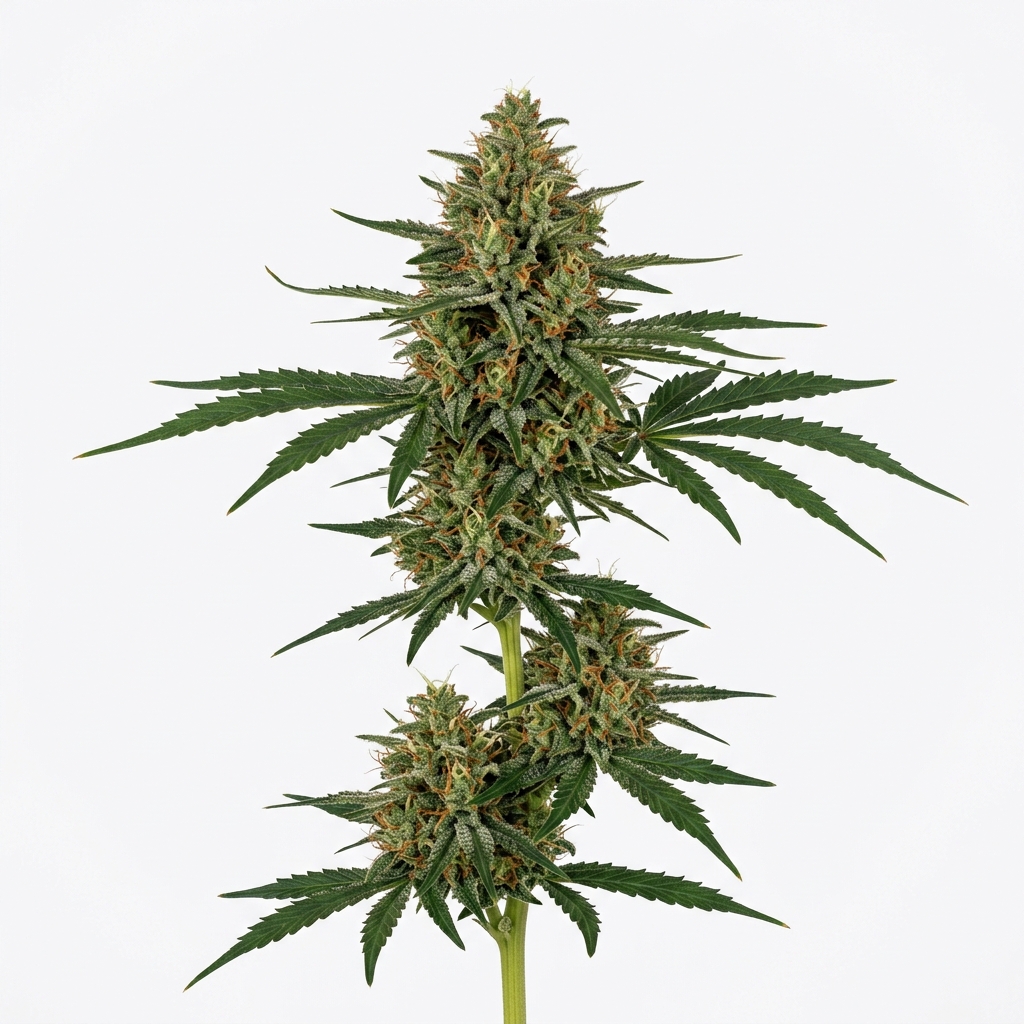
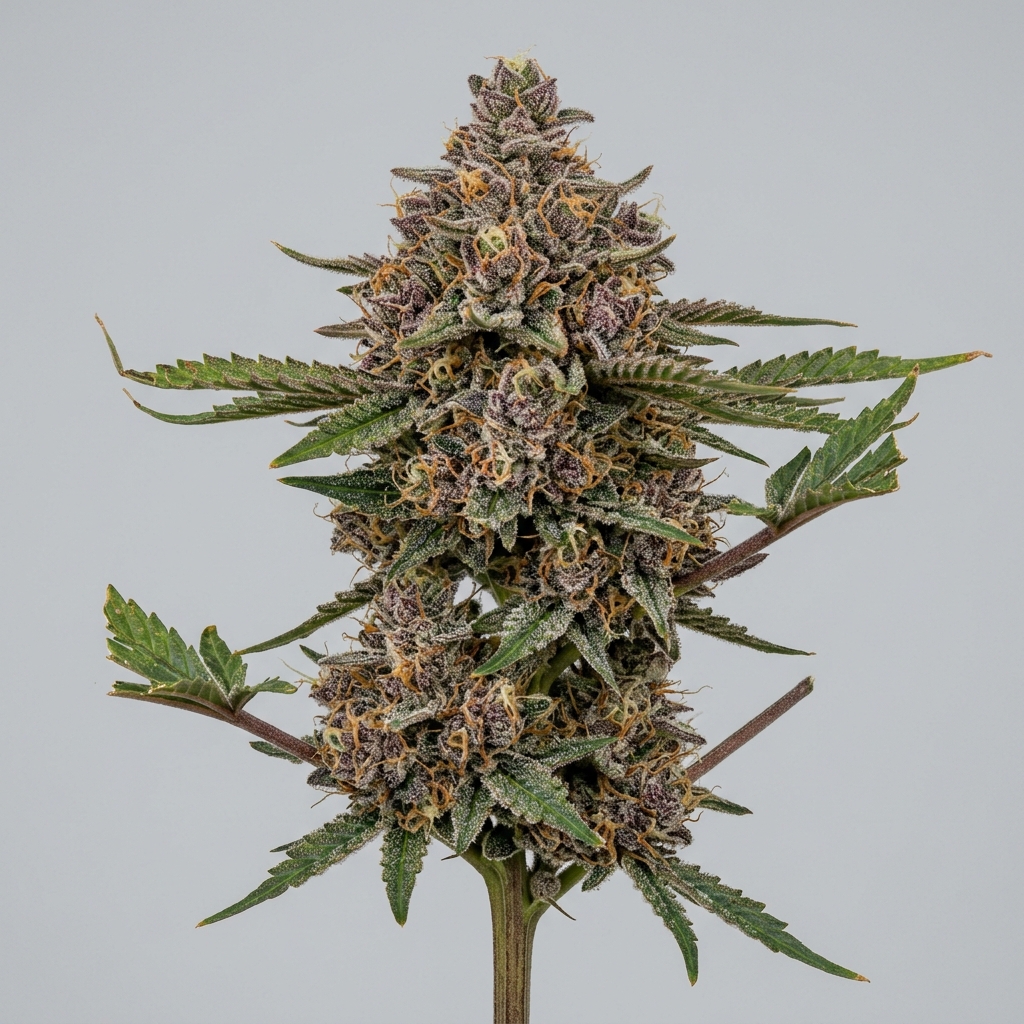
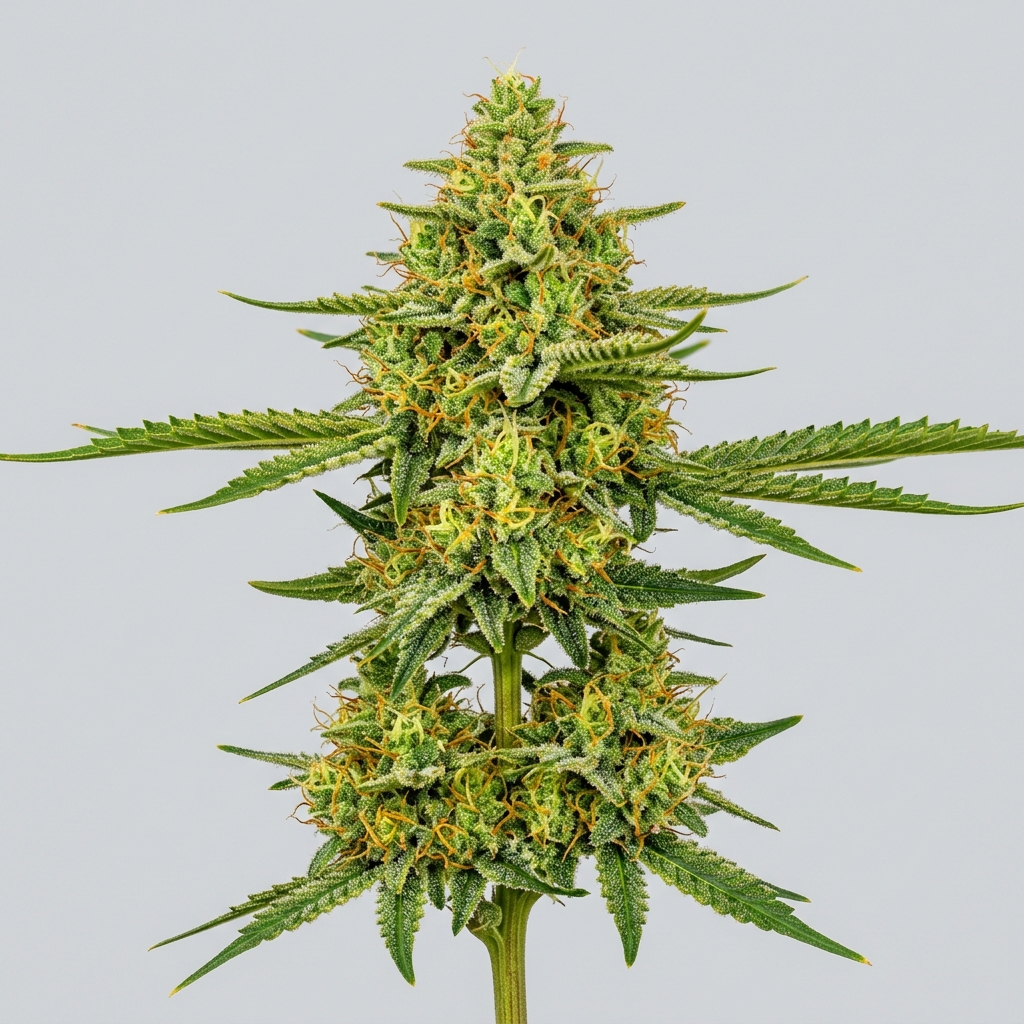
Cabbage Patch is a sativa-dominant hybrid, commonly reported as a select cross of Cherry Pie and Durban Poison, known for its bright, resin-rich flowers and sweet berry profile. Typically testing between 18% and 24% THC, this cultivar yields glassy buds decorated with deep purple hues and dense orange pistils. It shows a controlled stretch during early flower, developing spear colas that carry a heavy coating of wet frost. Cultivators appreciate its structural stability and reliable performance under standard indoor conditions, making it a staple for those seeking a balanced, fruit-forward profile with a clean, functional finish.
The strain owes its name to its unique visual presentation and sweet, slightly herbal aroma that evokes fresh garden notes mixed with dark cherry undertones. While its physical traits lean toward its indica ancestry with compact, swollen calyxes, its growth patterns and uplifting effects reflect its strong sativa heritage. This makes Cabbage Patch highly regarded by both boutique growers and extraction artists who value its clean terpene clarity.
Quick Facts
| Field | Details |
|---|---|
| Genetics | Cherry Pie × Durban Poison |
| Variety | Sativa-dominant Hybrid |
| THC Range | 18% – 24% |
| Flowering Time | 8 – 9 Weeks |
| Yield Potential | Moderate to High |
| Plant Height | Medium |
| Climate Preference | Temperate to Warm |
| Difficulty | Moderate |
Scientific & Botanical Overview
Botanically, Cabbage Patch displays a robust hybrid morphology, characterized by broad fan leaves that gradually narrow as the plant transitions into the generative phase. The internodal spacing remains relatively tight, allowing for dense cluster formations along the lateral branches. Under cooler night temperatures, the plant readily expresses anthocyanins, shifting from deep forest green to rich shades of violet and purple.
The bract-to-leaf ratio is highly favorable, simplifying the post-harvest trimming process. Its glandular trichomes are primarily capitate-stalked, producing a greasy resin that seals in volatile monoterpenes during the drying phase. This dense resin layer acts as a natural barrier, helping the flowers retain their structural integrity and moisture levels during a slow cure.
The plant’s root system is notably aggressive, demanding well-aerated media to support its high metabolic rate during peak flowering weeks. It responds well to organic soil mixtures and coco coir, where nutrient uptake can be finely tuned to prevent early nitrogen toxicity.
Effects & Use-Cases (Reported)
Commonly reported effects: These include a clear, uplifting mental stimulation paired with a soft, relaxing physical anchor that does not induce heavy sedation. Users often note an immediate sense of focus and creative energy, which gradually settles into a calm, steady physical ease.
Use-case context: This balanced profile makes Cabbage Patch well-suited for daytime activities, social gatherings, or creative projects where mental clarity is essential. The lack of a heavy physical crash allows it to integrate seamlessly into afternoon routines or active outdoor sessions.
Note: Individual tolerance and chemistry vary; higher doses may shift the experience toward a more pronounced physical relaxation.
Aroma & Flavors
Aroma: The initial nose is dominated by sweet cherry and dark berry notes, backed by an earthy, slightly doughy undertone with a hint of fresh pine.
Flavor: On the palate, it delivers a smooth blend of sweet pastry and tart grape, leaving a clean, herbal mint finish on the exhale.
Terpene associations: The sensory profile is primarily driven by myrcene, caryophyllene, and limonene, which together create its characteristic fruit-and-gas balance.
Tested Cannabinoid & Terpene Ranges
| Compound | Tested Range |
|---|---|
| Δ9-THC | 18.0% – 24.0% |
| CBD | < 1.0% |
| Myrcene | 0.4% – 0.8% |
| Caryophyllene | 0.3% – 0.6% |
| Limonene | 0.2% – 0.5% |
Note: Cannabinoid and terpene levels are highly phenotype-dependent and subject to specific cultivation and curing practices.
Cultivation Notes
- Humidity Control: Maintain relative humidity (RH) around 55-60% during vegetative growth, reducing to 40-45% in late flower to protect the dense spear colas from mold.
- Nutrient Regimen: Feed moderately; the cultivar is sensitive to heavy nitrogen in early flower, which can cause leaf curling and delay bud development.
- Training Techniques: use Low-Stress Training (LST) and topping early to encourage lateral branching and maximize light penetration to lower nodes.
- Defoliation: Perform a thorough cleanup of the lower third of the canopy during week 3 of flower to improve airflow and direct energy to the upper canopy.
- Harvest Window: Look for a 70/30 mix of milky to amber trichomes, typically occurring around day 60 of flowering for the optimal balance of flavor and potency.
Grower Notes (Week-by-Week Snapshot)
- Weeks 1–3 (Transition & Stretch): Expect a moderate stretch of about 50-80% once the light cycle is flipped. Focus on establishing a clean canopy line and apply light defoliation to improve air circulation.
- Weeks 4–6 (Mid-Flower & Resin Development): Flower clusters begin to stack rapidly, and the first signs of wet frost appear on the sugar leaves. Keep phosphorus and potassium levels steady as the calyxes start to swell.
- Weeks 7–9 (Late Flower & Ripening): Introduce cooler night temperatures (around 62-65°F) to stimulate the expression of deep purple hues. Flush with plain water during the final 10 days to ensure a clean, smooth-burning end product.
- Post-Harvest (Dry & Cure): Hang whole plants at 60°F and 60% RH for 11 to 14 days. Transfer to airtight glass jars for a minimum of three weeks to fully lock in the sweet berry and earth terpenes.
Genetic Lineage
Cabbage Patch is widely recognized as a hybrid bred from Cherry Pie and Durban Poison. This combination unites the sweet, pastry-like qualities of the Granddaddy Purple and Durban Poison cross (Cherry Pie) with the sharp, energetic sativa drive of the pure South African landrace (Durban Poison). The result is a plant that retains the dense, resin-coated structure of its indica-leaning ancestors while inheriting the soaring, clear-headed qualities of its sativa lineage.
This genetic synergy ensures a highly stable phenotype that shows minimal variation when grown from stable clones. While some phenotypes may lean slightly more toward the tart, cherry-heavy side of its lineage, the overall growth habits and structural resilience remain consistent across different cultivation setups.
Research Insights
Analytical testing of Cabbage Patch highlights a robust concentration of monoterpenes, specifically myrcene and limonene, working alongside sesquiterpenes like caryophyllene. This specific distribution supports a balanced interaction with the plant’s cannabinoid profile, helping to temper the potential anxiety sometimes associated with pure sativa varieties. The presence of caryophyllene also contributes to a smoother inhalation experience by interacting directly with peripheral receptors.
From a breeding perspective, the cultivar is highly valued for its stable resin production and distinct purple coloration, which are easily passed down to offspring. Researchers and commercial breeders frequently look to its genetic backbone to introduce sweet, dessert-like aromatics into lines that require a boost in overall structural stability and resin density.
Frequently Asked Questions
Is Cabbage Patch an indica or sativa?
Cabbage Patch is a sativa-dominant hybrid, though it shows a balanced growth structure with dense, resinous buds that resemble classic indica varieties.
What does Cabbage Patch smell like?
It features a sweet, fruit-forward aroma of fresh cherries and dark berries, supported by a subtle earthy undertone and a hint of herbal pine.
How long does Cabbage Patch take to flower?
The flowering time for Cabbage Patch is typically between 8 and 9 weeks when grown indoors, with outdoor harvests usually falling in early October.
Is Cabbage Patch difficult to grow?
It is considered a moderate strain to cultivate. It requires basic canopy management, such as topping and defoliation, and careful humidity control during the late flowering weeks to prevent moisture buildup in its dense colas.
Educational Disclaimer
This content is for educational and informational purposes only. Cultivation and consumption of cannabis are subject to local laws and regulations. Consult with a qualified professional before beginning any new agricultural practices or consuming cannabis products.
Rate and review this strain
Ratings and reviews are accepted only from signed-in Google accounts.
Sign in with Google to leave a rating and written review.
Latest Reviews
0 reviewsNo reviews yet. Be the first Google user to rate and review this strain.