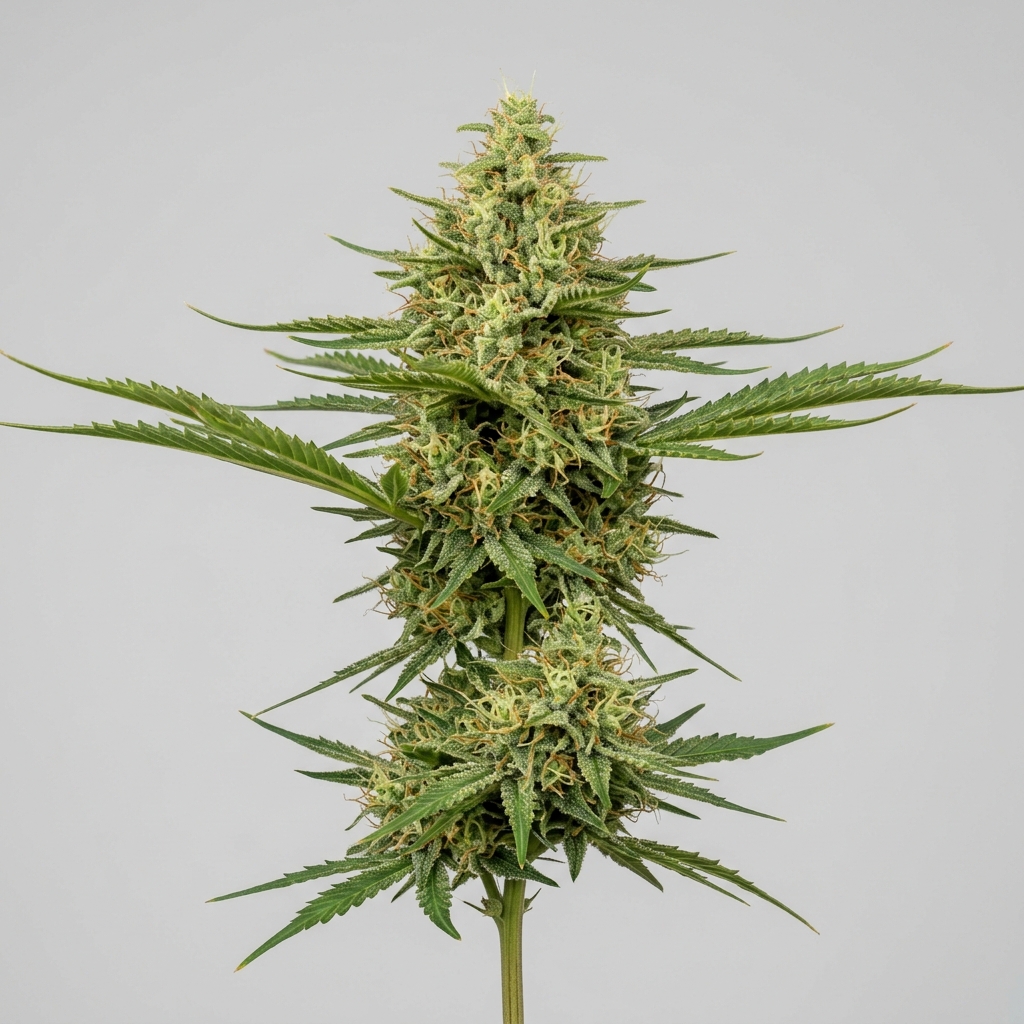
Casey Jones (Cannabis Strain)
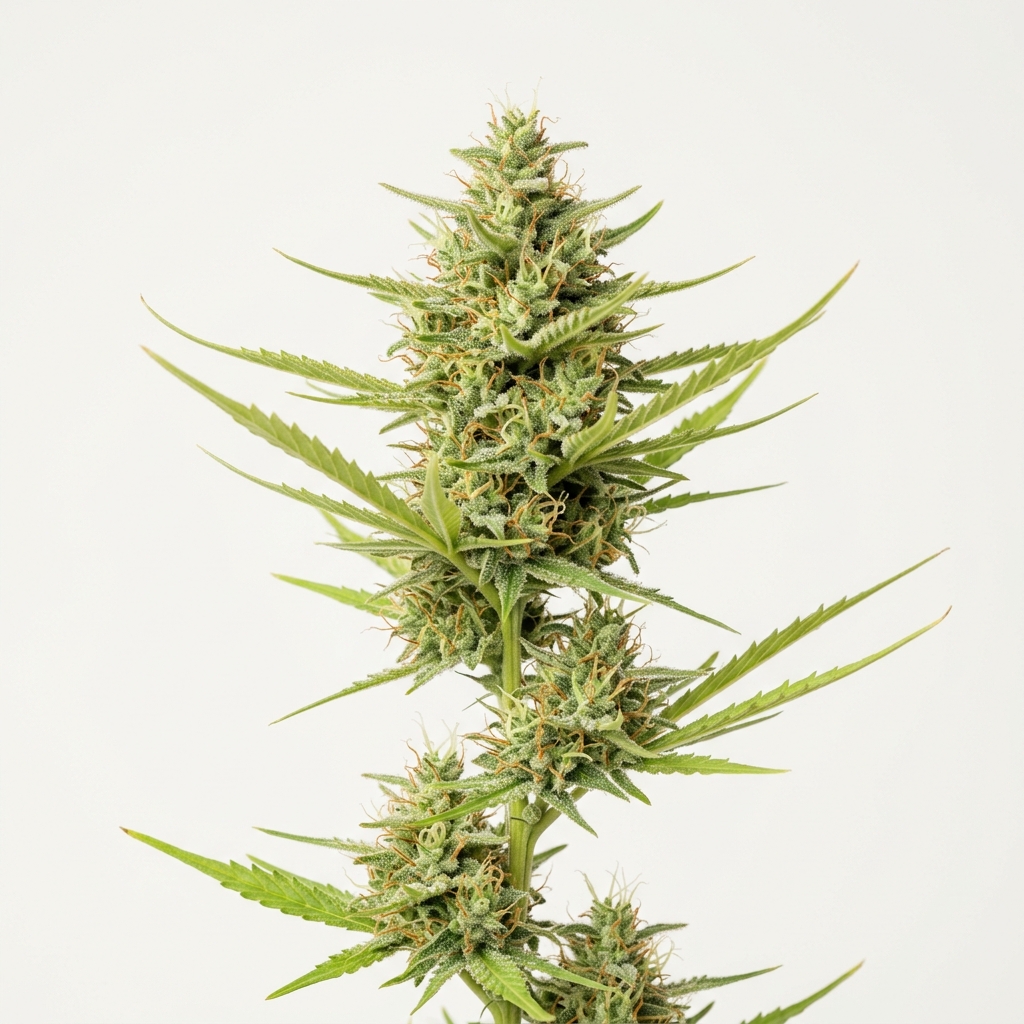
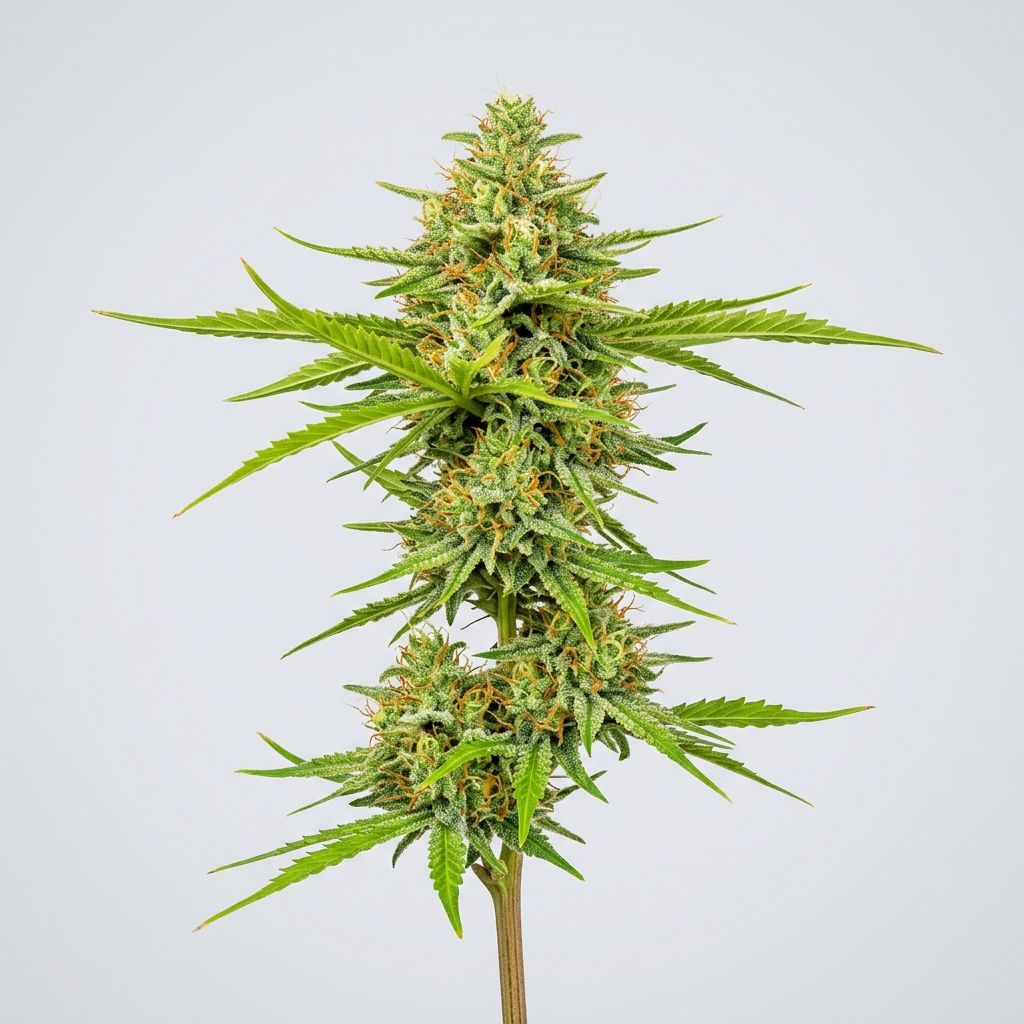
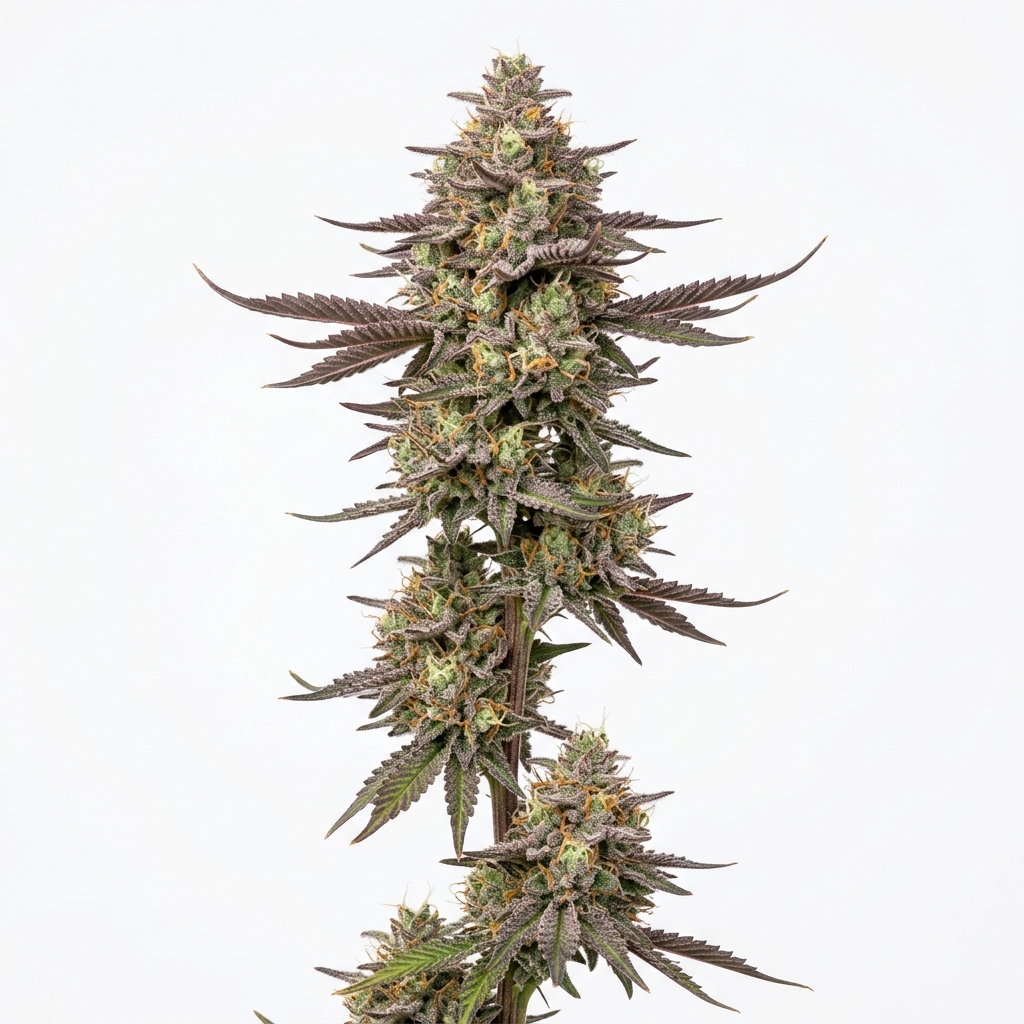
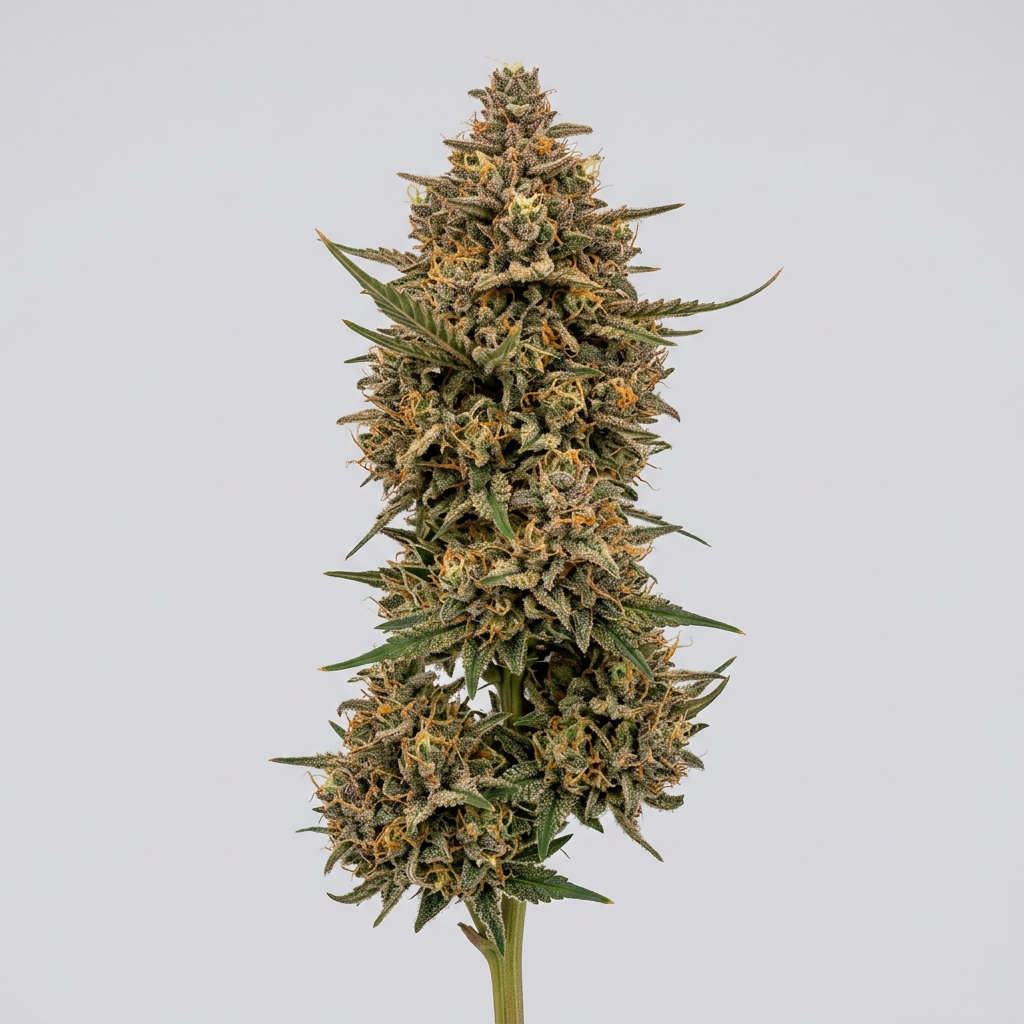
Casey Jones is a classic Sativa-dominant hybrid, typically testing between 18% and 24% THC, created by crossing Trainwreck, Sour Diesel, and a select Thai landrace. Known for its rapid, vigorous growth and massive, resin-rich spear colas, this cultivar delivers a sharp citrus lift backed by an earthy, fuel-forward diesel undertone. Its open branch structure and heavy yields make it a favorite among experienced growers who appreciate old-school sativa genetics that finish within a reasonable indoor flowering window.
Named after the legendary train engineer, the strain is celebrated for its fast-acting, clean daytime profile. The flowers develop swollen calyxes and a greasy resin layer that appeals to traditional extraction artists and flower purists alike.
Quick Facts
| Field | Details |
|---|---|
| Genetics | Trainwreck × Sour Diesel × Thai |
| Variety | Sativa-dominant Hybrid |
| THC Range | 18% – 24% |
| Flowering Time | 8 – 10 Weeks (56 – 70 Days) |
| Yield Potential | High |
| Plant Height | Tall (significant stretch) |
| Climate Preference | Warm, dry temperate climates |
| Difficulty | Moderate |
Scientific & Botanical Overview
Casey Jones displays strong sativa morphology, characterized by thin-bladed fan leaves, wide internodal spacing, and a rapid vegetative growth rate. The plant inherits its structural vigor from its Thai and Trainwreck ancestry, requiring proactive height management when grown indoors.
During the early flowering stage, the cultivar undergoes a significant stretch, often doubling or tripling in height. It develops long, spear-shaped colas with dense bracts and moderately swollen calyxes that resist mold better than denser indica varieties due to its open airflow structure.
Resin production is steady throughout the mid-to-late bloom cycle, coating the buds in a slick, greasy layer of trichomes rather than a dry, sandy frost. The stems are relatively thin for the weight they carry, necessitating early structural support to prevent late-stage bending.
Effects & Use-Cases (Reported)
Commonly reported effects: Users typically describe a rapid, clear-headed cerebral lift that promotes alertness and physical energy without heavy physical sedation. The onset is clean and functional, making it highly regarded for creative tasks and daytime focus.
Use-case context: This cultivar is best suited for morning or mid-afternoon use, providing a sustained sensory lift. It is frequently chosen by those seeking to maintain productivity while managing daily stress or physical fatigue.
Note: Due to its strong sativa lineage and fast-acting onset, individuals sensitive to stimulating cultivars should approach Casey Jones with caution to avoid mild restlessness.
Aroma & Flavors
Aroma: The primary aroma is a pungent mix of sour fuel, sharp citrus, and damp earth, heavily influenced by its Sour Diesel parentage. A subtle, sweet herbal undertone becomes more apparent as the buds are broken apart.
Flavor: On the palate, the strain offers a robust, earthy gas flavor complemented by a tart lemon-lime citrus note on the exhale. A dry, woody spice reminiscent of its Thai heritage lingers on the finish.
Terpene associations: The aromatic profile is dominated by terpinolene, myrcene, and caryophyllene, which combine to create its signature sweet, fuel, and spicy character.
Tested Cannabinoid & Terpene Ranges
| Compound | Typical Range |
|---|---|
| Δ9-THC | 18.0% – 24.0% |
| CBD | < 1.0% |
| Terpinolene | 0.4% – 1.2% |
| Myrcene | 0.3% – 0.8% |
| Caryophyllene | 0.2% – 0.6% |
Note: Cannabinoid and terpene profiles are highly variable and depend on specific phenotypes, cultivation environments, and curing techniques.
Cultivation Notes
- Humidity control: Maintain relative humidity (RH) around 50% during early flower, dropping to 40%–45% in the final weeks to protect the large, dense colas from moisture retention.
- Nutrient management: This cultivar is a heavy feeder, requiring steady nitrogen during its vigorous vegetative stage and high potassium during mid-bloom.
- Training techniques: Implement topping and low-stress training (LST) early in veg to manage the canopy height and encourage lateral branching.
- Support structures: Install double-tier trellising or stakes early in the flowering cycle to support the heavy, elongated spear colas as they swell.
- Phenotype management: Keep an eye out for high-stretch phenotypes that may require super-cropping or aggressive bending to prevent light burn in indoor setups.
Grower Notes (Week-by-Week Snapshot)
- Weeks 1–3 (The Stretch): The transition to flower triggers an aggressive stretch. Ensure plants are well-spaced and apply light defoliation at the end of week three to improve light penetration to lower nodes.
- Weeks 4–6 (Bud Formation): Elongated, white-haired pistils form rapidly, shaping into the distinctive spear colas. Resin production begins to coat the calyxes, and the sharp diesel aroma starts to intensify.
- Weeks 7–9 (Swelling & Ripening): Calyxes swell and the pistils turn amber. Monitor trichome maturity closely; most phenotypes are ready for harvest between days 56 and 65 when trichomes are mostly milky with a touch of amber.
- Post-Harvest (Cure): A slow, 10-to-14-day dry at 60°F (15°C) and 60% RH preserves the delicate terpinolene and volatile monoterpenes, preventing the grassy smell and locking in the sour fuel profile.
Genetic Lineage
Casey Jones is a carefully constructed three-way hybrid that traces its origins back to legendary underground breeding circles. The backbone of the strain is a cross between Trainwreck and Sour Diesel, which was subsequently pollinated by a select Thai male. This combination successfully tempers the wild, long-flowering tendencies of the Thai landrace while preserving its soaring, energetic high.
The resulting offspring showcases the best traits of its ancestors: the massive yield and bud structure of Trainwreck, the pungent, fuel-heavy terpene profile of Sour Diesel, and the clean, clear-headed stimulation of the Thai sativa. It remains a staple representative of mid-2000s elite sativa breeding.
Research Insights
From a phytochemical standpoint, the prominence of terpinolene as a dominant terpene in Casey Jones is of particular interest to researchers studying sativa-type cultivars. Unlike myrcene-dominant hybrids that tend to produce sedating effects, terpinolene-rich profiles are often associated with uplifting, energetic, and clear-headed subjective experiences, especially when balanced by moderate levels of caryophyllene.
The genetic stability of the strain has also made it a valuable tool for breeders looking to inject vigor, yield, and a sour-citrus flavor profile into modern, highly inbred dessert strains. Its resilient physical structure and resistance to common environmental stressors continue to be studied for commercial cultivation optimization.
Frequently Asked Questions
Is Casey Jones a pure Sativa?
No, Casey Jones is a Sativa-dominant hybrid. While its growth habits, stretch, and cerebral effects lean heavily Sativa, its lineage includes Indica-leaning elements from its Sour Diesel and Trainwreck ancestry, which contribute to its dense bud structure and relatively manageable flowering time.
How much does Casey Jones stretch during flowering?
Casey Jones is known for a significant stretch during the first three weeks of flowering. Indoor growers should expect the plants to double or even triple in height, making early training, topping, or trellising essential for canopy management.
What does Casey Jones smell like?
The strain has a complex, pungent aroma dominated by sour fuel, sharp citrus, and earthy undertones. When broken open, the buds release a sweet, herbal, and slightly spicy scent inherited from its Thai lineage.
Is Casey Jones difficult to grow?
Casey Jones is rated as moderate to grow. Its vigorous vegetative growth and high yield potential are forgiving for intermediate growers, but managing its height, heavy nutrient requirements, and supporting its large colas requires active attention.
Educational Disclaimer
This article is for educational and informational purposes only. Cannabis cultivation and consumption are subject to local laws and regulations. Consult with horticultural experts and medical professionals before embarking on cultivation or use.
Rate and review this strain
Ratings and reviews are accepted only from signed-in Google accounts.
Sign in with Google to leave a rating and written review.
Latest Reviews
0 reviewsNo reviews yet. Be the first Google user to rate and review this strain.