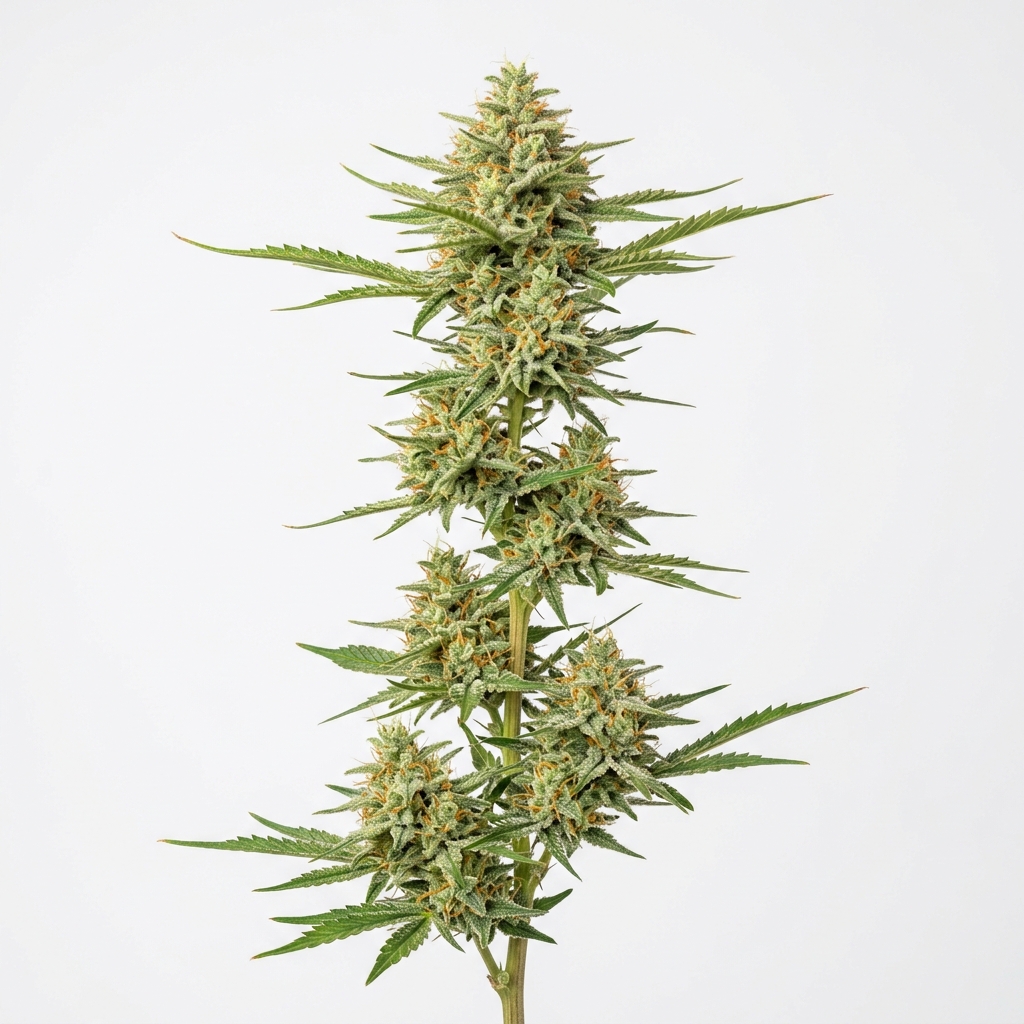
C13 Haze (Cannabis Strain)
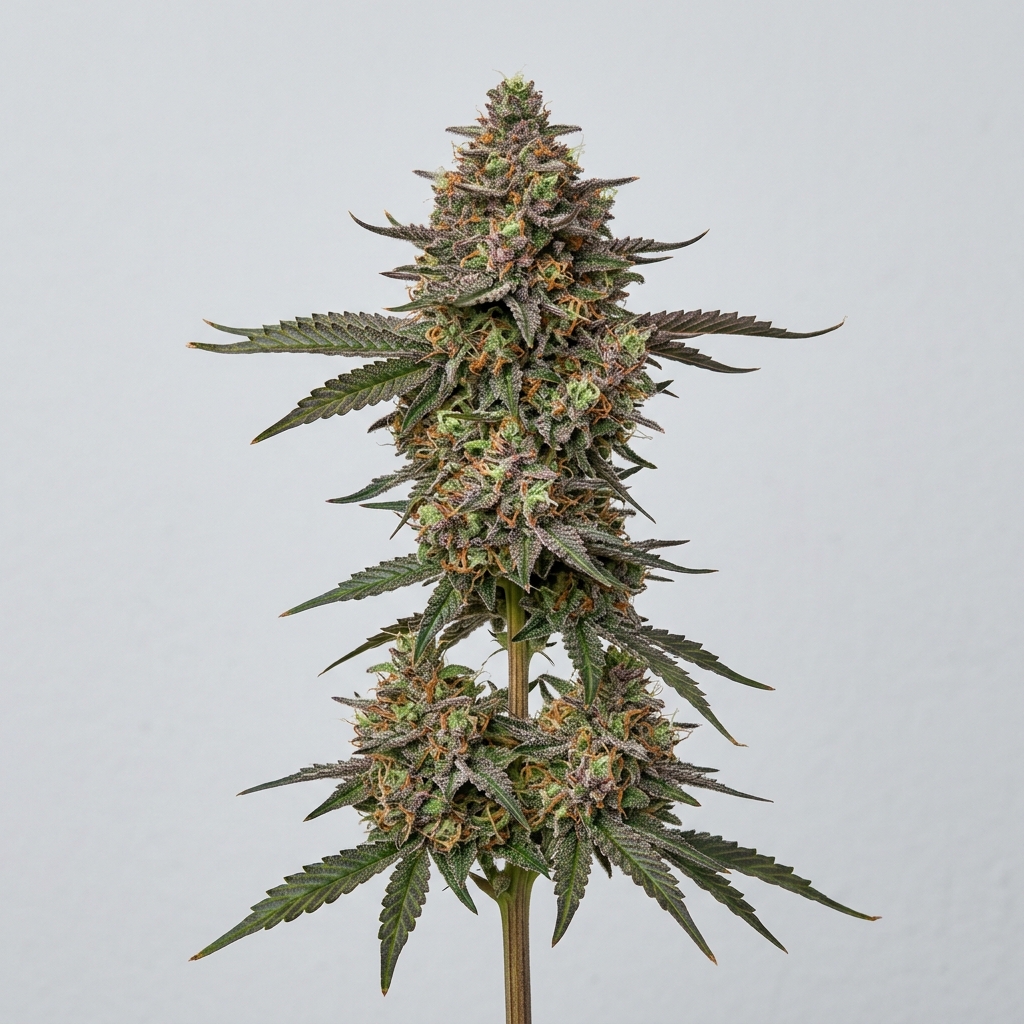
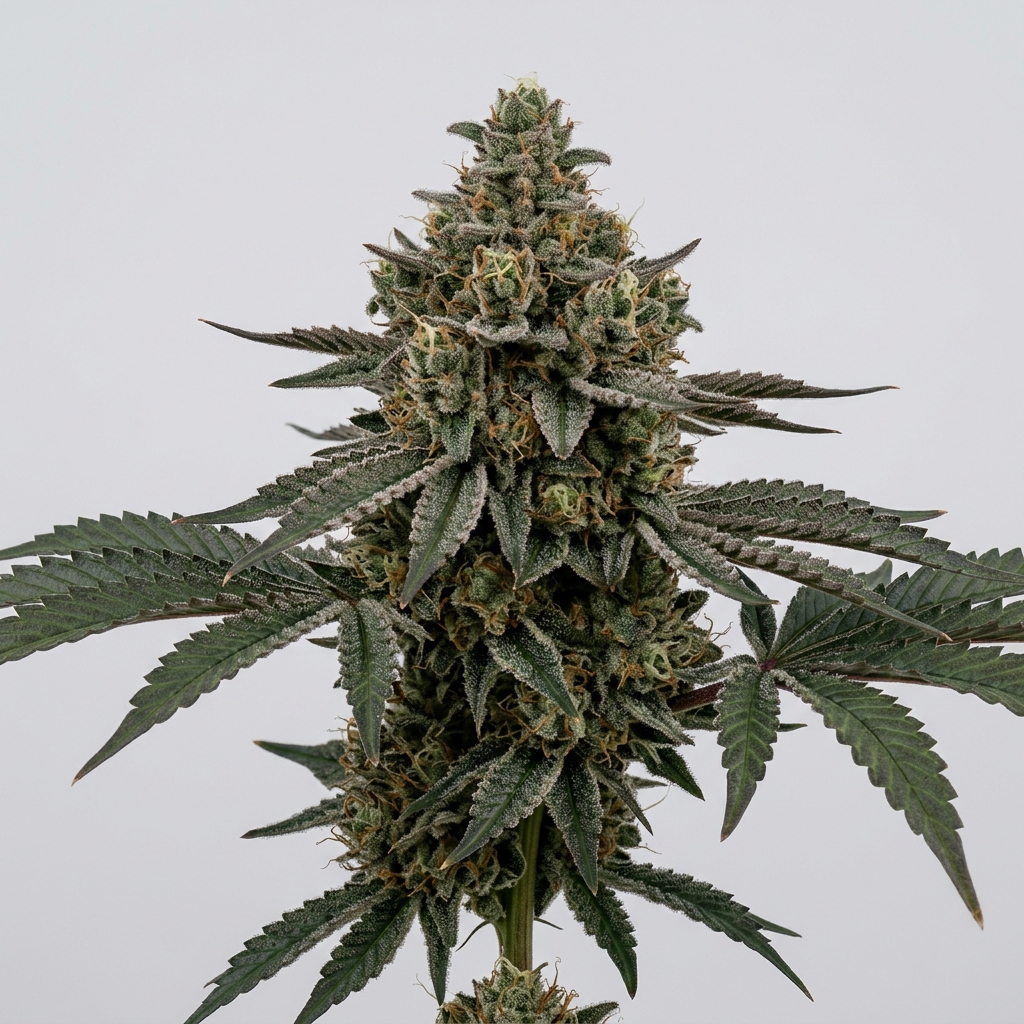
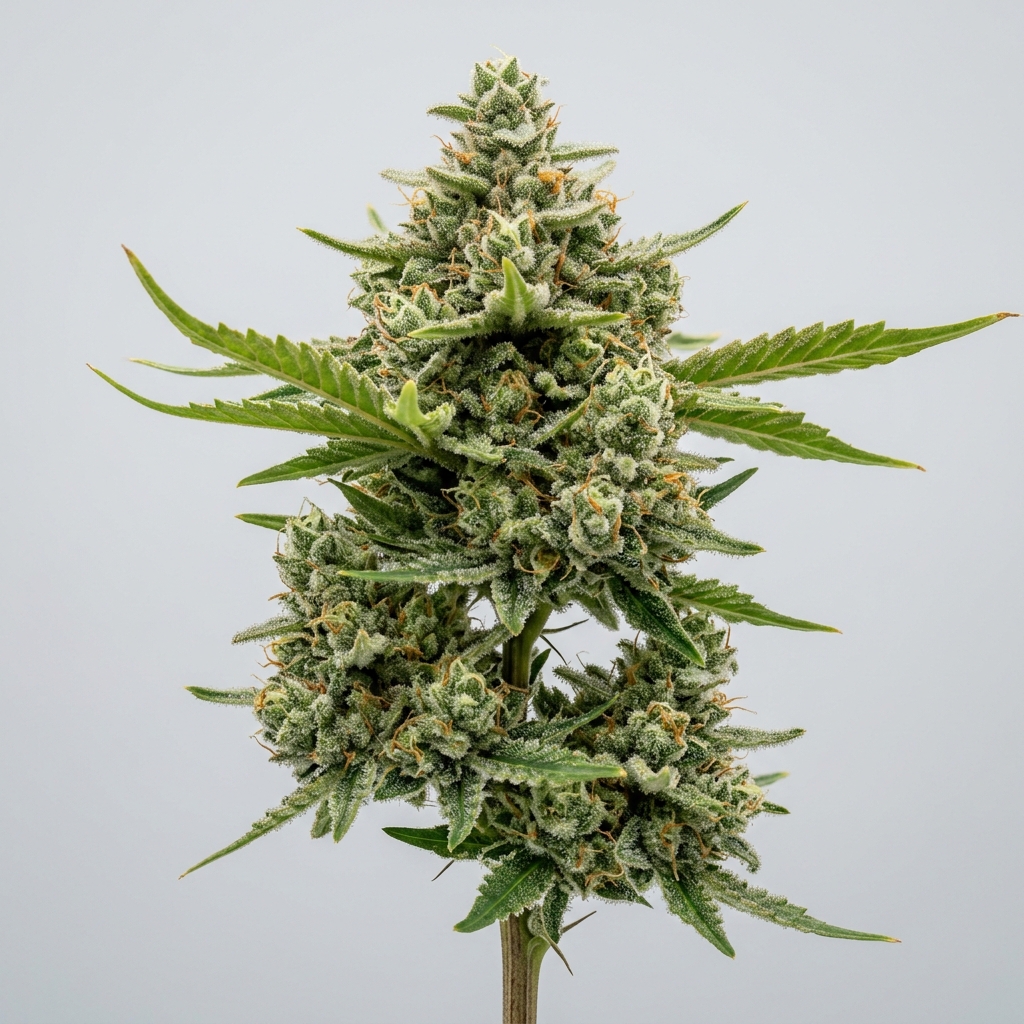
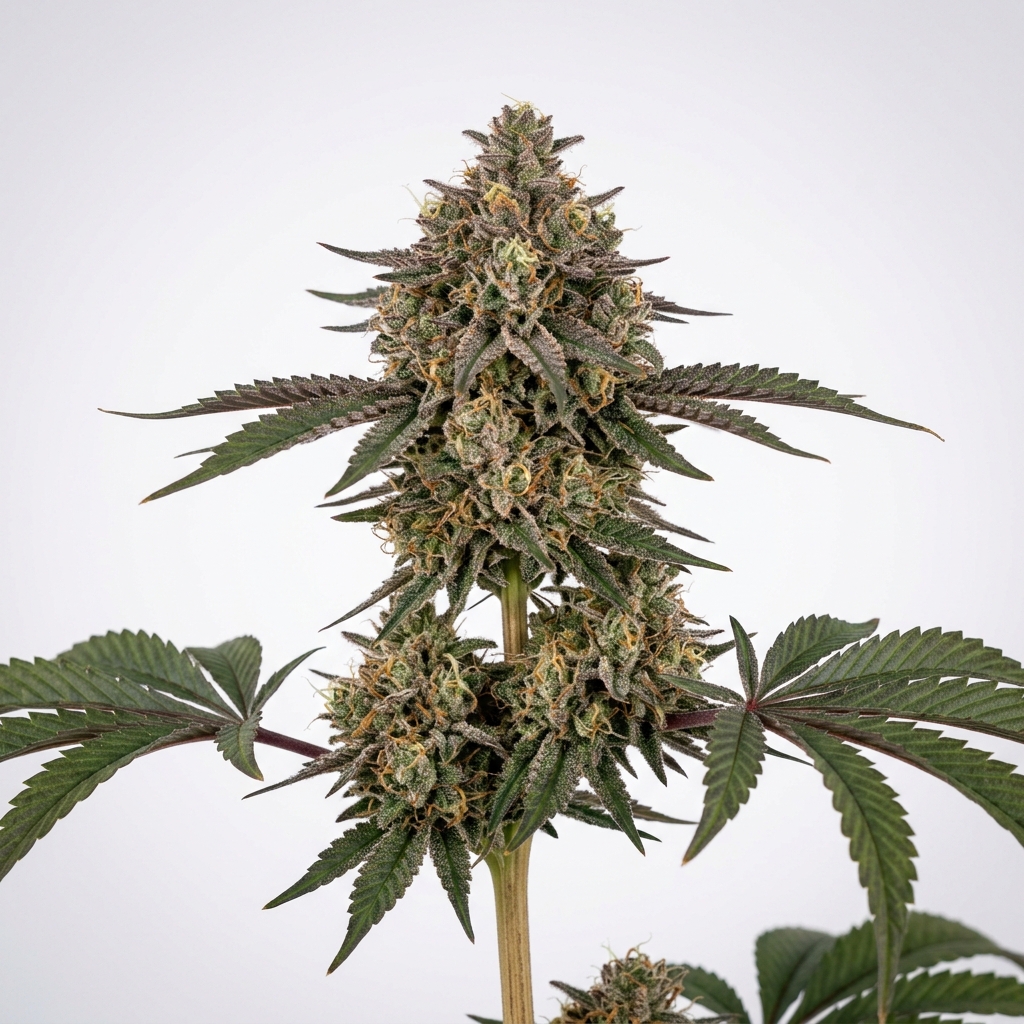
C13 Haze is a sativa-dominant hybrid crossing the tropical Cannalope Haze with the heavy-hitting G13 Haze, yielding an energetic cultivar known for its tall spear colas and spicy, citrus-forward terpene profile. Typically testing between 18% and 23% THC, this strain produces resin-rich flowers with dense bracts and a greasy resin coat that appeals to extraction artists and Haze purists alike. Its growth behavior displays a classic sativa stretch, requiring attentive canopy management but rewarding growers with high-yielding, terpene-rich harvests.
Bred to capture the best of old-school Haze genetics while shortening the notoriously long flowering times of pure sativas, this cultivar has earned respect for its functional, clear-headed qualities. The cured buds show off a light green hue with bright orange pistils and a glassy frost layer that smells of damp earth, sweet tropical fruit, and sharp pine.
Quick Facts
| Field | Details |
|---|---|
| Genetics | Cannalope Haze × G13 Haze |
| Variety | Sativa-dominant Hybrid |
| THC Range | 18% – 23% |
| Flowering Time | 10 – 11 Weeks |
| Yield Potential | Moderate to High |
| Plant Height | Tall (significant stretch) |
| Climate Preference | Warm, semi-humid, temperate |
| Difficulty | Moderate to Experienced |
Scientific & Botanical Overview
Botanically, this cultivar shows a classic sativa morphology with long internodal spacing, thin fan leaves, and a pronounced vertical stretch once flipped to flower. The plant relies on a strong root system to support its tall, branching frame, which can easily double or triple in height during the early weeks of bloom. Proper physical support, such as trellising, is highly recommended to manage the heavy upper branches.
Bud development centers along elongated lateral branches, forming airy but resinous spear colas that resist mold better than denser indica varieties. The calyx-to-leaf ratio is highly favorable, making the post-harvest trim straightforward despite the sheer volume of the canopy. The swollen calyxes are heavily coated in capitate-stalked trichomes that preserve volatile terpenes during the drying phase.
Trichome distribution is dense across both the bracts and surrounding sugar leaves, producing a high concentration of monoterpenes like terpinolene and myrcene. This chemical profile keeps the plant naturally resilient against certain common pests, though its long flowering window requires sustained nutritional support. Under optimal light intensity, the resin coat takes on a wet, glassy appearance as the flowers approach maturity.
Effects & Use-Cases (Reported)
Commonly reported effects: Users describe a rapid cerebral lift accompanied by a subtle physical relaxation that does not lead to heaviness. The initial onset is characterized by sharp focus and sensory clarity, making it a popular choice for daytime activities. It is frequently noted for its clean finish, avoiding the sudden physical crash associated with heavier hybrids.
Use-case context: Well-suited for creative tasks, morning routines, or outdoor activities where mental engagement is preferred over physical sedation. The stimulating qualities make it an excellent choice for socializing or managing complex projects that require sustained focus. It is less suited for late-evening use due to its tendency to keep the mind active.
Note: Individual tolerance varies; high doses may cause mild sensory overstimulation in sensitive individuals or those unaccustomed to strong sativa-dominant profiles.
Aroma & Flavors
Aroma: A pungent blend of sweet tropical fruit, damp forest floor, and a sharp, metallic haze undertone. Breaking the buds releases a deeper layer of tart gas and dark berry edge, revealing its complex genetic background.
Flavor: The smoke delivers a tart citrus lift on the inhale, followed by an earthy pine and spicy herbal finish. The flavor profile remains consistent throughout the burn, leaving a clean, minty sweetness on the palate.
Terpene associations: High levels of terpinolene, beta-caryophyllene, and myrcene drive the complex, spicy-sweet profile.
Tested Cannabinoid & Terpene Ranges
| Compound | Typical Range |
|---|---|
| Δ9-THC | 18.0% – 23.0% |
| CBD | < 1.0% |
| Terpinolene | 0.4% – 0.9% |
| Beta-Caryophyllene | 0.2% – 0.5% |
| Myrcene | 0.1% – 0.4% |
Range note: Cannabinoid and terpene levels are highly dependent on phenotype selection, environmental inputs, and curing techniques.
Cultivation Notes
- Canopy Control: use training techniques like topping and ScrOG (Screen of Green) early to manage the intense vertical stretch.
- Humidity Targets: Maintain relative humidity around 45-50% during late flower to prevent any microclimate moisture buildup within the dense upper canopy.
- Nutrient Feeding: Responds well to moderate nutrient levels; avoid heavy nitrogen inputs during mid-to-late bloom to prevent leaf curl.
- Airflow Management: Ensure active lower-canopy pruning to maximize airflow and direct energy to the upper spear colas.
Grower Notes (Week-by-Week Snapshot)
- Weeks 1–3 (The Stretch): The plant undergoes rapid vertical growth; ensure trellis netting is in place and adjust light height daily to prevent light burn.
- Weeks 4–6 (Flower Initiation): White pistils form along the elongated nodes, and the first signs of glassy resin appear on the young calyxes.
- Weeks 7–9 (Cola Development): Spear-shaped buds begin to swell and fill out, emitting a strong, sweet hazy aroma that requires robust carbon filtration.
- Weeks 10–11 (Ripening & Harvest): Trichomes transition from clear to milky with occasional amber; reduce watering and lower humidity to encourage final resin production.
Genetic Lineage
The lineage of this cultivar traces back to DNA Genetics, who crossed the sweet, melon-scented Cannalope Haze with the legendary, high-potency G13 Haze. This combination was designed to preserve the uplifting, cerebral qualities of traditional Hazes while introducing the structural stability and resin density associated with G13 heritage. The resulting offspring offers a more manageable growth cycle than its pure tropical ancestors.
The resulting hybrid successfully shortens the classic sativa flowering cycle without losing the complex, spicy terpene profile that Haze enthusiasts demand. It stands as a reliable representative of early-2000s Dutch breeding philosophy, combining landrace sativa traits with stabilized modern hybrids. This genetic foundation ensures strong vigor and excellent resin production across multiple phenotypes.
Research Insights
Analytical testing reveals a dominant presence of terpinolene, a terpene frequently associated with uplifting, energetic sativa cultivars. When combined with minor amounts of beta-caryophyllene, this profile may influence how cannabinoids interact with central receptors, contributing to the clear-headed focus reported by consumers. The presence of these specific monoterpenes also plays a significant role in the plant’s natural pest defense mechanisms.
The agricultural value of this genetic cross lies in its hybrid vigor, displaying improved resistance to environmental stressors compared to its pure landrace ancestors. Researchers study these traits to understand how to stabilize long-flowering sativa lines for commercial production without losing essential secondary metabolites. The balance of yield, resin density, and terpene clarity makes it a valuable subject for ongoing breeding projects.
Frequently Asked Questions
Is C13 Haze difficult to grow?
It is moderately challenging due to its tall stretch, but manageable for growers with basic canopy control experience. Utilizing training techniques like topping and trellising helps keep the height under control.
What does C13 Haze smell like?
It features a strong aroma of sweet tropical fruit, earthy pine, and a sharp, metallic haze finish. Breaking the buds reveals a deeper layer of spicy gas.
How long does this strain take to flower?
Typically, it requires 10 to 11 weeks of flowering to reach full maturity and peak resin production. Some phenotypes may finish slightly earlier under optimal indoor conditions.
What are the primary terpenes in C13 Haze?
The dominant terpenes are terpinolene, beta-caryophyllene, and myrcene, which combine to create its signature spicy, citrusy, and sweet profile.
Educational Disclaimer
This article is for educational and informational purposes only. Cultivation and consumption of cannabis are subject to varying local, state, and federal laws. Always consult with local regulations before initiating any cultivation or consumption practices.
Rate and review this strain
Ratings and reviews are accepted only from signed-in Google accounts.
Sign in with Google to leave a rating and written review.
Latest Reviews
0 reviewsNo reviews yet. Be the first Google user to rate and review this strain.