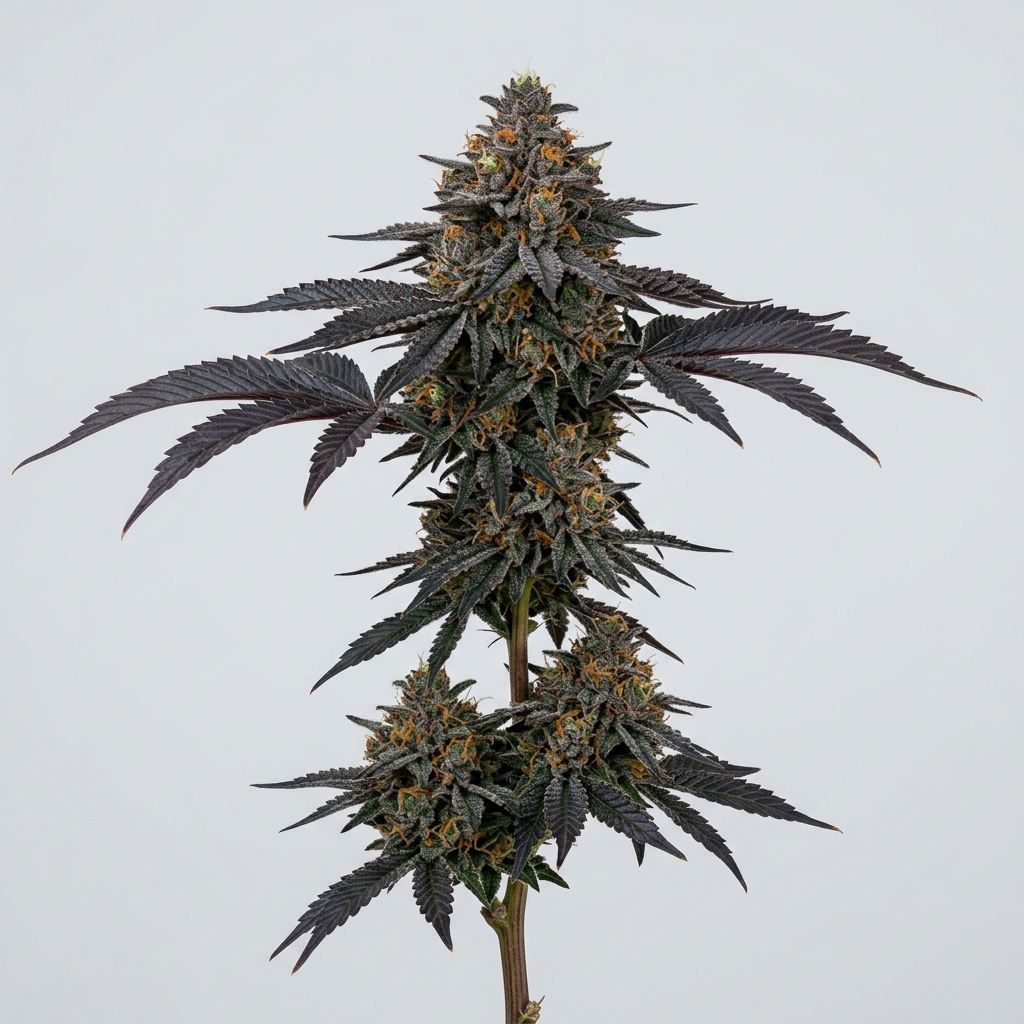
Blue Velvet (Cannabis Strain)
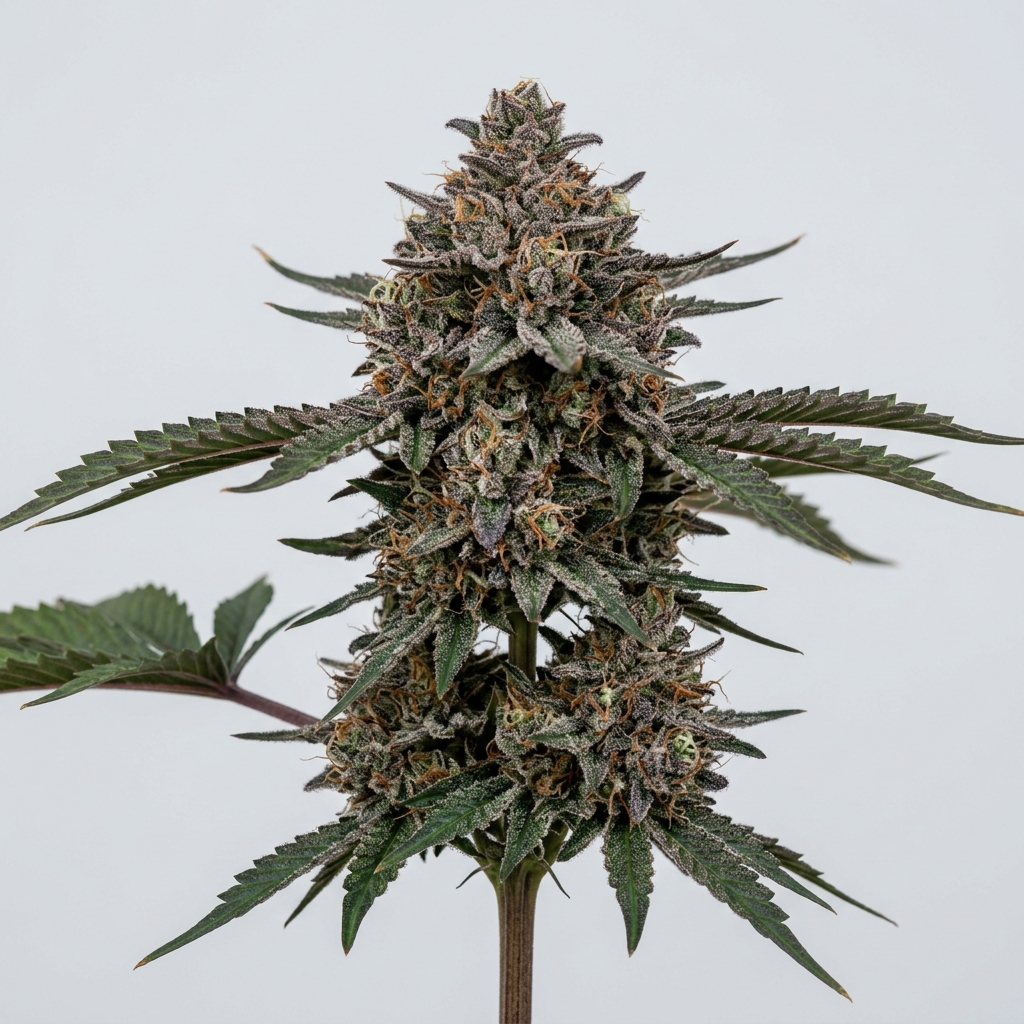
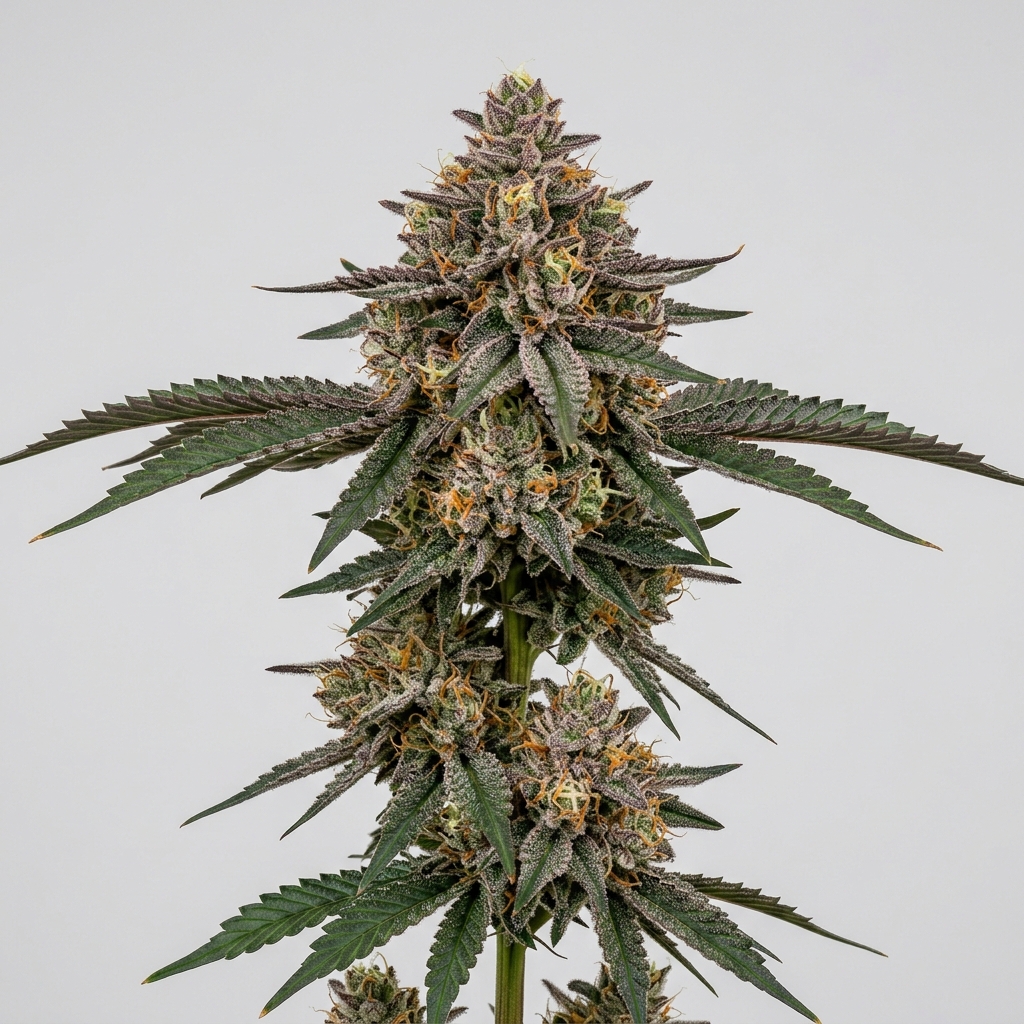
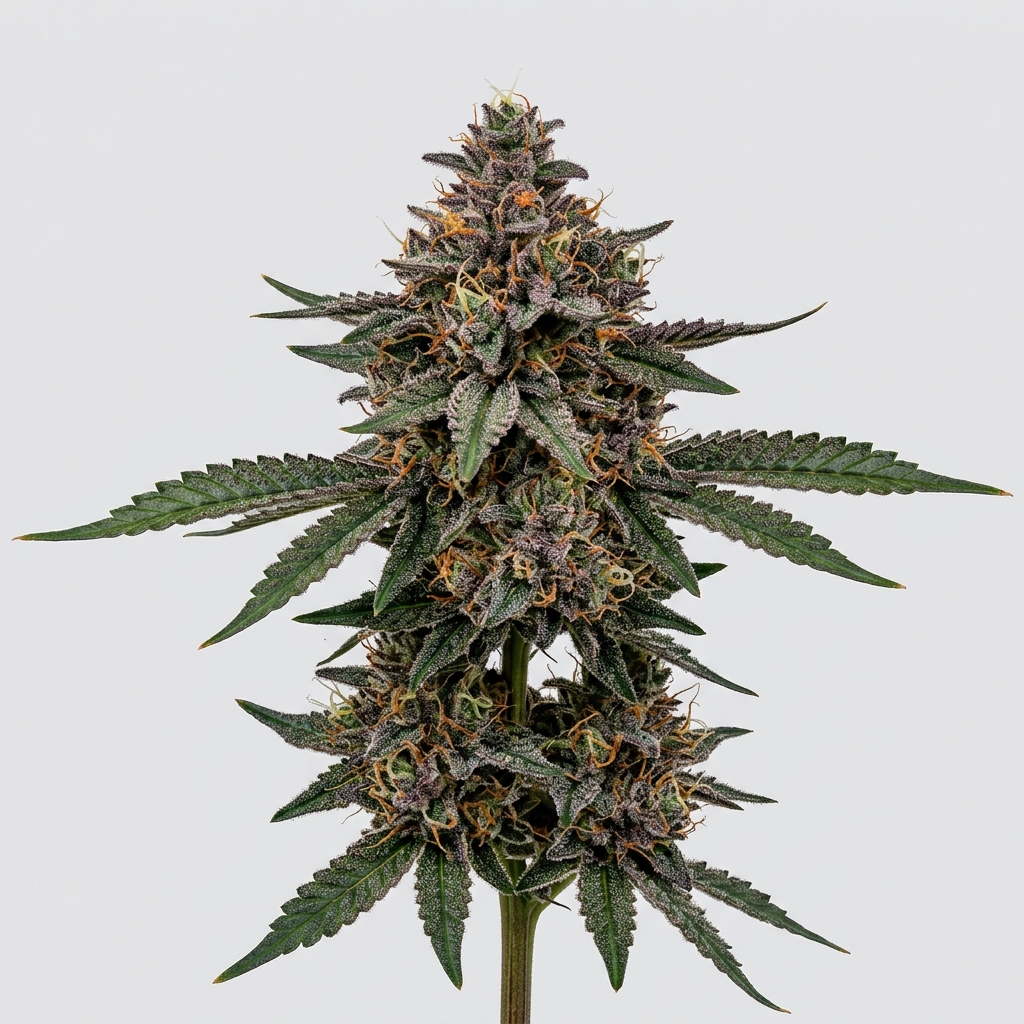
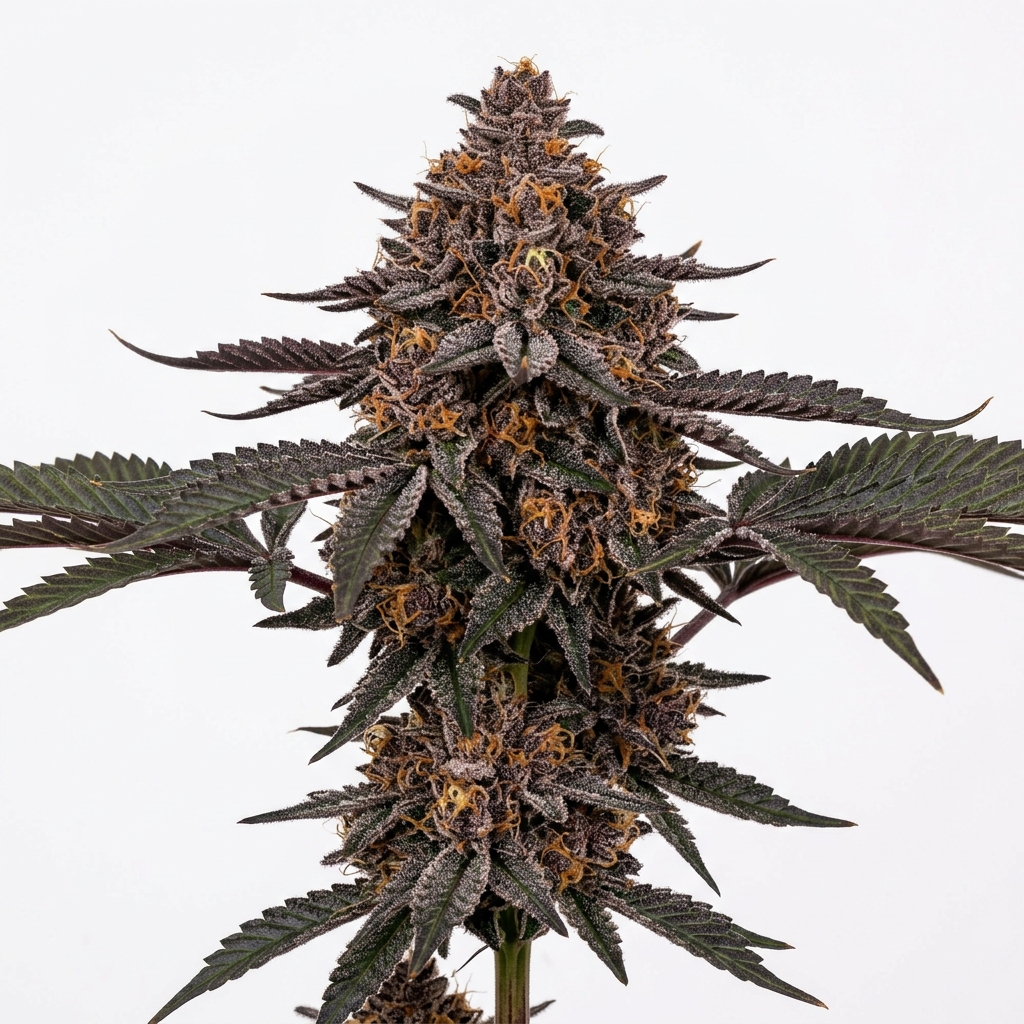
Blue Velvet is a balanced hybrid cannabis strain, typically testing between 18% and 22% THC, bred by crossing the legacy landrace Purple Thai with a robust Afghan Indica. Known for its signature dark berry edge and floral musk aroma, this cultivar produces greasy resin over dense bracts and tight internodes. The plant shows a controlled stretch in early flower, developing into spear colas that show deep blue and purple hues under cooler night temperatures.
Developed by legendary breeder DJ Short, this cultivar remains a staple for collectors seeking classic terpene clarity and visual appeal. The physical structure favors a stout, bushy profile that responds well to canopy management, making it an enduring choice for boutique cultivators.
Quick Facts
| Field | Details |
|---|---|
| Genetics | Purple Thai × Afghan Indica |
| Variety | Balanced Hybrid (50/50) |
| THC Range | 18% – 22% |
| Flowering Time | 50 – 60 Days (7 – 8 Weeks) |
| Yield Potential | Moderate to High |
| Plant Height | Medium (Stout) |
| Climate Preference | Temperate with cool late-flower nights |
| Difficulty | Moderate |
Scientific & Botanical Overview
Blue Velvet shows classic traits of its diverse parental heritage, displaying broad fan leaves that turn almost black-purple late in the flowering cycle. The internodal spacing is notably tight, creating compact clusters of resin-rich flowers along the lateral branches. Under microscopic inspection, the trichomes present as medium-sized stalks with glassy, bulbous heads that carry a high concentration of non-volatile terpenes.
The cultivar relies heavily on temperature-sensitive anthocyanin expression to produce its signature blue and violet coloration. Dropping night temperatures during the final two weeks of flower triggers this pigment shift without compromising flower density. The calyx-to-leaf ratio is favorable, allowing for efficient post-harvest handling and preserving the integrity of the delicate outer resin layer.
Stems are sturdy and woody, easily supporting the weight of the developing colas without requiring excessive external support. The root system is vigorous, preferring well-aerated media that allow for rapid dry-back cycles. This structural resilience makes the plant highly adaptable to both soil-based and hydroponic setups.
Effects & Use-Cases (Reported)
Commonly reported effects include a calm, clear-headed cerebral lift accompanied by a gentle, warming physical relaxation. Users frequently note that the initial onset is smooth rather than jarring, settling into a functional, reflective state that does not induce heavy sedation.
Use-case context suggests this strain is well-suited for late afternoon transition, creative projects, or quiet social settings. The balanced nature of the hybrid makes it a versatile option for those looking to ease physical tension while maintaining mental focus.
Note: Individual tolerance and chemistry vary; higher doses may lead to a heavier physical weight and increased drowsiness.
Aroma & Flavors
Aroma: The initial nose is dominated by sweet blueberry and a dark berry edge, backed by a complex floral musk and a faint earthy kush base.
Flavor: On the exhale, the smoke delivers a smooth, spiced berry flavor with a subtle woodiness and a clean, lingering floral finish.
Terpene associations:
Myrcene, Caryophyllene, and Pinene are the primary drivers of this profile, with trace amounts of Linalool contributing to the soft, lavender-like undertone.
Tested Cannabinoid & Terpene Ranges
| Compound | Tested Range |
|---|---|
| Δ9-THC | 18.0% – 22.0% |
| CBD | < 1.0% |
| Myrcene | 0.5% – 0.9% |
| Caryophyllene | 0.3% – 0.6% |
| Pinene | 0.2% – 0.4% |
| Linalool | 0.1% – 0.3% |
Note: Terpene and cannabinoid levels are highly variable and depend on specific phenotype, environmental conditions, and cultivation methods.
Cultivation Notes
- Humidity control: Maintain relative humidity (RH) around 50-55% during early flower, dropping to 40% or lower in the final weeks to protect the dense bracts from moisture retention.
- Nutrition: Responds well to moderate feeding schedules; avoid heavy nitrogen applications in mid-to-late flower to preserve terpene clarity.
- Training: use low-stress training (LST) or light topping early in veg to encourage lateral branching and maximize the distribution of spear colas.
- Phenotype management: Watch for variations in stretch; some phenotypes lean more toward the Purple Thai parent and may require extra canopy management.
- Temperature modulation: Drop nighttime temperatures by 10-15°F during the final two weeks of flowering to fully express the deep blue and purple hues.
Grower Notes (Week-by-Week Snapshot)
- Weeks 1–3 (Transition & Stretch): Plants show a controlled stretch, usually doubling in size. Focus on tucking large fan leaves to ensure light penetrates the lower node sites.
- Weeks 4–6 (Flower Development): Buds begin to stack quickly, forming tight clusters with early signs of greasy resin. Keep airflow high to prevent microclimates within the dense canopy.
- Weeks 7–9 (Ripening & Color Shift): Anthocyanins become prominent as temperatures drop. Trichomes transition from clear to milky white, with some amber appearing by day 56.
- Post-Harvest (Dry & Cure): Implement a slow dry at 60°F and 60% RH for 10-14 days. A minimum three-week cure in airtight vessels is recommended to unlock the deep dark berry edge.
Genetic Lineage
The lineage of Blue Velvet traces directly back to the pioneering work of DJ Short in the late 20th century. It is a classic cross of Purple Thai, a highly aromatic sativa landrace known for its sensory qualities, and a selected Afghan Indica that provides structural stability and dense flower production.
This specific pairing was designed to capture the vibrant color and complex fruit profile of the Thai maternal line while tempering its wild, long-flowering growth habits. The resulting offspring became a cornerstone of the modern "Blue" family of cannabis genetics, sharing deep ancestral ties with legendary sister strains like Blueberry and Flo.
Research Insights
Analytical testing of Blue Velvet highlights a robust concentration of myrcene and caryophyllene, which work alongside secondary terpenes like pinene to define its aromatic signature. The presence of these compounds supports the classic entourage model, where the interactive properties of cannabinoids and terpenes shape the overall character of the flower.
Horticultural researchers often study this cultivar for its distinct anthocyanin accumulation. The genetic mechanisms regulating this pigment expression are highly sensitive to environmental triggers, making Blue Velvet a valuable reference point for studying temperature-induced color shifts in cannabis.
Frequently Asked Questions
Is Blue Velvet an indica or sativa?
Blue Velvet is a balanced hybrid (50% indica / 50% sativa) that inherits the physical structure of its Afghan Indica parent and the uplifting mental clarity of its Purple Thai lineage.
What does Blue Velvet smell like?
The strain features a sweet, rich aroma of fresh blueberries and dark fruit, grounded by a floral musk and a subtle, earthy kush base.
How long does Blue Velvet take to flower?
When grown indoors, Blue Velvet typically finishes its flowering cycle in 50 to 60 days (approximately 7 to 8 weeks).
Does Blue Velvet always turn purple or blue?
While genetically predisposed to color shifts, the deep blue and purple hues are most pronounced when nighttime temperatures are lowered during the final weeks of the flowering stage.
Educational Disclaimer
This article is for educational and informational purposes only. Information regarding reported effects, cultivation practices, and genetic lineage is sourced from historical literature and breeder reports. Cannabis laws and regulations vary by jurisdiction; always consult local regulations before undertaking cultivation.
Rate and review this strain
Ratings and reviews are accepted only from signed-in Google accounts.
Sign in with Google to leave a rating and written review.
Latest Reviews
0 reviewsNo reviews yet. Be the first Google user to rate and review this strain.