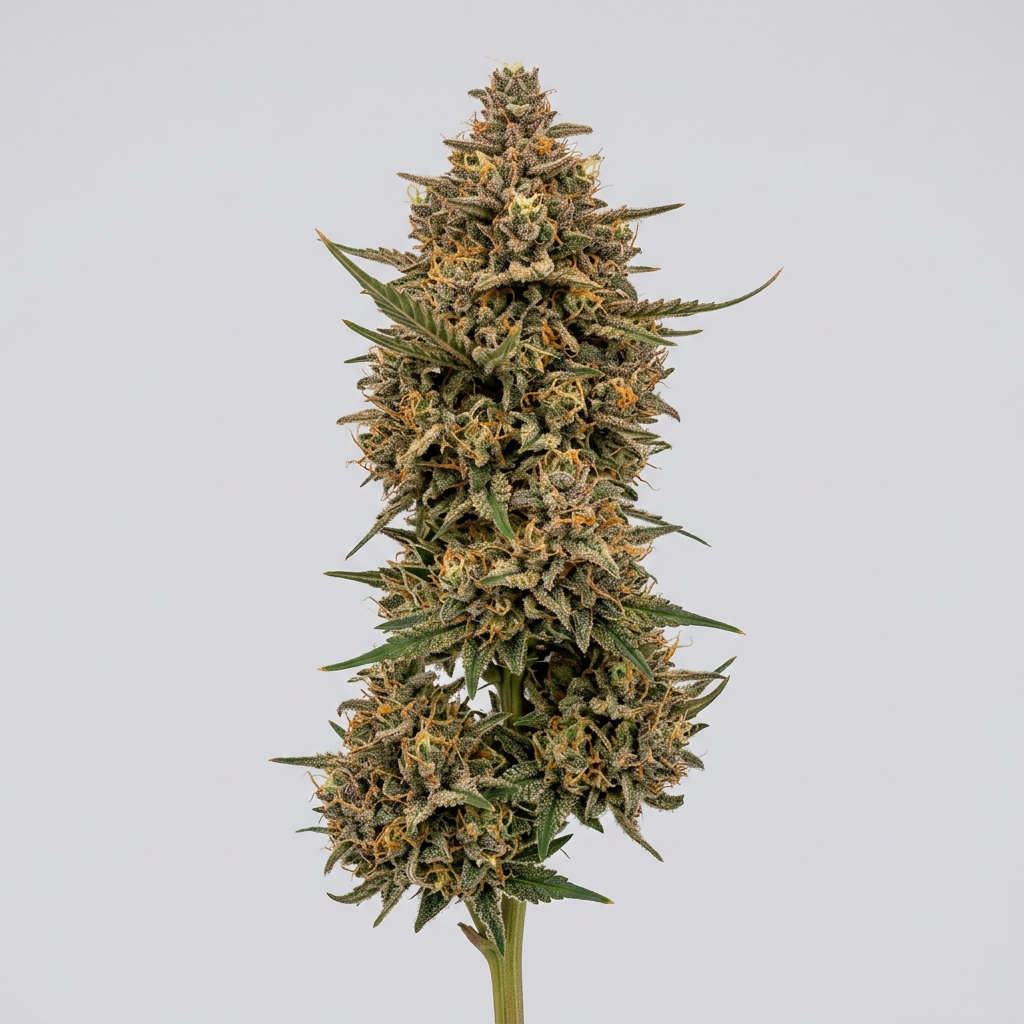
Candyland (Cannabis Strain)
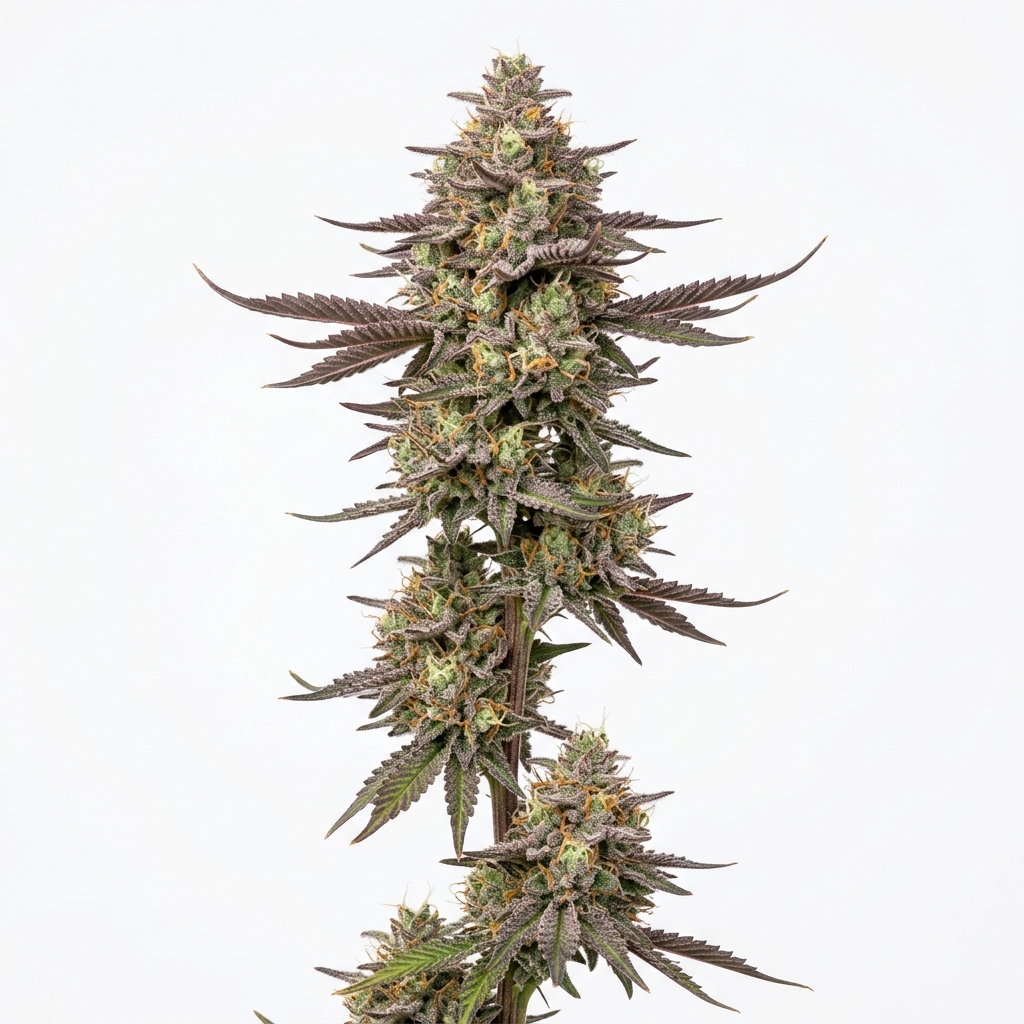
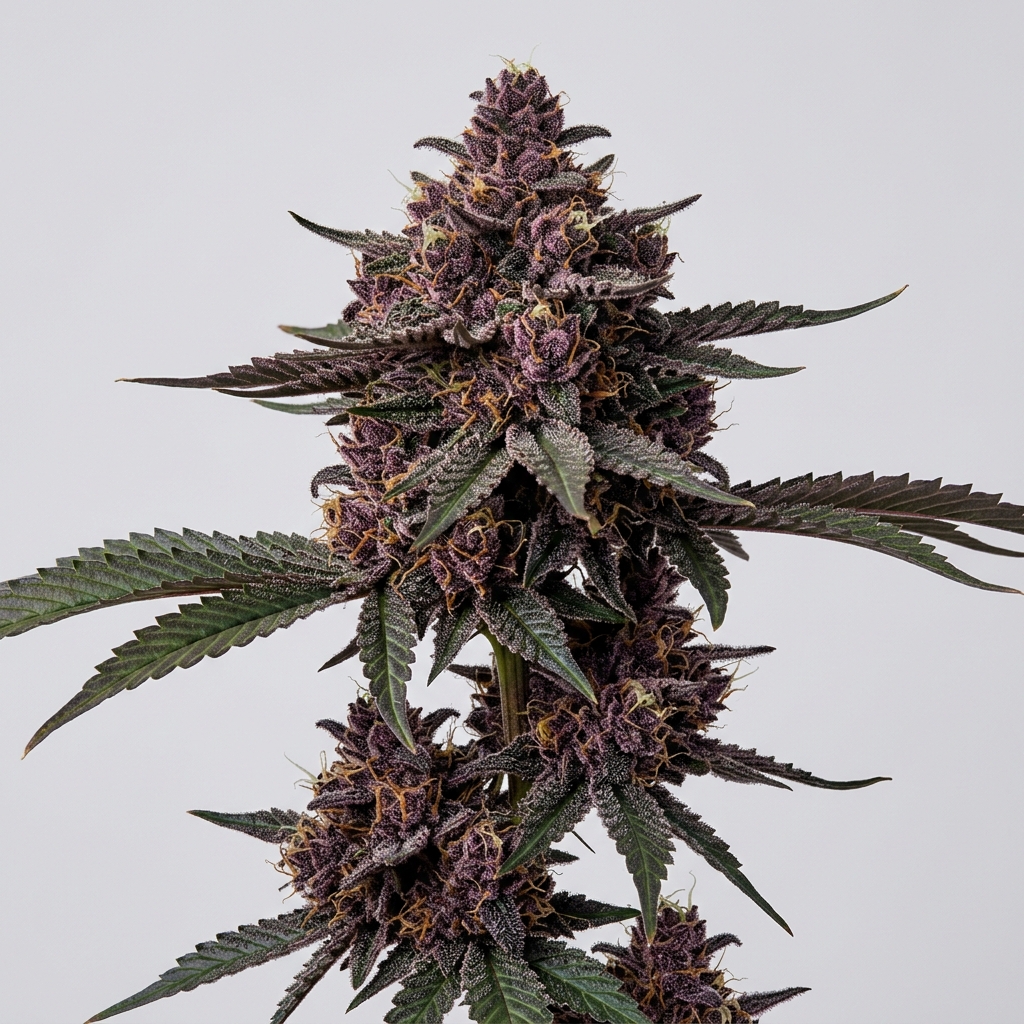
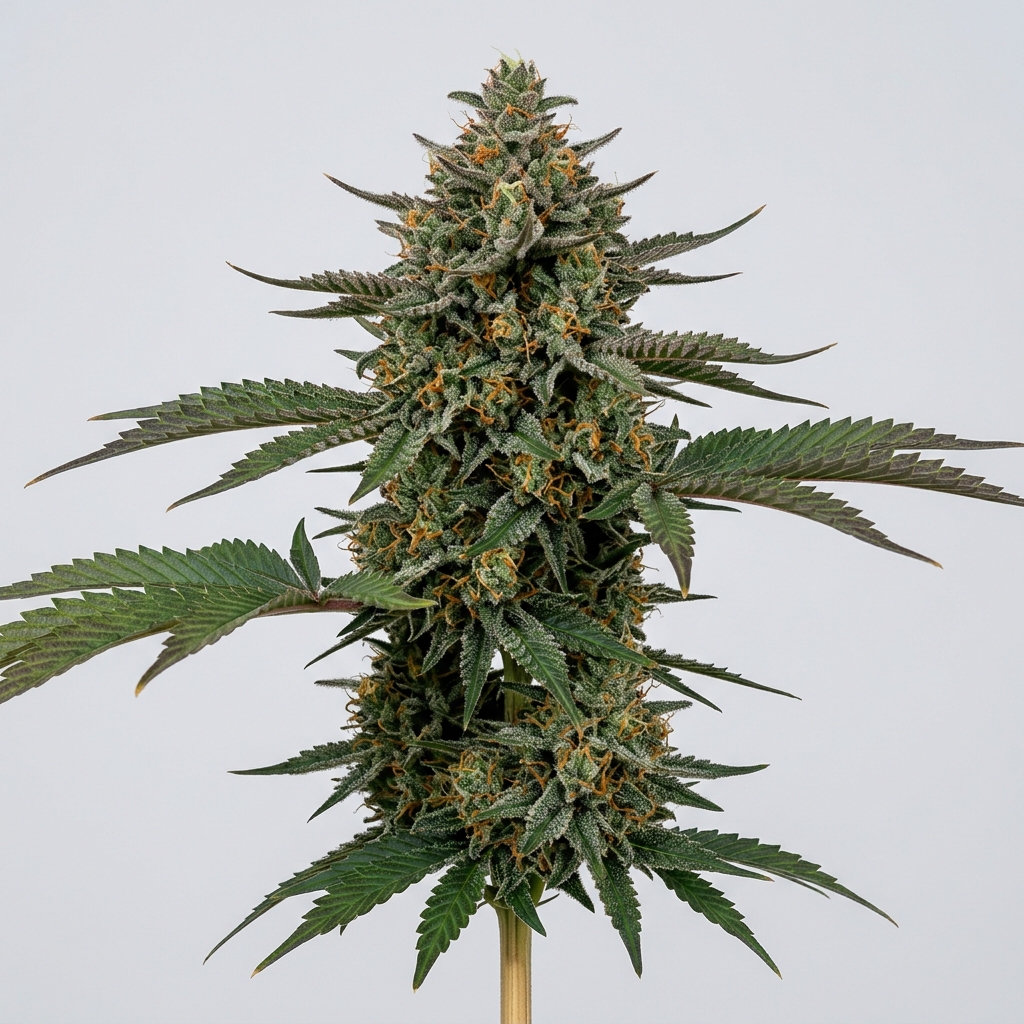
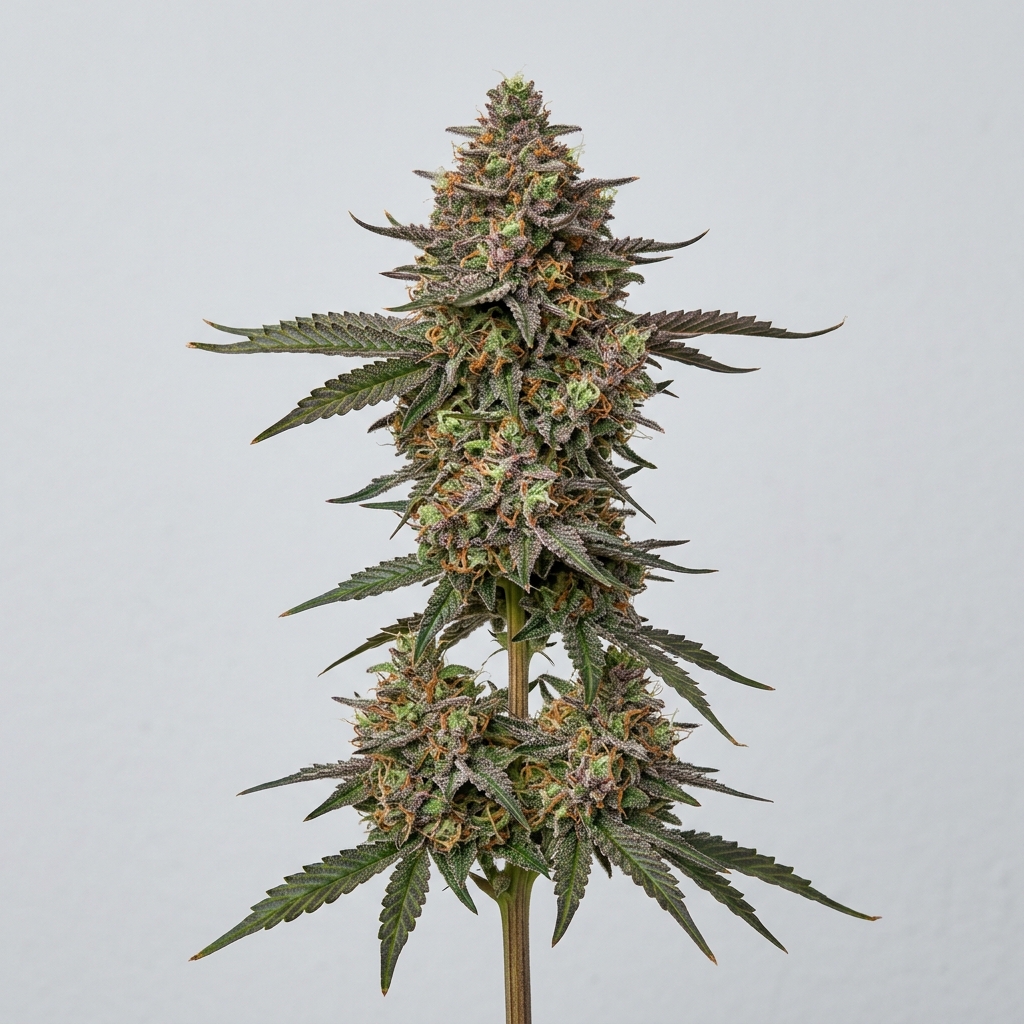
Candyland is a highly celebrated sativa-dominant hybrid, typically testing between 19% and 24% THC, bred by crossing the legendary Granddaddy Purple with Bay Platinum Cookies. Known for its striking gold-toned trichomes and vibrant purple undertones, this cultivar produces dense, resin-rich spear colas that emit a sharp, sweet candy aroma layered with herbal pine. Its growth habit reflects its sativa heritage, displaying a moderate stretch during early flower and producing glassy, tightly packed buds that are highly valued by extraction artists and boutique growers alike.
The cultivar stands out in modern gardens for its reliable resin production and uplifting, clear-headed effects. While it carries the sweet, dessert-like qualities of its Cookie lineage, it retains a distinct structural resilience and a faster finishing time than many pure sativa lines.
Quick Facts
| Attribute | Details |
|---|---|
| Genetics | Granddaddy Purple × Bay Platinum Cookies |
| Variety | Sativa-dominant hybrid (approx. 70/30) |
| THC Range | 19% – 24% |
| Flowering Time | 8 – 9 weeks |
| Yield Potential | Moderate to High |
| Plant Height | Medium to Tall |
| Climate Preference | Warm, temperate, low humidity |
| Difficulty | Moderate |
Scientific & Botanical Overview
Botanically, Candyland shows a classic hybrid structure with a distinct sativa lean, characterized by narrow fan leaves and long, productive lateral branches. The internodal spacing is moderate, allowing for excellent light penetration and airflow through the canopy during the vegetative phase. As the plant transitions to flower, it develops elongated spear-shaped colas that fill out with dense, swollen calyxes.
The cultivar's resin profile is characterized by high concentrations of capitate-stalked trichomes that cover both the bracts and surrounding sugar leaves. This heavy trichome coverage often gives the mature buds a frosty, golden appearance, contrasted by deep forest green foliage and occasional purple hues inherited from its Granddaddy Purple parent.
Phenotypic variations are relatively stable, though some selections lean more heavily toward the dense, compact bud structure of the Cookies lineage. Growers typically favor the balanced phenotypes that offer the vigor of the sativa parent alongside the resin density and purple coloration of the indica side.
Effects & Use-Cases (Reported)
Commonly reported effects: Users frequently describe a rapid onset of cerebral clarity, accompanied by an uplifting, energetic buzz that encourages creativity and social engagement. The physical sensation remains light, providing a gentle relaxation that does not lead to heavy sedation.
Use-case context: This profile makes the cultivar highly suitable for daytime activities, creative projects, and social gatherings. It is often selected by those looking to maintain focus and physical energy while enjoying a steady, functional buzz.
Note: Individual experiences may vary, and high-THC cultivars should be approached with caution by novice users.
Aroma & Flavors
Aroma: The initial scent is dominated by a sweet, spun-sugar sweetness, closely followed by earthy undertones, fresh pine, and a subtle herbal spice.
Flavor: On the exhale, the flavor translates into a smooth blend of sweet berry, warm dough, and a sharp, clean woody finish.
Terpene associations: The primary terpene profile is typically dominated by caryophyllene, limonene, and humulene, which contribute to its spicy, citrus, and herbal characteristics.
Tested Cannabinoid & Terpene Ranges
| Compound | Typical Range |
|---|---|
| Δ9-THC | 19.0% – 24.0% |
| CBD | < 0.5% |
| β-Caryophyllene | 0.4% – 0.8% |
| Limonene | 0.3% – 0.6% |
| α-Humulene | 0.1% – 0.3% |
Note: Cannabinoid and terpene levels are highly dependent on cultivation practices, curing methods, and specific phenotype selections.
Cultivation Notes
- Humidity Management: Keep relative humidity below 45% during the final weeks of flowering to protect the dense, resin-heavy colas from moisture retention.
- Nutrient Intake: This cultivar is generally a moderate feeder, responding well to steady nitrogen in veg and increased potassium and phosphorus during peak flower.
- Canopy Control: use topping and low-stress training (LST) early in the vegetative cycle to manage the plant's vertical stretch and promote even canopy development.
- Airflow: Ensure consistent lower canopy pruning (lollipoping) to maintain excellent airflow through the tight internodes.
- Phenotype Selection: Watch for phenotypes that display purple hues early in flower, as these often carry the most balanced sweet-and-earthy terpene profiles.
Grower Notes (Week-by-Week Snapshot)
- Weeks 1–3 (Early Flower): Plants will undergo a noticeable stretch. Ensure trellis nets are in place to support the lateral branches as they begin to transition.
- Weeks 4–6 (Mid Flower): Bud sites will rapidly stack, forming long spear colas. Trichome production begins to accelerate, coating the sugar leaves in wet frost.
- Weeks 7–9 (Late Flower & Flush): Buds swell significantly, and pistils turn a deep orange. Lowering night temperatures during the final week can help bring out the dark purple undertones. Flush with clean water to preserve terpene clarity.
- Post-Harvest: A slow dry at 60°F (15°C) and 60% relative humidity for 10 to 14 days is critical to preserving the delicate sweet candy and berry notes.
Genetic Lineage
The lineage of Candyland is a deliberate marriage of two highly influential West Coast families. Its maternal parent, Granddaddy Purple (an indica-dominant cross of Mendo Purps, Skunk, and Afghanistan), contributes the deep purple coloration, berry undertones, and structural density.
The paternal side, Bay Platinum Cookies (a phenotype of the classic Girl Scout Cookies lineage), introduces the heavy resin production, sweet doughy aroma, and uplifting cerebral qualities. This combination yields a stable hybrid that captures the best aesthetic and sensory traits of both parents.
Research Insights
Analytical testing of this cultivar highlights a robust terpene profile where caryophyllene and limonene work in tandem with moderate levels of myrcene. This specific distribution of volatile compounds is of interest to researchers studying how sweet, dessert-forward profiles correlate with energetic, non-sedating user experiences.
Additionally, the high density of trichomes makes this strain a frequent subject of study for extraction efficiency. The physical structure of the resin glands allows for clean separation during solventless extraction processes, yielding high-quality hash and rosin.
Frequently Asked Questions
Is Candyland a sativa or indica?
Candyland is a sativa-dominant hybrid, typically structured around a 70% sativa and 30% indica ratio, offering energetic effects alongside a physically supportive undertone.
What does Candyland smell like?
It features a very sweet, candy-like aroma with distinct layers of fresh pine, earth, and a subtle herbal spice on the back end.
How long does Candyland take to flower?
When grown indoors, this cultivar typically finishes its flowering cycle in 8 to 9 weeks, which is relatively fast for a sativa-dominant hybrid.
Is Candyland difficult to grow?
It is considered moderately easy to grow. While it requires active canopy management due to its stretch, its natural resilience makes it manageable for growers with basic training experience.
Educational Disclaimer
This content is for educational and informational purposes only. Cannabis laws and regulations vary by jurisdiction. Consult with a qualified professional before undertaking any cultivation or consumption practices.
Rate and review this strain
Ratings and reviews are accepted only from signed-in Google accounts.
Sign in with Google to leave a rating and written review.
Latest Reviews
0 reviewsNo reviews yet. Be the first Google user to rate and review this strain.