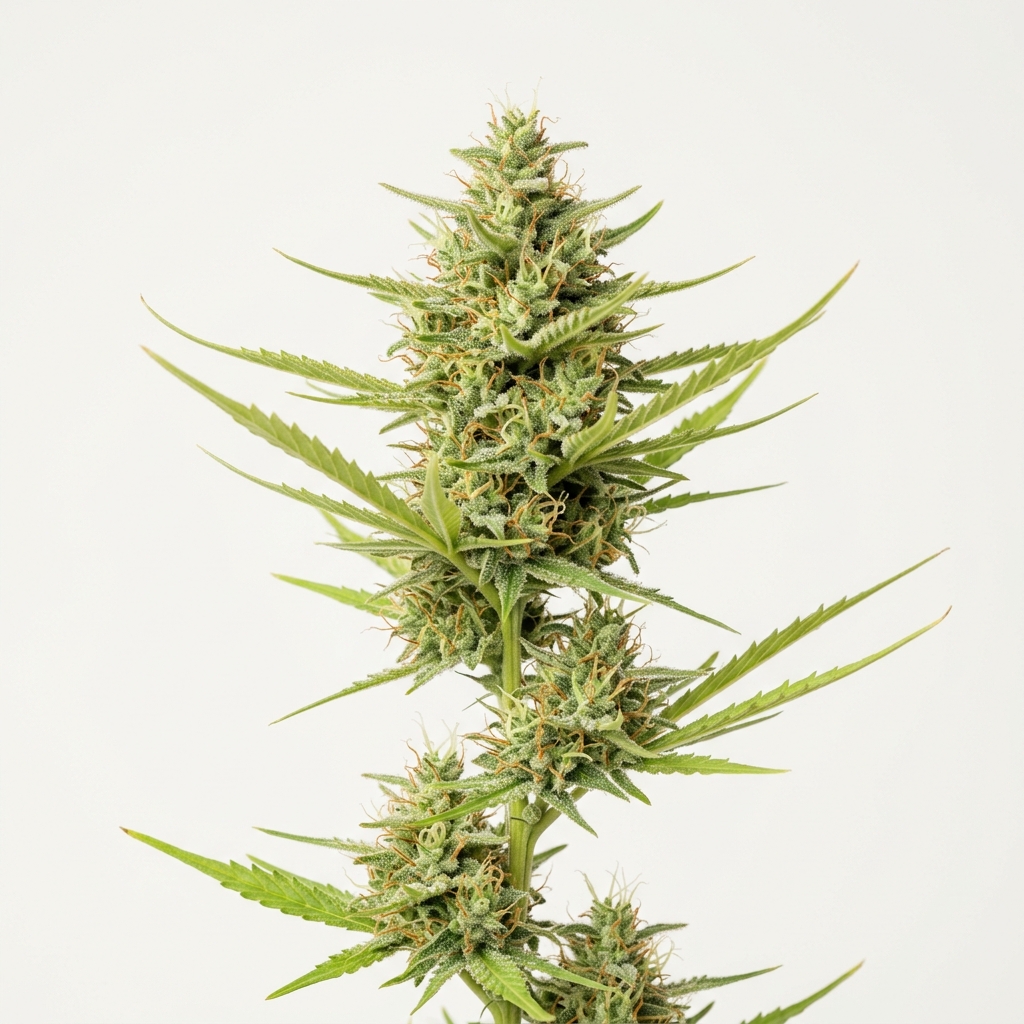
Charlotte’s Web (Cannabis Strain)
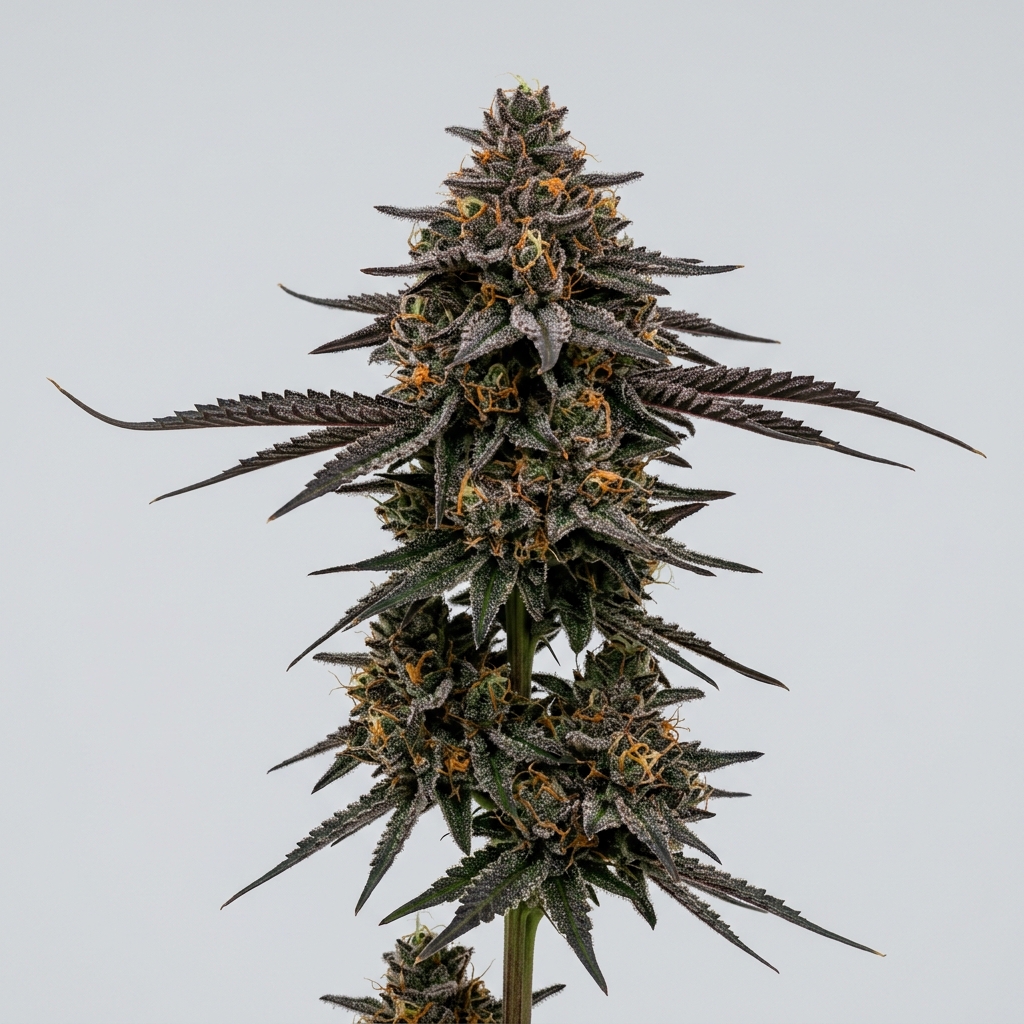
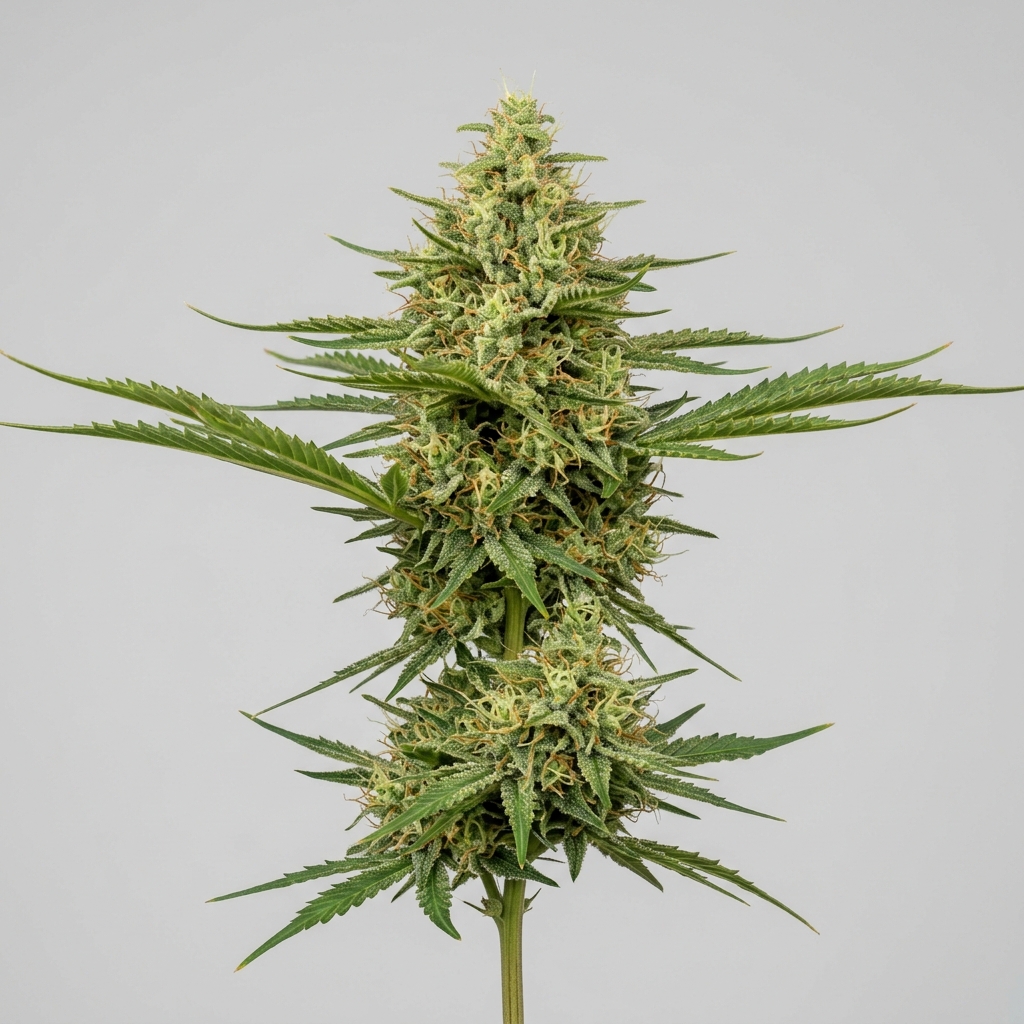
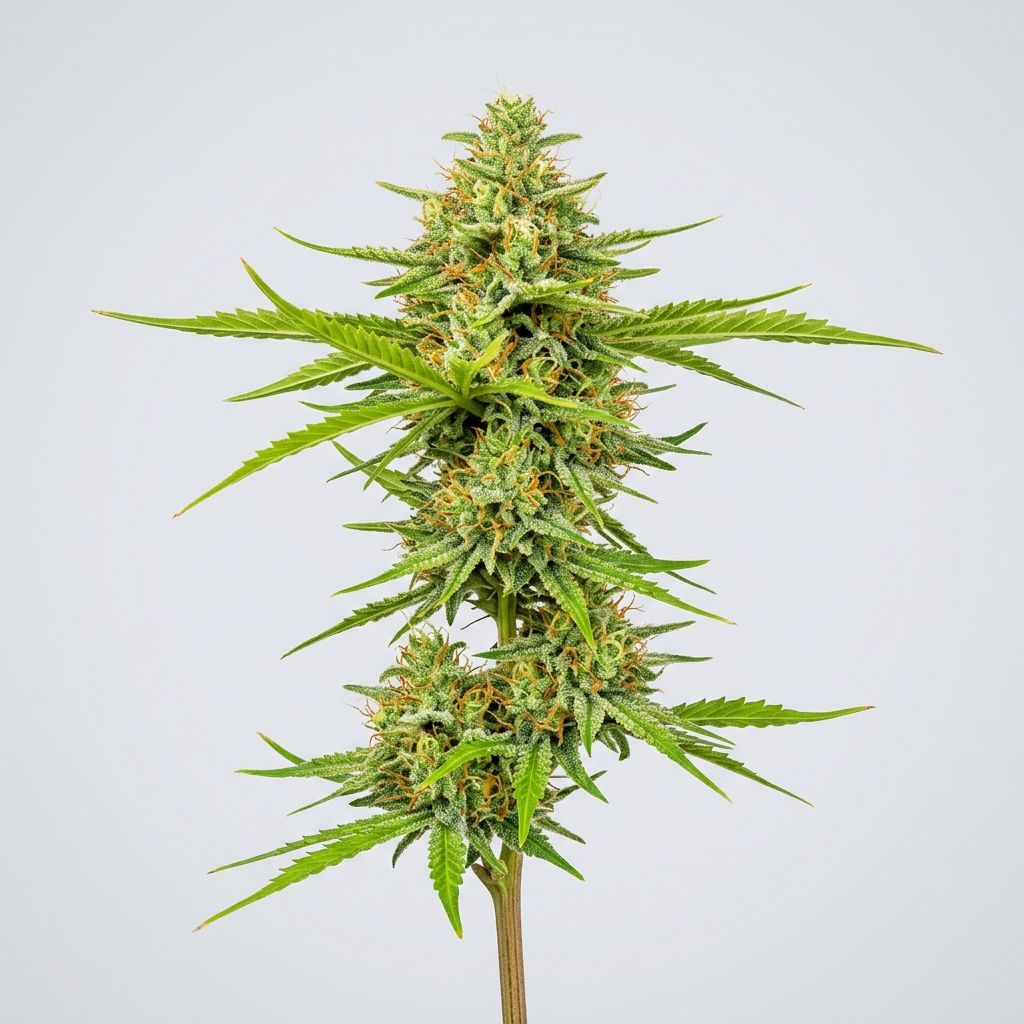
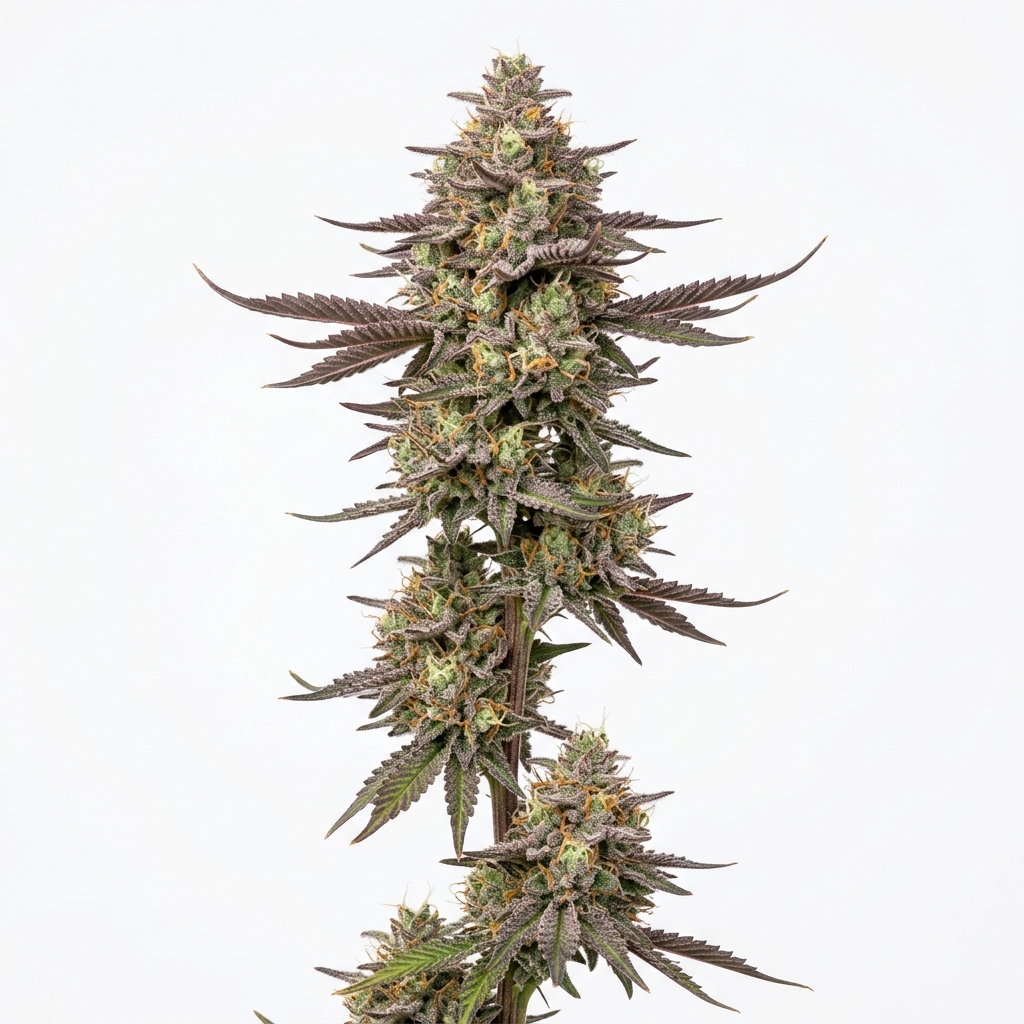
Charlotte’s Web is a pioneering high-CBD, ultra-low-THC sativa-dominant cultivar that fundamentally reshaped the modern cannabis landscape. Originally selected by the Stanley Brothers in Colorado, this strain typically tests at less than 1% THC while delivering a robust 13% to 20% CBD profile. Characterized by its tall, fibrous sativa structure, narrow fan leaves, and subtle, earthy-pine aroma, it produces elongated, light green colas that lack the heavy, oily resin of high-THC varieties but carry a dense coating of small, glassy trichomes.
Unlike recreational hybrids bred for psychoactive potency, this cultivar is grown specifically for its therapeutic cannabinoid ratio and non-intoxicating profile. Cultivators prize it for its vigorous vegetative growth and resilience in outdoor settings, where its hemp-derived heritage allows it to thrive with minimal intervention. Its understated sensory appeal balances damp forest floor notes with a mild herbal sweetness, making it a foundational strain for extraction and specialized wellness programs.
Quick Facts
| Field | Details |
|---|---|
| Genetics | Proprietary Hemp Selection (Stanley Brothers) |
| Variety | Sativa-dominant Hybrid |
| THC Range | <1% (typically 0.3% to 0.8%) |
| CBD Range | 13% to 20% |
| Flowering Time | 8 to 9 Weeks |
| Yield Potential | Moderate to High |
| Plant Height | Tall |
| Climate Preference | Temperate to Warm, Dry |
| Difficulty | Moderate |
Scientific & Botanical Overview
Derived from industrial hemp genetics crossed with established cannabis phenotypes, Charlotte’s Web shows classic sativa morphology with distinct wild-type growth characteristics. The plants develop long internodal spacing, fibrous and highly durable stalks, and narrow, sharply serrated fan leaves that optimize light penetration. Unlike resin-swollen indica hybrids, the calyxes remain relatively small and tightly clustered along elongated spear colas.
The strain’s cannabinoid synthesis is heavily biased toward cannabidiolic acid (CBDA), with the enzyme pathways for tetrahydrocannabinolic acid (THCA) production largely suppressed. This genetic stabilization ensures that even under optimal outdoor conditions, the plant rarely crosses the threshold of psychoactivity. The trichome heads are smaller and more closely resemble those found on industrial fiber hemp, though they still produce a diverse array of secondary metabolites.
Phenotypic variation is relatively low due to rigorous selection, though environmental factors like soil chemistry and UV exposure can influence the final terpene concentration. Growers often observe a strong lateral branching habit that requires early support to manage the weight of the long, slender branches during late flower.
Effects & Use-Cases (Reported)
Commonly reported effects include a profound sense of physical relaxation, mental clarity, and a gentle grounding sensation without any perceptible psychoactive shift or cognitive impairment.
Use-case context typically centers on daytime integration, focus-driven tasks, and physical recovery routines where a clear head is mandatory.
Note: Charlotte’s Web is entirely non-intoxicating and will not produce a traditional cannabis high.
Aroma & Flavors
Aroma: Damp earth, fresh pine needles, and a subtle dry wood undertone.
Flavor: Mild herbal tea, cedar, and a faint grassy sweetness on the exhale.
Terpene associations:
Myrcene, caryophyllene, and pinene dominate the essential oil profile, grounding the sensory experience in earthy and woody notes.
Tested Cannabinoid & Terpene Ranges
| Compound | Typical Range |
|---|---|
| Δ9-THC | 0.2% – 0.8% |
| CBD | 12.0% – 18.0% |
| β-Myrcene | 0.3% – 0.7% |
| β-Caryophyllene | 0.2% – 0.5% |
| α-Pinene | 0.1% – 0.3% |
Tested ranges reflect typical laboratory analyses across multiple outdoor and greenhouse harvests. Individual phenotype expression and curing practices will influence final testing metrics.
Cultivation Notes
- Humidity management: Maintain relative humidity around 50% during mid-to-late flower to protect the long, dense colas from internal moisture retention.
- Nutrient requirements: Prefers a light to moderate feeding schedule; excessive nitrogen during vegetative growth can cause unwanted stretching.
- Training techniques: Responds exceptionally well to topping and low-stress training (LST) to encourage a bushier canopy and maximize bud sites.
- Airflow optimization: Thin out the lower third of the canopy early in flower to promote upward air movement and prevent stagnant microclimates.
- Phenotype selection: Select mother plants that demonstrate a sturdy central stem and a high CBD-to-THC ratio to ensure genetic stability across generations.
Grower Notes (Week-by-Week Snapshot)
- Weeks 1–3 (Vegetative & Early Stretch): The plants stretch aggressively after the flip to a flowering photoperiod. Install trellis netting early to support the thin, flexible branches as they extend.
- Weeks 4–6 (Mid-Flower Development): Small, white pistils form along the elongated nodes. Keep canopy feeding balanced with phosphorus and potassium, ensuring runoff stays within a stable pH range.
- Weeks 7–9 (Late Flower & Harvest): The buds fill out into long, slender spears with a subtle, glassy frost. Harvest when the trichomes transition from clear to mostly milky, typically around day 60.
- Post-Harvest (Dry & Cure): Hang whole plants for 10 to 14 days at 60°F and 60% relative humidity. A slow, controlled cure preserves the delicate pine and cedar terpenes.
Genetic Lineage
The genetic foundation of Charlotte’s Web traces back to a specialized cross between industrial hemp and an undisclosed high-CBD cannabis cultivar. Developed in Colorado by the Stanley Brothers, the project aimed to isolate a phenotype that minimized THC synthesis while maximizing CBD production. This selective breeding process successfully bridged the gap between agricultural hemp and medical-grade cannabis.
Because its exact parentage remains proprietary, the strain is legally classified as industrial hemp in many jurisdictions due to its low THC threshold. Despite its mysterious lineage, its genetic stability has made it a cornerstone for modern CBD breeding programs worldwide, serving as a blueprint for non-psychoactive cannabis genetics.
Research Insights
Research on Charlotte’s Web primarily focuses on its unique cannabinoid ratio and its historical role in demonstrating the therapeutic potential of CBD. Researchers study how its high concentration of CBDA interacts with the endocannabinoid system without activating CB1 receptors in the brain. This unique pharmacology makes it a prime subject for clinical studies looking at non-intoxicating cannabis applications.
Additionally, the strain’s terpene profile, led by myrcene and pinene, is analyzed for its potential synergistic contribution to the overall botanical effect. This interaction, often studied in the context of whole-plant extracts, highlights the importance of preserving secondary metabolites during the extraction process rather than relying solely on isolated cannabinoids.
Frequently Asked Questions
Does Charlotte’s Web get you high?
No. Charlotte’s Web contains less than 1% THC, which is far below the threshold required to produce psychoactive effects or a traditional cannabis high.
What does Charlotte’s Web smell like?
It features a very natural, earthy aroma dominated by damp forest floor, fresh pine needles, and subtle undertones of dry cedar wood.
Is Charlotte’s Web easy to grow?
It is moderately easy to grow. Its hemp heritage gives it excellent outdoor vigor and resilience, though indoor growers must manage its significant vertical stretch.
How long does Charlotte’s Web take to flower?
The strain typically finishes its flowering cycle in 8 to 9 weeks when grown indoors, or by early October when cultivated outdoors in the Northern Hemisphere.
Educational Disclaimer
Educational Disclaimer: This information is for educational purposes only. Cultivation and consumption of cannabis are subject to local laws and regulations.
Rate and review this strain
Ratings and reviews are accepted only from signed-in Google accounts.
Sign in with Google to leave a rating and written review.
Latest Reviews
0 reviewsNo reviews yet. Be the first Google user to rate and review this strain.