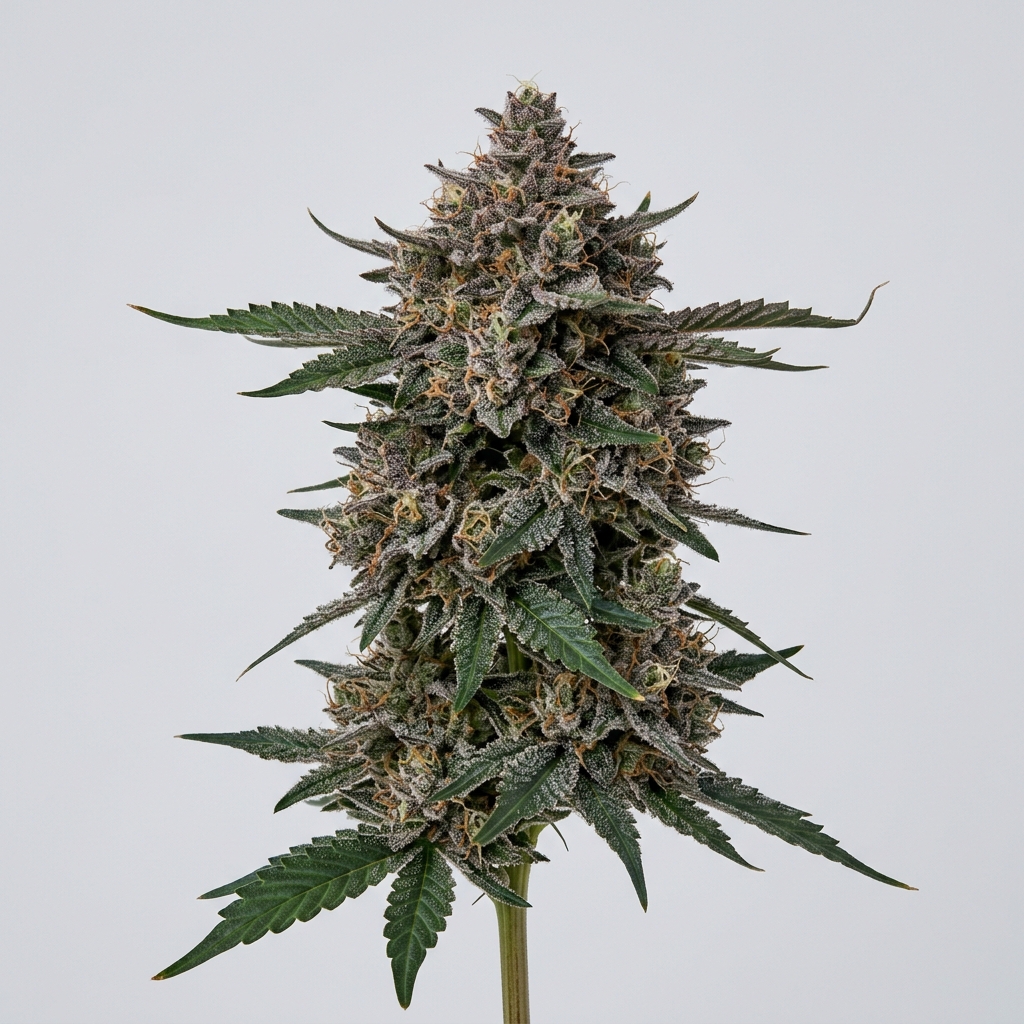
Blackberry Runtz (Cannabis Strain)
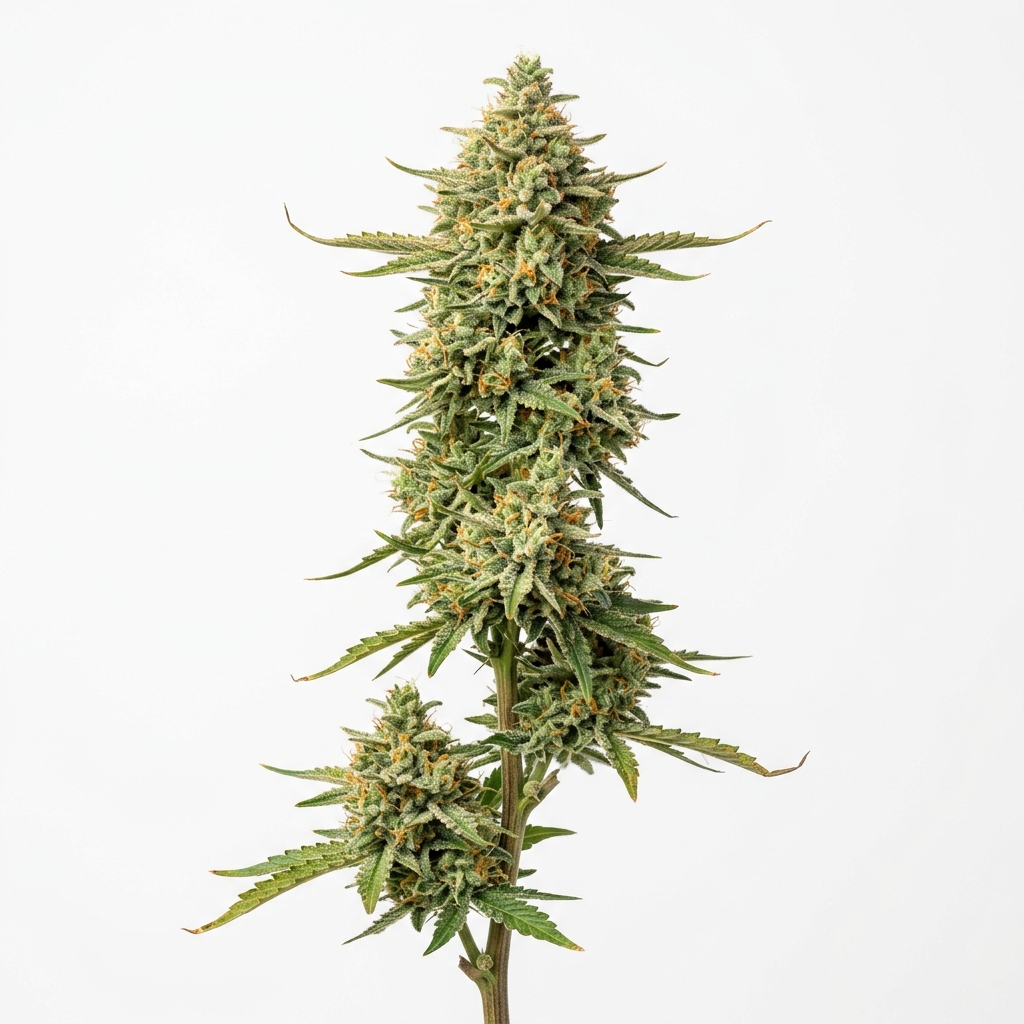
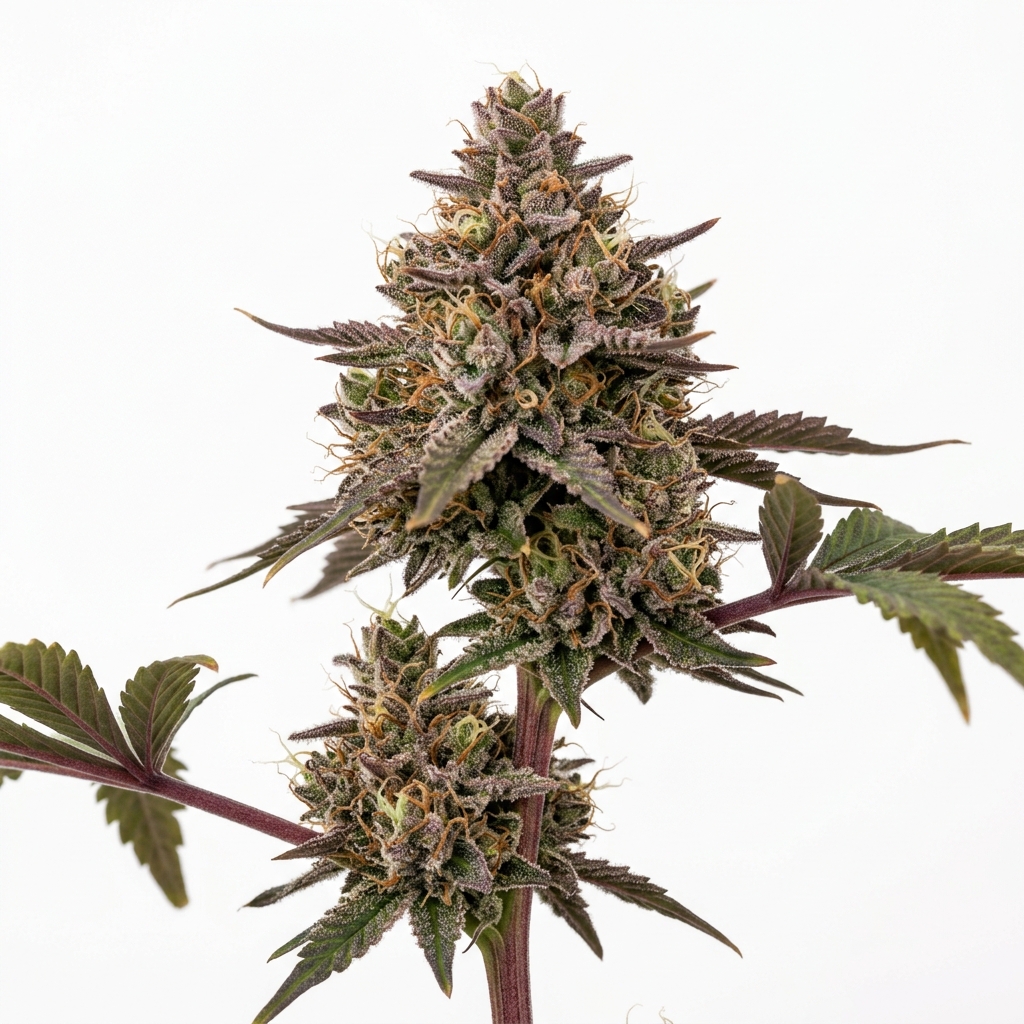
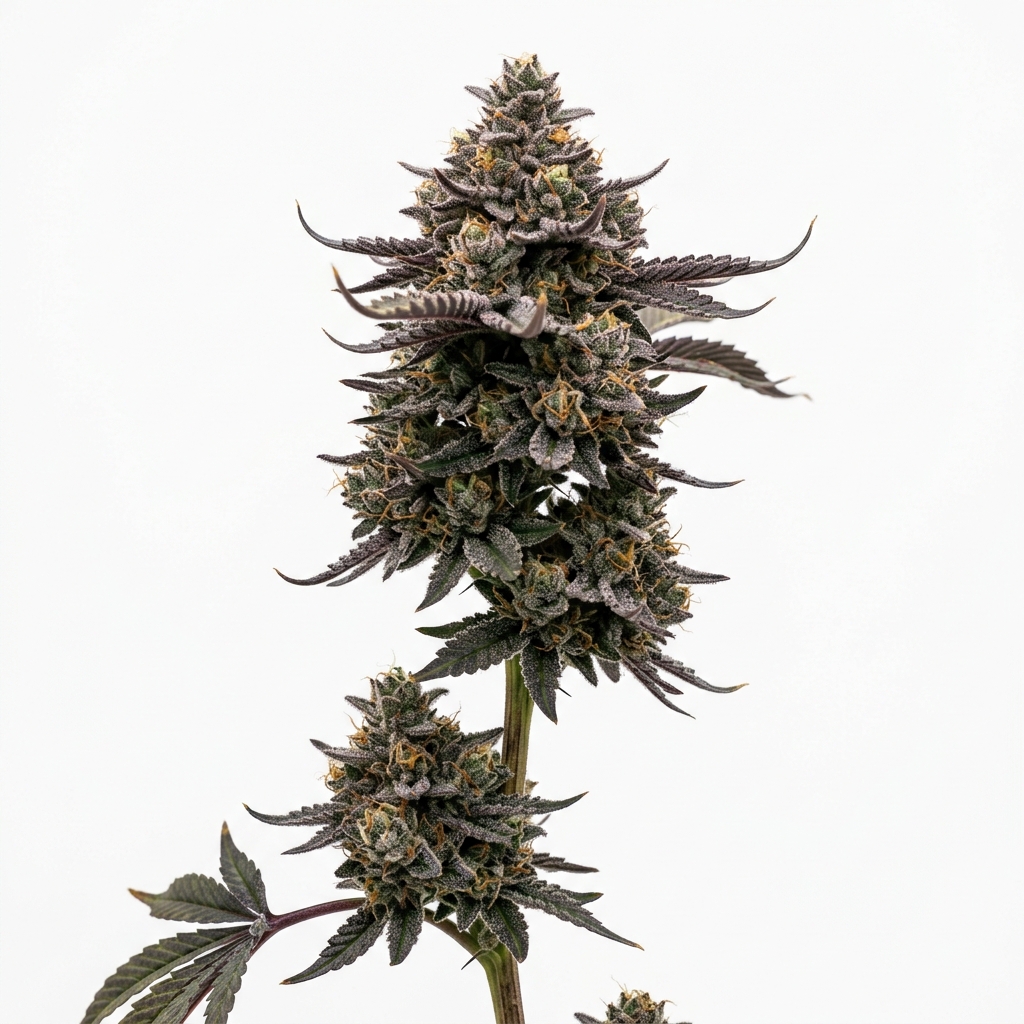
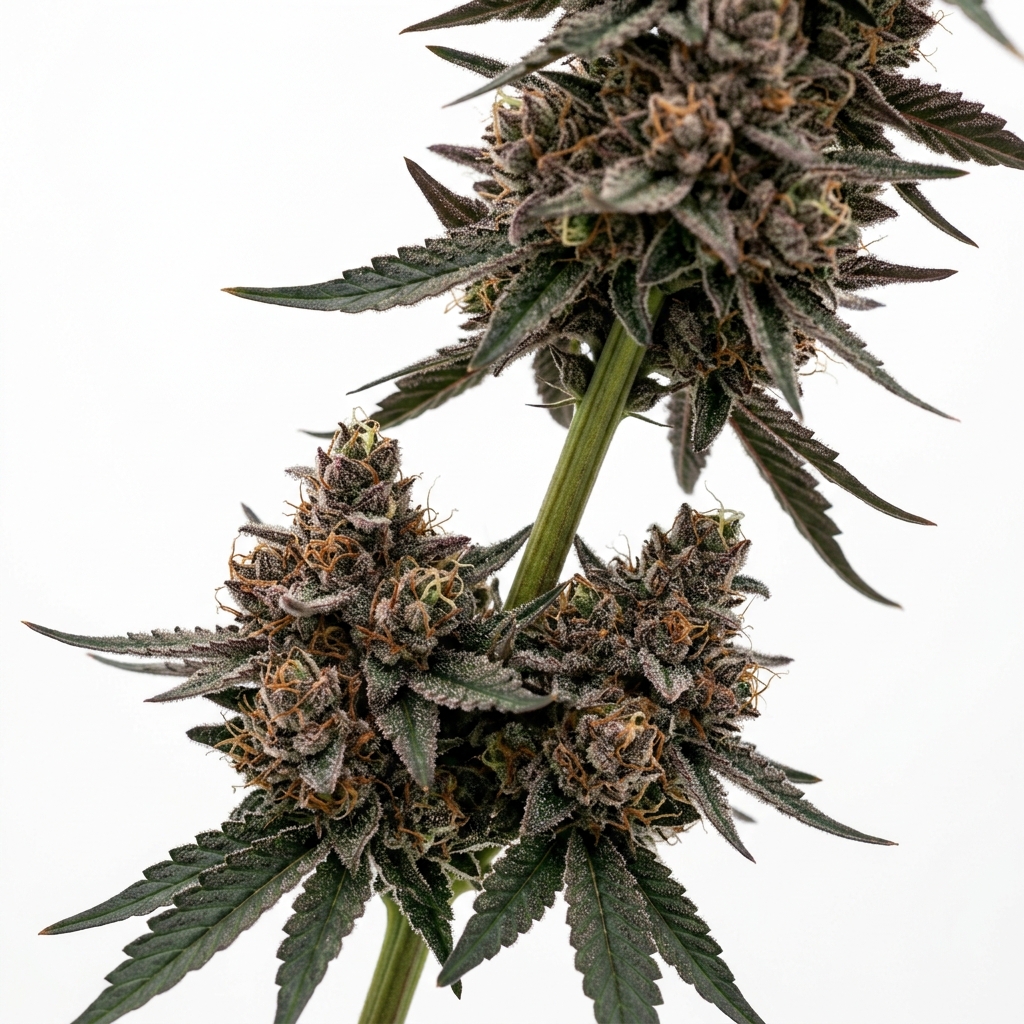
Blackberry Runtz is an indica-dominant hybrid typically testing between 20% and 26% THC, created by crossing the classic Blackberry Kush with the resin-heavy Runtz. This cultivar is recognized for its dense bracts, deep violet hues, and a profile that merges a dark berry edge with a sharp, sugary gas. Under optimal conditions, the plants exhibit a controlled stretch and produce tight, glassy buds covered in a greasy resin layer that appeals to extraction artists and flower enthusiasts alike.
Cultivators value the strain for its reliable structure and predictable feeding requirements, though its dense canopy demands careful humidity management during late flower. The finished flower delivers a balanced sensory experience, pairing deep physical relaxation with a clear, functional mental lift.
Quick Facts
| Fact | Details |
|---|---|
| Genetics | Blackberry Kush × Runtz |
| Variety | Indica-dominant hybrid (approx. 70/30) |
| THC Range | 20% – 26% |
| Flowering Time | 8 – 9 weeks (56 – 63 days) |
| Yield Potential | Moderate to high |
| Plant Height | Medium (moderate stretch) |
| Climate Preference | Temperate, controlled indoor preferred |
| Difficulty | Moderate |
Scientific & Botanical Overview
Botanically, Blackberry Runtz shows classic indica-dominant morphology with broad fan leaves and tight internodes. The plant develops a stout, sturdy main stem capable of supporting dense upper colas without excessive staking if trained early. Proper canopy management is necessary to ensure adequate airflow through its compact structure.
During the transition to flower, the cultivar displays a moderate stretch, typically doubling in height. Anthocyanin accumulation is highly pronounced in this phenotype, yielding deep purple and near-black hues in the calyxes when exposed to cooler night temperatures in the final weeks of bloom. This color contrast is sharpened by a heavy blanket of white trichomes.
The trichome distribution is dense, featuring capitate-stalked glands that produce a wet frost appearance early in the bloom cycle. This greasy resin layer remains highly stable, preserving volatile monoterpenes throughout the drying and curing process. The resulting buds are sticky, heavy, and highly resistant to losing their structural integrity during handling.
Effects & Use-Cases (Reported)
Commonly reported effects include a calming physical warmth accompanied by a gentle, creative mental clarity. Unlike heavier indica varieties, it rarely induces immediate couchlock, making it versatile for afternoon or early evening use. Users often note a soft easing of muscle tension followed by a settled, meditative headspace.
Use-case context suggests it is well-suited for winding down after active days, low-key social gatherings, or creative tasks that require physical comfort without mental fog. Its balanced nature allows for transition from active hours to rest without a sharp crash.
Please note that individual tolerance and specific phenotype variations can alter these effects, and higher doses may lean more heavily into sedation. Cautious dosing is recommended for those sensitive to rapid physical relaxation.
Aroma & Flavors
Aroma: The initial nose is dominated by a rich, dark berry edge, followed quickly by a sharp citrus lift and an underlying earthy kush base that balances the sweetness.
Flavor: The smoke carries a distinct tart gas character on the inhale, transitioning to a sweet, candy-like mint finish on the exhale that lingers on the palate.
Terpene associations: Lab analyses frequently show a dominance of caryophyllene, limonene, and myrcene, which drive the spicy berry and citrus-sweet profile.
Tested Cannabinoid & Terpene Ranges
| Compound | Typical Range |
|---|---|
| Δ9-THC | 20.0% – 26.0% |
| CBD | < 1.0% |
| CBG | 0.5% – 1.5% |
| β-Caryophyllene | 0.4% – 0.9% |
| d-Limonene | 0.3% – 0.7% |
| β-Myrcene | 0.2% – 0.5% |
These ranges reflect typical laboratory tests of well-cured flower. Individual harvests will vary based on cultivation techniques, environmental variables, and specific phenotype selections.
Cultivation Notes
- Keep late-flower humidity below 45% to prevent moisture retention within the dense, swollen calyxes.
- Implement early topping and low-stress training (LST) to promote even light penetration across the lower canopy.
- Maintain a moderate nutrient regimen, avoiding excessive nitrogen during the mid-to-late vegetative stage to prevent leaf curl.
- Expose the canopy to cooler night temperatures (around 62–65°F) during the final two weeks to encourage deep purple coloration.
- Execute a slow dry at 60°F and 60% relative humidity for 10 to 14 days to preserve terpene clarity.
Grower Notes (Week-by-Week Snapshot)
- Weeks 1–3 (Vegetative & Transition): Plants focus on lateral branch development with tight internodal spacing; light pruning of lower fan leaves improves airflow before bloom.
- Weeks 4–6 (Mid-Bloom): Bud sites begin to form dense bracts, and the first signs of glassy trichomes appear along the sugar leaves as the stretch tapers off.
- Weeks 7–9 (Late Bloom & Flush): Swollen calyxes darken to violet and deep purple; flush with plain water to clear excess salts and enhance the natural berry aroma.
- Post-Harvest (Dry & Cure): Trim carefully to preserve the delicate, resin-rich flower structure, followed by a minimum three-week jar cure to unlock the full tart gas profile.
Genetic Lineage
The heritage of Blackberry Runtz traces back to two highly influential genetic lines. Its maternal parent, Blackberry Kush (often a cross of Blackberry and Bubba Kush), contributes a robust, stocky structure, deep purple pigmentation, and a rich, earthy berry foundation. This lineage provides the physical resilience and dense bract structure observed in the hybrid.
The paternal contributor, Runtz (Zkittlez × Gelato), injects the cultivar with its signature sugary candy sweetness and high-density trichome coverage. This combination yields a balanced hybrid that retains the physical structure of its Kush ancestry while elevating the overall terpene complexity and resin output.
Research Insights
Analytical data on Blackberry Runtz highlights a terpene profile rich in caryophyllene and limonene, compounds known for their potential to interact with cannabinoid receptors and modulate the overall sensory experience. The presence of secondary sesquiterpenes contributes to the long-lasting nature of its aroma and flavor, preventing the sweet notes from dissipating quickly after grinding.
Breeding observations indicate that the purple trait is highly stable in this line, suggesting a strong genetic expression of anthocyanins. This stability makes the cultivar a reliable choice for growers seeking consistent visual appeal without sacrificing chemical potency or terpene yield.
Frequently Asked Questions
Is Blackberry Runtz an indica or sativa?
Blackberry Runtz is an indica-dominant hybrid, typically carrying an approximate 70/30 indica-to-sativa ratio, derived from crossing Blackberry Kush and Runtz.
How long does Blackberry Runtz take to flower?
This strain typically finishes its flowering cycle in 8 to 9 weeks (56 to 63 days) when grown in a controlled indoor environment.
What does Blackberry Runtz smell like?
It features a complex aroma of dark berries, sweet candy, and a sharp citrus lift, grounded by an earthy, gassy kush base.
Does Blackberry Runtz turn purple?
Yes, the buds regularly develop deep violet and near-black hues, especially when daytime and nighttime temperatures are lowered during the final weeks of bloom.
Educational Disclaimer
This profile is for educational purposes only. Cannabinoid profiles, terpene content, and growth characteristics vary widely by phenotype, environment, and cultivation method.
Rate and review this strain
Ratings and reviews are accepted only from signed-in Google accounts.
Sign in with Google to leave a rating and written review.
Latest Reviews
0 reviewsNo reviews yet. Be the first Google user to rate and review this strain.
Follow New Cultivar Records
Get newly documented genetics, breeder history, research highlights, and important Strainpedia discoveries by email.