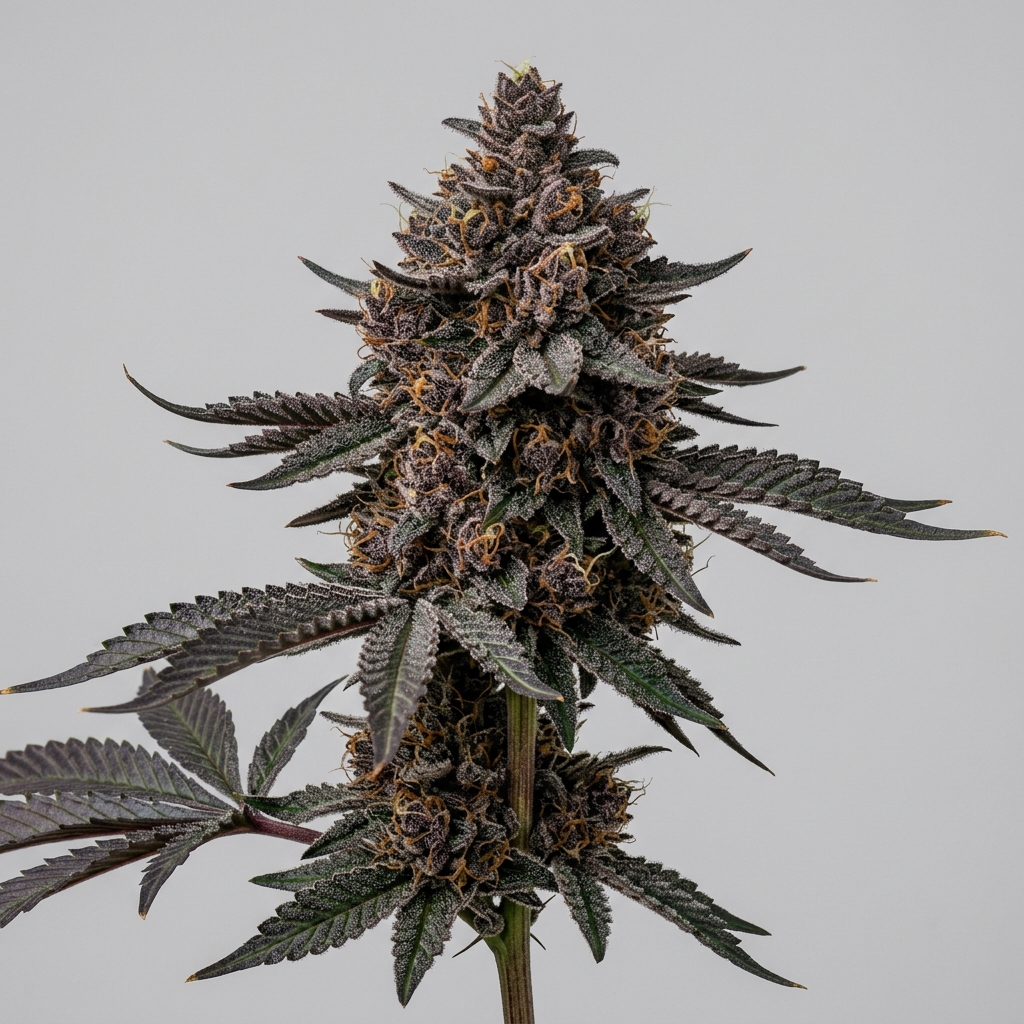
Black Alien Pie (Cannabis Strain)
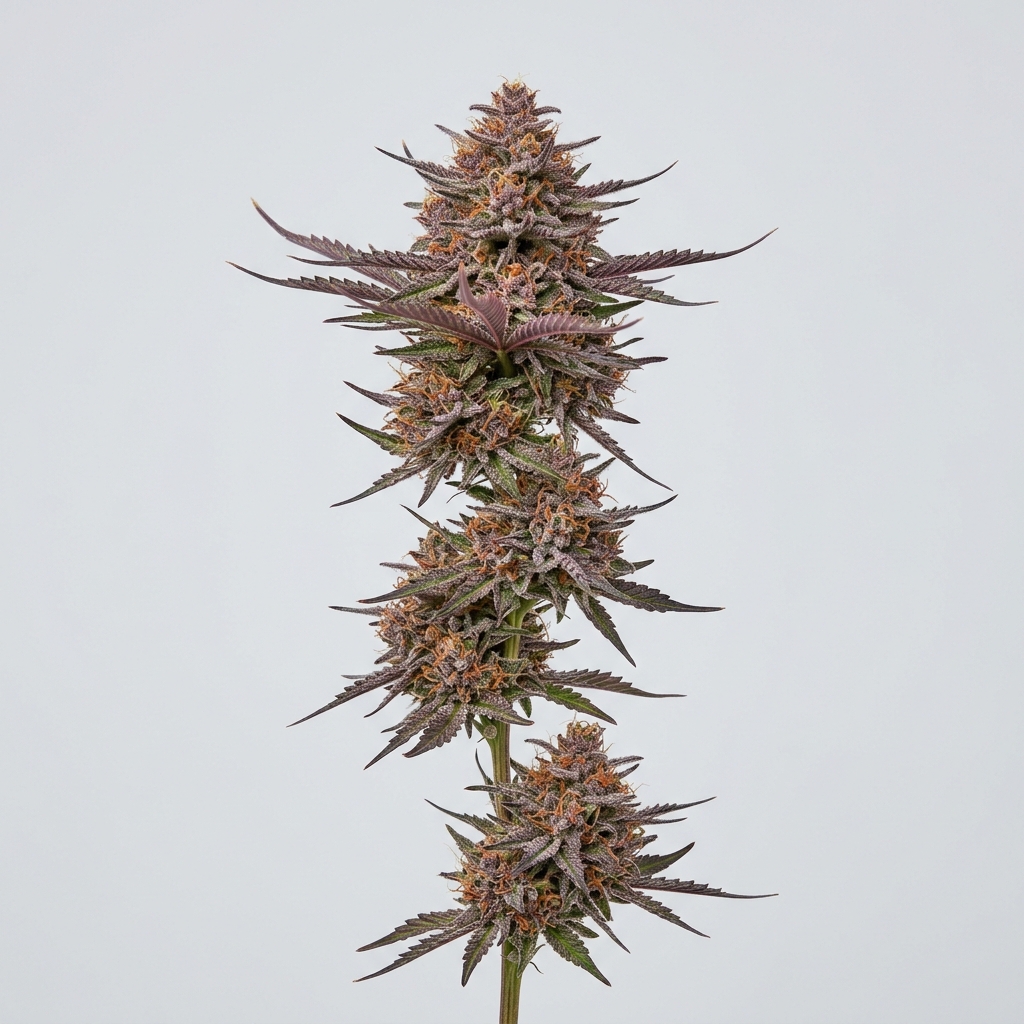
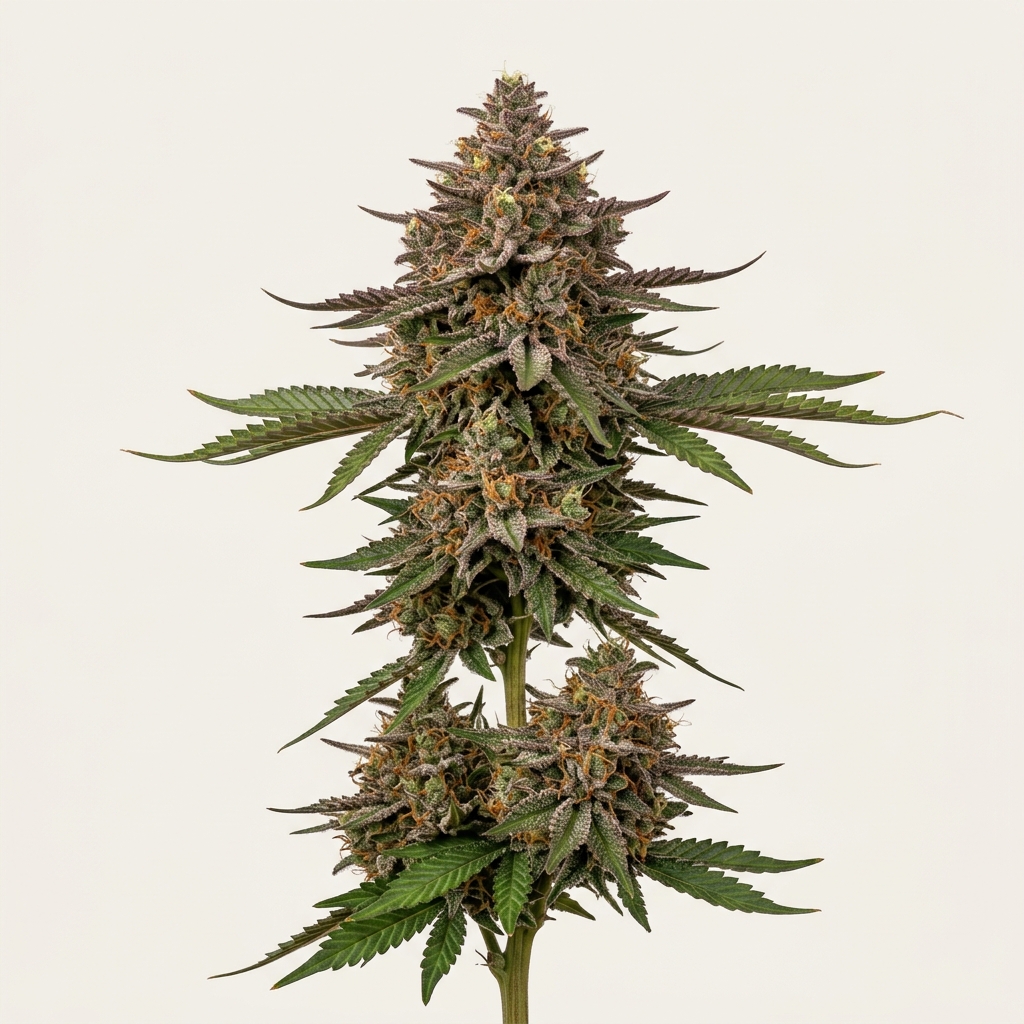
Black Alien Pie is an indica-dominant hybrid commonly reported as a cross of Black Alien and Cherry Pie, delivering a potent THC range of 20% to 26%. This cultivar is recognized for its greasy resin production, dense bracts with deep purple hues, and a complex aromatic profile that balances a dark berry edge with a tart gas finish. It shows a controlled stretch during early flower, making it a favored choice among growers seeking compact, resin-rich flowers with high terpene clarity.
Cultivators appreciate this variety for its predictable growth patterns and high-yield potential under optimized canopy management. Its heavy trichome coverage and deep coloration make it highly sought after for both flower sales and solventless extraction.
Quick Facts
| Attribute | Details |
|---|---|
| Genetics | Black Alien × Cherry Pie |
| Variety | Indica-dominant hybrid |
| THC Range | 20% – 26% |
| Flowering Time | 56 – 63 days (8 – 9 weeks) |
| Yield Potential | Moderate to High |
| Plant Height | Medium, compact branching |
| Climate Preference | Temperate, low late-flower humidity |
| Difficulty | Moderate |
Scientific & Botanical Overview
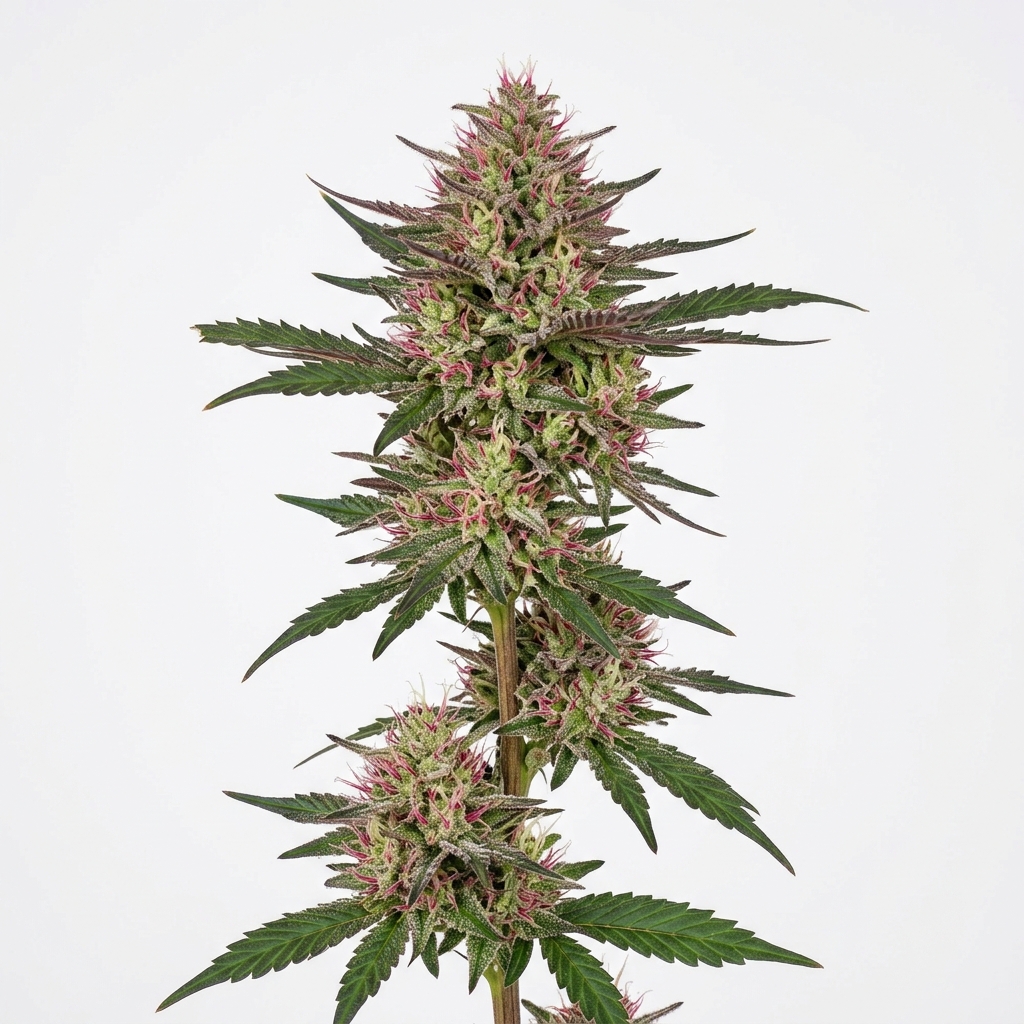
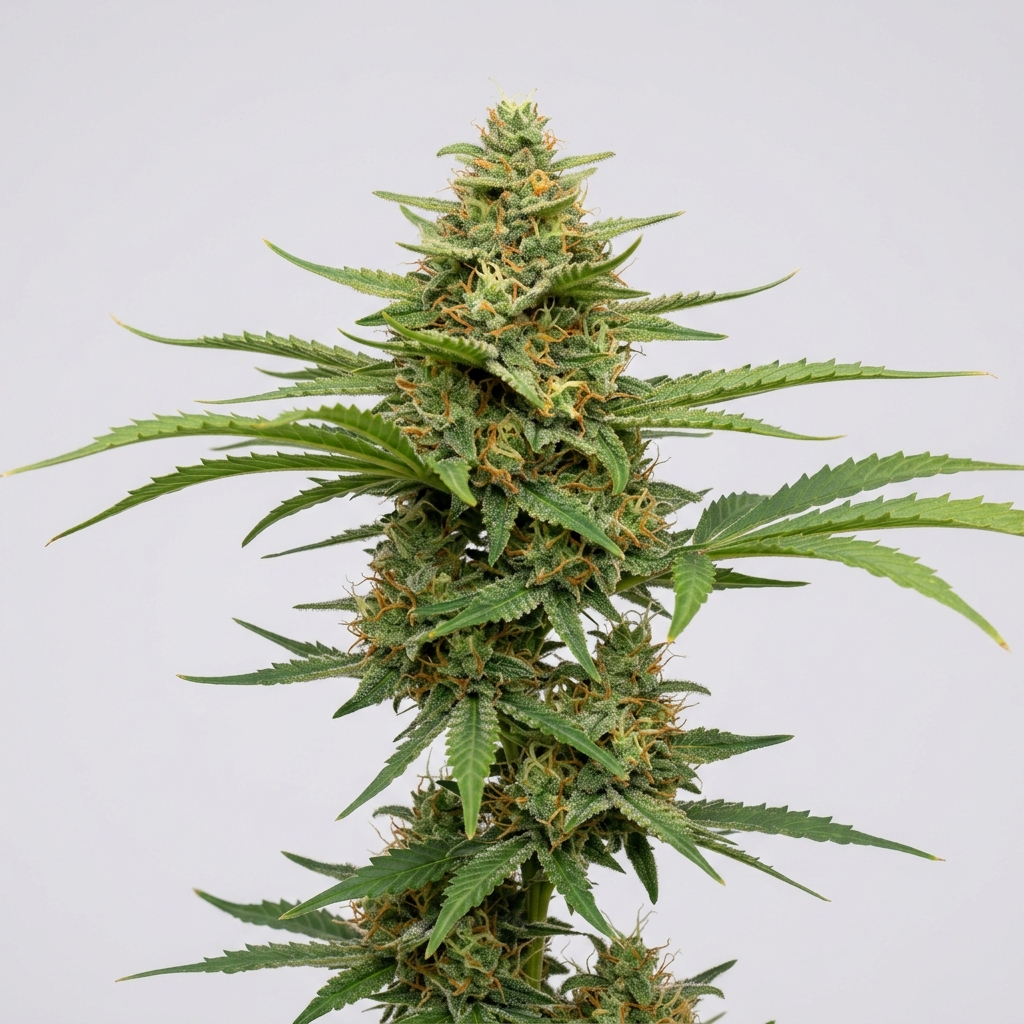
Botanically, this cultivar shows classic indica morphology, characterized by broad fan leaves and tight internodes that require selective defoliation. The plant structure supports dense, heavy spear colas that often require secondary support as the flowers swell.
Anthocyanin accumulation is highly pronounced in this genetic line, turning the fan leaves and dense bracts deep purple to near-black when exposed to cooler night temperatures. The resin glands are predominantly capitate-stalked trichomes, producing a wet frost appearance that extends to the fan leaves.
The cultivar shows a robust resistance to common pests but remains sensitive to high humidity during the final weeks of flowering. Maintaining clean airflow through the lower canopy is essential to prevent moisture retention within the dense flower clusters.
Effects & Use-Cases (Reported)
Commonly reported effects: These include a heavy physical relaxation that settles quickly behind the eyes before spreading throughout the limbs. Users describe a calming mental ease that reduces racing thoughts without immediate sedation, though higher doses typically lead to deep sleep.
Use-case context: This strain is best suited for late evening use or quiet wind-down periods. Its soothing physical properties make it a popular choice for managing physical tension, encouraging appetite, and preparing for rest.
Note: Individual experiences may vary depending on tolerance and dosage; the high cannabinoid concentration suggests cautious initial use for those sensitive to potent indica hybrids.
Aroma & Flavors
Aroma: The initial scent is dominated by an earthy kush base mixed with a sharp, dark berry edge and hints of spicy hash. Flavor: On the exhale, the smoke delivers a doughy sweetness reminiscent of baked goods, followed by a lingering tart gas and subtle herbal undertones. Terpene associations: Lab analyses typically show a dominance of myrcene, caryophyllene, and limonene, which contribute to its spicy, fruity, and fuel-like characteristics.
Tested Cannabinoid & Terpene Ranges
| Compound | Tested Range |
|---|---|
| Δ9-THC | 20.0% – 26.0% |
| CBD | < 0.5% |
| β-Myrcene | 0.6% – 1.2% |
| β-Caryophyllene | 0.4% – 0.8% |
| d-Limonene | 0.2% – 0.5% |
| Linalool | 0.1% – 0.3% |
Values are based on third-party laboratory data and represent historical averages. Actual cannabinoid and terpene content may vary significantly depending on cultivation methods, environmental conditions, and curing protocols.
Cultivation Notes
- Humidity control: Keep relative humidity below 45% during the final three weeks of flower to protect the dense colas from moisture issues.
- Nutrient requirements: Responds well to a moderate feeding schedule; avoid heavy nitrogen during late vegetative growth to prevent leaf curl.
- Training techniques: use low-stress training (LST) and topping early in vegetative growth to promote even canopy development and maximize light penetration.
- Temperature management: Drop nighttime temperatures by 10 to 15 degrees Fahrenheit during the last two weeks to encourage rich purple coloration.
- Phenotype variation: Most phenotypes show uniform growth, though some selections may lean toward a taller, more fuel-forward Alien Kush morphology.
Grower Notes (Week-by-Week Snapshot)
- Weeks 1–3: The plant undergoes a moderate stretch, typically doubling in size. Prune the lower third of the canopy to improve airflow and direct energy to the upper nodes.
- Weeks 4–6: Flower clusters begin to stack rapidly, forming dense spear colas. Trichome development becomes visible on the calyxes and sugar leaves, emitting a faint berry aroma.
- Weeks 7–9: Calyxes swell and pistils turn amber. Reduce humidity and introduce cooler night temperatures to trigger the dark purple phenotype expression. Harvest when trichomes transition from milky to amber.
- Post-Harvest: Execute a slow dry at 60°F and 60% relative humidity for 10 to 14 days to preserve the delicate terpene profile before a minimum three-week cure.
Genetic Lineage
The lineage of this cultivar is rooted in the combination of Black Alien and Cherry Pie. Black Alien, a cross of Black Domina and Alien Kush, contributes the heavy physical traits, deep dark coloration, and spicy hash undertones that define the plant’s structural foundation.
Cherry Pie, a classic cross of Granddaddy Purple and Durban Poison, introduces a sweet, doughy cherry profile and improves the resin texture. This genetic pairing yields a balanced hybrid that retains the heavy resin production of its kush ancestors while gaining a refined dessert-like aroma.
Research Insights
Analytical data indicates that the terpene profile of this cultivar is heavily influenced by the high concentration of myrcene and caryophyllene. This combination is often studied for its potential to modulate the physical effects of THC, offering insights into the cultivar’s deeply relaxing properties.
The presence of limonene and linalool in trace amounts provides a subtle aromatic lift that balances the heavier earthy compounds. Researchers and breeders look to these specific terpene ratios when developing cultivars aimed at physical comfort and nighttime applications.
Frequently Asked Questions
What is the typical flowering time for Black Alien Pie?
This cultivar generally finishes flowering in 56 to 63 days (8 to 9 weeks) when grown indoors. Outdoor plants are typically ready for harvest by late September or early October.
Does this strain turn purple naturally?
While the genetics strongly favor purple coloration, dropping the nighttime temperatures in the grow room during the final weeks of flowering helps to fully express the deep purple and near-black hues.
Is Black Alien Pie suitable for beginners to grow?
It is moderately easy to grow due to its sturdy structure and predictable stretch, but beginners must monitor humidity closely in late flower to protect its highly dense buds from moisture retention.
What does this strain smell like?
It features a complex aroma of earthy kush and dark berries with a sharp, tart gas finish and a subtle doughy sweetness.
Educational Disclaimer
This guide is for educational and informational purposes only. Local laws regarding cannabis cultivation and consumption vary, and readers should consult their local regulations.
Rate and review this strain
Ratings and reviews are accepted only from signed-in Google accounts.
Sign in with Google to leave a rating and written review.
Latest Reviews
0 reviewsNo reviews yet. Be the first Google user to rate and review this strain.